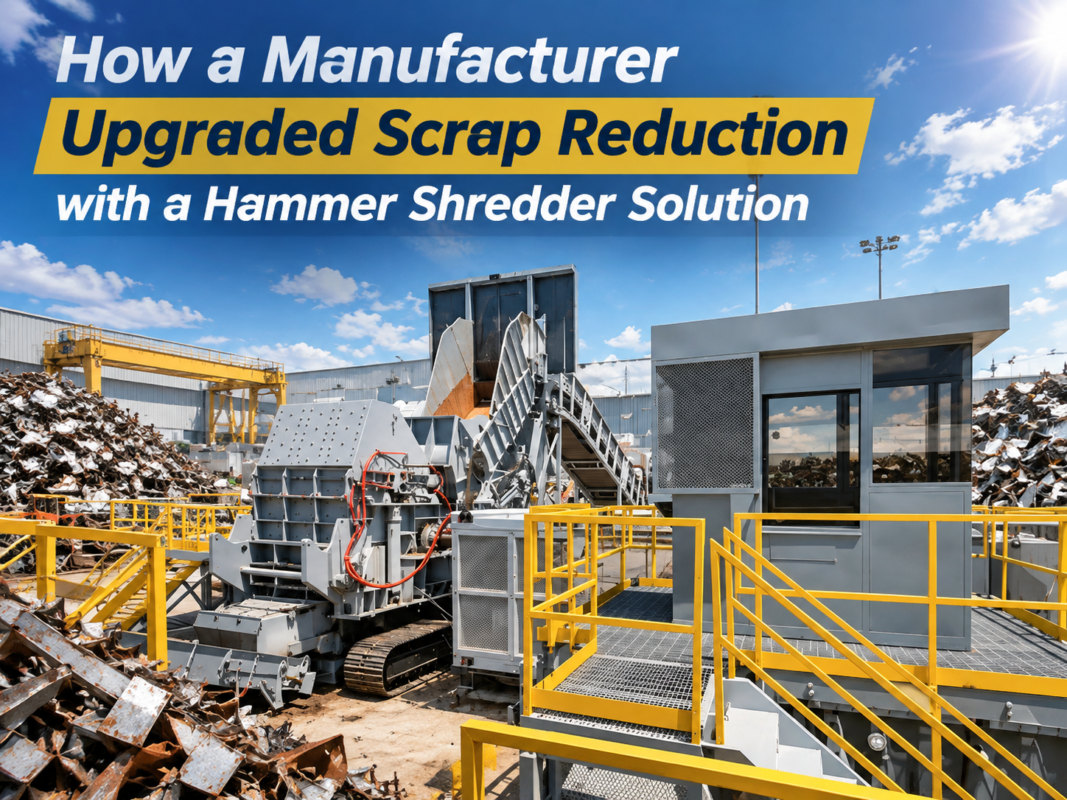
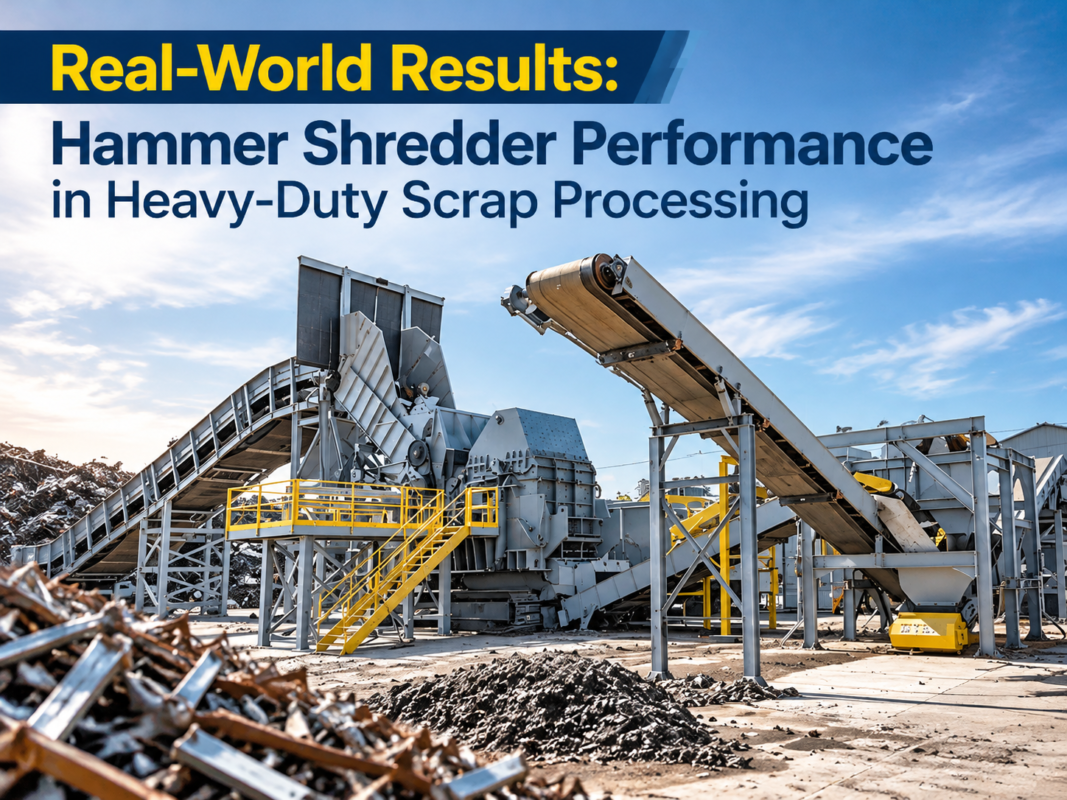
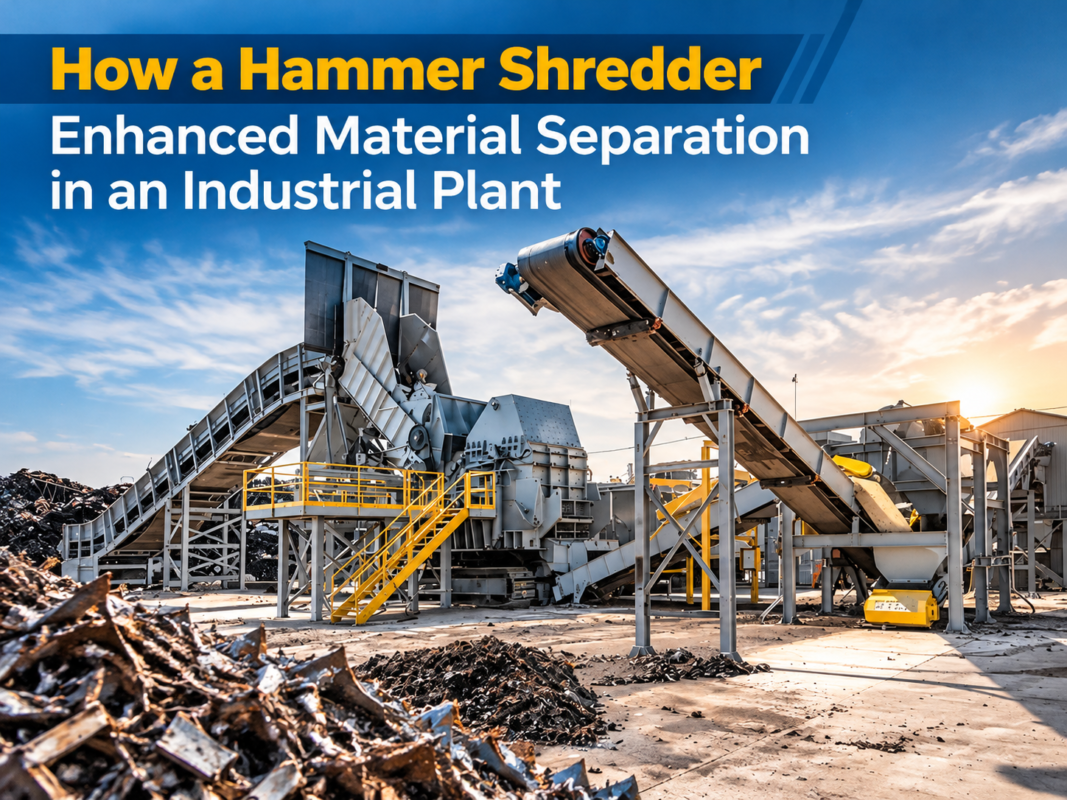
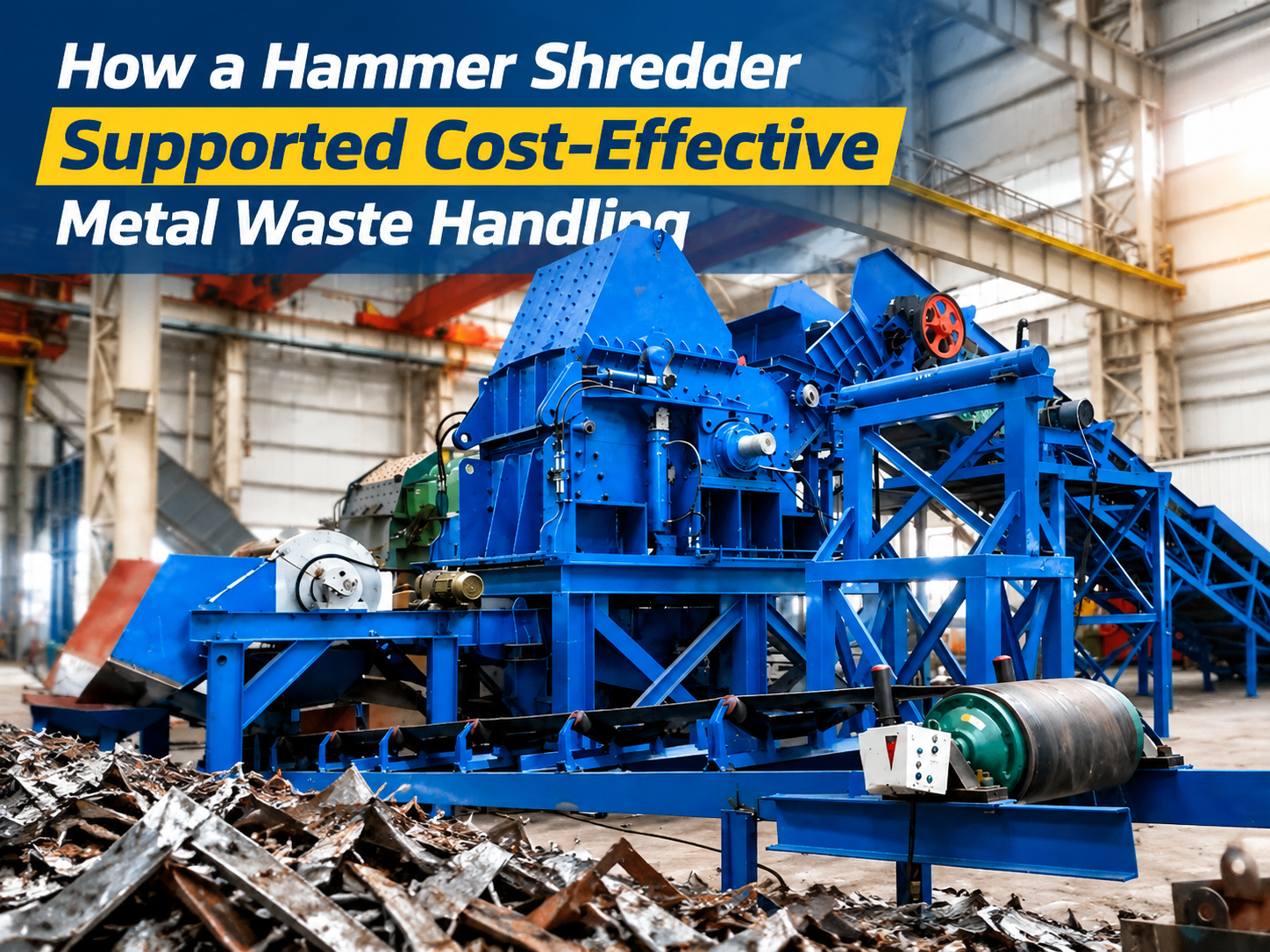
How a Hammer Shredder Supported Cost-Effective Metal Waste Handling: A Comprehensive Guide

Introduction
In the modern landscape of metal fabrication, the management of scrap and waste materials has transitioned from a logistical burden to a strategic opportunity. For many manufacturers, the sheer volume of metal offcuts, shavings, and defective components can quickly overwhelm floor space and inflate disposal costs. This is where the implementation of advanced processing technology becomes critical. Specifically, how a hammer shredder supported cost-effective metal waste handling has become a focal point for facilities looking to optimize their bottom line.
HARSLE recognizes that efficiency is not just about the primary production line; it is about the entire lifecycle of the material. By integrating a high-performance hammer shredder, companies can transform bulky, unmanageable scrap into uniform, high-density material. This process not only simplifies logistics but also significantly increases the market value of the scrap, turning a waste stream into a revenue stream.
This article explores the technical mechanics, economic benefits, and strategic implementation of hammer shredders in industrial environments. We will delve into why these machines are the gold standard for volume reduction and how they facilitate a circular economy within the metal fabrication sector. Whether you are a small workshop or a large-scale industrial plant, understanding the role of shredding technology is essential for long-term sustainability.
As we navigate the complexities of industrial waste management, it is important to view the hammer shredder not merely as a piece of equipment, but as a catalyst for operational excellence. By reducing the physical footprint of waste, manufacturers can reclaim valuable floor space, reduce transportation costs, and improve safety protocols across the facility.
Key Considerations for Metal Waste Management
Before investing in shredding technology, facility managers must evaluate their specific waste profile. Not all metal scrap is created equal; the density, alloy composition, and physical dimensions of the waste dictate the type of shredding mechanism required. A hammer shredder excels in processing a wide variety of materials, from thin-gauge sheet metal to complex, hardened steel components, making it a versatile choice for diverse fabrication shops.
One of the primary considerations is the volume of throughput. If a facility generates several tons of scrap per week, the cost of manual handling and frequent waste removal services can be astronomical. By utilizing a hammer shredder, the material is reduced to a fraction of its original volume. This density increase allows for more efficient loading of transport containers, meaning fewer trips to the recycling center and lower carbon emissions associated with waste logistics.
Safety is another paramount concern in metal waste handling. Sharp, jagged offcuts pose a significant risk to workers. Manual handling of these materials often leads to workplace injuries, which can result in downtime and increased insurance premiums. A hammer shredder automates the reduction process, minimizing human contact with hazardous scrap and creating a cleaner, safer working environment.
Furthermore, environmental compliance and sustainability goals are increasingly influencing industrial operations. Many regions now mandate strict waste reduction targets. By processing metal scrap on-site, companies can ensure that their waste is properly sorted and prepared for high-quality recycling, thereby improving their corporate social responsibility profile and meeting regulatory requirements with ease.
Technical Details of Hammer Shredder Operation
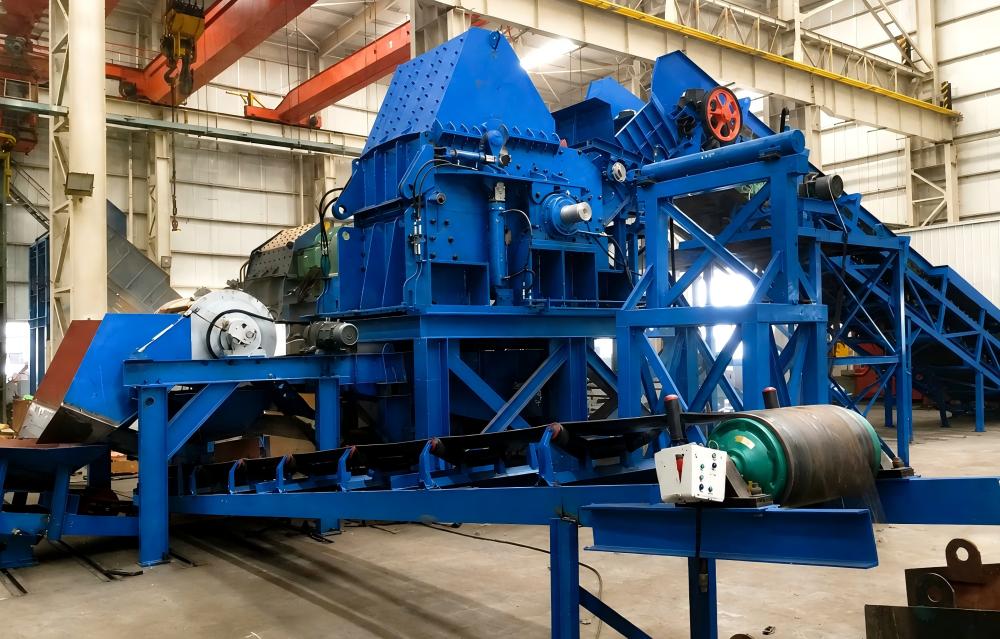
The core functionality of a hammer shredder lies in its high-speed rotor assembly, which is equipped with a series of heavy-duty, swinging hammers. As the rotor spins at high velocity, these hammers strike the incoming metal material, shattering it against a heavy-duty anvil or grate system. This impact-based reduction is significantly more effective than shear-based shredding for brittle or bulky metal waste.
HARSLE-engineered shredders are designed with modular grate systems, allowing operators to adjust the output size of the shredded metal. This is a crucial feature for facilities that need to meet specific purity or size requirements for downstream smelting or secondary processing. By controlling the particle size, manufacturers can ensure that their scrap is optimized for the specific needs of their recycling partners, often commanding a higher price per ton.
The drive system is another critical technical component. Modern hammer shredders utilize high-torque electric motors coupled with robust gearboxes to handle the intense shock loads generated during the shredding process. Advanced control systems monitor motor load and rotor speed, automatically adjusting the feed rate to prevent jamming and ensure consistent performance even when processing mixed-density materials.
Maintenance of the hammers is a key aspect of long-term reliability. Because the hammers are the primary wear components, they are typically manufactured from hardened, wear-resistant alloys. HARSLE designs these systems for easy access, allowing maintenance teams to perform inspections and replacements with minimal downtime. This focus on maintainability ensures that the machine remains a reliable workhorse for years to come.
Selection Advice: Choosing the Right Equipment
Selecting the right hammer shredder requires a thorough analysis of your current and projected waste output. Start by auditing your scrap pile: what are the most common materials? Are they predominantly aluminum, mild steel, or stainless steel? The hardness of the material will determine the required impact force and the frequency of hammer maintenance. HARSLE experts recommend conducting a pilot test with your specific waste stream to determine the ideal machine configuration.
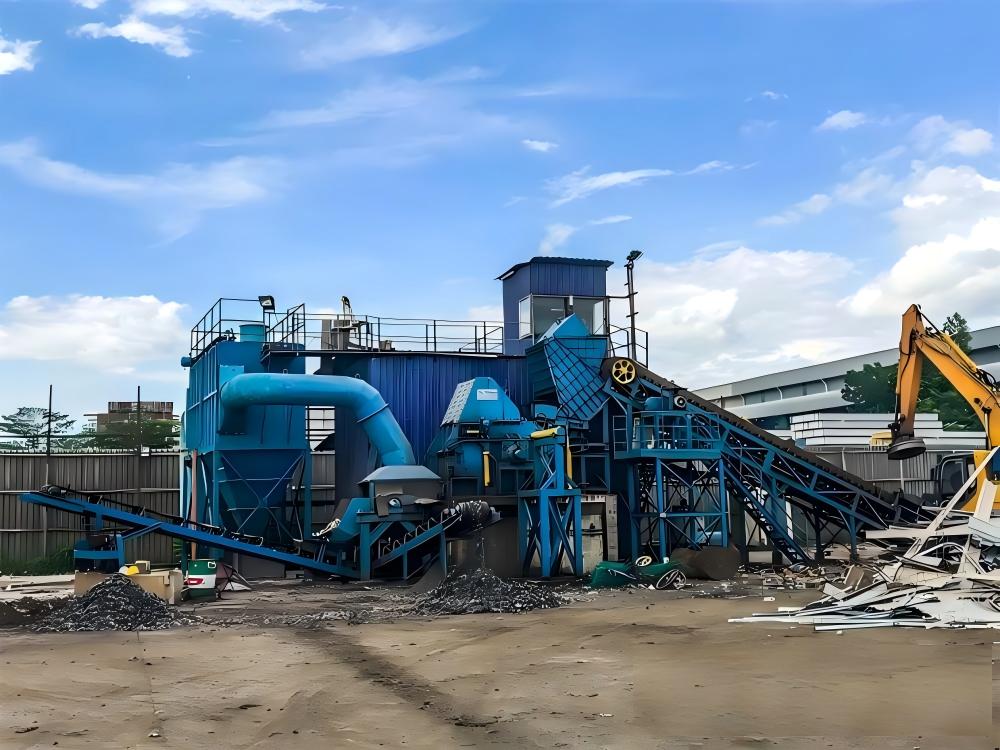
Consider the integration of the shredder into your existing workflow. Will the material be fed manually, or do you require a conveyor system? For high-volume facilities, an automated in-feed conveyor is essential to maintain a steady flow of material and maximize the utilization of the shredder. Additionally, consider the downstream handling—will the shredded material be discharged into a bin, a hopper, or directly onto a secondary sorting conveyor?
The physical footprint of the machine is also a vital factor. In many fabrication shops, floor space is at a premium. Look for compact, vertical-feed designs that offer high throughput without requiring an expansive installation area. HARSLE provides various models tailored to different spatial constraints, ensuring that you can find a solution that fits your facility layout without compromising on power.
Finally, do not overlook the importance of after-sales support and spare parts availability. A hammer shredder is a significant investment, and its value is realized through continuous operation. Partnering with a manufacturer that provides comprehensive technical support, training for your operators, and a reliable supply of wear parts is just as important as the machine’s initial specifications. Always prioritize vendors who offer long-term partnership rather than just a one-time sale.
FAQ: Common Questions About Hammer Shredders
How does a hammer shredder differ from a shear shredder?
A hammer shredder uses high-speed impact to break material, which is ideal for brittle or bulky scrap. A shear shredder uses low-speed, high-torque blades to cut material, which is better for long, stringy scrap or materials that require precise sizing.
What is the typical ROI for a hammer shredder?
The ROI is achieved through reduced waste disposal fees, increased scrap value due to higher density, and improved labor efficiency. Many facilities see a full return on investment within 18 to 36 months depending on volume.
How often do the hammers need to be replaced?
This depends on the material being processed and the daily throughput. Generally, high-wear applications require inspection every 500-1000 operating hours, with replacements performed as needed to maintain shredding efficiency.
Can a hammer shredder process mixed metals?
Yes, hammer shredders are highly effective at processing mixed metal streams. However, it is important to remove non-metallic contaminants like large stones or concrete, which can damage the hammers and reduce the quality of the output.
Is specialized training required to operate the machine?
While modern shredders are user-friendly, proper training is essential for safe operation and routine maintenance. HARSLE provides comprehensive manuals and training resources to ensure your team can operate the equipment safely and efficiently.
Conclusion
The question of how a hammer shredder supported cost-effective metal waste handling is answered by the tangible improvements in operational efficiency and financial performance. By transforming scrap metal into a manageable, high-density commodity, manufacturers can significantly reduce their overhead costs while contributing to a more sustainable industrial ecosystem. The transition from manual waste handling to automated shredding is a hallmark of a modern, forward-thinking fabrication facility.
HARSLE remains committed to providing the machinery and expertise necessary to help our clients navigate these operational challenges. With the right equipment, your waste management strategy can become a competitive advantage, allowing you to focus on what you do best: creating high-quality metal products. As the industry continues to evolve, the integration of advanced processing technology will only become more critical for long-term success.
We invite you to evaluate your current waste handling processes and consider the impact that a professional-grade hammer shredder could have on your bottom line. Whether you are looking to reclaim floor space, improve safety, or maximize the value of your scrap, HARSLE has the solutions to support your growth. Contact our team today to learn more about our range of metal fabrication equipment and how we can help you achieve your operational goals.