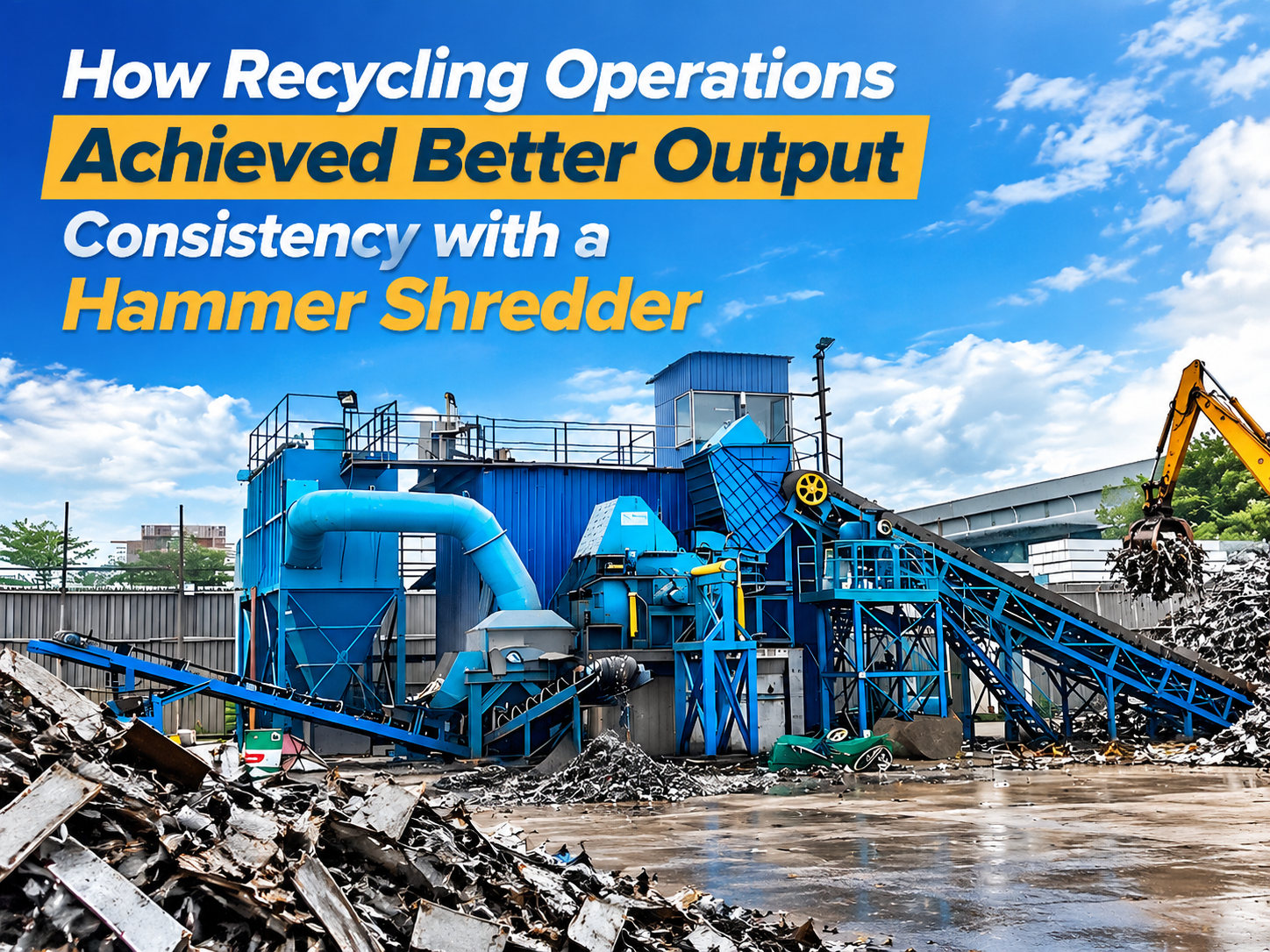
How Recycling Operations Achieved Better Output Consistency with a Hammer Shredder

Introduction: The Quest for Uniformity in Recycling
In the modern landscape of industrial waste management, the ability to process scrap materials into uniform, high-quality feedstock is the primary differentiator between a profitable operation and one plagued by inefficiency. Many facilities struggle with irregular output sizes, which complicates downstream sorting, smelting, and material recovery processes. This is where the implementation of advanced size-reduction technology becomes critical. Specifically, how recycling operations achieved better output consistency with a hammer shredder has become a focal point for plant managers looking to optimize their throughput.
A hammer shredder serves as the mechanical heart of a recycling facility. By utilizing high-speed rotating hammers to impact and pulverize materials, these machines transform bulky, heterogeneous scrap into consistent, granular output. This article explores the technical mechanics, operational advantages, and strategic selection criteria that allow recycling facilities to reach new levels of productivity and material purity.
Achieving consistency is not merely about the machine itself; it is about the integration of the shredder into a broader material handling ecosystem. When a facility transitions from manual or low-tech processing to a robust hammer shredder system, the immediate result is a reduction in material variability. This consistency is vital for downstream processes such as magnetic separation, eddy current sorting, and densification, all of which rely on predictable particle sizes to function at peak efficiency.
At HARSLE, we have observed that the most successful recycling operations are those that treat the shredding process as a precise science rather than a brute-force task. By understanding the interplay between hammer geometry, screen sizing, and rotor speed, operators can fine-tune their output to meet the stringent requirements of modern metal refineries and plastic recyclers. This guide provides a comprehensive look at how these systems drive operational excellence.
Key Considerations for Recycling Operations
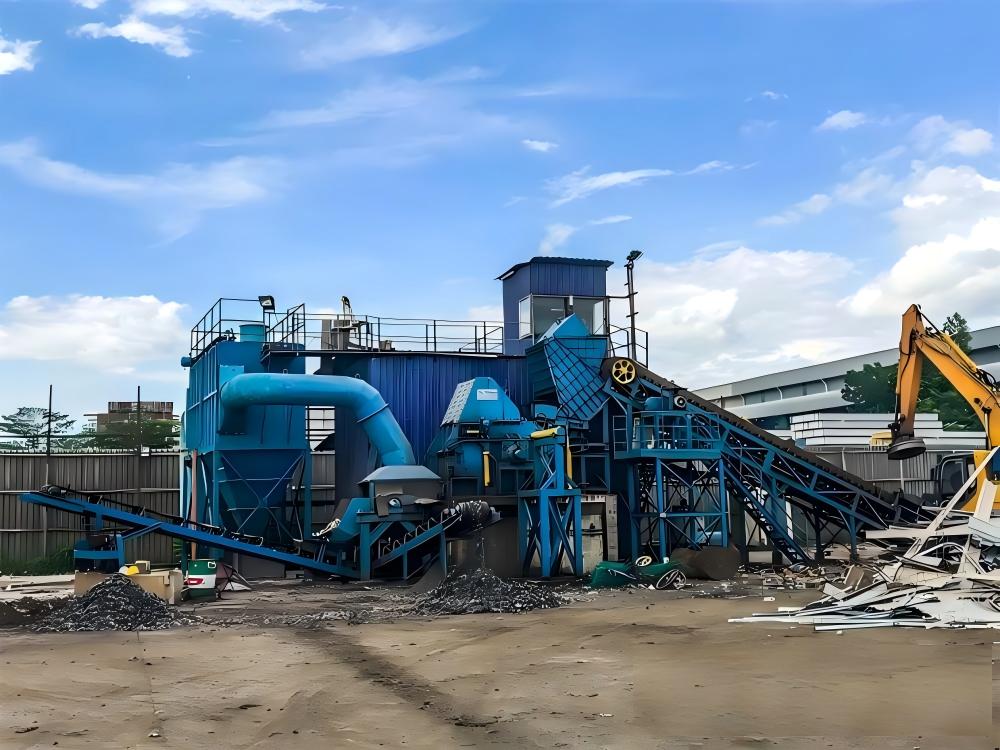
When evaluating the performance of a recycling line, the primary metric for success is the uniformity of the output. If a shredder produces a mix of fine dust and oversized chunks, the downstream sorting equipment will inevitably fail to separate materials effectively. Achieving better output consistency requires a deep understanding of the material feed characteristics. Operators must account for the density, hardness, and moisture content of the incoming scrap to ensure the shredder is configured correctly.
Another key consideration is the throughput rate versus the quality of the output. Often, facilities push their machinery to maximum capacity, which can lead to “choking” the shredder and resulting in inconsistent particle sizes. A balanced approach, where the feed rate is regulated by automated conveyor systems, ensures that the hammers have enough time to process each piece of material thoroughly. This balance is essential for maintaining a steady flow of uniform material.
Maintenance cycles also play a pivotal role in consistency. As hammers wear down, the gap between the hammer tip and the screen increases, leading to larger, irregular output. Implementing a proactive maintenance schedule—where hammers are rotated, hard-faced, or replaced based on tonnage rather than just calendar time—is a hallmark of high-performing recycling operations. This level of diligence prevents the gradual degradation of output quality that often goes unnoticed until it impacts the final product value.
Finally, the integration of dust collection and air classification systems is essential. In many recycling operations, the presence of light, non-metallic fractions can interfere with the shredding process. By removing these contaminants before or during the shredding phase, the hammer shredder can focus its energy on the target material, resulting in a cleaner, more consistent final product. This holistic view of the recycling line is what separates industry leaders from the rest of the market.
Technical Details: The Mechanics of Consistency
The core of a hammer shredder’s performance lies in its rotor assembly. The rotor is equipped with a series of heavy-duty hammers that swing freely on pins. As the rotor spins at high velocity, centrifugal force extends these hammers, creating a powerful impact zone. The consistency of the output is largely determined by the kinetic energy delivered by these hammers and the duration the material spends within the crushing chamber. HARSLE-engineered systems utilize high-inertia rotors to maintain speed even when encountering dense, difficult-to-shred materials.
The screen or grate system located at the bottom of the shredding chamber acts as the final arbiter of size. Material is only allowed to exit the chamber once it has been reduced to a size smaller than the screen apertures. To achieve superior consistency, the selection of the screen hole shape and size is critical. For instance, round holes provide a more uniform, spherical particle, while square or slotted holes may be preferred for specific material types to optimize flow and prevent clogging.
Rotor speed is another variable that directly impacts the output profile. Higher speeds generally result in finer, more pulverized material, which is ideal for liberating metals from composite scrap. Conversely, lower speeds can be used to produce a coarser output, which is often preferred for secondary processing or densification. The ability to adjust rotor speed via a Variable Frequency Drive (VFD) allows operators to adapt to different material streams, ensuring consistency regardless of the input composition.
Material residence time is the final technical pillar. By adjusting the internal baffles or the feed rate, operators can control how long the material is subjected to the hammer impacts. A longer residence time ensures that even the most stubborn materials are broken down to the desired size. This level of control is essential for recycling operations that handle a diverse range of scrap, from thin-gauge aluminum to heavy steel components.
Selection Advice: Choosing the Right Equipment
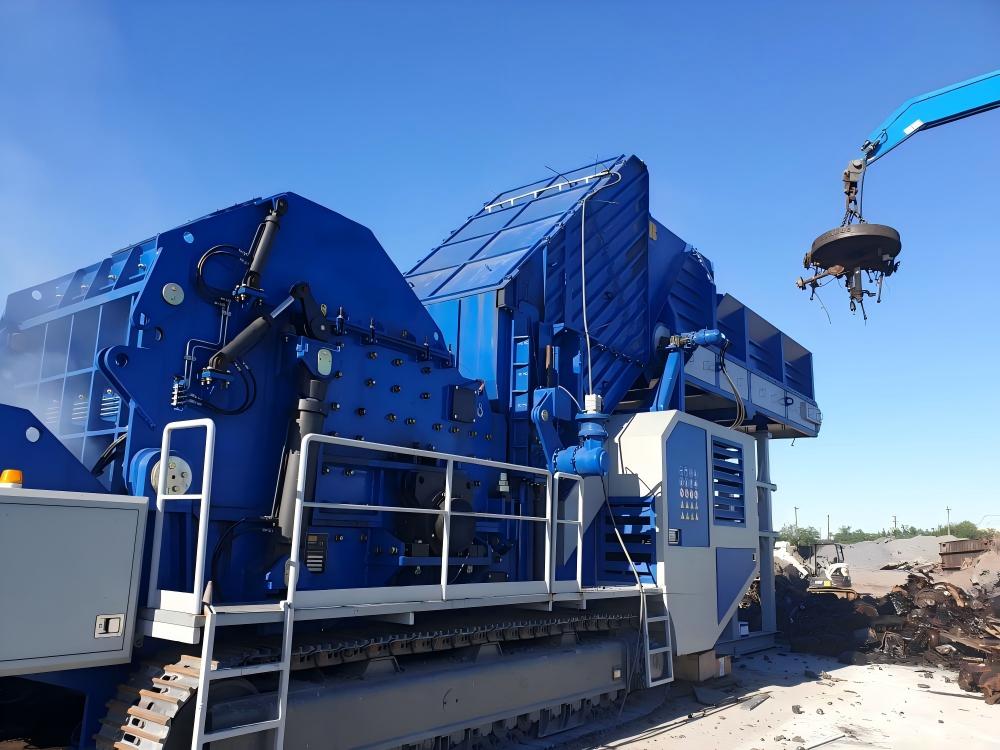
Selecting the right hammer shredder is a significant capital investment that requires careful planning. The first step is to conduct a thorough material analysis. What is the maximum thickness of the scrap? Is it primarily ferrous or non-ferrous? Does it contain contaminants like rubber or plastic? A shredder designed for light-gauge sheet metal will not perform well when processing heavy-duty automotive scrap. HARSLE recommends a modular approach, where the shredder can be configured with different hammer types and screen sizes to accommodate changing market demands.
Capacity requirements should be calculated based on peak demand rather than average daily throughput. It is always better to have a machine that operates at 70-80% capacity than one that is constantly pushed to its limit. This headroom allows for unexpected surges in material volume and reduces the mechanical stress on the motor and bearings, leading to a longer service life and more consistent output over time.
Consider the ease of maintenance when selecting a unit. A shredder that requires hours of downtime for a simple hammer change will quickly become a bottleneck. Look for designs that feature hydraulic opening mechanisms for the shredder housing, allowing for quick access to the rotor and screen. This accessibility encourages regular inspections and maintenance, which are the primary drivers of consistent output quality.
Finally, evaluate the support and spare parts availability. A hammer shredder is a high-wear machine. The availability of high-quality, hardened steel hammers and precision-fit screens is essential. Partnering with a manufacturer like HARSLE ensures that you have access to the technical expertise and genuine components needed to keep your operation running at peak performance. Do not compromise on the quality of wear parts, as inferior components will lead to rapid degradation of output consistency.
FAQ: Common Questions About Hammer Shredders
How often should I replace the hammers in my shredder?
Hammer replacement frequency depends on the abrasiveness of the material being processed and the total tonnage. We recommend a visual inspection every 50-100 operating hours. When the hammer tips show significant rounding or loss of mass, they should be rotated or replaced to maintain consistent output size.
Can a hammer shredder process mixed scrap?
Yes, hammer shredders are excellent for mixed scrap. However, for the best results, it is recommended to use a pre-shredder or a magnetic separator to remove large, non-shreddable items that could damage the rotor. This ensures the hammer shredder can focus on the material it is designed to process.
What is the benefit of a VFD on a hammer shredder?
A Variable Frequency Drive (VFD) allows you to adjust the rotor speed to match the material being processed. This provides flexibility, energy savings, and the ability to fine-tune the particle size of the output, which is essential for achieving high-quality, consistent results.
How does screen size affect the final product?
The screen size is the primary factor in determining the maximum particle size of the output. Smaller holes result in finer material but may reduce throughput. Larger holes increase throughput but result in coarser material. Choosing the right screen is a balance between your desired output quality and your production goals.
Conclusion: Driving Efficiency Through Precision
The journey toward achieving better output consistency in recycling operations is a continuous process of refinement and optimization. By investing in high-quality hammer shredder technology and adhering to rigorous maintenance and operational standards, facilities can transform their waste streams into valuable, high-purity commodities. The ability to produce uniform material not only increases the market value of the output but also streamlines the entire recycling workflow, from sorting to final recovery.
At HARSLE, we understand the challenges faced by modern recycling facilities. Our commitment to engineering robust, reliable, and precise metal fabrication equipment is designed to help you overcome these hurdles. Whether you are upgrading an existing line or designing a new facility, the principles of consistency, maintenance, and strategic equipment selection remain the cornerstones of success. By focusing on these areas, your operation can achieve the efficiency and profitability required to thrive in a competitive global market.
Remember that the hammer shredder is more than just a piece of machinery; it is the engine of your recycling business. Treat it with the care and technical attention it deserves, and it will reward you with consistent, high-quality output for years to come. For further guidance on selecting the right shredding solution for your specific needs, contact the HARSLE team today to discuss how we can help you reach your production goals.