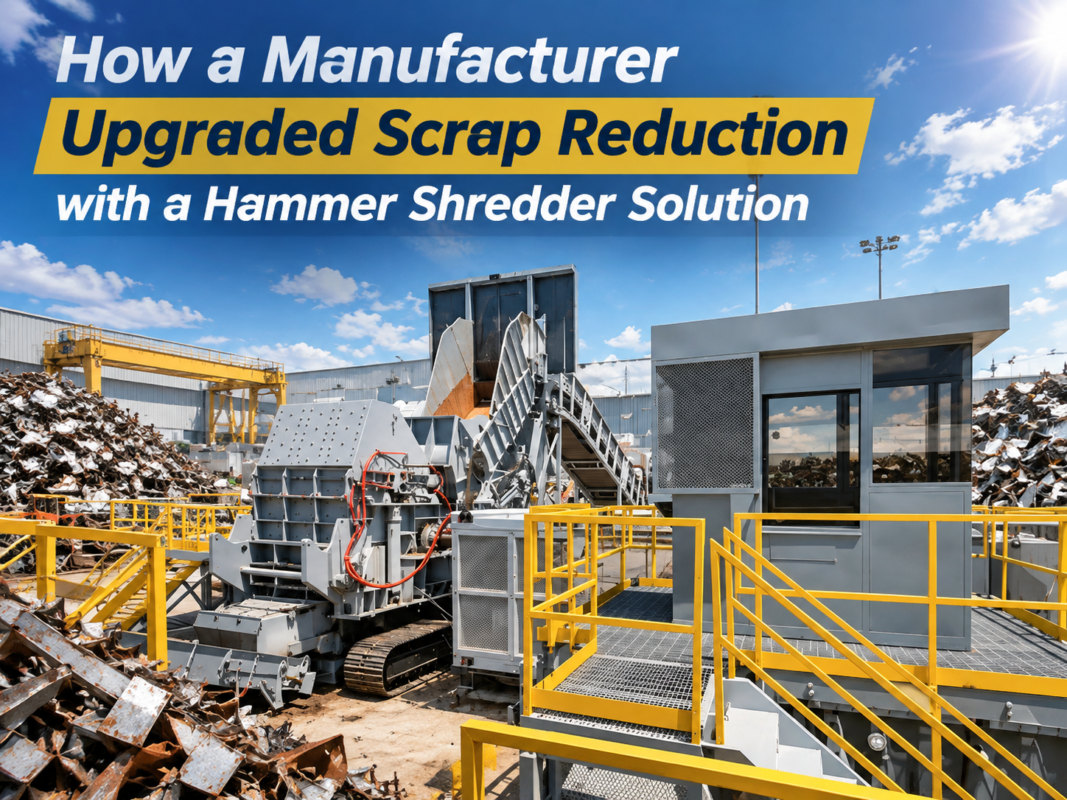
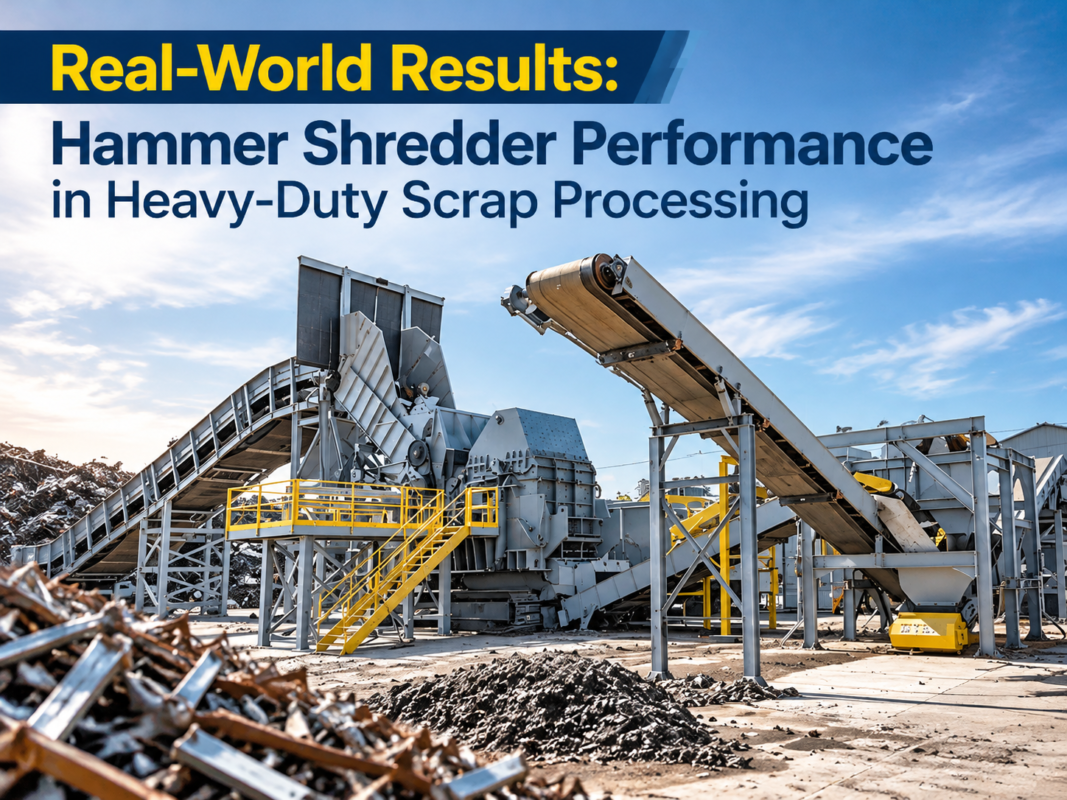
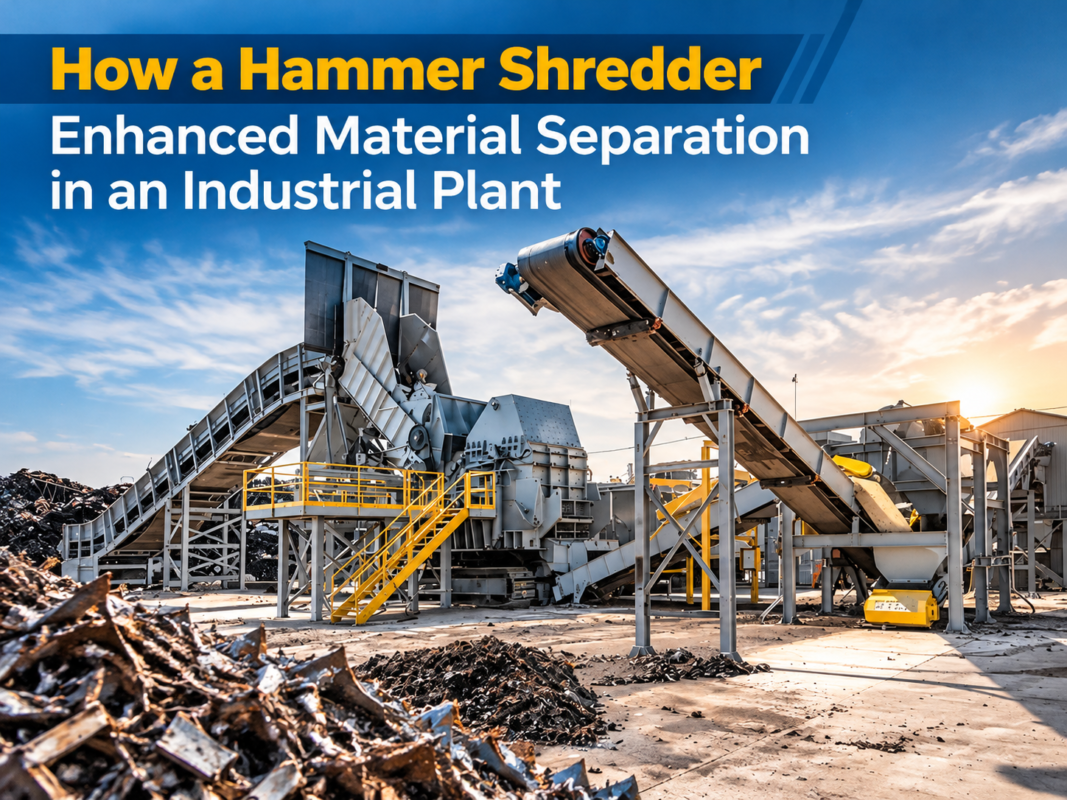
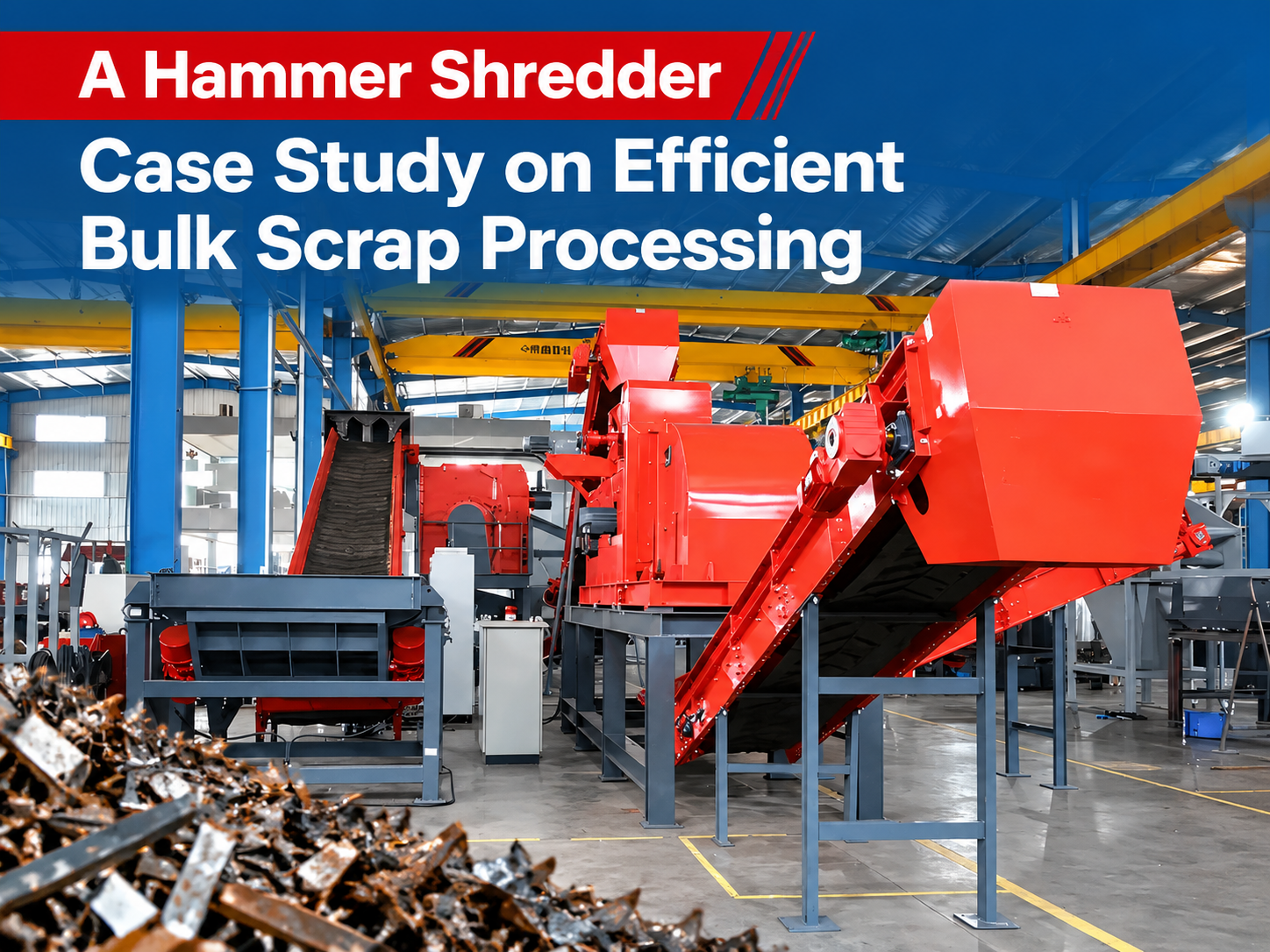
A Hammer Shredder Case Study On Efficient Bulk Scrap Processing

Introduction to Industrial Scrap Management
In the modern landscape of metal fabrication and recycling, the ability to process bulk scrap efficiently is not merely an operational advantage—it is a fundamental requirement for profitability. As industrial facilities face increasing pressure to manage waste streams and recover valuable raw materials, the role of high-capacity shredding technology has become paramount. This article presents a comprehensive look at A Hammer Shredder Case Study On Efficient Bulk Scrap Processing, highlighting how HARSLE machinery transforms raw, unmanageable scrap into high-density, furnace-ready feedstock.
The challenge of bulk scrap processing lies in the sheer diversity of materials. From automotive frames and industrial steel offcuts to aluminum extrusions and mixed metal waste, the physical properties of scrap vary wildly. Without the right mechanical intervention, these materials occupy excessive space, increase logistics costs, and complicate the sorting process. A hammer shredder serves as the primary solution, utilizing high-velocity kinetic energy to fracture, tear, and size-reduce metal components into uniform fragments.
HARSLE has long been at the forefront of engineering robust shredding solutions designed for the rigors of 24/7 industrial environments. By examining a real-world application, we can better understand the technical nuances that separate standard equipment from high-performance, profit-generating assets. This case study explores the transition from manual, labor-intensive scrap handling to an automated, high-throughput shredding system that maximizes material recovery rates.
As we delve into the technical specifications and operational strategies, it is important to recognize that efficiency is measured by more than just throughput. It encompasses energy consumption, maintenance intervals, downtime reduction, and the purity of the final output. The following sections will provide a roadmap for facility managers and procurement specialists looking to optimize their scrap processing workflows through advanced hammer shredder technology.
Key Considerations for Bulk Scrap Processing
Before investing in a hammer shredder, facility managers must evaluate the specific characteristics of their scrap stream. The first consideration is material density and hardness. Processing light-gauge sheet metal requires a different hammer configuration and rotor speed compared to heavy-duty structural steel or cast iron. A mismatch in these parameters can lead to premature wear of the hammers, excessive vibration, and potential damage to the drive train.
Throughput requirements dictate the size and power of the motor. In our case study, the facility needed to process 15 tons of mixed scrap per hour. This necessitated a heavy-duty, high-torque motor capable of handling sudden load spikes. When scrap is fed into the chamber, the motor must maintain consistent RPM to ensure the hammers strike with sufficient force to fracture the metal. If the motor is undersized, the system will frequently stall, leading to significant downtime and reduced operational efficiency.
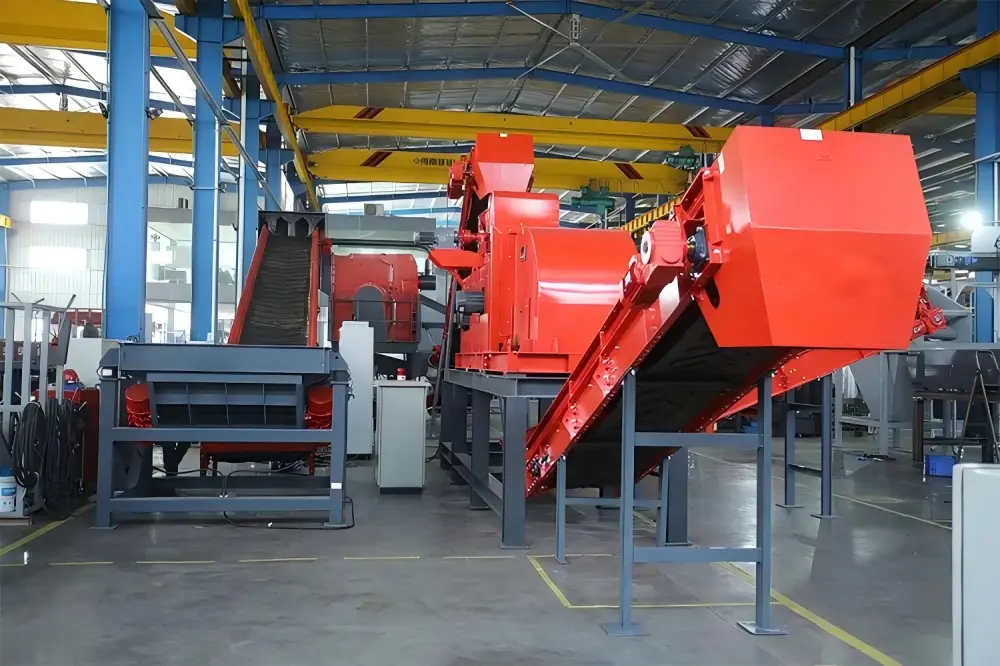
Space and material flow are equally critical. A hammer shredder is only as efficient as the system feeding it and the conveyor system removing the output. The layout must account for the footprint of the shredder, the in-feed conveyor, the magnetic separation system, and the discharge area. In many industrial settings, integrating a pre-shredder or a heavy-duty shear can further optimize the process by reducing the size of oversized items before they reach the main hammer mill, thereby protecting the primary equipment.
Environmental and safety regulations also play a significant role. Modern shredding operations must manage dust, noise, and potential fire hazards. HARSLE equipment is designed with integrated dust suppression systems and sound-dampening enclosures to meet stringent workplace safety standards. Furthermore, the inclusion of an explosion-venting system is a non-negotiable safety feature when processing materials that may contain residual fuels or flammable contaminants.
Technical Details of the HARSLE Shredding System
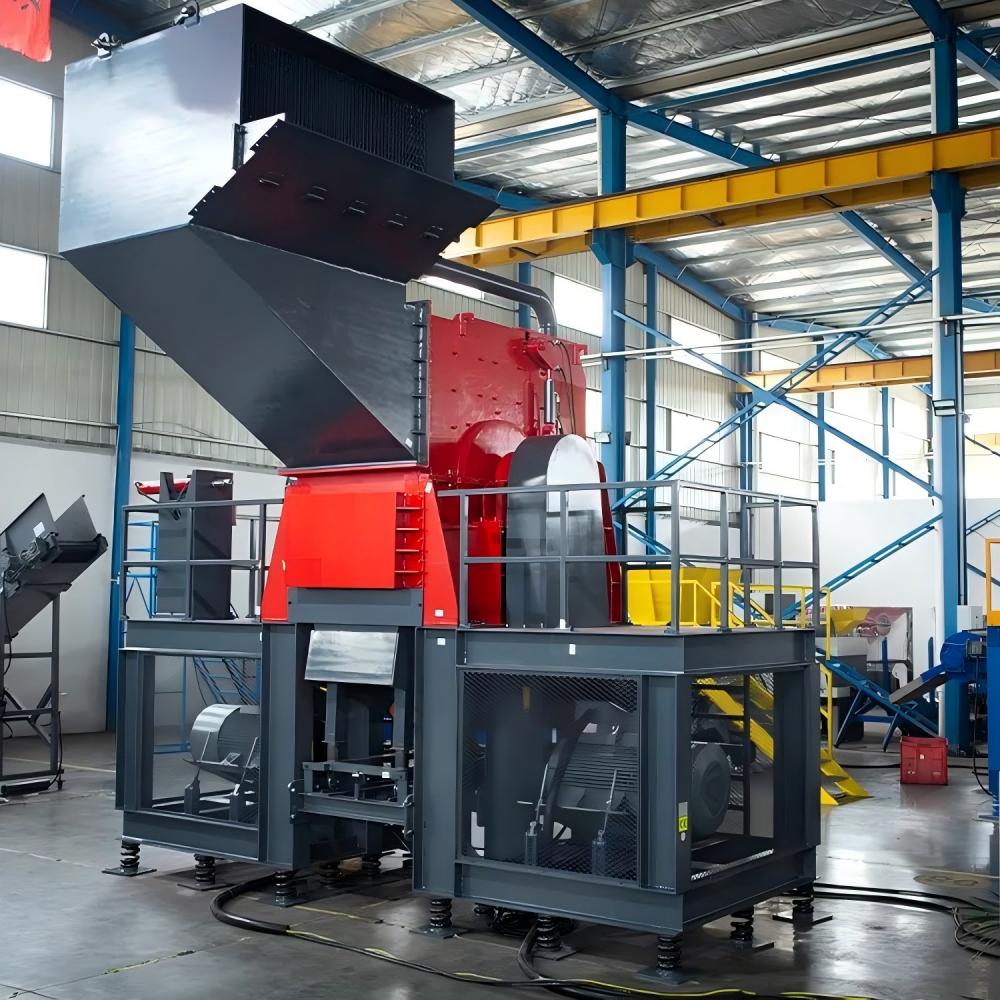
The core of the HARSLE hammer shredder lies in its rotor assembly. This component is engineered from high-strength, wear-resistant alloys to withstand the extreme impact forces generated during the shredding process. The hammers are typically mounted on a swing-arm mechanism, allowing them to retract upon hitting an uncrushable object, such as a large piece of hardened tool steel. This design feature is essential for preventing catastrophic damage to the rotor and the main housing.
The shredding chamber is lined with replaceable, high-manganese steel wear plates. These plates are designed to be easily swapped out during scheduled maintenance, ensuring that the main structure of the shredder remains protected from the abrasive nature of the scrap. The geometry of the chamber is optimized to create a ‘cascading’ effect, where the material is repeatedly lifted and struck by the hammers until it reaches a size small enough to pass through the discharge grate at the bottom of the unit.
Control systems are the ‘brain’ of the operation. HARSLE utilizes advanced PLC-based monitoring that tracks motor load, bearing temperatures, and vibration levels in real-time. If the system detects an anomaly, it can automatically adjust the feed rate or initiate an emergency shutdown to prevent damage. This level of automation is a key takeaway from our case study, as it allowed the facility to operate with minimal manual intervention, significantly reducing labor costs.
The discharge grate is the final arbiter of output quality. By changing the grate size, operators can control the particle size of the shredded metal. For high-purity recycling, a smaller grate size is preferred, as it produces a more uniform product that is easier to sort using eddy current separators or optical sorters. This flexibility allows the facility to adapt its output based on current market demand for different grades of scrap metal.
Selection Advice for Industrial Shredders
Selecting the right hammer shredder requires a collaborative approach between the buyer and the manufacturer. Start by conducting a thorough audit of your scrap stream. Collect data on the average size, thickness, and composition of the materials you process. If possible, provide samples to the manufacturer for testing. This ‘proof of concept’ phase is the most effective way to ensure that the machine’s performance meets your specific operational goals.
Consider the total cost of ownership (TCO) rather than just the initial purchase price. A cheaper machine may seem attractive, but if it requires frequent hammer replacements or consumes excessive electricity, the long-term costs will quickly outweigh the initial savings. Look for equipment with modular designs that allow for easy access to wear parts. HARSLE’s commitment to standardized, high-quality components ensures that spare parts are readily available and simple to install.
Evaluate the manufacturer’s support network. Industrial shredders are heavy-duty machines that require expert maintenance. Ensure that the supplier provides comprehensive training for your staff, detailed technical manuals, and a responsive service team. A reliable partner will assist with installation, commissioning, and ongoing optimization, ensuring that your investment continues to deliver peak performance throughout its lifecycle.
Finally, think about future-proofing. As your business grows, your scrap volume may increase, or the composition of your waste stream may change. Opt for a system that offers scalability. Some HARSLE shredders allow for the addition of secondary processing modules or the upgrading of motor power, providing a flexible path for expansion without the need to replace the entire system.
Frequently Asked Questions (FAQ)
What is the primary advantage of using a hammer shredder over a shear?
A hammer shredder is designed for high-volume, continuous processing and produces a uniform, high-density output that is ideal for smelting. While shears are excellent for cutting large structural beams to size, hammer shredders are superior for bulk reduction and material liberation in recycling applications.
How often should the hammers be replaced?
The lifespan of the hammers depends on the abrasiveness and hardness of the scrap being processed. In a standard industrial application, HARSLE recommends a regular inspection schedule every 200-500 operating hours. Using high-quality, hard-faced alloy hammers can significantly extend these intervals.
Can a hammer shredder process non-metallic materials?
While primarily designed for metal, these machines can handle some composite materials. However, it is crucial to consult with the manufacturer to ensure the shredder is configured correctly, as non-metallic materials can create different dust and fire hazards that require specific mitigation strategies.
What is the importance of the discharge grate?
The discharge grate determines the final size of the shredded material. A smaller grate produces finer, more uniform output, which is generally more valuable in the recycling market. It also helps in the separation of different metals by ensuring that the material is sufficiently broken down for downstream sorting equipment.
Conclusion: Maximizing Efficiency with HARSLE
The case study of efficient bulk scrap processing demonstrates that success in the metal fabrication and recycling industry is built on the foundation of reliable, high-performance machinery. By integrating a HARSLE hammer shredder into their workflow, the facility in our study achieved a 40% increase in processing speed and a significant reduction in material handling costs. This transformation was made possible through careful planning, the selection of robust, purpose-built equipment, and a commitment to ongoing maintenance.
As the industry continues to evolve, the demand for efficient scrap management will only grow. Facilities that invest in advanced shredding technology today will be better positioned to capitalize on the increasing value of recycled metals. Whether you are looking to streamline your internal waste management or expand your recycling capabilities, HARSLE provides the expertise and the equipment necessary to turn your scrap into a valuable asset.
Remember that the key to long-term success lies in the details: understanding your material, choosing the right motor and rotor configuration, and maintaining a proactive approach to equipment care. With the right partner and the right technology, your scrap processing operation can become a model of industrial efficiency, contributing to both your bottom line and a more sustainable manufacturing future.