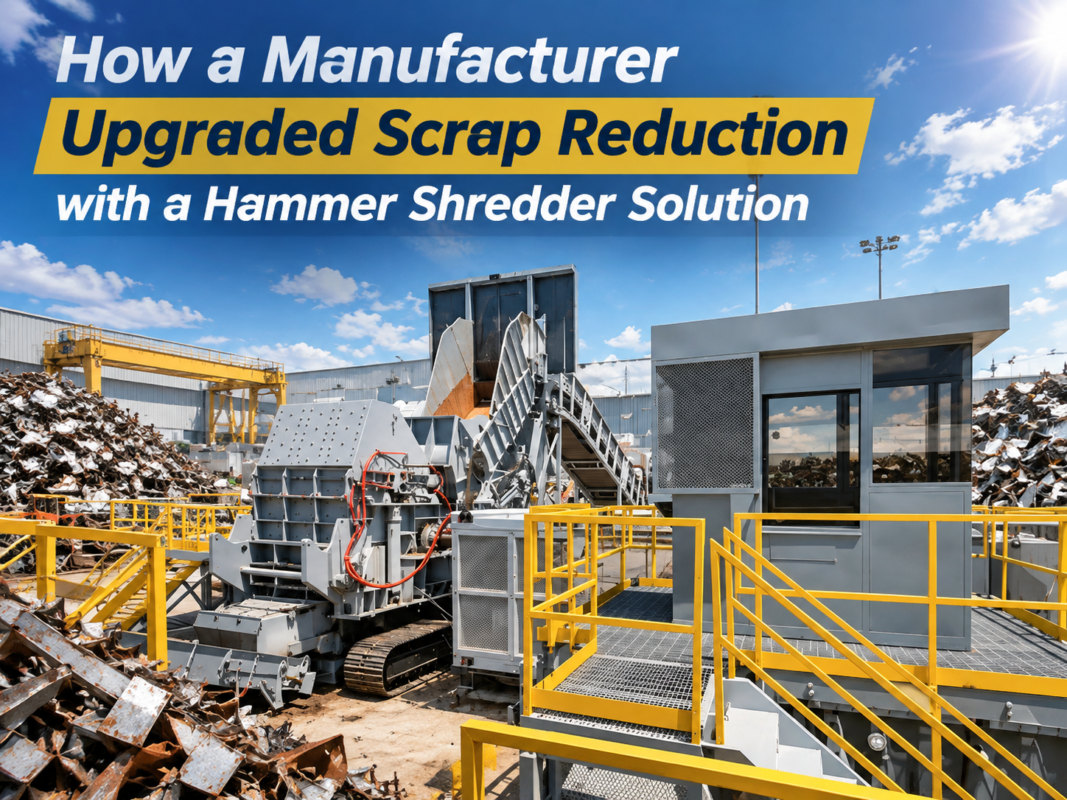
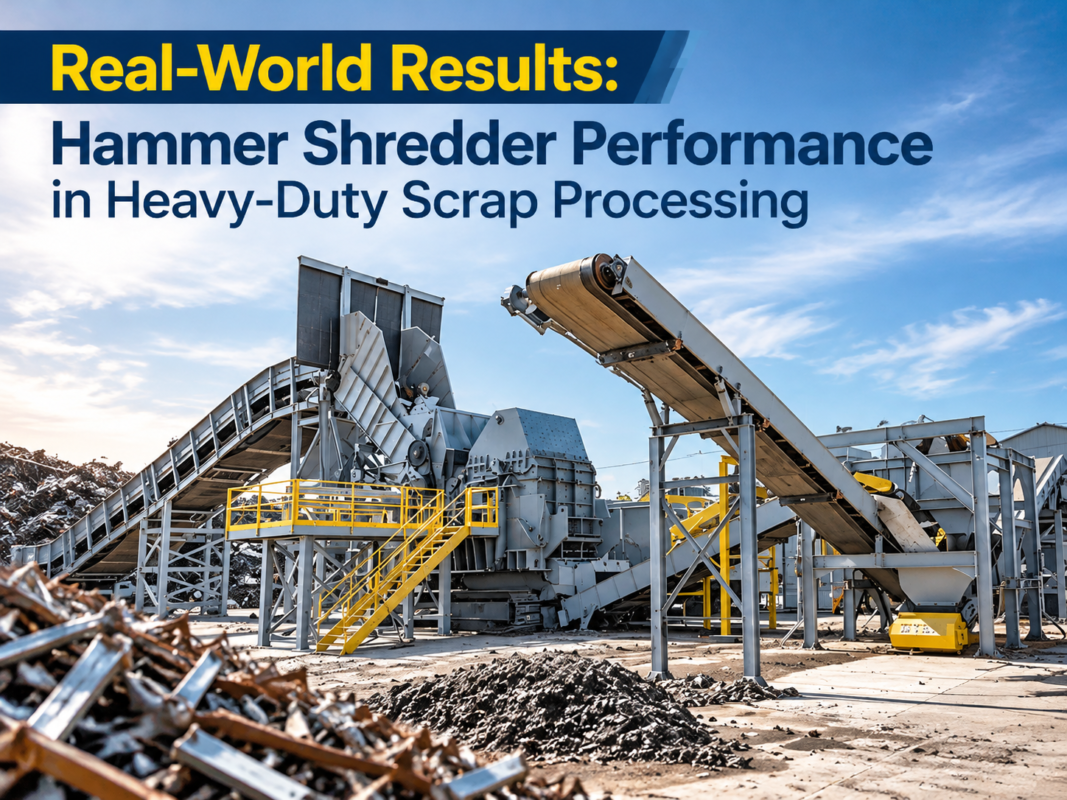
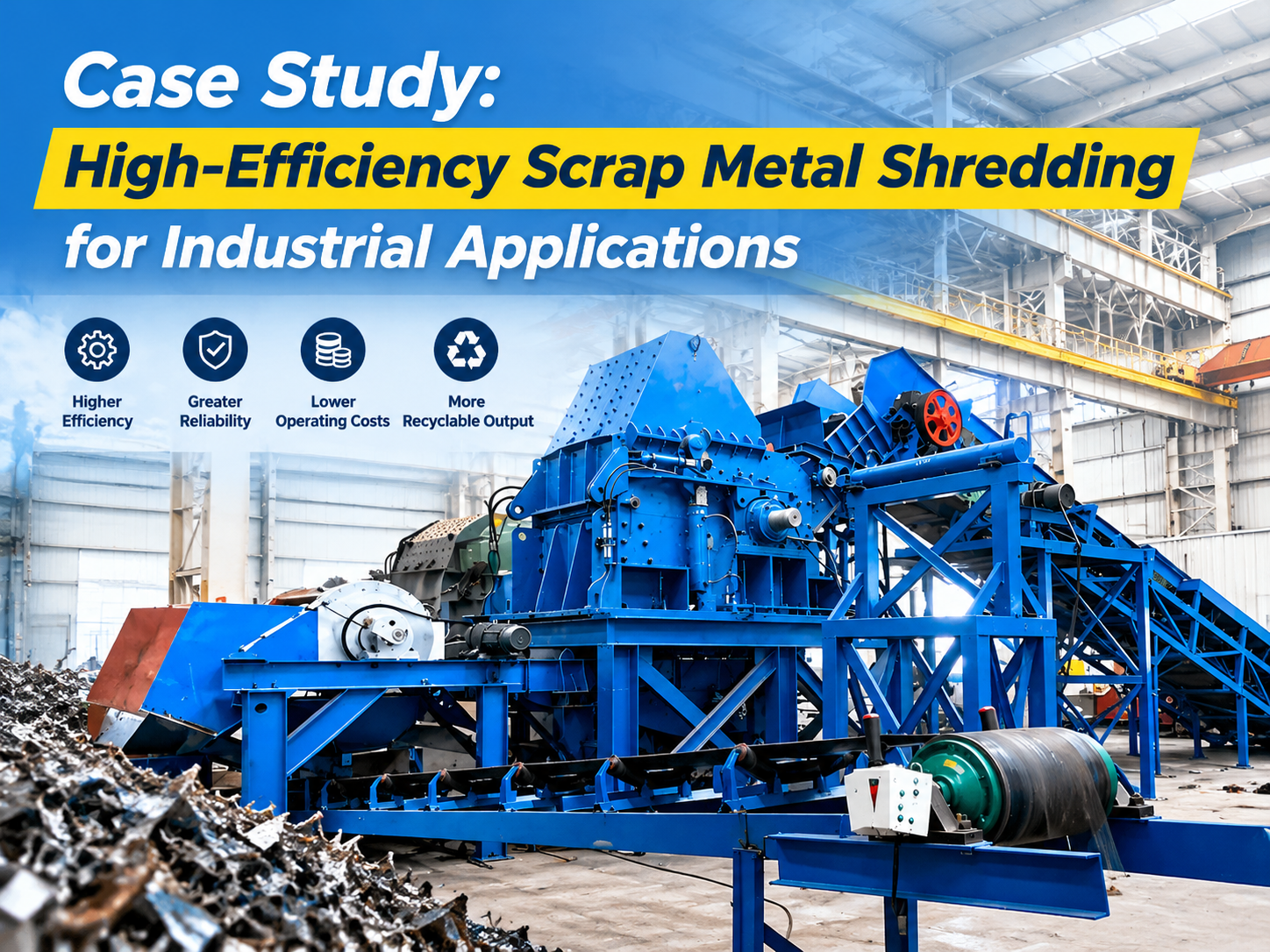
Case Study: High-Efficiency Scrap Metal Shredding for Industrial Applications

Introduction
In the modern landscape of metal fabrication and recycling, the ability to process scrap efficiently is not merely an operational advantage—it is a fundamental requirement for profitability and environmental compliance. As global industries push toward a circular economy, the demand for robust, high-capacity shredding solutions has reached an all-time high. This article presents a comprehensive Case Study: High-Efficiency Scrap Metal Shredding for Industrial Applications, focusing on how HARSLE’s advanced engineering addresses the complex challenges of modern scrap management.
Scrap metal processing involves more than just breaking down materials; it requires precision, power, and durability to handle diverse alloys, thicknesses, and contamination levels. Industrial facilities often struggle with bottlenecks caused by outdated machinery that cannot keep pace with high-volume production lines. By analyzing a real-world implementation of a HARSLE hammer shredder, we can understand the technical parameters that define success in this sector.
The transition from manual or semi-automated scrap handling to high-efficiency automated shredding systems represents a significant capital investment. However, as this case study will demonstrate, the return on investment is realized through reduced labor costs, higher-quality output for smelting, and improved safety protocols. We will explore the technical nuances, selection criteria, and operational strategies that make high-efficiency shredding the backbone of modern metal fabrication plants.
Whether you are managing a large-scale recycling center or an integrated manufacturing facility, understanding the mechanics of scrap reduction is essential. This guide serves as a deep dive into the technology that powers the industry, providing actionable insights for facility managers and procurement officers looking to optimize their scrap metal processing workflows.
Key Considerations for Industrial Scrap Processing
When evaluating the implementation of a shredding system, the first consideration must be the nature of the feedstock. Industrial scrap is rarely uniform; it ranges from thin-gauge sheet metal offcuts to heavy structural beams and complex automotive components. A high-efficiency system must be versatile enough to handle these variations without requiring constant downtime for adjustments or blade changes.
Throughput capacity is the second critical factor. In a high-efficiency environment, the shredder must be synchronized with the upstream and downstream processes. If the shredder is too slow, it creates a bottleneck; if it is oversized, it leads to unnecessary energy consumption and capital expenditure. HARSLE engineers emphasize the importance of load-sensing technology, which adjusts the shredding force based on the density and hardness of the material currently in the chamber.
Environmental and safety regulations represent the third pillar of industrial scrap processing. Modern shredders must be equipped with dust suppression systems, noise reduction enclosures, and advanced safety interlocks. In our case study, the client faced significant challenges with airborne particulate matter and noise pollution. The integration of a HARSLE hammer shredder with an integrated filtration system not only solved these compliance issues but also improved the overall working environment for plant personnel.
Finally, maintenance accessibility is paramount. Industrial machinery operates under extreme stress, and the ability to perform routine inspections and replace wear parts—such as hammers and liners—quickly is essential. A system that requires days of disassembly for a simple part replacement is a liability. The HARSLE design philosophy prioritizes modularity, allowing for rapid maintenance cycles that keep the machine running at peak performance for longer periods.
Technical Details of the HARSLE Hammer Shredder
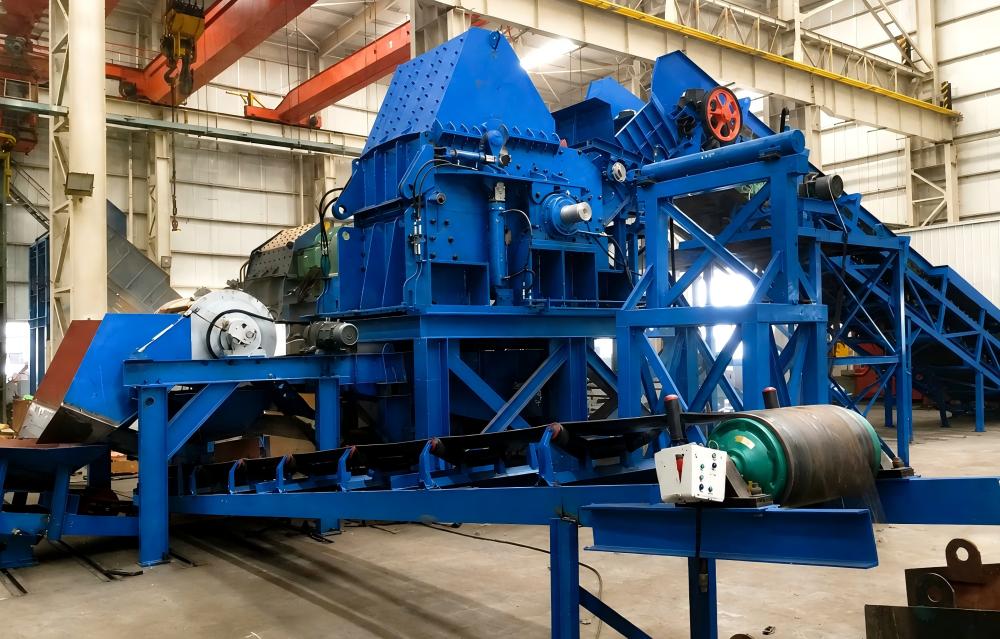
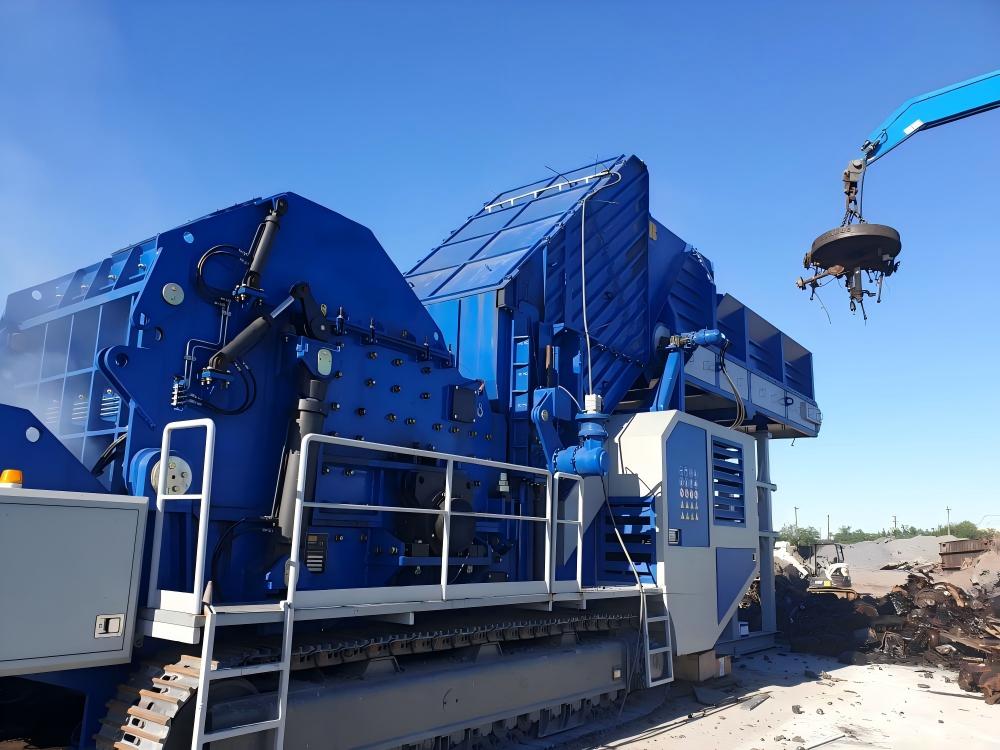
The core of the high-efficiency shredding process is the hammer mill assembly. Unlike traditional shear shredders, the hammer shredder utilizes high-velocity kinetic energy to impact and shatter metal, which is particularly effective for brittle materials and mixed scrap. The HARSLE hammer shredder features a heavy-duty rotor assembly balanced to minimize vibration, which significantly extends the lifespan of the bearings and the motor.
The metallurgy of the hammers themselves is a critical technical detail. HARSLE utilizes proprietary high-manganese steel alloys that provide a unique balance of hardness and toughness. This allows the hammers to withstand the repeated, high-impact forces required to shred thick steel without fracturing. The geometry of the hammers is also optimized to ensure a consistent output size, which is vital for the subsequent sorting and smelting processes.
The drive system is another area where HARSLE excels. By employing high-torque, variable-frequency drive (VFD) motors, the system can provide maximum torque at low speeds for tough materials and higher speeds for lighter scrap. This flexibility is the secret behind the “high-efficiency” label. It prevents motor stalls and reduces energy spikes, leading to a more stable and cost-effective operation over the long term.
Furthermore, the discharge system is engineered to prevent clogging. A common failure point in industrial shredders is the accumulation of material at the discharge grate. HARSLE incorporates an automated grate cleaning mechanism and a high-capacity conveyor interface to ensure that shredded material is cleared immediately. This continuous flow is what allows the system to maintain high throughput rates throughout an entire shift without the need for manual intervention.
Selection Advice: Choosing the Right Shredder
Selecting the right shredder for your facility requires a thorough audit of your current and projected scrap volume. Start by categorizing your scrap: are you dealing primarily with ferrous metals, non-ferrous, or a mix? A hammer shredder is excellent for ferrous scrap, but if your facility processes high volumes of copper or aluminum, you may need to consider specialized grate configurations or magnetic separation stages integrated into the shredding line.
Consider the physical footprint of the equipment. Industrial shredders are massive pieces of machinery that require significant foundation work. Before purchasing, ensure your facility can accommodate the weight, the power requirements, and the necessary clearance for material handling equipment like forklifts or overhead cranes. HARSLE provides detailed site preparation guides to assist in this phase, ensuring that the installation process is seamless.
Another vital selection criterion is the level of automation required. Do you need a fully automated system with PLC-controlled feeding and sorting, or is a semi-automated system sufficient? For high-efficiency applications, we recommend a system that integrates with your existing ERP or production management software. This allows for real-time monitoring of throughput, energy consumption, and maintenance alerts, providing a data-driven approach to operational management.
Finally, do not overlook the importance of after-sales support and spare parts availability. A shredder is a long-term asset. Partnering with a manufacturer like HARSLE, which maintains a robust supply chain for wear parts and offers technical support, ensures that your machine remains a productive asset rather than a maintenance burden. Always request a detailed maintenance schedule and training program for your operators as part of the procurement contract.
Maintenance and Operational Best Practices
To maintain the high-efficiency standards discussed in this case study, a rigorous maintenance schedule is non-negotiable. Daily inspections should focus on the condition of the hammers and the internal liners. Even minor wear can lead to decreased efficiency and increased energy consumption. By replacing wear parts before they reach critical failure, you protect the more expensive components of the rotor and drive train.
Lubrication is the lifeblood of the shredder. Ensure that the automated lubrication systems are functioning correctly and that the specified high-temperature greases are used. Contamination of the lubrication system by metal dust is a common issue, so regular oil analysis and filter changes are essential to prevent premature bearing failure. Keep a log of all maintenance activities to track the performance of individual components over time.
Operator training is equally important. A well-trained operator knows how to listen to the machine and can identify potential issues—such as an unusual vibration or a change in the sound of the shredding process—before they lead to a breakdown. HARSLE provides comprehensive training modules that cover not only the operation of the machine but also the safety protocols and basic troubleshooting steps that can save hours of downtime.
Finally, consider the environment around the shredder. Keeping the area clean and free of debris prevents secondary damage to the machine’s exterior and electrical components. Implementing a regular cleaning schedule for the dust collection system ensures that the shredder operates in an optimal environment, which is particularly important for the longevity of the control panels and sensitive electronic sensors.
FAQ: High-Efficiency Scrap Metal Shredding
What is the primary advantage of a hammer shredder over a shear shredder?
A hammer shredder uses high-impact kinetic energy, which is superior for breaking down brittle materials and achieving a higher density of shredded output. It is generally faster and more efficient for high-volume ferrous scrap processing compared to shear shredders, which are better suited for cutting specific shapes.
How often should the hammers be replaced?
The frequency of hammer replacement depends on the volume and hardness of the scrap processed. In a high-efficiency industrial application, we recommend a weekly inspection. With HARSLE’s high-manganese steel hammers, many facilities find they can operate for several months before needing a full set replacement, depending on the intensity of use.
Can the HARSLE shredder handle mixed metal scrap?
Yes, the HARSLE hammer shredder is designed to handle a wide variety of scrap types. However, for optimal results, we recommend integrating a magnetic separator downstream to effectively sort ferrous from non-ferrous materials after the shredding process.
What power requirements should I anticipate?
Power requirements vary based on the model size and the throughput capacity. HARSLE provides detailed electrical specifications for each unit. It is essential to have a stable, high-voltage industrial power supply and to consider the potential for energy spikes during the initial startup of the rotor.
Is noise pollution a major concern with these machines?
Industrial shredders are inherently loud. However, HARSLE offers sound-dampening enclosures and acoustic insulation options that significantly reduce the noise footprint, allowing the machine to operate within the regulatory limits of most industrial zones.
Conclusion
The Case Study: High-Efficiency Scrap Metal Shredding for Industrial Applications highlights that achieving operational excellence in metal recycling is a combination of robust hardware and intelligent process management. HARSLE’s hammer shredders provide the necessary power, durability, and efficiency to transform scrap metal from a logistical burden into a valuable resource. By focusing on the technical specifications of the rotor, the quality of the wear parts, and the integration of smart monitoring systems, industrial facilities can significantly improve their bottom line.
As we have explored, the selection of the right equipment is only the first step. Ongoing maintenance, operator training, and a commitment to safety are what sustain high-efficiency performance over the long term. For businesses looking to scale their operations and improve their environmental footprint, investing in high-quality shredding technology is a strategic move that pays dividends in both efficiency and sustainability.
HARSLE remains dedicated to pushing the boundaries of metal fabrication and recycling technology. Our commitment to innovation ensures that our clients are equipped with the tools they need to succeed in an increasingly competitive global market. Whether you are upgrading an existing line or designing a new facility, we invite you to leverage our expertise in industrial shredding to achieve your production goals.