How a Hammer Shredder Increased Recycling Capacity for Mixed Metal Scrap: A Comprehensive Case Study

Introduction
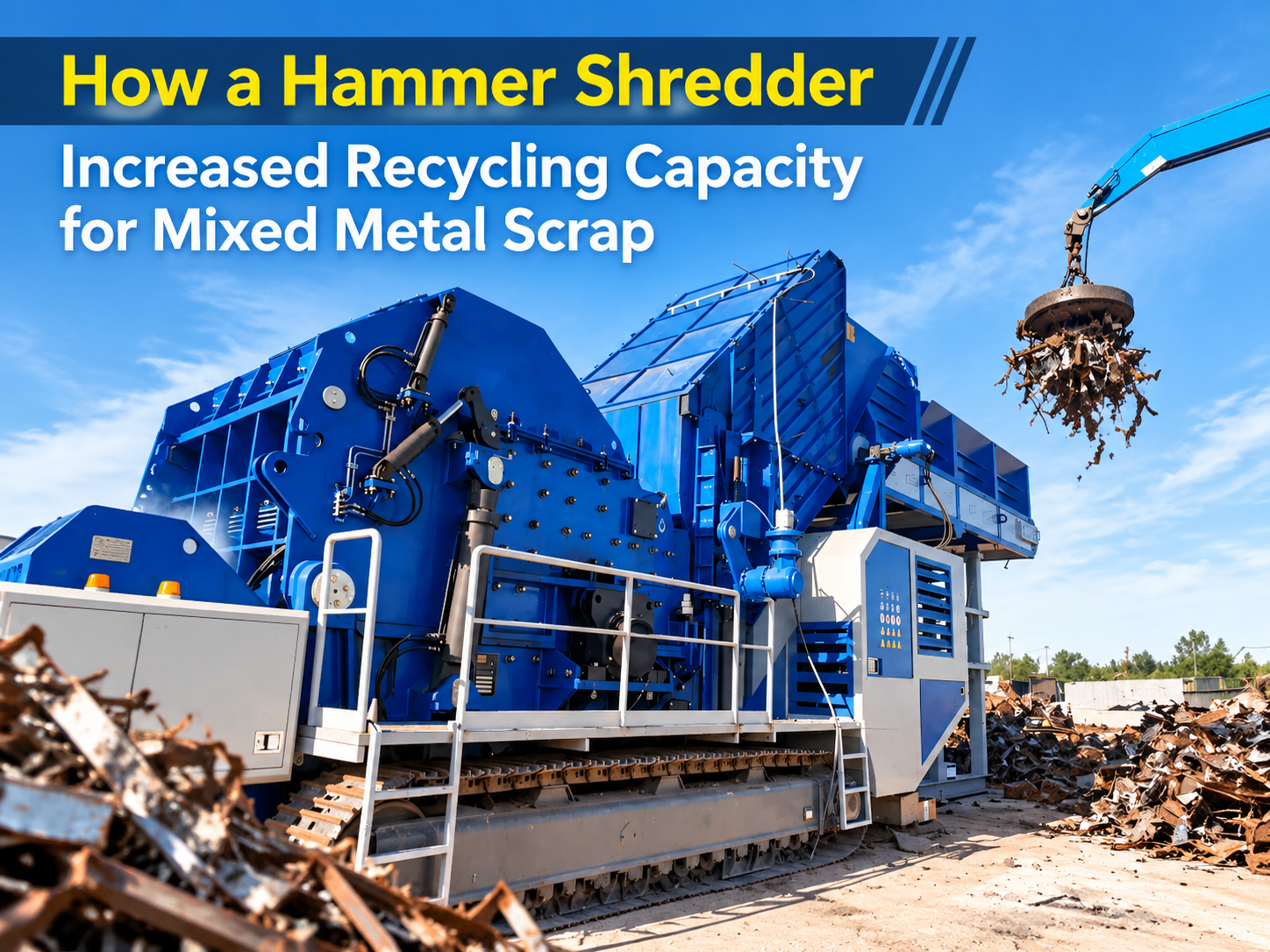
In the modern landscape of metal fabrication and industrial waste management, the ability to process mixed metal scrap efficiently is a defining factor for profitability. As global demand for recycled raw materials surges, facilities are under immense pressure to increase throughput without compromising the quality of the output. This is where the implementation of advanced processing technology becomes critical. Specifically, how a hammer shredder increased recycling capacity for mixed metal scrap has become a focal point for plant managers looking to optimize their operations.
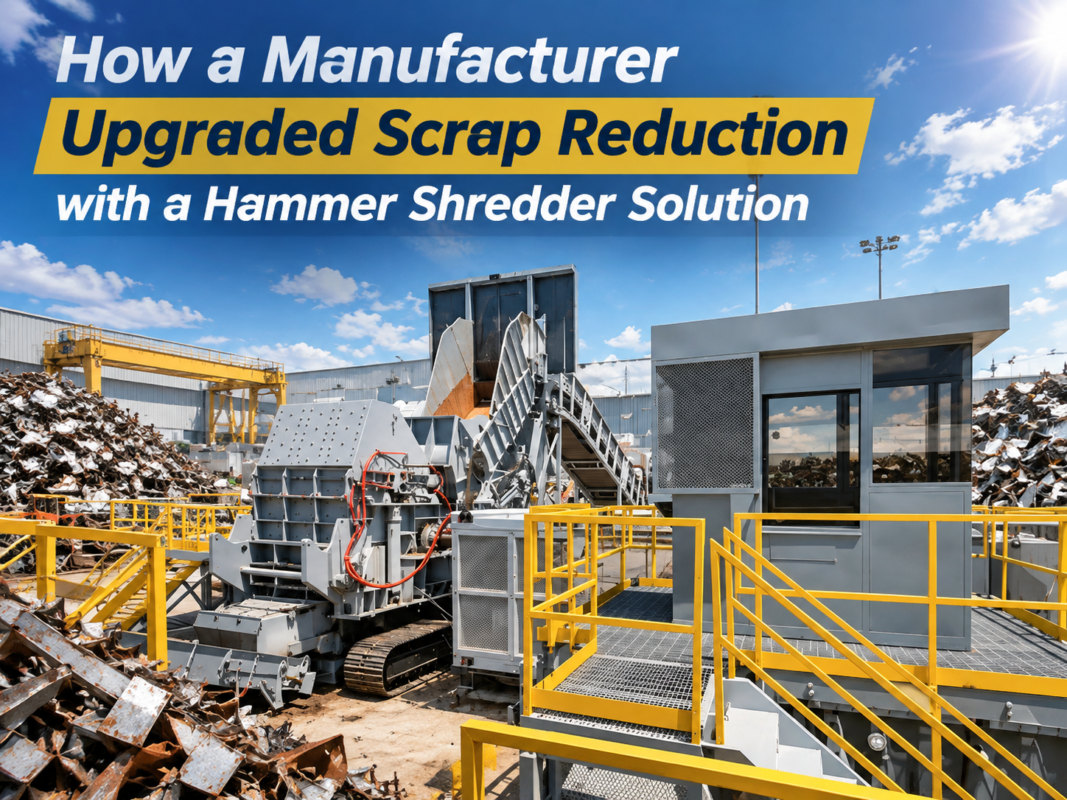
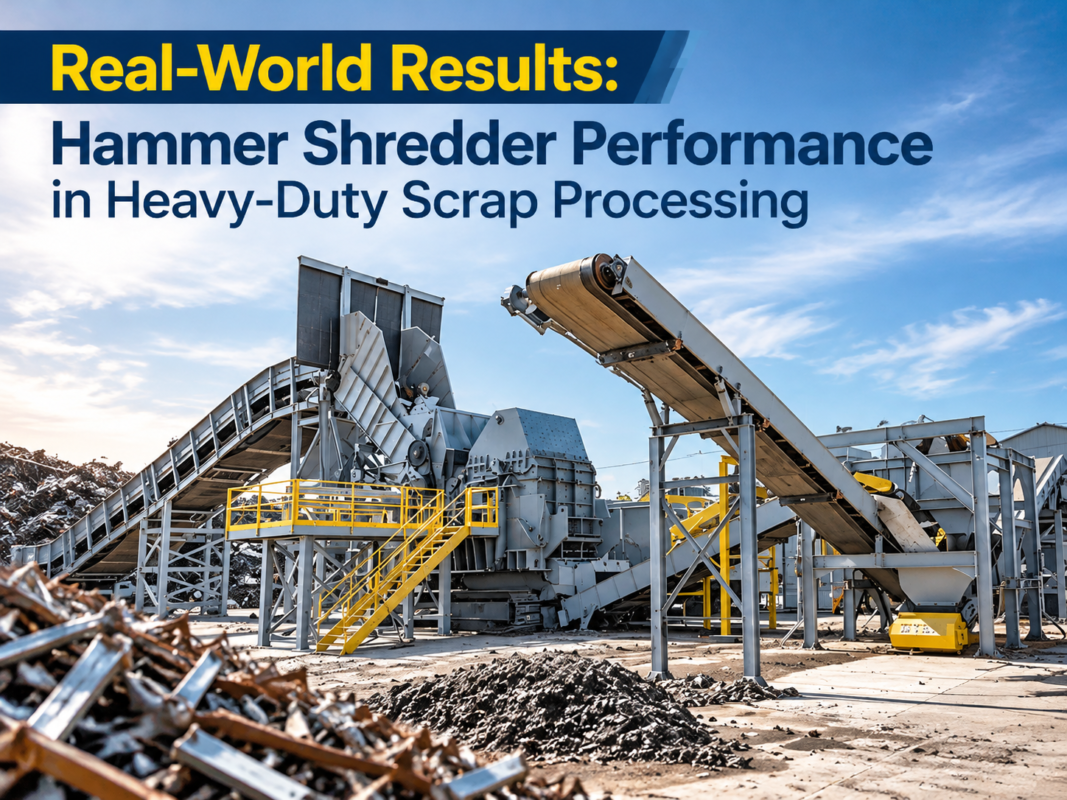
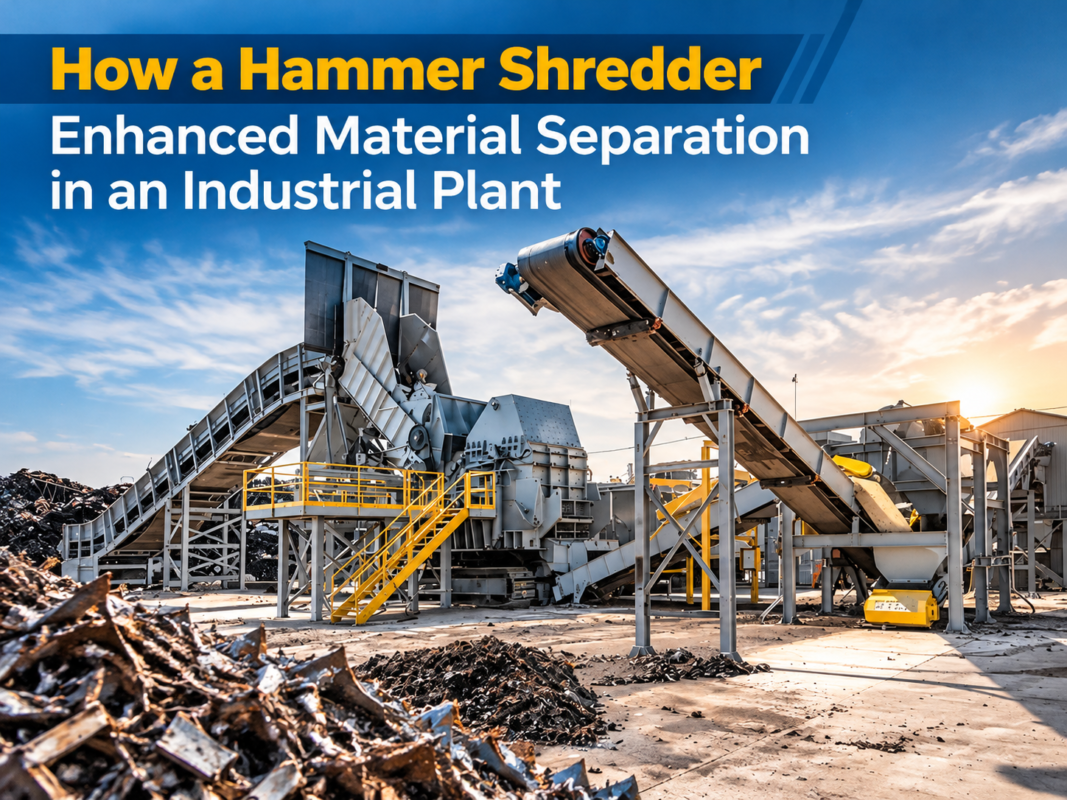
A hammer shredder is not merely a piece of machinery; it is the heart of a modern recycling line. By utilizing high-speed rotating hammers to impact and break down complex metal structures, these machines transform bulky, low-density scrap into high-density, furnace-ready material. This transition is essential for downstream separation processes, such as magnetic sorting and eddy current separation, which rely on uniform particle sizes to function effectively.
For many facilities, the transition from manual sorting or low-capacity shearing to automated hammer shredding represents a paradigm shift. The increased capacity allows businesses to handle a wider variety of feedstocks, ranging from light gauge sheet metal to complex automotive components. This article explores the technical mechanics, operational benefits, and strategic advantages of integrating a HARSLE-grade hammer shredder into your recycling workflow.
Understanding the full potential of this equipment requires a deep dive into the physics of material reduction. When we analyze how a hammer shredder increased recycling capacity for mixed metal scrap, we see a direct correlation between particle size reduction and the speed of the entire recycling chain. By reducing the volume of scrap, facilities can minimize transportation costs and maximize the value of their recovered metals, ultimately driving a higher return on investment.
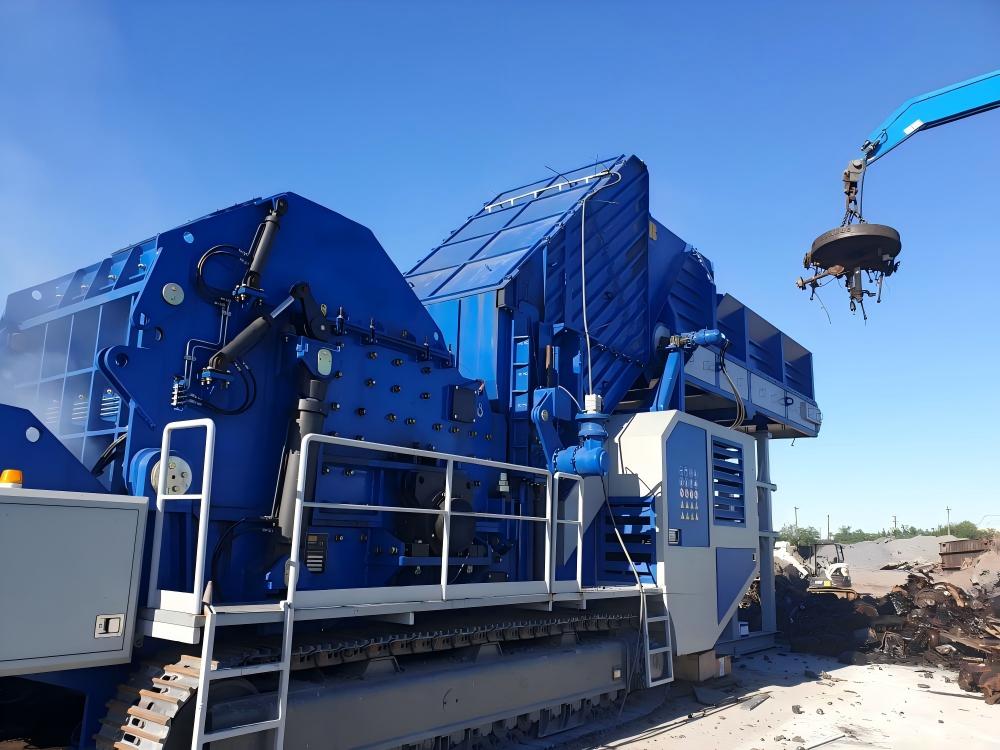
Key Considerations for Increasing Recycling Capacity
When evaluating the need for a hammer shredder, the first consideration is the nature of the mixed metal scrap being processed. Mixed scrap is notoriously difficult to handle because it often contains contaminants, varying thicknesses, and non-metallic inclusions. A standard shear or baler may struggle with the heterogeneity of this material, leading to frequent jams and downtime. A hammer shredder, however, is designed to handle this variability through brute force and high-velocity impact.
Another critical factor is the throughput requirement of the facility. Increasing capacity is not just about the speed of the shredder; it is about the consistency of the output. If a shredder produces inconsistent particle sizes, the downstream sorting equipment will experience bottlenecks. Therefore, the selection of the hammer configuration, grate size, and motor power must be aligned with the specific density and composition of the scrap stream to ensure a smooth, continuous flow.
Space optimization is also a vital consideration. Many recycling plants operate in constrained environments where every square foot of floor space is valuable. Modern hammer shredders are designed with compact footprints while maintaining high-torque performance. By integrating an efficient shredding system, facilities can often replace multiple smaller, less efficient machines with a single, high-capacity unit, thereby streamlining the entire plant layout and reducing material handling complexity.
Finally, safety and environmental compliance cannot be overlooked. Processing mixed metal scrap often involves dust, noise, and the risk of hazardous materials being fed into the system. A high-quality hammer shredder includes integrated dust suppression systems, noise-dampening enclosures, and sophisticated sensors that detect non-shreddable items (like large steel blocks) to prevent catastrophic damage. These features ensure that the increase in capacity is achieved safely and in accordance with local environmental regulations.
Technical Details of Hammer Shredder Performance
The technical superiority of a hammer shredder lies in its rotor design and the kinetic energy generated during operation. The rotor, equipped with heavy-duty hammers, spins at high RPMs, creating a crushing force that shatters metal upon impact. This process is highly effective for mixed metal scrap because it not only reduces size but also helps to liberate different metals from one another, making the subsequent separation process significantly more efficient.
The motor power is the engine of this process. For industrial-scale recycling, HARSLE recommends high-torque, energy-efficient motors that can handle the sudden load spikes associated with shredding thick or dense metal pieces. The ability to maintain consistent RPM under load is what differentiates a high-capacity shredder from a standard industrial mill. This consistency ensures that the shredding chamber remains clear, preventing the accumulation of material that leads to overheating and mechanical failure.
Another technical aspect is the grate system located at the bottom of the shredding chamber. The grate acts as a sizing screen; material is only allowed to exit the chamber once it has been reduced to a size smaller than the grate openings. By swapping out grates, operators can customize the output size to meet the specific requirements of their buyers. This flexibility is a key reason why a hammer shredder increased recycling capacity for mixed metal scrap, as it allows the facility to pivot between different market demands quickly.
Maintenance and wear-part longevity are also critical technical considerations. The hammers themselves are subject to extreme stress and abrasion. Modern shredders utilize replaceable, hardened alloy steel hammers that can be rotated or swapped out with minimal downtime. Advanced lubrication systems and real-time vibration monitoring sensors provide operators with the data needed to perform predictive maintenance, ensuring that the machine operates at peak capacity for longer periods without unexpected interruptions.
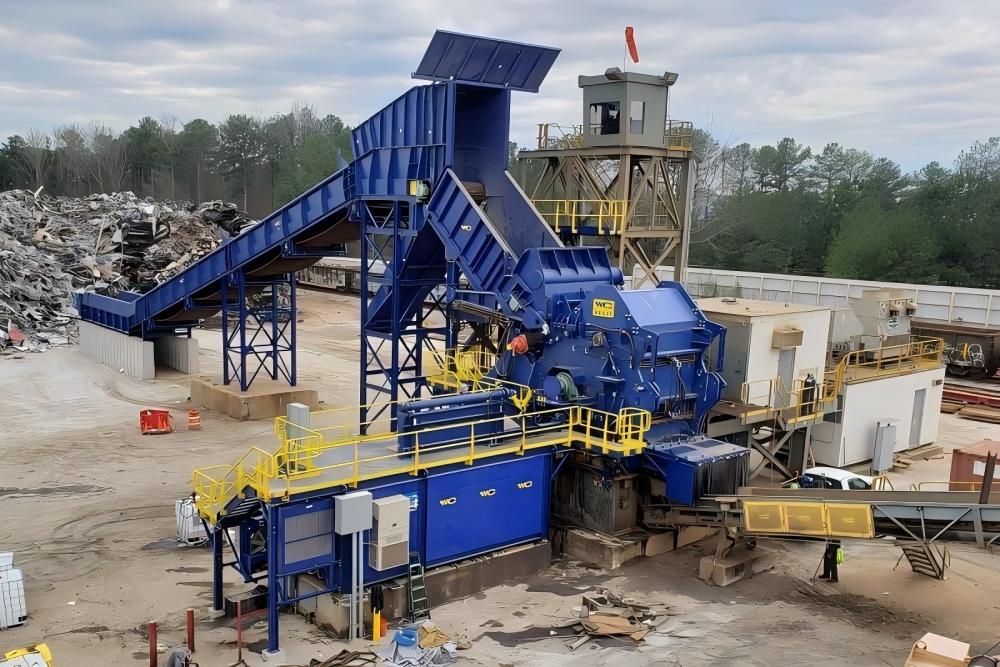
Selection Advice: Choosing the Right Equipment
Selecting the right hammer shredder is a strategic investment that requires a thorough analysis of your current and future recycling needs. Start by conducting a comprehensive audit of your scrap stream. Are you processing mostly aluminum, steel, or a complex mix of both? The hardness and density of your feedstock will dictate the required motor power and the metallurgical composition of the hammers needed to ensure longevity.
Consider the scalability of the system. A common mistake is purchasing a machine that meets current capacity needs but lacks the headroom for future growth. Look for modular designs that allow for the addition of auxiliary equipment, such as magnetic separators, conveyor systems, or dust collection units. A well-integrated system is far more efficient than a collection of standalone machines, and planning for future expansion will save significant capital in the long run.
Vendor support and spare parts availability are equally important. A hammer shredder is a heavy-duty asset that requires regular servicing. Partnering with a manufacturer like HARSLE ensures that you have access to expert technical support, genuine spare parts, and comprehensive training for your maintenance team. The cost of downtime in a high-capacity recycling plant is substantial, so choosing a vendor with a proven track record of reliability is essential.
Finally, request a performance demonstration or a case study analysis. Seeing the machine in action with material similar to your own provides invaluable insights into its real-world performance. Ask about the specific metrics that matter to your bottom line: energy consumption per ton, maintenance intervals, and the purity of the output material. By focusing on these data points, you can make an informed decision that directly contributes to your goal of increasing recycling capacity.
FAQ: Frequently Asked Questions
How does a hammer shredder improve the purity of recycled metal?
A hammer shredder uses high-impact force to break down mixed scrap, which helps to physically detach different materials from each other. This liberation makes it much easier for downstream magnetic and eddy current separators to isolate ferrous metals from non-ferrous metals, resulting in a higher purity end product.
What is the typical maintenance schedule for a hammer shredder?
Maintenance depends on the volume and type of scrap processed. Generally, daily inspections of the hammers and grates are required. Weekly checks should include lubrication of bearings and inspection of the drive system. A major overhaul, including the replacement of wear parts, is typically scheduled based on the tonnage processed.
Can a hammer shredder handle non-metallic contaminants?
While designed for metal, hammer shredders can process small amounts of non-metallic contaminants like plastic or rubber. However, for high-volume operations, it is recommended to have a pre-sorting stage to remove large non-metallic items, which protects the shredder and improves the quality of the final scrap.
How does the power consumption of a hammer shredder compare to other shredders?
Hammer shredders are high-energy machines due to the force required for impact shredding. However, their high throughput capacity often results in a lower energy cost per ton of processed material compared to slower, lower-capacity shredding technologies.
What safety features are standard on industrial hammer shredders?
Standard safety features include emergency stop buttons, vibration sensors, overload protection for the motor, and noise-dampening enclosures. Advanced models also feature automated fire suppression systems and remote monitoring capabilities.
Conclusion
The journey toward maximizing recycling capacity is paved with the right technological choices. As demonstrated, the implementation of a hammer shredder is a transformative step for any facility dealing with mixed metal scrap. By providing the necessary force to reduce, liberate, and densify scrap, these machines create a streamlined, efficient, and highly profitable recycling workflow.
When you analyze how a hammer shredder increased recycling capacity for mixed metal scrap, it becomes clear that the benefits extend far beyond simple volume. Improved material purity, reduced transportation costs, and the ability to meet stringent market requirements are the true hallmarks of a successful installation. By carefully considering your specific needs, investing in high-quality equipment, and prioritizing regular maintenance, you can ensure that your recycling operations remain competitive in an ever-evolving global market.
HARSLE remains committed to providing the industrial machinery necessary to drive these improvements. Whether you are looking to upgrade your existing line or design a new facility from the ground up, our team of experts is ready to assist you in selecting the perfect hammer shredder for your application. Embrace the power of advanced shredding technology and take your recycling capacity to the next level today.