How a Hammer Shredder Improved Production Workflow in a Metal Fabrication Facility

Introduction: The Hidden Bottleneck in Metal Fabrication
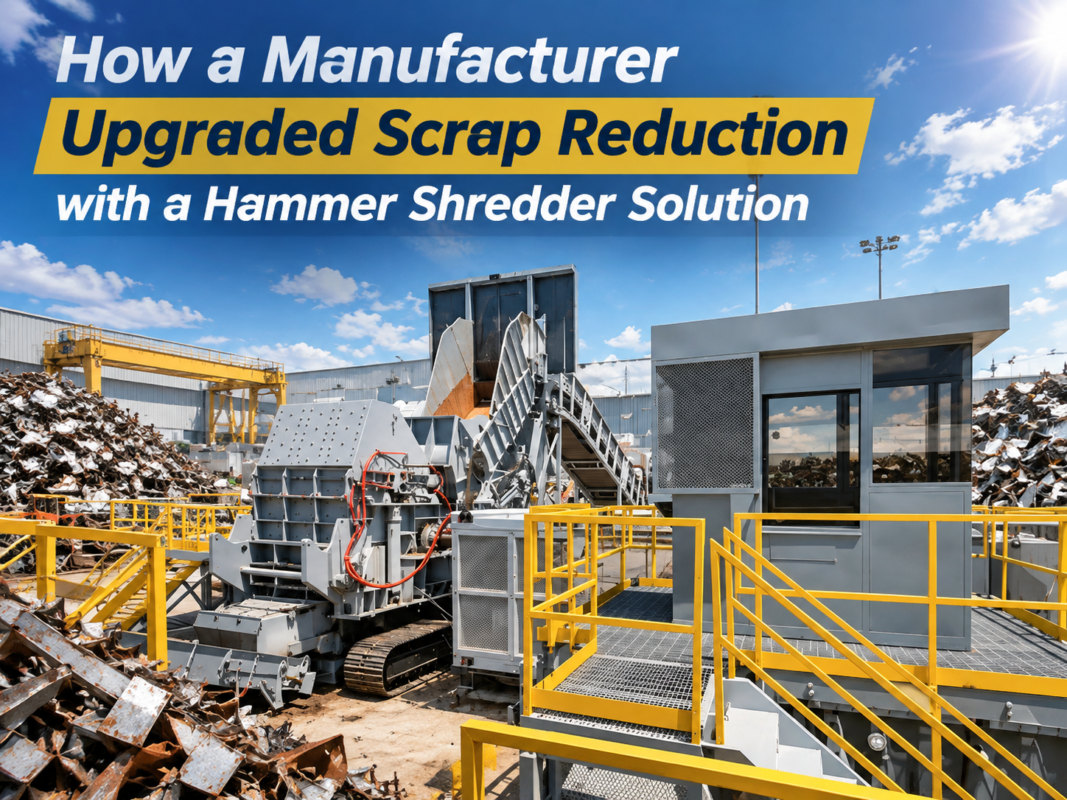
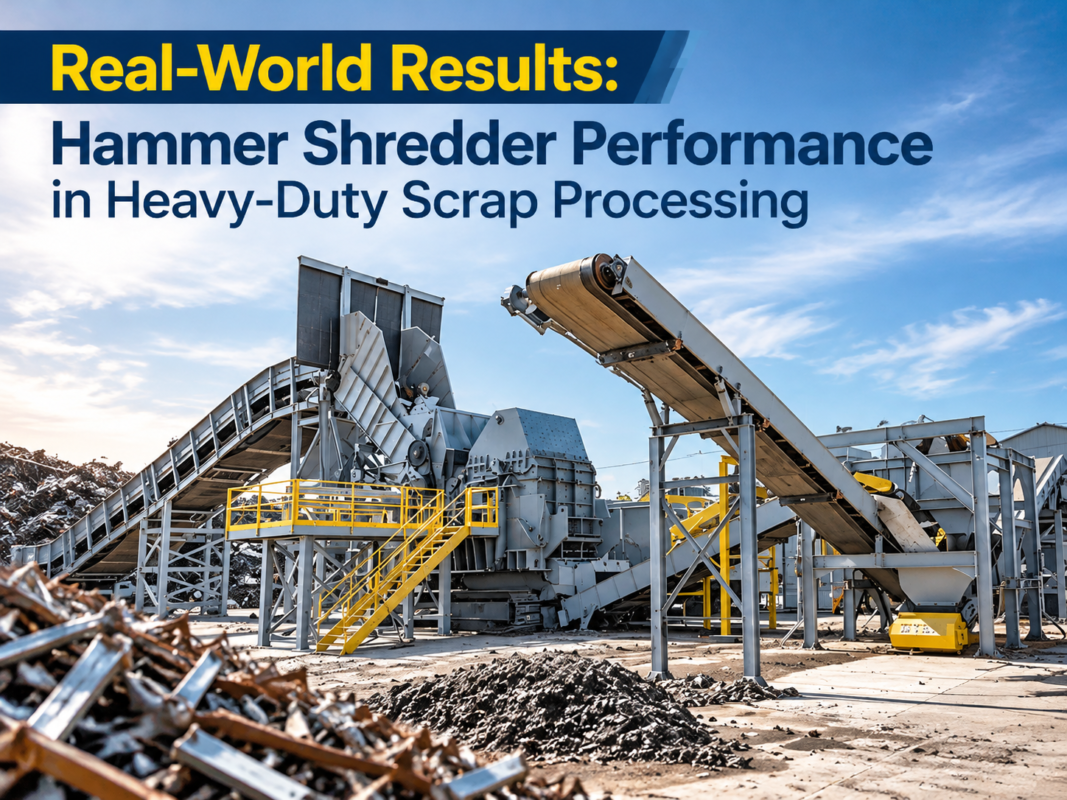
In the high-stakes world of modern metal fabrication, efficiency is measured not just by the precision of a press brake or the speed of a laser cutter, but by how effectively a facility manages its byproduct. For years, many fabrication shops viewed scrap metal merely as a logistical burden—a pile of jagged offcuts taking up valuable floor space and complicating material handling. However, forward-thinking manufacturers are discovering that the key to unlocking hidden profitability lies in advanced waste management. Specifically, how a hammer shredder improved production workflow in a metal fabrication facility has become a case study in operational excellence.
When a facility generates tons of sheet metal skeletons, pipe remnants, and bulky structural offcuts, the traditional approach of manual sorting and bulk disposal is inherently inefficient. It creates safety hazards, consumes excessive labor hours, and results in lower scrap value due to the high volume-to-weight ratio of un-processed material. By integrating a high-performance hammer shredder into the production line, facilities can transform this waste stream into a streamlined, revenue-generating asset.
HARSLE has observed that the transition from bulk scrap handling to automated shredding is often the single most impactful change a fabrication facility can make to its internal logistics. This article explores the technical, operational, and financial benefits of this transition, providing a comprehensive look at why the hammer shredder is no longer just a recycling tool, but a core component of modern metal fabrication workflows.
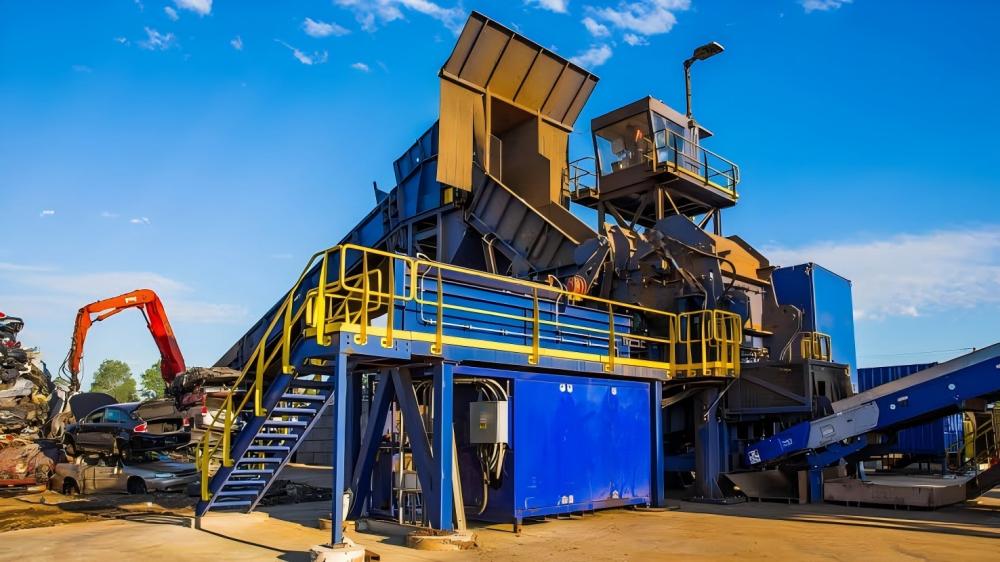
Key Considerations for Integrating Shredding Technology
Before investing in industrial shredding equipment, facility managers must evaluate their current material flow. The primary consideration is the volume and type of scrap generated. A hammer shredder is exceptionally effective at handling ductile materials, such as mild steel, aluminum, and copper, but the configuration of the hammers and the grate size must be tailored to the specific density of the scrap. If a facility produces a mix of thin-gauge sheet metal and thicker structural steel, a variable-speed shredder with adjustable screen sizes is essential.
Another critical factor is the integration point within the facility. Ideally, the shredder should be positioned near the end of the fabrication line, perhaps adjacent to the laser cutting or punching stations. By minimizing the distance that scrap must travel, you reduce the risk of workplace injuries and decrease the time spent on material handling. A well-placed shredder acts as a vacuum for waste, keeping the production floor clean and organized, which in turn boosts overall worker morale and productivity.
Safety and environmental compliance are also paramount. Modern hammer shredders are equipped with advanced dust suppression systems and noise-dampening enclosures, ensuring that the integration of the machine does not violate OSHA standards or local environmental regulations. Furthermore, the reduction of scrap volume means fewer truck trips for waste removal, significantly lowering the facility’s carbon footprint and logistics costs.
Finally, consider the downstream value of the shredded material. Shredded metal, often referred to as ‘frag’ or ‘shred,’ commands a higher market price than loose, bulky scrap because it is easier for smelters and foundries to process. By densifying the material, you are essentially refining your waste into a high-demand commodity, turning a cost center into a profit center.
Technical Details: How the Hammer Shredder Works
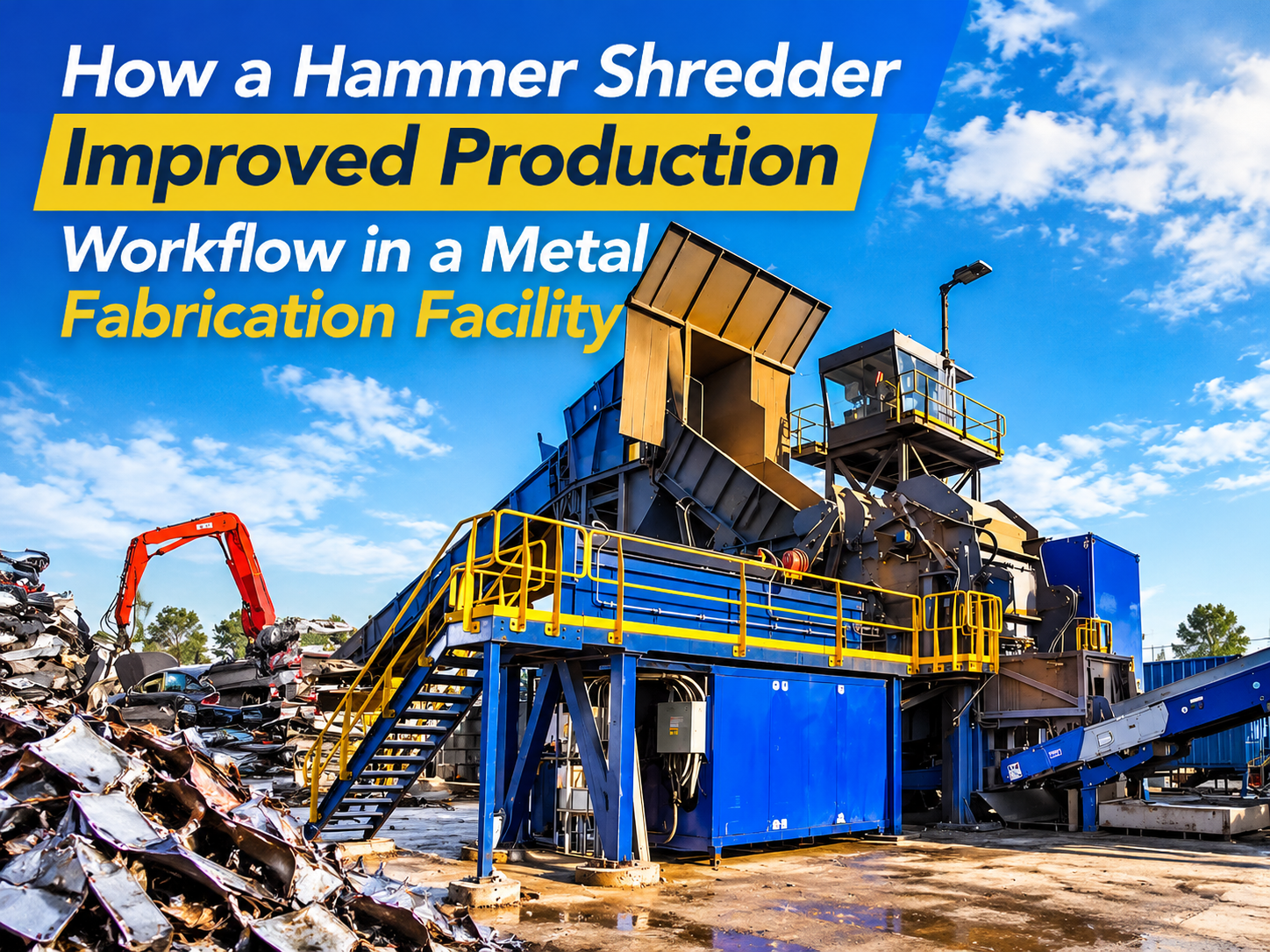
The core mechanism of a hammer shredder is deceptively simple yet highly effective. It utilizes a series of heavy-duty, hardened steel hammers mounted on a high-speed rotating shaft. As the metal enters the shredding chamber, these hammers strike the material with immense kinetic energy, shattering it against a heavy anvil and forcing it through a sizing grate. This process continues until the pieces are small enough to pass through the grate openings, ensuring a uniform output size.
HARSLE hammer shredders are engineered with high-torque motors designed to handle the shock loads associated with metal processing. The hammers themselves are made from manganese steel or other wear-resistant alloys, allowing them to maintain their edge even after processing thousands of tons of material. The rotor assembly is balanced to minimize vibration, which protects the machine’s bearings and structural integrity over years of continuous operation.
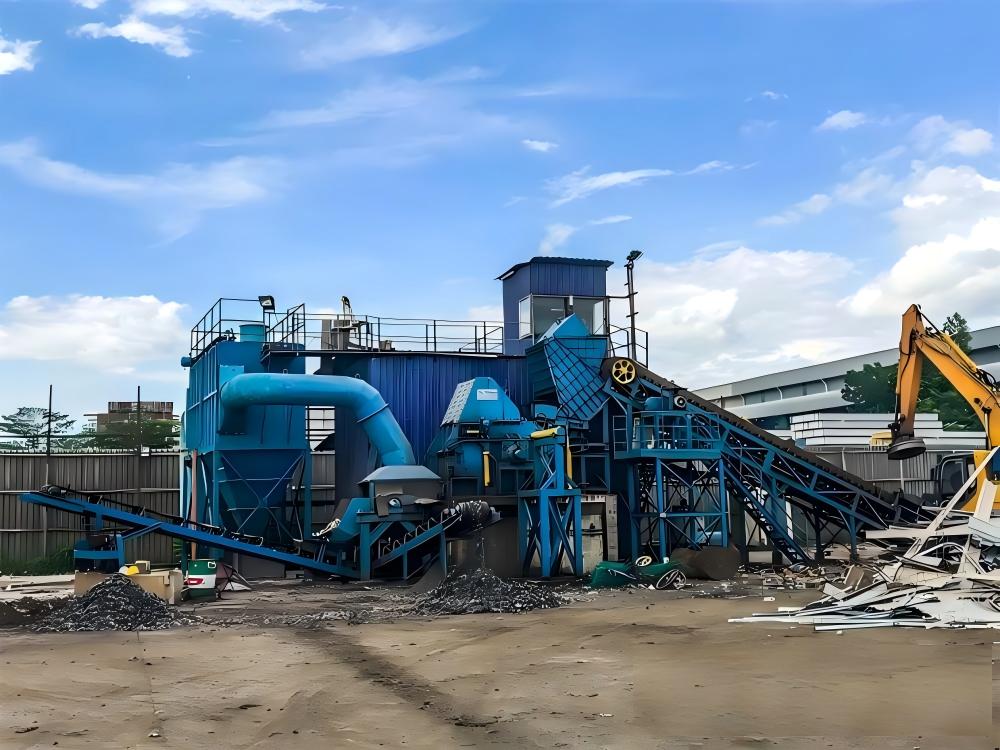
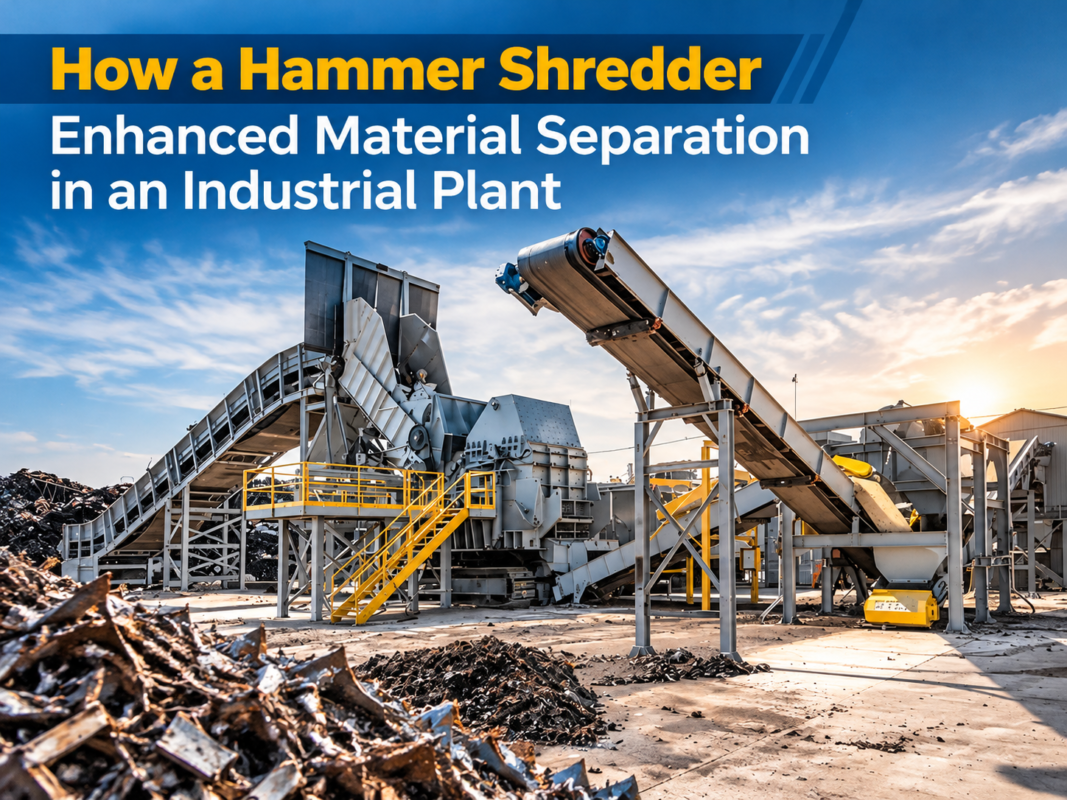
The sizing grate is perhaps the most critical technical component. By swapping out grates with different hole diameters, operators can control the final particle size of the shredded metal. For facilities looking to separate ferrous from non-ferrous metals, this uniform sizing is a prerequisite for effective magnetic separation. Once the metal is shredded, it can pass over a magnetic drum or belt, which automatically pulls out the ferrous content, leaving behind high-purity non-ferrous scrap that fetches a premium price.
Maintenance of these technical components is straightforward but essential. The hammers are typically reversible or replaceable, and the grate can be removed for cleaning or replacement. HARSLE provides comprehensive maintenance schedules that include lubrication of the main bearings, inspection of the hammer wear patterns, and checking the drive belt tension. By adhering to these technical protocols, facilities can ensure that their shredder remains a reliable workhorse for decades.
Selection Advice: Choosing the Right Shredder for Your Facility
When selecting a hammer shredder, the first step is to conduct a thorough audit of your scrap output. Measure the average thickness of your offcuts and the total tonnage produced per week. A machine that is too small will become a bottleneck, while a machine that is significantly oversized represents an unnecessary capital expenditure. HARSLE consultants often recommend a ‘right-sizing’ approach, where the shredder capacity is matched to the peak production output of your fabrication machinery.
Consider the power requirements and the electrical infrastructure of your facility. Industrial hammer shredders require significant electrical load, often necessitating a dedicated transformer or a soft-start system to manage the power draw during startup. Ensure that your facility’s power grid can support the motor’s starting torque without disrupting other sensitive CNC equipment in the shop. If power supply is limited, look for models with energy-efficient motors or variable frequency drives (VFDs) that optimize power consumption based on the load.
The physical footprint of the shredder is another vital selection criterion. In many fabrication shops, floor space is at a premium. Look for compact, vertical-feed designs if space is limited, or horizontal-feed systems if you plan to use a conveyor belt for automated loading. HARSLE offers modular designs that can be integrated into existing material handling systems, allowing for a seamless transition without requiring a complete overhaul of your shop layout.
Finally, evaluate the manufacturer’s support and parts availability. A shredder is a heavy-duty machine that will eventually require replacement parts like hammers, grates, and bearings. Choose a supplier that maintains a robust inventory of spare parts and offers technical support to minimize downtime. A machine that is down for weeks waiting for a part is a liability, not an asset. HARSLE prides itself on rapid response times and a global network of service engineers to ensure your production workflow remains uninterrupted.
FAQ: Common Questions About Hammer Shredders
- Q: How much space does a hammer shredder require?
A: The footprint varies based on the model and feeding system. Compact units can fit in as little as 50 square feet, while high-capacity systems with integrated conveyors may require 200-500 square feet. - Q: Can a hammer shredder handle all types of metal?
A: While they are excellent for steel, aluminum, and copper, they should not be used for extremely hard materials like hardened tool steel or tungsten carbide, which can damage the hammers. Always consult the machine specifications. - Q: How often do the hammers need to be replaced?
A: This depends on the volume and hardness of the material processed. Typically, hammers are inspected monthly and replaced or rotated every 6-12 months in a standard fabrication environment. - Q: Does the shredder create a lot of noise?
A: Industrial shredders are inherently loud. However, modern HARSLE units come with sound-dampening enclosures that keep noise levels within acceptable industrial limits. - Q: How does the shredder improve scrap value?
A: Shredded metal is easier to transport, store, and melt. Foundries prefer it because it has a consistent density, which allows them to charge their furnaces more efficiently, leading to higher purchase prices for the seller.
Conclusion: Transforming Fabrication Through Efficiency
The integration of a hammer shredder is a transformative step for any metal fabrication facility. By addressing the logistical challenges of scrap management, facilities can reclaim valuable floor space, improve worker safety, and turn a waste stream into a consistent revenue source. As demonstrated by the impact on production workflows, the ability to process scrap in-house allows for a leaner, more responsive manufacturing environment.
When you choose to invest in a HARSLE hammer shredder, you are not just buying a piece of machinery; you are investing in a more efficient future for your fabrication business. The combination of robust engineering, ease of maintenance, and significant operational benefits makes the hammer shredder an essential tool for the modern metal fabricator. As the industry continues to evolve toward higher levels of automation and sustainability, those who embrace advanced scrap processing will undoubtedly hold a competitive advantage.
We encourage facility managers to assess their current waste management practices and consider the long-term ROI of implementing a shredding solution. Whether you are looking to reduce your disposal costs or maximize the value of your scrap, the right equipment can make all the difference. Contact HARSLE today to learn more about how our industrial shredding solutions can be tailored to your specific production needs and help you achieve a new standard of operational excellence.