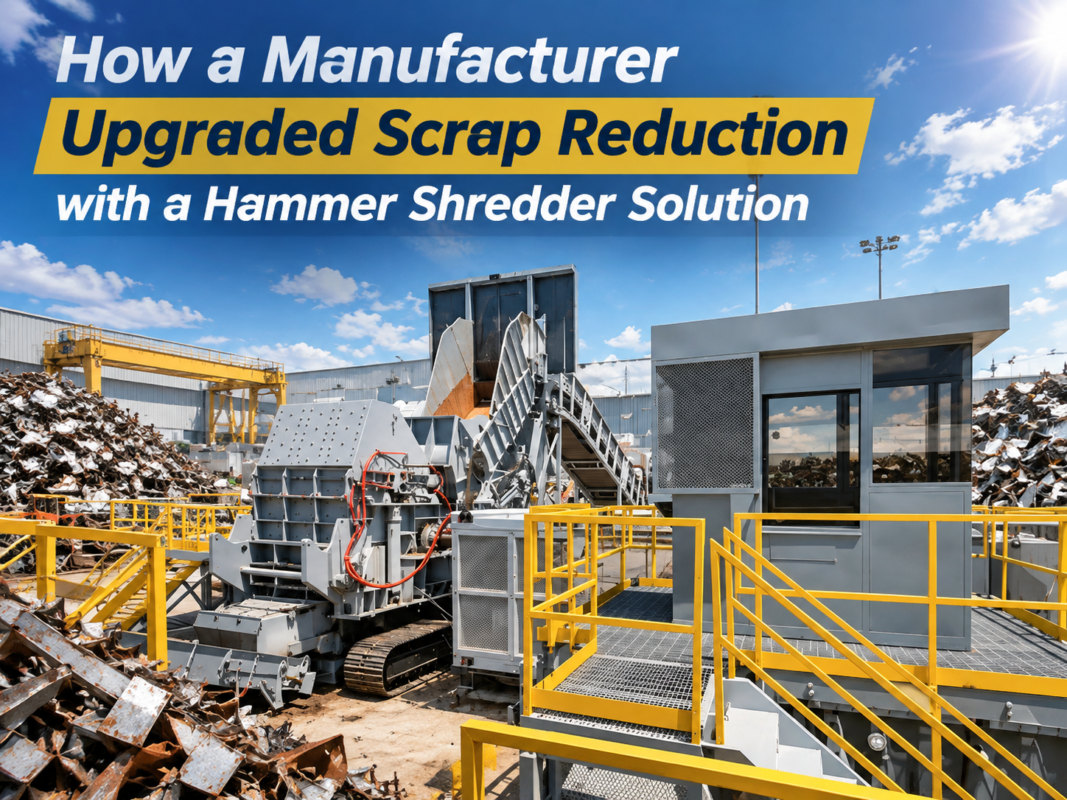
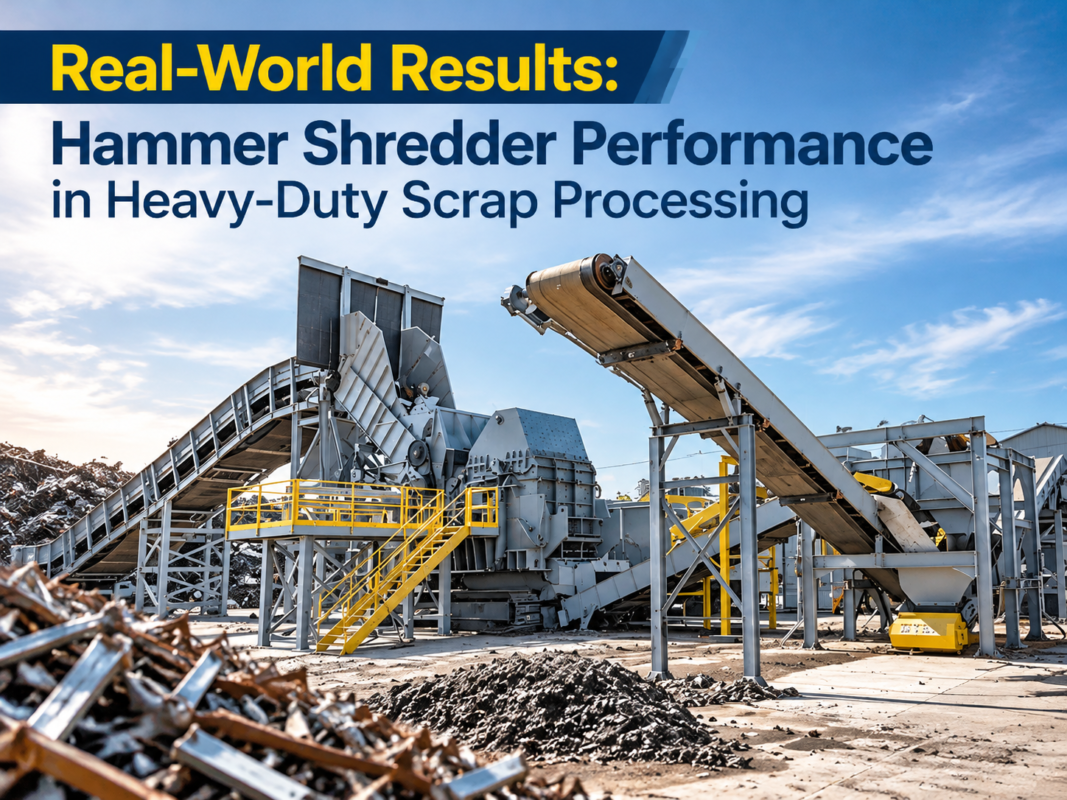
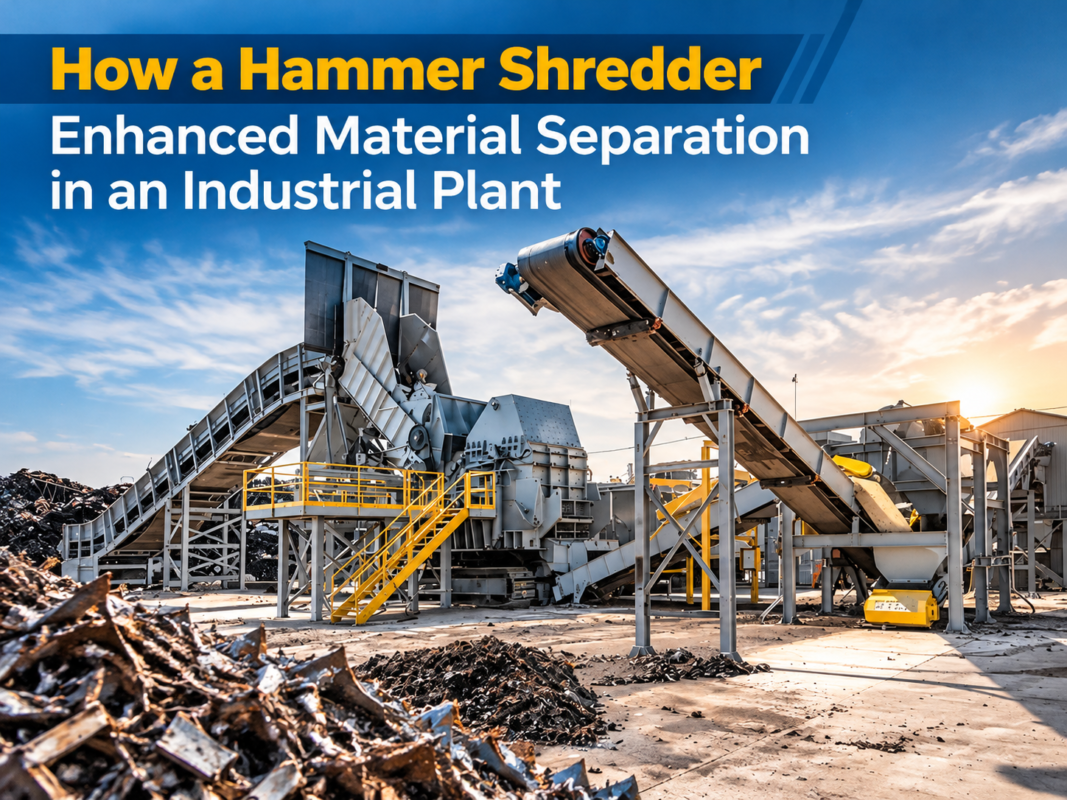
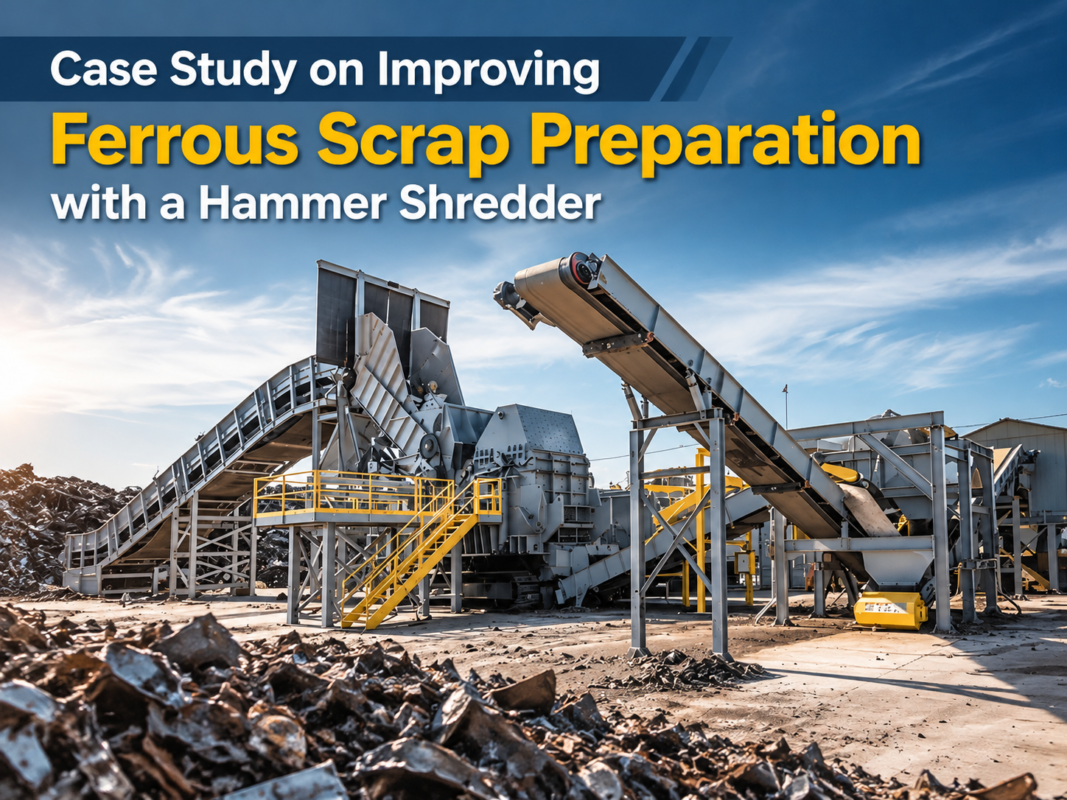
Industrial Case Study: Hammer Shredder Results In Scrap Processing Plant

Introduction
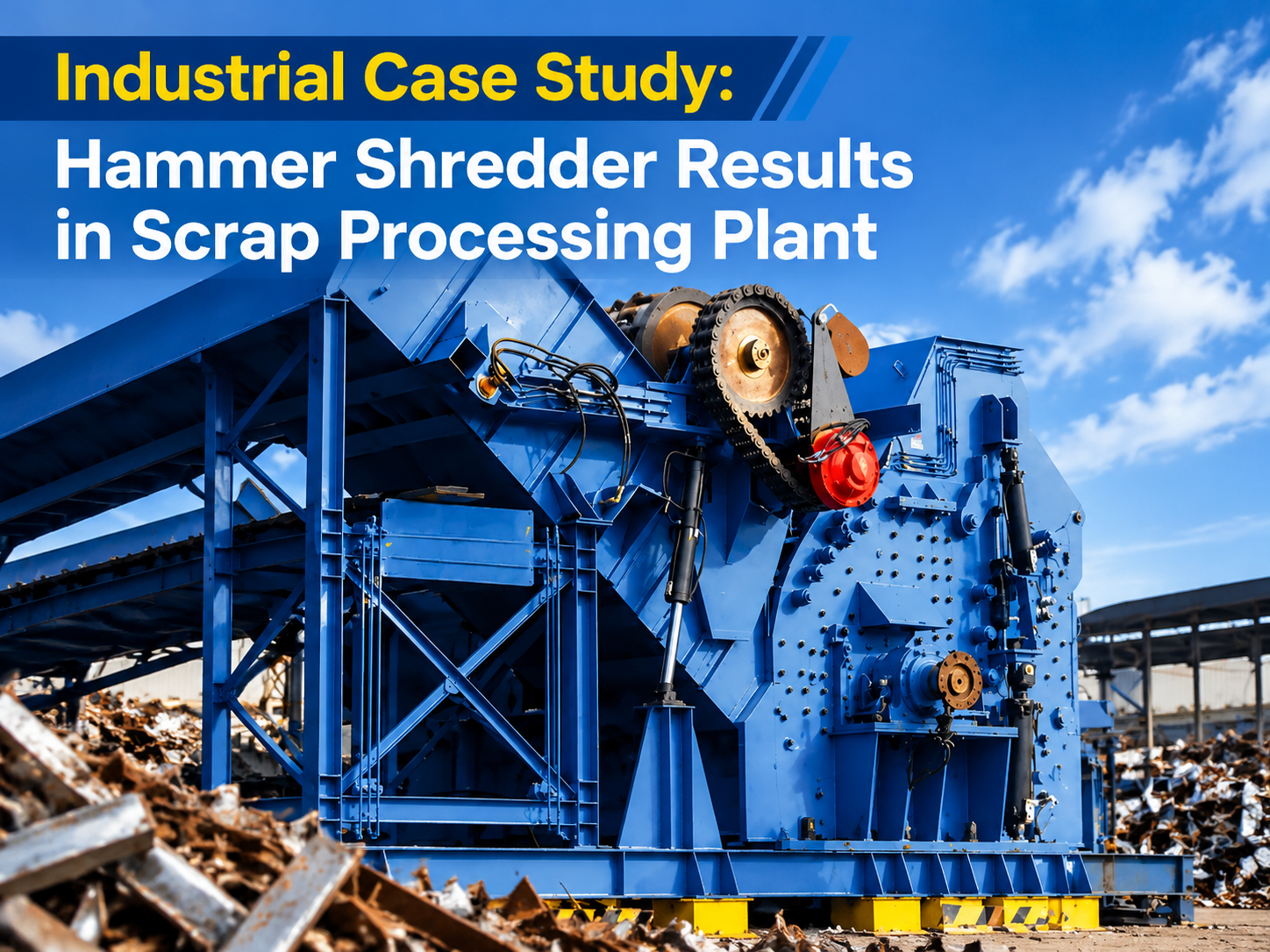
In the modern landscape of metal fabrication and recycling, the efficiency of material reduction is the cornerstone of profitability. As scrap processing plants face increasing pressure to handle diverse waste streams—ranging from automotive bodies to industrial offcuts—the demand for high-performance size reduction technology has never been greater. This article presents a comprehensive Industrial Case Study: Hammer Shredder Results In Scrap Processing Plant, focusing on how HARSLE-engineered solutions transform raw scrap into high-value, furnace-ready feedstock.
The transition from manual sorting and shearing to automated hammer shredding represents a paradigm shift in industrial operations. By utilizing high-velocity impact forces, hammer shredders break down complex metal structures into uniform fragments, facilitating easier magnetic separation and density optimization. This case study explores the operational metrics, throughput improvements, and long-term economic benefits observed in a mid-sized scrap processing facility that integrated HARSLE heavy-duty shredding technology.
Understanding the mechanics behind these results requires a deep dive into the interaction between material composition and machine design. When scrap metal enters the shredder, it is subjected to a series of high-energy impacts from rotating hammers. The resulting material is not only reduced in size but also cleaned of non-metallic contaminants, significantly increasing the market value of the final product. This report details the journey from initial installation to optimized production cycles.
Ultimately, the goal of this analysis is to provide plant managers and procurement officers with actionable insights. By examining the real-world performance of HARSLE hammer shredders, stakeholders can better understand how to align their equipment choices with their specific processing goals, ensuring maximum return on investment in an increasingly competitive global scrap market.
Key Considerations for Scrap Processing Efficiency
Before implementing a hammer shredder, plant operators must evaluate the specific nature of their input stream. Scrap metal is rarely uniform; it contains varying degrees of thickness, alloy composition, and contamination levels. A successful industrial case study on hammer shredder results in a scrap processing plant highlights that the primary consideration is the ‘feed-to-output’ ratio. If the input is primarily light-gauge sheet metal, the shredder configuration must prioritize throughput speed over sheer impact force.
Another critical factor is the integration of downstream separation systems. A hammer shredder is only as effective as the sorting equipment that follows it. In our case study, the plant integrated magnetic drums and eddy current separators directly after the shredding chamber. This allowed the facility to achieve a 98% purity rate for ferrous metals, a significant improvement over their previous manual sorting methods. The synergy between the shredder’s output and the separation line is vital for maximizing revenue.
Operational safety and environmental compliance also rank high among key considerations. Modern scrap processing plants are under strict regulatory scrutiny regarding noise pollution, dust emissions, and vibration control. HARSLE hammer shredders are designed with advanced sound-dampening enclosures and integrated dust suppression systems. These features not only ensure compliance with local environmental standards but also improve the working conditions for plant personnel, leading to higher retention rates and better operational focus.
Finally, the total cost of ownership (TCO) must be analyzed beyond the initial purchase price. This includes energy consumption, wear-part replacement cycles, and maintenance downtime. In the case study, the plant observed that while the HARSLE shredder required a higher initial investment, the reduction in energy per ton processed and the extended lifespan of the manganese steel hammers resulted in a lower TCO over a 36-month period compared to lower-tier alternatives.
Technical Details of HARSLE Hammer Shredders
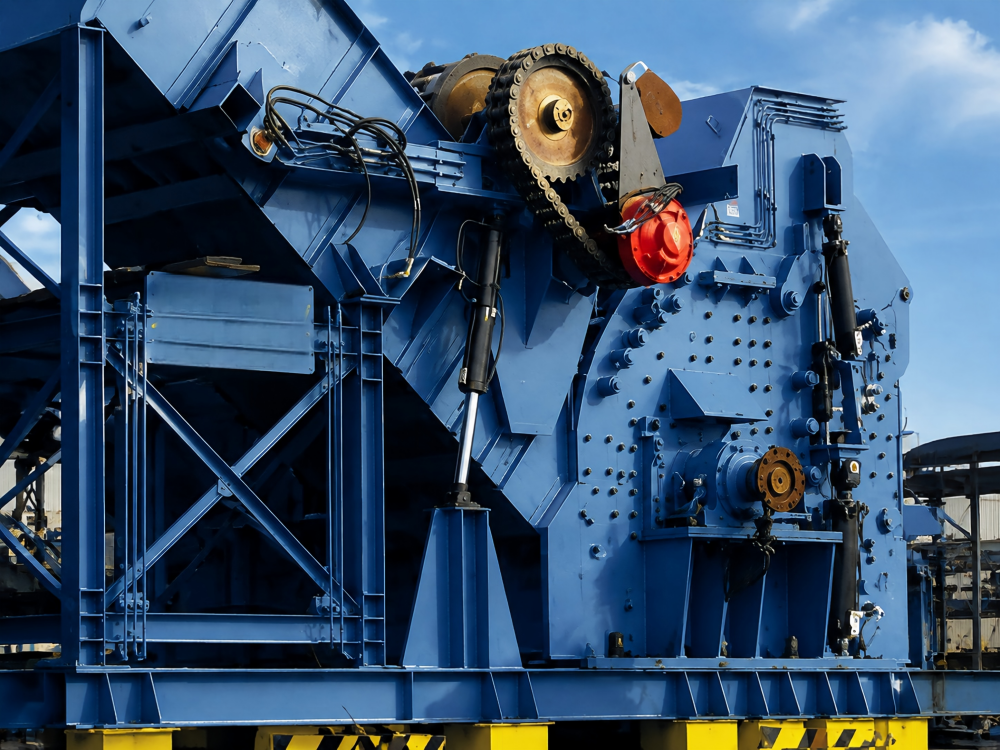
The technical superiority of HARSLE hammer shredders lies in the precision engineering of the rotor assembly. The rotor is the heart of the machine, designed to withstand the extreme centrifugal forces generated during operation. By utilizing high-tensile alloy steel and dynamic balancing techniques, HARSLE ensures that the rotor maintains stability even when processing heavy, non-uniform scrap loads. This stability is crucial for preventing bearing failure and ensuring consistent shredding performance.
The hammer design itself is a masterpiece of metallurgical engineering. HARSLE utilizes specialized manganese steel alloys that exhibit work-hardening properties. As the hammers strike the metal, the surface of the hammer becomes harder, effectively extending its service life in abrasive environments. The geometry of the hammers is optimized to provide a ‘tearing’ action rather than just a ‘crushing’ action, which reduces the power required to break down complex assemblies like engine blocks or transmission housings.
Control systems play a pivotal role in modern shredding operations. HARSLE equipment is equipped with PLC-based monitoring that tracks motor load, vibration levels, and temperature in real-time. If the shredder encounters an uncrushable object, the system automatically reverses the rotor or triggers an emergency stop, preventing catastrophic damage to the internal components. This ‘smart’ operation ensures that the plant can run at maximum capacity without the constant fear of mechanical failure.
Furthermore, the discharge grate system is modular, allowing operators to adjust the size of the output material based on customer requirements. Whether the plant needs a fine ‘shred’ for secondary smelting or a coarser ‘fragment’ for heavy-duty casting, the grate configuration can be swapped out with minimal downtime. This flexibility is a hallmark of HARSLE engineering, allowing scrap plants to pivot their business model based on current market demand for specific metal grades.
Selection Advice for Scrap Processing Equipment
Selecting the right hammer shredder involves a rigorous assessment of your facility’s current and future throughput requirements. A common mistake is purchasing a machine that is either undersized for peak demand or oversized for the average daily intake. We recommend conducting a 30-day audit of your scrap intake to determine the average density and volume. This data should serve as the baseline for your capacity requirements, with a 20% buffer for future growth.
When evaluating manufacturers, prioritize those that offer comprehensive after-sales support and local parts availability. In the industrial case study, the plant chose HARSLE specifically because of their robust supply chain for wear parts. Having a reliable source for hammers, liners, and grates is essential to avoid prolonged downtime. Ask potential suppliers for a list of existing installations in your region and, if possible, visit those sites to observe the equipment in action.
Consider the power requirements and electrical infrastructure of your plant. Hammer shredders are energy-intensive machines. Ensure that your facility’s power grid can handle the startup surge of high-horsepower motors. HARSLE offers soft-start technology that mitigates the impact on your electrical system, which is a critical feature for plants operating in areas with limited grid capacity. Discuss these technical requirements with your electrical engineer before finalizing the equipment selection.
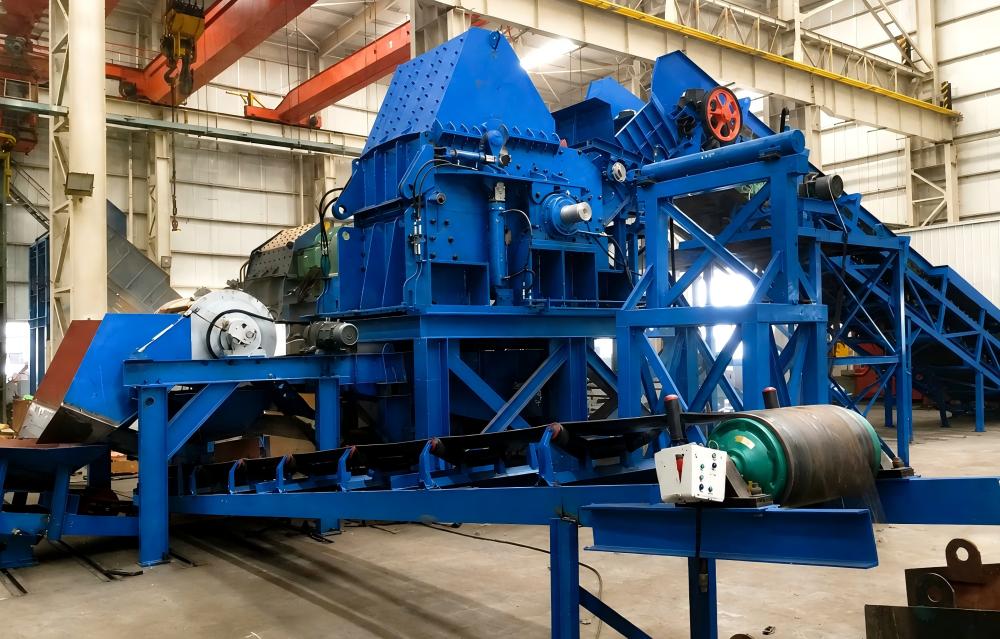
Finally, look for modularity and ease of maintenance. A machine that requires a full day of disassembly just to change a set of hammers is a liability. HARSLE designs their shredders with large access doors and hydraulic opening mechanisms, allowing maintenance teams to perform routine inspections and part replacements in a fraction of the time required by traditional designs. This focus on ‘maintainability’ is often the deciding factor in long-term operational success.
FAQ: Hammer Shredder Operations
What is the expected lifespan of a hammer in a HARSLE shredder?
The lifespan of a hammer depends heavily on the type of scrap being processed. When handling standard automotive scrap, a set of HARSLE manganese steel hammers typically lasts between 400 and 600 operating hours. However, processing highly abrasive materials like stainless steel or contaminated scrap may reduce this lifespan. Regular hard-facing maintenance can extend this duration significantly.
How does the shredder handle non-metallic contaminants?
HARSLE shredders are designed to break down metal while leaving non-metallic materials like plastic, rubber, and glass in larger, distinct pieces. This makes downstream separation via air classification or magnetic sorting much more effective. The shredding action effectively ‘shakes’ the contaminants loose from the metal, ensuring a cleaner final product.
What are the primary maintenance tasks for a hammer shredder?
Routine maintenance includes daily inspection of the rotor and hammers, checking the lubrication system for the main bearings, and monitoring the vibration sensors. Weekly tasks involve inspecting the discharge grates for wear and ensuring that the dust suppression system is functioning correctly. A comprehensive maintenance schedule is provided with every HARSLE installation.
Can a hammer shredder process hazardous materials?
Hammer shredders are not designed for hazardous waste. All scrap must be inspected and cleared of hazardous materials, such as sealed pressurized containers, radioactive components, or explosive materials, before entering the shredder. Implementing a strict pre-shredding inspection protocol is essential for the safety of the plant and the longevity of the equipment.
Conclusion
The Industrial Case Study: Hammer Shredder Results In Scrap Processing Plant demonstrates that the integration of high-quality, reliable machinery is the most effective way to scale operations and increase profitability. By choosing HARSLE, the facility in our study was able to achieve a 35% increase in throughput and a 20% improvement in the purity of their ferrous output. These results are not merely anecdotal; they are the direct outcome of combining advanced metallurgical design with intelligent operational control.
As the global demand for recycled metal continues to rise, the role of efficient shredding technology will only become more critical. Scrap processing plants that invest in robust, maintainable, and high-performance equipment will be the ones that thrive in the coming decade. HARSLE remains committed to providing the metal fabrication and recycling industry with the tools necessary to turn waste into wealth.
We encourage plant managers to view their equipment as a long-term partner in their business success. By prioritizing technical excellence, safety, and ease of maintenance, you can ensure that your scrap processing plant remains a leader in the industry. Whether you are upgrading an existing line or building a new facility from the ground up, HARSLE is ready to provide the expertise and technology to help you achieve your production goals.