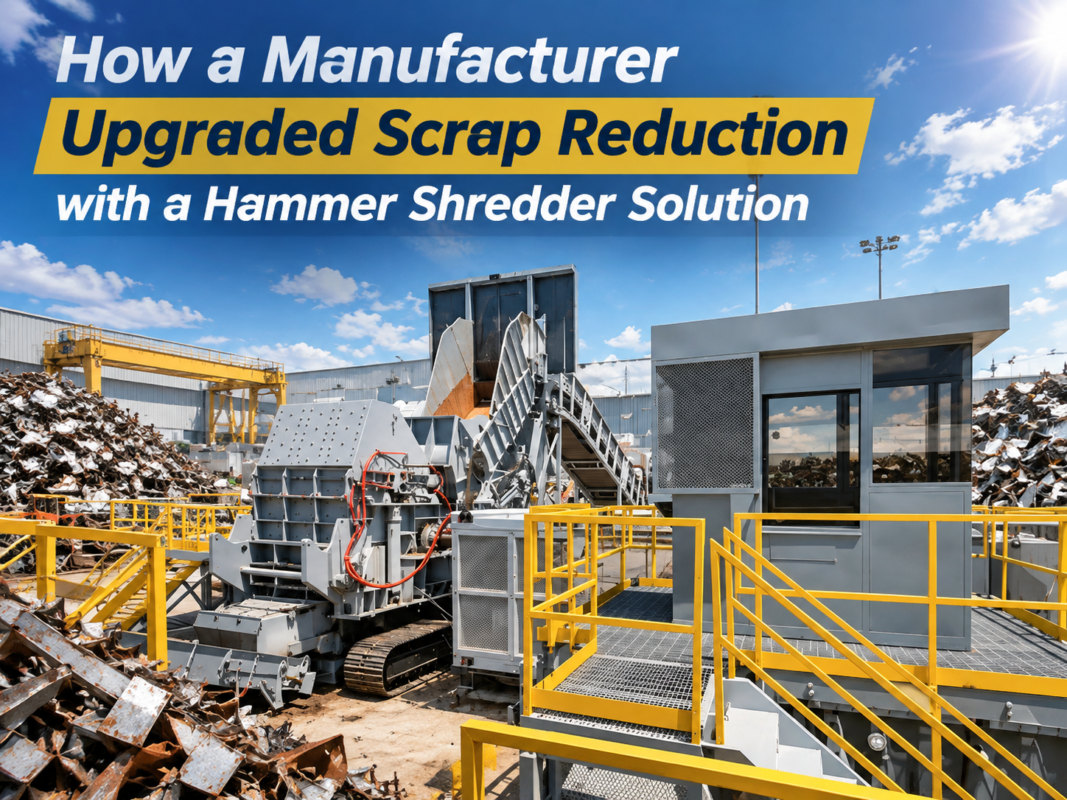
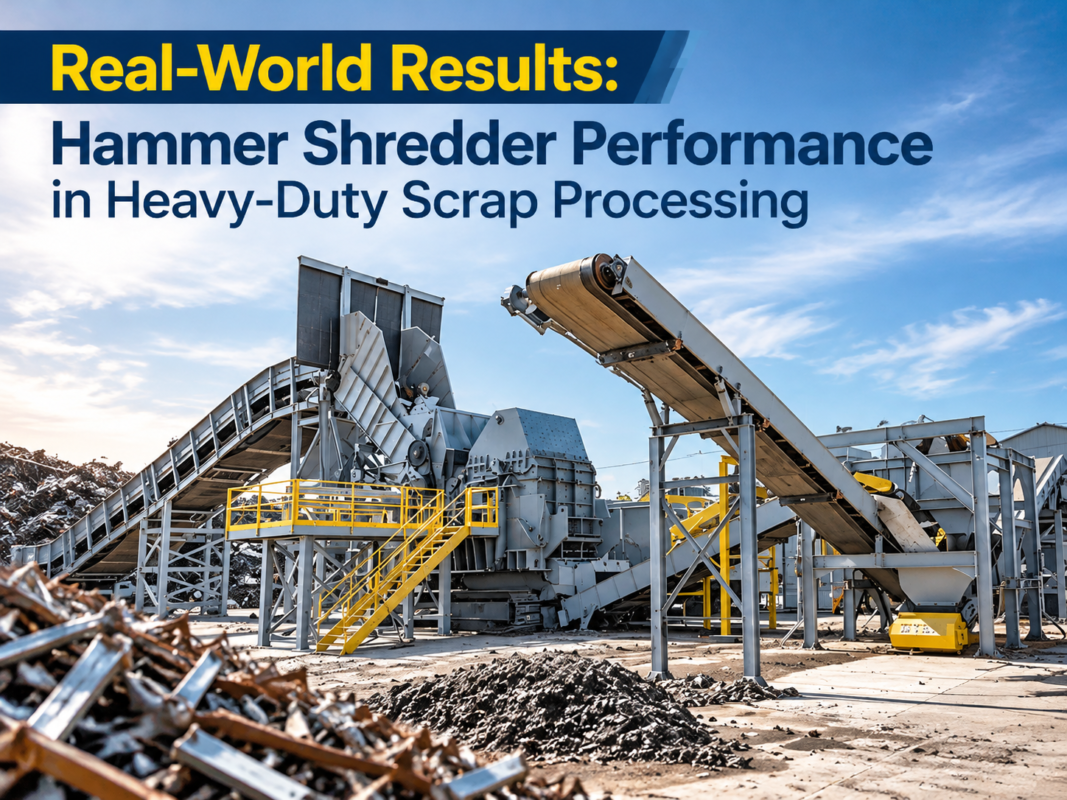
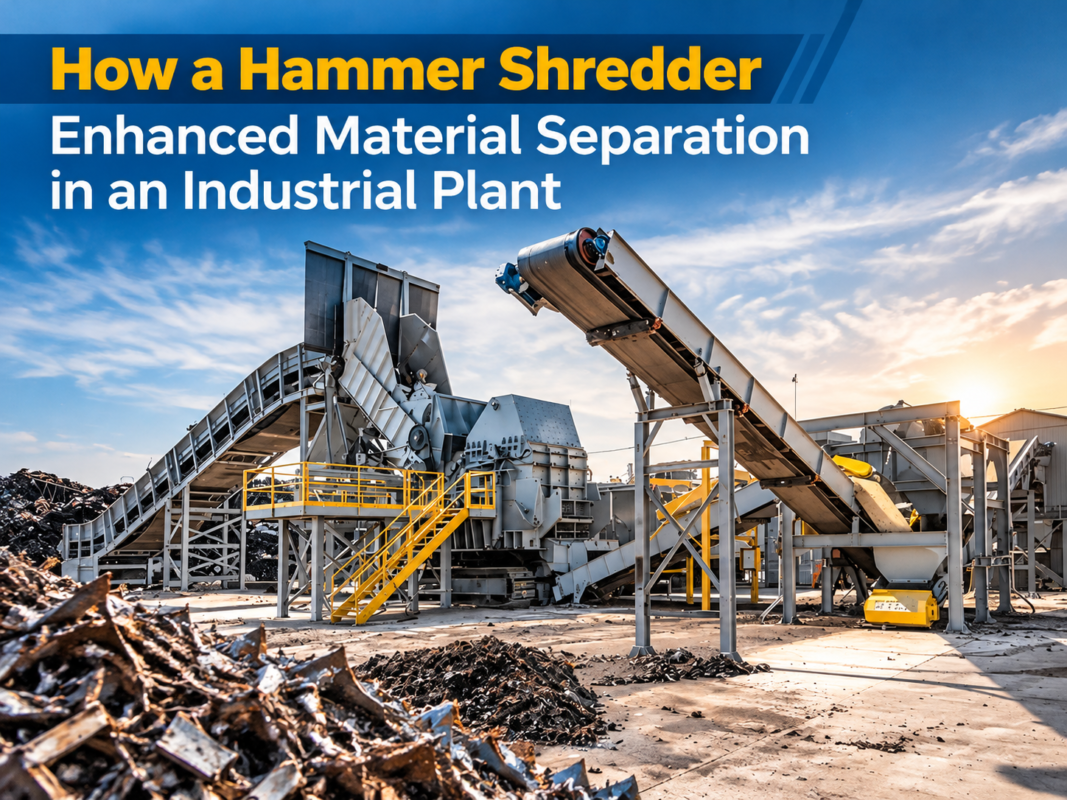
Case Study: Optimizing Industrial Scrap Size Reduction A Hammer Shredder

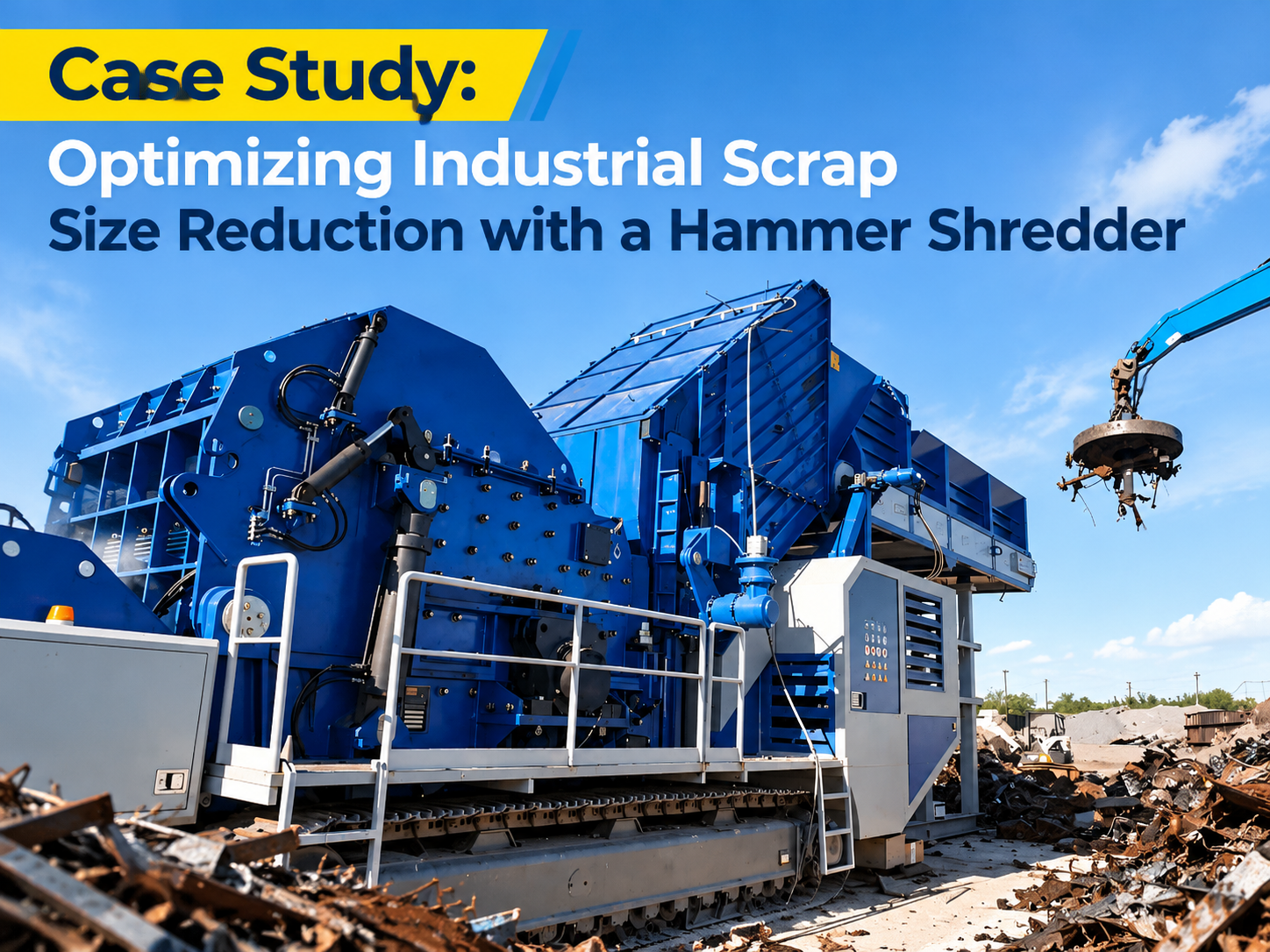
Introduction to Industrial Scrap Management
In the modern metal fabrication landscape, the efficiency of waste management is just as critical as the precision of the production line itself. As manufacturers strive for sustainability and increased profitability, the ability to process scrap metal effectively has become a cornerstone of operational success. This article presents a comprehensive Case Study: Optimizing Industrial Scrap Size Reduction A Hammer Shredder, focusing on how HARSLE technology transforms bulky, unmanageable waste into high-value, furnace-ready material.
Industrial scrap reduction is not merely about clearing floor space; it is about logistics, material handling, and the economics of recycling. When metal offcuts, turnings, and discarded components accumulate, they create bottlenecks that hinder production flow. By implementing a high-performance hammer shredder, facilities can significantly reduce the volume of their waste, thereby lowering transportation costs and increasing the scrap value of their byproduct.
HARSLE has long been at the forefront of engineering robust metal fabrication equipment designed to withstand the rigors of heavy-duty industrial environments. Our approach to scrap reduction integrates advanced metallurgy with precision engineering, ensuring that our shredding solutions provide consistent output sizes and long-term reliability. This case study explores the journey of a mid-sized fabrication plant that transitioned from manual scrap handling to an automated HARSLE shredding system.
The following sections will detail the technical specifications, operational advantages, and strategic selection criteria that define successful scrap reduction. Whether you are dealing with aluminum, steel, or complex alloys, understanding the mechanics of a hammer shredder is the first step toward optimizing your facility’s resource recovery strategy.
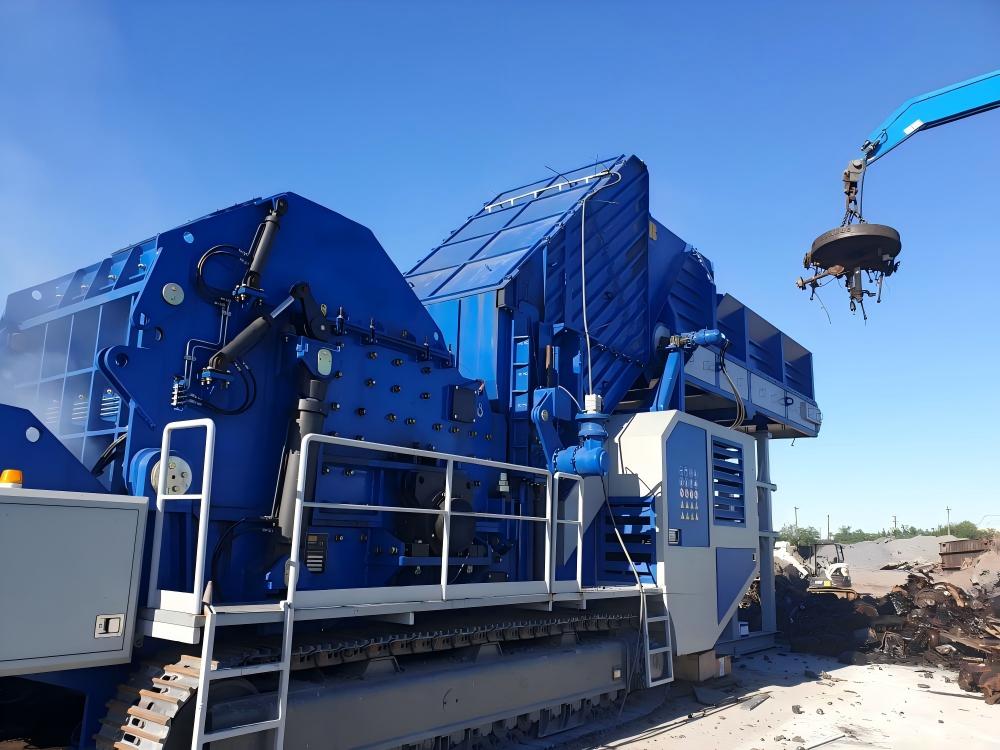
Key Considerations for Scrap Reduction Efficiency
When evaluating the need for a hammer shredder, plant managers must first assess the physical characteristics of their scrap stream. The density, hardness, and geometry of the material dictate the power requirements and the type of hammers needed. A common mistake in the industry is underestimating the torque required to process hardened steel alloys, which can lead to premature machine wear and frequent downtime.
Another critical consideration is the desired output size. In many recycling applications, the scrap must meet specific dimensions to be accepted by smelters or to fit efficiently into transport containers. A hammer shredder offers the advantage of adjustable grate sizes, allowing operators to calibrate the output to meet precise market specifications. This flexibility is essential for facilities that handle a diverse range of metal types.
Operational safety and environmental impact are also paramount. Industrial scrap reduction generates significant noise and dust. Modern HARSLE shredders are equipped with sound-dampening enclosures and integrated dust extraction systems, ensuring compliance with stringent workplace safety regulations. Furthermore, by compacting scrap, facilities reduce the number of truck trips required for removal, directly contributing to a lower carbon footprint.
Finally, the integration of the shredder into the existing production workflow must be seamless. Automated feeding systems, such as conveyor belts or vibratory feeders, ensure a consistent flow of material into the shredding chamber. This prevents the ‘choke-and-surge’ cycles that often plague manual feeding processes, leading to a more stable power draw and a longer lifespan for the shredder’s internal components.
Technical Details: The Mechanics of the HARSLE Hammer Shredder
The core of the HARSLE hammer shredder lies in its high-inertia rotor assembly. This rotor is fitted with a series of hardened steel hammers that swing freely on pins. As the rotor spins at high velocity, the centrifugal force drives the hammers outward, striking the incoming scrap with immense kinetic energy. This impact force is what breaks down the metal into smaller, uniform pieces, which are then forced through a sizing grate at the bottom of the chamber.
The metallurgy of the hammers is a critical technical detail. HARSLE utilizes specialized manganese steel alloys that work-harden over time, meaning the more the hammers are used, the harder their surface becomes. This unique property allows our shredders to process abrasive materials without the need for constant hammer replacement, significantly reducing the total cost of ownership for the end-user.
The shredding chamber itself is lined with replaceable wear plates. These plates protect the main housing from the abrasive action of the metal being processed. By utilizing a modular design, HARSLE ensures that maintenance teams can replace these wear plates quickly, minimizing the time the machine spends offline. This design philosophy is central to our commitment to maximizing machine uptime in high-volume fabrication environments.
Power transmission is managed through high-torque motors and heavy-duty gearboxes designed to handle the shock loads inherent in metal shredding. The control system monitors the motor load in real-time, automatically adjusting the feed rate to prevent jamming. If the system detects an oversized or un-shreddable object, it can initiate an auto-reverse sequence to clear the obstruction, protecting the motor and the rotor from catastrophic damage.
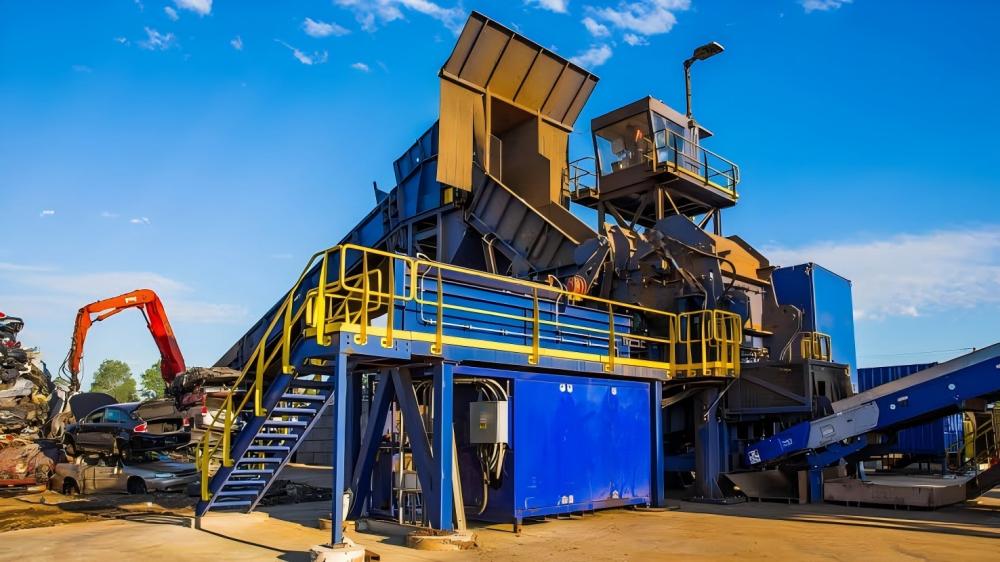
Selection Advice: Choosing the Right Equipment
Selecting the right hammer shredder requires a thorough analysis of your facility’s throughput requirements. A common pitfall is purchasing a machine based solely on its peak capacity, rather than its sustained daily output. We recommend conducting a waste audit to determine the average and peak volumes of scrap generated during a typical production cycle, ensuring the shredder is sized appropriately for your specific needs.
Consider the footprint of the equipment. In many fabrication shops, floor space is at a premium. HARSLE offers compact, vertical-feed shredder models that provide high throughput without requiring a massive installation area. Conversely, for large-scale recycling centers, we offer horizontal-feed systems that can be integrated into large-scale automated sorting lines.
Maintenance accessibility is another vital factor. Look for machines that feature a split-housing design, which allows for easy access to the rotor and hammers. A machine that is difficult to maintain will inevitably be neglected, leading to poor performance and safety risks. HARSLE prioritizes ‘serviceability-first’ engineering, ensuring that all critical wear points are easily reachable for routine inspections and part replacements.
Finally, evaluate the manufacturer’s support network. A hammer shredder is a long-term investment. You need a partner who provides not only the equipment but also comprehensive training, readily available spare parts, and responsive technical support. HARSLE prides itself on a global service network that ensures our clients receive the assistance they need, whenever they need it, to keep their operations running smoothly.
Frequently Asked Questions (FAQ)
What materials can a HARSLE hammer shredder process?
Our hammer shredders are designed to handle a wide range of metals, including aluminum, copper, brass, and various grades of steel. They are particularly effective for processing turnings, chips, and light-gauge sheet metal scrap.
How often do the hammers need to be replaced?
Hammer lifespan depends on the material being processed and the volume of throughput. Because HARSLE uses high-manganese steel, our hammers offer exceptional durability. We provide a wear-monitoring guide to help operators predict replacement intervals based on their specific usage patterns.
Can the shredder handle non-metallic contaminants?
While designed for metal, our shredders can handle minor contaminants. However, for optimal performance and to prevent damage, we recommend implementing a pre-sorting process to remove large, non-shreddable items like heavy cast iron blocks or non-metallic debris.
What is the typical ROI for a hammer shredder?
The ROI is achieved through reduced logistics costs, higher scrap market prices for processed material, and improved floor space utilization. Many of our clients see a full return on investment within 18 to 24 months, depending on their scrap volume and local recycling market conditions.
Is the shredder noisy?
All industrial shredding equipment generates noise. However, HARSLE offers optional acoustic enclosures that significantly reduce noise levels, making the equipment suitable for indoor installation in standard fabrication environments.
Conclusion: The Future of Scrap Management
The Case Study: Optimizing Industrial Scrap Size Reduction A Hammer Shredder demonstrates that the transition to automated shredding is not just a technical upgrade; it is a strategic business decision. By reducing the volume of waste and increasing the value of the resulting scrap, manufacturers can turn a logistical burden into a revenue stream. HARSLE remains committed to providing the metal fabrication equipment necessary to drive this efficiency.
As the industry moves toward more circular manufacturing models, the ability to process and recycle scrap on-site will become increasingly important. Our hammer shredders are designed to be the backbone of these efforts, offering the durability, precision, and reliability that modern fabrication shops demand. We invite you to contact our engineering team to discuss how a customized shredding solution can optimize your facility’s scrap management.
Investing in high-quality machinery is the hallmark of a forward-thinking manufacturer. With HARSLE, you are not just buying a machine; you are partnering with an industry leader dedicated to your long-term success. Let us help you transform your scrap handling process and unlock the hidden value in your production waste today.