Hammer Shredder Case Study: Solving Oversized Scrap Challenges In Manufacturing

Introduction
In the modern metal fabrication landscape, the accumulation of oversized scrap is more than just a logistical nuisance; it is a significant drain on operational profitability. Manufacturers often find themselves struggling with bulky, irregular metal waste that occupies valuable floor space, complicates transportation, and reduces the overall value of recycled materials. This is where the implementation of advanced processing technology becomes critical. This Hammer Shredder Case Study: Solving Oversized Scrap Challenges In Manufacturing explores how HARSLE’s industrial shredding solutions transform waste management from a cost center into a streamlined, value-added process.
For many fabrication facilities, the sheer volume of offcuts, skeleton sheets, and defective parts creates a bottleneck in production flow. When scrap is left in its raw, oversized state, it requires frequent manual handling, specialized storage containers, and expensive logistics to transport to recycling centers. By integrating a high-performance hammer shredder, manufacturers can reduce these materials to a uniform, manageable size, significantly increasing bulk density and simplifying downstream processing.
This article examines the technical requirements, strategic implementation, and long-term benefits of adopting HARSLE hammer shredder technology. We will look at a real-world scenario where a mid-sized fabrication plant faced mounting scrap costs and how the transition to automated shredding revolutionized their facility management. By understanding the mechanics and the economic impact of these machines, plant managers can make informed decisions to optimize their production environments.
As we delve into the specifics of this case study, we will highlight the importance of selecting the right equipment based on material hardness, throughput requirements, and safety standards. HARSLE has long been a leader in providing robust metal fabrication equipment, and our shredders are engineered to withstand the rigors of continuous industrial use. Let’s explore how these machines solve the persistent challenges of oversized scrap in manufacturing.
Key Considerations for Scrap Management
Before investing in a hammer shredder, manufacturers must conduct a thorough audit of their current scrap management practices. The primary challenge is often the lack of uniformity in waste. Oversized scrap is not only difficult to move but also dangerous for employees to handle manually. Sharp edges, heavy weights, and awkward shapes pose constant safety risks, leading to potential workplace injuries and increased insurance premiums. A comprehensive scrap management strategy must prioritize safety through automation.
Another critical consideration is the economic impact of scrap density. Most recycling facilities pay based on the weight and density of the material provided. When scrap is bulky, it occupies more volume in a transport container, meaning you are essentially paying to ship air. By shredding metal into smaller, denser pieces, you can maximize the payload of every transport vehicle, drastically reducing logistics costs and increasing the revenue generated from your scrap metal sales.
Floor space optimization is equally vital. In a high-output fabrication facility, every square foot of space should be dedicated to production machinery, such as press brakes, laser cutters, or CNC machining centers. When oversized scrap piles up, it encroaches on production zones, disrupts material flow, and creates a cluttered, inefficient work environment. Implementing a hammer shredder allows for a compact, centralized scrap collection system that keeps the production floor clean and organized.
Finally, environmental compliance and sustainability goals are becoming mandatory for modern manufacturers. Many regions now enforce strict regulations regarding the handling and disposal of industrial waste. A hammer shredder facilitates better sorting and processing, which is essential for meeting environmental standards and achieving circular economy objectives. By converting waste into high-quality, recyclable feedstock, manufacturers demonstrate a commitment to sustainable practices that can enhance their brand reputation and open doors to new business opportunities.
Technical Details: How Hammer Shredders Work
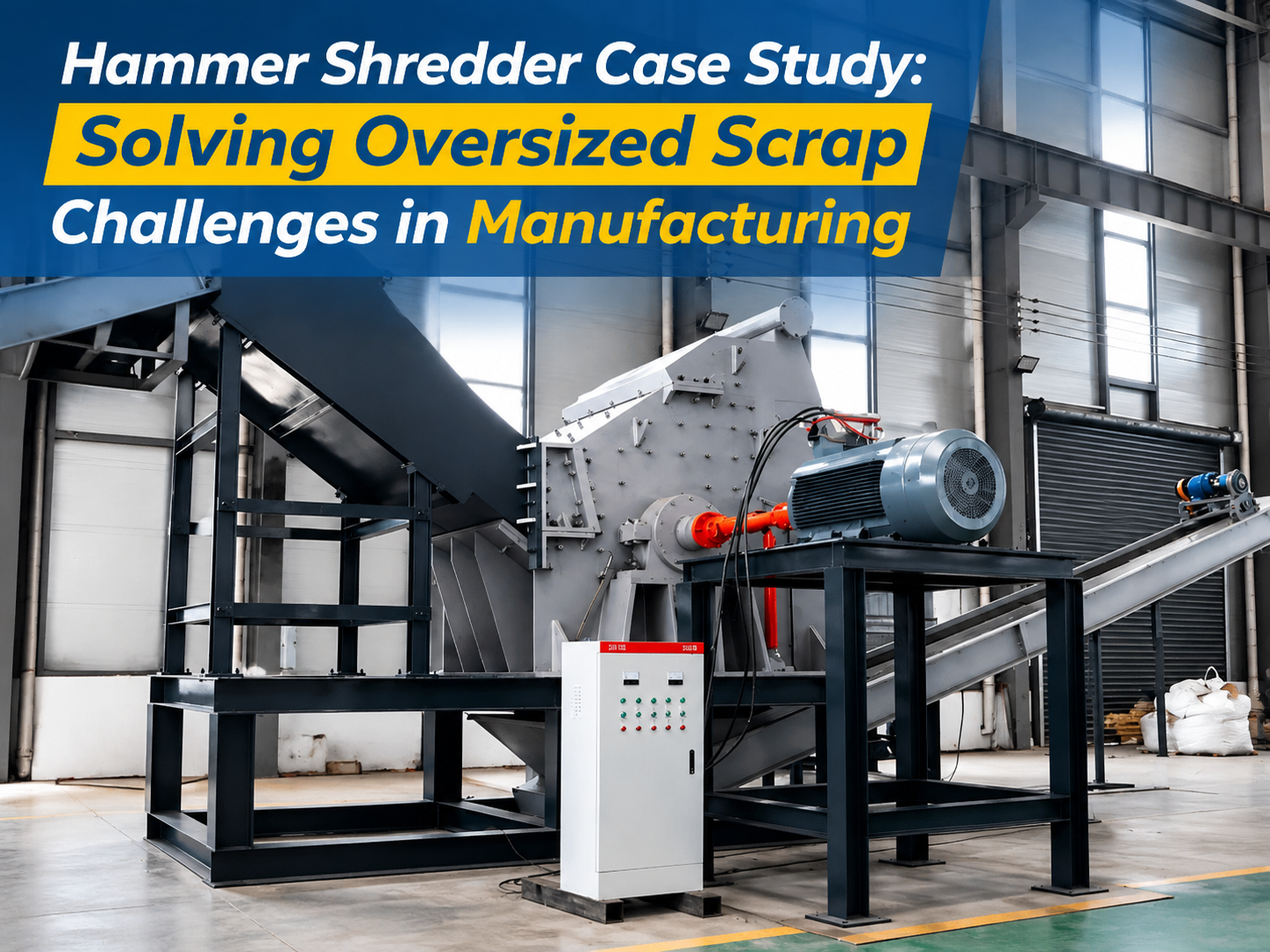
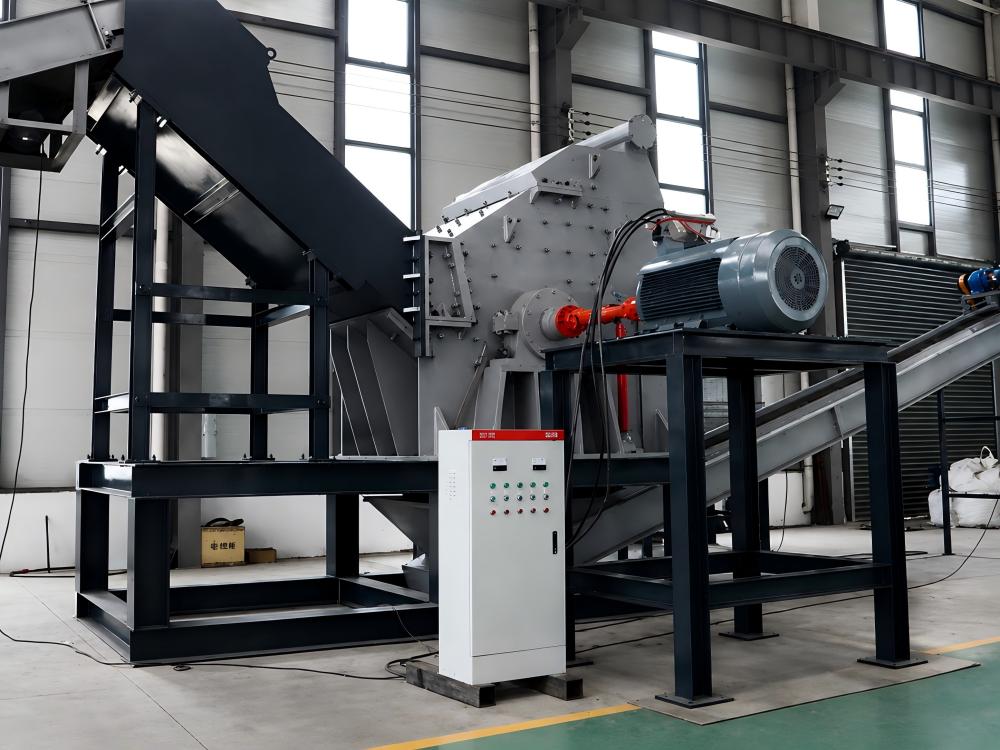
The core of a HARSLE hammer shredder lies in its robust rotor assembly and high-impact hammer design. Unlike shear shredders that use slow-speed cutting blades, hammer shredders utilize high-speed rotating hammers that strike the material with immense kinetic energy. This impact force shatters brittle materials and deforms ductile metals, effectively breaking them down into smaller, uniform fragments that pass through a sizing screen at the bottom of the chamber.
The rotor is the heart of the machine, typically driven by a high-torque electric motor designed to handle the shock loads associated with shredding heavy steel. The hammers are usually made from hardened, wear-resistant alloys to ensure longevity even when processing abrasive or high-tensile materials. The design allows for easy maintenance; hammers can be rotated or replaced quickly, minimizing downtime during routine service intervals.
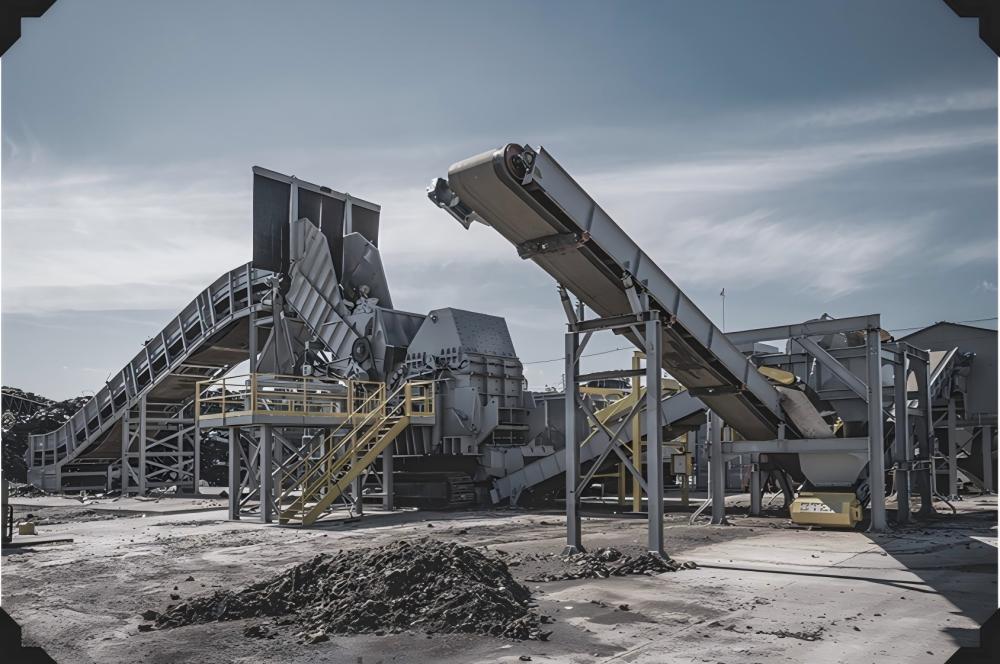
The sizing screen is a critical component that determines the output quality. By changing the screen mesh size, operators can control the final dimensions of the shredded scrap. This is particularly useful for manufacturers who need to meet specific requirements from recycling partners or who want to use the shredded material for secondary manufacturing processes. The screen also acts as a safety barrier, ensuring that only material of the correct size exits the shredding chamber.
Advanced HARSLE models incorporate intelligent control systems that monitor motor load and rotor speed in real-time. If the shredder detects an overload—such as an oversized or non-shreddable object—the system can automatically reverse the rotor or pause the feed to prevent mechanical damage. This level of automation ensures that the machine operates within its optimal parameters, extending the lifespan of the components and reducing the need for constant operator supervision.
Dust suppression and noise control are also integrated into the technical design. Industrial shredding is inherently loud and dusty, but modern HARSLE units feature sound-dampening enclosures and integrated dust extraction ports. These features are essential for maintaining a safe and compliant working environment, ensuring that the shredder can be placed within or near the production area without disrupting other operations.
Selection Advice: Choosing the Right Shredder
Selecting the appropriate hammer shredder requires a deep understanding of your specific waste stream. Not all scrap is created equal; the thickness, material type (e.g., carbon steel, stainless steel, aluminum), and volume of your waste will dictate the power and size of the machine you need. A common mistake is under-specifying the machine, which leads to frequent jams, excessive wear, and premature failure. Always consult with HARSLE engineers to perform a material analysis before finalizing your purchase.
Consider the throughput capacity required for your facility. If your production lines generate several tons of scrap per day, you need a high-capacity shredder with a robust feeding system, such as a conveyor belt or a hydraulic ram feeder. Conversely, if your scrap generation is intermittent, a smaller, batch-fed unit might be more cost-effective. Balancing capacity with your actual output ensures you are not overpaying for idle machinery while still having enough power to handle peak production periods.
Maintenance accessibility should be a top priority. A machine that is difficult to clean or service will inevitably be neglected, leading to performance degradation. Look for features like hinged access doors, quick-change hammer systems, and modular screen designs. HARSLE prioritizes user-friendly maintenance, providing comprehensive manuals and support to ensure your team can perform routine checks efficiently. A well-maintained shredder will provide years of reliable service, whereas a neglected one will become a source of frustration.
Finally, consider the integration with your existing facility layout. Does the shredder need to be mobile, or will it be a fixed installation? How will the shredded material be collected—via a discharge conveyor, a magnetic separator, or directly into a bin? Planning the material flow from the point of generation to the final collection point is just as important as the shredder itself. A well-integrated system will minimize manual handling and maximize the efficiency gains promised by the technology.
FAQ: Common Questions About Hammer Shredders
- What types of materials can a HARSLE hammer shredder process? Our shredders are designed for a wide range of metal scrap, including steel offcuts, aluminum profiles, copper wiring, and light-gauge sheet metal. They are not intended for high-alloy, hardened tool steels or non-metallic materials unless specified.
- How often do the hammers need to be replaced? The lifespan of the hammers depends on the material being shredded and the volume of throughput. Regular inspection is recommended, and we provide wear-resistant replacement parts that are easy to install.
- Can the shredder handle oversized, bulky items? Yes, the hammer shredder is specifically designed to handle oversized scrap. However, the feed opening size must be matched to the largest dimensions of your typical scrap to prevent bridging.
- Is the machine noisy? While shredding metal is inherently loud, HARSLE units are equipped with sound-dampening features. We recommend installing the machine in a dedicated area or using acoustic barriers if it is located near office spaces.
- How does the shredder improve scrap value? By shredding metal, you increase its bulk density and purity. Recyclers prefer uniform, shredded material because it is easier to melt and process, often resulting in higher market prices for your scrap.
Conclusion
The Hammer Shredder Case Study: Solving Oversized Scrap Challenges In Manufacturing clearly demonstrates that the transition from manual scrap handling to automated shredding is a strategic move for any modern fabrication facility. By reducing the volume of waste, improving safety, and increasing the value of recycled materials, HARSLE hammer shredders provide a tangible return on investment that extends far beyond the initial purchase price. As manufacturing becomes increasingly competitive, the ability to streamline every aspect of production—including waste management—is what separates industry leaders from the rest.
HARSLE remains committed to providing the metal fabrication industry with the tools necessary to overcome complex operational challenges. Our hammer shredders are built with the same precision and durability as our press brakes and shearing machines, ensuring that your entire production line operates at peak efficiency. If you are struggling with oversized scrap, it is time to consider a more sophisticated approach. Contact our team today to discuss your specific requirements and discover how we can help you turn your scrap challenges into a streamlined, profitable process.
By investing in the right technology, you are not just buying a machine; you are investing in the future of your facility. A cleaner, safer, and more efficient workspace is within reach. Let HARSLE be your partner in optimizing your manufacturing operations and achieving your long-term production goals.