How a Hammer Shredder Delivered Better ROI in an Industrial Recycling Project

Introduction
In the modern landscape of industrial manufacturing and waste management, the pressure to optimize resource recovery has never been higher. For facilities dealing with large volumes of scrap metal, the difference between a stagnant operation and a profitable enterprise often comes down to the efficiency of their primary processing equipment. Many plant managers have discovered that when a hammer shredder delivered better ROI in an industrial recycling project, it wasn’t just a stroke of luck—it was the result of strategic equipment integration.
HARSLE has observed that the transition from manual sorting or low-capacity shearing to high-performance hammer shredding marks a turning point for recycling facilities. By reducing complex metal structures into uniform, high-density fragments, these machines unlock value that was previously trapped in bulky, unmanageable scrap. This article explores the technical mechanics, economic advantages, and operational strategies that allow hammer shredders to transform recycling projects into high-yield ventures.
Understanding the return on investment (ROI) requires looking beyond the initial purchase price. It involves analyzing throughput rates, energy consumption, maintenance cycles, and the market value of the processed output. As we delve into this guide, we will examine why the hammer shredder remains the gold standard for industrial recycling and how your facility can leverage this technology to maximize profitability.
Key Considerations for Industrial Recycling Efficiency
The primary driver for any recycling project is the purity and density of the final product. When a hammer shredder delivered better ROI in an industrial recycling project, it was almost certainly because the machine enabled the facility to reach ‘furnace-ready’ status faster. High-density scrap is significantly cheaper to transport and commands a premium price from steel mills and foundries, directly impacting the bottom line.
Operational throughput is another critical factor. Traditional shearing methods often struggle with mixed-material streams, leading to bottlenecks. A hammer shredder, by contrast, utilizes high-speed rotating hammers to impact and tear material against a heavy-duty grate. This process is continuous and highly automated, allowing for a steady flow of material that keeps downstream sorting systems—such as magnetic separators and eddy current separators—operating at peak capacity.
Energy efficiency and downtime management are the silent killers of ROI. A poorly maintained or incorrectly specified shredder can consume excessive electricity and suffer from frequent hammer replacements. Modern HARSLE-integrated systems focus on smart motor controls and wear-resistant alloy components, ensuring that the energy input is directly converted into processing output rather than heat or mechanical vibration.
Finally, safety and environmental compliance cannot be overlooked. Modern shredding systems are equipped with advanced dust suppression and noise mitigation technologies. By investing in a high-quality hammer shredder, facilities reduce their liability and operational risks, which are hidden costs that often erode the ROI of older, less sophisticated machinery.
Technical Details of Hammer Shredder Performance
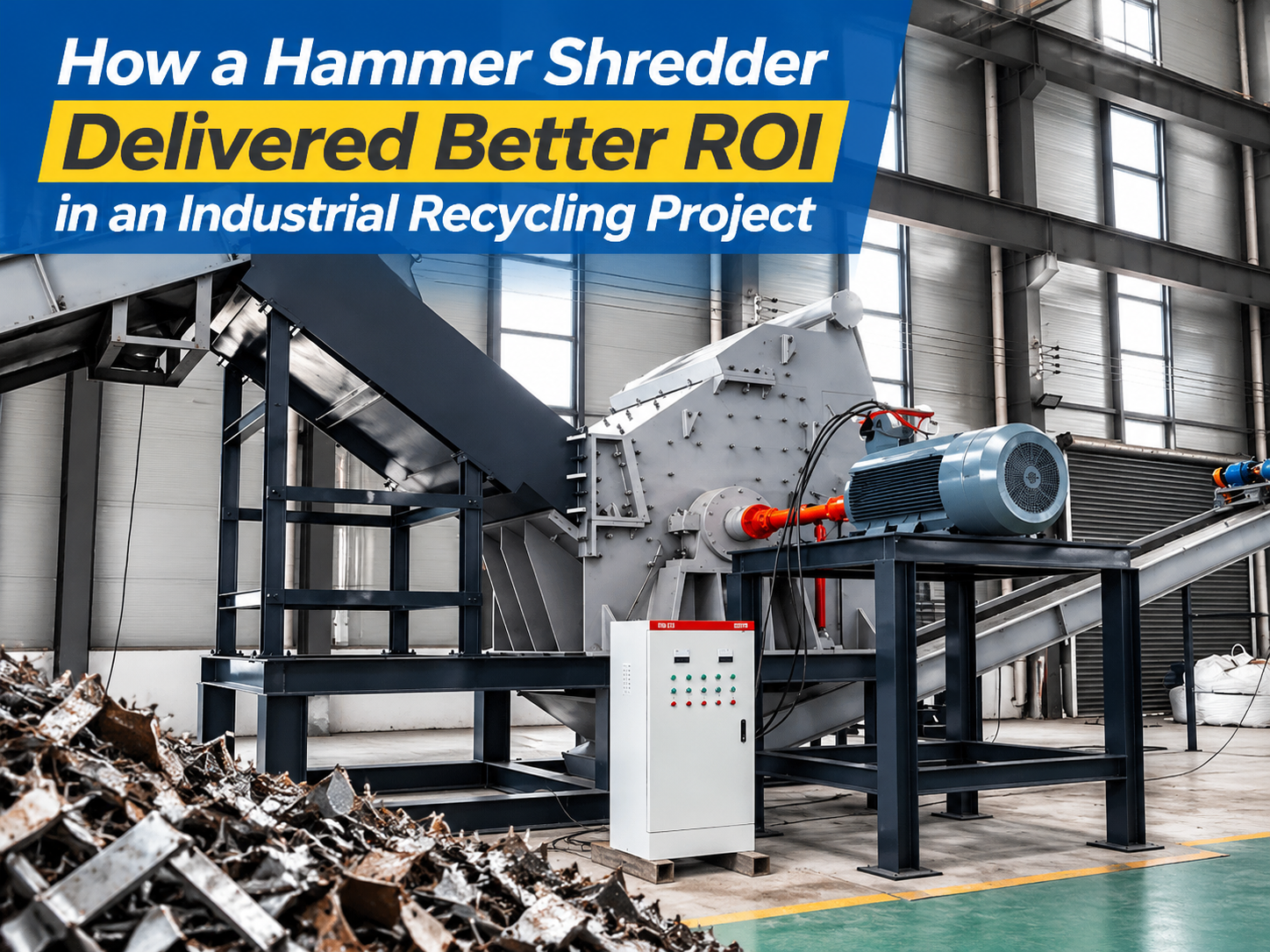
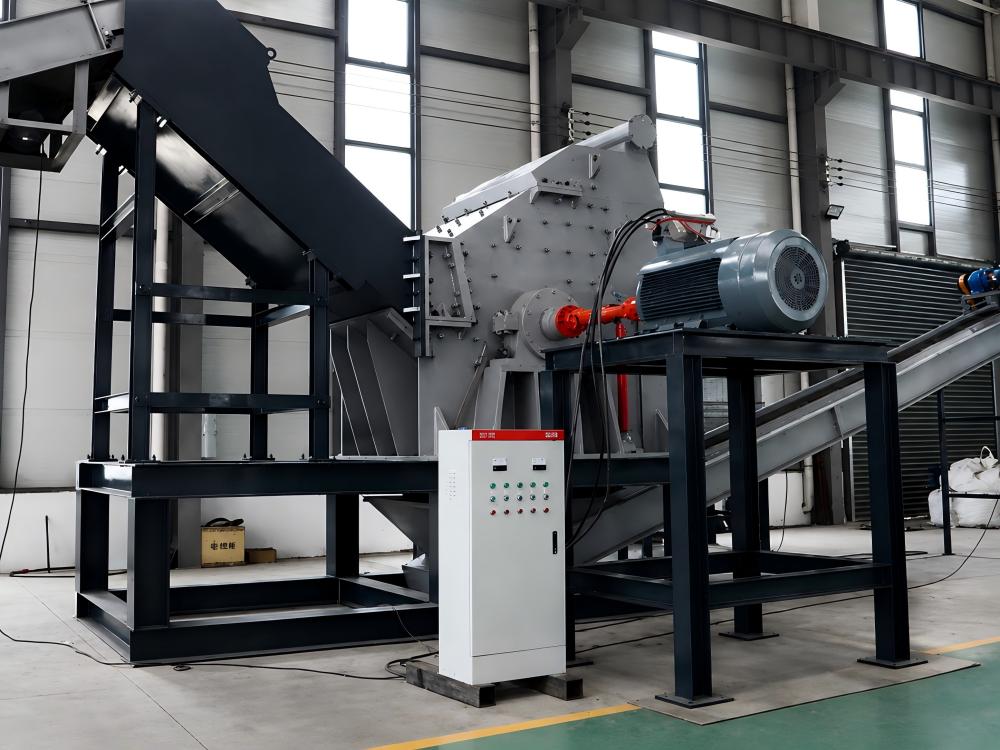
The core of the hammer shredder’s effectiveness lies in its rotor assembly. The rotor is equipped with a series of heavy-duty, swinging hammers that strike the incoming material with immense kinetic energy. This impact force is sufficient to break down even the most resilient industrial components, including engine blocks, white goods, and heavy structural steel. The design of these hammers—often made from manganese steel or specialized carbide inserts—is engineered to withstand extreme shock loads.
The grate system located at the bottom of the shredding chamber acts as a sizing mechanism. Material is only allowed to exit the chamber once it has been reduced to a size smaller than the grate openings. This ensures a consistent output size, which is vital for downstream processing. The ability to swap out grates allows operators to customize the output density based on the specific requirements of their buyers, providing a competitive edge in the scrap market.
Drive systems have evolved significantly in recent years. Many industrial shredders now utilize high-torque, variable-frequency drive (VFD) motors. These systems allow the machine to adjust its torque based on the hardness of the material being processed. If the machine encounters a particularly dense piece of scrap, the VFD can ramp up torque to prevent stalling, thereby maintaining a consistent throughput and preventing the mechanical stress associated with sudden stops.
Lubrication and cooling systems are equally critical. Because the shredding process generates significant heat, integrated cooling circuits are essential to protect the bearings and the rotor assembly. HARSLE emphasizes the importance of automated lubrication systems, which ensure that every pivot point on the hammer assembly receives the correct amount of grease, extending the service life of the components and reducing the frequency of maintenance-related downtime.
Selection Advice: Choosing the Right Equipment
Selecting the right hammer shredder is a balancing act between capacity, material type, and budget. Before making a purchase, facility managers must conduct a thorough audit of their scrap stream. Are you processing light-gauge sheet metal, or are you dealing with heavy industrial castings? The answer to this question dictates the horsepower requirements and the structural weight of the shredder housing.
Consider the modularity of the system. A machine that is easy to maintain will always deliver a better ROI than a more complex, proprietary system that requires specialized technicians for every minor adjustment. Look for features like quick-change grate systems and accessible inspection hatches. These design choices reduce the time required for routine maintenance, keeping the machine in production longer.
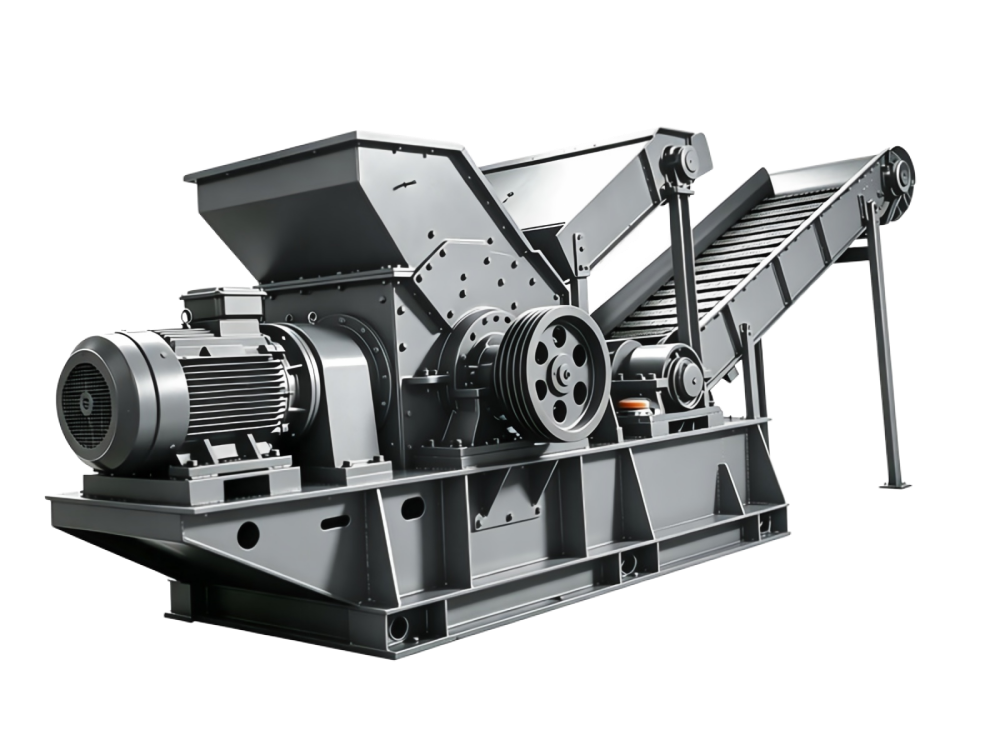
Integration with existing plant infrastructure is also paramount. A shredder is rarely a standalone unit; it is usually part of a larger line that includes conveyors, magnetic separators, and dust collection systems. Ensure that the shredder you select has the necessary PLC (Programmable Logic Controller) interfaces to communicate with the rest of your line. This allows for automated load balancing, where the conveyor speed is adjusted based on the shredder’s current motor load.
Finally, evaluate the manufacturer’s support network. Even the most robust hammer shredder will eventually require spare parts. Partnering with a supplier like HARSLE, which provides comprehensive technical support and a reliable supply chain for wear parts, ensures that your investment remains productive for years to come. Do not prioritize the lowest upfront cost over long-term reliability and support.
Maintenance and Operational Best Practices
To ensure that a hammer shredder delivered better ROI in an industrial recycling project, operators must adhere to a strict preventative maintenance schedule. The most important aspect of this is the inspection of the hammers. As they wear down, the shredding efficiency drops, and the machine must work harder to achieve the same output. Regularly rotating or replacing hammers prevents uneven wear on the rotor and protects the motor from unnecessary strain.
Monitoring vibration levels is another proactive measure. Excessive vibration is often a sign of an unbalanced rotor, which can lead to catastrophic bearing failure if left unaddressed. Using vibration sensors and regular acoustic monitoring can help identify issues before they result in a total machine shutdown. This ‘condition-based’ maintenance approach is far more cost-effective than ‘reactive’ maintenance.
Training is the final pillar of operational success. Operators should be trained not just on how to start and stop the machine, but on how to identify the sounds and performance characteristics of a healthy shredder. They should be able to recognize when the feed rate is too high or when the material mix is causing excessive strain. A well-trained operator can extend the life of a shredder by years compared to an operator who simply pushes the machine to its limits without regard for its mechanical health.
FAQ
- Q: How does a hammer shredder improve scrap value?
A: By shredding scrap into uniform, high-density pieces, it removes contaminants and increases the bulk density, making the material more desirable for steel mills and foundries. - Q: What is the typical lifespan of a hammer shredder?
A: With proper maintenance and regular replacement of wear parts like hammers and grates, a high-quality industrial shredder can last 15 to 20 years or more. - Q: Can a hammer shredder handle non-metal materials?
A: While primarily designed for metal, many hammer shredders can process mixed waste, provided the system is equipped with appropriate sorting and separation technology to handle non-metallic fractions. - Q: How often should hammers be replaced?
A: This depends on the volume and hardness of the material processed. A regular inspection schedule is recommended to determine the wear rate specific to your operation. - Q: Is it better to buy a new or refurbished shredder?
A: New machines offer the latest technology, better energy efficiency, and full warranties. Refurbished units can be cost-effective but require a thorough inspection of the rotor and drive train.
Conclusion
The journey toward a more profitable recycling operation is paved with the right equipment choices. When a hammer shredder delivered better ROI in an industrial recycling project, it was because the facility moved beyond simple waste handling and into the realm of high-efficiency material processing. By focusing on throughput, material density, and rigorous maintenance, businesses can turn scrap into a consistent, high-value commodity.
HARSLE remains committed to providing the metal fabrication and recycling industry with the tools necessary to succeed in a competitive market. Whether you are upgrading an existing line or designing a new facility from the ground up, the hammer shredder stands as a cornerstone of modern recycling efficiency. By investing in quality, training, and proactive maintenance, you ensure that your equipment delivers the maximum possible return on your investment, year after year.