
How a Four-Shaft Shredder Enhanced Material Recovery in a Metal Processing Plant

Introduction
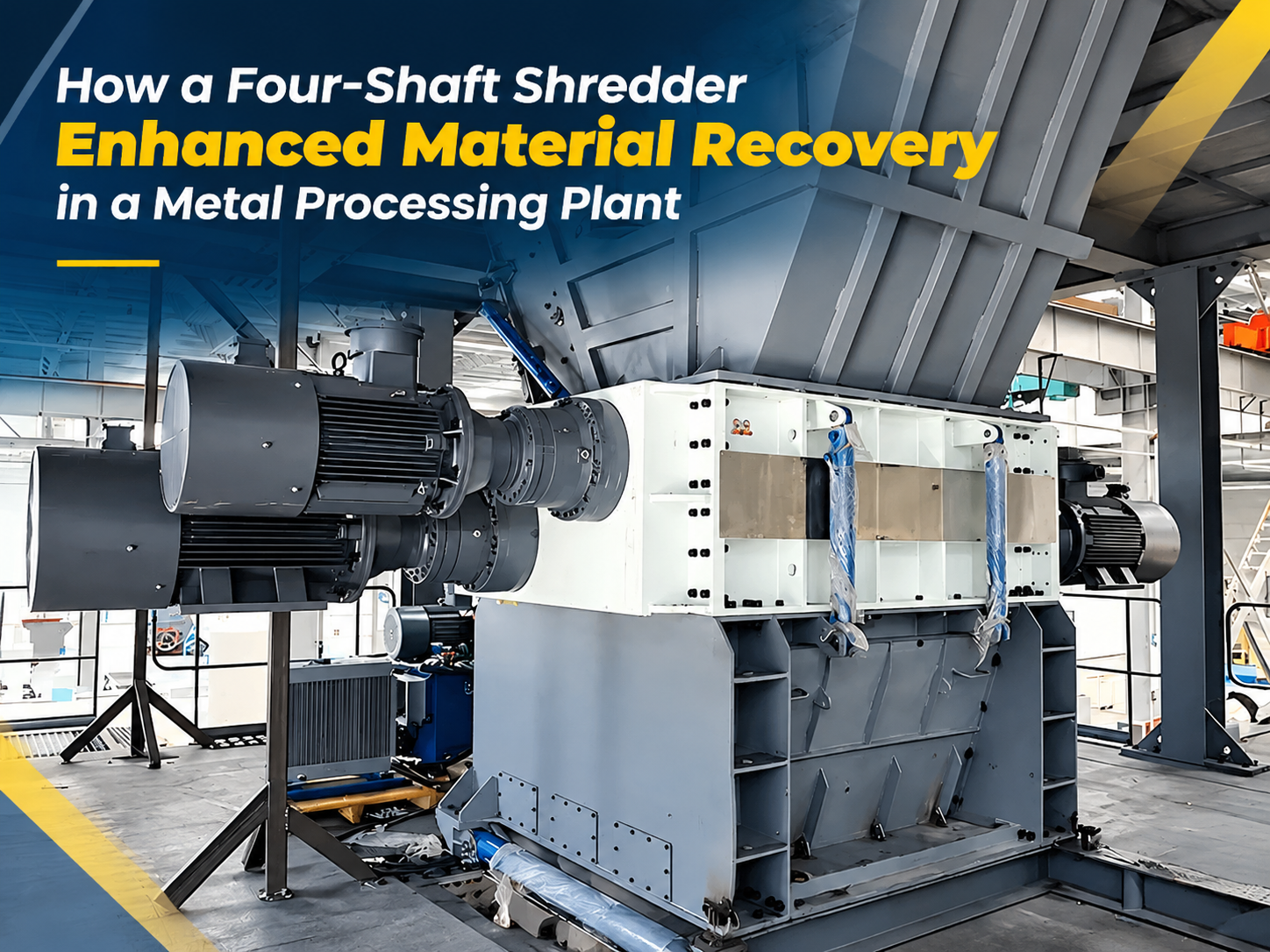
In the modern landscape of metal fabrication and industrial manufacturing, the efficiency of material recovery is a critical determinant of profitability and sustainability. As metal processing plants face increasing pressure to reduce waste and maximize the value of scrap, the implementation of advanced shredding technology has become essential. This article explores how a four-shaft shredder enhanced material recovery in a metal processing plant, providing a detailed look at the operational shifts and economic benefits that follow such an investment.
The transition from traditional shearing or manual sorting to automated four-shaft shredding represents a significant leap in industrial capability. By reducing bulky, irregular metal scrap into uniform, high-density particles, plants can streamline their logistics, improve smelting efficiency, and command higher prices for their recycled output. HARSLE, a leader in metal fabrication equipment, has been at the forefront of this technological shift, providing robust machinery designed to handle the most demanding industrial environments.
Understanding the mechanics behind this enhancement requires a deep dive into the engineering principles of four-shaft shredders. Unlike two-shaft or single-shaft alternatives, the four-shaft configuration offers superior control over output size and throughput consistency. This article will serve as a comprehensive guide for facility managers and engineers looking to optimize their recovery processes through the adoption of high-performance shredding solutions.
As we navigate the complexities of metal recycling, it is clear that the integration of a four-shaft shredder is not merely an equipment upgrade; it is a strategic business decision. By minimizing downtime, reducing energy consumption per ton of processed material, and increasing the purity of the scrap stream, plants can achieve a competitive edge that is difficult to replicate with legacy equipment.

Key Considerations for Material Recovery
When evaluating the impact of shredding technology on material recovery, the primary consideration is the consistency of the output. In a metal processing plant, the value of scrap is often tied to its density and the uniformity of its size. A four-shaft shredder excels in this area by utilizing a secondary set of shafts that act as a screen, ensuring that only material of a specific size passes through the cutting chamber. This prevents oversized pieces from contaminating the downstream sorting or smelting processes.
Another critical factor is the throughput capacity. Metal processing plants often deal with high volumes of varying materials, ranging from light-gauge aluminum sheets to heavy steel offcuts. A four-shaft shredder provides the torque and structural integrity required to handle these diverse feedstocks without stalling. The ability to maintain a steady flow of material is essential for keeping downstream equipment, such as magnetic separators and eddy current separators, running at optimal efficiency.
Energy efficiency is also a major consideration in modern industrial settings. HARSLE’s four-shaft shredders are engineered with high-efficiency motors and intelligent control systems that adjust torque based on the load. This prevents energy waste during periods of low throughput and ensures that the machine operates within its most efficient power band during peak processing times. This not only lowers operational costs but also aligns with corporate sustainability goals.
Maintenance and durability cannot be overlooked. Metal shredding is an inherently abrasive process that subjects machinery to extreme wear. A four-shaft shredder designed for high-recovery environments must feature hardened alloy steel cutters, robust gearboxes, and easy-access maintenance panels. By reducing the frequency of blade sharpening and component replacement, plants can ensure that their material recovery operations remain continuous and profitable over the long term.
Technical Details of Four-Shaft Shredders
The technical superiority of the four-shaft shredder lies in its unique cutting architecture. The primary shafts perform the initial tearing and shearing of the material, while the secondary shafts—often positioned directly beneath the primary ones—act as a sizing mechanism. This dual-stage process allows for a much tighter control over the final particle size compared to two-shaft shredders, which often produce a wider distribution of output sizes.
The cutting blades in a HARSLE four-shaft shredder are typically manufactured from high-chromium or high-molybdenum alloy steels, heat-treated to achieve the perfect balance between hardness and toughness. This ensures that the blades can withstand the impact of heavy metal objects without chipping or cracking. The geometry of the blades is also optimized to provide a high-shear force, which is essential for cleanly cutting through ductile metals like copper and aluminum.
The control system of a modern four-shaft shredder is a marvel of industrial automation. Equipped with PLC (Programmable Logic Controller) interfaces, these machines can monitor motor current, shaft speed, and temperature in real-time. If a non-shreddable object, such as a large piece of hardened tool steel, enters the chamber, the system can automatically reverse the shafts to prevent damage, then resume operation once the obstruction is cleared. This feature significantly reduces the risk of catastrophic mechanical failure.
Furthermore, the integration of hydraulic or electric drive systems allows for precise control over the shredding speed. For materials that require a slower, more deliberate shredding action to prevent excessive heat buildup, the operator can adjust the RPM of the shafts. This versatility makes the four-shaft shredder an indispensable tool for plants that process a wide variety of metal grades, from thin-gauge scrap to complex industrial assemblies.
Selection Advice for Metal Processing Plants
Selecting the right four-shaft shredder requires a thorough analysis of your plant’s specific material stream. Before purchasing, conduct a detailed audit of the types of metal you process, the average volume per day, and the desired output size. If your primary goal is to prepare scrap for a furnace, you may require a finer output size, which necessitates a shredder with a tighter screen configuration and higher-density blade spacing.
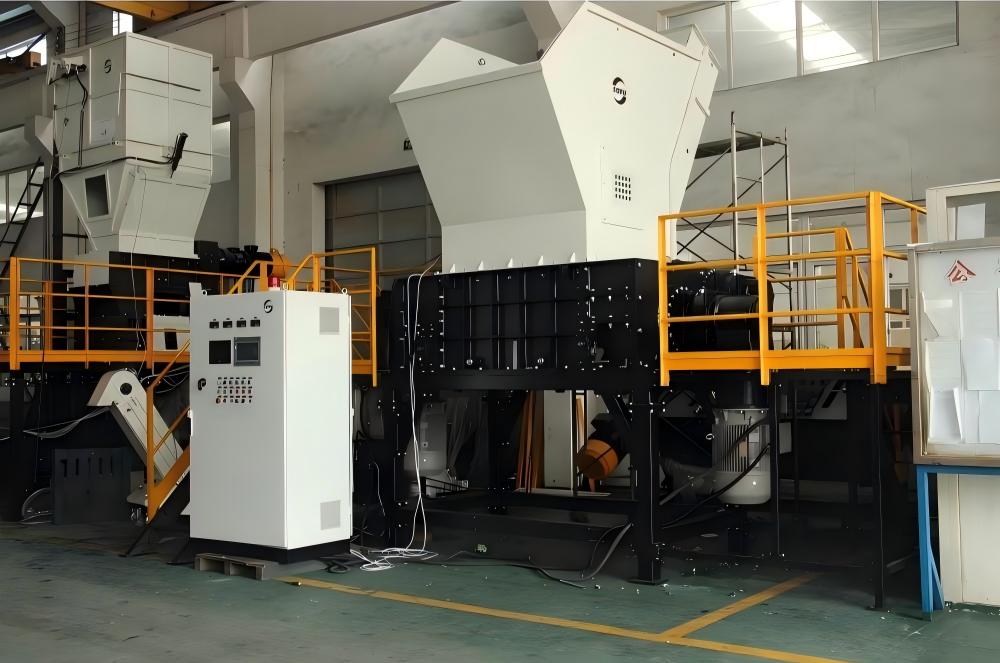
Consider the footprint of the machine and the existing plant layout. Four-shaft shredders are robust and heavy, requiring a solid foundation and adequate space for material feeding and discharge conveyors. HARSLE provides comprehensive installation support, helping plant managers determine the optimal placement for the shredder to minimize material handling time and maximize workflow efficiency.
Evaluate the after-sales support and availability of spare parts. Because shredders are subject to high wear, the ability to quickly source replacement blades and shafts is vital. A reputable manufacturer like HARSLE offers not only high-quality equipment but also a robust supply chain for wear parts, ensuring that your material recovery operation experiences minimal downtime.
Finally, look for scalability. As your metal processing plant grows, your shredding needs may increase. Choosing a modular shredder design allows you to upgrade components or integrate additional sorting technologies in the future. Investing in a system that can evolve with your business is a hallmark of smart capital expenditure in the metal fabrication industry.
Frequently Asked Questions
How does a four-shaft shredder differ from a two-shaft shredder?
A four-shaft shredder includes two additional shafts that act as a screen, providing much more consistent particle sizing compared to a two-shaft shredder. This is crucial for high-value metal recovery where uniform scrap size is required for downstream processing.
What types of metal can a four-shaft shredder process?
These machines are highly versatile and can process a wide range of metals, including aluminum, copper, brass, steel, and even complex composite materials found in industrial scrap.
How often do the blades need to be sharpened?
Blade life depends on the volume and hardness of the material processed. However, HARSLE’s high-quality alloy blades are designed for long service intervals. Regular maintenance and proper feeding techniques can significantly extend the time between sharpenings.
Can the shredder handle non-metal contaminants?
While designed for metal, these shredders are robust enough to handle minor contaminants. However, it is always recommended to use pre-sorting methods to remove large, non-shreddable items to protect the longevity of the cutting blades.
What is the typical ROI for a four-shaft shredder?
The ROI is achieved through increased scrap value, reduced transportation costs due to higher density, and improved efficiency in downstream smelting or recycling processes. Many plants see a return on investment within 18 to 24 months.
Conclusion
The implementation of a four-shaft shredder is a transformative step for any metal processing plant aiming to enhance material recovery. By providing superior control over output size, increasing throughput, and ensuring the durability required for industrial environments, this technology addresses the core challenges of modern metal recycling. As demonstrated, the transition to advanced shredding equipment is not just about processing scrap—it is about maximizing the value of every ton of material that passes through your facility.
HARSLE remains committed to providing the metal fabrication industry with the tools necessary to succeed in an increasingly competitive and sustainability-focused market. By choosing a four-shaft shredder, you are investing in a future of higher efficiency, lower waste, and improved profitability. We encourage plant managers to evaluate their current processes and consider how this powerful technology can be integrated into their operations to achieve new levels of material recovery success.
In summary, the journey toward a more efficient metal processing plant begins with the right equipment. With the technical expertise and robust design offered by HARSLE, your facility can overcome the limitations of traditional processing methods and set a new standard for material recovery. Whether you are dealing with high-volume production or specialized scrap streams, a four-shaft shredder is the cornerstone of a modern, high-performance metal processing operation.












