
Case Study: Reducing Downtime With a Four-Shaft Shredder in Heavy-Duty Scrap Recycling

Introduction
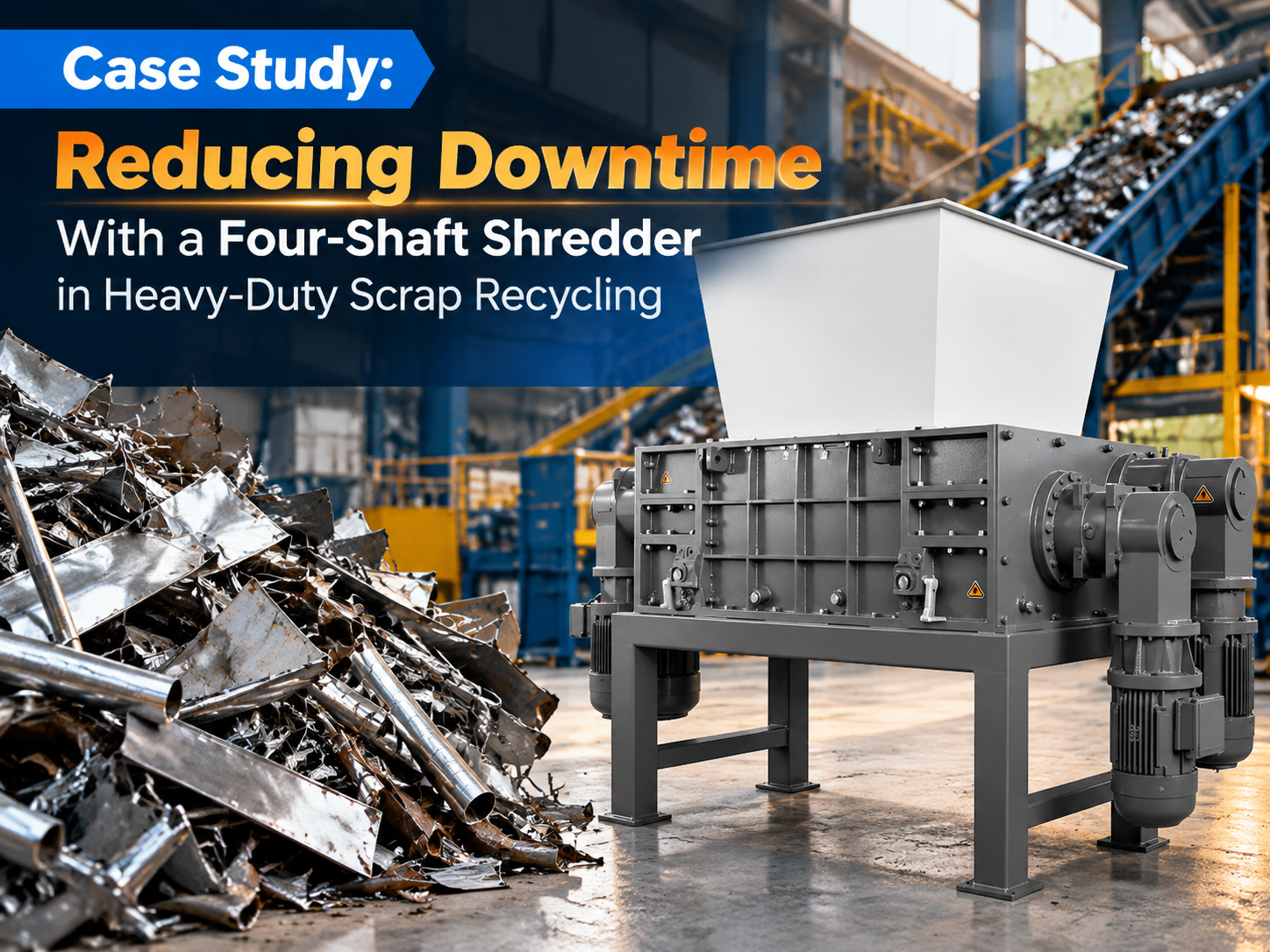
In the high-stakes world of heavy-duty scrap recycling, operational efficiency is the primary driver of profitability. Facilities processing massive volumes of industrial waste, automotive scrap, and complex metal alloys face constant pressure to maintain throughput while minimizing maintenance-related interruptions. When a processing line stalls due to equipment failure or material jamming, the financial impact is immediate and significant. This article explores a comprehensive Case Study: Reducing Downtime A Four-Shaft Shredder In Heavy-Duty Scrap Recycling, highlighting how HARSLE engineering solutions address these critical industry challenges.
The transition from traditional two-shaft systems to advanced four-shaft shredding technology represents a paradigm shift in how recycling centers manage throughput. By utilizing a multi-stage cutting process, these machines provide superior torque and precision, ensuring that even the most resilient materials are reduced to uniform sizes without causing mechanical strain. This case study examines a specific implementation where a facility struggled with frequent blockages and high maintenance costs, ultimately finding a solution in HARSLE’s robust four-shaft machinery.
Understanding the mechanics behind this transition is essential for plant managers and procurement officers. The four-shaft design allows for a unique interaction between primary and secondary cutting shafts, which effectively prevents the “bridging” effect common in lower-tier shredding equipment. As we delve into this Case Study: Reducing Downtime With a Four-Shaft Shredder In Heavy-Duty Scrap Recycling, we will analyze the technical specifications, the operational benefits, and the long-term ROI associated with upgrading to high-performance metal fabrication equipment.
Ultimately, the goal of this guide is to provide actionable insights for those looking to optimize their scrap processing lines. Whether you are dealing with bulky steel components or mixed industrial waste, the integration of a four-shaft shredder is often the missing link in achieving a seamless, high-uptime workflow. We will explore how HARSLE’s commitment to engineering excellence provides the reliability required for 24/7 industrial operations.
Key Considerations for Scrap Recycling Efficiency
When evaluating the performance of a recycling facility, the most critical metric is the Mean Time Between Failures (MTBF). In heavy-duty scrap recycling, the nature of the material—often abrasive, irregularly shaped, and extremely dense—places immense stress on cutting components. A key consideration in this Case Study: Reducing Downtime A Four-Shaft Shredder In Heavy-Duty Scrap Recycling is the identification of bottlenecks caused by material feed inconsistencies. Traditional shredders often struggle with “oversize” pieces that require manual intervention, leading to dangerous and costly downtime.
Another vital factor is the energy consumption profile of the shredding unit. High-torque shredders must balance raw power with energy efficiency to remain cost-effective. HARSLE’s four-shaft systems are engineered with intelligent load-sensing technology that adjusts shaft speed based on material density. This prevents motor burnout and reduces the electrical load during peak processing times, which is a major advantage for facilities operating on tight utility budgets.
Maintenance accessibility is equally important. In many legacy systems, accessing the cutting chamber requires hours of disassembly, which keeps the machine offline for extended periods. Modern four-shaft shredders feature modular cutting cassettes that allow for rapid replacement of worn blades. By reducing the time required for routine maintenance, facilities can schedule service during off-peak hours, thereby ensuring that the primary production line remains operational during high-demand shifts.
Finally, safety and environmental compliance must be at the forefront of any machinery upgrade. Heavy-duty shredding generates significant noise and dust, which can lead to regulatory scrutiny. HARSLE equipment is designed with sound-dampening enclosures and integrated dust suppression systems, ensuring that the facility meets modern workplace safety standards while maintaining high output levels. This holistic approach to equipment selection is what separates industry leaders from those struggling with constant operational friction.
Technical Details of Four-Shaft Shredding Technology
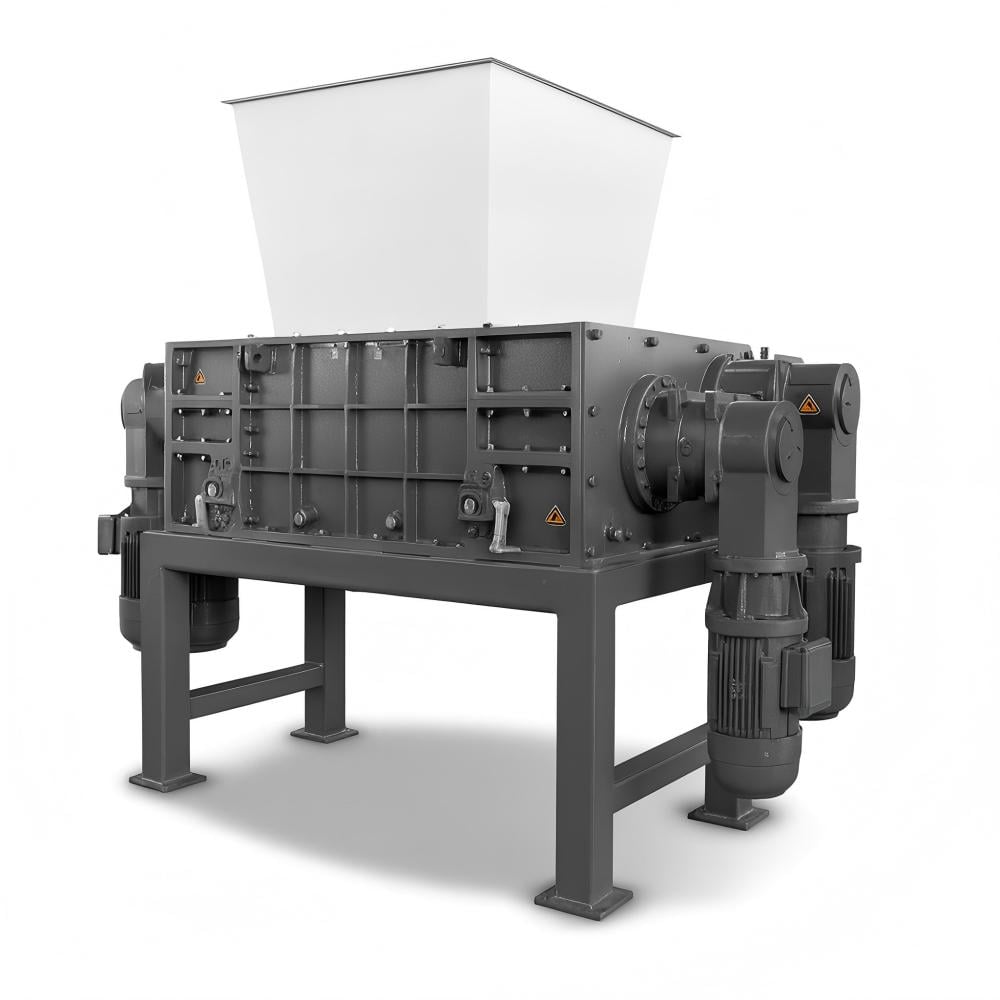
The core advantage of the four-shaft shredder lies in its sophisticated cutting geometry. Unlike two-shaft shredders, which rely on a single shearing action, the four-shaft design incorporates two primary shafts for initial tearing and two secondary shafts for final sizing. This dual-stage process ensures that material is processed more thoroughly, resulting in a consistent output size that is ideal for downstream separation processes like magnetic sorting or eddy current separation.
HARSLE’s engineering team focuses on the metallurgy of the cutting discs. By using high-alloy, heat-treated steel, these blades maintain their edge even when processing hardened steel or complex metal alloys. The technical specifications of these machines include high-torque planetary gearboxes that provide the necessary force to shred thick-walled pipes, automotive frames, and industrial scrap without stalling. The torque-to-speed ratio is meticulously calibrated to ensure that the machine can handle “shock loads” without damaging the drive train.
The control system is another technical highlight. Modern HARSLE shredders are equipped with PLC-based automation that monitors shaft rotation, motor temperature, and hydraulic pressure in real-time. If a non-shreddable object (such as a large piece of hardened tool steel) enters the chamber, the system automatically reverses the shafts to clear the obstruction, preventing mechanical damage. This automated “anti-jam” feature is a cornerstone of the Case Study: Reducing Downtime With a Four-Shaft Shredder In Heavy-Duty Scrap Recycling, as it eliminates the need for manual clearing.
Furthermore, the discharge mechanism is designed to prevent material buildup. By utilizing a screen-less or adjustable-screen configuration, the four-shaft shredder allows for a continuous flow of processed material. The absence of a restrictive screen reduces the risk of clogging, which is a frequent point of failure in other shredding technologies. This technical robustness is why HARSLE equipment is widely regarded as the gold standard in the metal fabrication equipment sector.
Selection Advice for Industrial Shredders
Selecting the right shredder for your facility requires a deep analysis of your specific material stream. Not all scrap is created equal; light-gauge aluminum requires a different cutting configuration than heavy-duty steel plate. When consulting with HARSLE experts, the first step is to conduct a material audit. This involves analyzing the volume, density, and potential contaminants in your scrap pile to determine the required horsepower and shaft configuration.
Budgeting for the long term is another critical piece of advice. While the initial capital expenditure for a high-quality four-shaft shredder may be higher than a basic two-shaft model, the total cost of ownership (TCO) is significantly lower. This is due to reduced downtime, lower energy consumption, and longer intervals between blade sharpening. When reviewing this Case Study: Reducing Downtime A Four-Shaft Shredder In Heavy-Duty Scrap Recycling, it becomes clear that the investment pays for itself through increased throughput and reduced labor costs associated with maintenance.
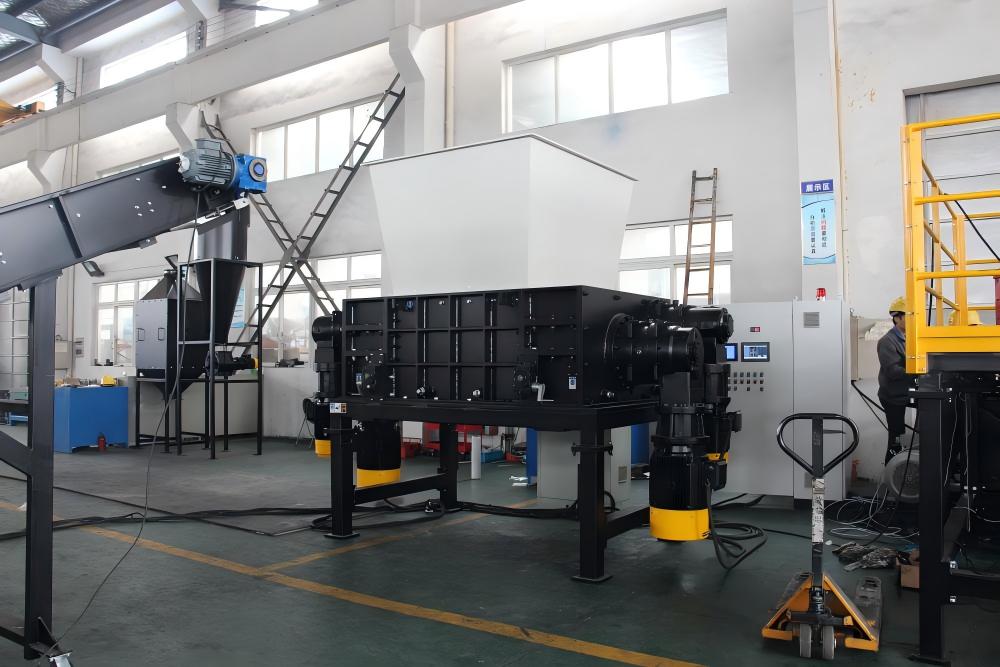
Consider the integration capabilities of the machine. A shredder should not operate in a vacuum; it must be part of a cohesive material handling system. Look for equipment that offers seamless integration with conveyor belts, magnetic separators, and balers. HARSLE provides modular solutions that can be customized to fit into existing facility layouts, minimizing the need for expensive structural modifications to your plant floor.
Finally, prioritize vendor support and spare parts availability. A machine is only as good as the support behind it. HARSLE’s global network ensures that critical components are available when needed, and their technical support team can provide remote diagnostics to resolve minor issues before they escalate into major downtime events. Always ask for references and case studies from similar industries to verify the vendor’s track record in your specific application.
FAQ: Understanding Four-Shaft Shredders
- What makes a four-shaft shredder better than a two-shaft model? The four-shaft design provides a two-stage shredding process, which results in a more uniform output size and significantly reduces the risk of jamming compared to two-shaft systems.
- How does a four-shaft shredder reduce downtime? Through automated anti-jamming features, modular blade replacement, and high-torque performance that handles difficult materials without stalling, these machines keep production lines moving.
- Can these shredders handle hazardous materials? While designed for metal and industrial scrap, they can be configured for various materials. However, always consult with HARSLE engineers regarding specific hazardous waste compatibility.
- What is the typical maintenance schedule for this equipment? Maintenance depends on usage intensity, but HARSLE machines are designed for extended intervals. Regular inspection of blades and lubrication of the gearbox are the primary requirements.
- Is the four-shaft shredder suitable for small-scale operations? Yes, HARSLE offers various sizes of shredders, ensuring that even smaller recycling facilities can benefit from the efficiency of four-shaft technology.
Conclusion
The evidence presented in this Case Study: Reducing Downtime With a Four-Shaft Shredder In Heavy-Duty Scrap Recycling confirms that the transition to advanced shredding technology is a strategic necessity for modern recycling facilities. By addressing the root causes of downtime—namely material jamming, mechanical strain, and inefficient maintenance cycles—HARSLE’s four-shaft shredders provide a reliable, high-performance solution that directly impacts the bottom line.
As the metal recycling industry continues to evolve, the demand for equipment that can handle increasingly complex and dense materials will only grow. Investing in robust, well-engineered machinery is the most effective way to ensure long-term competitiveness. Whether you are upgrading an existing line or designing a new facility, the integration of a four-shaft shredder offers the precision, power, and reliability required to thrive in a demanding industrial environment.
We invite you to explore the full range of HARSLE metal fabrication equipment to see how our solutions can be tailored to your specific operational needs. By prioritizing efficiency and durability, you can transform your scrap recycling process into a streamlined, profitable operation that stands the test of time. For further inquiries or to request a consultation, contact our engineering team today and take the first step toward optimizing your facility’s performance.












