Car Body Baler Buying: A Practical Checklist for Buyers in the Metal Fabrication Industry

Introduction to Car Body Baler Procurement
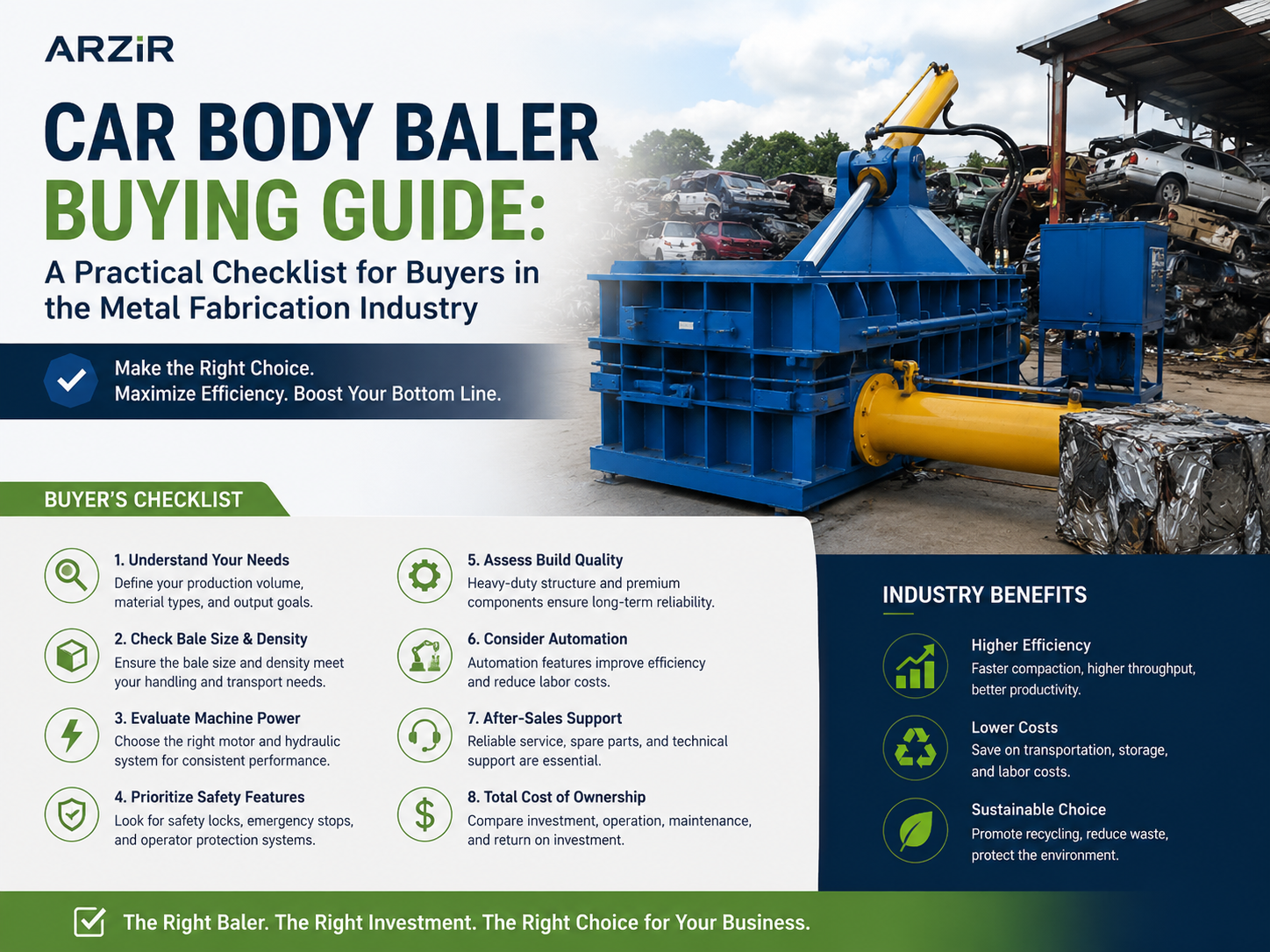
In the rapidly evolving landscape of the metal fabrication and recycling industry, the efficiency of scrap management can often be the difference between a profitable operation and one burdened by logistical overhead. A car body baler is a cornerstone investment for any facility dealing with end-of-life vehicles (ELVs). These machines are designed to compress entire vehicle shells into dense, manageable blocks, significantly reducing transportation costs and increasing the value of the scrap metal. However, the process of Car Body Baler Buying : A Practical Checklist Buyers In Metal Fabrication Industry requires a deep understanding of technical specifications, operational requirements, and long-term financial implications.
For professionals in the metal fabrication sector, purchasing a car body baler is not merely about finding the cheapest unit available. It is about finding a machine that aligns with the volume of throughput, the specific types of metal being processed, and the available facility infrastructure. HARSLE, a leader in metal fabrication machinery, emphasizes that a well-informed buyer is a successful operator. This guide serves as a comprehensive resource to navigate the complexities of the market, ensuring that your investment yields the highest possible return.
Price Range Overview: Setting Your Budget
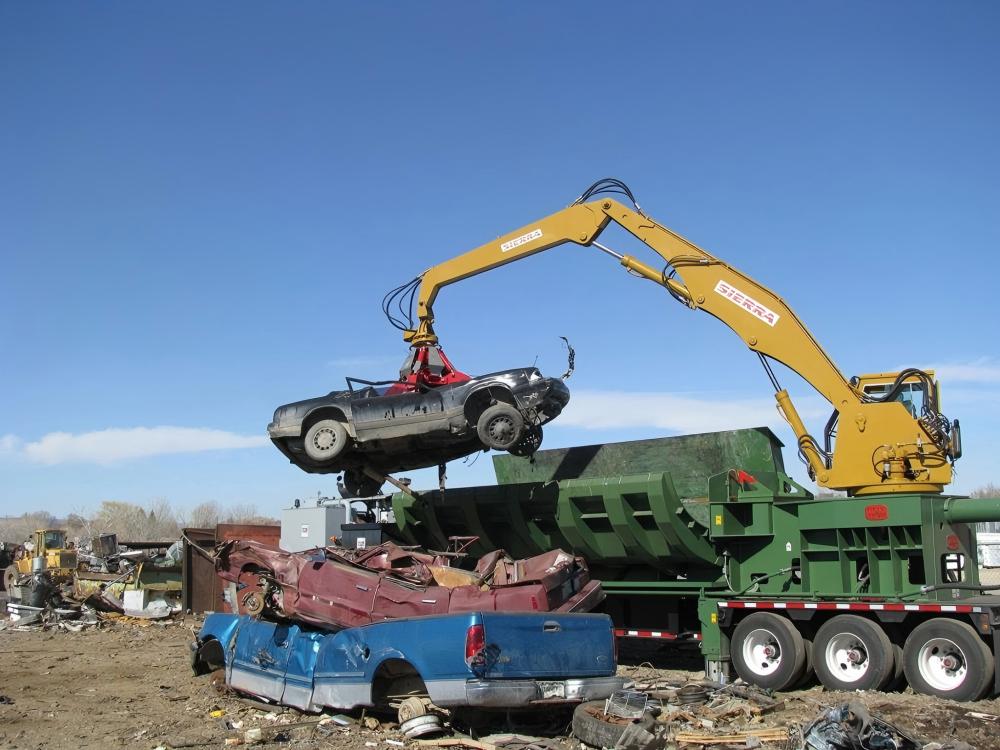
The price of a car body baler can vary significantly based on its capacity, mobility, and automation level. Understanding these price brackets is the first step in the Car Body Baler Buying : A Practical Checklist Buyers In Metal Fabrication Industry process. Generally, the market is divided into three primary categories:
- Entry-Level/Portable Balers ($40,000 – $75,000): These are often smaller, towable units or basic stationary models designed for lower volume yards processing 5-10 cars per day. They typically feature manual controls and smaller compression chambers.
- Mid-Range Industrial Balers ($80,000 – $160,000): This is the most common category for established metal fabrication and recycling centers. These machines offer higher pressing forces (typically 200-400 tons), semi-automatic cycles, and the ability to process 15-30 cars per day. They are built with more durable wear plates and more efficient hydraulic systems.
- High-Capacity/Heavy-Duty Systems ($180,000 – $350,000+): These are massive, often fully automated installations designed for 24/7 operation. They can process upwards of 50-100 cars per day and often include integrated crane systems, advanced cooling for continuous use, and remote diagnostic capabilities.
When evaluating these price ranges, it is crucial to look beyond the initial sticker price. A cheaper machine with a slow cycle time may end up costing more in labor and missed opportunities than a more expensive, faster model. Buyers must balance their current volume with projected growth over the next 5 to 10 years.
Main Cost Drivers in Car Body Baler Manufacturing
Several technical factors dictate the final price of a car body baler. Understanding these drivers allows buyers to prioritize features that matter most to their specific application. The primary cost drivers include the hydraulic system, the quality of the structural steel, and the level of integrated technology.
1. Hydraulic System Sophistication
The heart of any baler is its hydraulic system. High-end machines utilize premium pumps (such as Rexroth or Vickers) and valves that offer higher pressure ratings and better longevity. A dual-pump system, for instance, allows for faster cycle times by providing high flow at low pressure for rapid movement and high pressure at low flow for the final compression. This complexity adds to the cost but significantly boosts productivity.
2. Material Quality and Wear Resistance
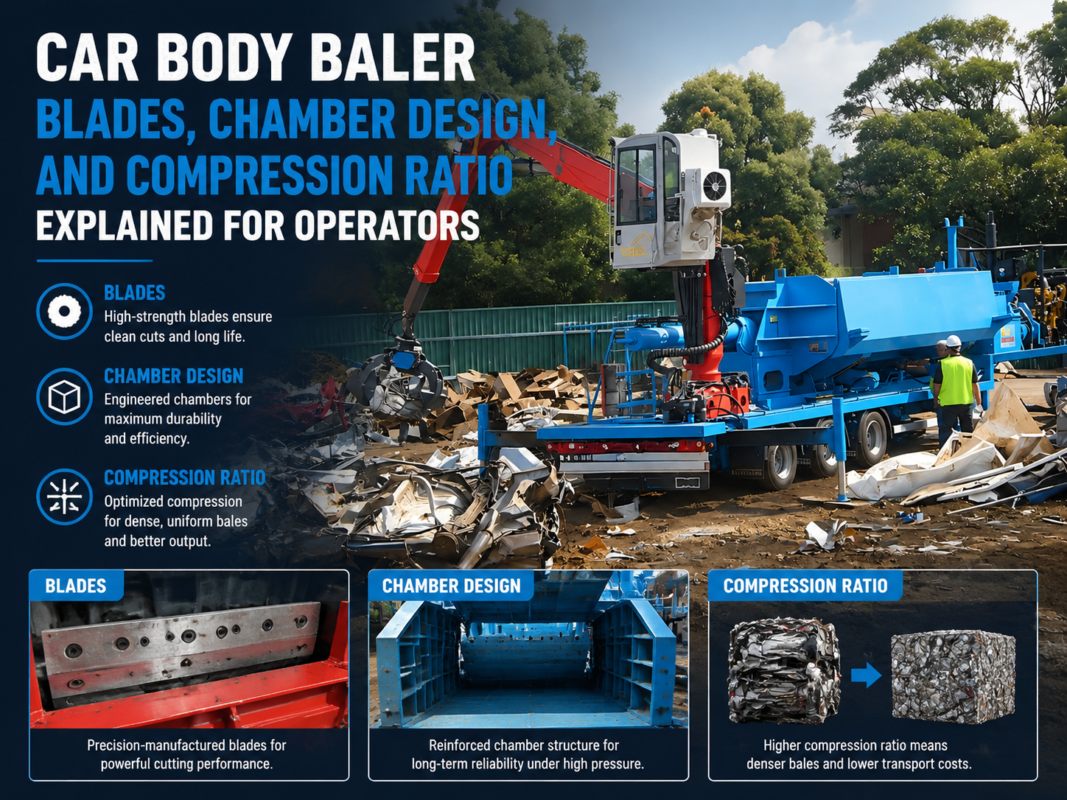
Car bodies are abrasive and structurally resilient. The compression chamber must be lined with high-strength, wear-resistant steel plates, such as Hardox or NM450. The thickness and grade of these plates are major cost factors. A machine built with standard A36 steel will deform and wear out within months of heavy use, whereas a machine lined with Hardox 500 can last for years before requiring liner replacement.
3. Structural Integrity and Frame Weight
In the world of heavy machinery, weight often equates to strength. A heavier frame can better withstand the immense internal pressures generated during the baling process without cracking or warping. The amount of high-grade steel used in the main frame and the “wings” or “lid” of the baler is a direct contributor to the manufacturing cost.
Configuration Impact: Tailoring the Machine to Your Needs
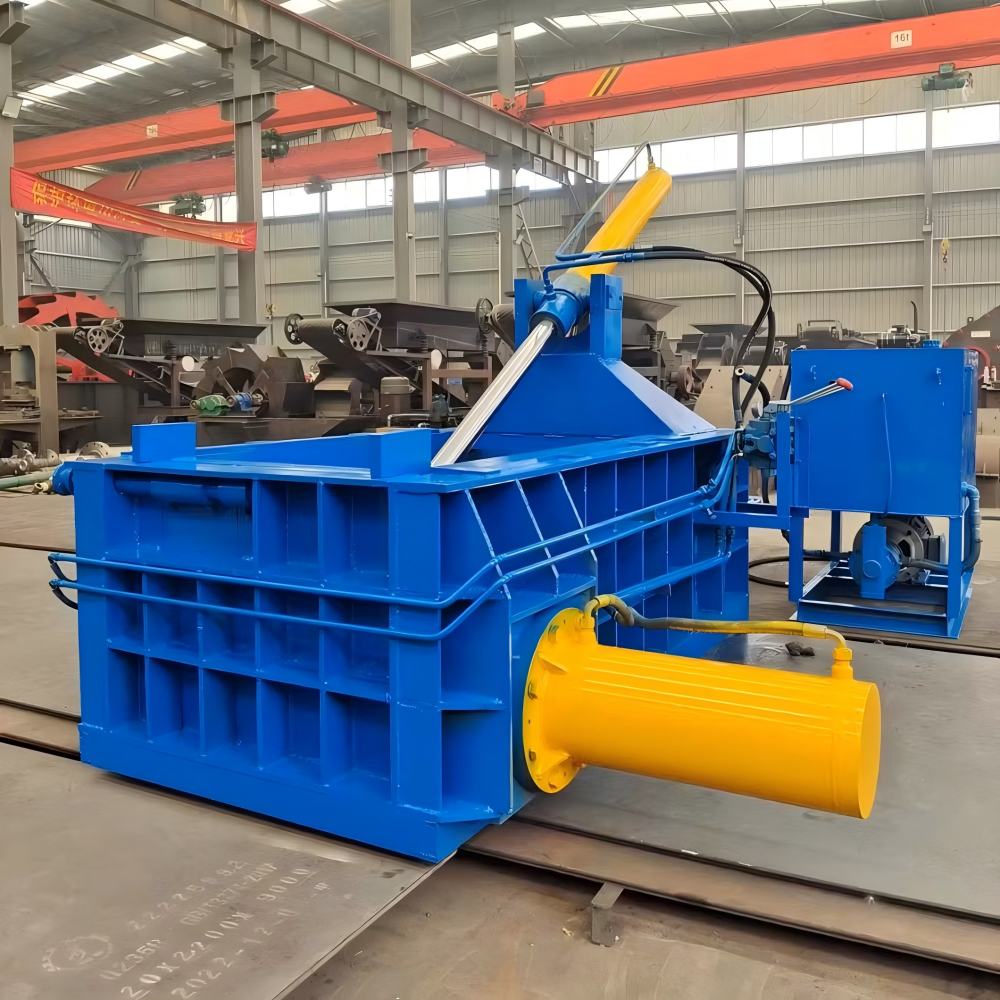
The configuration of the baler determines how it fits into your workflow. Buyers must choose between several fundamental design philosophies, each with its own set of advantages and price points.
Stationary vs. Mobile Units
Stationary balers are typically more powerful and durable, as they are bolted to a reinforced concrete foundation. They are ideal for fixed recycling yards with a steady stream of incoming material. Mobile units, mounted on trailers or tracks, offer the flexibility to move between different sites or to reorganize the yard as needed. Mobile units generally carry a premium price due to the added complexity of the chassis and independent power source (usually a diesel engine).
Compression Chamber Design: Wing vs. L-Box
The “Wing” style baler uses two heavy lids that fold down to crush the car from the sides before a longitudinal ram pushes it into a bale. This is excellent for large, bulky items. The “L-Box” or “Tuck-and-Fold” design is often faster and creates more uniform bales but may require more precise loading. Choosing the right chamber design depends on the variety of scrap you intend to process alongside car bodies, such as white goods or loose sheet metal.
Power Source: Electric vs. Diesel
Electric motors are more efficient, quieter, and require less maintenance, making them the preferred choice for stationary indoor or semi-enclosed installations. However, they require a significant electrical infrastructure. Diesel engines provide total independence and are necessary for mobile units, but they involve higher fuel costs and more frequent maintenance intervals (oil changes, filters, etc.).
Hidden Costs: What the Quote Might Not Show
When performing a Car Body Baler Buying : A Practical Checklist Buyers In Metal Fabrication Industry analysis, many buyers overlook the secondary costs associated with commissioning and operating the machine. These can add 10-20% to the total project cost.
| Cost Category | Description | Estimated Impact |
|---|---|---|
| Shipping & Logistics | Heavy machinery requires specialized flatbed transport and often oversized load permits. | $2,000 – $10,000 |
| Foundation Work | Stationary units require reinforced concrete pads (often 12-18 inches thick) to handle vibration. | $5,000 – $15,000 |
| Hydraulic Oil | A large baler can require 500 to 1,500 liters of high-grade hydraulic oil for the initial fill. | $1,500 – $4,000 |
| Installation & Training | On-site assembly by factory technicians and operator safety training. | $3,000 – $7,000 |
| Wear Parts Stock | Initial inventory of seals, filters, and wear plate bolts. | $2,000 – $5,000 |
Furthermore, consider the cost of the loading equipment. A car body baler is useless without a grapple crane or a heavy-duty forklift to feed it. If your facility doesn’t already have these, they must be factored into the total investment.
ROI Calculation: Justifying the Investment
The Return on Investment (ROI) for a car body baler is primarily driven by three factors: transportation savings, labor efficiency, and scrap value premiums. Let’s look at a practical example for a medium-sized metal fabrication yard.
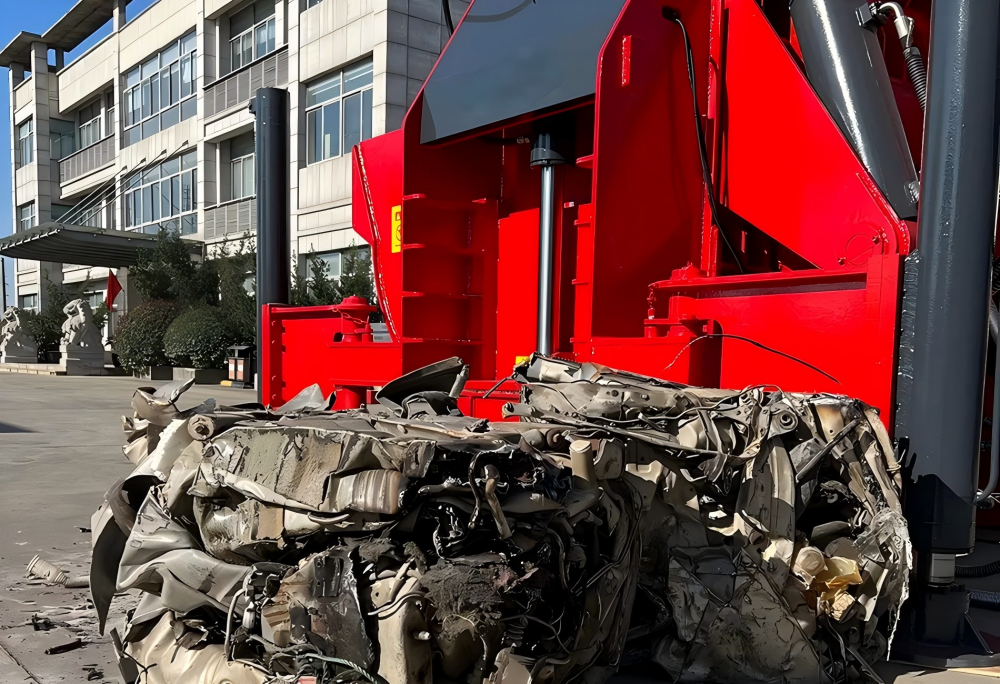
Transportation Savings: An uncrushed car takes up a significant amount of space. A standard flatbed might carry 5-8 loose shells. Once baled, that same truck can carry 20-30 tons of material (depending on local weight limits), which might represent 40-60 cars. If each truck trip costs $500, the cost per car drops from $83 to $10. For a yard processing 1,000 cars a year, that is a savings of over $70,000 in freight alone.
Scrap Value: Steel mills and large-scale shredders prefer baled material because it is easier to handle and charge into furnaces. This often results in a price premium of $10-$20 per ton over loose scrap. With an average car weighing 1.2 tons, this adds another $12,000 to $24,000 in annual revenue.
Labor Efficiency: A modern baler with a fast cycle time and semi-automatic controls allows a single operator to process more material in less time. By reducing the time spent maneuvering loose shells and loading trucks, you can reallocate labor to more productive tasks within the fabrication shop.
Buying Advice: A Practical Checklist for Buyers
To ensure a successful purchase, follow this checklist during your evaluation process. This list is designed specifically for the Car Body Baler Buying : A Practical Checklist Buyers In Metal Fabrication Industry context.
- Define Your Throughput: Don’t buy a machine for 50 cars a day if you only get 10. Conversely, don’t under-buy, as running a small machine at 100% capacity will lead to premature failure.
- Verify the Steel Grade: Ask for material certifications for the wear liners. Ensure they are genuine Hardox or an equivalent high-abrasion resistant alloy.
- Check Cycle Times: Ask for a video of the machine completing a full cycle (load, crush, eject). A difference of 30 seconds per cycle adds up to hours of lost productivity over a month.
- Evaluate the Hydraulic Components: Ensure the pumps and valves are from reputable international brands. This ensures that you can find replacement parts locally in the future.
- Inspect the Safety Features: Does the machine have emergency stops, safety cages, and pressure relief valves? In the metal fabrication industry, safety is paramount to avoid massive liability.
- Assess After-Sales Support: Does the manufacturer (like HARSLE) offer remote technical support, on-site servicing, and a guaranteed parts availability?
- Test with Your Material: If possible, send a sample of your typical scrap or visit a site where the machine is operating to see how it handles the specific types of vehicles you process.
- Review the PLC and Software: Modern balers use PLCs (like Siemens or Omron) for automation. Ensure the interface is user-friendly and available in your local language.
Maintenance Notes for Long-Term Reliability
Buying the machine is only the beginning. To protect your investment, a strict maintenance schedule is required. The metal fabrication environment is harsh, with dust, metal shards, and extreme temperatures. Daily checks should include hydraulic fluid levels, hose integrity, and greasing of all pivot points. Monthly inspections should focus on the tightness of wear plate bolts and the condition of the electrical connections. Neglecting maintenance on a car body baler is the fastest way to turn a profitable asset into a costly liability.
Frequently Asked Questions (FAQ)
What is the average lifespan of a car body baler?
With proper maintenance and regular replacement of wear liners, a high-quality car body baler from a reputable manufacturer like HARSLE can last 15 to 20 years. The hydraulic cylinders may require rebuilding every 5-7 years depending on usage intensity.
Can a car body baler process other types of scrap?
Yes, most car body balers are versatile. They can handle “white goods” (appliances), sheet metal offcuts from fabrication processes, and even light structural steel. However, they should not be used for heavy beams or solid shafts which could damage the rams.
Do I need a special permit to operate a baler?
This depends on your local zoning and environmental regulations. Most industrial areas allow scrap processing, but you may need permits related to noise levels, fluid runoff (oil from the cars), and safety inspections. Always check with local authorities before installation.
Is it better to buy new or used?
While used machines are cheaper, they often come with hidden hydraulic issues or structural fatigue. For a critical piece of equipment like a baler, buying new ensures you have the latest safety features, a full warranty, and a machine with zero “stress hours” on the frame.
How does the weather affect baler operation?
Extreme cold can thicken hydraulic oil, requiring a heater in the reservoir for startup. Extreme heat requires an efficient oil cooling system to prevent the seals from degrading. When buying, specify your local climate to the manufacturer so they can configure the cooling/heating systems accordingly.
Conclusion
Investing in a car body baler is a significant milestone for any metal fabrication or recycling business. By following this Car Body Baler Buying : A Practical Checklist Buyers In Metal Fabrication Industry, you can navigate the technical and financial hurdles with confidence. Remember that the best machine is one that balances robust construction, efficient hydraulics, and a clear path to ROI. HARSLE remains committed to providing high-performance machinery that empowers scrap metal professionals to optimize their operations and maximize their profitability in an increasingly competitive global market.