Alligator Shear Vs. Hydraulic Shear: Which Is Better Metal Cutting Needs?

Introduction to Metal Shearing Technologies
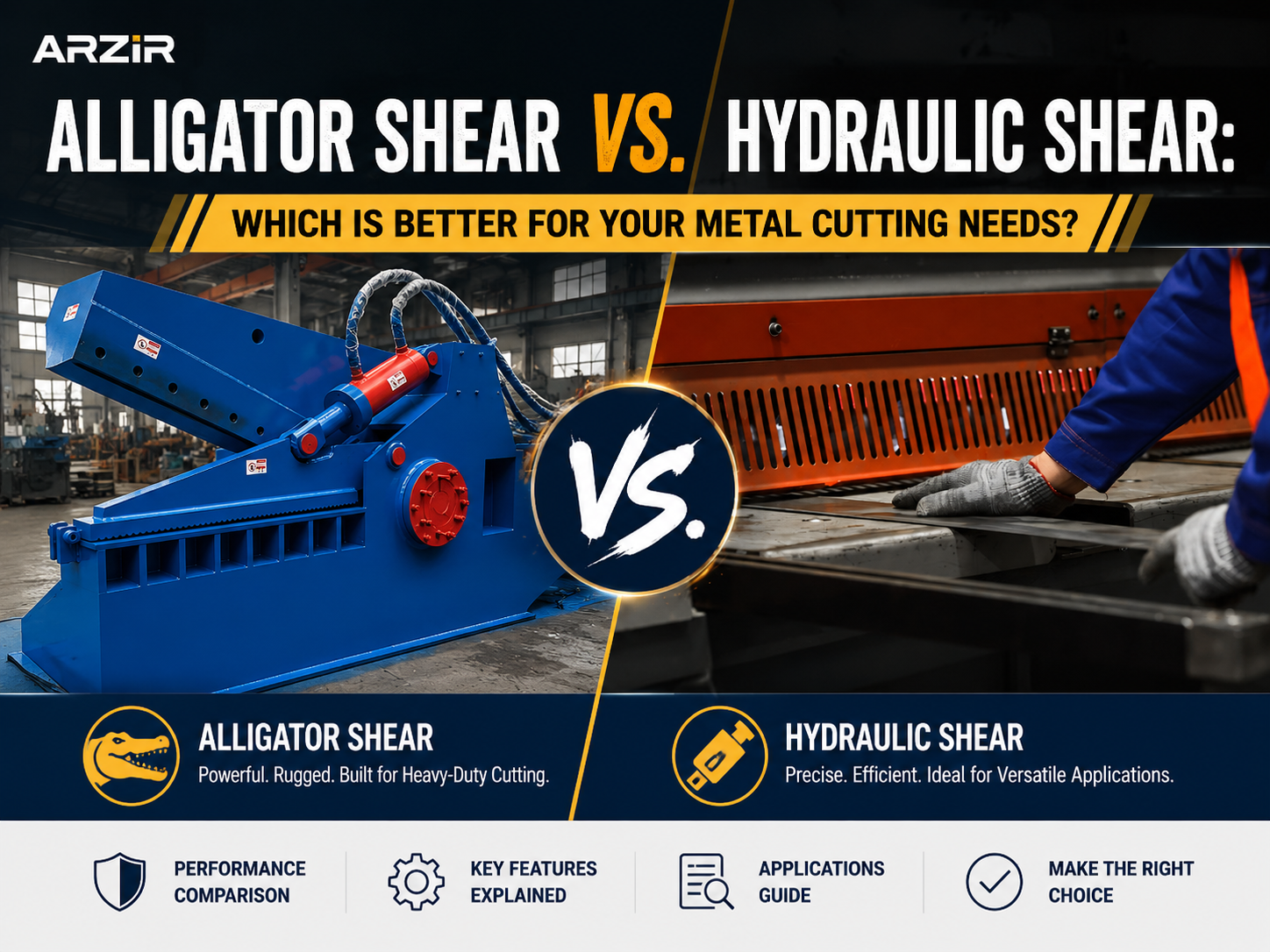
In the diverse world of metal fabrication and recycling, choosing the right cutting tool is the difference between a profitable operation and a bottlenecked workshop. Two of the most prominent machines used for heavy-duty cutting are the alligator shear and the hydraulic guillotine (or swing beam) shear. While both utilize hydraulic power to sever metal, their designs, applications, and target materials differ significantly. Understanding the nuances of Alligator Shear Vs. Hydraulic Shear: Which Is Better Metal Cutting Needs? requires a deep dive into their mechanical structures and operational efficiencies.
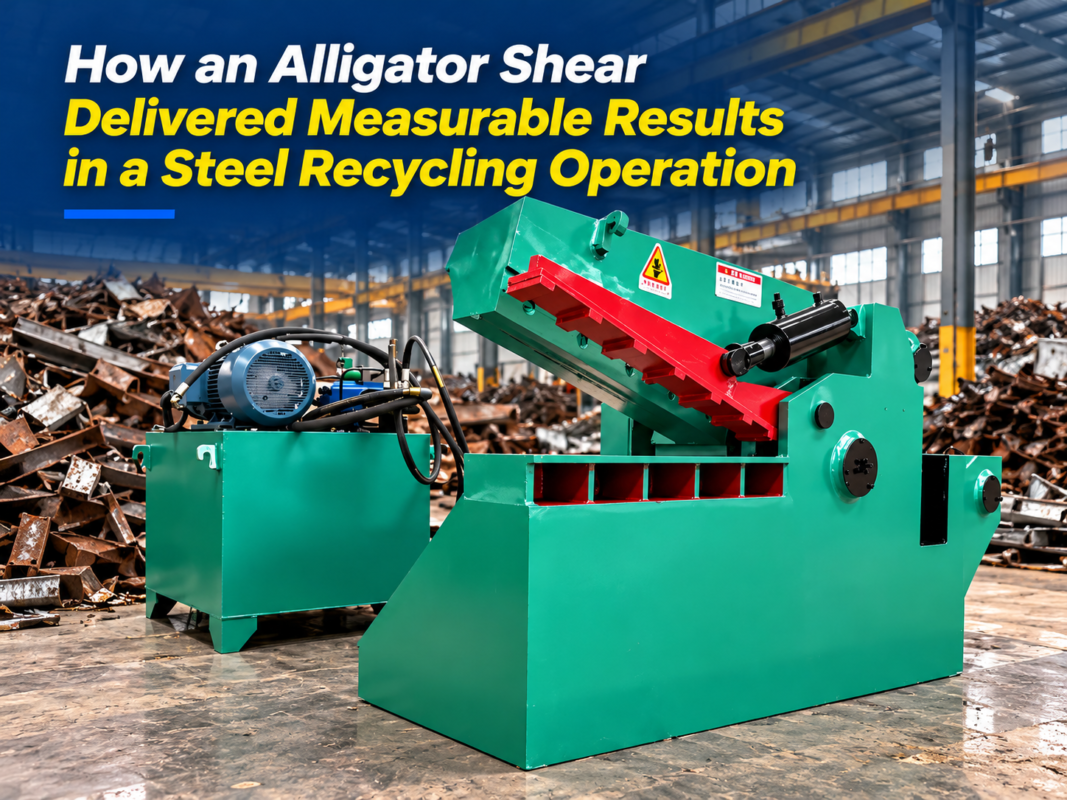
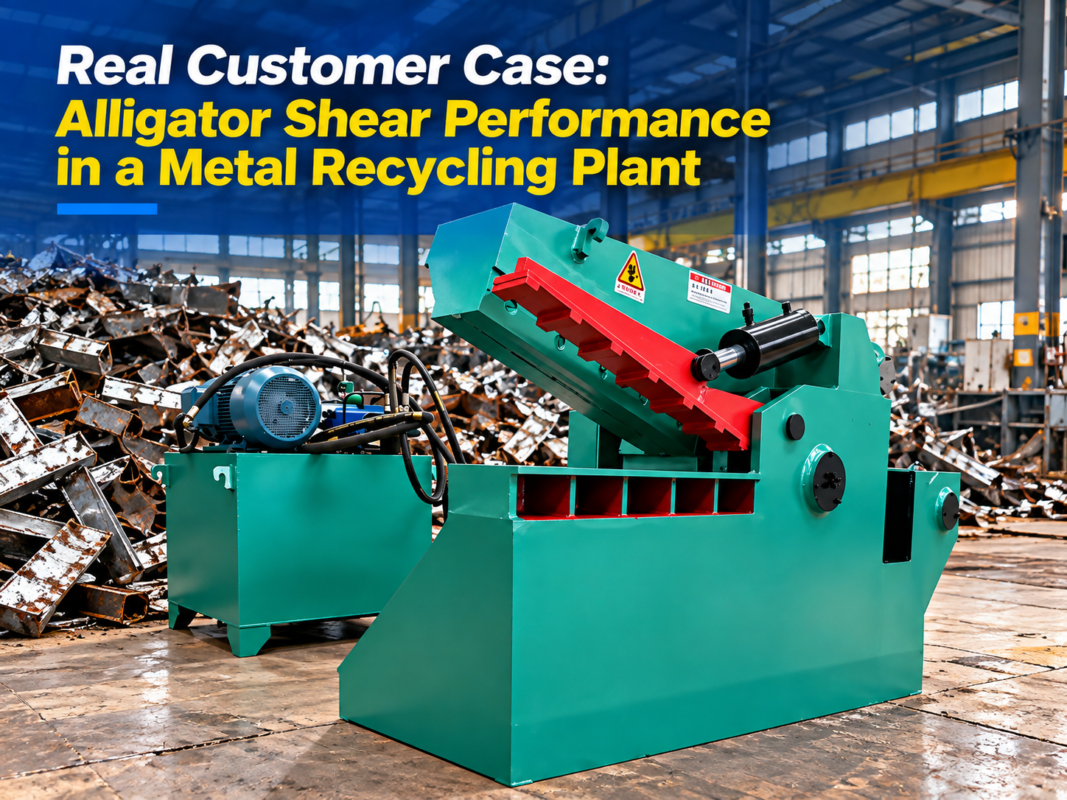
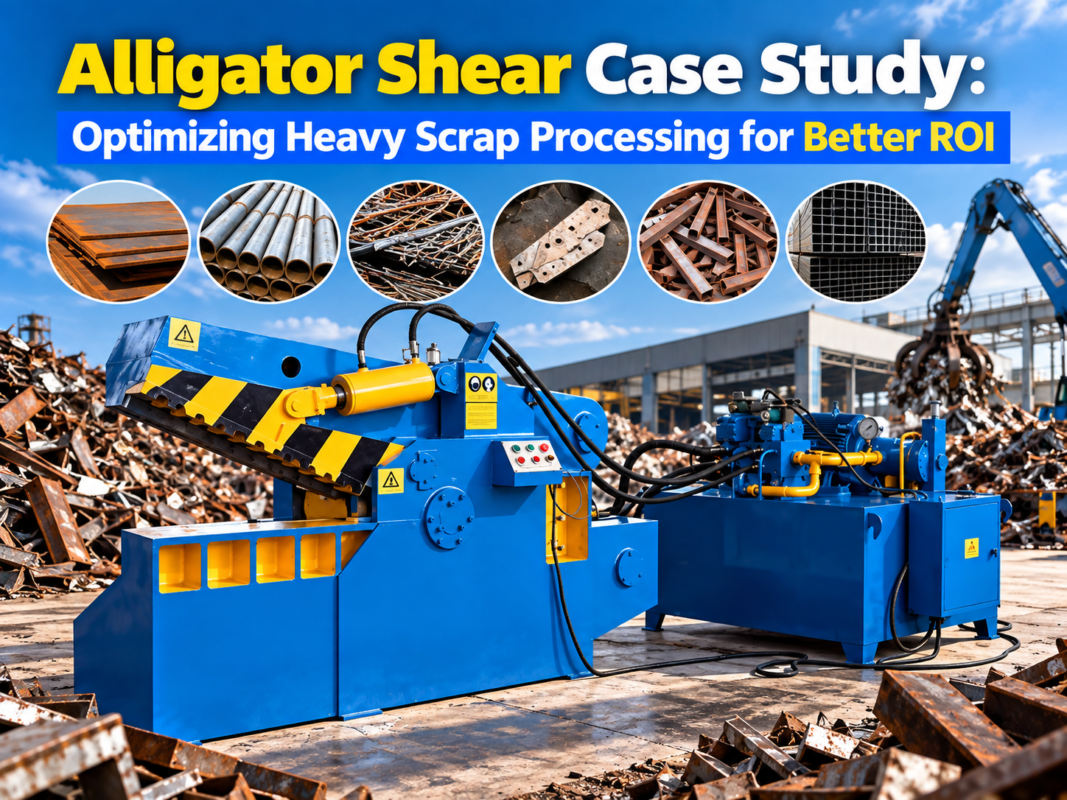
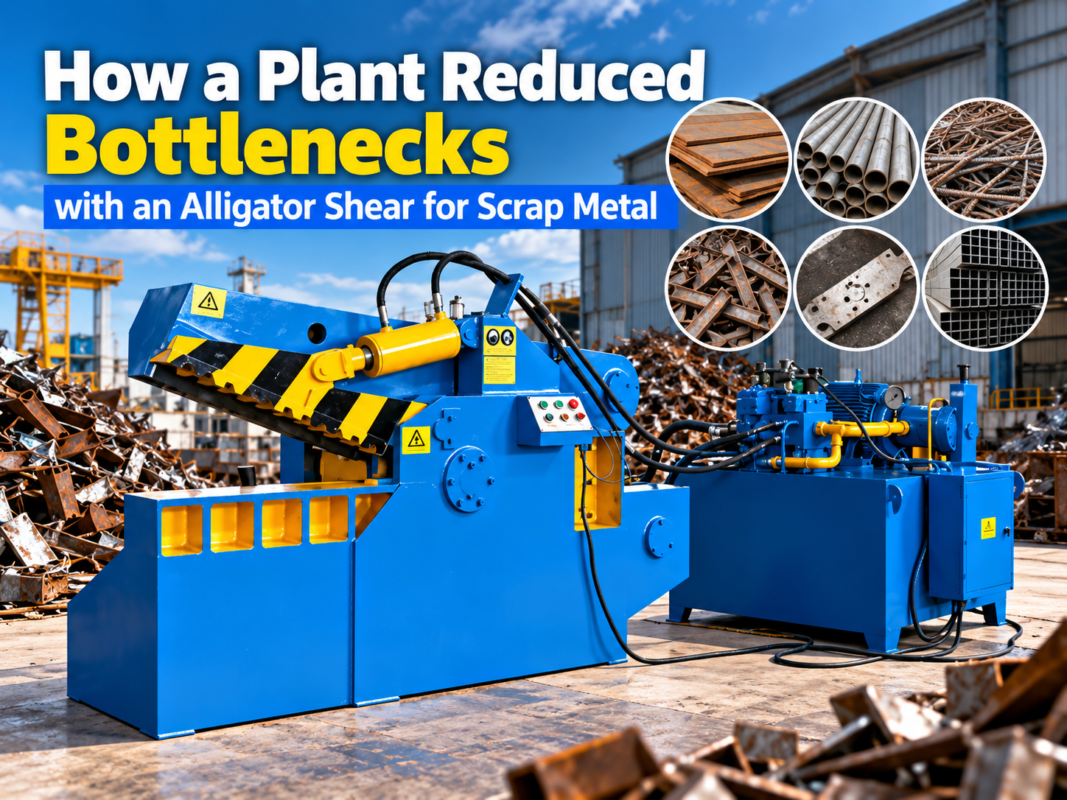
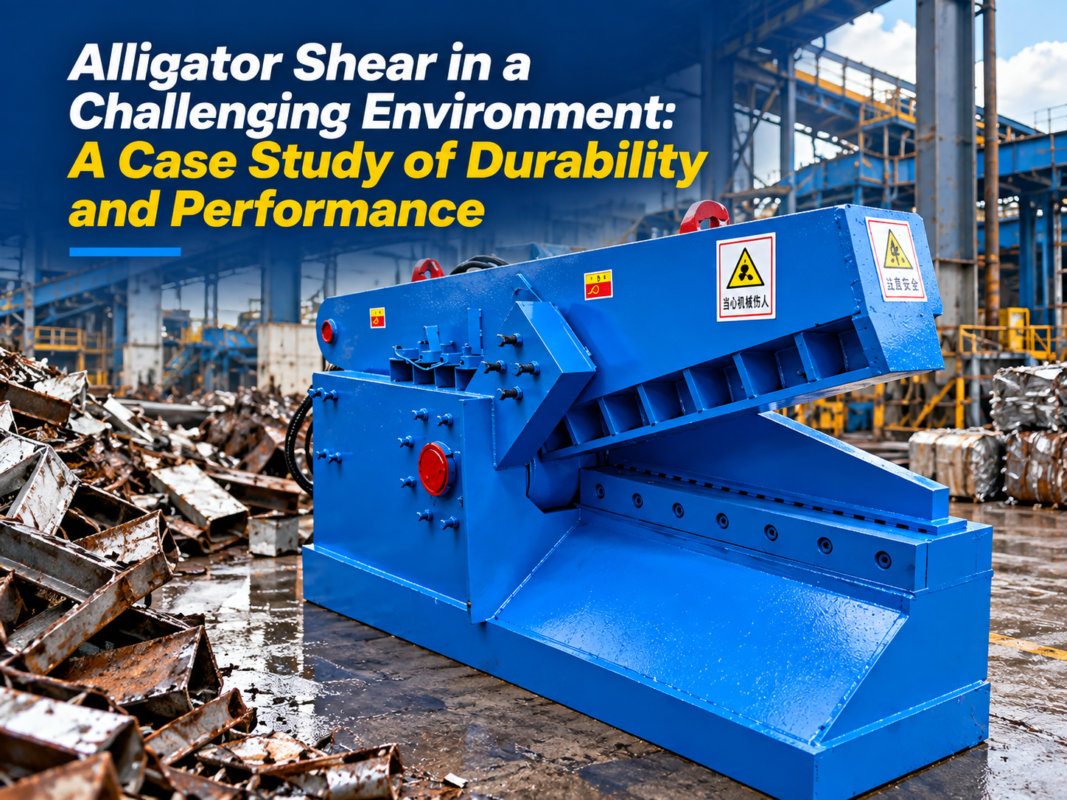
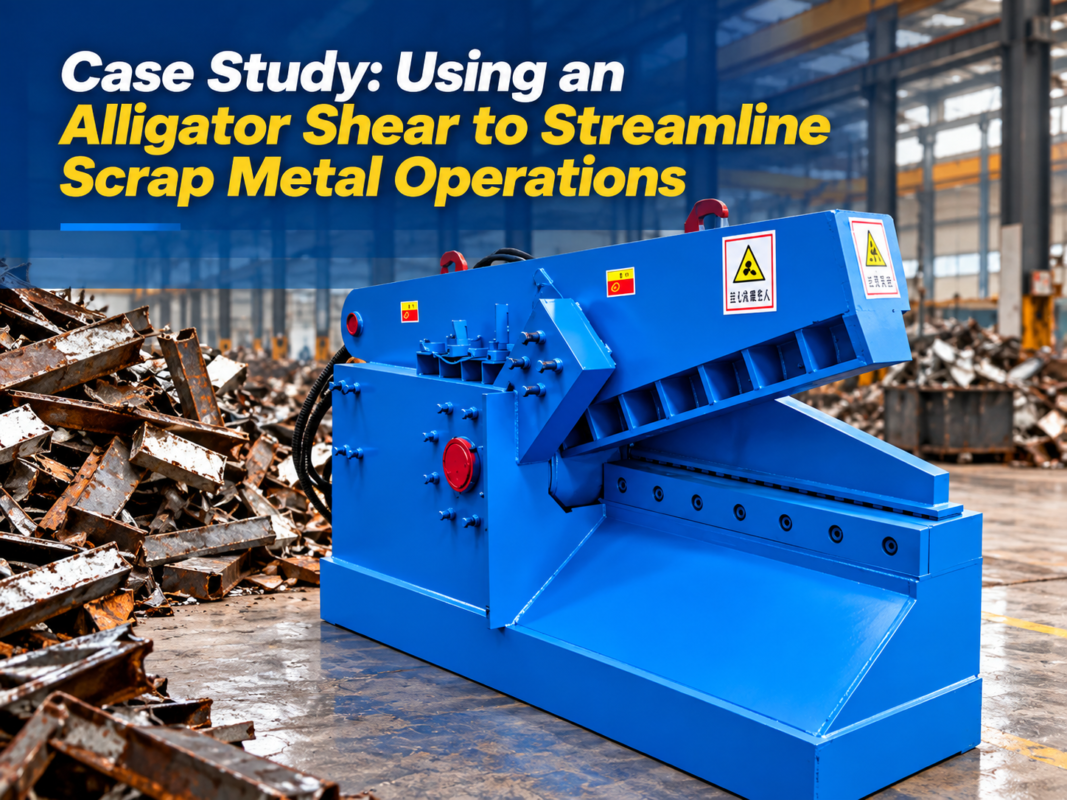
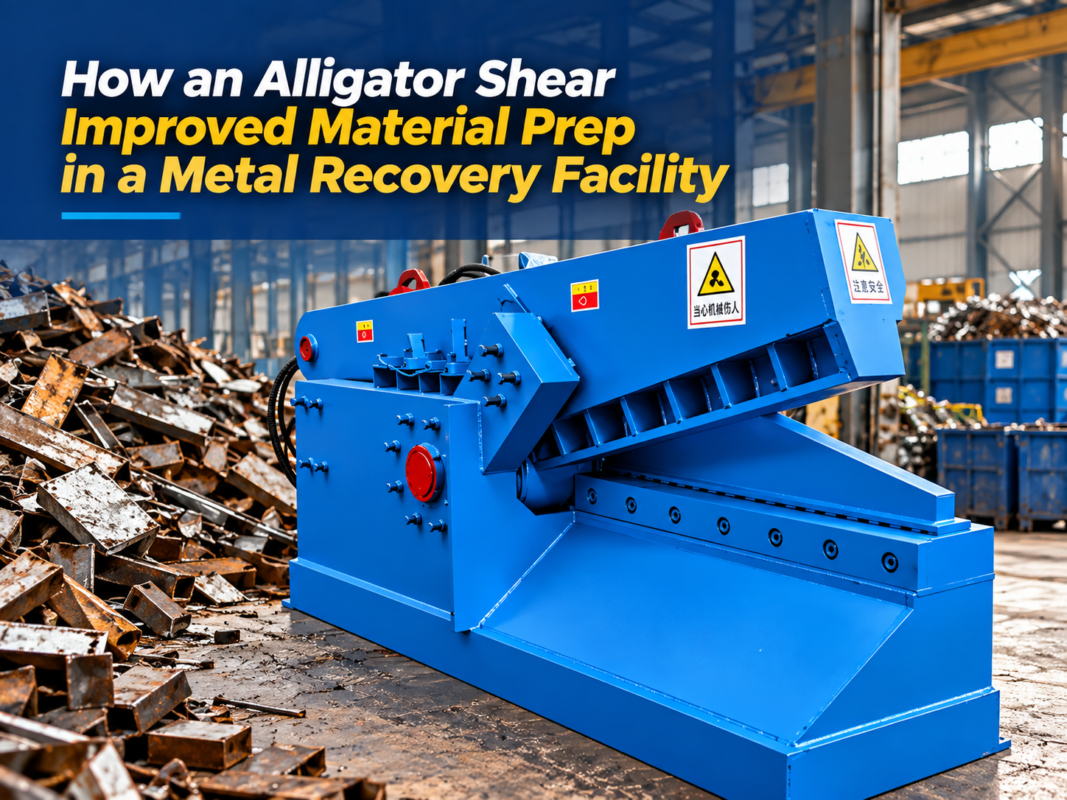
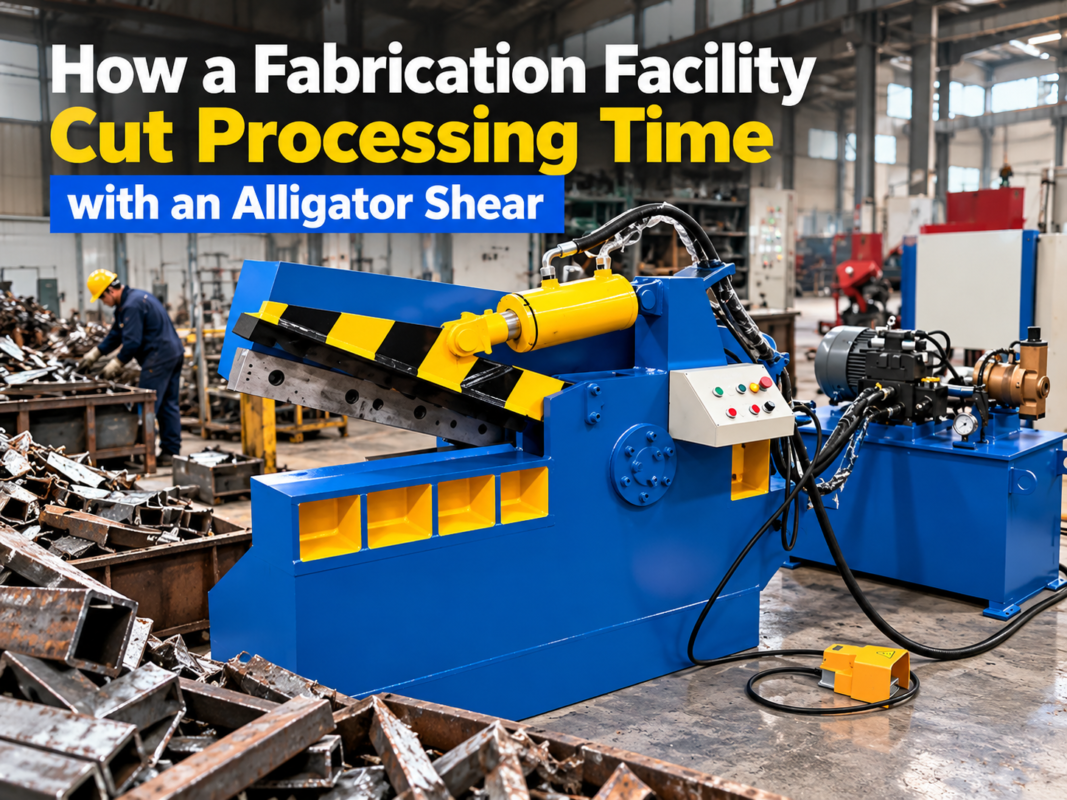
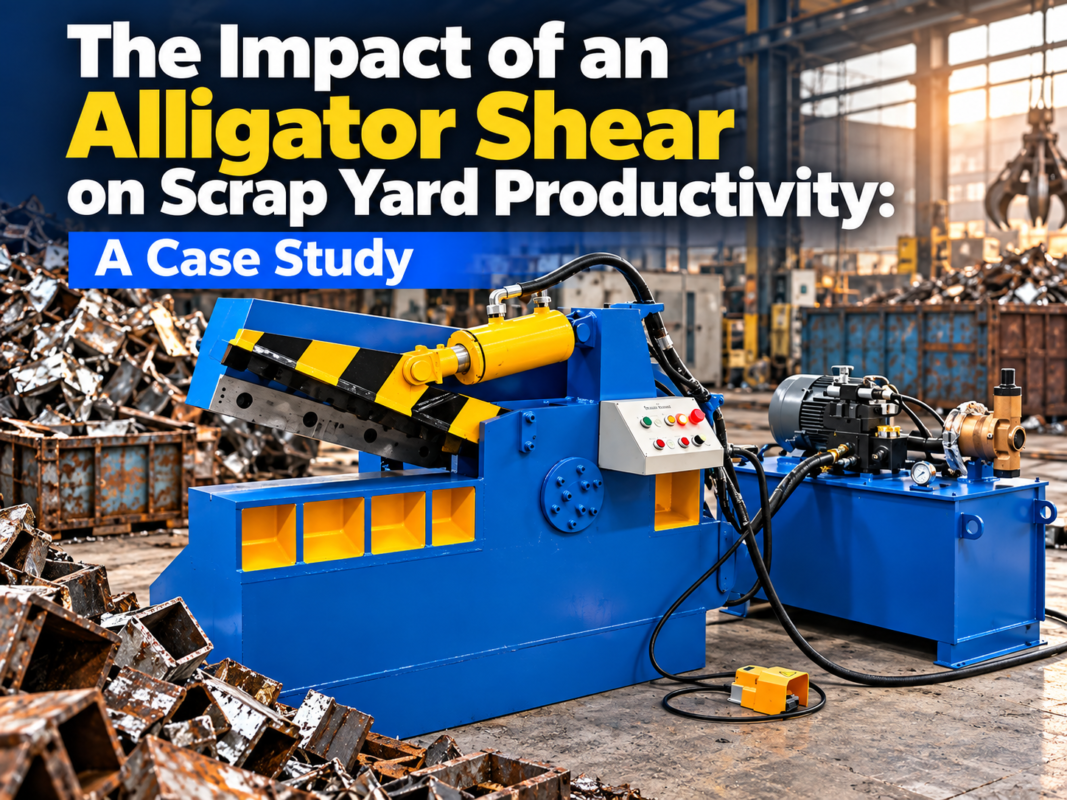
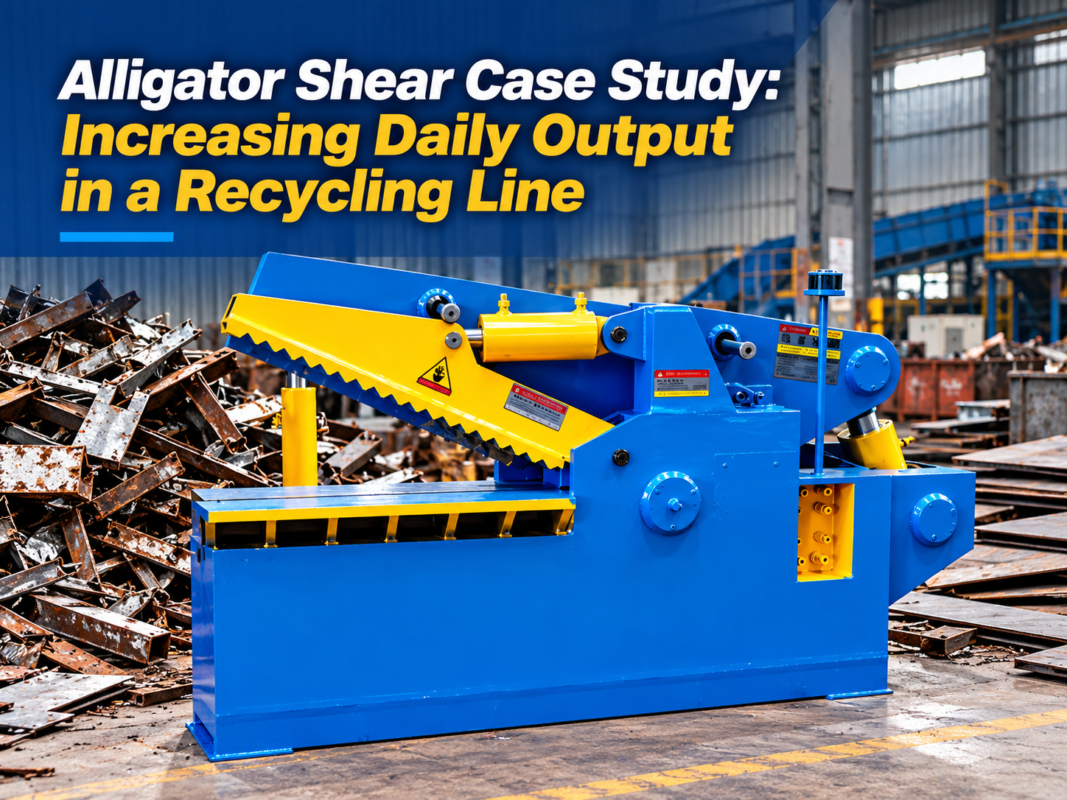
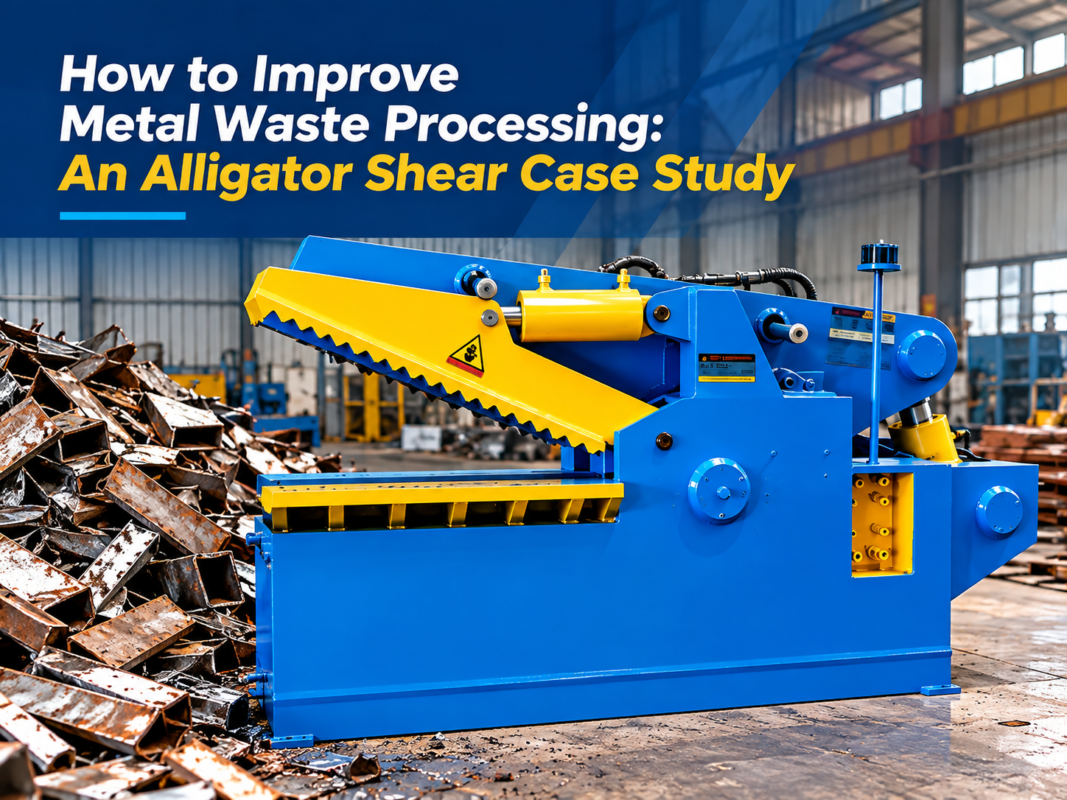
Alligator shears, named for their jaw-like appearance, are the workhorses of the recycling industry. They are designed for rugged, non-precision cutting of scrap metal, pipes, and structural profiles. On the other hand, hydraulic shears—specifically guillotine and swing beam models—are precision instruments designed for the sheet metal industry. They provide clean, straight, and accurate cuts on large plates of steel, aluminum, and stainless steel. This article will provide a comprehensive comparison to help you determine which machine aligns with your specific production goals.
Price Range Overview: Initial Investment Costs
The financial commitment required for these machines varies based on capacity, brand, and automation levels. Generally, alligator shears are more affordable at the entry-level because their mechanical design is simpler. A small, manual-entry alligator shear for cutting copper wire or light aluminum profiles can range from $3,000 to $8,000. Larger industrial models capable of cutting heavy steel beams can reach upwards of $25,000 to $40,000.
Hydraulic shears used in fabrication shops represent a higher capital expenditure. A standard 4-meter hydraulic guillotine shear capable of cutting 6mm mild steel typically starts around $12,000. As the thickness capacity increases to 20mm or 25mm, and as CNC features are added for backgauge precision, the price can easily exceed $100,000. The cost reflects the precision engineering required to maintain a perfectly straight cut over a long distance, a feature not present in alligator shears.
When comparing the two, it is essential to look beyond the sticker price. An alligator shear might be cheaper, but if your goal is to produce finished parts for assembly, the lack of precision will result in wasted material and secondary processing costs. Conversely, using a high-end hydraulic guillotine to cut scrap metal is an inefficient use of a precision tool that will lead to unnecessary wear and tear on expensive blades.
Main Cost Drivers in Metal Shearing Machinery
Several technical factors influence the final price of both alligator and hydraulic shears. The most significant driver is the cutting force, measured in tons. For alligator shears, the force is concentrated at the throat of the jaw; the higher the tonnage, the thicker the material it can snap. For hydraulic shears, the force must be distributed evenly across the entire length of the blade, requiring massive hydraulic cylinders and a rigid frame.
Blade Quality and Material: The blades are the primary wear parts. High-quality shears use Cr12MoV or 9CrSi alloy steel. Alligator shears often use shorter, thicker blades designed for impact, while hydraulic shears use long, precision-ground blades. The cost of replacing a 4-meter guillotine blade is significantly higher than replacing a 600mm alligator shear blade. Furthermore, the complexity of the hydraulic system—including the pump (e.g., Rexroth or Sunny) and the valves—plays a major role in the machine’s reliability and price.
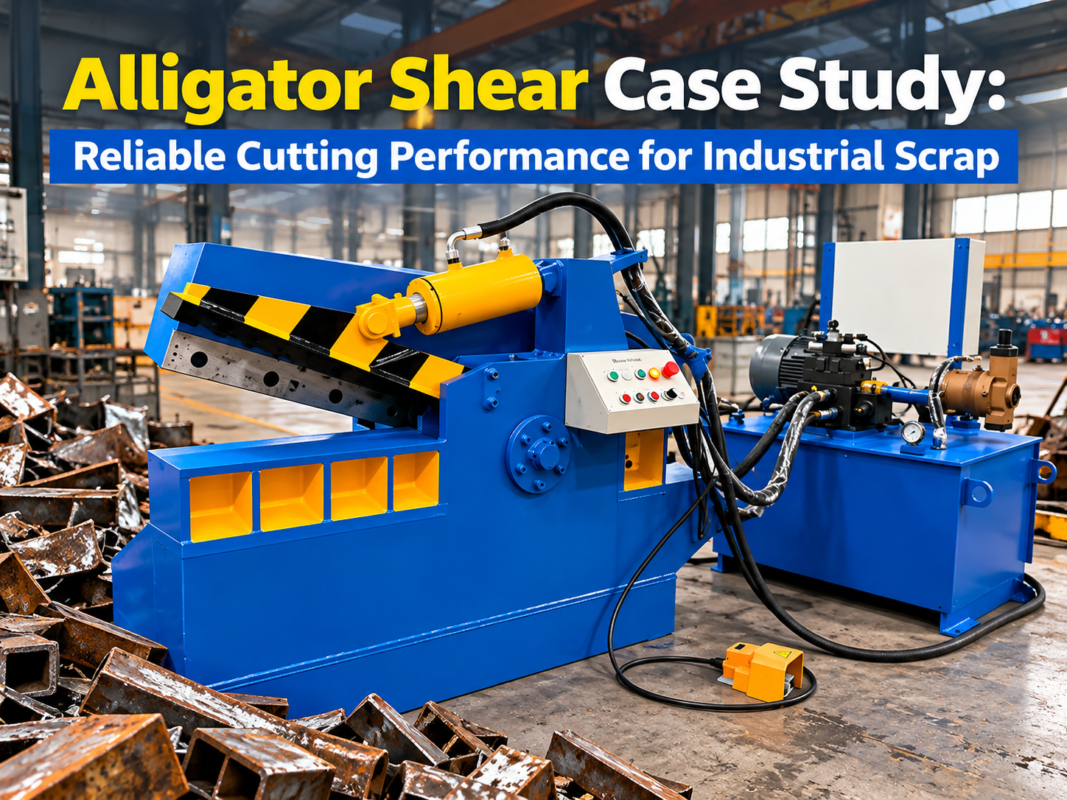
Automation and Control Systems: Modern hydraulic shears often come with CNC controllers that manage the backgauge position, blade gap, and stroke length. These electronics add several thousand dollars to the cost but drastically reduce setup time. Alligator shears are typically simpler, often controlled by a foot pedal or a simple automatic cycle, though some high-end models now feature conveyor integration for continuous scrap feeding.
Configuration Impact: Swing Beam vs. Guillotine vs. Alligator
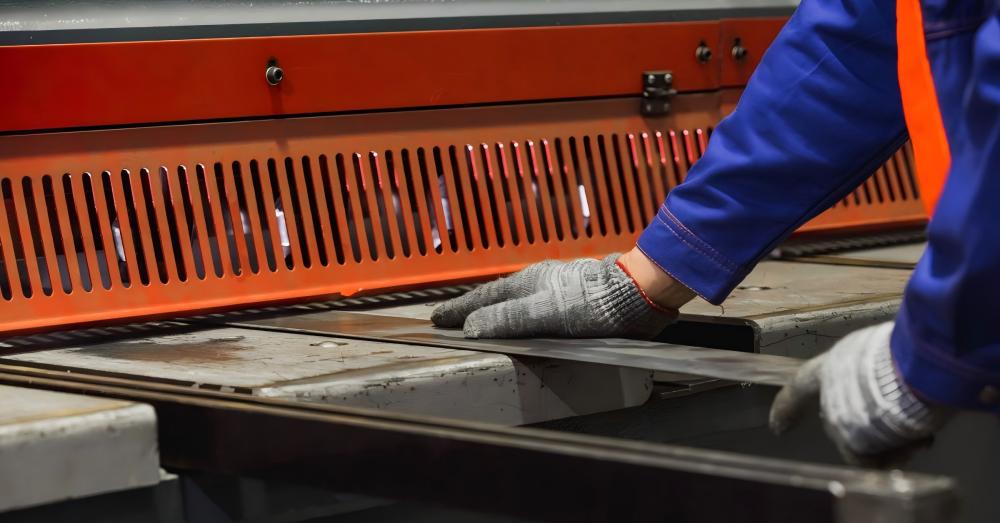
The configuration of the machine dictates its mechanical advantage and cutting quality. In the realm of hydraulic shears, there are two main types: Swing Beam and Guillotine. Swing beam shears use a circular arc movement for the upper blade, which is simpler and cheaper but can cause slight distortion on very thick plates. Guillotine shears move the blade in a vertical straight line, allowing for adjustable rake angles which minimize “twist” and “bow” in the cut metal.
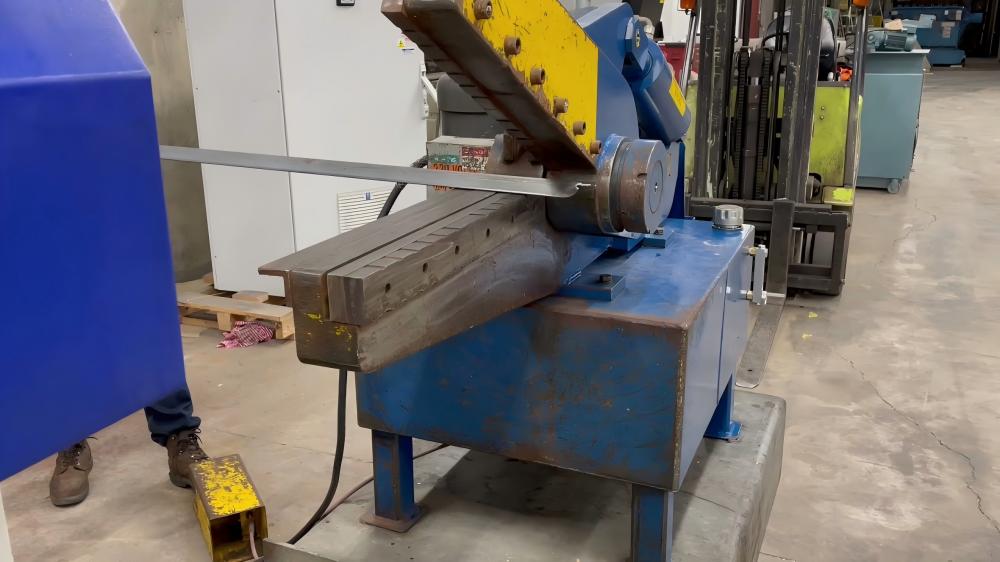
The alligator shear configuration is entirely different. It uses a lever-arm principle where the upper jaw pivots on a heavy-duty pin. This design is exceptionally efficient for “munching” through irregular shapes like car bumpers, pipes, and rebar. However, because the blade closes like a pair of scissors at an angle, it is impossible to get a perfectly square edge on a wide plate. This makes the alligator shear unsuitable for any application requiring a weld-ready edge.
Another configuration factor is the blade length. Alligator shears usually have blades ranging from 400mm to 1200mm. Hydraulic shears are defined by their width, commonly 2500mm, 3200mm, or 4000mm. Choosing the wrong configuration can lead to operational failure; for example, trying to cut a wide sheet on an alligator shear requires multiple bites, resulting in a jagged, unusable edge.
Hidden Costs of Ownership
Beyond the purchase price, owners must account for the total cost of ownership (TCO). One of the most overlooked hidden costs is electricity consumption. Large hydraulic systems require significant power to maintain pressure. Modern HARSLE machines often incorporate energy-efficient motors or variable speed drives to mitigate this, but older or cheaper models can be expensive to run 24/7.
Maintenance and Consumables: Hydraulic oil needs to be filtered and changed periodically to prevent valve clogs. Seals in the cylinders will eventually wear out and leak, requiring professional replacement. For alligator shears, the pivot pin is a high-stress point that requires regular lubrication. If the pin wears out due to neglect, the entire jaw can become misaligned, leading to blade damage.
Blade Sharpening and Replacement: Alligator shear blades are often four-sided, meaning you can rotate them four times before needing a regrind. Hydraulic shear blades are also typically rotatable (two or four sides), but the cost of transporting and grinding a 4-meter blade is substantial. Additionally, the labor cost for an operator to precisely gap the blades on a guillotine shear is a recurring expense that alligator shear owners rarely face.
ROI Calculation: When Does the Investment Pay Off?
To calculate the Return on Investment (ROI), you must compare the machine’s output value against its operational costs. For a scrap yard using an alligator shear, the ROI is calculated by the increase in scrap value. Clean, cut-to-size scrap (like “prepared” steel) fetches a much higher price at the mill than oversized, tangled scrap. If an alligator shear allows you to process 2 tons of prepared scrap per hour with a $50/ton premium, the machine can pay for itself in a matter of months.
For a fabrication shop using a hydraulic shear, the ROI is found in labor savings and material utilization. A CNC hydraulic shear can cut hundreds of identical strips with high precision in an hour. If this replaces manual cutting or a slower plasma table, the reduction in man-hours and the ability to use the entire sheet without errors provide the return. A typical fabrication shop might see an ROI within 12 to 24 months depending on volume.
| Feature | Alligator Shear | Hydraulic Guillotine Shear |
|---|---|---|
| Primary Use | Scrap recycling, rebar, pipes | Precision sheet metal fabrication |
| Cutting Accuracy | Low (Rough cut) | High (Precision +/- 0.1mm) |
| Material Shape | Irregular, round, structural | Flat plates and sheets |
| Maintenance | Moderate (Pivot points/blades) | High (Hydraulics/precision alignment) |
| Price Range | $3,000 – $40,000 | $10,000 – $150,000+ |
Buying Advice: Which Is Better for Your Needs?
Choosing between these two machines comes down to your end product. If your business involves recycling, demolition, or scrap processing, the alligator shear is the undisputed winner. Its ability to handle varied shapes and its rugged construction make it ideal for environments where precision is secondary to throughput. Look for models with a high-speed valve system to increase cycles per minute.
If your business involves manufacturing, construction, or HVAC, where you are creating parts that must fit together, the hydraulic shear is essential. You should choose a guillotine model if you frequently work with varying thicknesses, as the adjustable rake angle prevents thin sheets from twisting. If you primarily work with a single thickness, a swing beam shear might offer a more cost-effective solution.
Before purchasing, always verify the after-sales support. Machines like these operate under immense pressure and will eventually need parts. Choosing a reputable manufacturer like HARSLE ensures that you have access to technical drawings, replacement seals, and expert advice. Always ask for a video of the machine cutting your specific material type before finalizing the deal.
Frequently Asked Questions (FAQ)
1. Can an alligator shear cut sheet metal?
Technically, yes, but it is not recommended for large sheets. Because the jaws are short, you would have to feed the sheet through in multiple strokes, resulting in a very jagged and dangerous edge. It is better suited for narrow strips or scrap pieces.
2. How often do I need to sharpen the blades?
This depends entirely on the material being cut. Cutting stainless steel will dull blades much faster than mild steel or aluminum. On average, in a high-production environment, blades should be checked every 3-6 months. Many blades can be rotated to a fresh edge before needing professional grinding.
3. Is a hydraulic shear safer than an alligator shear?
Both machines are dangerous if safety protocols are ignored. Hydraulic shears usually have finger guards and light curtains to prevent access to the cutting zone. Alligator shears are often more open, requiring the operator to be extremely cautious. Modern alligator shears include hold-down devices to prevent the material from “kicking up” during the cut.
4. What is the maximum thickness an alligator shear can cut?
Heavy-duty alligator shears can cut round steel bars up to 100mm in diameter or thick structural I-beams. The capacity is usually rated based on the tensile strength of mild steel. Always check the manufacturer’s specifications for your specific material grade.
5. Do I need a CNC controller for my hydraulic shear?
If you are doing repetitive work with different dimensions, a CNC controller is a lifesaver. It automatically moves the backgauge to the correct position, saving minutes on every job. If you only cut the same size all day, a simple digital readout (DRO) and manual backgauge may suffice.