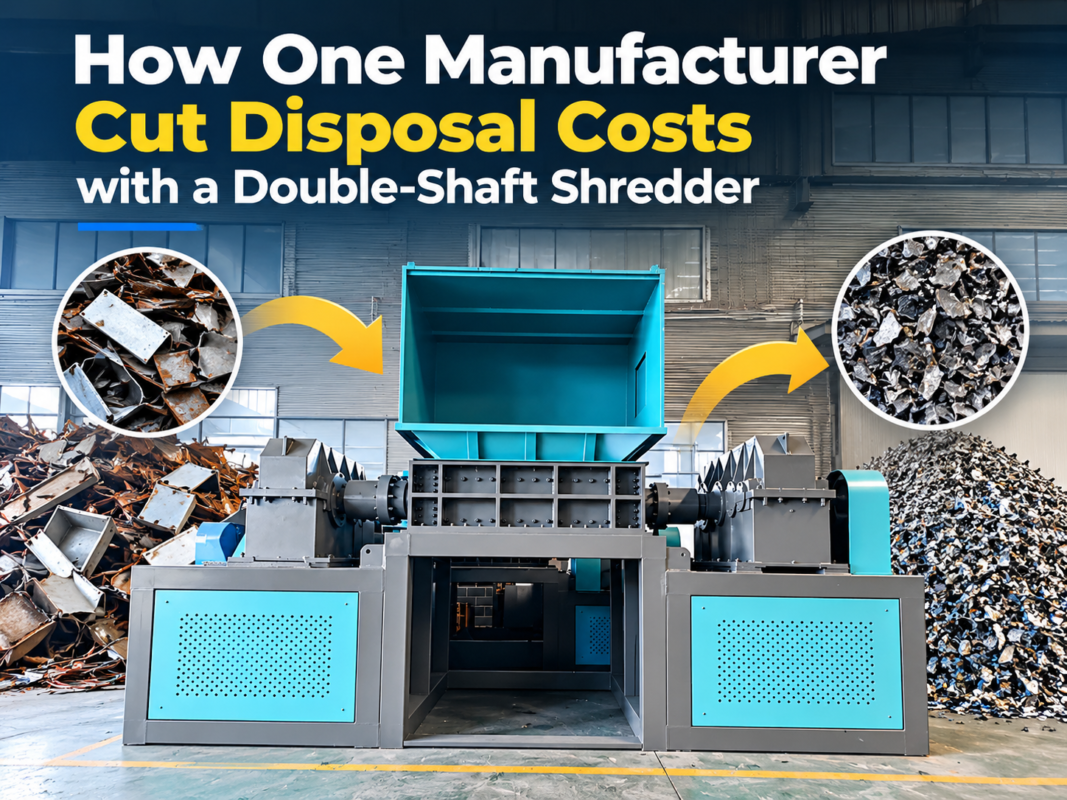
Gantry Shear Buying Guide: How to Choose the Right Metal Cutting Machine for Your Workshop

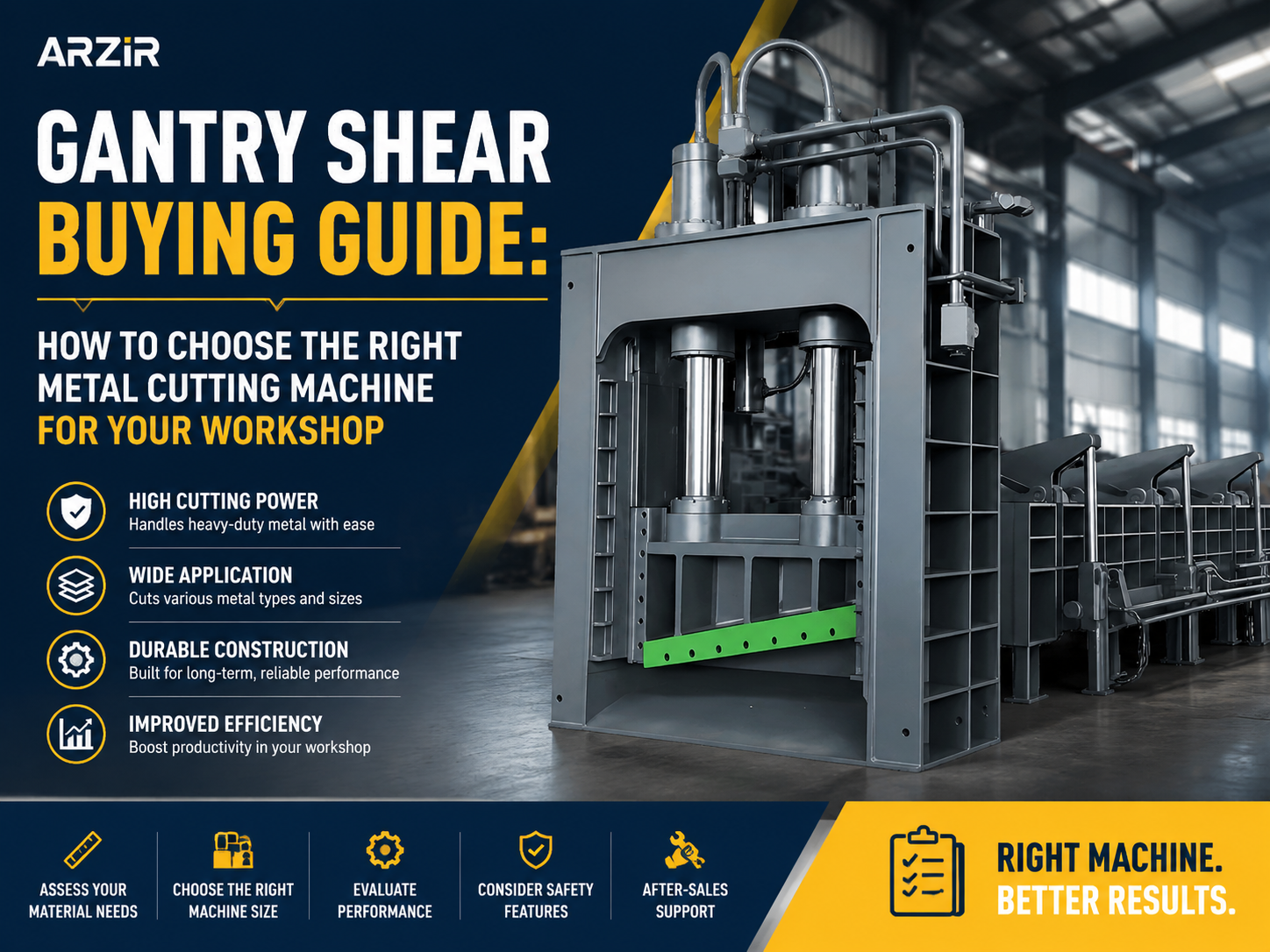
Introduction to Gantry Shear Procurement
In the world of heavy-duty metal recycling and industrial fabrication, the gantry shear stands as a titan of efficiency. Designed to process massive volumes of scrap metal, structural steel, and decommissioned machinery, these machines are the backbone of high-output workshops. However, investing in a gantry shear is a significant capital expenditure. Making the wrong choice can lead to bottlenecks, excessive maintenance costs, or a machine that simply cannot handle the material grades your workshop encounters. This Gantry Shear Buying : Choose Metal Cutting Machine Workshop guide is designed to navigate the complexities of technical specifications, financial considerations, and operational requirements to ensure you select the perfect HARSLE solution for your needs.
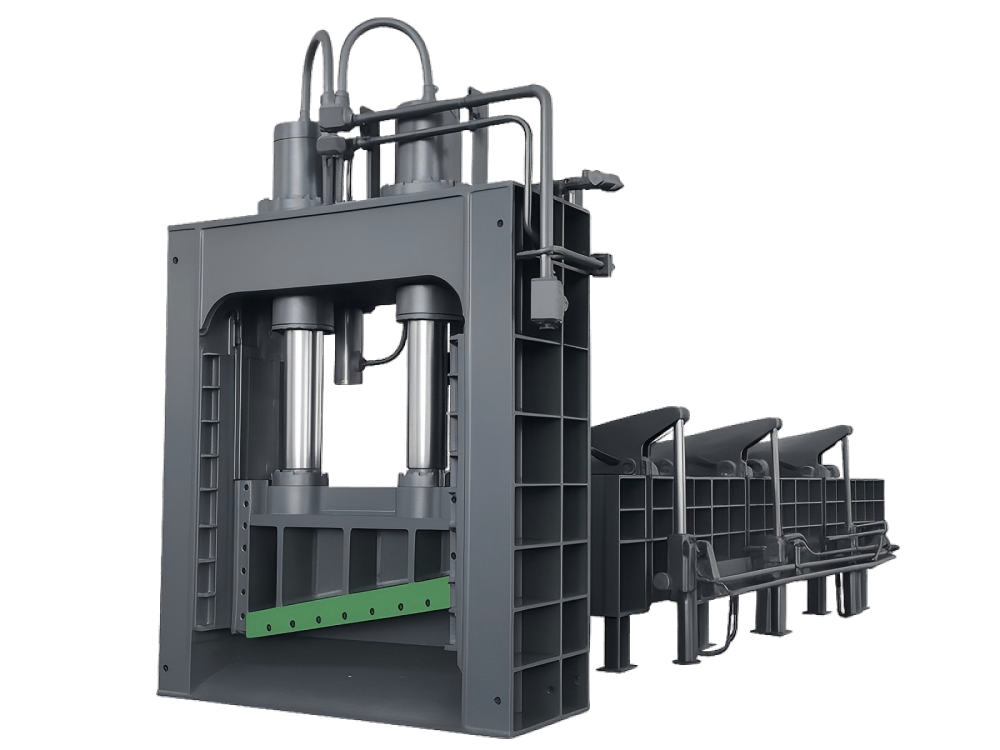
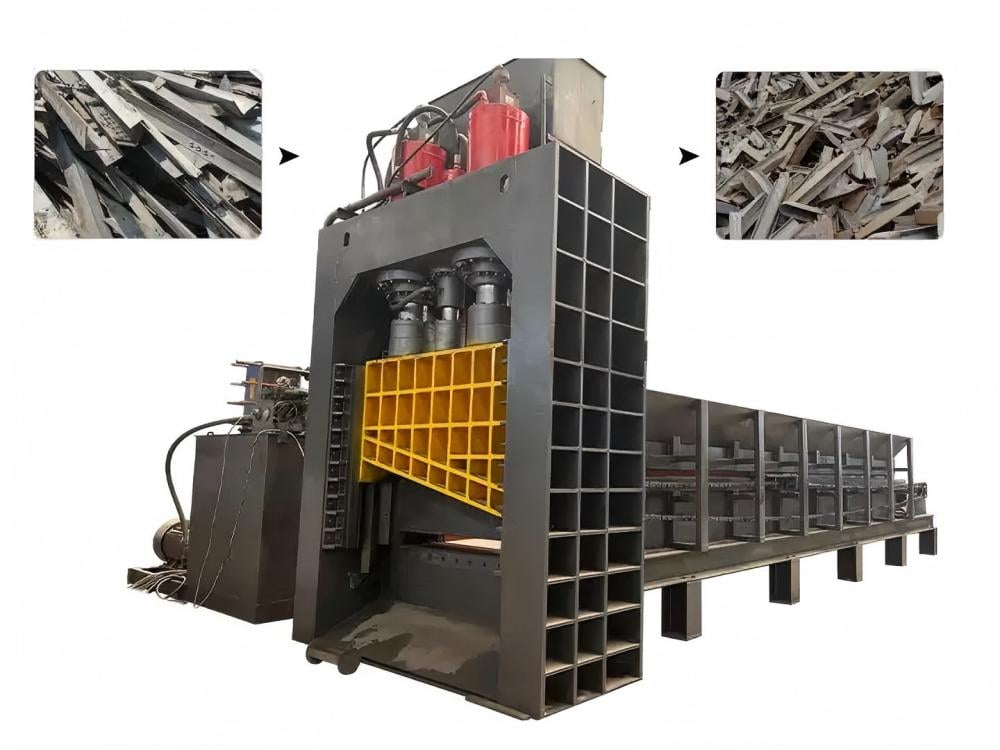
Gantry shears, unlike smaller alligator shears, utilize a vertical cutting motion supported by a robust frame (the gantry). This design allows for immense downward pressure, often ranging from 400 to over 2,000 tons. For a workshop looking to scale, the transition to a gantry shear represents a move from manual or semi-automated processing to a fully industrial workflow. Understanding the nuances of these machines is the first step toward a profitable investment.
Price Range Overview: What to Expect
The price of a gantry shear is primarily dictated by its cutting force (tonnage) and the level of automation integrated into the system. Generally, the market is divided into three main tiers. Entry-level machines, typically offering 400 to 600 tons of cutting force, are priced between $40,000 and $80,000. These are ideal for smaller yards or workshops that process light-to-medium gauge scrap and do not require 24/7 operation.
Mid-range gantry shears, providing 800 to 1,250 tons of force, usually fall within the $100,000 to $250,000 bracket. These machines often feature advanced PLC controls, faster cycle times, and more robust hydraulic systems. They are the workhorses of the industry, capable of handling structural beams, thick plates, and large automotive components with ease. At this level, you are paying for both power and durability.
High-end industrial gantry shears, exceeding 1,500 tons of force, can cost anywhere from $300,000 to over $1,000,000. These units are often custom-built with integrated conveyor systems, sophisticated cooling units for continuous operation, and remote diagnostic capabilities. While the initial investment is high, the cost-per-ton of processed material is significantly lower due to the massive throughput these machines achieve.
Main Cost Drivers in Gantry Shear Selection
When evaluating a Gantry Shear Buying : Choose Metal Cutting Machine Workshop decision, several technical factors drive the final price tag. The most significant is the hydraulic system. A machine equipped with high-quality pumps (such as Rexroth or Parker) and valves will command a premium. These components ensure consistent pressure and longevity, reducing the risk of catastrophic failure during peak production hours.
The quality of the steel used in the frame and the shear head is another critical cost driver. High-tensile, stress-relieved steel frames prevent warping over years of intense pressure. Cheaply made machines may use inferior alloys that fatigue quickly, leading to misalignment and blade damage. Furthermore, the complexity of the feeding mechanism—whether it is a simple gravity feed or a sophisticated hydraulic pusher box—adds to the manufacturing cost but greatly improves safety and speed.
- Tonnage (Cutting Force): Higher tonnage requires larger cylinders and more robust frames.
- Blade Length and Quality: Longer blades allow for wider scrap, but require more power to maintain cutting precision.
- Hydraulic Pump Capacity: Determines the speed of the cutting cycle (strokes per minute).
- Control Systems: Manual levers are cheaper, while touchscreen PLC systems increase cost but improve precision and safety.
Configuration Impact: Tailoring the Machine to Your Workshop
Configuration is where a workshop owner can truly optimize the machine for their specific workflow. One of the most important choices is the cooling system. In warmer climates or high-duty cycle environments, an industrial-grade oil cooler (either air-cooled or water-cooled) is essential. Without it, the hydraulic oil will overheat, losing viscosity and potentially damaging the pumps and seals.
Another configuration factor is the blade material. Standard blades are suitable for mild steel, but if your workshop processes hardened alloys or stainless steel, you will need specialized high-chrome or H13 tool steel blades. While these increase the initial cost, they last significantly longer between sharpenings, reducing downtime. Additionally, the inclusion of a “pre-compression” or “side-press” feature can help consolidate bulky scrap before it reaches the blade, allowing for a cleaner cut and higher density in the finished product.
Hidden Costs of Owning a Gantry Shear
The purchase price is only the beginning. One of the most overlooked hidden costs is the foundation work. A gantry shear exerts massive vibrational forces. Most models require a reinforced concrete pad, often several feet deep, to prevent the machine from shifting or cracking the workshop floor. This civil engineering work can add thousands of dollars to the total project cost.
Logistics and installation also represent significant expenses. These machines are incredibly heavy and often require specialized heavy-lift cranes for offloading and positioning. Furthermore, the initial fill of hydraulic oil can be a major expense; a large gantry shear might require 1,000 to 3,000 liters of high-grade hydraulic fluid. Finally, consider the cost of operator training. A gantry shear is a powerful and potentially dangerous tool; ensuring your staff is properly trained by the manufacturer (like HARSLE) is vital for both safety and machine longevity.
ROI Calculation: Is the Investment Worth It?
To justify the Gantry Shear Buying : Choose Metal Cutting Machine Workshop investment, you must calculate the Return on Investment (ROI). The primary driver of ROI in scrap processing is the “spread”—the difference between the price of unprocessed scrap and the price of sheared, furnace-ready material. Sheared scrap (HMS1/HMS2) commands a much higher price at the mill than oversized, bulky scrap.
Consider a scenario where a gantry shear allows you to process 5 tons of scrap per hour that was previously sold as-is. If the price difference for processed scrap is $40 per ton, the machine generates $200 of additional value per hour. Over an 8-hour shift, that is $1,600. Subtracting labor, electricity, and maintenance costs (estimated at $400 per day), the net gain is $1,200 per day. At this rate, a $150,000 machine could pay for itself in less than 150 working days. This calculation doesn’t even account for the savings in transport costs, as sheared scrap is much denser and requires fewer truck loads to move.
Buying Advice: How to Make the Final Choice
When you are ready to make a purchase, start by auditing your current and future scrap volume. Buying a machine that is too small will lead to frustration and premature wear, while buying one that is too large will result in wasted energy and capital. Always ask for a video demonstration or, better yet, a site visit to see the machine in action. Pay close attention to the cycle time—how many seconds does it take for the blade to descend and return?
Check the availability of wear parts. Blades, seals, and filters are consumables. Ensure that the manufacturer has a robust supply chain and can ship these parts quickly. HARSLE, for instance, provides comprehensive after-sales support, which is a critical factor when your entire production line depends on a single piece of machinery. Lastly, review the safety features. Emergency stop buttons, safety cages, and pressure sensors are non-negotiable in a modern industrial environment.
Gantry Shear Buyer’s Checklist
- Verify Tonnage: Ensure the rated tonnage is sufficient for your thickest material.
- Inspect Hydraulics: Look for reputable brand names on pumps and valves.
- Assess the Frame: Check for heavy-duty welding and stress-relief treatments.
- Evaluate the Control System: Is it user-friendly for your operators?
- Confirm Foundation Requirements: Do you have the space and floor strength?
- Review Warranty and Support: What is the response time for technical issues?
Frequently Asked Questions (FAQ)
How often do gantry shear blades need to be sharpened?
Blade life depends entirely on the material being cut. For standard mild steel, blades may last for 500 to 1,000 hours of operation before needing a flip or a regrind. Most gantry shear blades are four-sided, meaning you can rotate them three times before they require professional sharpening. Processing contaminated or hardened scrap will significantly reduce this interval.
Can a gantry shear be used outdoors?
Yes, many gantry shears are designed for outdoor use in scrap yards. However, they must be equipped with appropriate weatherproofing for the electrical cabinet and hydraulic unit. Using a high-quality oil heater for cold climates and a robust cooler for hot climates is essential for outdoor operations. Regular maintenance is even more critical in outdoor environments to prevent rust and debris buildup.
What is the difference between a gantry shear and a container shear?
A gantry shear is a stationary machine with a vertical cutting gate. A container shear is often more compact and can sometimes be mobile. Container shears use a horizontal or slightly inclined feeding box that pushes material into the blades. While gantry shears generally offer higher tonnage and throughput, container shears are prized for their smaller footprint and ease of installation.
What kind of maintenance does a gantry shear require?
Daily maintenance includes checking hydraulic oil levels, inspecting for leaks, and greasing all moving parts. Weekly, you should inspect the blade bolts for tightness and check the clearance between the blades. Monthly, it is important to check the oil filters and the condition of the hydraulic hoses. A well-maintained HARSLE gantry shear can last for decades with proper care.
Is it better to buy a new or used gantry shear?
While used machines have a lower entry price, they often come with hidden problems like worn hydraulic cylinders or fatigued frames. For a critical piece of production equipment, buying new is usually the safer investment. New machines come with warranties, modern safety features, and the latest energy-efficient hydraulic systems, which often results in a lower total cost of ownership over time.