Best Alligator Shear Features to Compare Before Making a Purchase

Introduction to Alligator Shears in Metal Recycling
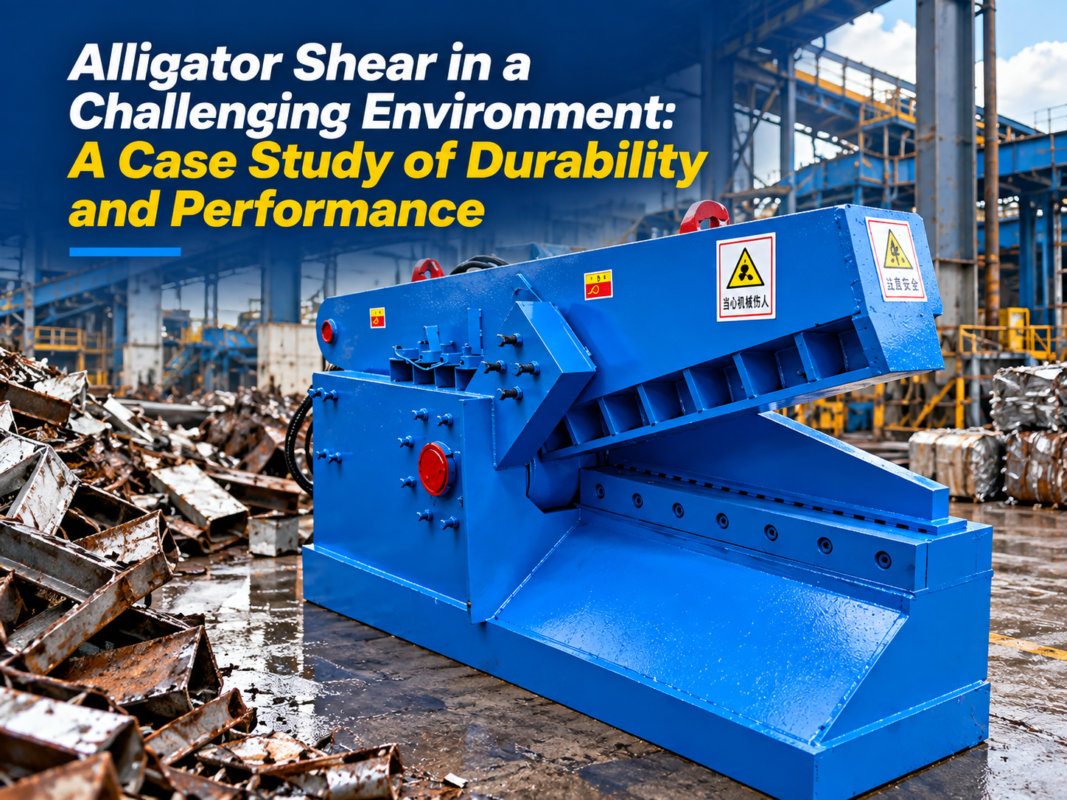
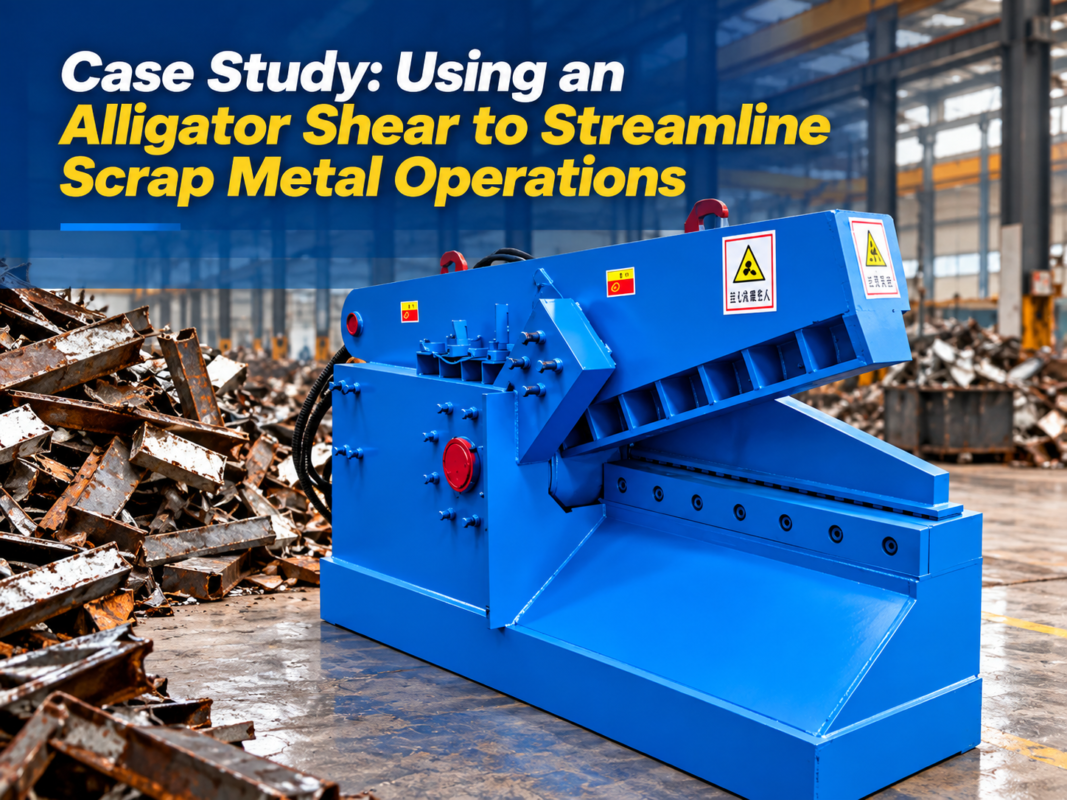
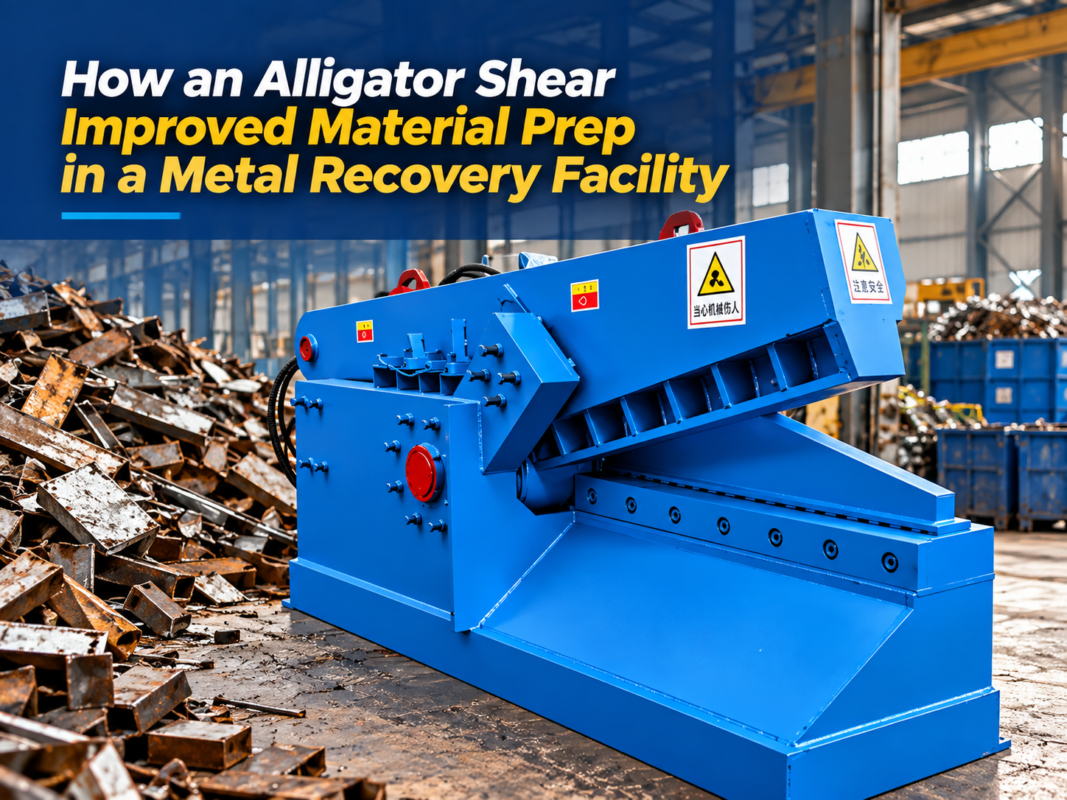
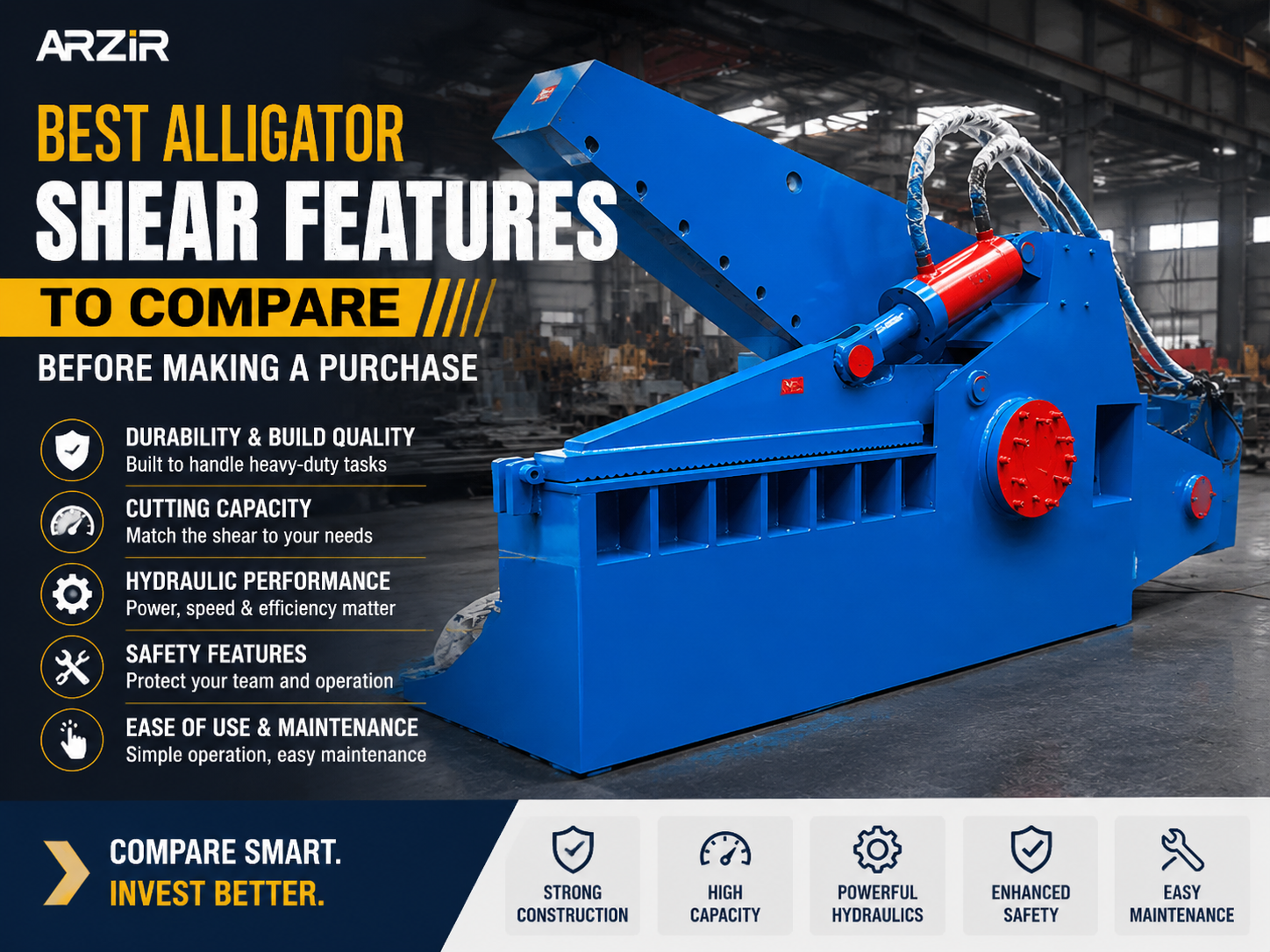
In the world of scrap metal recycling and industrial demolition, the alligator shear is an indispensable workhorse. Named for its characteristic jaw-like movement, this machine is designed to cut through various metal profiles, pipes, and scrap materials to prepare them for smelting or further processing. However, not all shears are created equal. When looking for the Best Alligator Shear Features Compare Before Making A Purchase, buyers must look beyond the surface-level aesthetics and dive deep into the technical specifications that dictate long-term performance and profitability.
Choosing the right alligator shear involves balancing initial capital expenditure with operational efficiency. A machine that is too small will struggle with heavy-duty profiles, leading to premature wear and potential hydraulic failure. Conversely, an oversized machine may result in unnecessary energy consumption and a slower return on investment. This guide is designed to provide a comprehensive breakdown of the critical features, costs, and configurations you need to evaluate to ensure your investment yields the highest possible returns in your metal fabrication or recycling facility.
Price Range Overview: What to Expect in the Market
The price of an alligator shear can vary significantly based on its capacity, automation level, and build quality. Generally, the market is divided into three main tiers: entry-level, mid-range industrial, and heavy-duty high-performance units. Understanding these price brackets is the first step in the Best Alligator Shear Features Compare Before Making A Purchase process.
Entry-level alligator shears, often used by smaller scrap yards or for light-duty non-ferrous metal processing, typically range from $3,000 to $8,000. These machines usually feature shorter blade lengths (around 400mm to 600mm) and lower cutting forces (under 60 tons). While affordable, they may lack advanced cooling systems or high-speed valves, making them less suitable for continuous, multi-shift operations.
Mid-range industrial shears, which are the most common in professional recycling centers, fall between $10,000 and $25,000. These units offer a balance of power and speed, with cutting forces ranging from 100 to 250 tons. They often include features like foot-pedal control, semi-automatic cycles, and improved hydraulic seals. For most medium-sized operations, this category provides the best value for money, offering the durability needed for daily processing of steel pipes, angles, and channels.
At the top end of the spectrum are heavy-duty, fully automated alligator shears, which can cost anywhere from $30,000 to over $60,000. These machines are designed for high-volume industrial environments. They feature massive cutting forces (up to 500 tons or more), long blades (1000mm+), and integrated conveyor systems. These units are often equipped with PLC (Programmable Logic Controller) systems and advanced oil cooling to handle 24/7 operation without overheating.
Main Cost Drivers: What Influences the Final Quote?
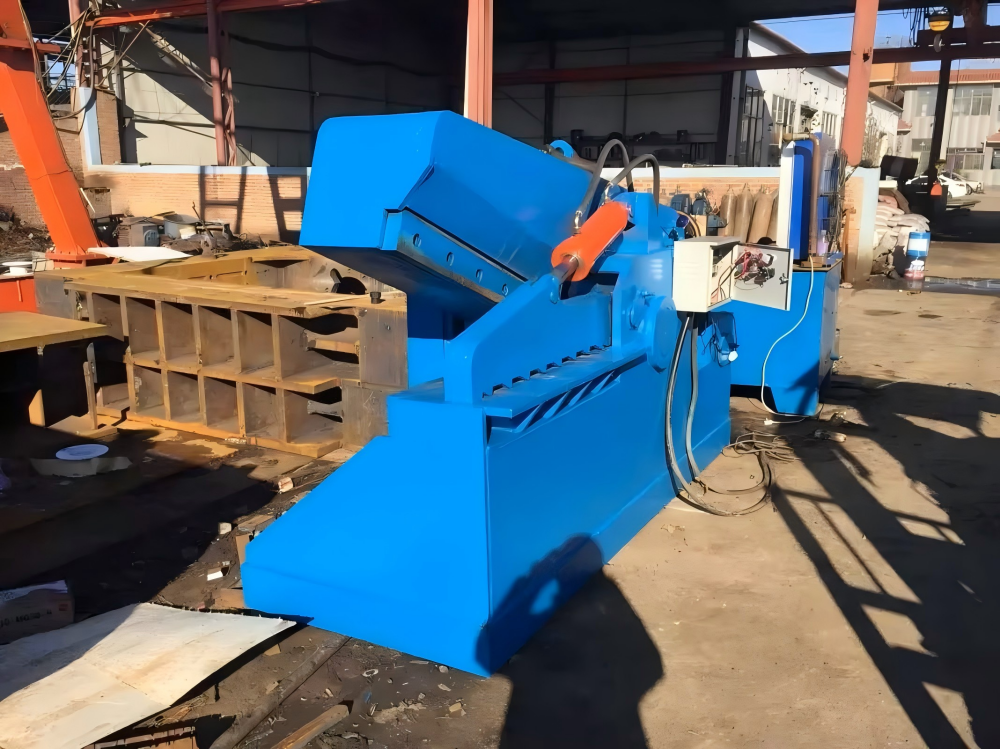
When you begin to Best Alligator Shear Features Compare Before Making A Purchase, you will notice that two machines with similar appearances can have vastly different price tags. This is usually due to several internal cost drivers that affect the machine’s capability and lifespan. The most significant driver is the cutting force, measured in tons. Higher tonnage requires larger hydraulic cylinders, more robust frames, and more powerful motors, all of which increase the manufacturing cost.
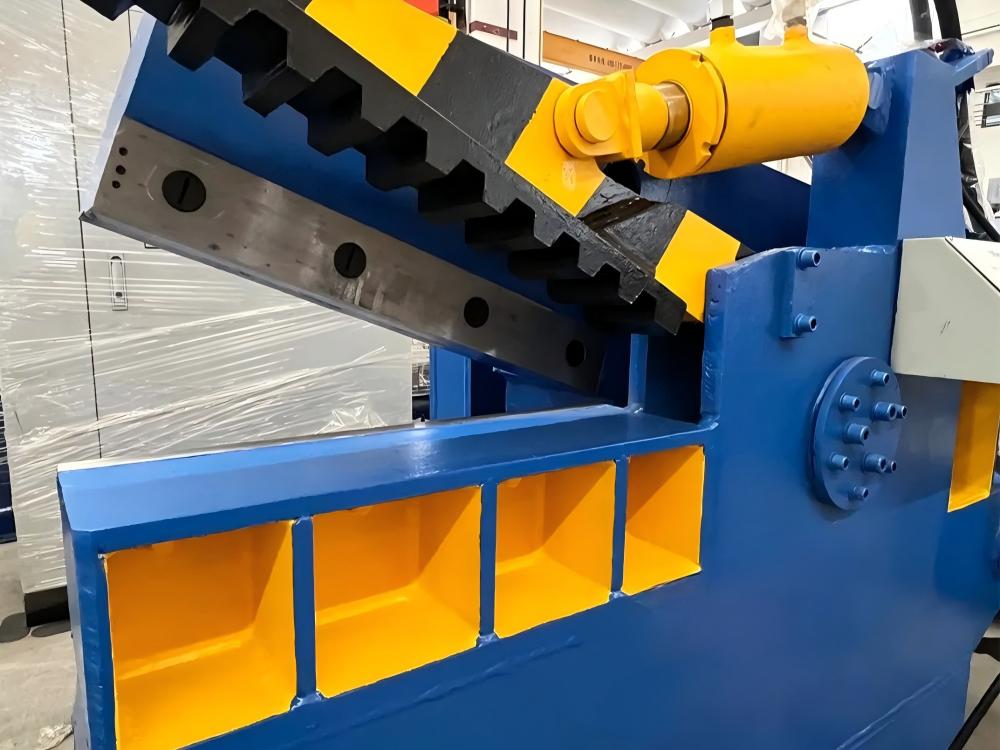
Blade length is another critical factor. Longer blades allow for the processing of larger scrap pieces in a single stroke, increasing throughput. However, longer blades also require a more rigid jaw structure to prevent deflection during cutting. The material of the blades themselves—typically high-strength tool steel like 9CrSi or Cr12MoV—also impacts the price. Premium blade materials stay sharp longer and resist chipping when cutting hardened alloys, reducing the frequency of blade rotations and replacements.
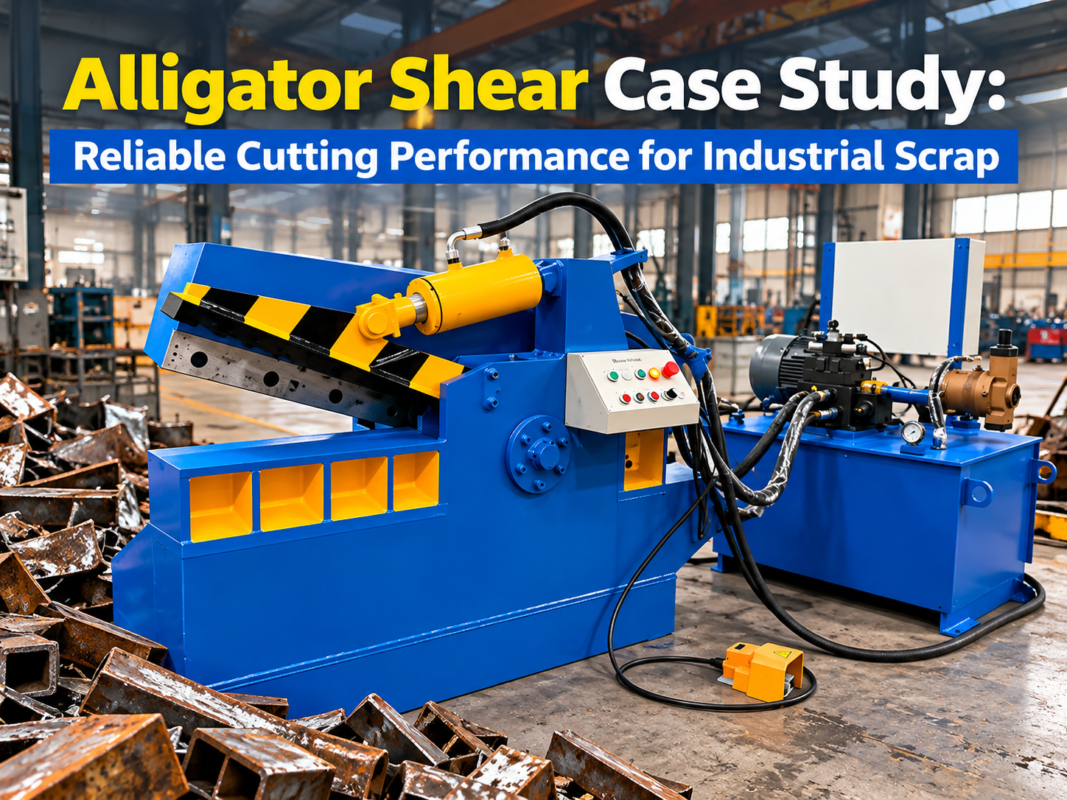
The hydraulic system’s complexity also plays a role. High-quality pumps (such as those from Rexroth or Vickers) and valves are more expensive but offer better reliability and smoother operation. Furthermore, the inclusion of a high-speed circuit can significantly reduce cycle times. By using a regenerative valve system, the shear can close the jaw quickly until it meets resistance, at which point it switches to full power. This feature increases productivity by up to 30%, but it adds to the initial machine cost.
Configuration Impact: Customizing for Your Needs
The configuration of an alligator shear should be tailored to the specific types of metal you process most frequently. For instance, if your facility primarily handles long aluminum extrusions, a shear with a longer blade and a faster cycle time is more beneficial than one with extreme cutting force. Conversely, if you are processing heavy steel rebar or thick-walled pipes, raw tonnage becomes the priority.
One of the Best Alligator Shear Features Compare Before Making A Purchase is the control system. Manual control via a hand lever is common on older or budget models, but modern industrial shears utilize foot pedals or fully automatic PLC-driven cycles. Automatic cycles allow the operator to focus on feeding the material, which improves safety and consistency. Some high-end configurations even include sensors that detect the material thickness and adjust the stroke length accordingly, saving time on smaller pieces.
Cooling and filtration systems are often overlooked configuration options. In hot climates or high-volume settings, hydraulic oil can quickly overheat, leading to seal failure and reduced pump life. An integrated air or water cooling system is essential for maintaining the oil’s viscosity. Additionally, a high-quality oil filtration system prevents metal shavings and contaminants from damaging the sensitive hydraulic valves, extending the overall service life of the machine.
Hidden Costs: Beyond the Initial Price Tag
When calculating the total cost of ownership, buyers must look beyond the sticker price. Shipping and installation are the first hidden costs to consider. Because alligator shears are heavy, industrial machines, freight costs can be substantial, especially for international shipments. You may also need a forklift or crane to position the machine and a qualified electrician to handle the high-voltage power requirements.
Maintenance and wear parts represent ongoing hidden costs. The blades on an alligator shear are consumables. Depending on the volume and type of material being cut, they will need to be rotated (most blades have four usable edges) and eventually replaced. High-quality replacement blades can cost several hundred dollars per set. Furthermore, hydraulic oil needs to be changed periodically, and seals may need replacement every few years to prevent leaks.
Energy consumption is another factor. A machine with a 22kW motor will cost significantly more to run over a year than one with a 15kW motor. However, if the 22kW motor allows for faster processing, the cost per ton of processed scrap may actually be lower. It is important to evaluate the motor efficiency and the hydraulic system’s power management to understand the long-term electrical impact on your facility’s utility bills.
ROI Calculation: How Fast Will the Machine Pay for Itself?
The Return on Investment (ROI) for an alligator shear is primarily driven by the increase in the value of processed scrap. Unprocessed, bulky scrap metal often fetches a lower price at the mill because it is difficult to transport and melt. By cutting the scrap into uniform, manageable sizes (often referred to as “prepared scrap”), you can command a higher price per ton. To calculate ROI, you must estimate the price difference between unprepared and prepared scrap and multiply it by your monthly volume.
For example, if preparing scrap increases its value by $40 per ton and the machine allows you to process 100 tons per month, you are generating an additional $4,000 in monthly revenue. If the machine cost $20,000, the “payback period” would be 5 months, excluding labor and electricity costs. When you Best Alligator Shear Features Compare Before Making A Purchase, always look for features that maximize this throughput, such as faster cycle times and easier material feeding, as these directly shorten the ROI period.
Labor savings also contribute to ROI. A more powerful shear can cut through bundles of material that might otherwise require manual torch cutting. Torch cutting is slow, requires expensive gases, and poses significant safety risks. Replacing manual labor with a hydraulic shear not only speeds up production but also reduces the risk of workplace injuries, which can be incredibly costly in terms of insurance premiums and downtime.
Buying Advice: A Checklist for Smart Purchasing
Before finalizing your purchase, it is vital to perform a thorough evaluation of the manufacturer and the specific machine model. Here is a checklist of the Best Alligator Shear Features Compare Before Making A Purchase:
- Cutting Capacity: Does the machine’s rated tonnage match the thickest material you plan to cut? Always choose a machine with about 20% more capacity than your average requirement to avoid straining the system.
- Blade Quality: Ask about the blade material and whether they are four-sided. This effectively quadruples the life of a single set of blades.
- Hydraulic Components: Are the pumps and valves from reputable brands? Availability of spare parts is crucial for minimizing downtime.
- Safety Features: Does the machine include a protective cage for the operator? Is there an emergency stop button within easy reach?
- Cycle Time: How many cuts per minute can the machine perform? Faster is generally better, but ensure the machine remains stable at high speeds.
- Warranty and Support: What kind of after-sales support does the manufacturer offer? A machine is only as good as the service behind it.
At HARSLE, we recommend requesting a video of the machine in action, preferably cutting a material similar to what you will be processing. This allows you to observe the jaw speed, the smoothness of the hydraulic stroke, and the overall build quality. Additionally, check the weight of the machine; a heavier machine often indicates a more robust frame and better vibration dampening, which leads to a longer operational life.
Frequently Asked Questions (FAQ)
1. What is the difference between an alligator shear and a container shear?
An alligator shear is a smaller, open-jaw machine used for manual feeding and cutting of individual pieces or small bundles. A container shear is a much larger, enclosed system that can process entire car bodies or large volumes of scrap automatically. Alligator shears are more versatile for detailed sorting and smaller yards, while container shears are for high-volume industrial processing.
2. How often do the blades need to be sharpened or replaced?
This depends entirely on the material being cut. If you are cutting soft aluminum, blades can last for months before needing a rotation. If you are cutting hardened steel rebar, you may need to rotate the blades every few weeks. Most alligator shear blades have four cutting edges; once all four are dull, they must be professionally reground or replaced.
3. Can an alligator shear cut through stainless steel?
Yes, but stainless steel is much harder than mild steel. You will need a shear with higher cutting force and high-quality Cr12MoV or similar alloy blades. Cutting stainless steel will also wear the blades down faster than cutting carbon steel or non-ferrous metals.
4. Is a 3-phase power supply required?
Most industrial alligator shears require a 3-phase power supply (e.g., 380V or 415V) to provide enough torque for the hydraulic pump. Smaller, portable units might run on single-phase power, but they are generally not suitable for heavy industrial use.
5. What maintenance is required for the hydraulic system?
Regular maintenance includes checking oil levels daily, changing the hydraulic oil every 1,000 to 2,000 hours of operation, and replacing the oil filter regularly. You should also inspect hoses for leaks or cracks and ensure the cooling system is free of debris to prevent overheating.
6. How do I choose the right blade length?
The blade length should be slightly longer than the widest piece of scrap you intend to cut. Common lengths are 600mm, 800mm, and 1000mm. A longer blade offers more flexibility but requires a more powerful machine to maintain the same cutting pressure across the entire length of the blade.
Conclusion
Investing in the right machinery is a pivotal decision for any metal recycling or fabrication business. By focusing on the Best Alligator Shear Features Compare Before Making A Purchase—such as cutting force, blade quality, and hydraulic efficiency—you can ensure that your equipment not only meets your current needs but also scales with your business growth. Remember that the cheapest option is rarely the most cost-effective in the long run. Prioritize durability, safety, and ease of maintenance to maximize your ROI and keep your operations running smoothly for years to come. HARSLE remains committed to providing high-quality, reliable alligator shears that empower businesses to process scrap metal more efficiently and profitably.