What to Look for Before Buying an Alligator Shear for Industrial Scrap Processing

Introduction to Industrial Alligator Shears
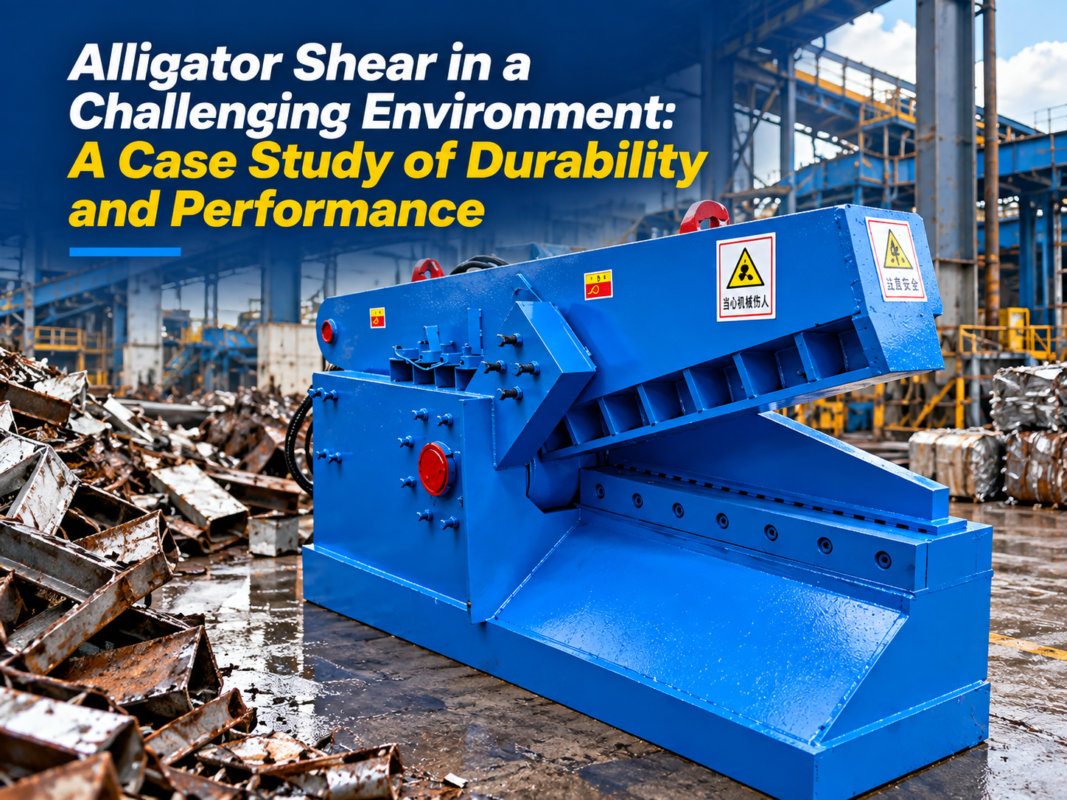
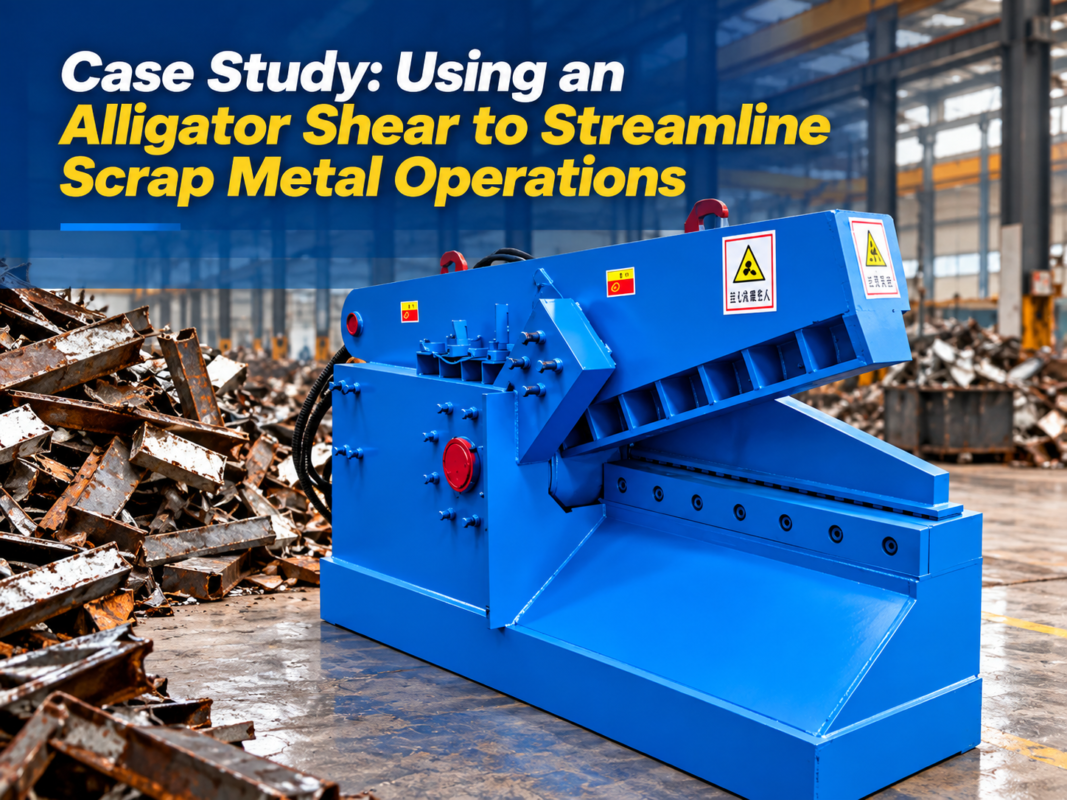
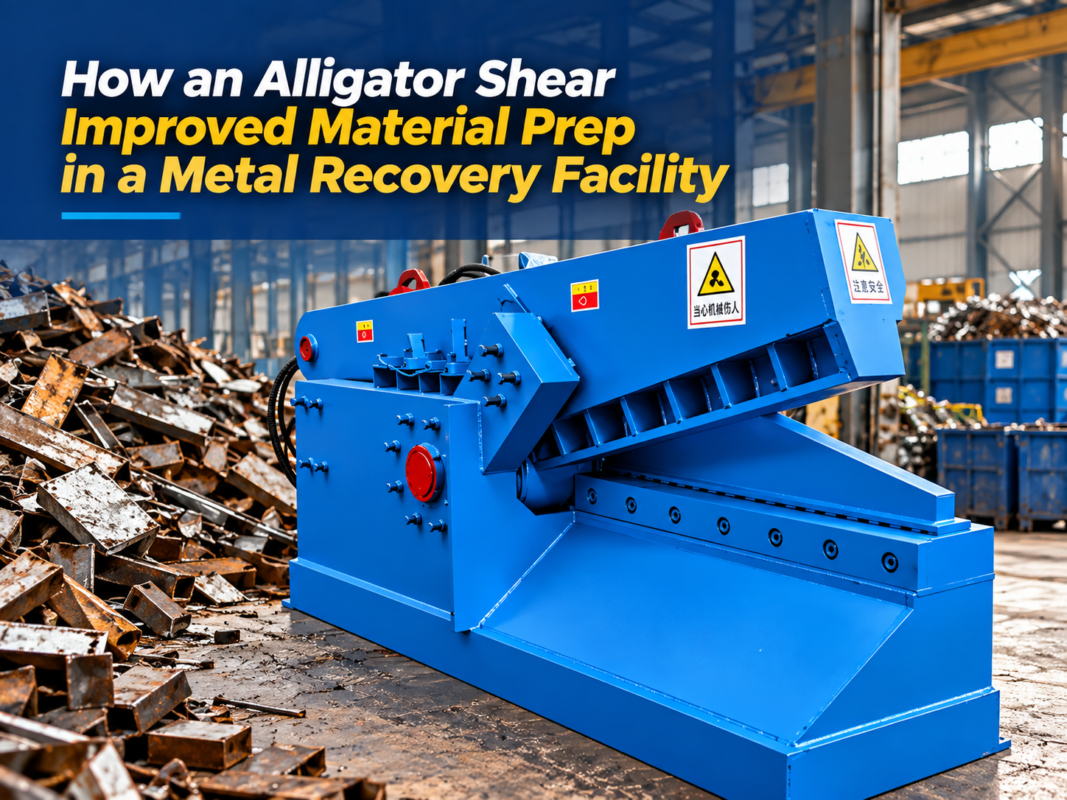
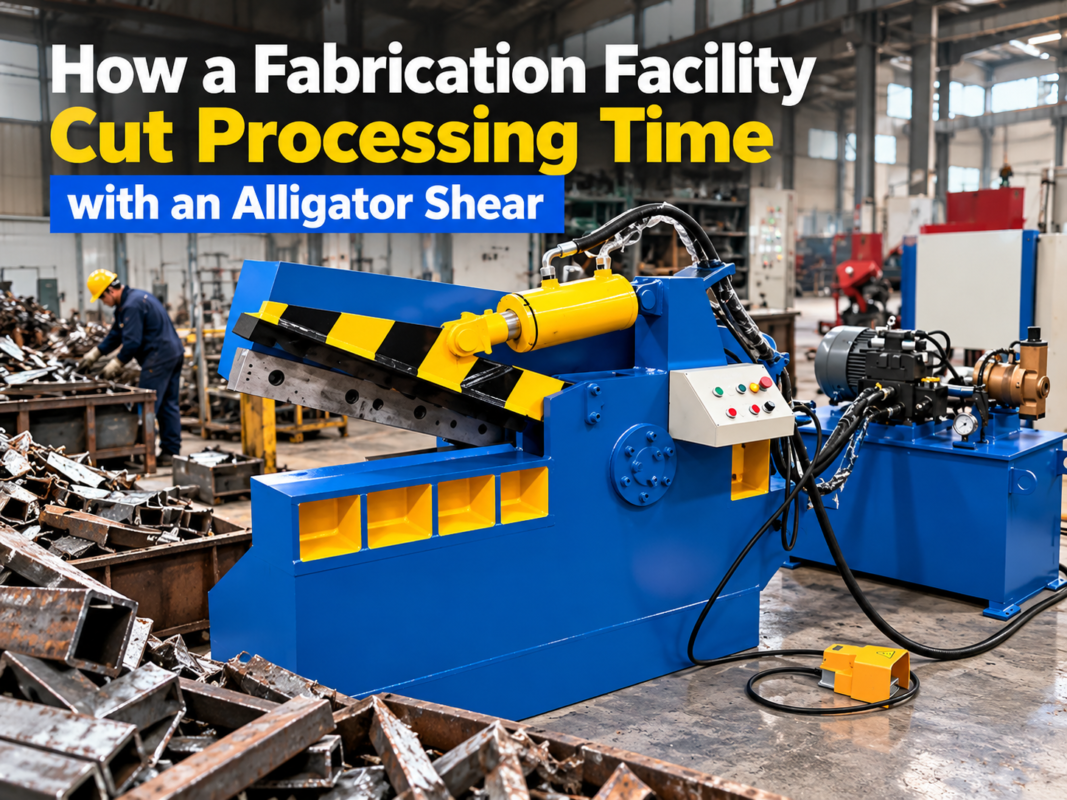
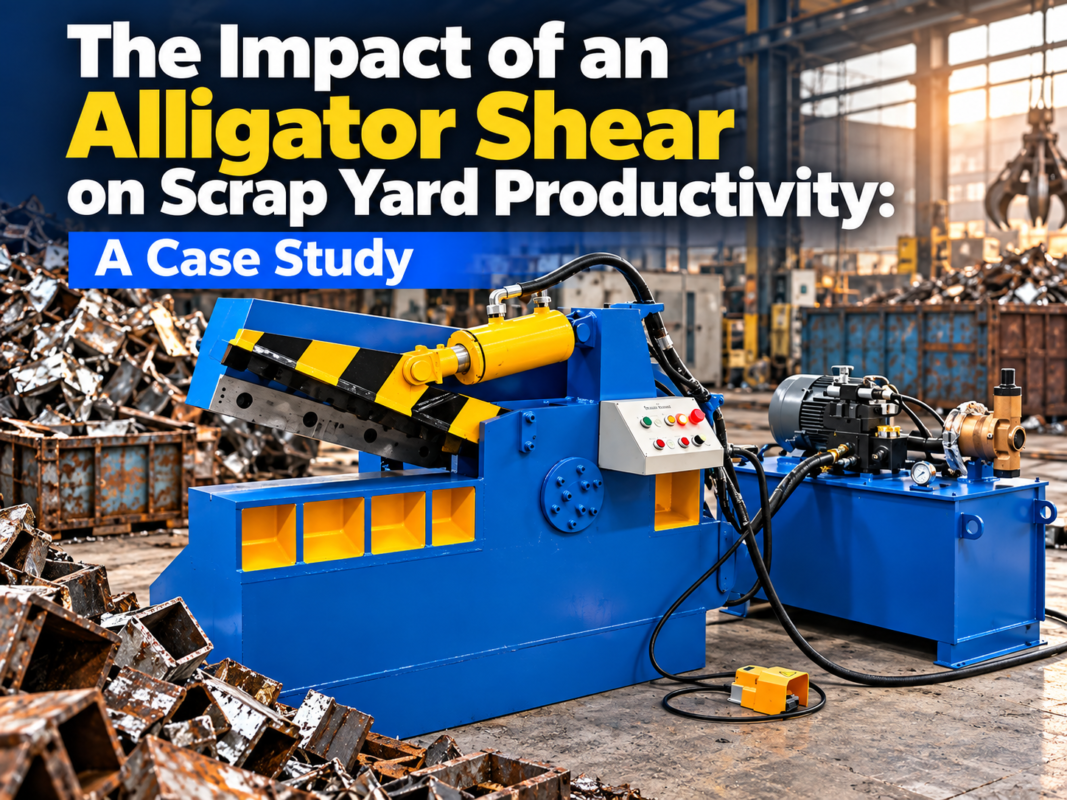
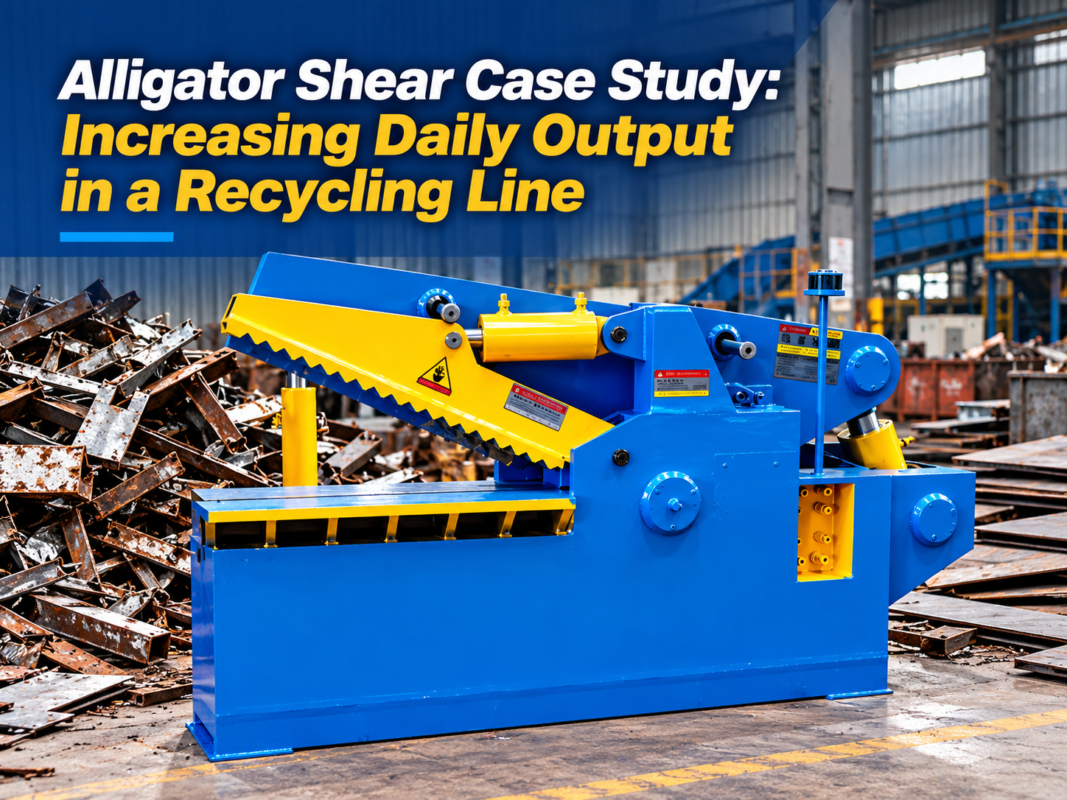
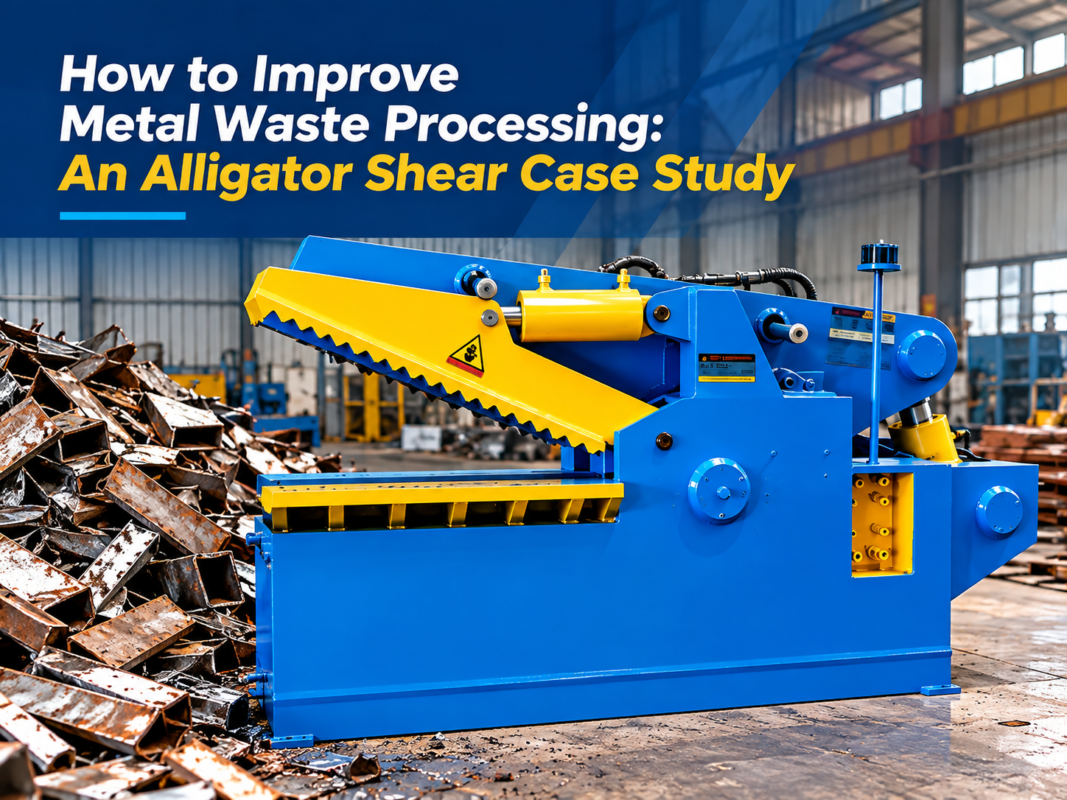
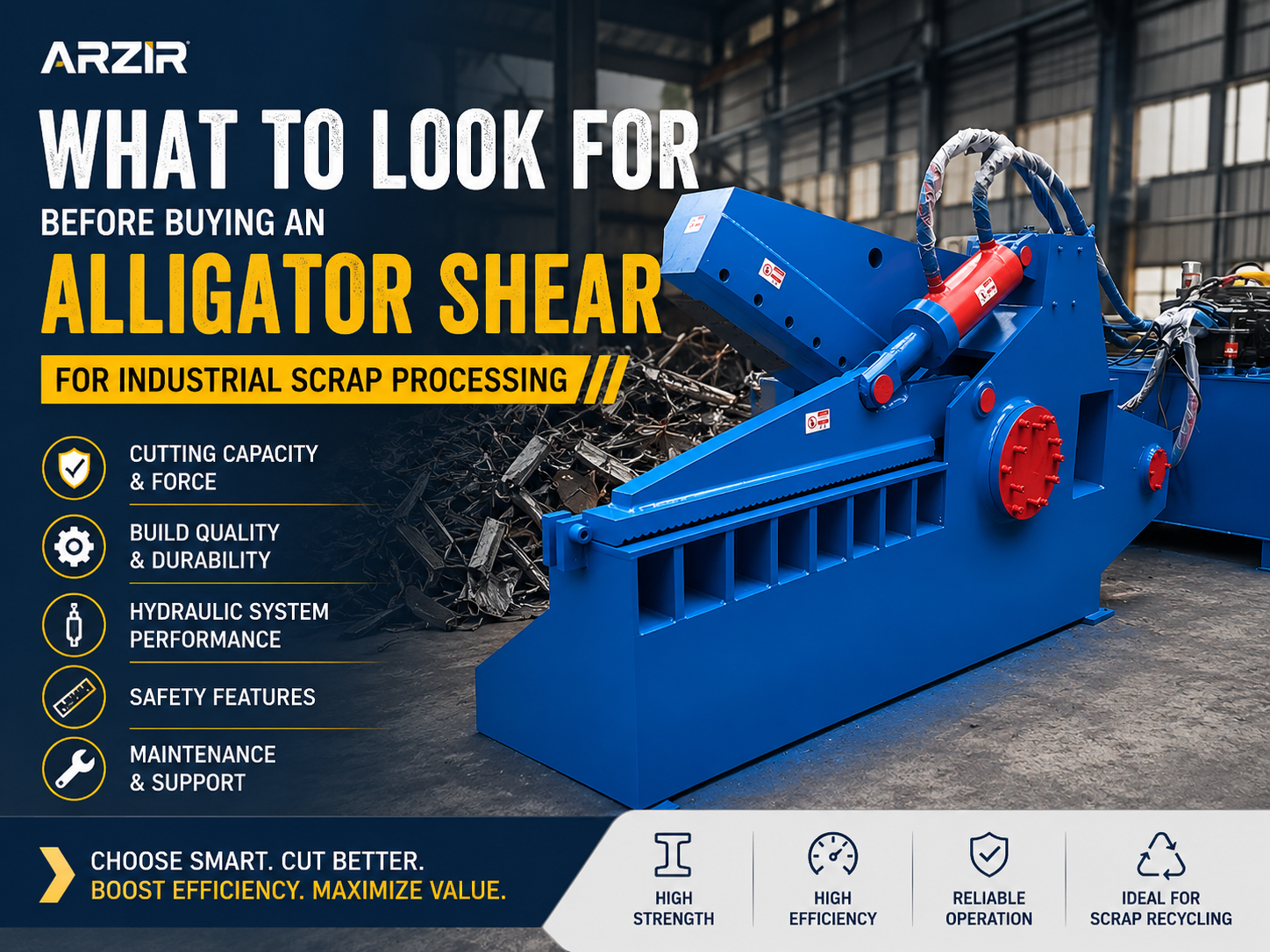
In the high-stakes world of metal recycling and industrial scrap management, efficiency is the primary driver of profitability. The alligator shear, named for its characteristic jaw-like movement, remains a cornerstone of this industry. Whether you are processing non-ferrous metals like copper and aluminum or tackling heavier steel sections, understanding what to Look Before Buying An Alligator Shear Industrial Scrap Processing is critical to ensuring your investment yields long-term returns. These machines are designed to cold-cut various metal shapes—pipes, rods, sheets, and profiles—into manageable sizes for further processing or smelting.
HARSLE has long been at the forefront of manufacturing robust hydraulic machinery, and our alligator shears are engineered to withstand the grueling environments of scrap yards. However, the market is flooded with options ranging from lightweight workshop models to heavy-duty industrial giants. Choosing the wrong machine can lead to frequent downtime, safety hazards, and insufficient cutting force. This guide provides a deep dive into the technical and financial considerations every buyer must weigh before signing a purchase order.
Price Range Overview: Understanding the Market Tiers
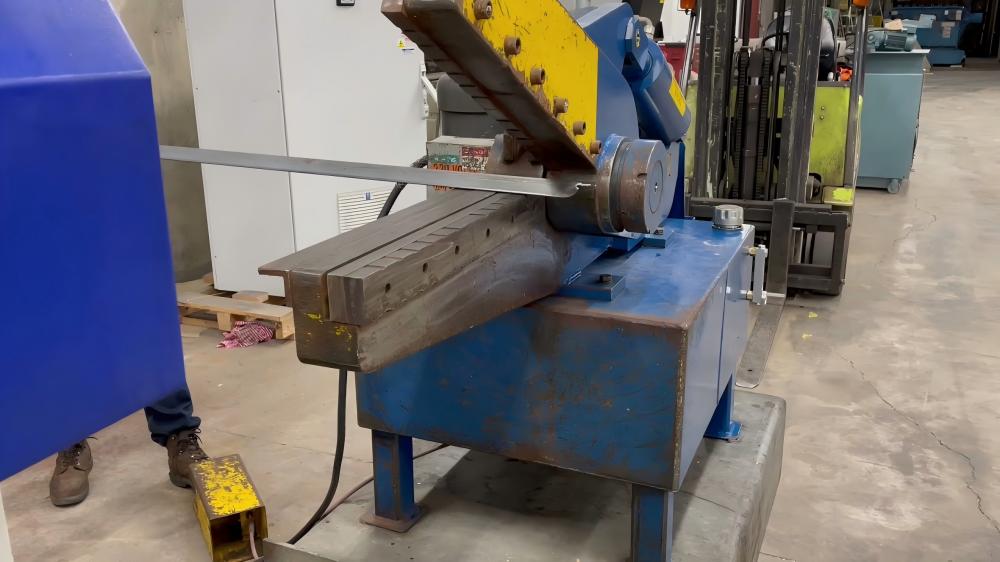
The price of an alligator shear is primarily dictated by its cutting force (tonnage) and blade length. For industrial scrap processing, machines typically fall into three broad price categories. Entry-level machines, often ranging from $3,000 to $8,000, are suitable for small-scale recycling centers focusing on thin-walled aluminum and copper tubing. These machines usually offer a cutting force between 63 and 100 tons and feature shorter blade lengths (around 400mm to 600mm).
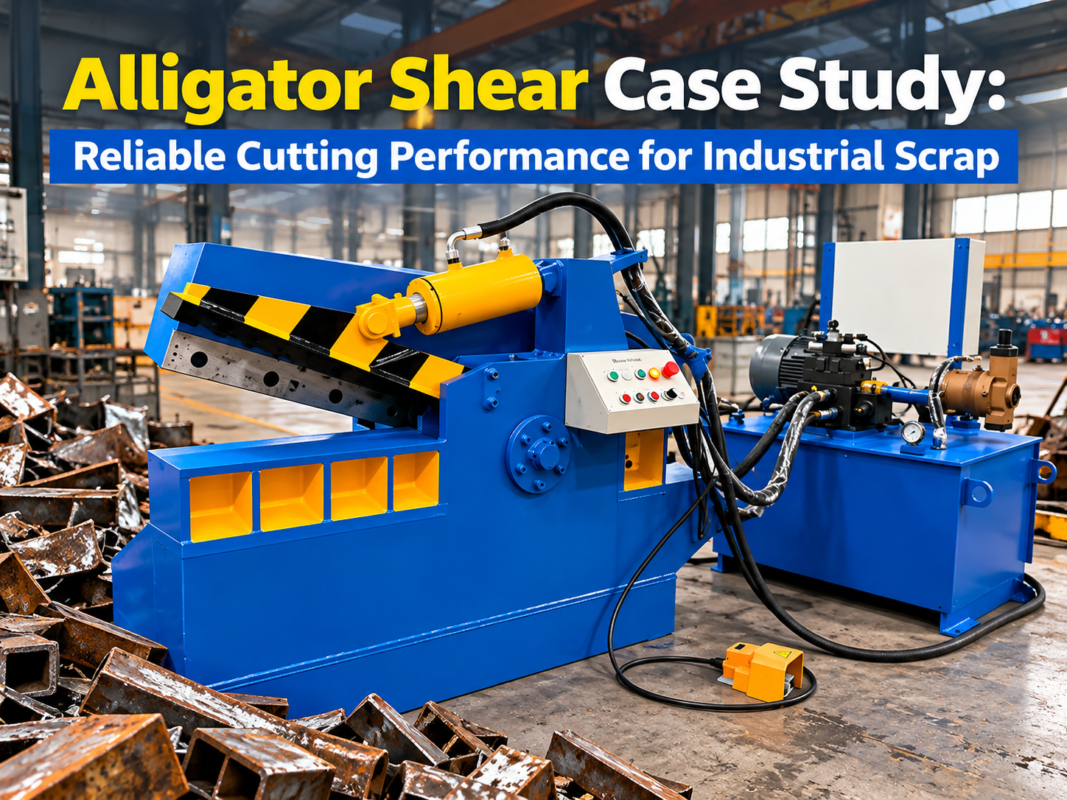
Mid-range industrial shears, priced between $10,000 and $25,000, are the workhorses of the industry. These units provide cutting forces from 120 to 250 tons and are capable of handling thicker steel profiles and larger volumes of scrap. They often include better hydraulic cooling systems and more durable blade materials, making them suitable for 8-hour daily shifts. At this level, you begin to see features like automatic hold-down devices and foot-pedal controls that improve operator safety and throughput.
Heavy-duty and custom-engineered shears can exceed $40,000. These machines are designed for 24/7 operations in large-scale smelting plants or massive scrap yards. With cutting forces exceeding 500 tons and blade lengths up to 1200mm, they can slice through heavy structural steel beams and large-diameter pipes with ease. When you Look Before Buying An Alligator Shear Industrial Scrap Processing, it is vital to match the machine’s price tier with your actual volume requirements to avoid over-investing in capacity you won’t use or under-investing in a machine that will fail under heavy loads.
Main Cost Drivers in Alligator Shear Manufacturing
Several factors contribute to the final price tag of an alligator shear, and understanding these helps you distinguish between a ‘cheap’ machine and a ‘valuable’ one. The first major driver is the quality of the hydraulic system. High-end shears utilize pumps and valves from reputable brands like Rexroth or Vickers. These components offer higher precision, better heat dissipation, and a significantly longer lifespan than generic alternatives. A high-quality hydraulic pump ensures consistent pressure, which is essential for clean cuts through tough materials.
The second driver is the metallurgy of the blades. Industrial scrap processing is incredibly abrasive. Blades made from 9CrSi or H13 tool steel are standard for high-quality machines. These materials are heat-treated to achieve a specific hardness that allows them to maintain a sharp edge while remaining tough enough to resist chipping. The cost of the machine increases with the quality of the blade steel, but this is an area where cutting corners leads to high maintenance costs later.
Frame construction and steel thickness also play a massive role. A shear must withstand immense internal stresses during the cutting cycle. HARSLE utilizes heavy-duty Q235B or Q345B steel plates, precision-welded and stress-relieved, to prevent the frame from warping over time. A lighter, cheaper frame may flex during heavy cuts, leading to blade misalignment and premature wear on the hydraulic cylinders. Finally, the inclusion of advanced electronics, such as PLC controls and safety sensors, adds to the initial cost but enhances operational efficiency and safety.
Configuration Impact: Tailoring the Machine to Your Scrap
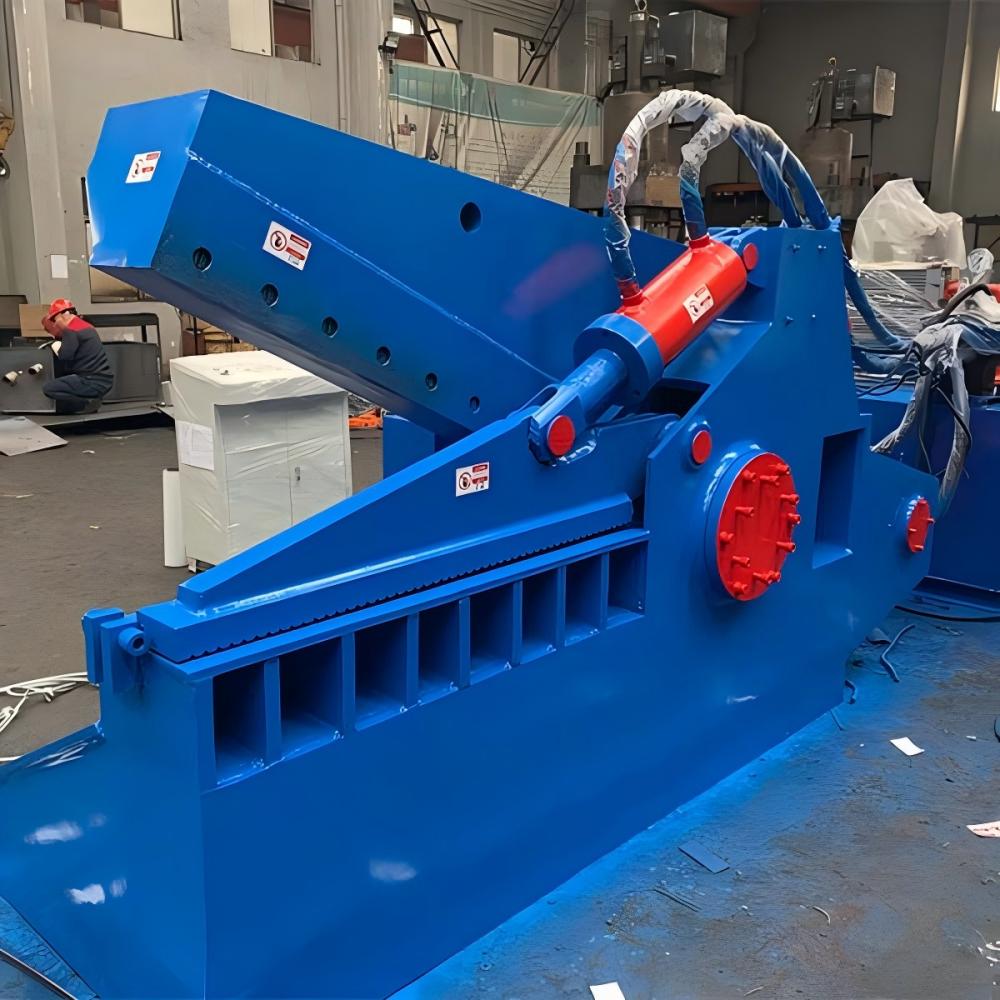
When evaluating what to Look Before Buying An Alligator Shear Industrial Scrap Processing, the configuration of the machine must align with the specific types of scrap you process. The blade length is perhaps the most visible configuration choice. Shorter blades (400-600mm) offer higher concentrated force at the throat of the shear, which is ideal for thick, solid bars. Longer blades (800-1200mm) allow for the processing of wider sheets and bulky items like car radiators or large-diameter thin-walled pipes in a single stroke.
Cutting force, measured in tons, is the next critical configuration. If your primary material is aluminum extrusions, a 100-ton shear is likely sufficient. However, if you are processing HMS (Heavy Melting Scrap) or structural I-beams, you will need at least 250 to 400 tons of force. It is always recommended to choose a machine with a 20% higher capacity than your thickest material requires to prevent the hydraulic system from constantly running at its maximum relief pressure, which shortens the life of the seals and pump.
Another configuration to consider is the cooling system. In hot climates or high-volume operations, the hydraulic oil can quickly overheat, leading to a loss of viscosity and potential damage to the pump. Opting for an air-cooled or water-cooled heat exchanger is a wise configuration choice for industrial environments. Additionally, consider the stroke speed. Some machines offer a ‘high-speed’ circuit that allows the jaw to close quickly until it meets resistance, then switch to high-pressure for the cut. This significantly reduces cycle times and increases hourly throughput.
Hidden Costs of Ownership
The purchase price is only the beginning of the financial commitment. One of the most overlooked hidden costs is shipping and installation. These machines are heavy—often weighing between 2 and 10 tons. Freight costs, especially for international shipping, can be substantial. Furthermore, you may need a crane or heavy-duty forklift to position the machine in your facility. Electrical infrastructure is another factor; industrial shears require 3-phase power, and you may need to upgrade your shop’s wiring or transformer to handle the motor’s start-up current.
Maintenance is a recurring cost that must be factored into your budget. Hydraulic oil needs to be changed periodically (usually every 2,000 operating hours), and filters must be replaced to keep the system clean. Blades are a consumable item. Even the best blades will eventually dull and require sharpening or replacement. A set of replacement blades for a large shear can cost several hundred dollars. If you process particularly dirty or sandy scrap, the wear on the blades and seals will be accelerated.
Labor and safety compliance also represent ongoing costs. Operating an alligator shear requires a trained worker. If the machine lacks modern safety features like a protective cage or an emergency stop foot pedal, you may face higher insurance premiums or potential fines from workplace safety regulators. Investing in a machine with integrated safety features might have a higher upfront cost but saves money by reducing the risk of expensive workplace accidents.
ROI Calculation: When Will the Machine Pay for Itself?
Calculating the Return on Investment (ROI) for an alligator shear involves comparing the cost of the machine against the increased value of processed scrap and labor savings. Unprocessed scrap metal is often bought at a lower price because it is bulky and difficult to transport. By shearing the metal into standard sizes (e.g., 2-foot or 3-foot lengths), you can sell it to smelters at a premium ‘prepared’ rate. The difference between the ‘unprepared’ and ‘prepared’ price per ton is your primary revenue driver.
For example, if the price difference is $40 per ton and your HARSLE alligator shear allows you to process 5 tons of scrap per day, you are generating an additional $200 in value daily. If the machine cost $15,000, the payback period based on material value alone would be 75 operating days. However, you must also subtract the costs of electricity, labor, and maintenance. Even with these deductions, most industrial scrap yards find that a well-chosen alligator shear pays for itself within 6 to 12 months of consistent use.
Furthermore, consider the volume efficiency. Sheared scrap is denser, meaning you can fit more weight into a single truckload or shipping container. This reduces your logistics costs significantly. If you can reduce your shipping frequency by 20% because your scrap is properly sized, those savings go directly to your bottom line. When you Look Before Buying An Alligator Shear Industrial Scrap Processing, perform this ROI calculation using your local scrap prices to determine which machine size offers the fastest path to profitability.
Buying Advice: A Checklist for Success
Before finalizing your purchase, follow this checklist to ensure you are getting the best equipment for your needs:
- Verify the Material Capacity: Don’t just take the manufacturer’s word for it. Ask for a video of the machine cutting the specific thickness and grade of metal you process most frequently.
- Check the Hydraulic Components: Ensure the pump and valves are from a brand that has a local service presence. If a valve fails, you don’t want to wait three weeks for a part from overseas.
- Inspect the Blade Design: Look for blades that are four-sided. This allows you to rotate the blade to a new sharp edge four times before needing to regrind or replace it, effectively quadrupling the blade’s life.
- Evaluate the Safety Features: Does the machine have a sturdy hold-down device? Is there a clear guard to prevent metal shards from flying toward the operator? Safety is not just about ethics; it’s about protecting your business from liability.
- Assess After-Sales Support: Choose a manufacturer like HARSLE that provides comprehensive manuals, technical support, and a ready supply of spare parts. A machine is only as good as the support behind it.
Finally, consider the footprint of the machine. Ensure you have enough space in your yard not only for the shear itself but for the ‘in-feed’ and ‘out-feed’ areas. Efficient scrap processing requires a logical flow of material, and a cramped workspace can lead to bottlenecks and safety hazards.
Frequently Asked Questions (FAQ)
1. What is the difference between a mechanical and a hydraulic alligator shear?
Mechanical shears use a flywheel and clutch system to drive the jaw. They are generally faster but offer less control and can be more dangerous if a jam occurs. Hydraulic shears, like those offered by HARSLE, use fluid pressure to provide consistent force throughout the entire stroke. They are much safer, easier to maintain, and allow the operator to stop or reverse the jaw at any point.
2. How often do the blades need to be sharpened?
This depends entirely on the material being cut. If you are cutting clean aluminum, blades may last for months. If you are cutting sandy, rusted steel or reinforced cable, you may need to rotate or sharpen the blades every few weeks. Most industrial blades can be reground several times before they need to be replaced entirely.
3. Can an alligator shear cut stainless steel?
Yes, but stainless steel is much harder than mild steel. You will need a machine with a higher tonnage rating and high-quality H13 tool steel blades. Cutting stainless steel will also dull the blades faster than cutting carbon steel or non-ferrous metals.
4. Do I need a special foundation for the machine?
For smaller shears (under 120 tons), a standard reinforced concrete factory floor is usually sufficient. For larger, heavy-duty shears, a dedicated concrete pad may be required to absorb the vibrations and weight of the machine. Always check the manufacturer’s installation requirements.
5. What safety gear should an operator wear?
Operators must always wear safety glasses or a face shield, heavy-duty gloves, steel-toed boots, and hearing protection. Because alligator shears can occasionally cause metal to ‘flick’ or ‘splinter’ during a cut, a protective apron is also recommended.
6. Is it better to buy a new or used alligator shear?
While used machines are cheaper, they often come with hidden hydraulic leaks, worn-out bushings, or fatigued frames. For a critical piece of industrial equipment, buying new from a reputable manufacturer like HARSLE ensures you have a warranty, modern safety features, and a machine with its full service life ahead of it.