How to Buy the Right Alligator Shear for Heavy-Duty Metal Recycling

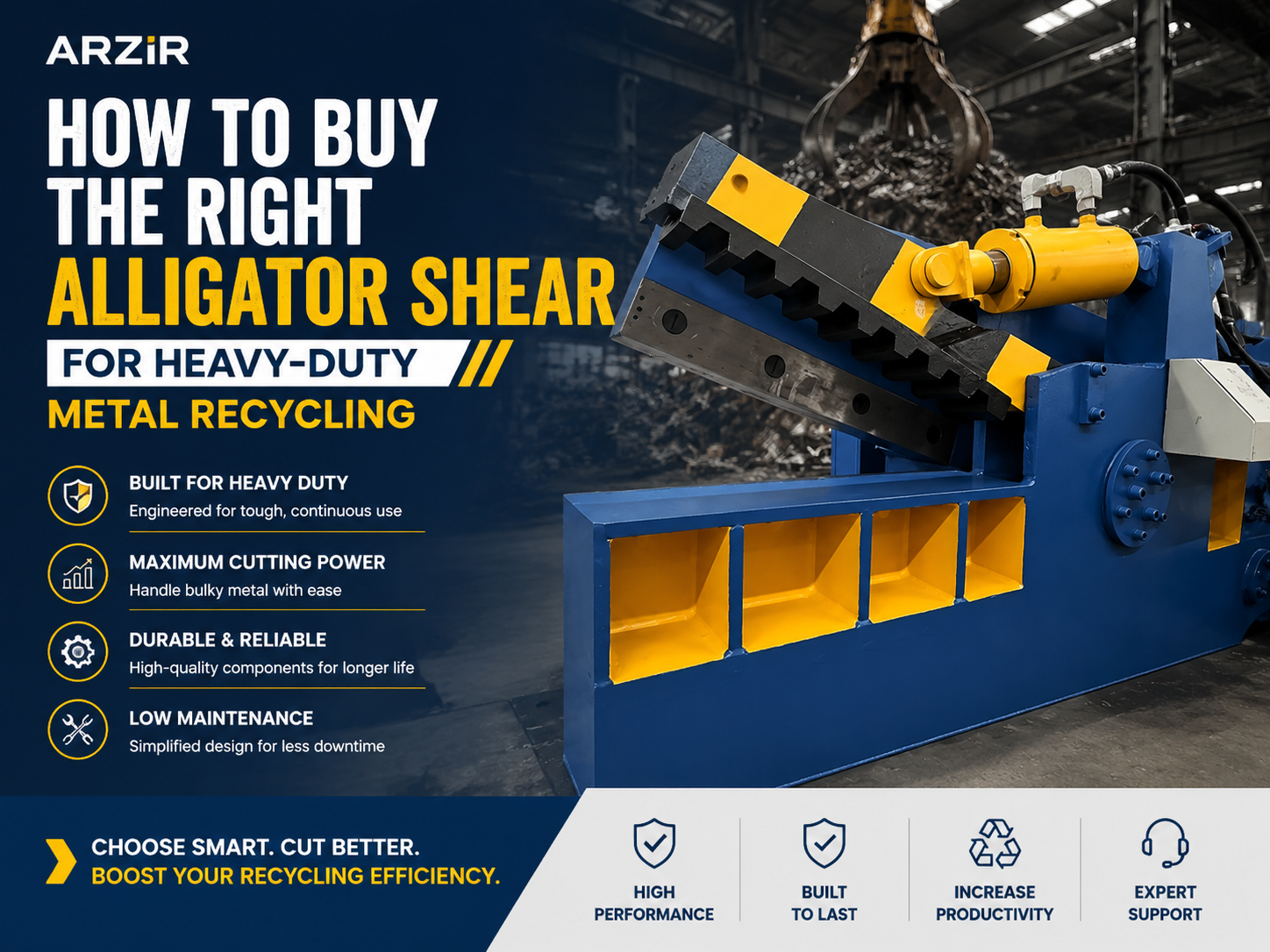
Introduction to Alligator Shears in Heavy-Duty Metal Recycling
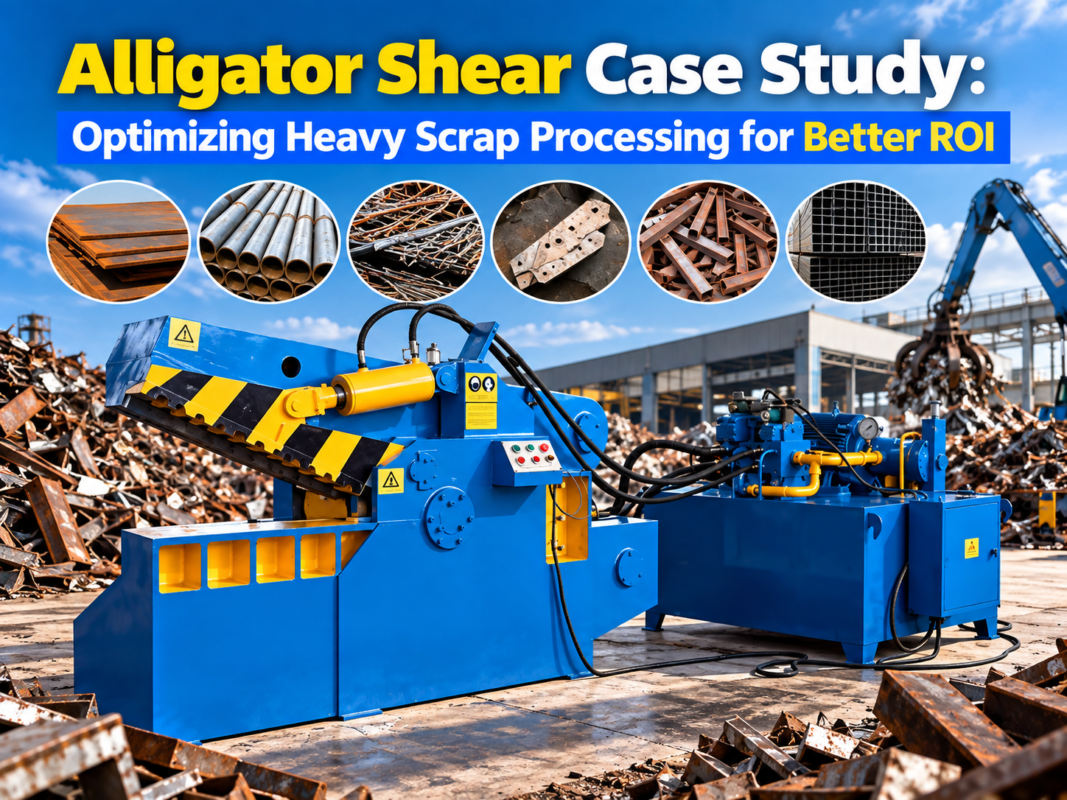
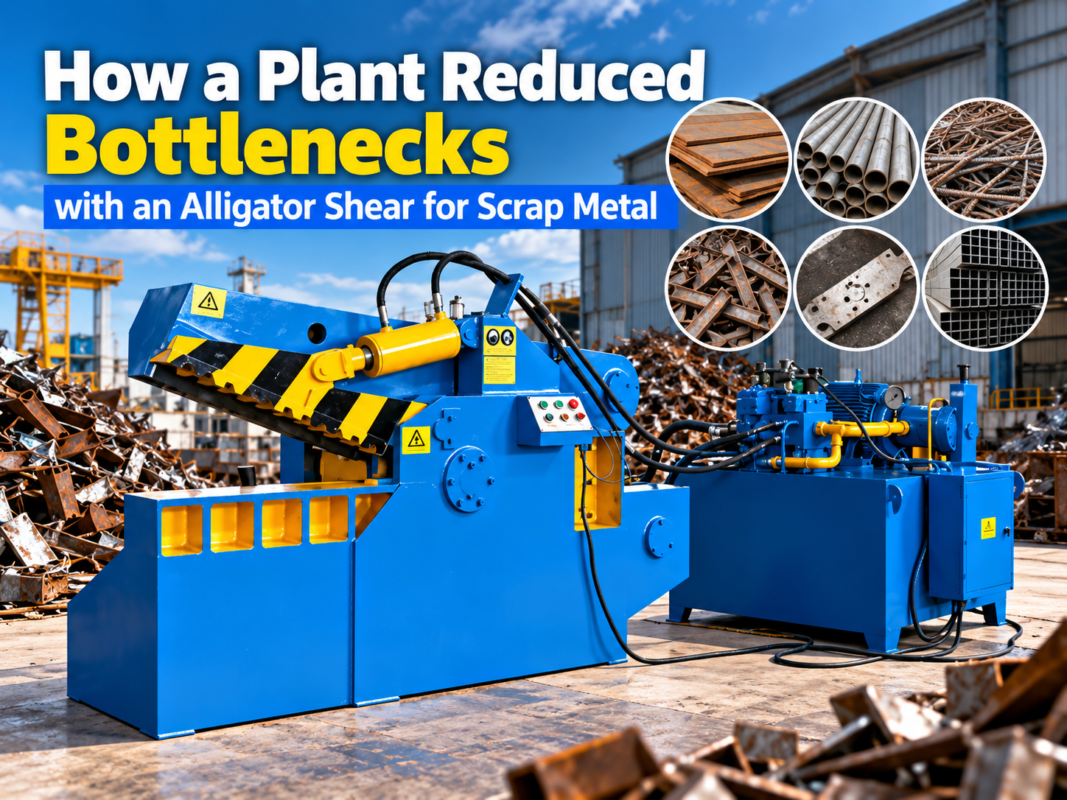
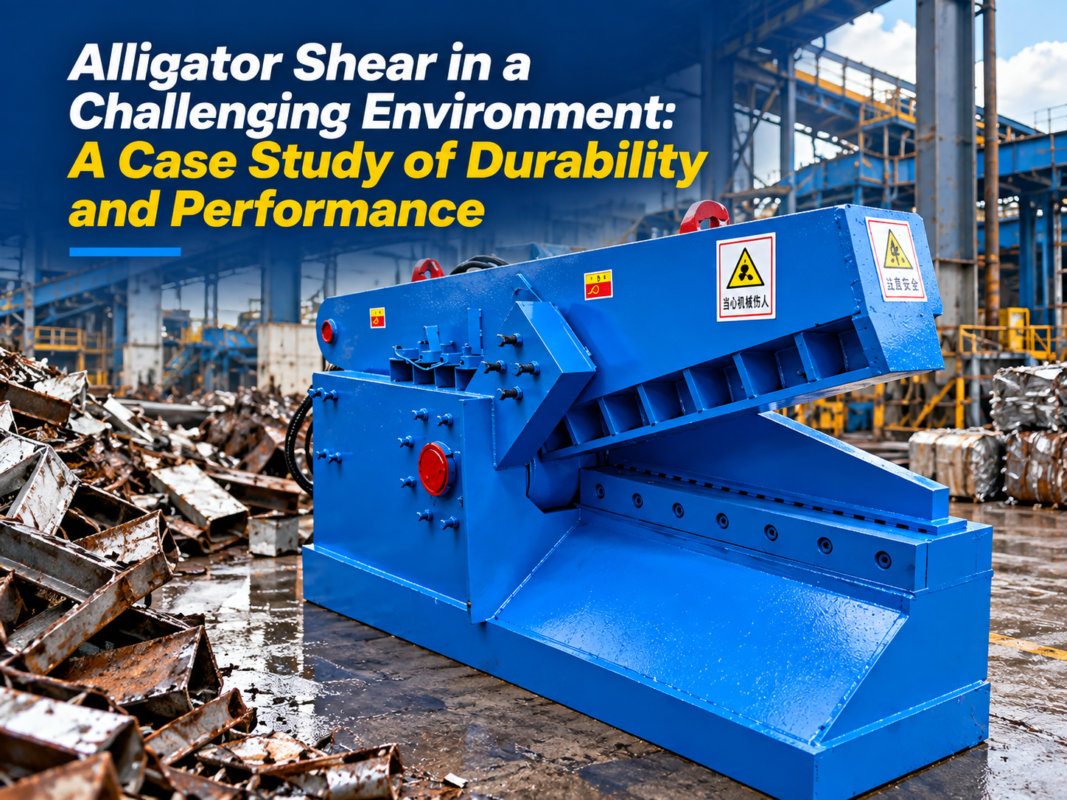
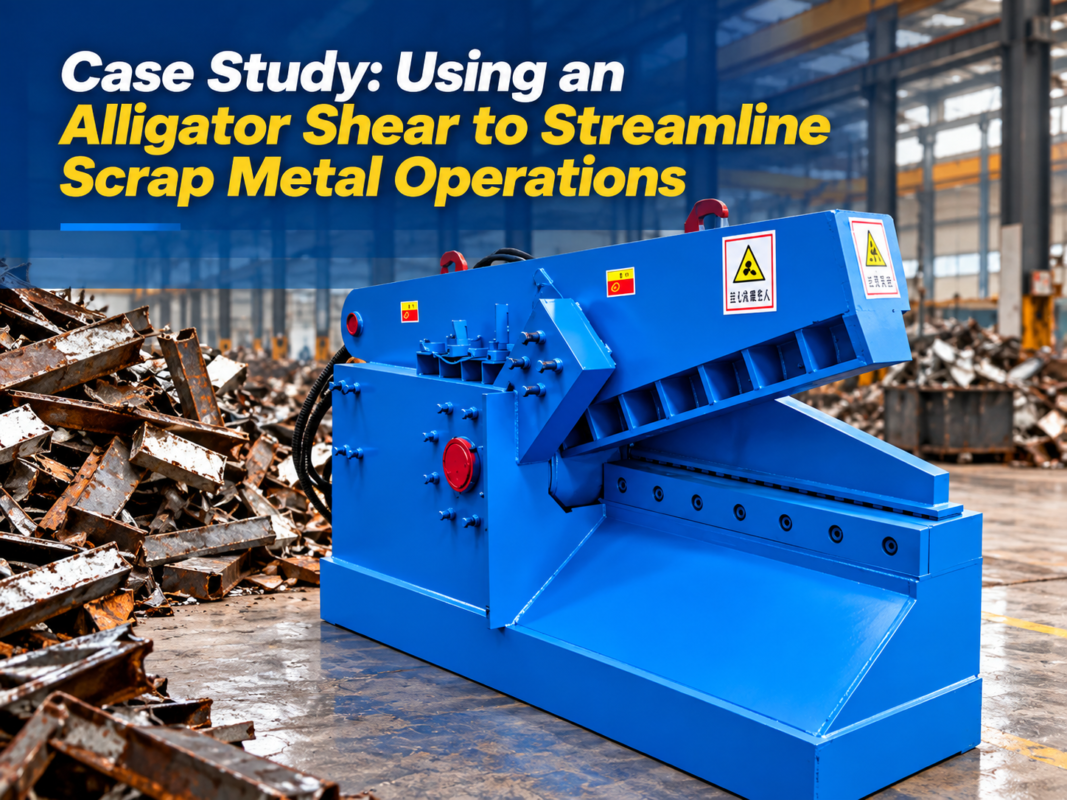
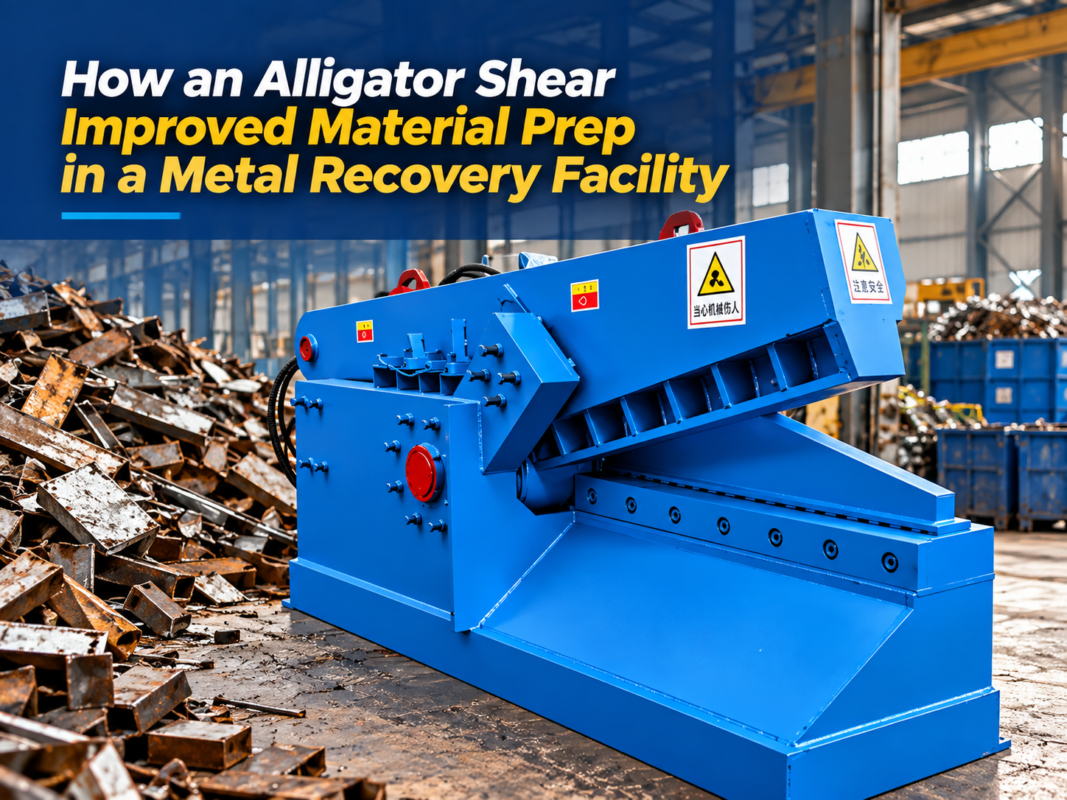
In the fast-paced world of scrap metal processing, efficiency and durability are the cornerstones of profitability. When you decide to buy alligator shear heavy-duty metal recycling equipment, you are investing in a machine that serves as the workhorse of your yard. These machines, named for their characteristic jaw-like movement, are essential for cold-cutting various metal shapes—including round steel, square steel, angle iron, I-beams, and pipes—into manageable sizes for smelting or further processing.
HARSLE has long been at the forefront of manufacturing high-performance alligator shears that meet the rigorous demands of modern recycling facilities. Choosing the right machine involves more than just looking at the price tag; it requires a deep understanding of your material throughput, the physical properties of the scrap you handle, and the long-term operational costs associated with hydraulic machinery. This guide provides a comprehensive roadmap to help you navigate the complexities of purchasing an alligator shear that will deliver consistent performance for years to come.
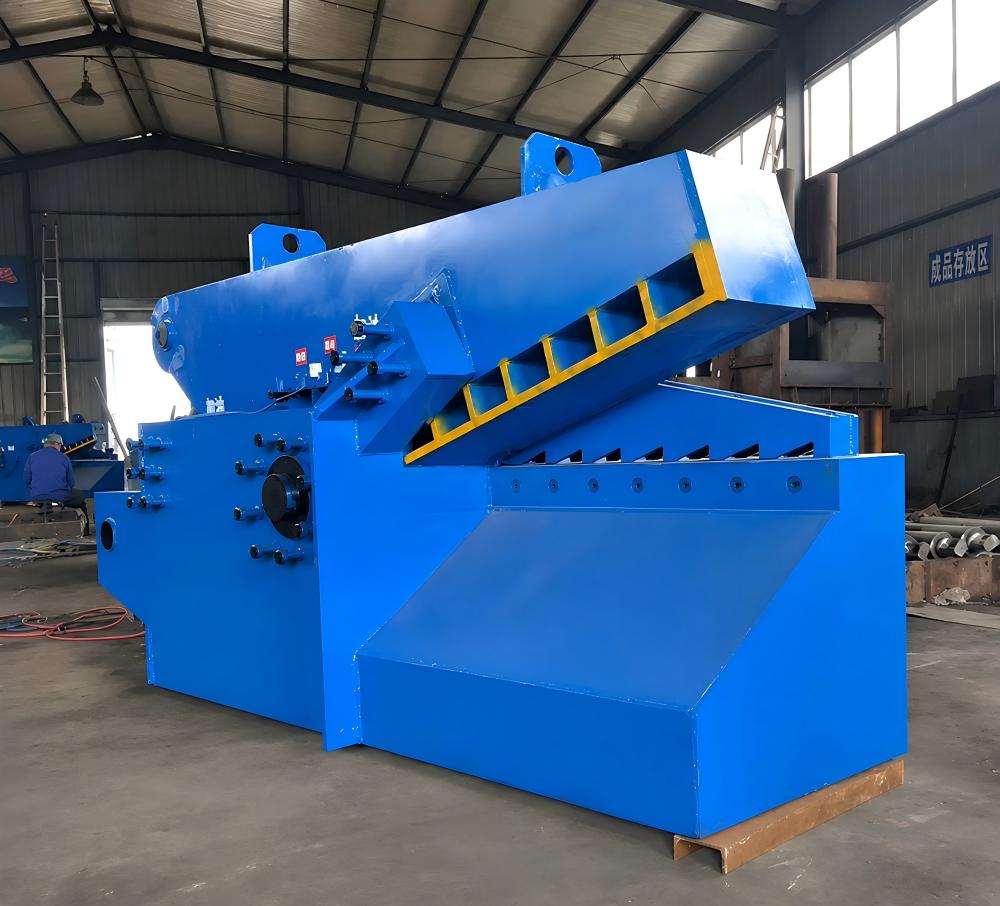
Price Range Overview: What to Expect
The market for alligator shears is broad, with prices varying significantly based on capacity, brand reputation, and technological features. Generally, alligator shears are categorized by their shearing force, measured in tons. Understanding these tiers is the first step in budgeting for your purchase.
Entry-Level and Small-Scale Shears (63 to 100 Tons)
Small-scale shears are typically priced between $3,000 and $8,000. These machines are ideal for small recycling centers or workshops that process light materials like aluminum extrusions, copper tubing, and thin-gauge steel. While affordable, they lack the jaw opening and shearing force required for heavy industrial beams or thick automotive scrap.
Mid-Range Industrial Shears (120 to 250 Tons)
Mid-range machines usually fall within the $10,000 to $25,000 bracket. These are the most common units found in professional scrap yards. They offer a balance between speed and power, capable of handling most common structural steels and larger non-ferrous components. At this level, you begin to see more robust hydraulic systems and better blade materials.
Heavy-Duty and High-Capacity Shears (315 to 500+ Tons)
For heavy-duty metal recycling, you will need a machine with at least 315 tons of force. These units can cost anywhere from $30,000 to over $70,000. These machines are designed for 24/7 operation and can shear through thick rebar bundles, heavy I-beams, and large-diameter pipes. The investment reflects the massive steel frames, high-volume hydraulic pumps, and advanced cooling systems required to sustain such force.
| Shear Force (Tons) | Typical Blade Length (mm) | Primary Application | Estimated Price Range (USD) |
|---|---|---|---|
| 63 – 100 | 400 – 600 | Copper, Aluminum, Thin Steel | $3,000 – $8,000 |
| 120 – 250 | 600 – 800 | Structural Steel, Pipes | $10,000 – $25,000 |
| 315 – 500 | 800 – 1200 | Heavy Industrial Scrap, I-Beams | $30,000 – $70,000+ |
Main Cost Drivers: Why Prices Vary
When you buy alligator shear heavy-duty metal recycling machinery, several technical factors dictate the final quote. Understanding these drivers allows you to prioritize features that matter most to your operation.
1. Shearing Force and Cylinder Diameter
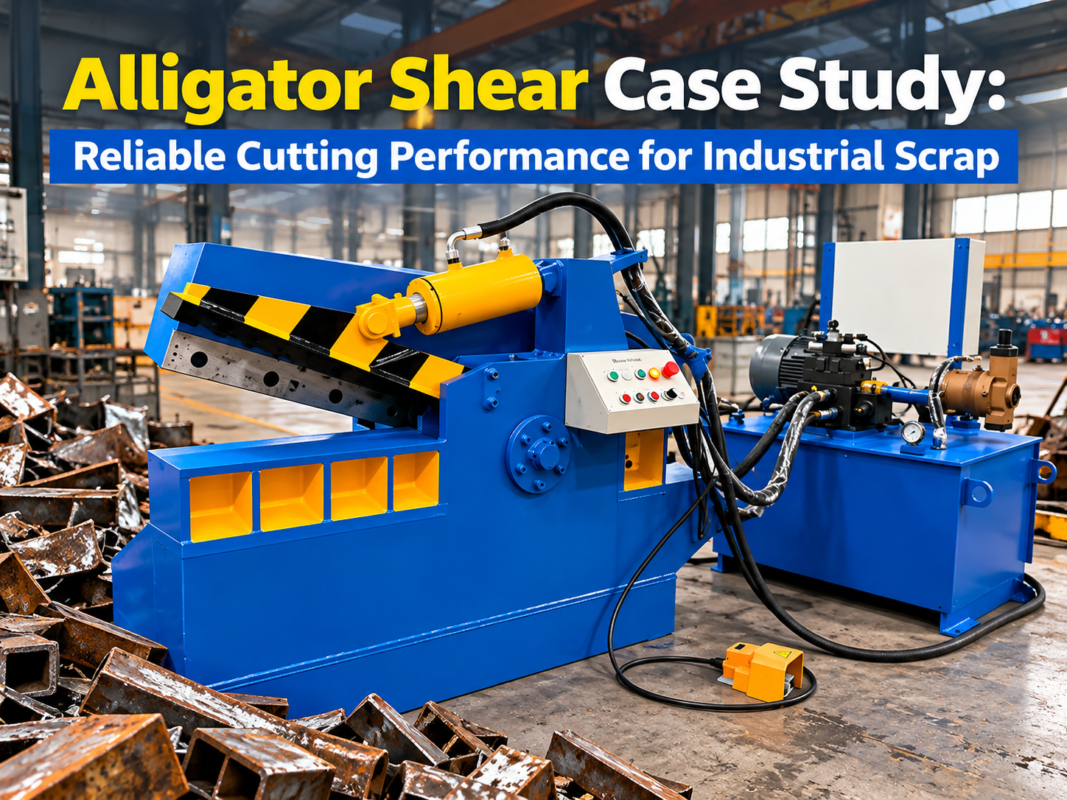
The heart of the alligator shear is the hydraulic cylinder. A higher shearing force requires a larger cylinder diameter and a more robust piston rod. The cost of high-grade hydraulic cylinders increases exponentially with size because they must withstand immense pressure (often up to 25-31.5 MPa) without leaking or deforming over thousands of cycles.
2. Blade Quality and Material
Not all blades are created equal. Standard blades might be made of 9CrSi, which is suitable for light work. However, for heavy-duty recycling, HARSLE recommends blades made of H13 or Cr12MoV tool steel. These materials are vacuum-heat-treated to ensure they maintain their edge even when cutting hardened steel. High-quality blades can add several thousand dollars to the machine’s cost but significantly reduce the frequency of sharpening and replacement.
3. Hydraulic System Components
The reliability of your shear depends on its hydraulic valves and pumps. Premium machines use components from world-renowned brands like Rexroth, Vickers, or Yuken. These components offer smoother operation, faster cycle times, and better heat dissipation. Cheaper alternatives may save money upfront but often lead to erratic jaw movement and frequent downtime due to valve failure.
4. Frame Construction and Steel Grade
A heavy-duty shear must have a frame that doesn’t flex under load. HARSLE utilizes high-tensile Q235B or Q345B steel plates, which are precision-welded and stress-relieved. The thickness of the steel plates used in the “alligator head” and the base frame is a major cost driver. A heavier machine is generally a more durable machine, as it absorbs the shocks of shearing more effectively.
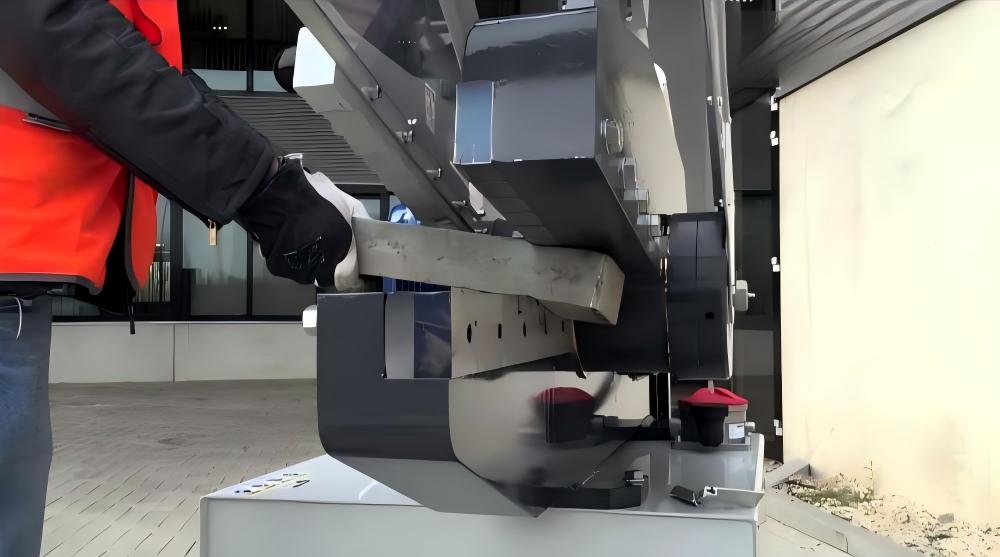
Configuration Impact: Customizing for Efficiency
The configuration of your alligator shear can drastically change its productivity. When looking to buy alligator shear heavy-duty metal recycling equipment, consider how these options align with your workflow.
Manual vs. Automatic Operation
Most modern shears offer two modes: single-stroke (manual) and continuous-stroke (automatic). Automatic mode allows the jaw to cycle continuously, which is vital for processing long pieces of scrap quickly. This requires a more sophisticated PLC (Programmable Logic Controller) and safety sensors, which adds to the cost but increases throughput by up to 40%.
Cooling Systems
In heavy-duty applications, hydraulic oil can overheat quickly. You must choose between air cooling and water cooling. Air coolers (radiators) are easier to maintain and more portable, while water cooling systems are more efficient in extremely hot climates or for 24-hour operations. Neglecting a proper cooling system will lead to premature seal failure and oil degradation.
Blade Length and Jaw Opening
The length of the blade (e.g., 600mm, 800mm, 1000mm, 1200mm) determines the maximum size of the material you can feed into the machine. A longer blade usually comes with a wider jaw opening. If you process large automotive parts or wide plates, a longer blade is non-negotiable. However, keep in mind that for the same tonnage, a longer blade exerts less pressure per square inch than a shorter blade.
Safety Guards and Foot Pedals
Safety is paramount in scrap yards. High-end configurations include heavy-duty mesh guards and emergency stop buttons located within easy reach. Foot pedal operation is standard, but the quality of the pedal—whether it is shielded and industrial-grade—can impact operator fatigue and safety.
Hidden Costs of Ownership
The purchase price is only the beginning. To truly understand the cost of a heavy-duty alligator shear, you must account for the following hidden expenses:
- Shipping and Logistics: These machines are heavy (often weighing between 2 and 15 tons). International shipping, customs duties, and inland freight to your yard can add 10-20% to the total cost.
- Installation and Foundation: While many alligator shears are “plug-and-play,” larger units may require a reinforced concrete pad to prevent the machine from shifting or cracking the floor during high-pressure cuts.
- Hydraulic Oil: A large shear can require 300 to 1,000 liters of hydraulic oil. High-quality anti-wear hydraulic oil (ISO VG46 or VG68) is an essential initial and recurring cost.
- Electrical Infrastructure: Heavy-duty shears use powerful motors (15kW to 45kW+). You may need to upgrade your facility’s electrical panel or install dedicated breakers to handle the startup current.
- Consumables: Blades are the primary consumable. Depending on the material you cut, blades may need to be rotated every few weeks and replaced every 6-12 months.
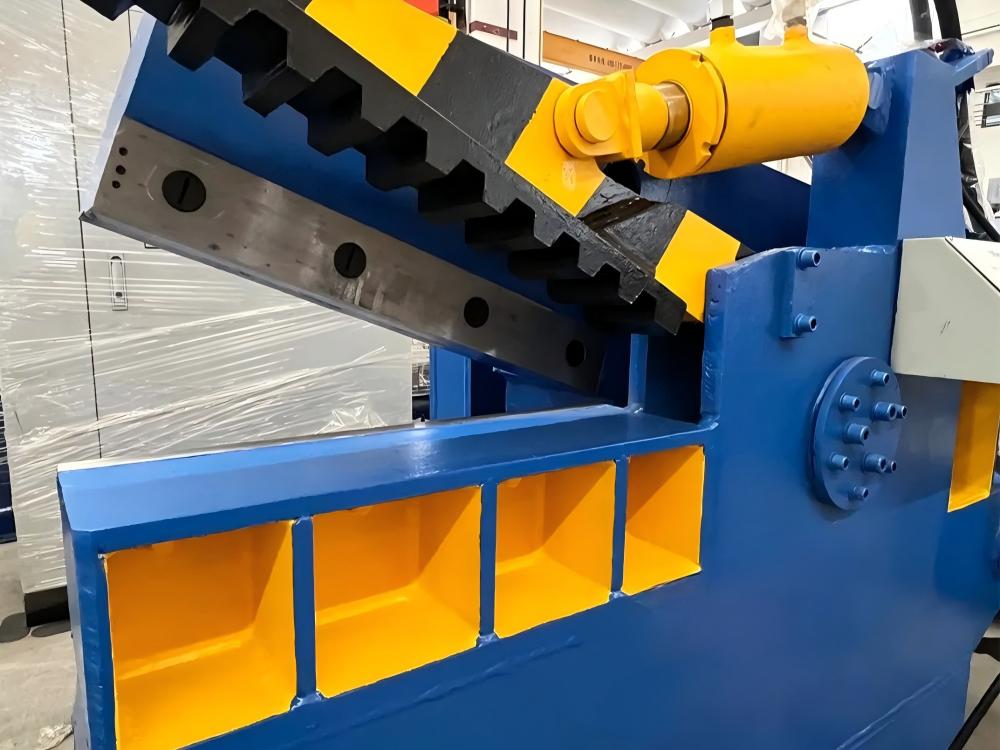
ROI Calculation: Is the Investment Worth It?
Calculating the Return on Investment (ROI) is crucial before you buy alligator shear heavy-duty metal recycling machinery. The ROI is driven by three main factors: increased scrap value, labor savings, and throughput volume.
Increased Scrap Value
Unprocessed scrap (oversized) often sells for a significantly lower price than “prepared” scrap. For example, if prepared steel fetches $50 more per ton than unprepared scrap, and your shear processes 5 tons per day, you are generating an additional $250 in daily revenue. Over a 250-day work year, that is $62,500—potentially paying for the machine in less than a year.
Labor Efficiency
Using a torch to cut scrap is slow, dangerous, and expensive due to the cost of gases (oxygen/acetylene). An alligator shear can do the work of three to four manual cutters. By reducing your labor costs and eliminating gas expenses, the machine contributes directly to your bottom line.
The Formula
A simple way to estimate ROI is: (Monthly Increase in Scrap Value + Monthly Labor Savings) – (Monthly Operating Costs + Finance Payments) = Monthly Net Profit. Most HARSLE customers find that their heavy-duty shears pay for themselves within 8 to 14 months of consistent use.
Buying Advice: Choosing the Right Partner
When you are ready to buy alligator shear heavy-duty metal recycling equipment, follow these tips to ensure a successful purchase:
- Analyze Your Scrap Mix: Don’t buy a 500-ton shear if 90% of your material is aluminum. Conversely, don’t under-buy; a machine constantly working at its limit will fail prematurely.
- Verify the Weight: Some manufacturers inflate their tonnage ratings. A reliable indicator of a machine’s true power and durability is its total weight. Compare the weight of HARSLE machines to competitors; the extra steel in our frames is there for a reason.
- Check Spare Parts Availability: Ensure the manufacturer stocks blades, seal kits, and valves. HARSLE maintains a robust inventory of wear parts to ensure our global customers experience minimal downtime.
- Request Video Demonstrations: Before shipping, ask for a video of your specific machine cutting material similar to what you process. This confirms the cycle time and shearing capability.
- Consider the Environment: If you operate in a residential area, ask about noise-reduction features or high-efficiency motors that run quieter.
Frequently Asked Questions (FAQ)
How often do the blades need to be sharpened?
This depends entirely on the material being cut. For clean structural steel, you might rotate the blades every 200-300 hours of operation. Most alligator shear blades have four cutting edges; once one edge is dull, you can flip or rotate the blade to a fresh edge. After all four edges are dull, they can be professionally reground.
Can an alligator shear cut stainless steel?
Yes, but stainless steel is much harder than carbon steel. You should use a shear with a higher tonnage rating than what is typically required for the same thickness of mild steel. Additionally, ensure you are using high-grade H13 blades to prevent rapid dulling.
What maintenance is required for the hydraulic system?
The most important maintenance tasks are checking the oil level daily, cleaning the air filter, and ensuring the oil temperature stays within the recommended range (usually 30-55°C). You should also inspect hydraulic hoses for signs of wear or leaks every week to prevent catastrophic failure.
Is it better to buy a mechanical or hydraulic alligator shear?
While mechanical shears (flywheel-driven) exist, hydraulic shears are the industry standard for heavy-duty recycling. Hydraulic shears offer better safety (they can be stopped mid-stroke), more consistent pressure, and the ability to handle overloads without breaking the machine’s internal gears.
What is the typical lifespan of a HARSLE alligator shear?
With proper maintenance and by staying within the rated capacity, a HARSLE alligator shear can easily last 10 to 15 years in an industrial environment. Many of our early units are still in operation today, having processed tens of thousands of tons of scrap.
Conclusion
To buy alligator shear heavy-duty metal recycling equipment is a significant step in scaling your recycling business. By focusing on shearing force, component quality, and a clear understanding of your ROI, you can select a machine that turns a daunting task into a streamlined, profitable process. HARSLE remains committed to providing the heavy-duty tools the recycling industry needs to build a more sustainable future. Invest in quality, and your equipment will reward you with years of reliable service.