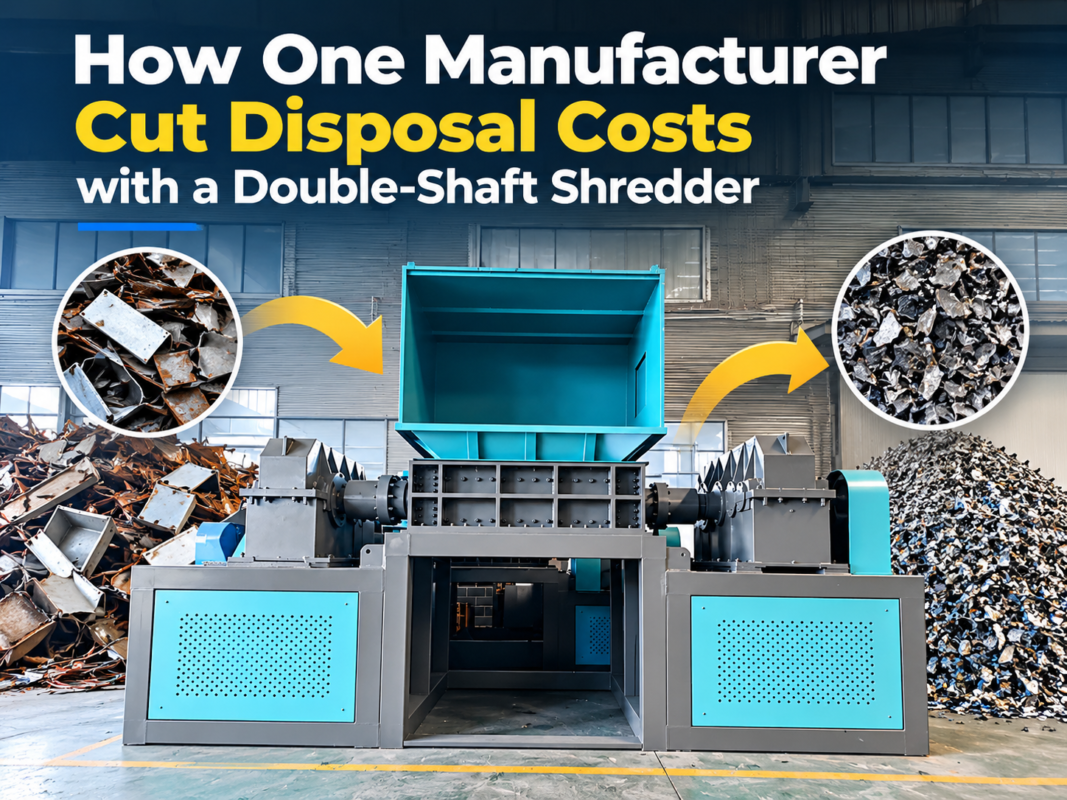
Best Gantry Shear for Your Fabrication Shop: A Practical Buyer’s Guide

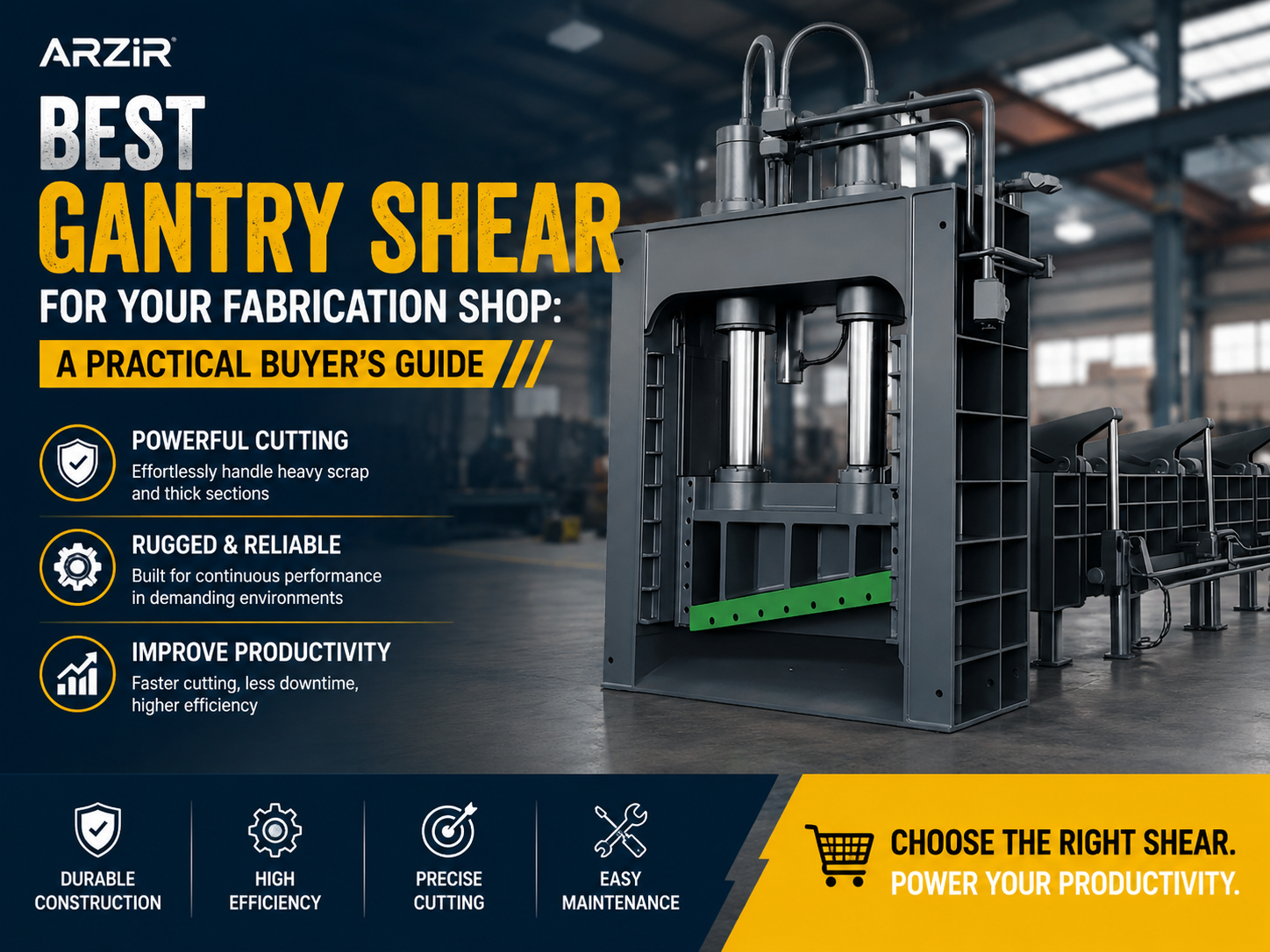
Introduction to Gantry Shears in Modern Fabrication
In the high-stakes world of metal recycling and heavy-duty fabrication, efficiency is the primary currency. For shops dealing with large volumes of scrap metal, structural steel, or heavy plates, the gantry shear stands as the ultimate powerhouse. Unlike smaller alligator shears or manual cutting methods, a gantry shear offers continuous, automated, and high-tonnage cutting capabilities that can transform a bottlenecked operation into a high-throughput profit center. Finding the Best Gantry Shear Fabrication Shop: A Practical Buyer’s guide is essential for owners looking to scale their operations without overextending their capital.
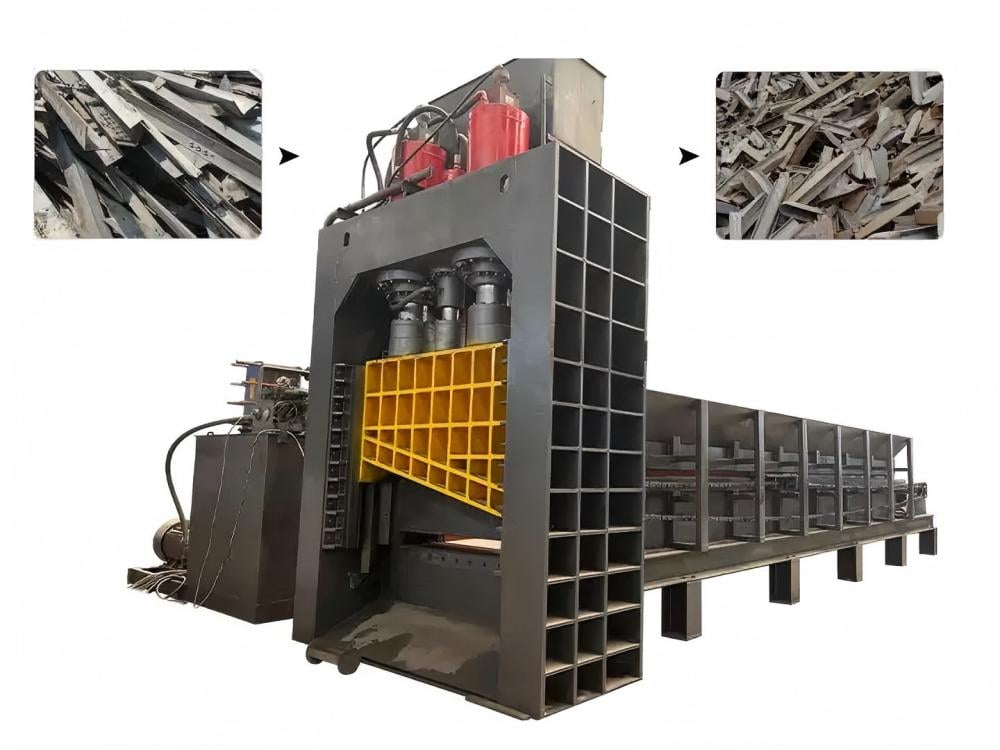
A gantry shear, often referred to as a heavy-duty hydraulic scrap shear, utilizes a vertical cutting motion housed within a robust frame (the gantry). This design allows for immense pressure to be applied evenly across the blade, enabling the machine to slice through thick beams, pipes, and mixed scrap with ease. As fabrication shops face rising labor costs and stricter environmental regulations, the move toward automated shearing solutions like those offered by HARSLE has become a strategic necessity rather than a luxury.
This guide is designed to walk you through every facet of the purchasing process. From understanding the initial investment to calculating the long-term return on investment (ROI), we will explore the technical nuances that separate a standard machine from a high-performance asset. Whether you are a small scrap yard looking to upgrade or a large-scale industrial fabricator, understanding these dynamics is the first step toward making an informed decision.
Price Range Overview: What to Expect
The cost of a gantry shear can vary significantly based on its cutting force, automation level, and build quality. Generally, the market is divided into three primary tiers: entry-level, mid-range, and high-end industrial models. Understanding where your shop fits within these tiers is crucial for budgeting. Entry-level machines typically range from $30,000 to $60,000. These are often smaller units with cutting forces between 400 and 600 tons, suitable for shops processing light to medium scrap volumes.
Mid-range gantry shears, which are the most popular for established fabrication shops, usually fall between $70,000 and $150,000. These machines offer higher tonnage (800 to 1,000 tons), faster cycle times, and more sophisticated PLC (Programmable Logic Controller) systems. They are built for multi-shift operations and can handle a wider variety of materials, including heavy structural steel and large-diameter pipes. At this level, you begin to see features like automatic lubrication and advanced hydraulic cooling systems.
High-end industrial gantry shears can exceed $250,000. These are massive installations designed for 24/7 operation in large-scale recycling facilities. They feature cutting forces of 1,250 tons or more, integrated conveyor systems, and remote diagnostic capabilities. While the price tag is high, the throughput—often measured in dozens of tons per hour—justifies the investment for high-volume players. Below is a summary table of the typical price expectations:
| Category | Cutting Force (Tons) | Estimated Price (USD) | Best For |
|---|---|---|---|
| Entry-Level | 400 – 600 | $30,000 – $60,000 | Small yards, light scrap |
| Mid-Range | 800 – 1,000 | $70,000 – $150,000 | Standard fabrication shops |
| High-End | 1,250+ | $200,000+ | Industrial recycling centers |
Main Cost Drivers in Gantry Shear Manufacturing
When evaluating the Best Gantry Shear Fabrication Shop: A Practical Buyer’s options, it is important to understand why one machine costs significantly more than another. The primary cost driver is the quality of the hydraulic system. High-end machines utilize pumps and valves from reputable brands like Rexroth or Vickers. These components are more expensive but offer superior reliability, smoother pressure transitions, and easier sourcing of replacement parts globally.
The second major driver is the structural steel used in the gantry frame. A gantry shear must withstand immense internal stresses during every cut. Machines built with high-tensile, thickened steel plates and precision welding will naturally cost more but will resist frame warping and fatigue over years of use. Cheaper models may use thinner steel, which can lead to misalignment of the blades and premature failure of the hydraulic seals due to frame deflection.
Blade material and design also play a significant role. High-quality blades made from 9CrSi or Cr12MoV tool steel are essential for longevity. Furthermore, the inclusion of a sophisticated PLC system (such as Siemens or Schneider) adds to the cost but provides the operator with precise control over the cutting stroke, pressure settings, and safety interlocks. These systems also allow for easier troubleshooting, reducing downtime during maintenance cycles.
Configuration Impact: Tailoring the Machine to Your Needs
The configuration of your gantry shear determines its daily productivity. One of the most critical decisions is the feeding mechanism. Standard models may require manual feeding via a crane or forklift, while more advanced configurations include a hopper or a vibrating conveyor. An automated feeding system can increase throughput by up to 40%, as it allows the machine to cycle continuously without waiting for an operator to position the next piece of scrap.
Blade length is another configuration factor. A wider blade allows for larger pieces of scrap to be processed without pre-cutting, but it also requires more hydraulic force to maintain the same cutting pressure per inch. Most fabrication shops find a balance with a blade length between 800mm and 1200mm. Additionally, the inclusion of a “hold-down” or stamper mechanism is vital. This hydraulic press holds the material firmly in place before the shear blade descends, ensuring a clean cut and preventing the material from kicking back, which can damage the machine or injure the operator.
Cooling systems are often overlooked but are essential for shops operating in warmer climates or running multiple shifts. A high-performance air-cooled or water-cooled hydraulic oil system prevents the oil from thinning out, which maintains consistent cutting force and protects the hydraulic pump from cavitation. For shops looking for the Best Gantry Shear Fabrication Shop: A Practical Buyer’s choice, prioritizing a robust cooling configuration is a wise move for long-term durability.
Hidden Costs: Beyond the Purchase Price
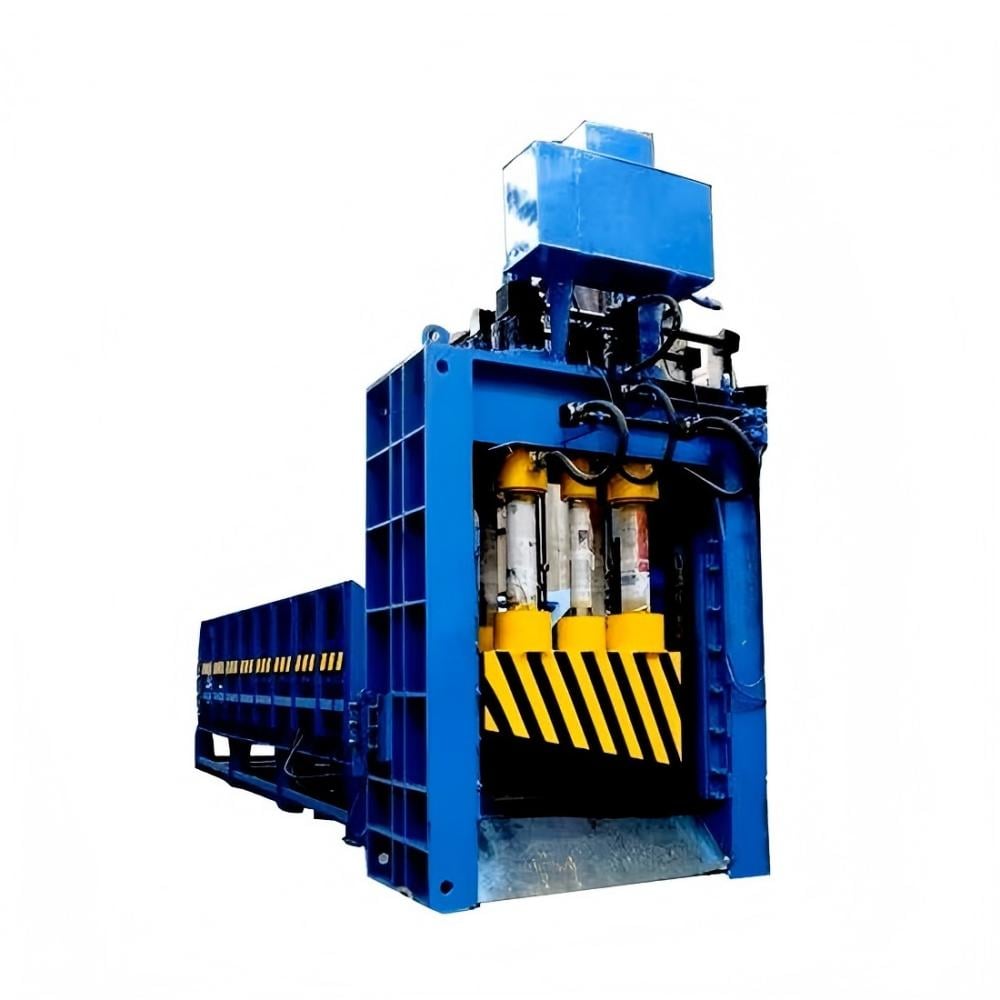
The sticker price of a gantry shear is only part of the total cost of ownership. One of the most significant hidden costs is the foundation work. These machines are incredibly heavy and generate massive vibrations. Most manufacturers require a reinforced concrete pad, often several feet deep, to ensure the machine remains level and stable. Failure to provide an adequate foundation can void the warranty and lead to structural damage to the machine.
Electrical infrastructure is another consideration. A 1,000-ton gantry shear requires a substantial amount of power. You may need to upgrade your shop’s electrical panel or install a dedicated transformer to handle the peak loads during the cutting cycle. This can add thousands of dollars to the initial setup cost. Furthermore, the initial fill of hydraulic oil can be a significant expense, as these machines can hold hundreds of gallons of specialized fluid.
Maintenance and wear parts must also be budgeted for. Shear blades are consumables; they will need to be rotated and eventually replaced. The cost of a set of high-quality blades can be substantial. Additionally, regular filter changes and oil analysis are necessary to keep the hydraulic system in peak condition. When choosing the Best Gantry Shear Fabrication Shop: A Practical Buyer’s solution, always ask the manufacturer for a recommended spare parts list and the estimated lifespan of the blades under your specific material conditions.
ROI Calculation: When Does the Machine Pay for Itself?
Calculating the ROI for a gantry shear involves comparing the cost of the machine against the increased revenue and labor savings it generates. The primary revenue driver is the “upgrade” value of the scrap. Unprocessed, bulky scrap metal often sells for a lower price per ton than “prepared” scrap that is cut to specific dimensions (e.g., 2-foot or 3-foot lengths). By shearing the metal in-house, you can often increase the value of your output by $20 to $50 per ton.
Labor savings are equally impactful. A single gantry shear operator can often do the work of four or five workers using handheld torches or smaller shears. This not only reduces the payroll but also significantly lowers the cost of consumables like oxygen and acetylene. Furthermore, the safety profile of a gantry shear is much higher than manual cutting, potentially leading to lower insurance premiums and fewer costly workplace injuries.
To calculate the payback period, use the following formula: Total Investment / (Monthly Increase in Scrap Value + Monthly Labor Savings – Monthly Operating Costs). For most busy fabrication shops, a well-chosen HARSLE gantry shear can achieve full ROI within 12 to 24 months. Beyond that point, the machine becomes a significant profit generator for the business.
Buying Advice: Making the Final Decision
When you are ready to purchase, the first step is to conduct a thorough audit of your current and future material flow. Don’t just buy for the scrap you have today; buy for the volume you expect to have in three years. Choosing a machine that is slightly overpowered is almost always better than choosing one that struggles with your heaviest materials, as overloading a shear leads to rapid wear and frequent breakdowns.
Research the manufacturer’s reputation for after-sales support. A gantry shear is a complex piece of machinery, and eventually, you will need technical assistance or spare parts. Companies like HARSLE provide detailed manuals, remote support, and readily available components, which is critical for minimizing downtime. If possible, visit a site where the machine is already in operation to see how it performs in a real-world environment and speak with the operators about its reliability.
Finally, pay close attention to the safety features. Ensure the machine is equipped with emergency stop buttons, safety cages, and pressure sensors. A high-quality gantry shear should also have an intuitive interface that allows the operator to monitor system health in real-time. By following this Best Gantry Shear Fabrication Shop: A Practical Buyer’s guide, you can confidently invest in a machine that will serve as the backbone of your fabrication shop for decades to come.
Frequently Asked Questions (FAQ)
1. What is the difference between a gantry shear and an alligator shear?
An alligator shear uses a jaw-like motion and is generally used for smaller, lighter materials and manual feeding. A gantry shear uses a vertical downward stroke within a frame, allowing for much higher tonnage, larger material capacity, and automated processing. Gantry shears are better suited for high-volume industrial applications.
2. How often do the blades need to be sharpened or replaced?
Blade life depends entirely on the material being cut. For standard mild steel, blades may last for several hundred hours before needing to be rotated (most blades have 4 cutting edges). Once all edges are dull, they can often be reground. Processing hardened steel or contaminated scrap will shorten blade life significantly.
3. Can a gantry shear be used outdoors?
Yes, many gantry shears are installed outdoors to save floor space inside the shop. However, they must be equipped with weather protection for the electrical cabinet and hydraulic unit. Using high-quality, weather-resistant paint and ensuring the hydraulic oil is rated for the local temperature range is essential for outdoor installations.
4. What kind of maintenance is required daily?
Daily maintenance typically includes checking hydraulic oil levels, inspecting the blades for chips or cracks, ensuring the automatic lubrication system is functioning, and clearing any debris from the cutting area. Weekly checks should include inspecting hydraulic hoses for leaks and tightening any bolts that may have loosened due to vibration.
5. Is it difficult to learn how to operate a gantry shear?
Modern gantry shears equipped with PLC systems are relatively easy to operate. Most feature a touchscreen interface with manual and automatic modes. However, operators must be thoroughly trained on safety protocols and how to properly load the machine to prevent jams or uneven wear on the blades.
6. What is the typical lead time for a new gantry shear?
Lead times can vary from 8 to 16 weeks depending on the level of customization and the manufacturer’s current production schedule. It is important to factor in this time, along with the time required for foundation preparation and electrical installation, when planning your shop’s upgrade.