What to Look for in a High-Performance Container Shear for Scrap Processing

Introduction to High-Performance Container Shears
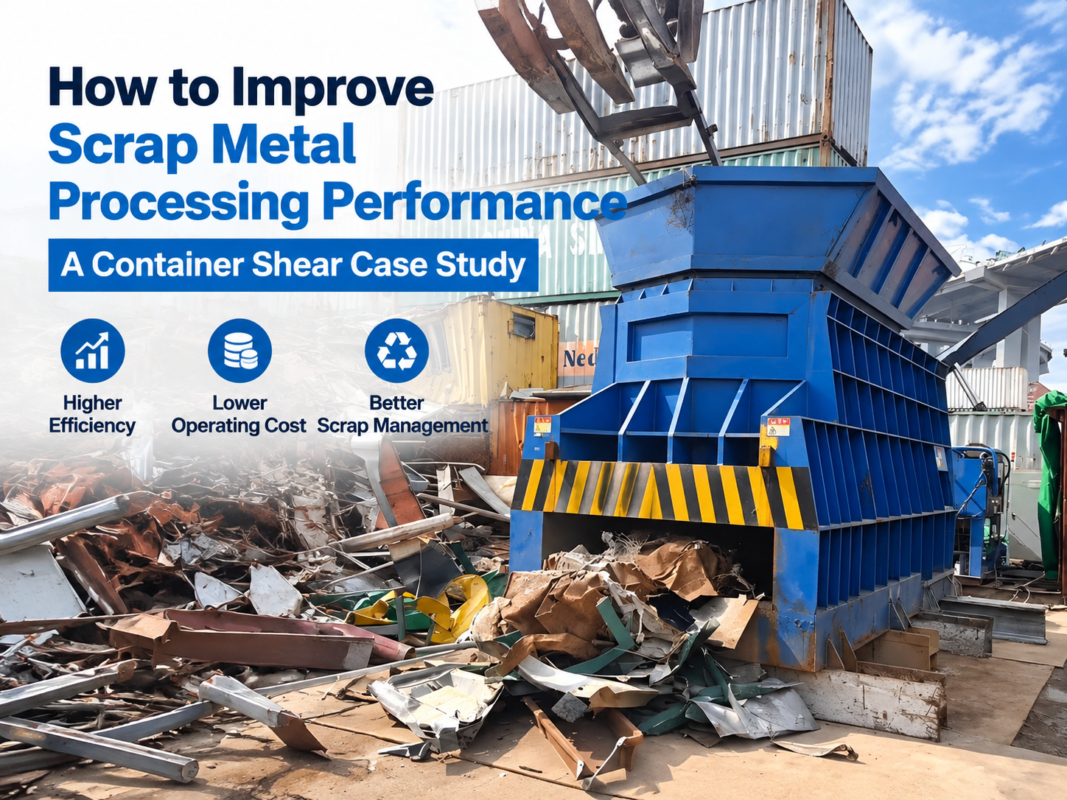
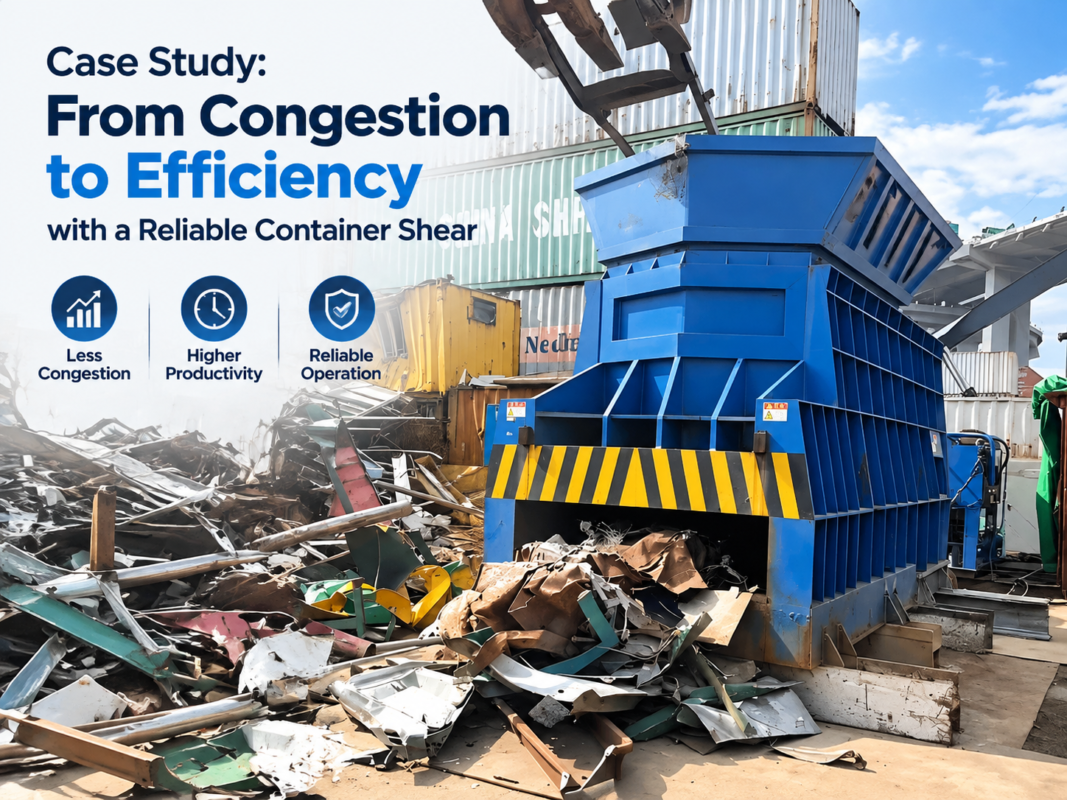
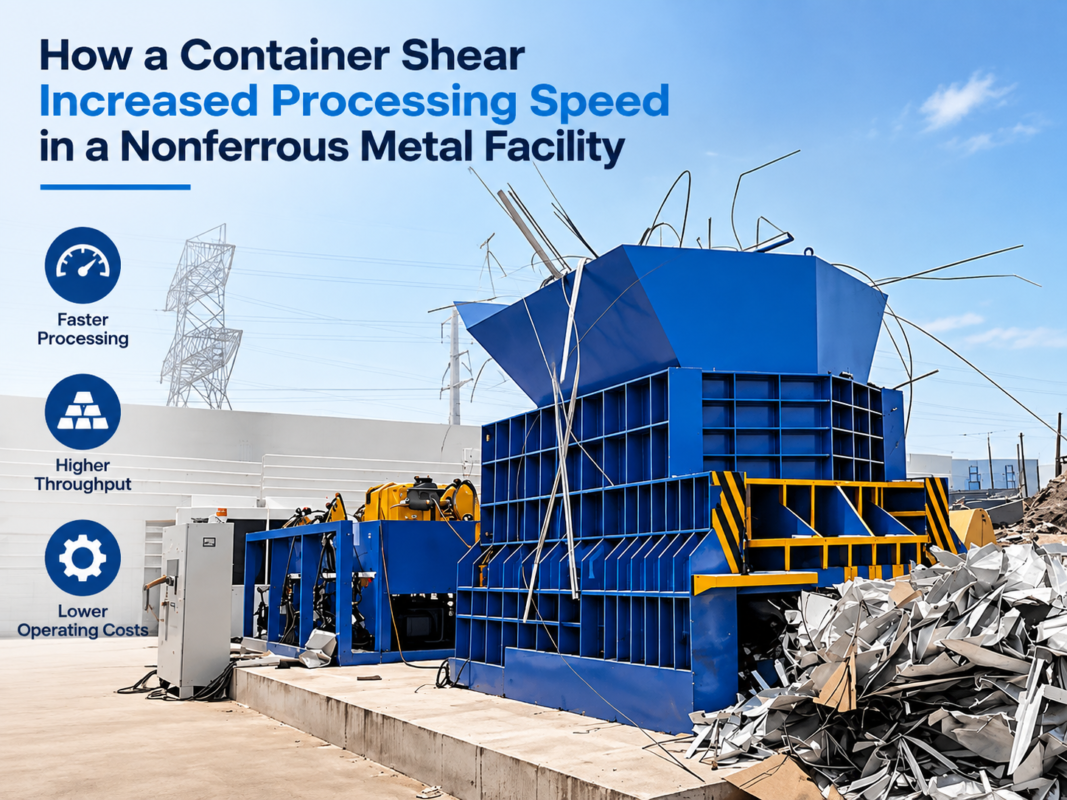
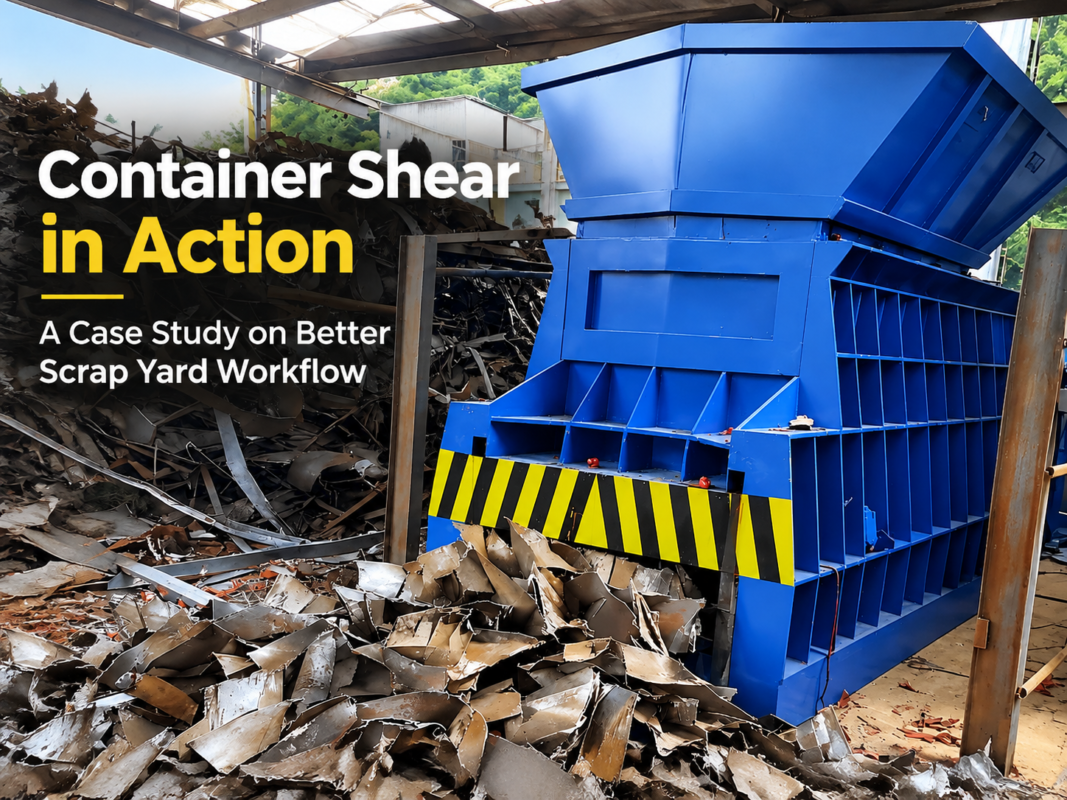
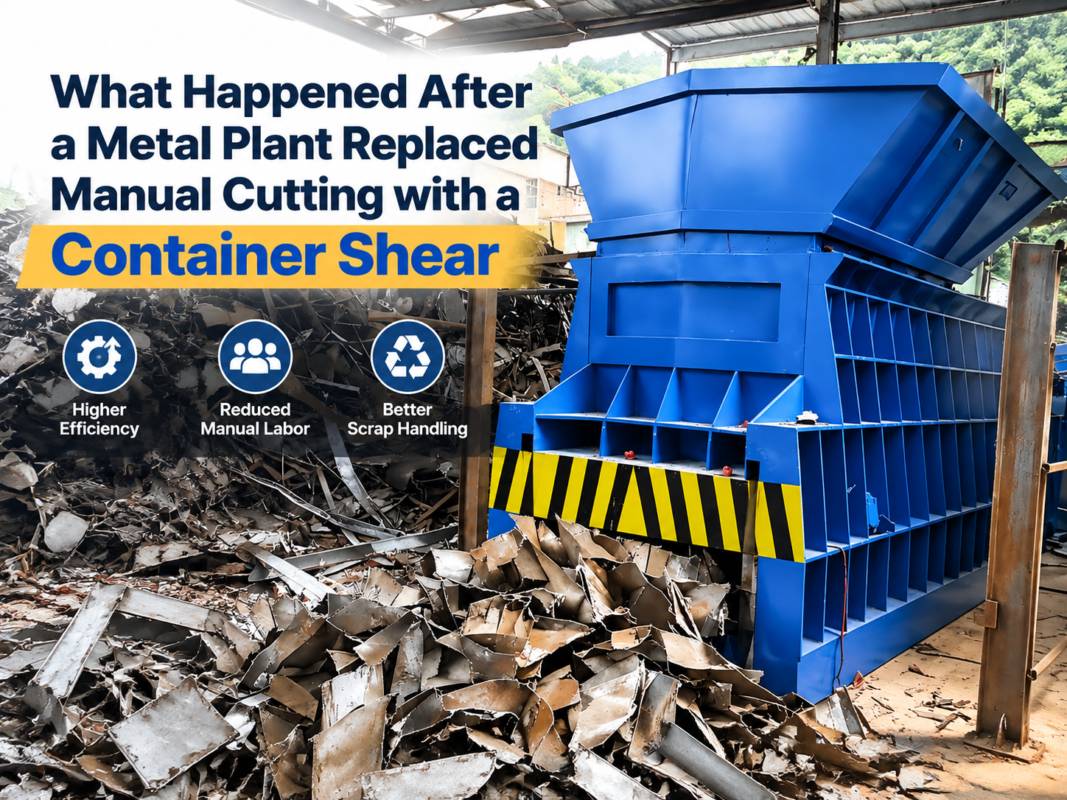
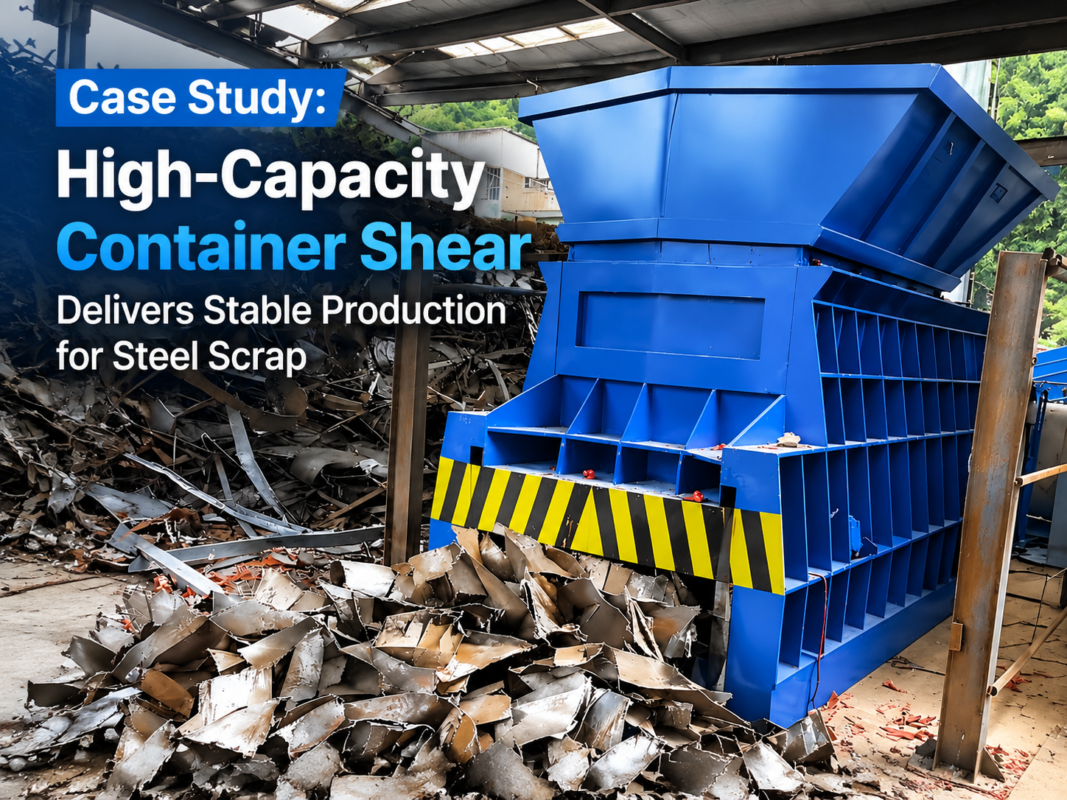
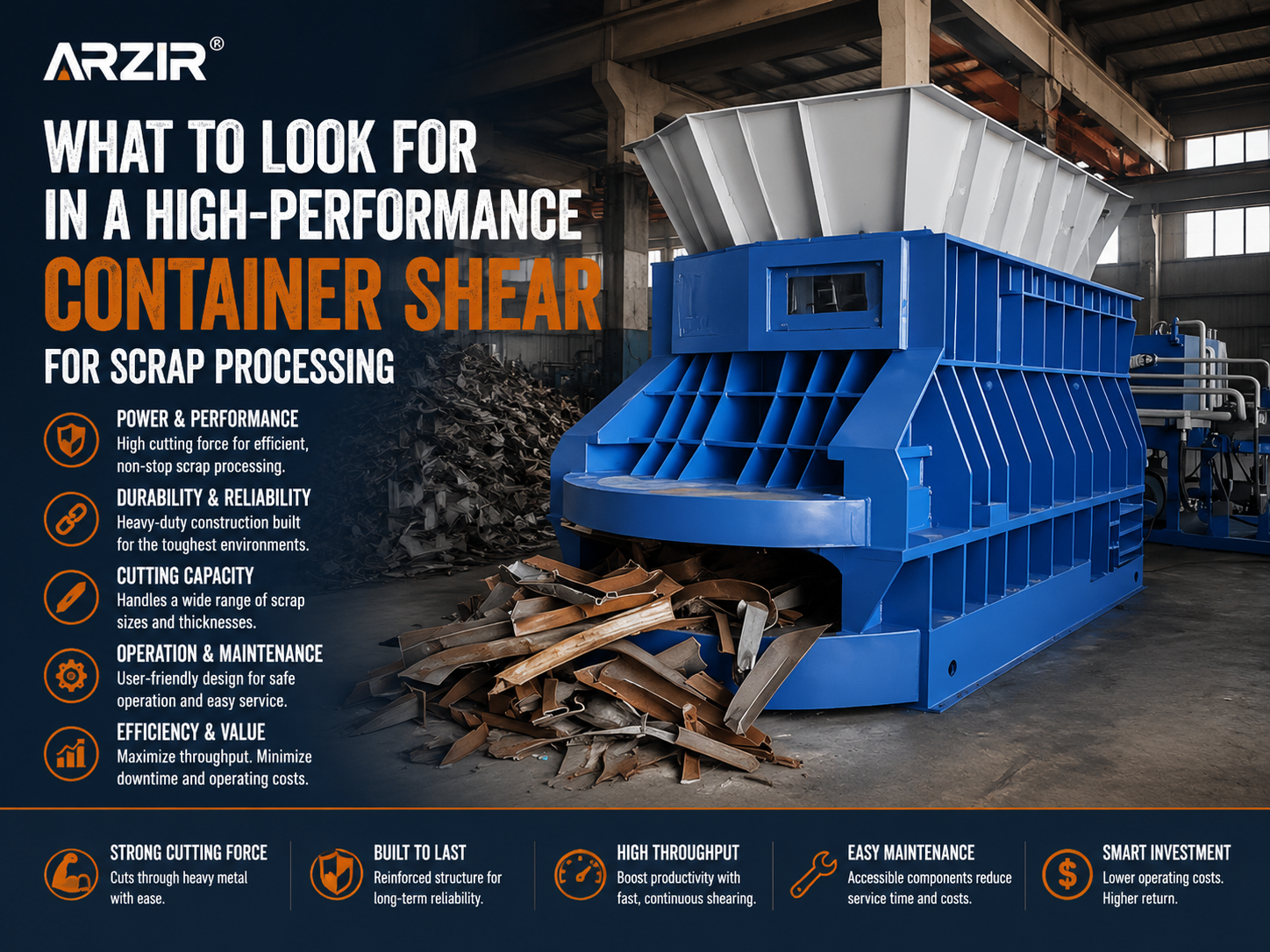
In the rapidly evolving world of metal recycling, efficiency is the cornerstone of profitability. As scrap yards face increasing volumes of diverse materials—ranging from light structural steel to heavy HMS1 and HMS2 grades—the demand for robust, automated processing solutions has never been higher. This is where the container shear comes into play. Unlike traditional alligator shears or massive stationary gantry shears, the container shear offers a unique blend of mobility, high throughput, and continuous feeding capabilities. When you look in a high-performance container shear scrap processing setup, you are looking for a machine that minimizes manual labor while maximizing the density and value of the output material.
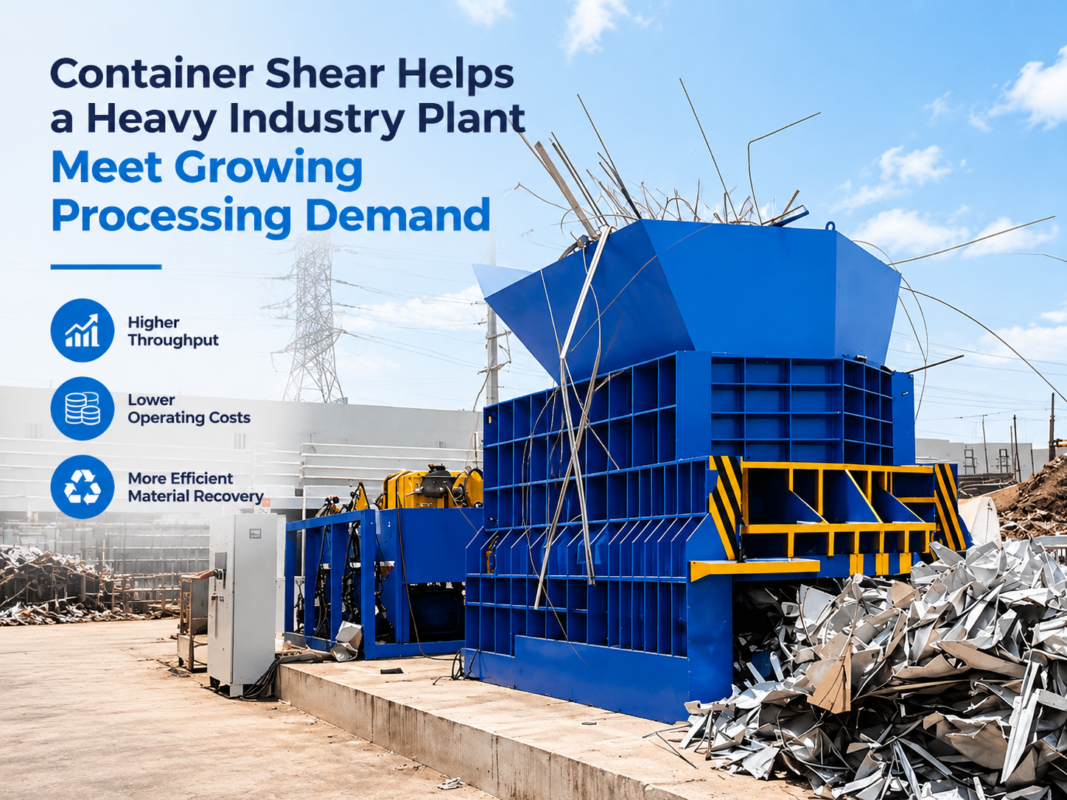
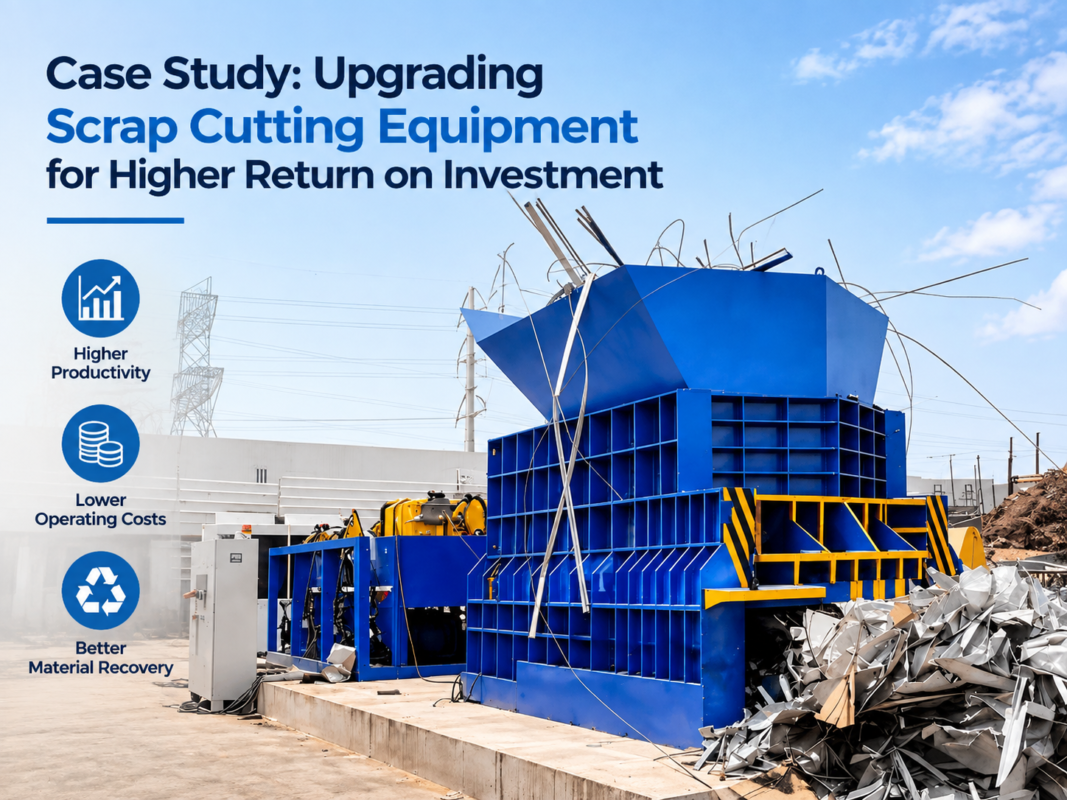
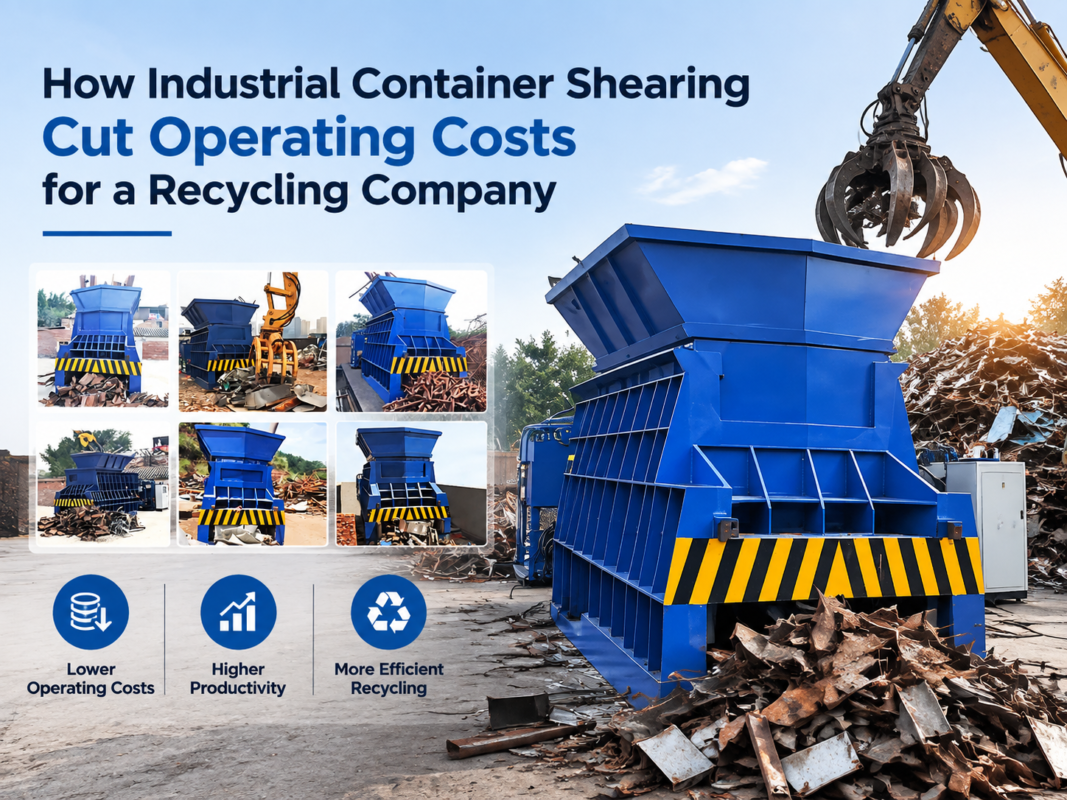
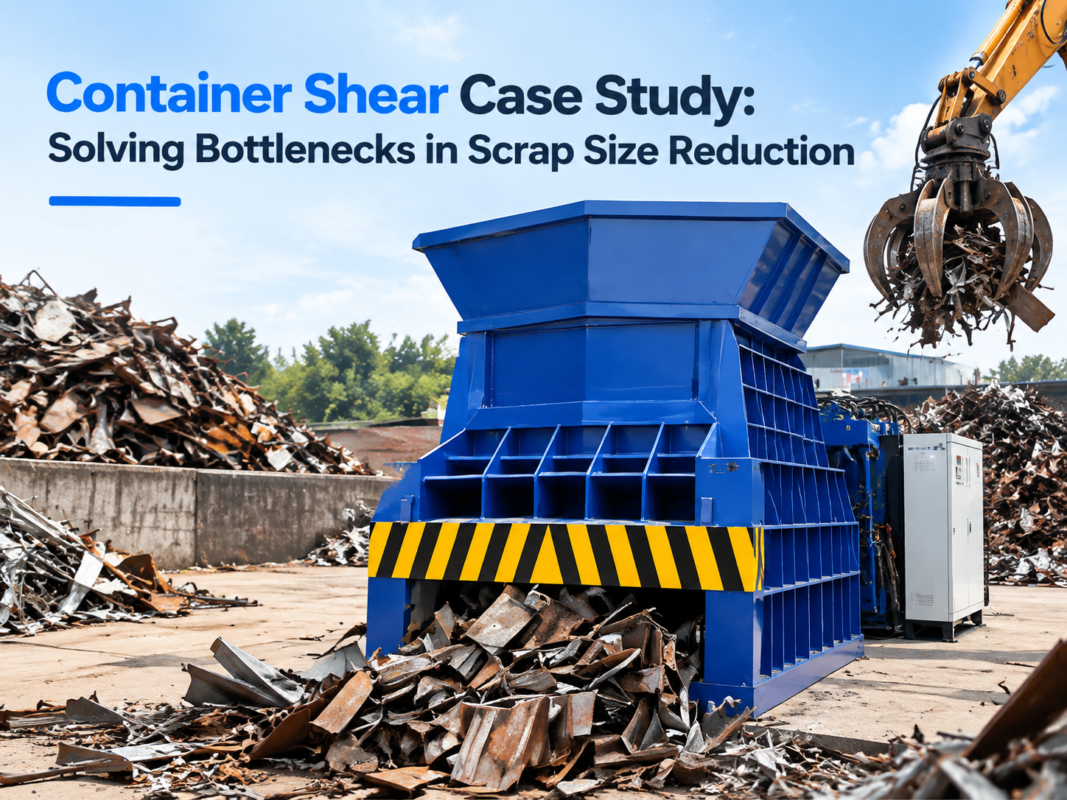
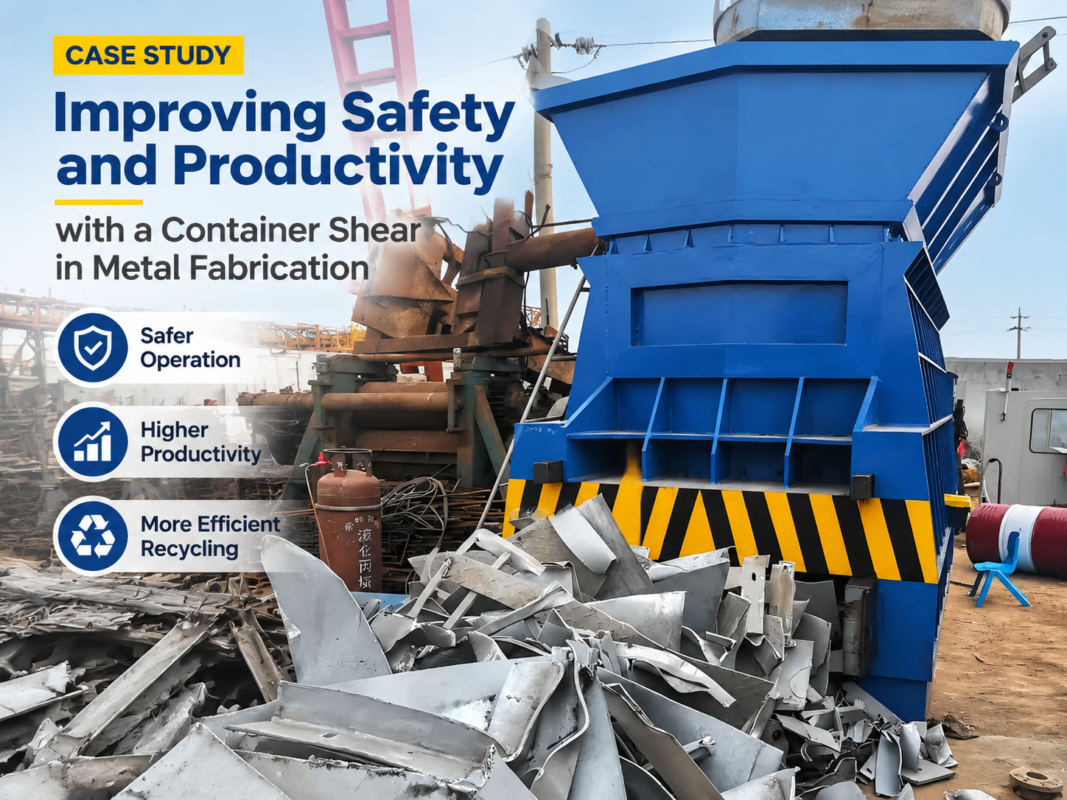
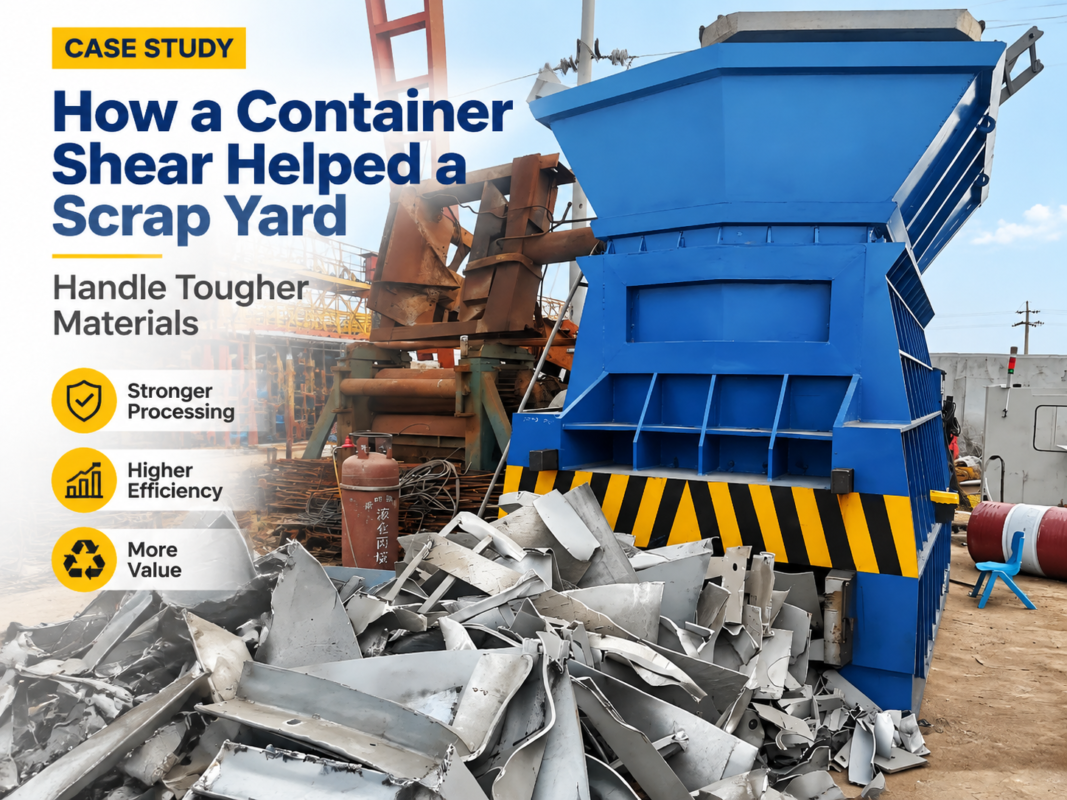
A container shear is essentially a heavy-duty hydraulic cutting machine housed within a reinforced frame that resembles a standard shipping container. This design allows for easy transport and rapid deployment. However, not all container shears are created equal. High-performance models distinguish themselves through superior hydraulic pressure, advanced cooling systems, and intelligent control interfaces. For a scrap yard operator, choosing the right machine involves understanding the nuances of cutting force, cycle times, and structural integrity. This guide will delve deep into the technical and economic factors that define a top-tier container shear.

Price Range Overview: Investing in Quality
The price of a container shear can vary significantly based on its capacity, brand reputation, and integrated technology. Generally, the market is divided into three main tiers. Entry-level machines, often with a cutting force between 400 and 500 tons, typically range from $60,000 to $120,000. These are suitable for smaller yards processing light-to-medium scrap. While they offer the basic benefits of a container shear, they may lack the high-speed valves or reinforced blade seats found in more expensive models.
Mid-range container shears, which are the most popular for professional scrap processing, fall between $130,000 and $250,000. These machines usually offer 600 to 800 tons of cutting force and feature better hydraulic components, such as Rexroth or Kawasaki pumps. They are designed for multi-shift operations and can handle a wider variety of materials, including thicker rebar and structural beams. The build quality in this range is significantly higher, utilizing wear-resistant plates like Hardox in the feeding box.
At the top end of the spectrum, high-performance industrial container shears can exceed $400,000. These units are often rated at 1000 tons or more and come equipped with fully automated PLC systems, remote monitoring, and high-efficiency electric motors or Tier 4 Final diesel engines. When you look in a high-performance container shear scrap processing investment at this level, you are paying for maximum uptime, the lowest cost-per-ton processed, and a machine life expectancy that spans decades rather than years.
Main Cost Drivers in Container Shear Manufacturing
Understanding why one machine costs twice as much as another requires a look under the hood. The primary cost driver is the hydraulic system. High-performance shears utilize high-pressure, variable-displacement pumps that can adjust flow based on the resistance of the material being cut. This not only speeds up the cycle time but also reduces heat generation and energy consumption. Cheap machines often use fixed-displacement pumps that run at full power constantly, leading to premature wear and higher electricity bills.
The second major driver is the quality of the steel and the blades. The cutting head of a container shear is subjected to immense stress. High-performance models use forged steel for the cylinder rods and high-alloy tool steel for the blades. Furthermore, the internal lining of the feeding box must be made of replaceable, high-hardness wear plates. If a manufacturer skimps on these materials, the frame will eventually warp or crack under the pressure of processing heavy scrap, leading to catastrophic failure.
Automation and control systems also play a significant role. A modern container shear should feature a Siemens or Schneider PLC with a touchscreen interface. This allows operators to diagnose issues in real-time, adjust cutting lengths, and monitor oil temperatures. Advanced features like “auto-cycle” mode allow the machine to feed and cut material without constant manual input, significantly increasing the tons-per-hour throughput. These electronic components and the software development behind them add to the initial purchase price but pay for themselves through operational efficiency.
Configuration Impact: Tailoring the Machine to Your Yard
When selecting a container shear, the configuration must match your specific operational needs. One of the first decisions is between a stationary and a mobile unit. Stationary units are ideal for established yards with a dedicated processing area and access to high-voltage electrical grids. They are generally more stable and easier to maintain. Mobile units, often mounted on a trailer or equipped with hydraulic legs for easy loading onto a flatbed, are essential for contractors who process scrap at different demolition sites.
Another critical configuration aspect is the power source. Electric motors are the standard for most indoor or permanent outdoor installations due to their lower maintenance requirements and quieter operation. However, if your yard lacks the necessary power infrastructure, a diesel-driven container shear is the only viable option. High-performance diesel models now include sound-dampening enclosures and fuel-efficient engines to meet environmental regulations while providing the raw power needed for heavy shearing.
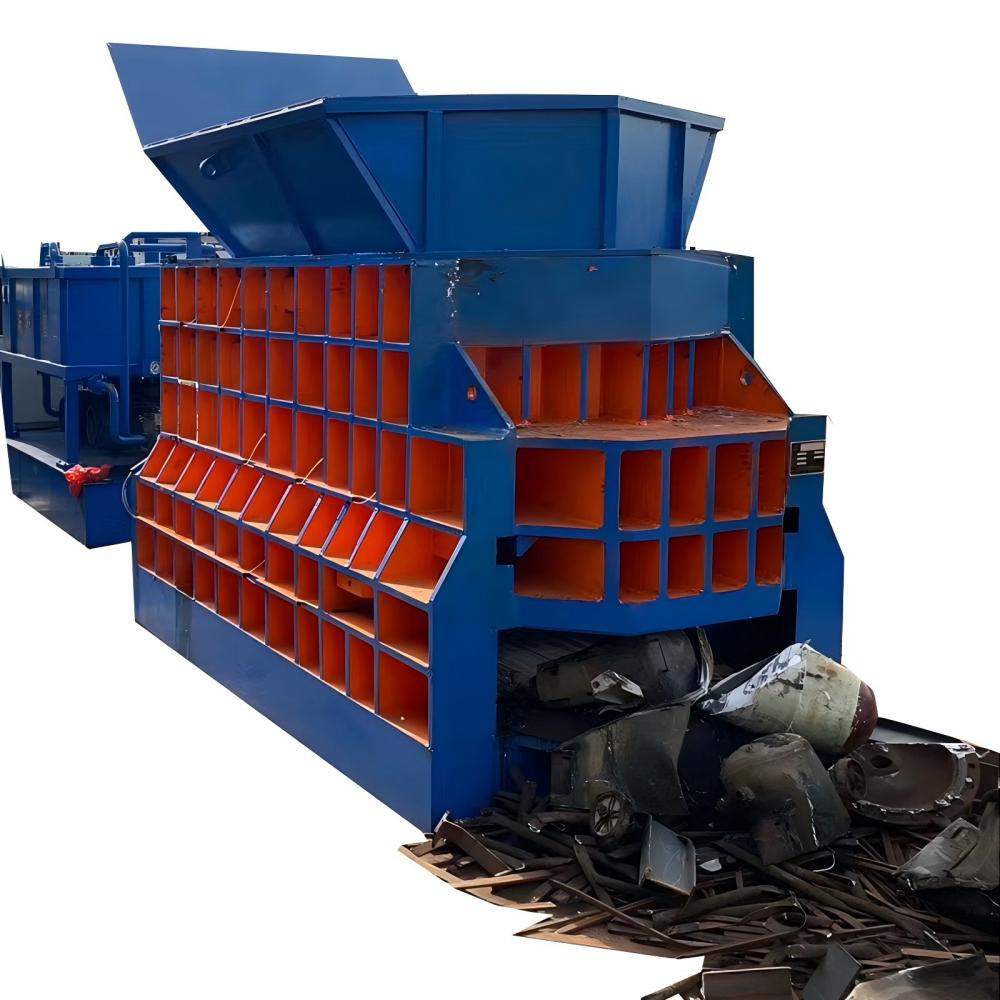
The feeding mechanism is also a point of variation. Most container shears use a gravity-fed or pusher-fed system. In a gravity-fed system, the box is tilted, and the weight of the scrap moves it toward the blade. In a pusher-fed system, a hydraulic ram forces the material forward. High-performance models often combine these with a “pre-compression” lid that crushes bulky scrap before it reaches the blade, ensuring a cleaner cut and preventing jams. This configuration is vital when processing “fluffy” scrap like car bodies or light sheet metal.
Hidden Costs of Owning a Container Shear
The sticker price is only the beginning of the financial commitment. One of the most overlooked hidden costs is the foundation and installation. A 600-ton container shear can weigh upwards of 30 tons. It requires a reinforced concrete pad to prevent the machine from sinking or shifting during operation. If your yard’s ground is not properly prepared, the vibration and weight will eventually cause structural damage to the machine’s frame.
Maintenance of wear parts is another ongoing expense. The blades in a container shear are consumable items. Depending on the material being processed, they may need to be rotated every few hundred hours and replaced entirely after a few thousand. High-performance machines often feature four-sided reversible blades to extend their lifespan, but the cost of a new set of high-alloy blades can still run into thousands of dollars. Additionally, the hydraulic oil—often hundreds of gallons—must be filtered and changed regularly to protect the expensive pumps and valves.
Energy consumption is the third major hidden cost. A machine that is not optimized for efficiency can quickly become a liability as electricity or diesel prices rise. Look for shears with “regenerative circuits” that reuse hydraulic fluid from the return stroke to speed up the next cycle, reducing the load on the motor. Finally, don’t forget the cost of operator training. A high-performance machine is only as good as the person running it; improper loading or ignoring warning signs on the PLC can lead to expensive downtime and repairs.
ROI Calculation: When Does the Investment Pay Off?
To justify the purchase of a high-performance container shear, you must calculate the Return on Investment (ROI). The primary driver of ROI in scrap processing is the “spread”—the difference between the price you pay for unprocessed scrap and the price you receive for processed, furnace-ready material. Processed scrap (like HMS1 cut to 2-foot lengths) commands a significantly higher price than oversized, mixed scrap because it is ready for the melting furnace.
Consider a scenario where a yard processes 500 tons of scrap per month. Without a container shear, they might sell oversized scrap at a lower margin or pay a third party to process it. With a high-performance shear, they can increase their margin by $40 to $60 per ton. At $50/ton, that is an additional $25,000 in monthly revenue. If the machine costs $150,000, the principal investment is recovered in just six months of operation, excluding labor and maintenance costs. Even with those costs factored in, most high-performance shears pay for themselves within 12 to 18 months.
Furthermore, labor savings are substantial. A container shear can often be operated by a single person using a material handler to load the box. This replaces the need for multiple workers using handheld torches or smaller, less efficient shears. The reduction in torch-cutting also eliminates the cost of oxygen and acetylene gases and significantly improves yard safety by reducing the risk of fires and respiratory issues associated with metal fumes.
Buying Advice: What to Look for in a High-Performance Container Shear
When you are ready to look in a high-performance container shear scrap processing solution, start with a thorough assessment of your material stream. If you primarily handle light aluminum or thin steel, a 400-ton machine is sufficient. However, if you deal with heavy industrial demolition scrap, do not settle for anything less than 600-800 tons. It is always better to have a machine that operates at 70% capacity than one that is constantly struggling at 100%.
Check the cycle time. A high-performance shear should complete a full cut and return cycle in 30 to 45 seconds. If the cycle time is longer, your hourly throughput will suffer. Ask the manufacturer about the “dead cycle” time—the time the machine spends moving without actually cutting. Efficient hydraulic systems minimize this. Also, inspect the blade gap adjustment mechanism. As blades wear, the gap between them increases, leading to “folding” rather than cutting. A machine that allows for easy, precise blade adjustment will save you hours of frustration.
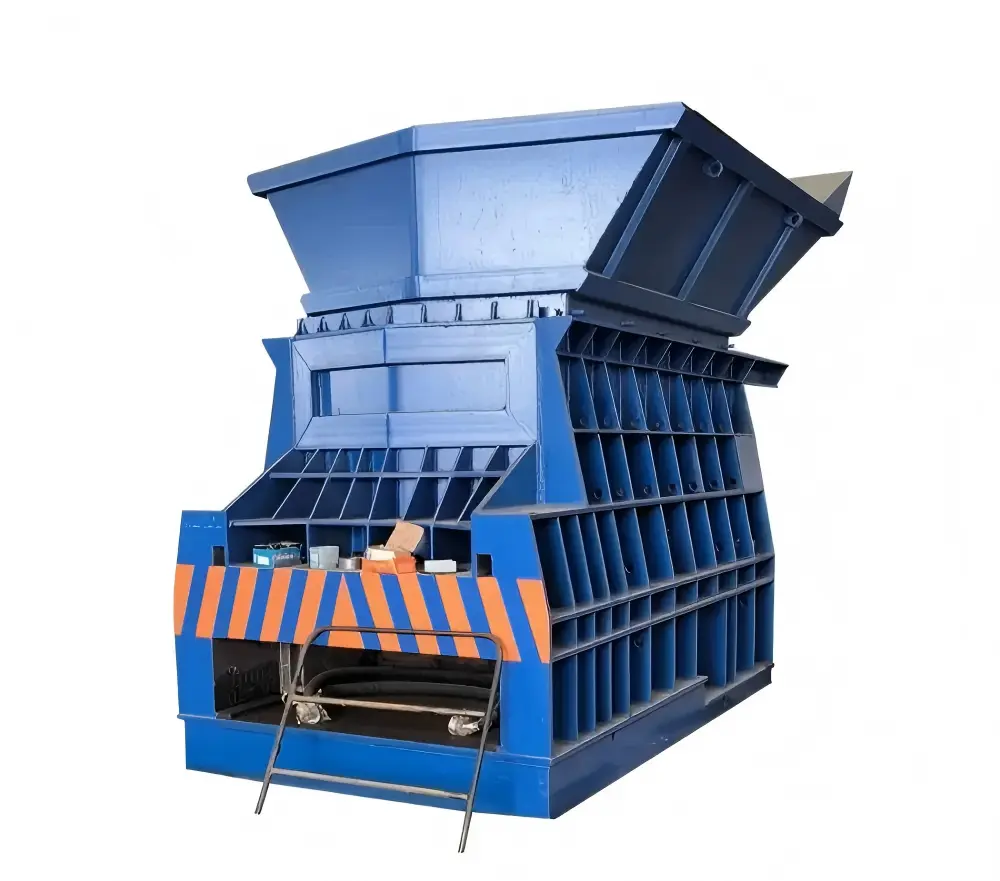
Finally, consider the after-sales support. These are complex machines that operate in harsh environments. Ensure the manufacturer or dealer has a robust spare parts inventory and technicians who can provide remote or on-site assistance. Brands like HARSLE have built a reputation for providing detailed technical documentation and responsive support, which is critical for minimizing downtime. Always request a video of the machine processing material similar to yours before finalizing the purchase.
Technical Specifications Table
| Feature | Standard Performance | High-Performance (HARSLE) |
|---|---|---|
| Cutting Force | 400 – 500 Tons | 630 – 1250 Tons |
| Cycle Time | 60 – 90 Seconds | 30 – 50 Seconds |
| Blade Material | Standard Tool Steel | High-Alloy 9CrSi or Cr12MoV |
| Control System | Manual Valves / Basic Relay | Siemens PLC with Touchscreen |
| Hydraulic Pump | Domestic Fixed Pump | Rexroth/Kawasaki Variable Pump |
| Cooling System | Passive Air Cooling | Industrial Water or Forced Air Cooling |
Frequently Asked Questions (FAQ)
1. What is the main advantage of a container shear over a gantry shear?
The main advantage is mobility and installation ease. A container shear does not require the massive, deep foundations that a gantry shear needs. It can be moved around the yard or to different sites, and its “containerized” design protects the hydraulic and electrical components from the elements and debris.
2. How often do the blades need to be sharpened or replaced?
This depends entirely on the material. For clean, light scrap, blades can last 500+ hours before needing a rotation. For heavy, sandy, or reinforced scrap, you might need to rotate them every 200 hours. High-performance shears use four-sided blades, so you can rotate them three times before needing a full replacement or professional regrinding.
3. Can a container shear handle car bundles?
Yes, provided the machine has a sufficient cutting force (usually 800 tons+) and a large enough feeding box. Many high-performance models feature a pre-compression lid specifically designed to flatten bulky items like car bodies or large tanks before they reach the shearing blade.
4. What kind of hydraulic oil should I use?
Most manufacturers recommend a high-quality anti-wear hydraulic oil, such as ISO VG 46 or 68, depending on your local climate. In extremely cold environments, a low-pour-point oil is necessary to prevent pump cavitation during startup. Always follow the specific recommendations in your HARSLE manual.
5. Is it better to choose an electric or diesel motor?
If you have a stable power supply, electric is almost always better. It is cheaper to run, quieter, and requires less maintenance (no oil filters, coolant, or fuel systems for the engine). Diesel is only recommended if you need the machine to be truly mobile or if your yard lacks the electrical capacity for a 45kW+ motor.
6. How do I know if the cutting force is enough for my scrap?
A general rule of thumb: 500 tons can cut up to 50mm thick mild steel plate; 800 tons can handle up to 80mm. However, the shape of the material matters. A hollow pipe is easier to cut than a solid bar of the same thickness. Always consult with the manufacturer’s capacity chart for specific material types.
7. What are the signs of a failing hydraulic pump?
Common signs include increased noise (whining or grinding), slower cycle times, excessive heat in the hydraulic tank, and erratic movement of the shear head. Regular oil analysis can help detect metal particles in the oil, which is an early warning sign of pump wear.
8. Can the machine be operated remotely?
Yes, many high-performance container shears come with a wireless remote control. This allows the operator of the material handler (the crane or excavator loading the shear) to also trigger the cutting cycles, eliminating the need for a second person in a control cabin.
Conclusion
Investing in a container shear is a significant step for any scrap processing business. By focusing on what to look for in a high-performance container shear scrap processing unit—specifically the hydraulic efficiency, structural durability, and automation capabilities—you can ensure that your investment yields high returns for years to come. Machines from reputable manufacturers like HARSLE provide the reliability and technical edge needed to stay competitive in the modern recycling market. Remember to look beyond the initial price tag and consider the total cost of ownership, including maintenance, energy, and the value of increased throughput.