Container Shear vs Hydraulic Scrap Shear: Differences, Advantages, and Selection Tips

Technical Overview: Understanding the Mechanics of Scrap Processing
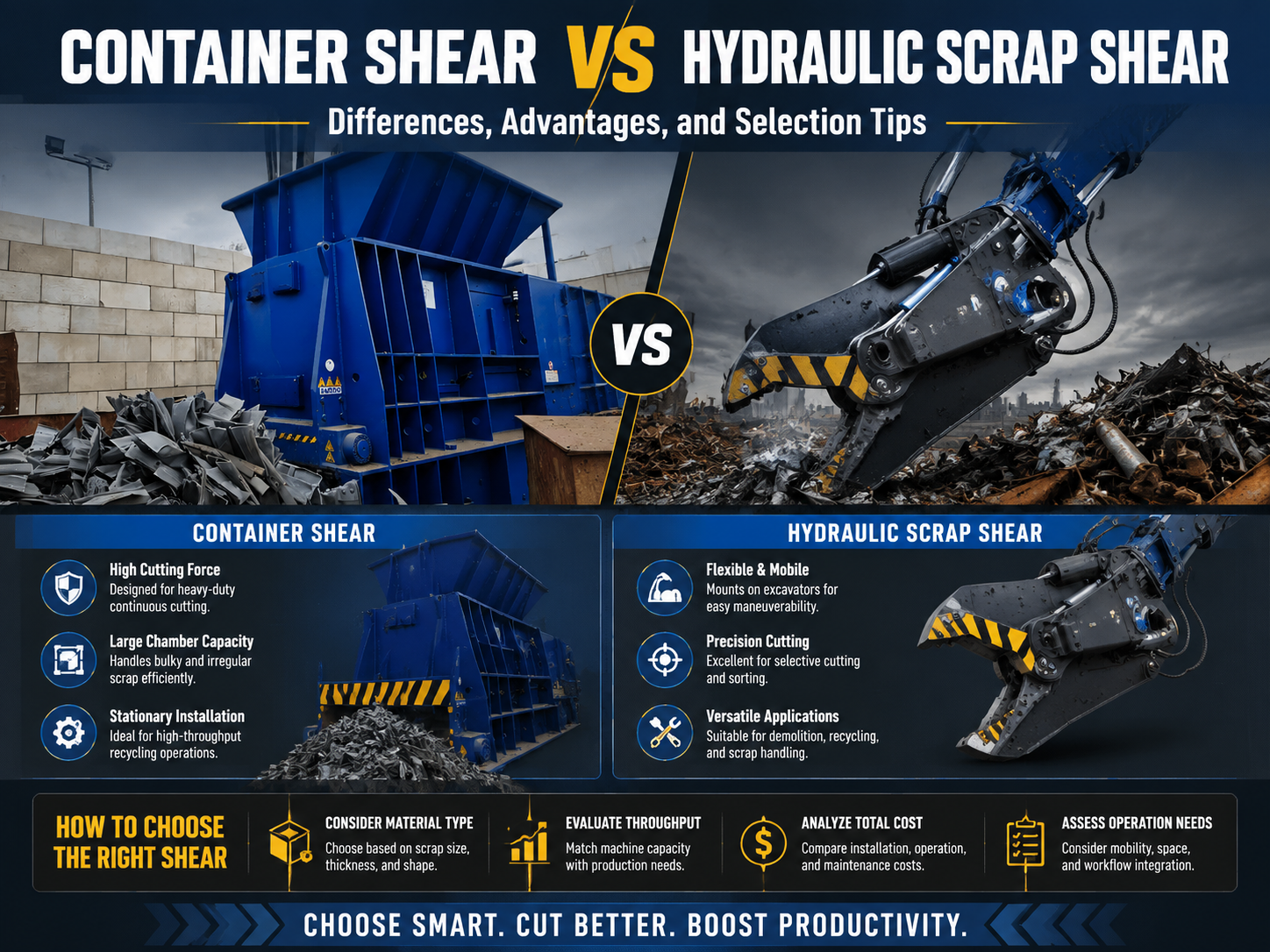
In the modern metal recycling and fabrication industry, the efficiency of processing scrap metal directly impacts the bottom line. Two of the most prominent machines used for this purpose are the Container Shear and the Hydraulic Scrap Shear (often referring to the Gantry or Vertical Shear). While both serve the primary function of reducing large metal pieces into manageable, furnace-ready sizes, their mechanical designs, operational workflows, and ideal applications differ significantly.
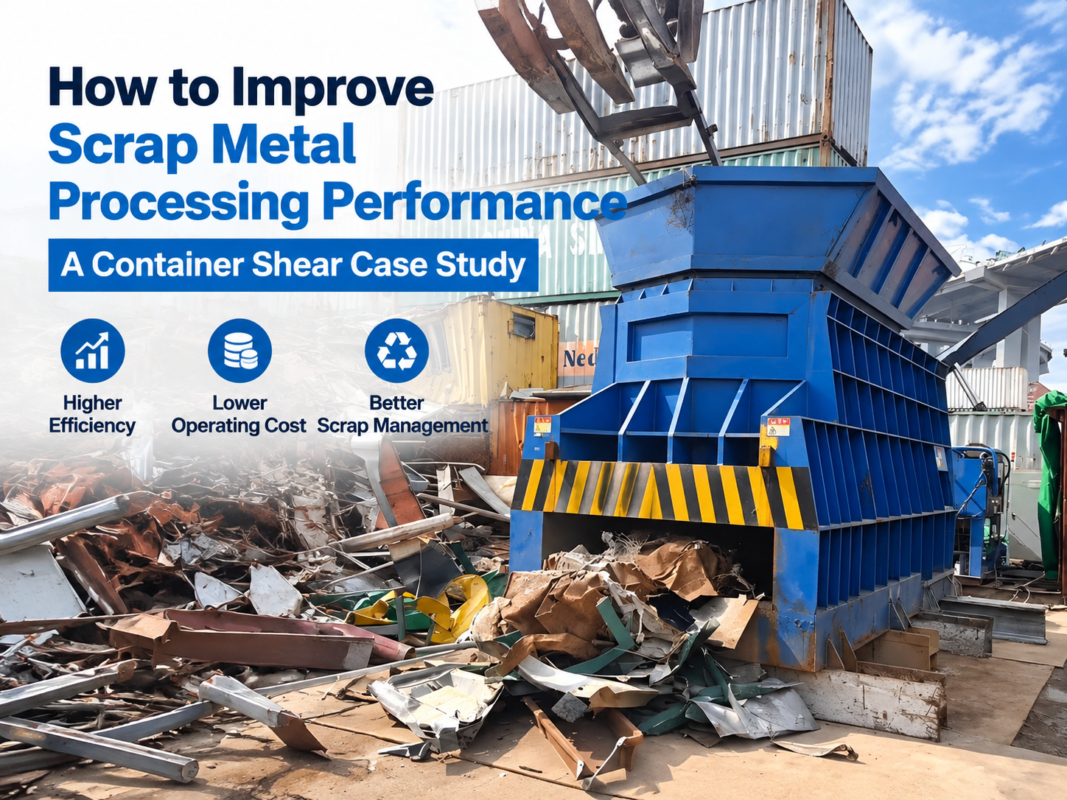
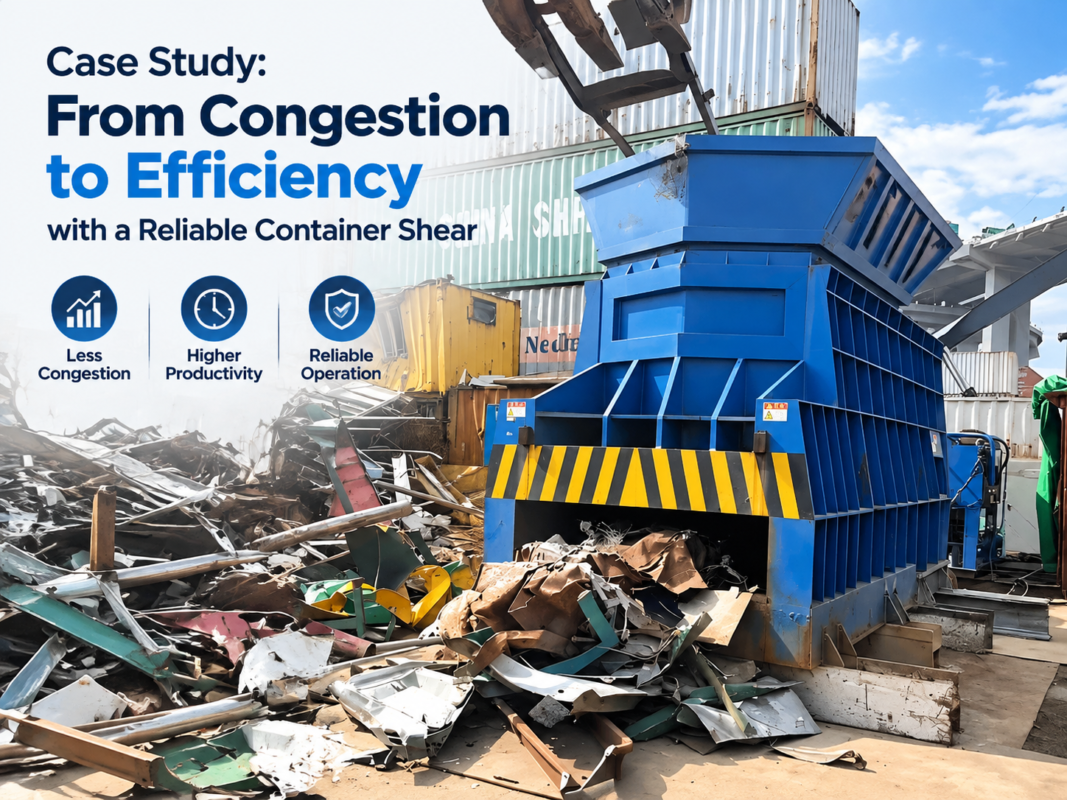
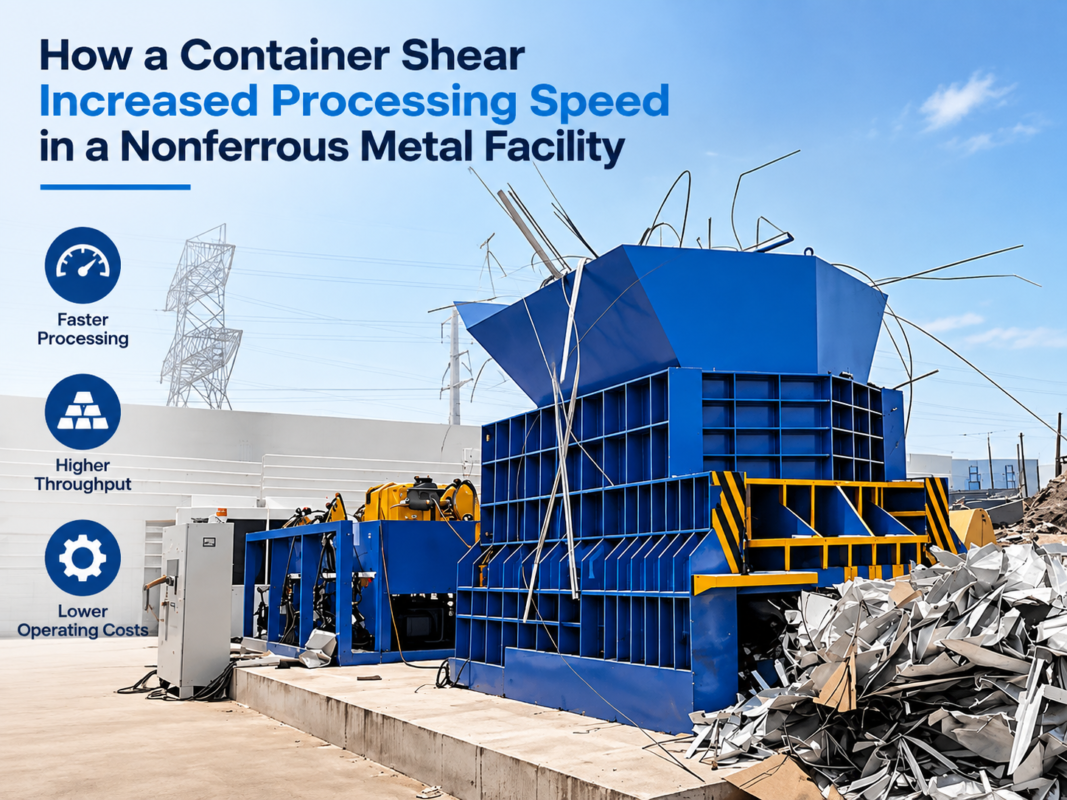
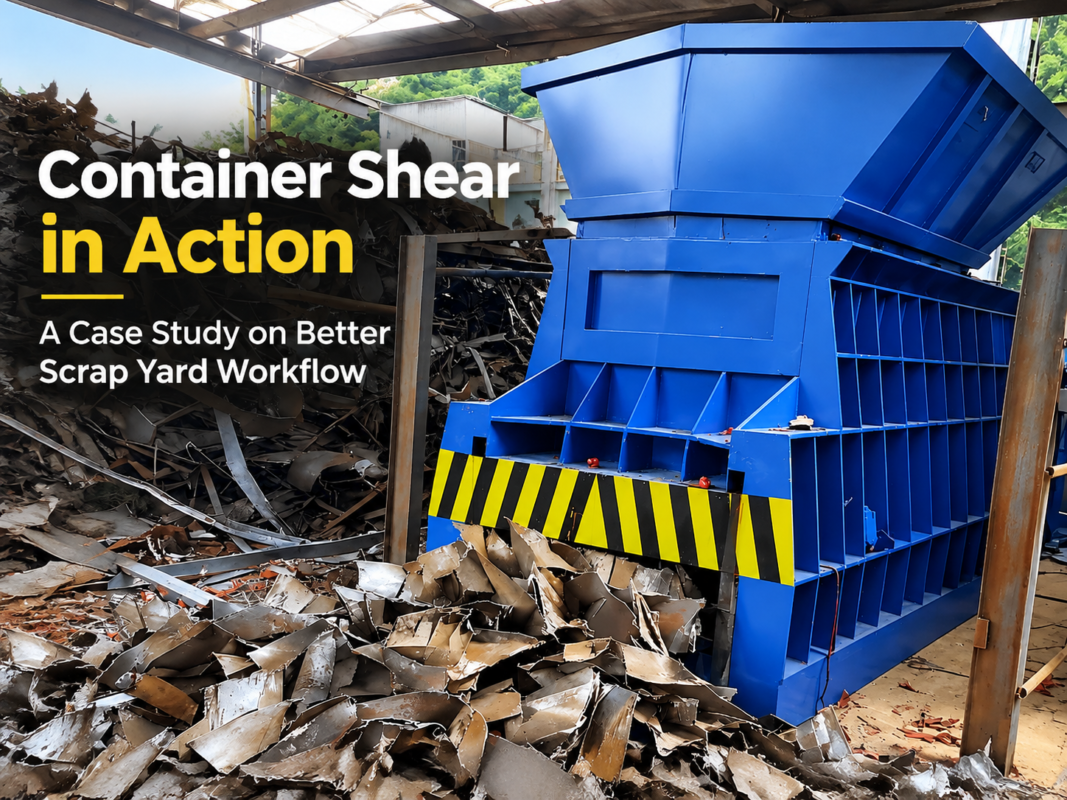
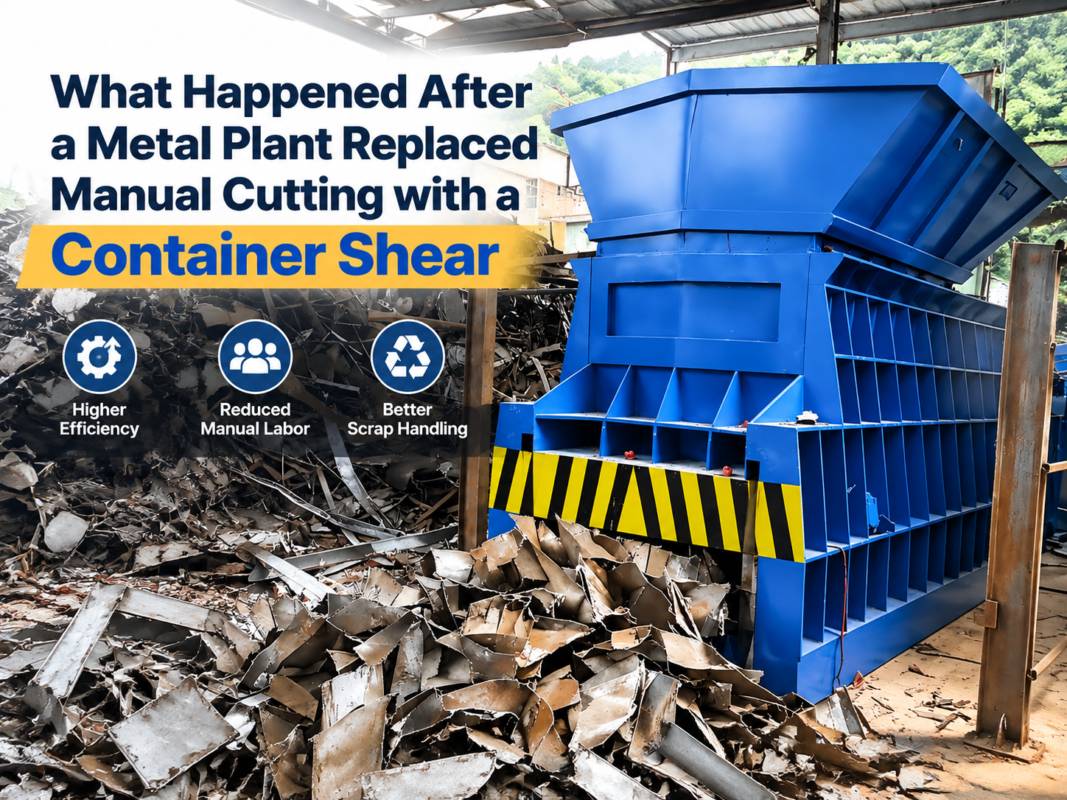
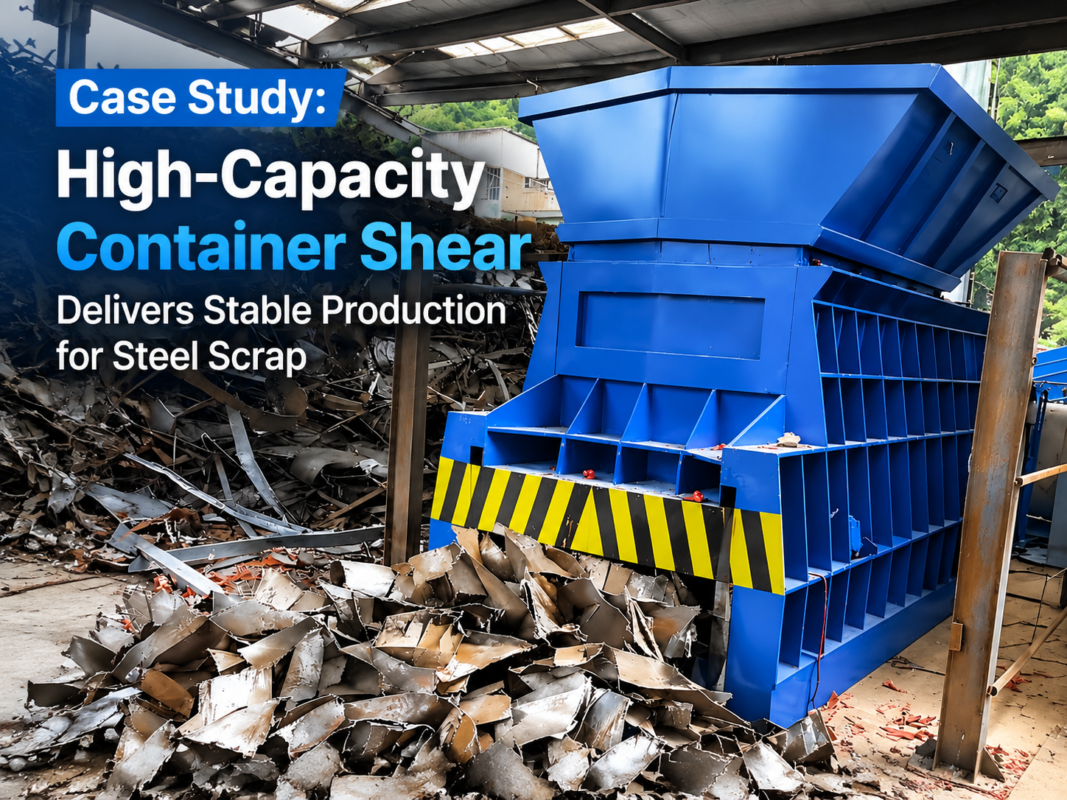
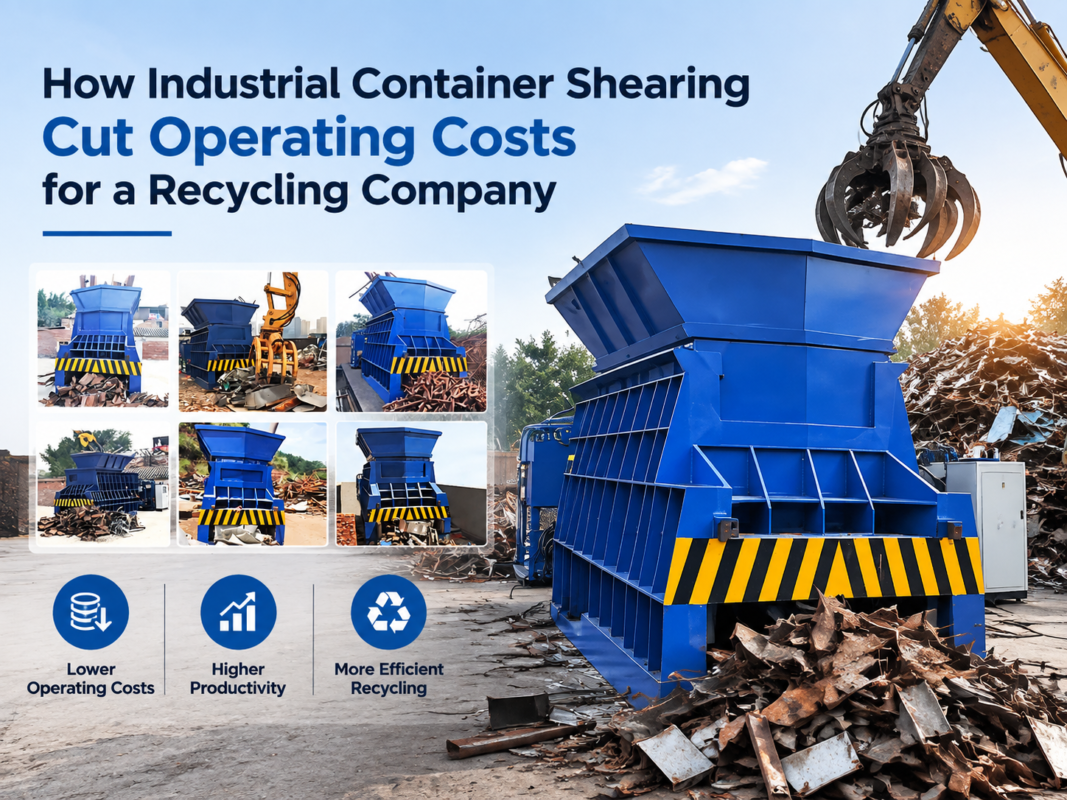
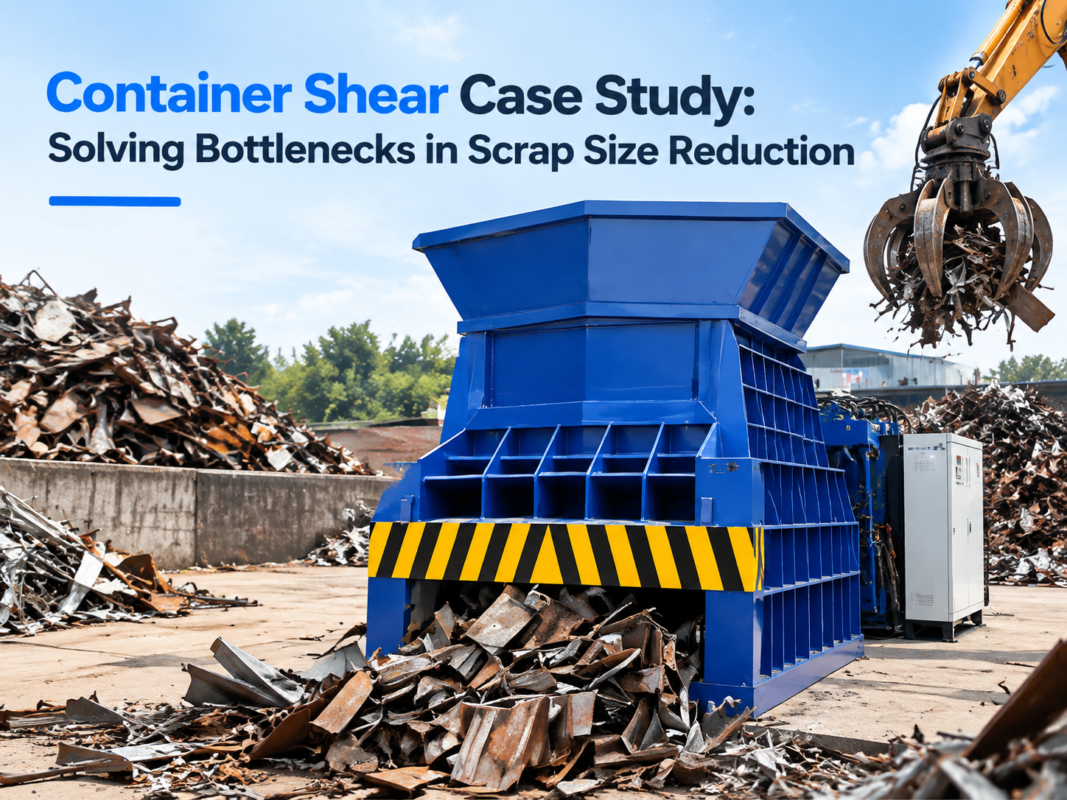
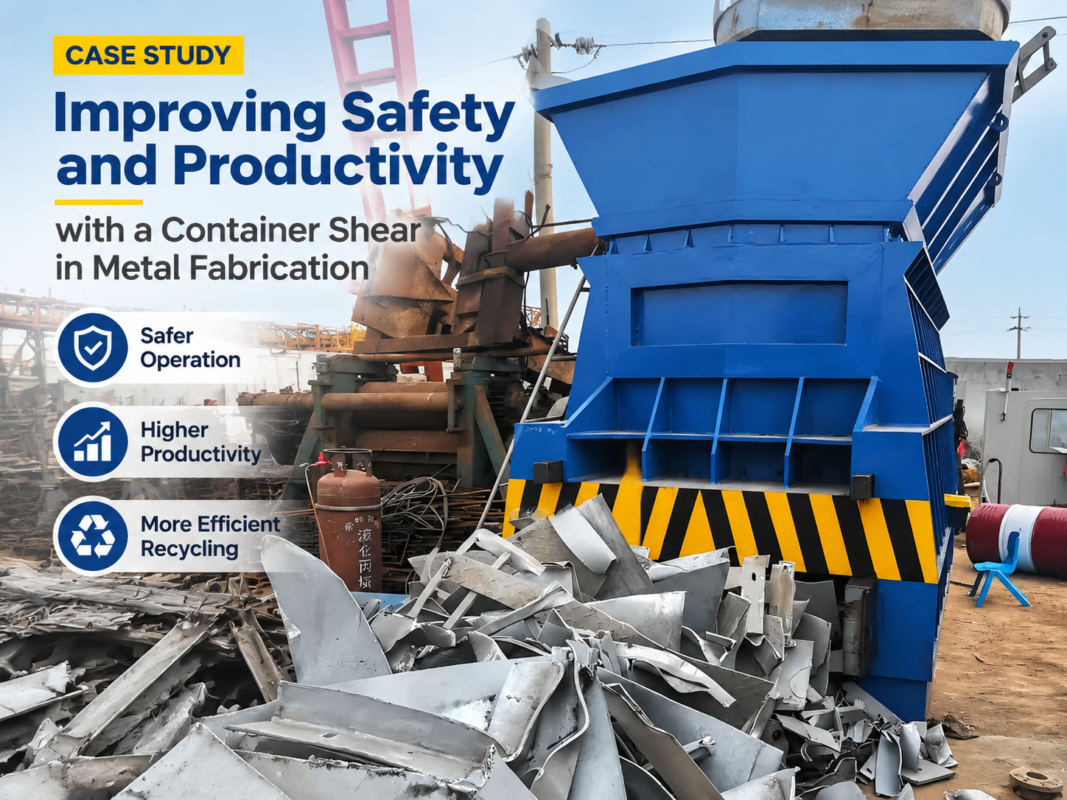
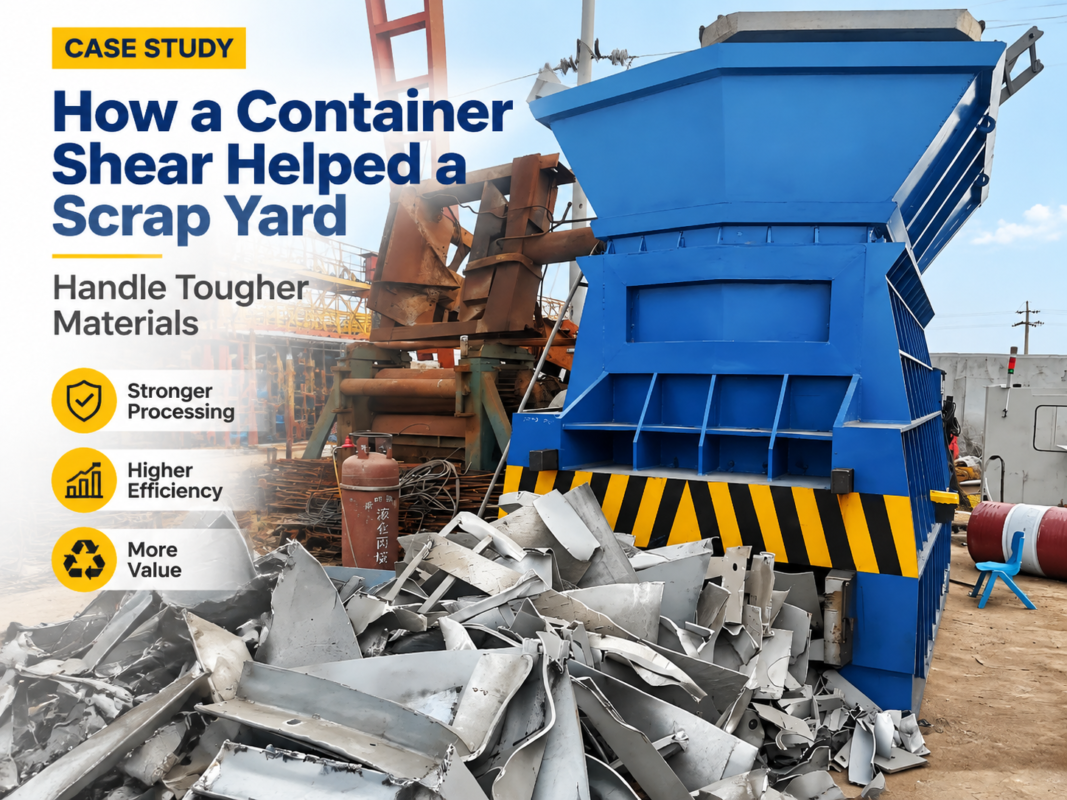
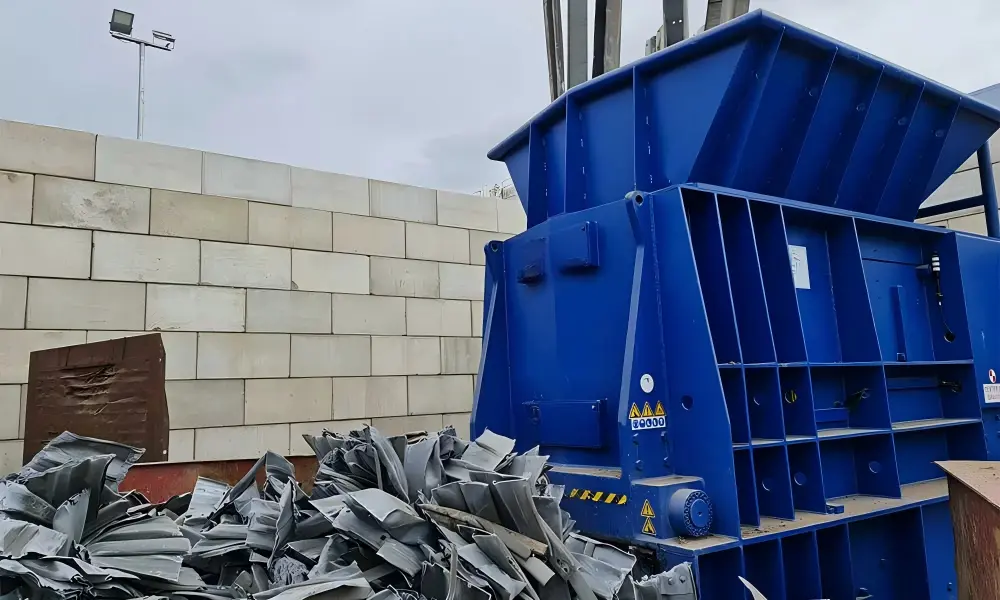
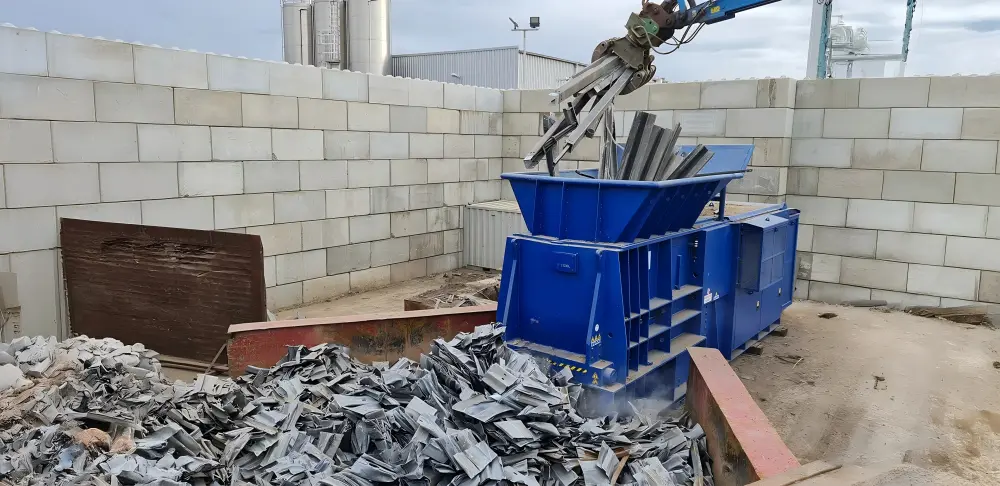
A Container Shear is a specialized, integrated unit designed for high mobility and ease of installation. It features a horizontal shearing mechanism housed within a box-like structure. The scrap is loaded into a hopper, and a hydraulic pusher moves the material toward the blades. Its design is inspired by the dimensions of standard shipping containers, allowing it to be transported easily between sites. This makes it a favorite for scrap yards that require flexibility or operate on leased land where permanent foundations are not feasible.
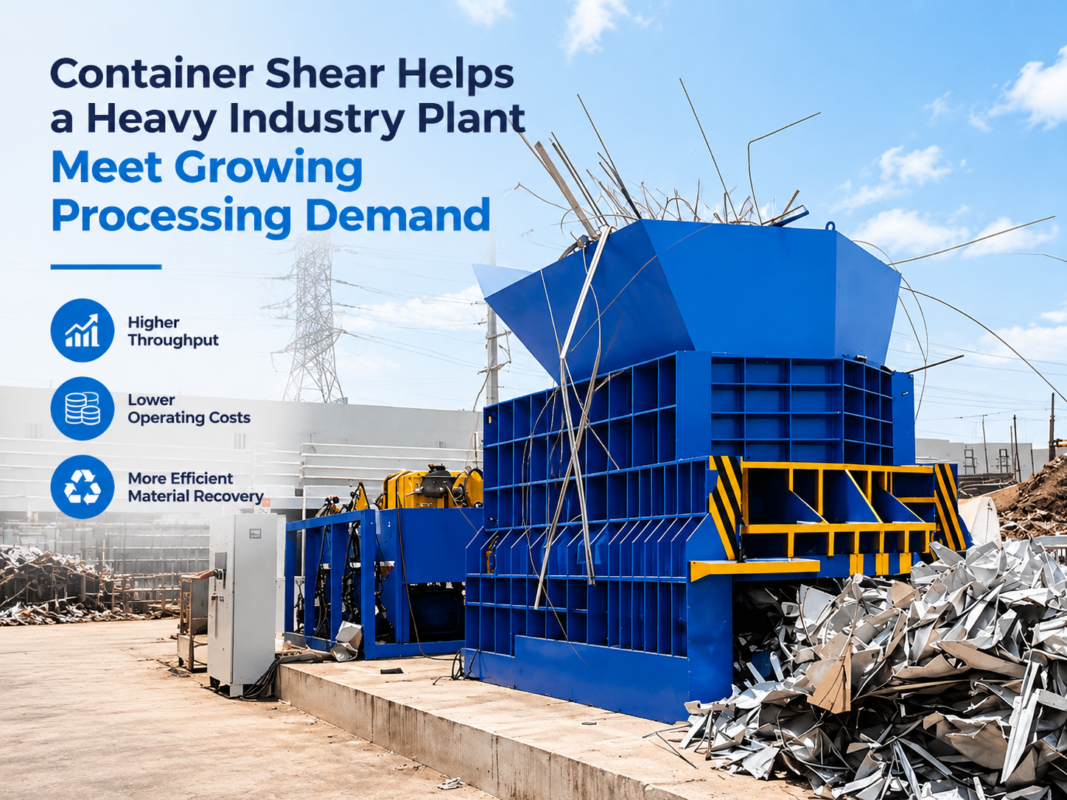
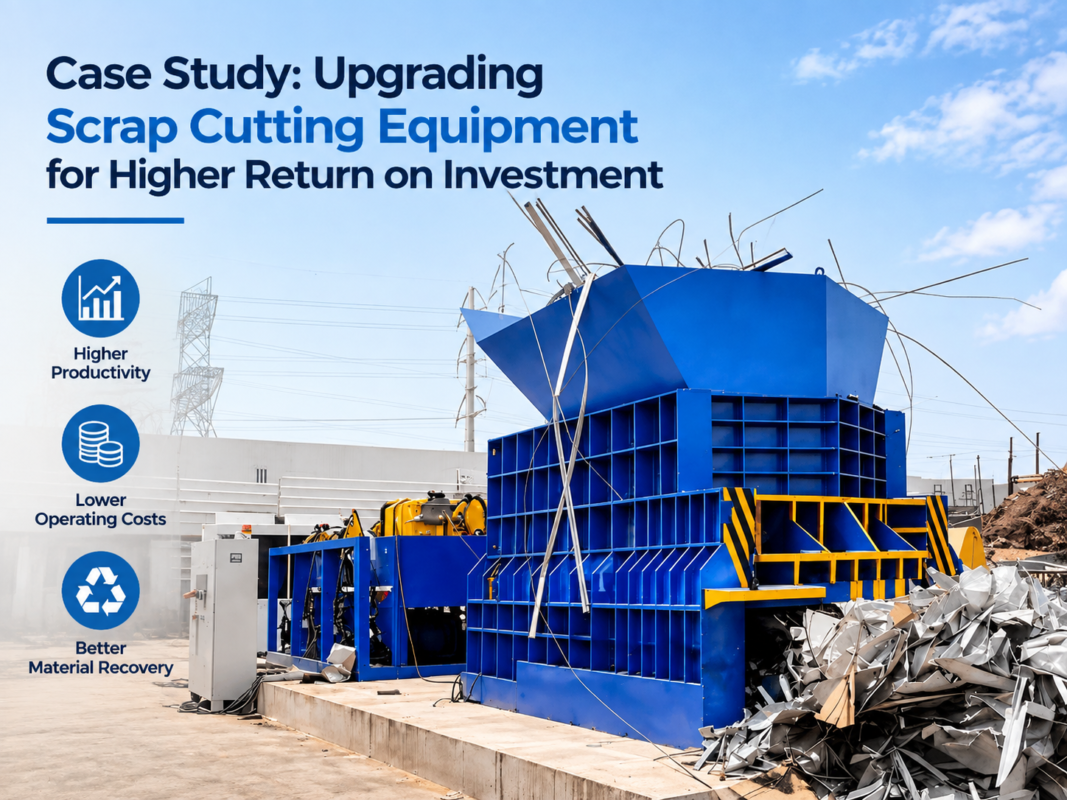
On the other hand, a Hydraulic Scrap Shear, specifically the Gantry type, is a stationary powerhouse. It utilizes a vertical guillotine-style cutting motion. These machines are typically much larger and require a dedicated concrete foundation. They are designed for high-volume, heavy-duty processing of thick structural steel, ship plates, and large-scale industrial scrap. The Gantry shear uses a massive hydraulic cylinder to drive a heavy blade downward, providing immense cutting force that can handle the toughest materials in the recycling stream.
The fundamental difference lies in the movement of the material and the orientation of the force. The container shear is a continuous-feed, horizontal system, whereas the gantry shear is a batch-feed, vertical system. Understanding these mechanical nuances is the first step in determining which machine fits your facility’s operational throughput and material profile.
Core Parameters: Comparing Performance Metrics
When evaluating these two types of machinery, several core parameters must be analyzed to ensure the equipment meets production targets. These parameters include shearing force, cycle time, blade length, and power consumption. Each of these factors plays a critical role in the machine’s overall efficiency and the quality of the output scrap.
Shearing Force: This is perhaps the most critical metric. Container shears typically range from 400 to 800 tons of cutting force. This is sufficient for light to medium scrap, such as car bodies, pipes, and small structural beams. Hydraulic Gantry shears, however, can reach forces exceeding 1,250 to 2,000 tons, making them capable of shearing heavy HMS1 (Heavy Melting Steel) and thick industrial plates that a container shear might struggle with.
Cycle Time and Throughput: Container shears are known for their rapid cycle times. Because the material is pushed horizontally and the blade stroke is relatively short, they can process a high volume of light scrap very quickly. Gantry shears have a longer stroke and a more complex compression cycle (using a side-press or lid-press), which might result in a slower cycle time per cut, but they compensate by processing much larger volumes of material in a single stroke.
Blade Length and Opening: The width of the blade determines the maximum size of the scrap that can be fed into the machine without pre-processing. Container shears usually have blade widths between 600mm and 1000mm. Gantry shears offer much wider openings, often exceeding 1500mm, allowing for the processing of oversized industrial components that would otherwise require manual torch cutting before being fed into a smaller machine.
Power and Energy Efficiency: Modern HARSLE machines utilize advanced hydraulic systems with variable displacement pumps. While Gantry shears require more total power due to their massive size, they are often more energy-efficient per ton of processed heavy scrap. Container shears are optimized for lower power consumption during the processing of lighter materials, making them more cost-effective for smaller yards.
Calculation Method: Determining Shearing Force and Capacity
To select the right machine, engineers must calculate the required shearing force based on the materials they intend to process. The standard formula for shearing force ($F$) is:
F = L × S × τ
Where:
– L is the length of the cut (blade width in contact with material).
– S is the thickness of the material.
– τ is the shear strength of the material (e.g., for mild steel, this is approximately 350-450 MPa).
For example, if you are shearing a 20mm thick mild steel plate with a 600mm blade, the force required would be significantly higher than shearing a 10mm plate. However, in scrap processing, the material is rarely a flat plate. It is often a bundle of pipes or structural shapes. In these cases, engineers use an “equivalent thickness” calculation to ensure the machine has a safety margin of at least 20-30% above the theoretical maximum force required.
Another vital calculation is the Hourly Production Capacity (Q). This is calculated as:
Q = (V × ρ × 3600) / T
Where:
– V is the volume of the compression box.
– ρ is the density of the scrap after compression.
– T is the total cycle time in seconds.
By using these formulas, a facility manager can determine if a 500-ton container shear will meet their 10-ton-per-hour goal or if they need to upgrade to a larger hydraulic gantry shear.
Parameter Table: Container Shear vs. Hydraulic Gantry Shear
| Feature | Container Shear (HARSLE CS Series) | Hydraulic Gantry Shear (HARSLE GS Series) |
|---|---|---|
| Installation | No foundation required; Plug-and-play | Requires reinforced concrete foundation |
| Mobility | High (can be moved via trailer) | Stationary (permanent installation) |
| Shearing Force | 400 – 800 Tons | 800 – 2000+ Tons |
| Material Type | Light to medium scrap, car shells, pipes | Heavy structural steel, ship plates, HMS1 |
| Feeding Method | Continuous horizontal pusher | Batch-fed with side/top compression |
| Blade Width | 600mm – 1000mm | 1000mm – 1800mm |
| Maintenance | Easier access to horizontal components | Requires specialized heavy lifting for blades |
Common Engineering Mistakes in Shear Selection
One of the most frequent mistakes in the scrap industry is underestimating material hardness. Many operators purchase a container shear based on the thickness of the scrap but fail to account for the alloy content. High-carbon steels or stainless steels have much higher shear strength than mild steel. Attempting to shear these materials in a machine rated only for mild steel leads to hydraulic system fatigue, blade chipping, and structural frame cracking.
Another common error is ignoring the importance of oil cooling and filtration. Hydraulic shears generate immense heat during continuous operation. In warmer climates, if the machine is not equipped with an oversized industrial chiller or air-cooling system, the hydraulic oil will lose its viscosity. This leads to internal leakage in the pumps and valves, drastically reducing the shearing force and slowing down cycle times. HARSLE recommends high-efficiency filtration systems to prevent metal particles from the scrap environment from entering the sensitive hydraulic circuit.
Furthermore, poor foundation planning for Gantry shears is a recipe for disaster. Because of the vertical impact force, a Gantry shear that is not properly anchored to a deep, reinforced concrete pad will eventually shift. This misalignment can cause the blade slide to bind, leading to catastrophic failure of the main cylinder or the machine frame. For container shears, the mistake is often the opposite: placing the machine on soft ground. Even though they don’t need a “foundation,” they still require a level, compacted surface to prevent the frame from twisting under load.
Lastly, many buyers overlook blade gap adjustment. The gap between the upper and lower blades must be adjusted based on the thickness of the material. A gap that is too wide for thin material will result in the metal “folding” rather than shearing, which jams the machine. Conversely, a gap that is too tight for thick material creates excessive friction and heat, dulling the blades prematurely.
Selection Checklist: Choosing the Right Machine for Your Yard
Selecting between a container shear and a hydraulic scrap shear requires a systematic approach. Use the following checklist to guide your decision-making process:
- Material Profile: What is the primary type of scrap? If it is mostly light-gauge steel, aluminum, or copper, a container shear is more efficient. If you process heavy beams, thick plates, or rebar bundles, a Gantry shear is necessary.
- Volume Requirements: How many tons do you need to process per shift? For volumes under 50 tons per day, a container shear is often sufficient. For high-volume industrial recycling centers processing hundreds of tons, the Gantry shear’s capacity is required.
- Site Constraints: Do you own the land? If you are on a short-term lease or need to move the machine between different yards, the container shear’s mobility is a decisive factor.
- Budget and ROI: Consider not just the purchase price, but the installation and operational costs. Container shears have lower installation costs, while Gantry shears offer lower cost-per-ton in high-volume scenarios.
- Power Availability: Does your site have the electrical infrastructure to support a 100kW+ motor for a large Gantry shear, or do you need a diesel-powered container shear option?
- Maintenance Capability: Do you have the staff to maintain a complex Gantry system, or do you need the simplified, more accessible design of a container shear?
Frequently Asked Questions (FAQ)
Q: Can a container shear handle HMS1 scrap?
A: While some high-end container shears can handle HMS1, it is generally not recommended for continuous use. HMS1 is thick and heavy; a Gantry shear is much better suited for the structural integrity required to process this material consistently without damaging the machine.
Q: How often should the blades be rotated or sharpened?
A: This depends entirely on the material being processed. For standard mild steel, blades should be checked every 40-80 hours of operation. Most HARSLE blades are four-sided, meaning you can rotate them four times before they need professional regrinding.
Q: Is a container shear truly “mobile”?
A: Yes. Most container shears are designed with a hook-lift system or are sized to fit on a standard low-boy trailer. They do not require a permanent foundation, meaning they can be operational within hours of arriving at a new site.
Q: What is the lifespan of a hydraulic scrap shear?
A: With proper maintenance, including regular oil changes, blade rotations, and structural inspections, a high-quality HARSLE shear can last 15-20 years. The hydraulic pumps and seals may need replacing every 5-7 years depending on usage intensity.
Q: Which machine is better for environment-conscious operations?
A: Both machines contribute to recycling, which is inherently eco-friendly. However, container shears are often available with high-efficiency electric motors that reduce the carbon footprint compared to older, diesel-powered mobile units. Additionally, their ability to process scrap closer to the source reduces transportation emissions.
In conclusion, the choice between a Container Shear and a Hydraulic Scrap Shear depends on your specific operational needs. The container shear offers unmatched flexibility and speed for light to medium scrap, while the hydraulic gantry shear provides the raw power and volume capacity required for heavy industrial recycling. By carefully considering your material types, volume goals, and site limitations, you can select the HARSLE machine that will maximize your productivity and long-term profitability.