Understanding Container Shear Blade Design for Cleaner Cuts and Longer Service Life

Technical Overview of Container Shear Blade Mechanics
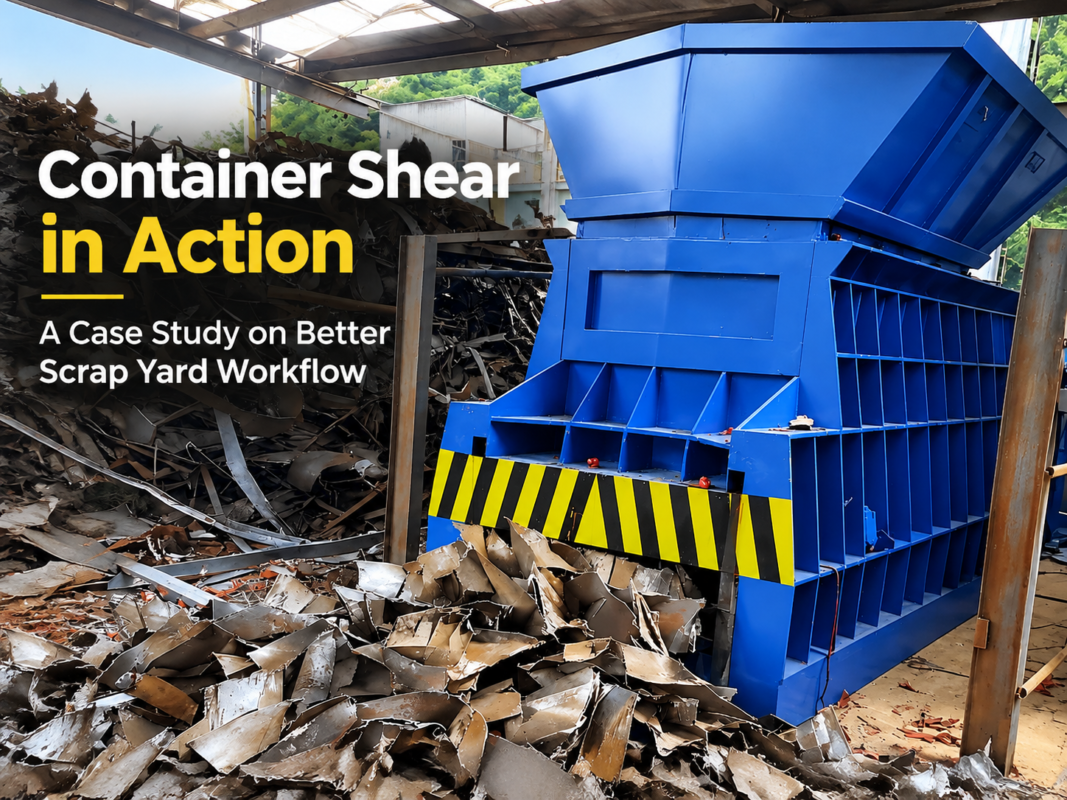
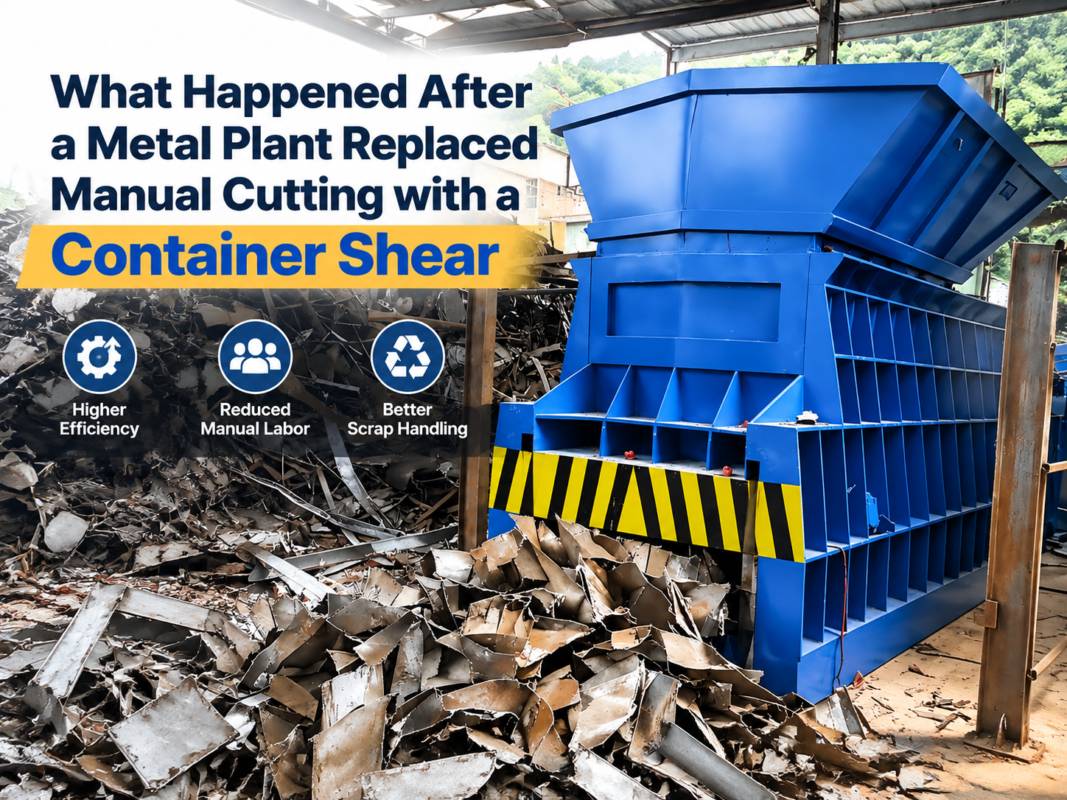
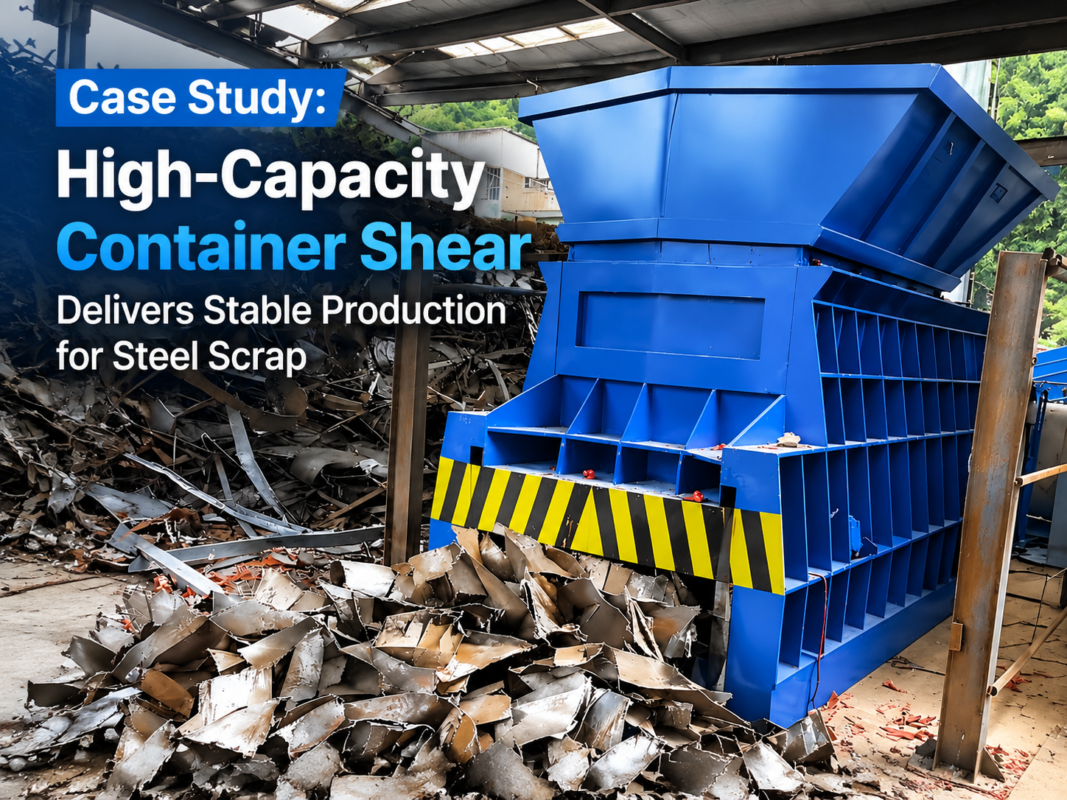
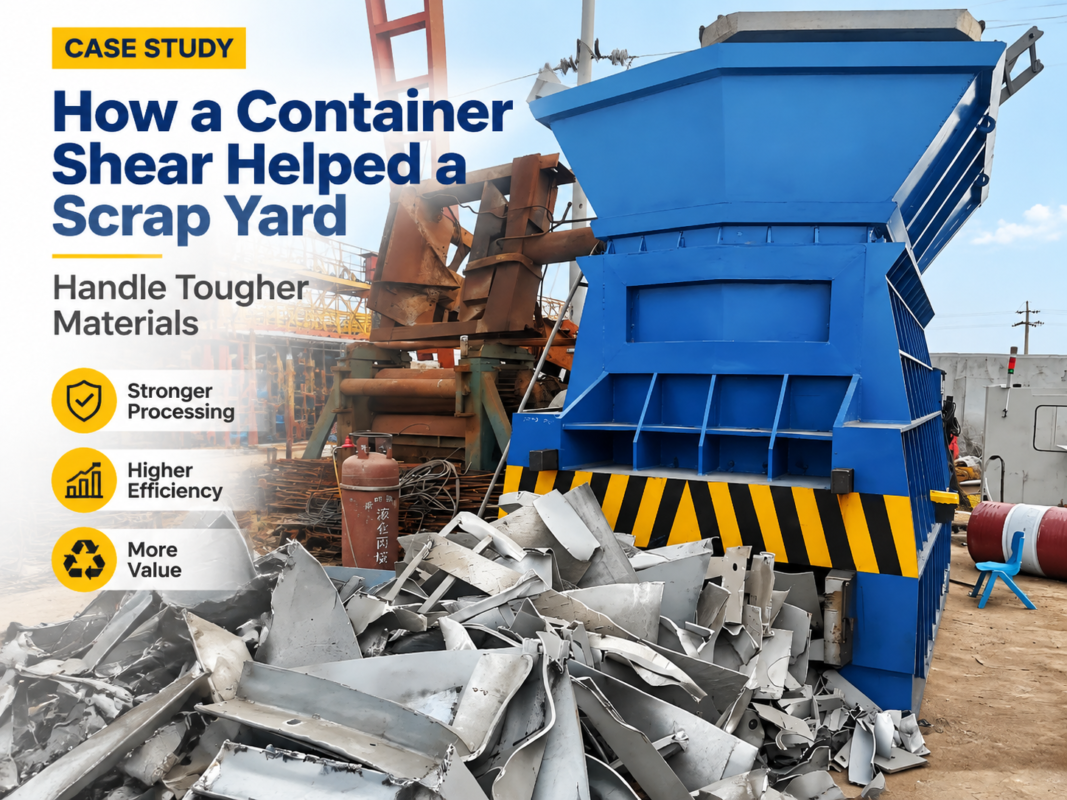
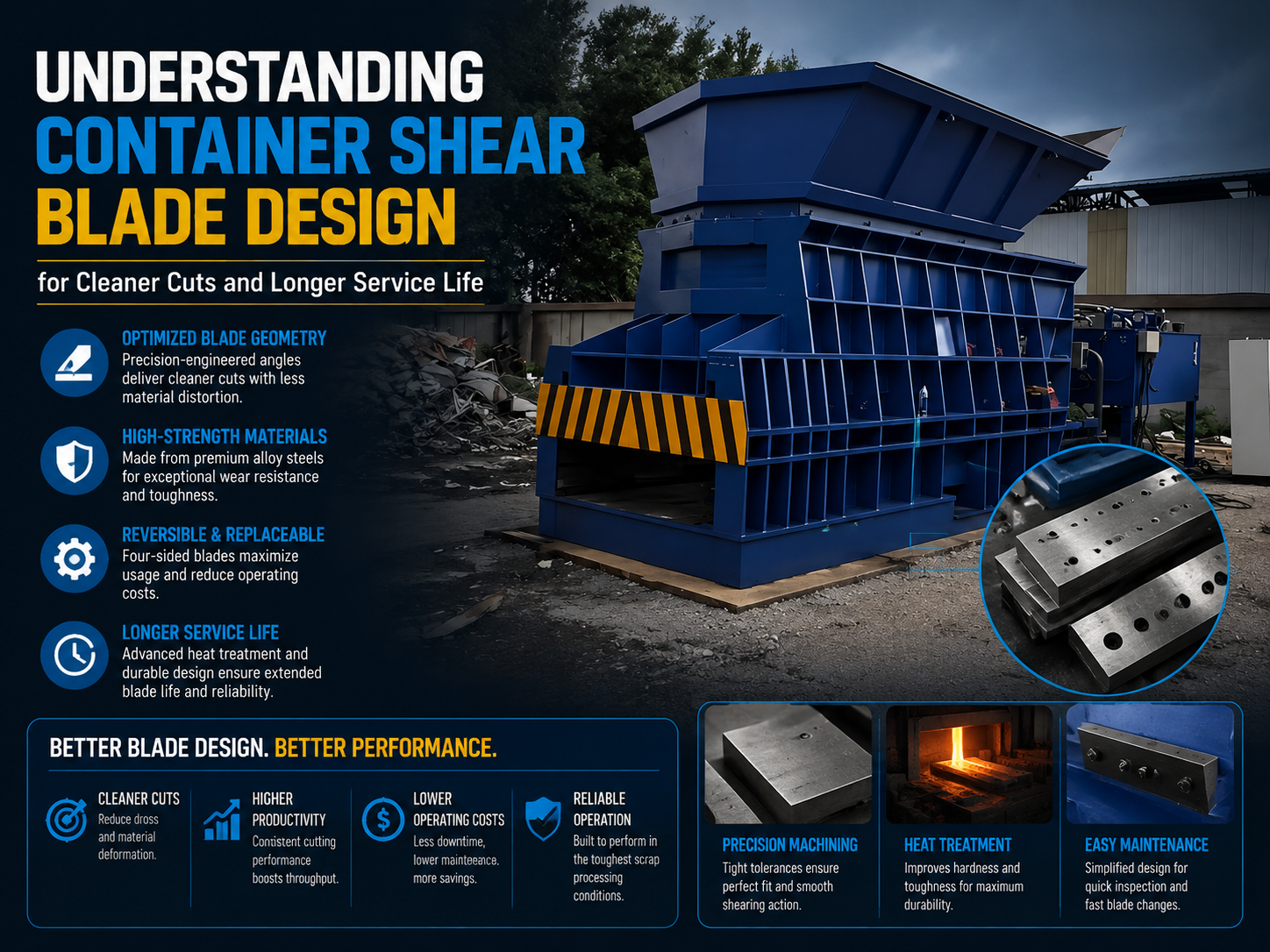
In the high-intensity world of scrap metal recycling, the container shear stands as a pivotal piece of machinery. Unlike traditional alligator shears or guillotine shears, the container shear is designed for continuous feeding and high-volume processing of diverse metal scrap. At the heart of this machine lies the blade assembly. Understanding container shear blade design for cleaner cuts and longer service life is not merely a matter of choosing the hardest steel; it involves a complex interplay of metallurgy, geometry, and hydraulic force distribution.
The shearing process in a container shear occurs in three distinct phases: plastic deformation, penetration, and fracture. When the upper blade descends, it first compresses the scrap material against the lower blade. As the pressure increases, the material undergoes plastic deformation. Once the ultimate shear strength of the metal is exceeded, the blade penetrates the material, eventually leading to a clean fracture. A well-designed blade ensures that these phases occur with minimal energy loss and reduced mechanical stress on the machine’s frame.
HARSLE container shears utilize advanced blade configurations to handle everything from HMS 1 and 2 to bulky structural steel. The design must account for the ‘crush factor,’ where the material is flattened before the actual cut begins. This requires a blade edge that can maintain sharpness under extreme compressive loads while resisting the abrasive nature of rust, paint, and dirt commonly found on scrap metal.
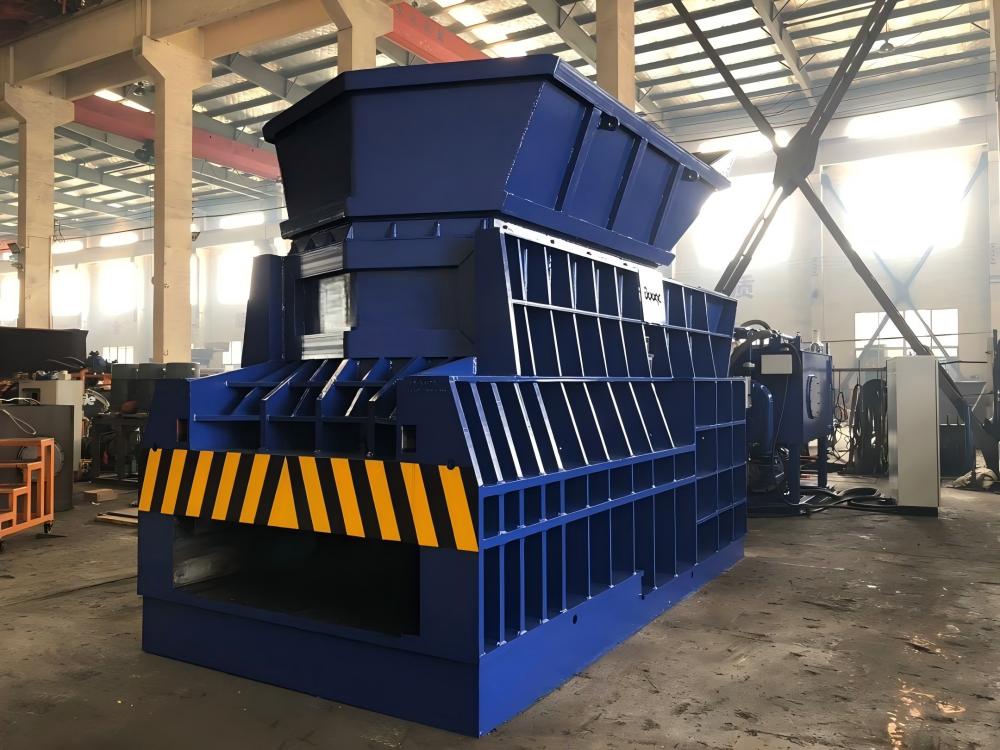
Furthermore, the thermal dynamics during high-speed shearing cannot be ignored. As the blades cycle through hundreds of tons of metal daily, friction generates significant heat. If the blade design does not allow for adequate heat dissipation or if the material selection lacks thermal stability, the blades will lose their temper, leading to rapid softening and premature failure. Therefore, the technical overview of these blades must include the cooling and lubrication systems that support the cutting edge.
Core Parameters Influencing Blade Performance
To achieve the goal of understanding container shear blade design for cleaner cuts and longer service life, one must analyze the core parameters that define the cutting environment. The first and perhaps most critical parameter is Blade Clearance. This is the horizontal distance between the upper and lower blades as they pass each other. If the clearance is too tight, the blades may collide due to thermal expansion or machine deflection, causing catastrophic damage. If it is too wide, the metal will ‘fold’ or ‘tear’ rather than cut, resulting in excessive burrs and increased hydraulic pressure requirements.
The second parameter is the Rake Angle. This is the angle of the upper blade relative to the horizontal plane. A higher rake angle reduces the initial contact area, thereby lowering the total force required to start the cut. However, a high rake angle also increases the stroke length and can cause the scrap to ‘creep’ or move during the cut. HARSLE engineers carefully balance the rake angle to optimize the trade-off between energy efficiency and cutting precision.
Thirdly, Material Hardness and Toughness are vital. Blades are typically manufactured from high-alloy tool steels such as 6CrW2Si, Cr12MoV, or specialized H13. The challenge is that hardness (resistance to wear) and toughness (resistance to cracking) are often inversely related. A blade that is too hard will shatter when it hits a piece of hardened tool steel scrap, while a blade that is too soft will dull within days. Modern vacuum heat treatment processes are employed to achieve a uniform hardness of 52-58 HRC, providing a ‘sweet spot’ for scrap processing.
Finally, the Blade Overlap and Cutting Speed play significant roles. Overlap ensures that the cut is completed fully across the entire width of the throat. Cutting speed must be synchronized with the hydraulic flow rate to prevent ‘shock loading’ the system. A controlled, steady descent is always preferable to a high-impact strike, as it preserves the integrity of the blade’s crystalline structure over millions of cycles.
Calculation Method for Shearing Force and Clearance
Engineering a container shear requires precise mathematical modeling to ensure the blades can handle the intended workload. The primary calculation involves determining the Shearing Force (F). The standard formula used is:
F = L × t × τ
Where:
L = Length of the cut (mm)
t = Thickness of the material (mm)
τ = Shear strength of the material (N/mm²)
However, for container shears with a rake angle, the formula is modified to account for the fact that the blade is not hitting the entire thickness at once. The modified formula is F = 0.5 × t² × τ / tan(φ), where φ is the rake angle. This demonstrates why increasing the rake angle significantly reduces the required hydraulic tonnage.
Calculating the Optimal Blade Clearance (c) is equally important. A common industry rule of thumb is that clearance should be between 5% and 10% of the material thickness. For scrap processing, where material thickness varies wildly, HARSLE recommends a clearance setting based on the thickest expected material in a given batch. The formula often used is c = k × t, where k is a constant based on the material type (e.g., 0.05 for soft aluminum, 0.08 for mild steel, and 0.10 for high-tensile alloys).

Engineers must also calculate the Service Life Expectancy based on the number of ‘tons per edge.’ Most container shear blades are four-sided, meaning they can be rotated three times before requiring professional regrinding. By tracking the tonnage processed against the wear rate (measured in millimeters of edge recession), operators can predict maintenance windows and avoid unplanned downtime.
Container Shear Blade Parameter Table
The following table provides a generalized guideline for blade settings based on common scrap metal categories processed by HARSLE machinery.
| Scrap Category | Typical Thickness (mm) | Recommended Blade Material | Optimal Clearance (% of t) | Expected Rake Angle (Degrees) |
|---|---|---|---|---|
| Light Sheet / Tin | 1 – 5 | 6CrW2Si | 5% – 6% | 2° – 4° |
| Structural Steel (I-Beams) | 10 – 25 | Cr12MoV | 8% – 9% | 5° – 8° |
| Heavy Melting Scrap (HMS) | 20 – 50 | H13 (Modified) | 10% | 8° – 12° |
| Stainless Steel Scrap | 5 – 15 | High-Nickel Alloy Steel | 7% – 8% | 6° – 9° |
| Aluminum Extrusions | 2 – 10 | D2 Tool Steel | 5% | 3° – 5° |
Common Engineering Mistakes in Blade Management
Even with the best understanding of container shear blade design for cleaner cuts and longer service life, certain engineering and operational mistakes can lead to premature failure. One of the most common errors is Neglecting the Shim Plate Maintenance. As blades are reground, they become thinner. To maintain the correct clearance, shims must be added behind the blade. Failure to use precision-ground shims can lead to blade ‘wobble,’ which creates uneven wear and can eventually crack the blade seat.
Another frequent mistake is Inconsistent Material Feeding. Container shears are designed to process a ‘log’ of compressed scrap. If the compression box does not properly densify the scrap before it reaches the blades, the blades may encounter ‘air gaps’ followed by sudden high-resistance inclusions (like a hidden crankshaft or hardened axle). This shock loading is the primary cause of blade chipping. Ensuring the pre-compression cycle is fully completed is essential for blade longevity.
Improper Lubrication is a silent killer of shear blades. While many operators believe the scrap itself provides enough ‘dry lubrication,’ the reality is that the friction between the blade sides and the scrap generates immense heat. Automatic lubrication systems that spray a fine mist of heavy-duty oil onto the blade faces between cycles can extend the life of the cutting edge by up to 30% by reducing adhesive wear.
Finally, Over-usage of Dull Blades is a costly error. When a blade is dull, the machine requires more hydraulic pressure to achieve the same cut. This extra pressure translates into heat in the hydraulic oil and stress on the cylinder seals. Operators often try to ‘push through’ to finish a shift, but the cost of the resulting hydraulic repairs and the increased energy bill far outweighs the time taken to rotate or change the blades.
Selection Checklist for Container Shear Blades
When purchasing replacement blades or specifying a new HARSLE container shear, use this checklist to ensure optimal performance:
- Material Compatibility: Does the blade steel match the primary scrap type (e.g., H13 for heavy HMS vs. D2 for lighter, cleaner scrap)?
- Heat Treatment Certification: Has the manufacturer provided a hardness test report showing consistent HRC values across the entire blade length?
- Dimensional Precision: Are the mounting holes and counterbores machined to within +/- 0.05mm to ensure a snug fit in the blade seat?
- Edge Configuration: Are the edges slightly chamfered or ‘broken’ to prevent initial chipping during the first few cuts?
- Rotation Capability: Is the blade designed with four usable edges to maximize the return on investment?
- Supplier Reputation: Does the supplier (like HARSLE) provide technical support for clearance settings and regrinding specifications?
- Coating Options: For high-abrasion environments, have you considered cryogenic treatment or specialized TiN coatings?
- Fastener Quality: Are you using Grade 12.9 bolts to secure the blades? Lower-grade bolts can stretch under load, leading to clearance migration.
Frequently Asked Questions (FAQ)
How often should I rotate my container shear blades?
The frequency of rotation depends entirely on the material being processed. For heavy HMS, rotation may be required every 200-400 operating hours. For lighter aluminum or sheet metal, you may get over 1,000 hours per edge. The best indicator is the ‘burr height’ on the cut scrap; once the burr exceeds 10% of the material thickness, it is time to rotate.
Can I weld and regrind a chipped blade?
While it is technically possible to ‘build up’ a chipped edge with specialized welding rods, it is generally not recommended for high-production container shears. The heat from welding can create a Heat Affected Zone (HAZ) that is either too brittle or too soft, leading to a catastrophic failure that could damage the blade seat or the hydraulic cylinders.
What is the best way to store spare blades?
Spare blades should be coated in a rust-preventative oil and stored horizontally on wooden pallets in a temperature-controlled environment. Storing them vertically or leaning them against a wall can lead to slight bowing over time, which makes achieving a precise clearance impossible during installation.
Why are my blades wearing faster on one side than the other?
This usually indicates an alignment issue with the shear ram or ‘gib’ wear. If the guides that hold the ram in place are worn, the ram will tilt slightly under load, causing the blades to pinch on one side and have excessive clearance on the other. Regular inspection of the bronze or plastic wear plates (gibs) is essential.
Does the temperature of the scrap metal affect blade life?
Yes. Processing extremely cold scrap (below freezing) increases the brittleness of both the scrap and the blades, making chipping more likely. Conversely, processing very hot scrap (e.g., from a nearby furnace) can transfer heat to the blades, potentially softening them. Ideally, scrap should be processed at ambient temperatures between 10°C and 40°C.