Maximizing Productivity with Container Shear Systems in Steel Scrap Recycling

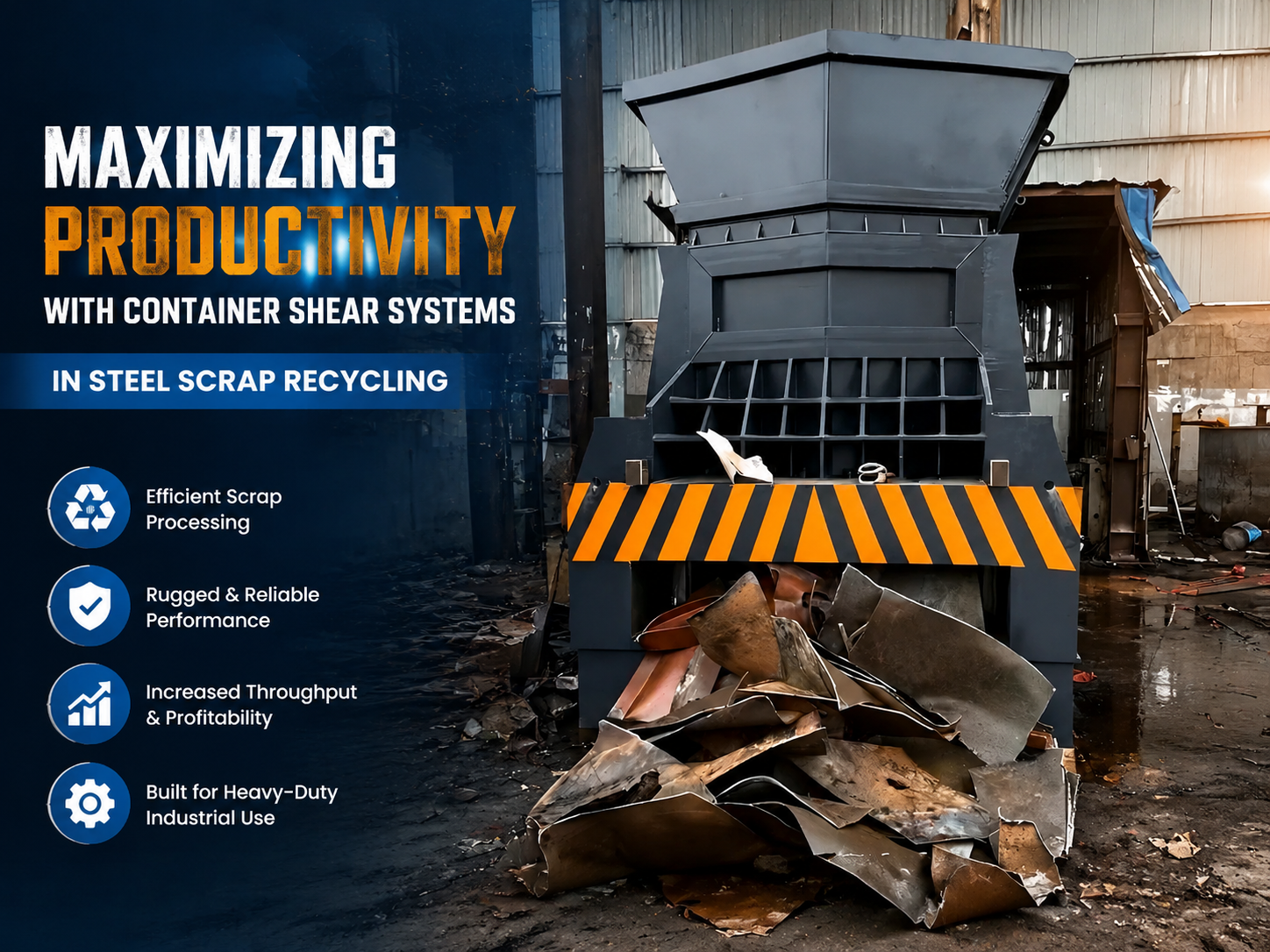
Technical Overview of Container Shear Systems
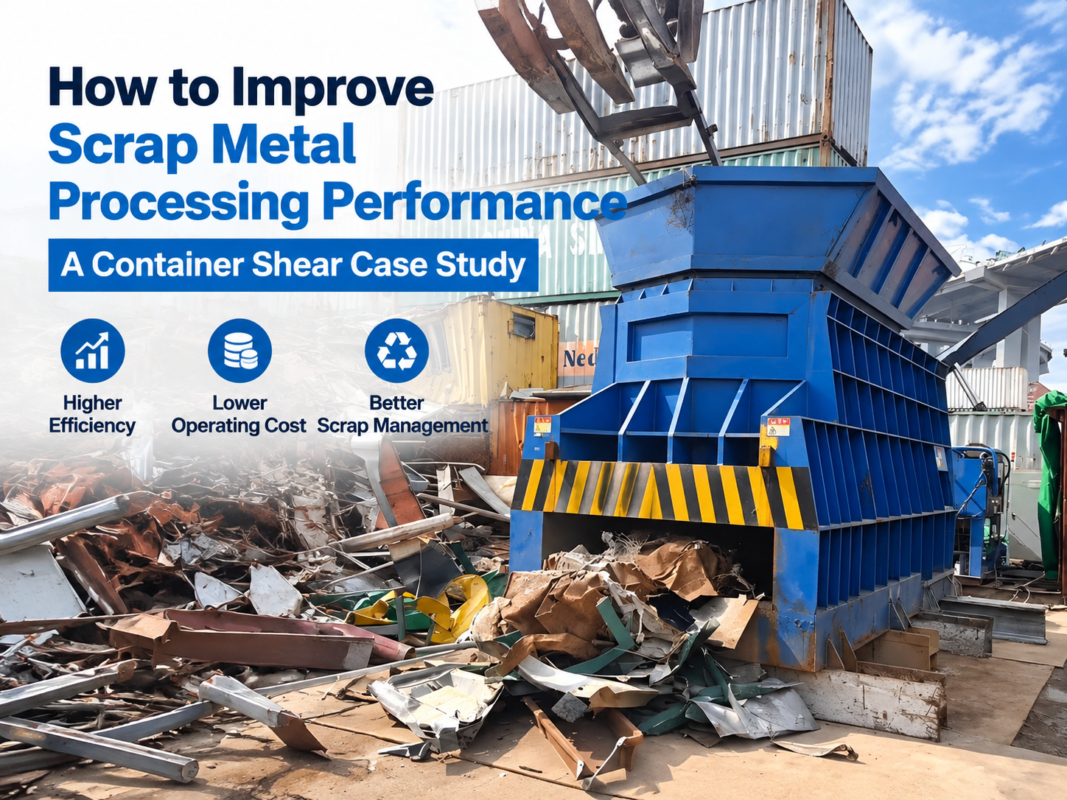
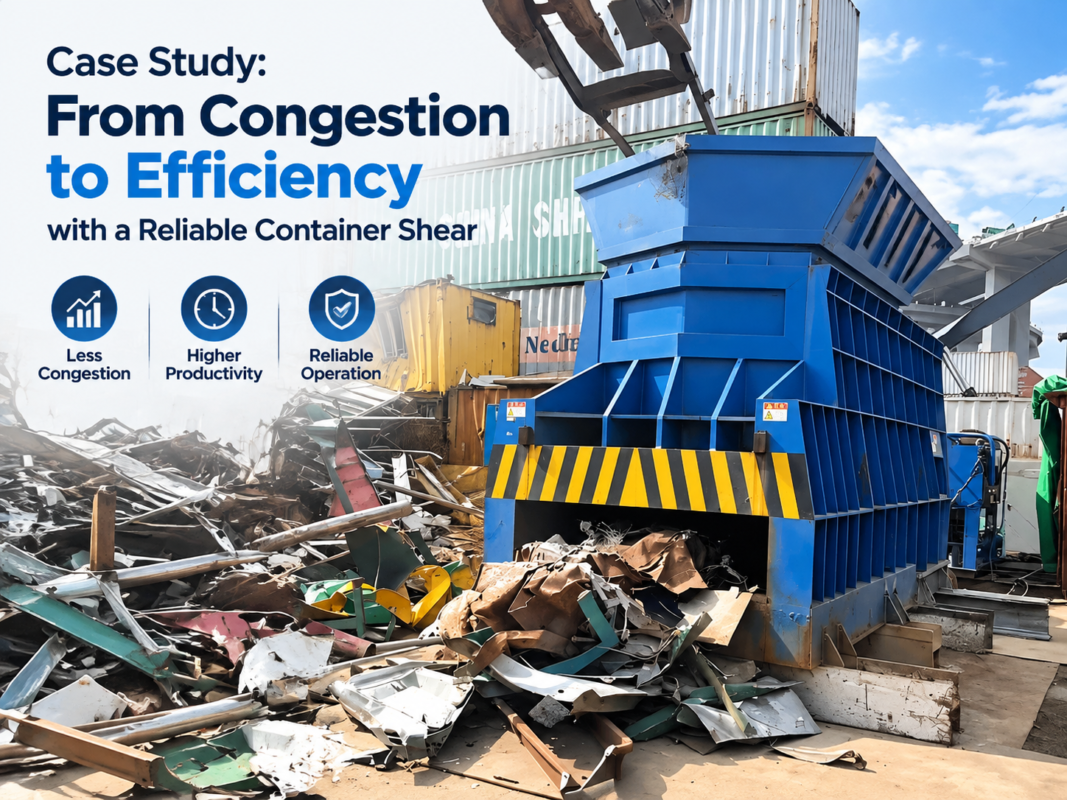
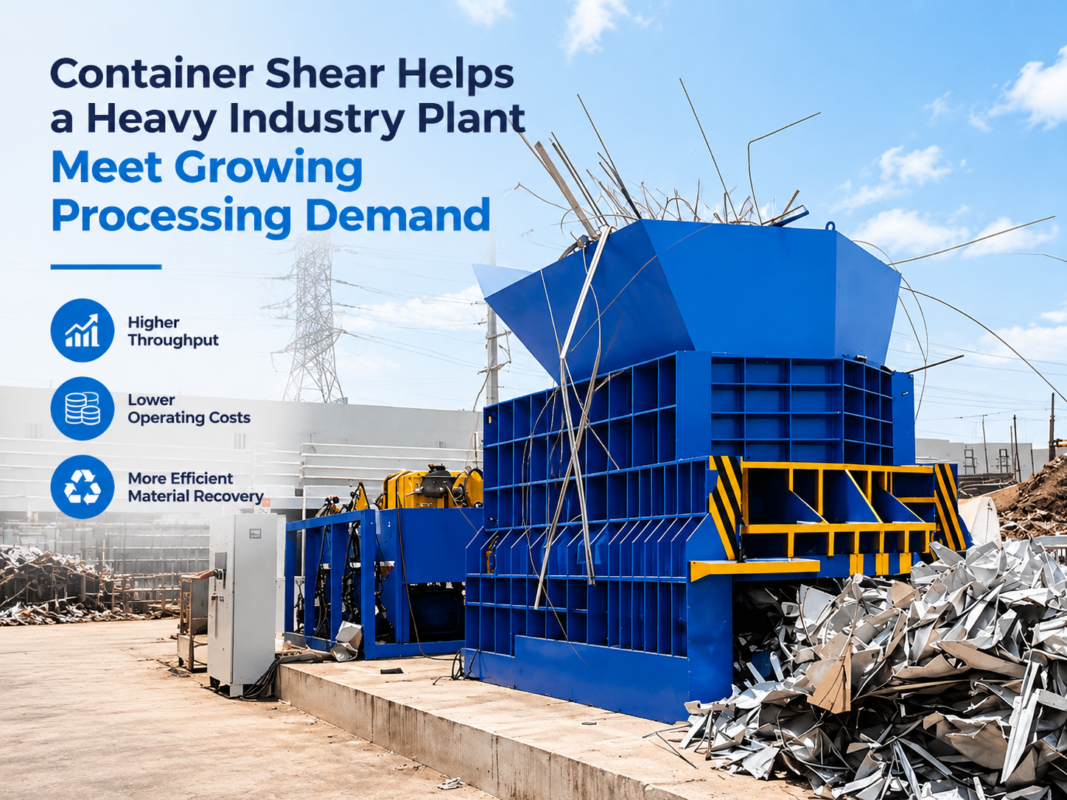
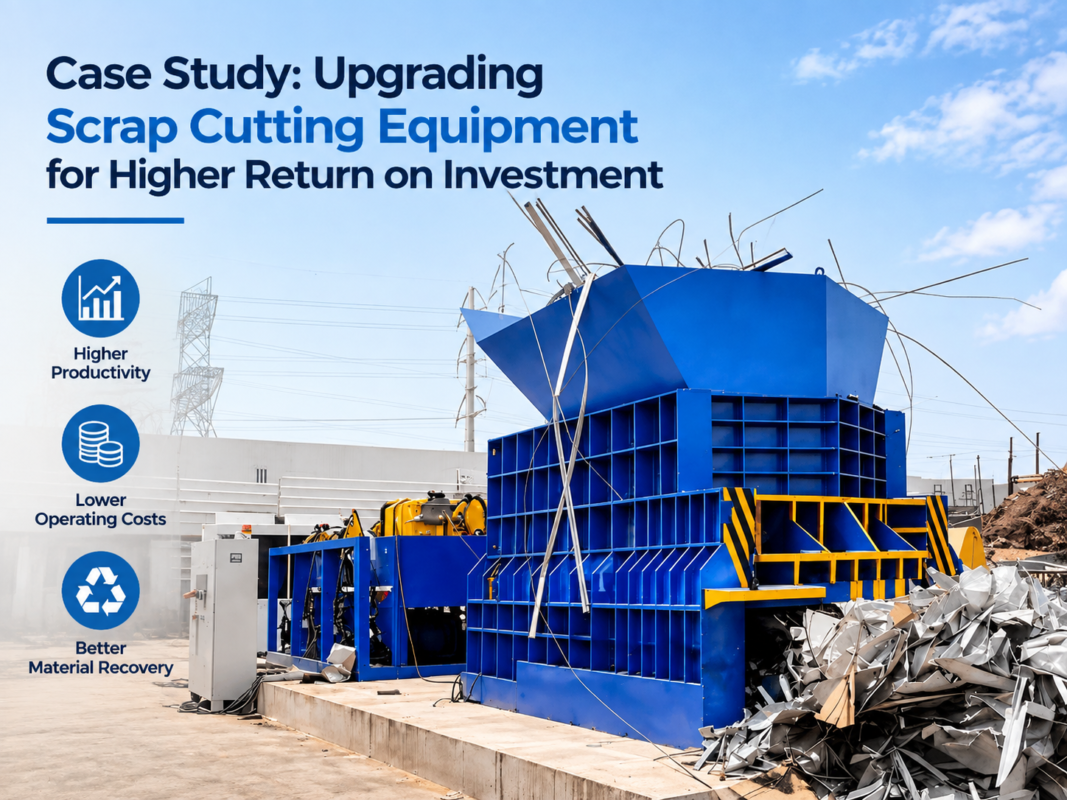
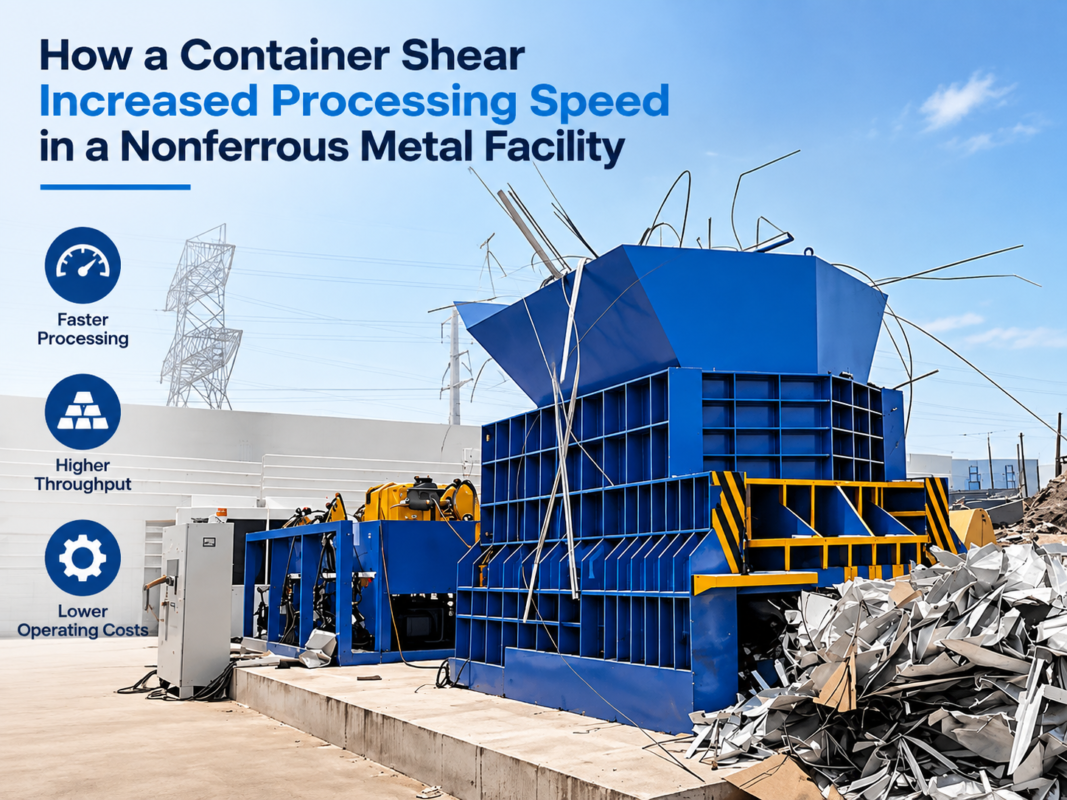
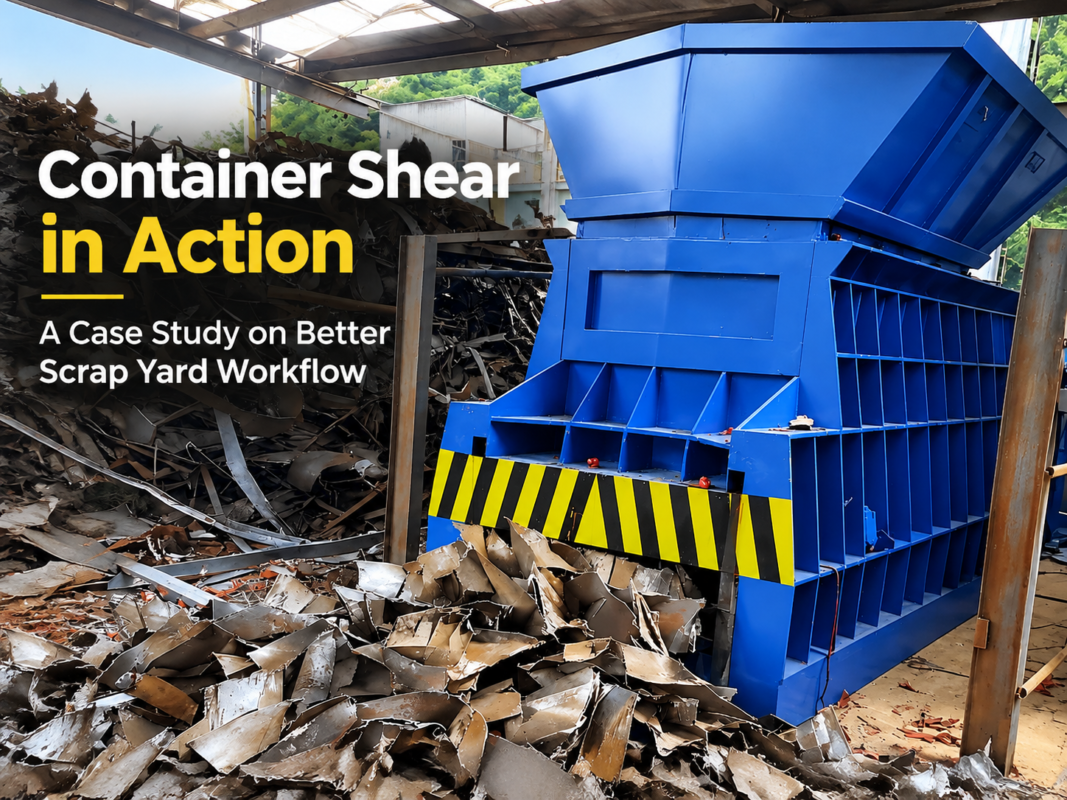
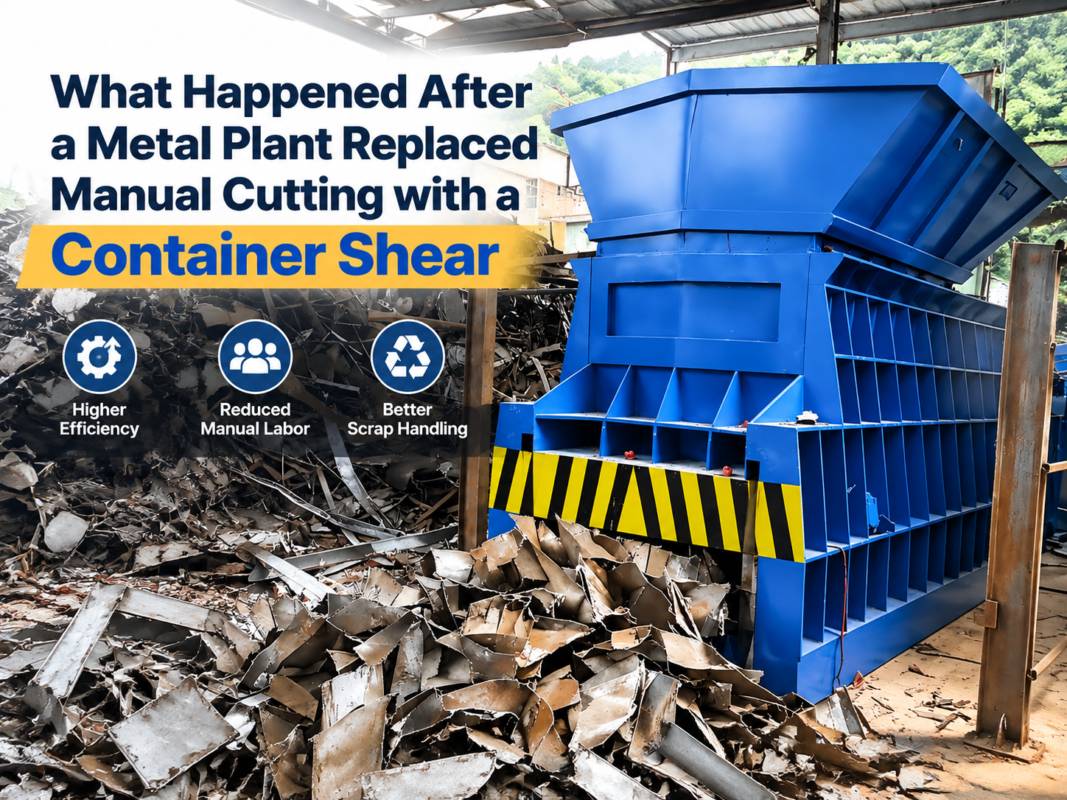
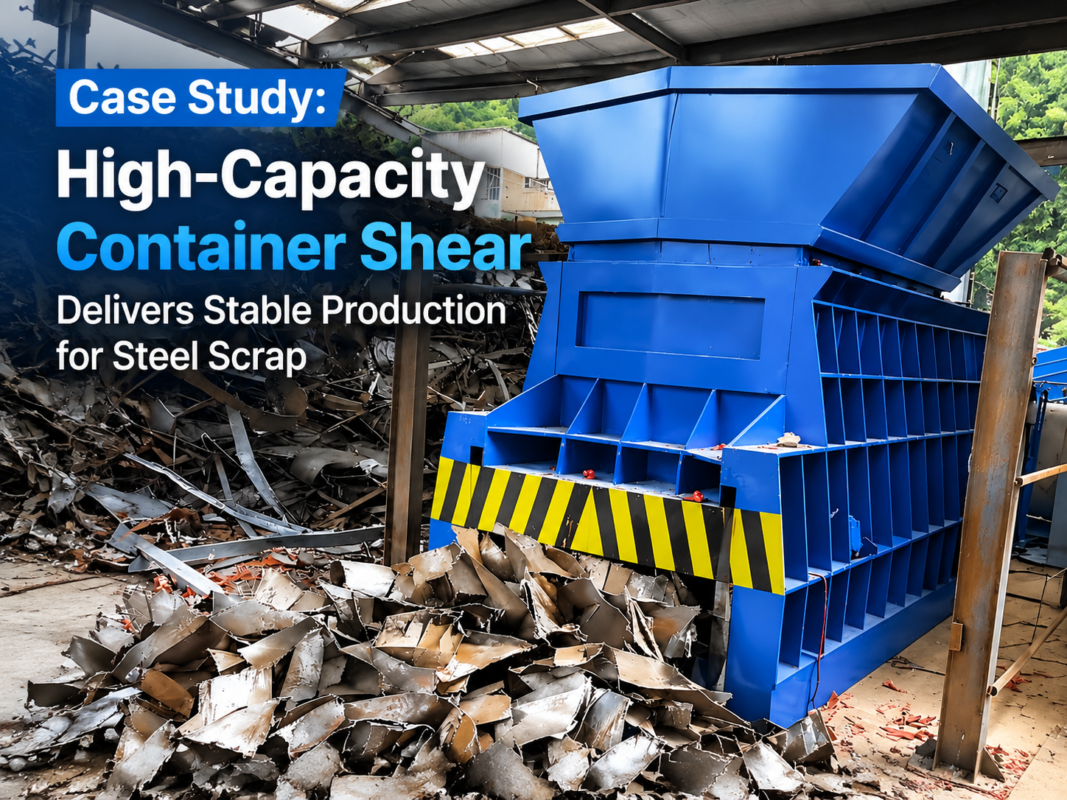
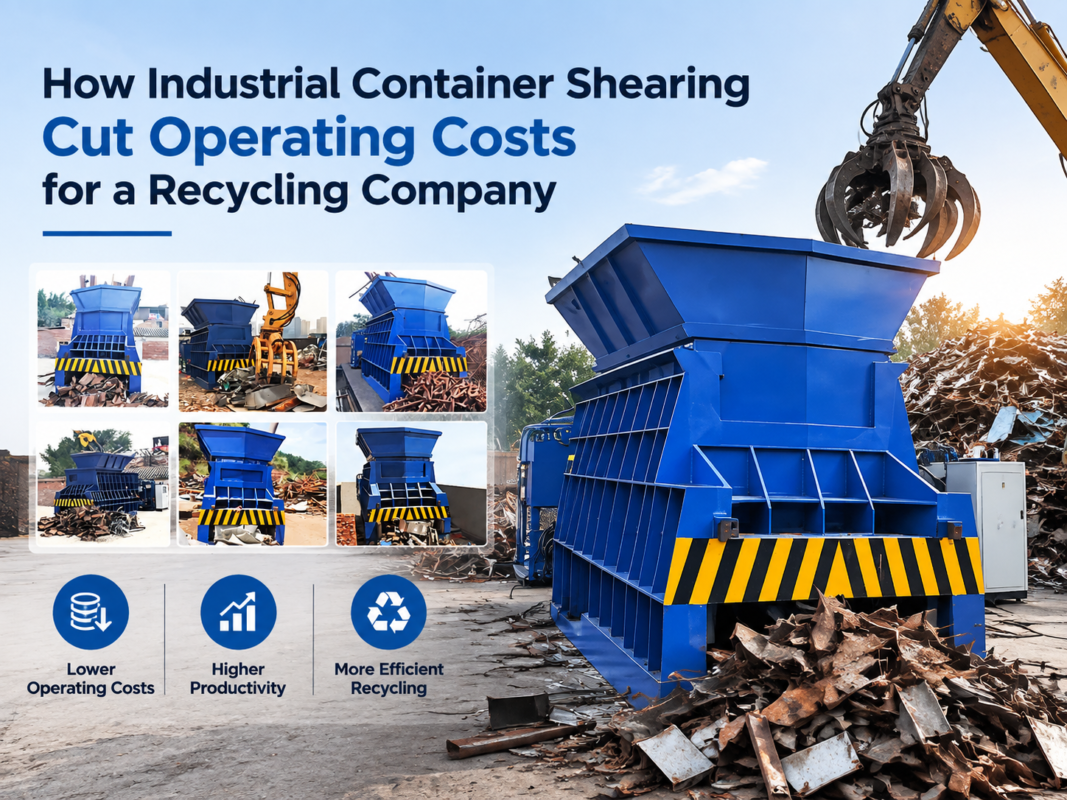
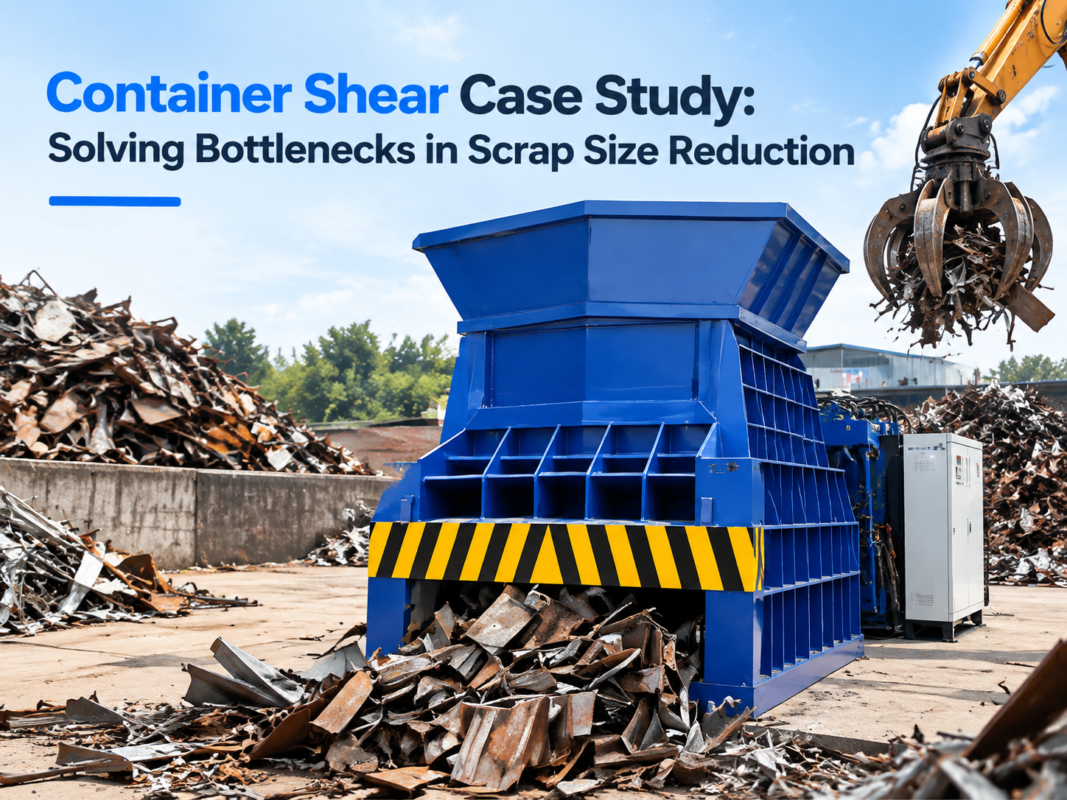
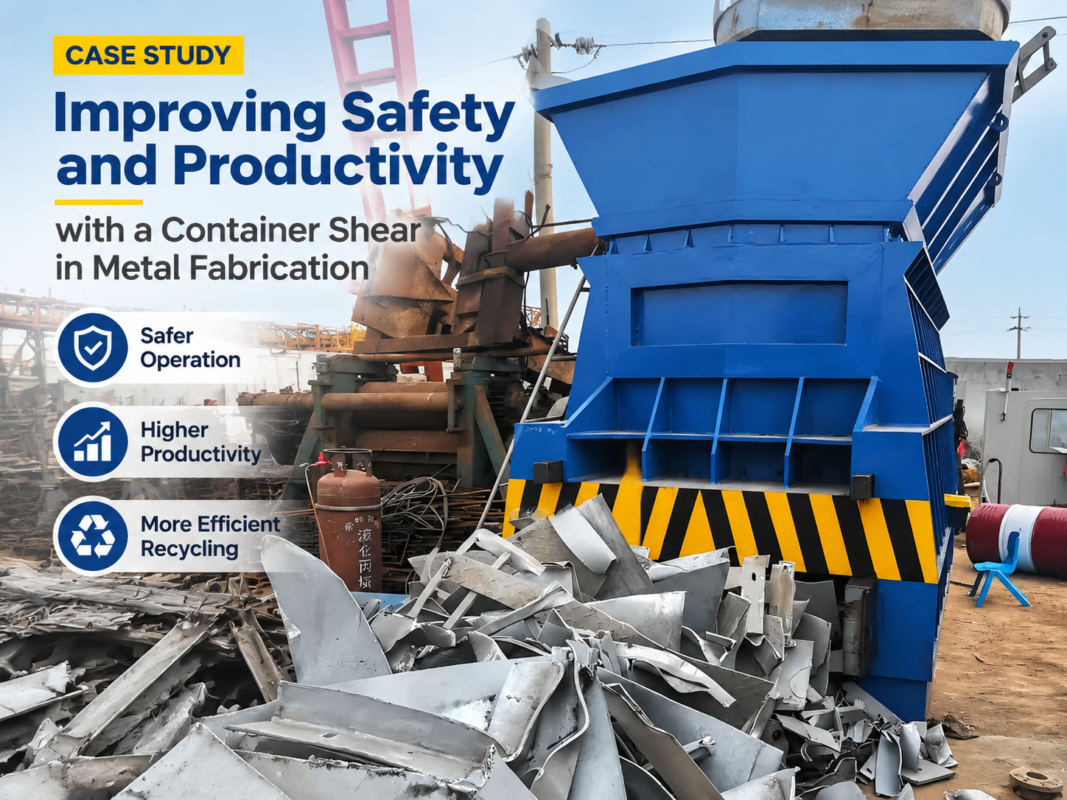
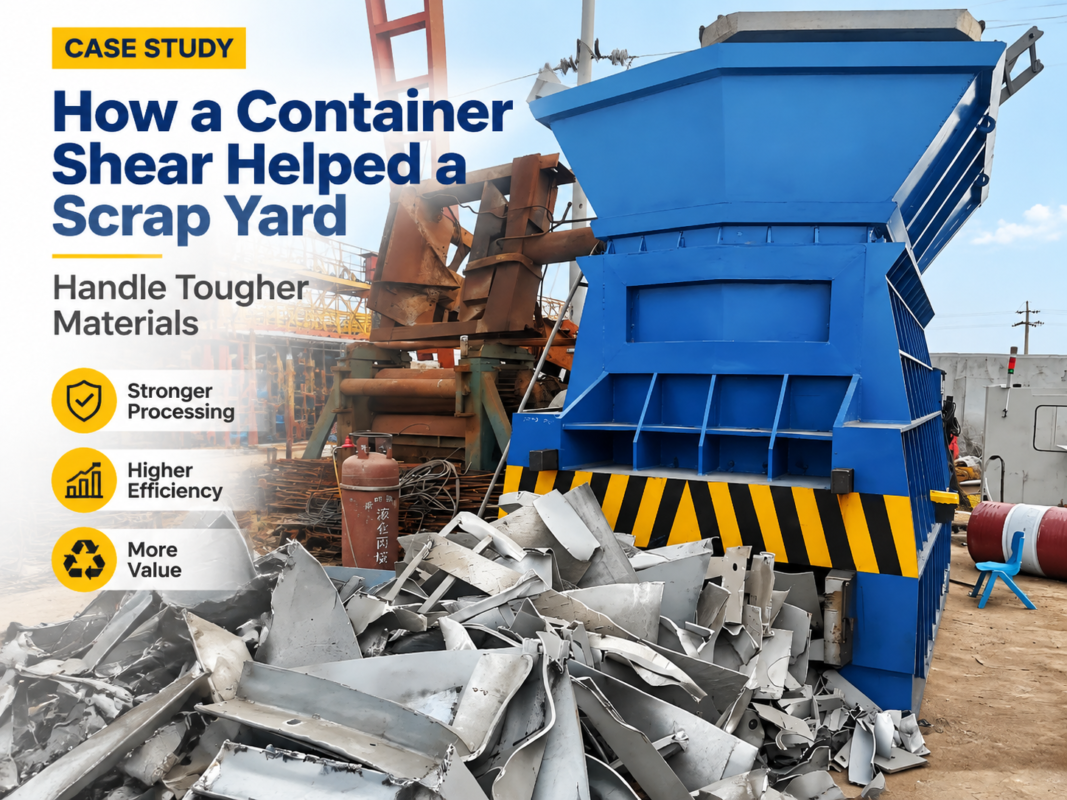
In the modern industrial landscape, the drive toward a circular economy has placed steel scrap recycling at the forefront of sustainable manufacturing. To meet the rising demand for high-quality furnace-ready scrap, recycling facilities are increasingly turning to advanced machinery. Among these, the container shear stands out as a revolutionary tool. Unlike traditional guillotine shears that require extensive civil engineering and permanent foundations, container shears are designed for mobility, efficiency, and high-volume processing. Maximizing productivity with container shear systems in steel scrap recycling involves understanding the synergy between hydraulic power, structural integrity, and operational workflow.
A container shear operates on a relatively simple yet powerful principle: scrap metal is loaded into a large hopper or ‘container,’ where it is compressed and then pushed toward a heavy-duty shear head. The integration of the feeding, compressing, and shearing processes into a single, often transportable unit, significantly reduces the footprint and setup time compared to stationary shear plants. This design allows recyclers to bring the machine to the scrap pile rather than transporting bulky, low-density scrap to a central facility, thereby optimizing logistics and reducing operational costs.
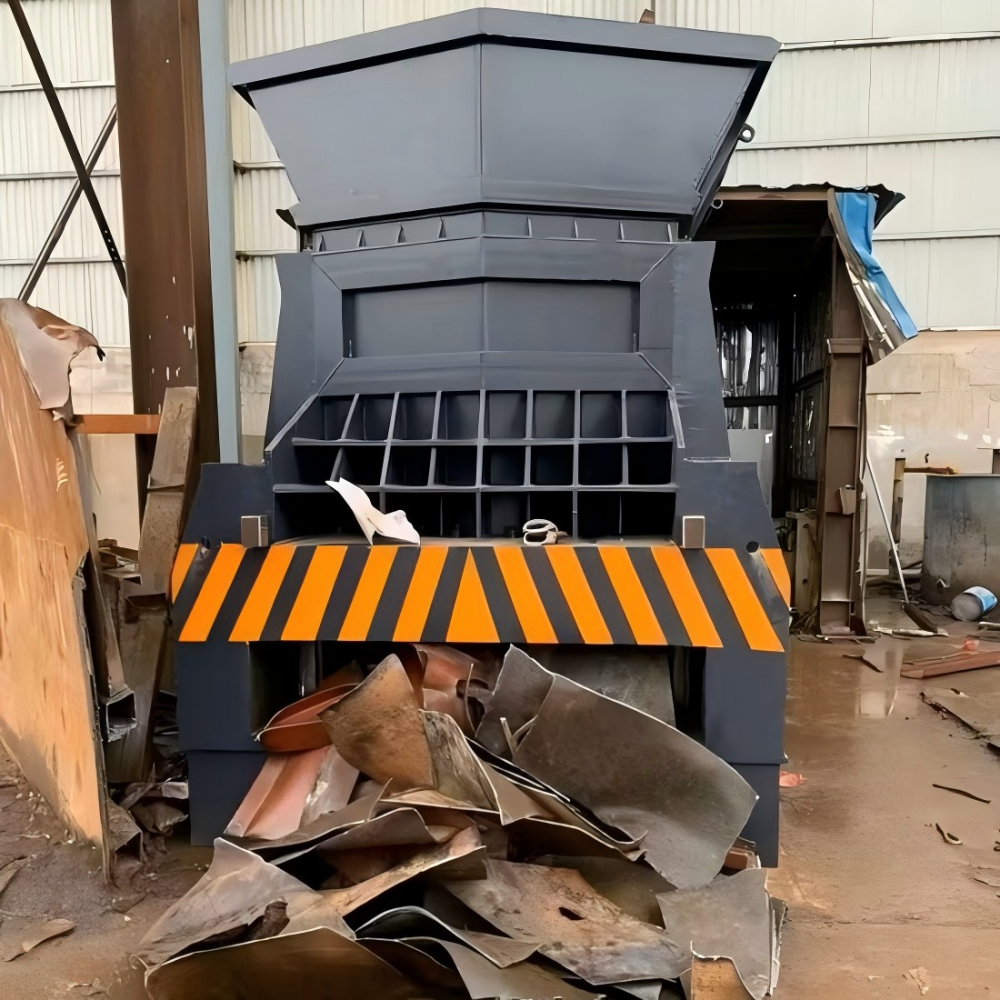
The core of the container shear’s efficiency lies in its hydraulic system. Modern units utilize high-pressure axial piston pumps and sophisticated manifold blocks to ensure smooth, rapid movements of the compression ram and the shear blade. By automating the cycle—from the moment the lid closes to the final cut—operators can achieve a consistent throughput that is difficult to match with manual or semi-automated methods. Furthermore, the use of wear-resistant Hardox plates in the container lining ensures that the machine can withstand the abrasive nature of scrap steel, extending the service life and maintaining peak performance over thousands of cycles.
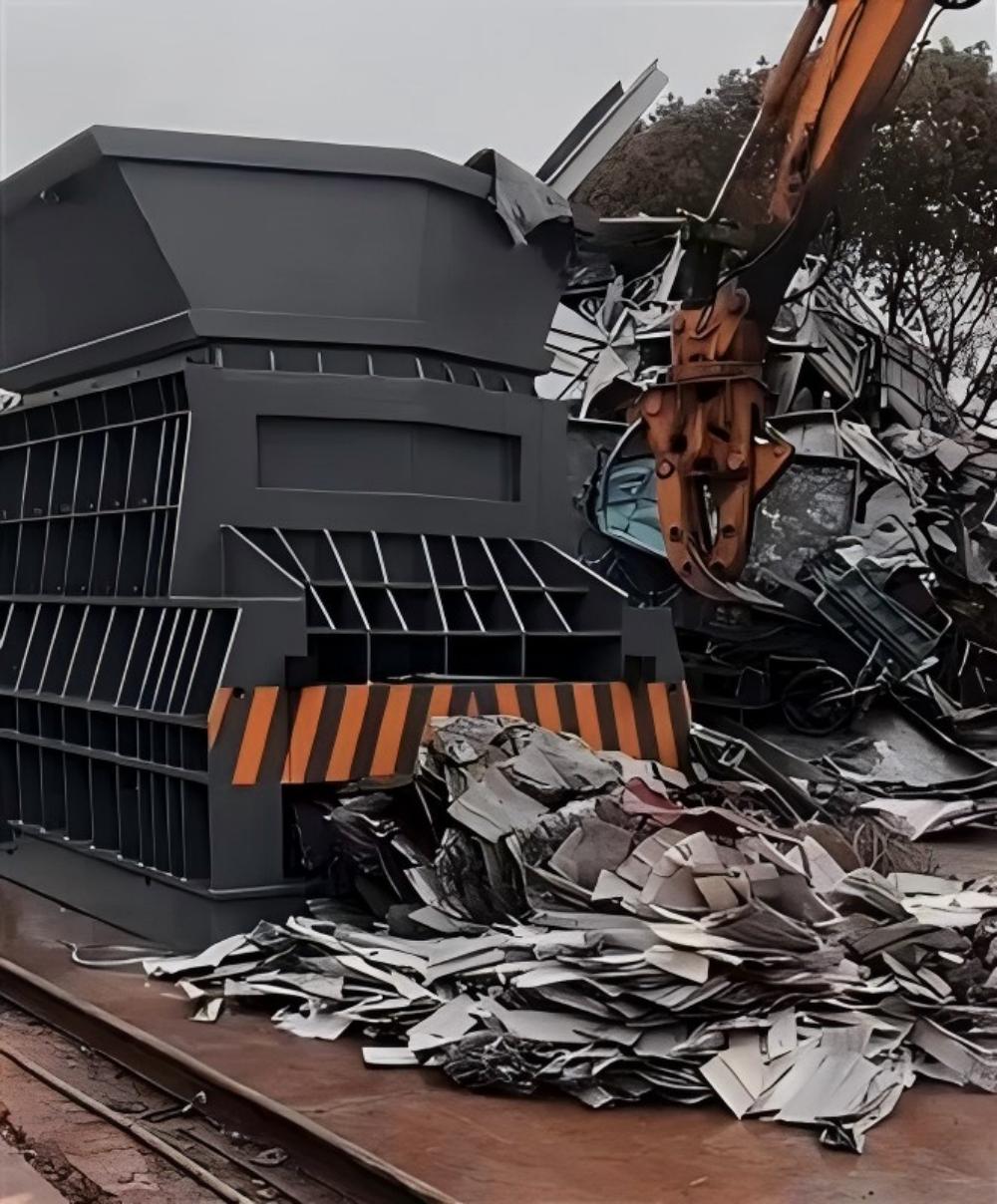
Maximizing productivity container shear systems in steel scrap recycling also requires a focus on the ‘continuous feeding’ capability. High-end models feature a pre-load hopper that allows the operator to prepare the next batch of scrap while the current batch is being processed. This eliminates idle time, ensuring that the shear blade is almost always in motion. When combined with remote control operation, a single operator can manage the entire loading and shearing process from the safety of a loader cabin, further streamlining the recycling yard’s workflow.
Core Parameters of Container Shear Systems
To achieve the goal of maximizing productivity with container shear systems in steel scrap recycling, one must delve into the technical specifications that define machine performance. The first and most critical parameter is the Shearing Force. Usually measured in kilonewtons (kN) or tons, this determines the maximum thickness and grade of steel the machine can process. For instance, a 630-ton shear is suitable for general light-to-medium scrap, while a 1000-ton unit is required for heavy structural steel and thick-walled pipes.
The second parameter is the Cycle Time. This refers to the duration required for the machine to complete one full sequence: closing the lid, compressing the scrap, advancing the pusher, and performing the shear. A faster cycle time directly translates to higher hourly throughput. However, speed must be balanced with hydraulic cooling capacity; a machine that runs too fast without adequate cooling will eventually suffer from oil degradation and component wear, leading to unplanned downtime.
Thirdly, the Blade Length and Opening Width are vital. These dimensions dictate the size of the scrap pieces that can be fed into the shear without pre-cutting. A wider opening allows for bulkier items like car bodies or large industrial frames to be processed directly, saving labor costs associated with manual torch cutting. The blade material itself, typically a high-alloy tool steel, must be selected based on the hardness of the scrap being processed to prevent premature chipping or blunting.
Finally, Motor Power and Hydraulic Flow Rate are the engines behind the parameters mentioned above. A higher kilowatt (kW) rating for the electric motor or a larger displacement for the diesel engine allows the hydraulic pumps to move more oil per minute, facilitating faster ram speeds. In modern HARSLE container shears, variable displacement pumps are often used to provide high flow at low pressure for rapid movement and low flow at high pressure for the actual shearing cut, optimizing energy consumption and maximizing productivity.
Calculation Method for Throughput and Force
Calculating the potential productivity of a container shear system is essential for ROI analysis and operational planning. The theoretical throughput ($T$) in tons per hour can be estimated using the following formula:
T = (V × ρ × 3600) / (C × 1000)
Where:
– V is the volume of the compression chamber (m³).
– ρ is the bulk density of the scrap after compression (kg/m³).
– C is the total cycle time in seconds (including loading and shearing).
– 3600 converts seconds to hours, and 1000 converts kg to tons.
For example, if a container shear has a chamber volume of 4m³, processes scrap to a density of 500kg/m³, and has a cycle time of 120 seconds, the throughput would be approximately 60 tons per hour, assuming continuous feeding. However, real-world productivity is often 70-80% of theoretical values due to loading delays and material variability.
Regarding the shearing force ($F$), it is calculated based on the cross-sectional area ($A$) of the material and its shear strength ($ au$):
F = A × τ
In practical engineering, we also account for a safety factor and the blade angle. A raked blade (angled) reduces the instantaneous force required because it cuts through the material progressively rather than all at once. This allows a machine with a lower nominal force to cut thicker sections, provided the stroke is long enough. Understanding these calculations helps in selecting a machine that is neither underpowered for the task nor excessively expensive to operate.
Parameter Table for Standard Container Shears
The following table outlines the typical specifications for HARSLE-grade container shears used in maximizing productivity container shear systems in steel scrap recycling.
| Model Series | Shear Force (Tons) | Blade Length (mm) | Max. Cutting Thickness (mm) | Cycle Time (s) | Power (kW) |
|---|---|---|---|---|---|
| HCS-400 | 400 | 1200 | 50 (MS) | 90-110 | 45 |
| HCS-630 | 630 | 1500 | 70 (MS) | 100-120 | 75 |
| HCS-800 | 800 | 1800 | 90 (MS) | 110-130 | 90 |
| HCS-1000 | 1000 | 2000 | 110 (MS) | 120-150 | 110 |
| HCS-1250 | 1250 | 2200 | 130 (MS) | 140-180 | 132 |
Note: MS refers to Mild Steel. Actual performance may vary based on material tensile strength and hydraulic oil temperature.
Common Engineering Mistakes in Scrap Shear Operation
One of the most frequent mistakes in maximizing productivity with container shear systems in steel scrap recycling is overloading the hopper. While it is tempting to cram as much scrap as possible into the container to reduce the number of cycles, this often leads to ‘bridging,’ where the scrap wedges against the sides and prevents the lid from closing properly. This forces the hydraulic system to work at relief pressure, generating excessive heat and potentially damaging the cylinders or the lid hinges.
Another critical error is neglecting blade clearance. As the shear blades wear down, the gap between the upper and lower blades increases. If this gap becomes too wide, the shear will ‘fold’ the metal rather than cutting it. This not only produces poor-quality scrap but also puts immense lateral stress on the shear head and guide rails. Regular inspection and shimming of the blades are mandatory to maintain a clean cut and protect the machine’s structural integrity.
Ignoring hydraulic oil health is a silent productivity killer. In the dusty and temperature-variable environment of a recycling yard, hydraulic oil can easily become contaminated with particulates or moisture. Contaminated oil causes internal leakage in pumps and valves, leading to a gradual loss of pressure and speed. Furthermore, operating with oil that is too hot (above 60°C) reduces its viscosity, leading to inadequate lubrication and accelerated wear of expensive hydraulic components. Implementing a rigorous oil analysis and filtration schedule is vital.
Finally, many operators fail to properly sort the scrap before feeding the shear. Including ‘un-shearables’ like heavy engine blocks, hardened steel shafts, or large non-compressible items can cause catastrophic failure of the shear blades or even crack the shear frame. A quick pre-sort to remove these items ensures that the container shear runs smoothly and avoids the massive costs associated with major structural repairs.
Selection Checklist for Container Shear Systems
Choosing the right equipment is the first step toward maximizing productivity container shear systems in steel scrap recycling. Use this checklist to evaluate your options:
- Material Assessment: What is the primary type of scrap? (e.g., HMS1, HMS2, plate and structural, or light sheet). Match the shear force to the toughest 10% of your material.
- Throughput Requirements: How many tons do you need to process per shift? Ensure the cycle time and chamber volume align with your daily targets.
- Mobility Needs: Do you need a stationary unit with a foundation, or a portable unit that can be moved via a hook-lift truck or trailer?
- Power Source: Is high-voltage industrial power available on-site, or do you require a diesel-driven unit for remote operations?
- Blade Design: Are the blades four-sided (rotatable) to maximize life? How easy is it to access the blades for maintenance?
- Control Systems: Does the machine feature a PLC with diagnostic capabilities? Remote monitoring can help identify issues before they cause downtime.
- After-Sales Support: Does the manufacturer (like HARSLE) provide readily available spare parts, especially wear plates and hydraulic seals?
- Safety Features: Does the machine include emergency stops, safety interlocks on the container lid, and protective guarding for hydraulic hoses?
Frequently Asked Questions (FAQ)
1. How often should the shear blades be rotated or replaced?
The frequency of blade maintenance depends heavily on the material being processed. For standard mild steel scrap, blades typically need to be rotated every 200-400 hours of operation. Most container shears use four-sided blades, allowing for three rotations before a full replacement or regrinding is necessary. Processing high-tensile or sandy/dirty scrap will significantly shorten this interval.
2. Can a container shear process non-ferrous metals?
Yes, container shears are excellent for processing large volumes of aluminum, copper, and stainless steel scrap. Because non-ferrous metals are generally softer than steel, the machine will operate with less strain, often allowing for faster cycle times. However, care must be taken with stainless steel, as its work-hardening properties can be tough on blades.
3. What is the advantage of a container shear over a horizontal shear?
The primary advantage is the ‘gravity-assisted’ feeding and the integrated compression. In a container shear, the lid compresses the scrap into a dense log before the pusher moves it to the blade. This results in a more uniform product and higher density. Additionally, the ‘container’ design is inherently more compact and easier to make mobile compared to long horizontal shear beds.
4. How do I prevent hydraulic overheating during summer months?
To maximize productivity with container shear systems in steel scrap recycling during hot weather, ensure that the oil coolers are clean and the fans are functioning correctly. Using a high-viscosity index (VI) hydraulic oil can also help maintain performance at higher temperatures. If overheating persists, consider installing an auxiliary cooling unit or scheduling heavy shearing for cooler parts of the day.
5. Is it better to have an electric or diesel-powered container shear?
Electric motors are generally more efficient, quieter, and require less maintenance, making them ideal for fixed yards with stable power. Diesel engines offer the ultimate in flexibility, allowing the shear to operate in remote locations or large yards where running high-voltage cables is impractical. The choice depends entirely on your site’s infrastructure and mobility requirements.
6. What is the typical lifespan of a HARSLE container shear?
With proper maintenance—including regular oil changes, blade rotations, and structural inspections—a high-quality container shear can last 15-20 years. The key is replacing wear liners and seals proactively to prevent damage to the primary structure and hydraulic cylinders.