Container Shear Installation Guide: Foundation, Hydraulic Setup, and Commissioning Steps

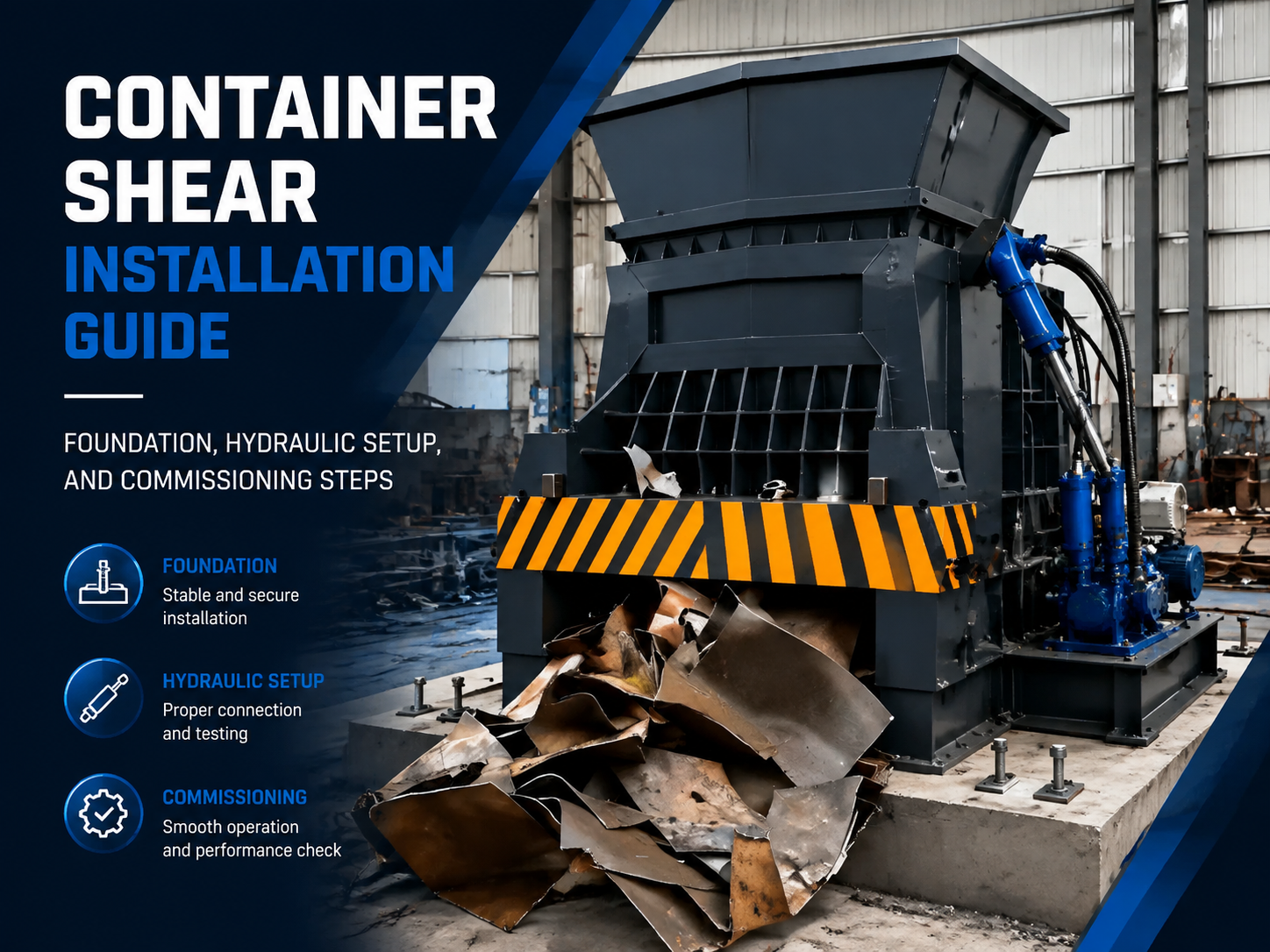
Technical Overview of Container Shears
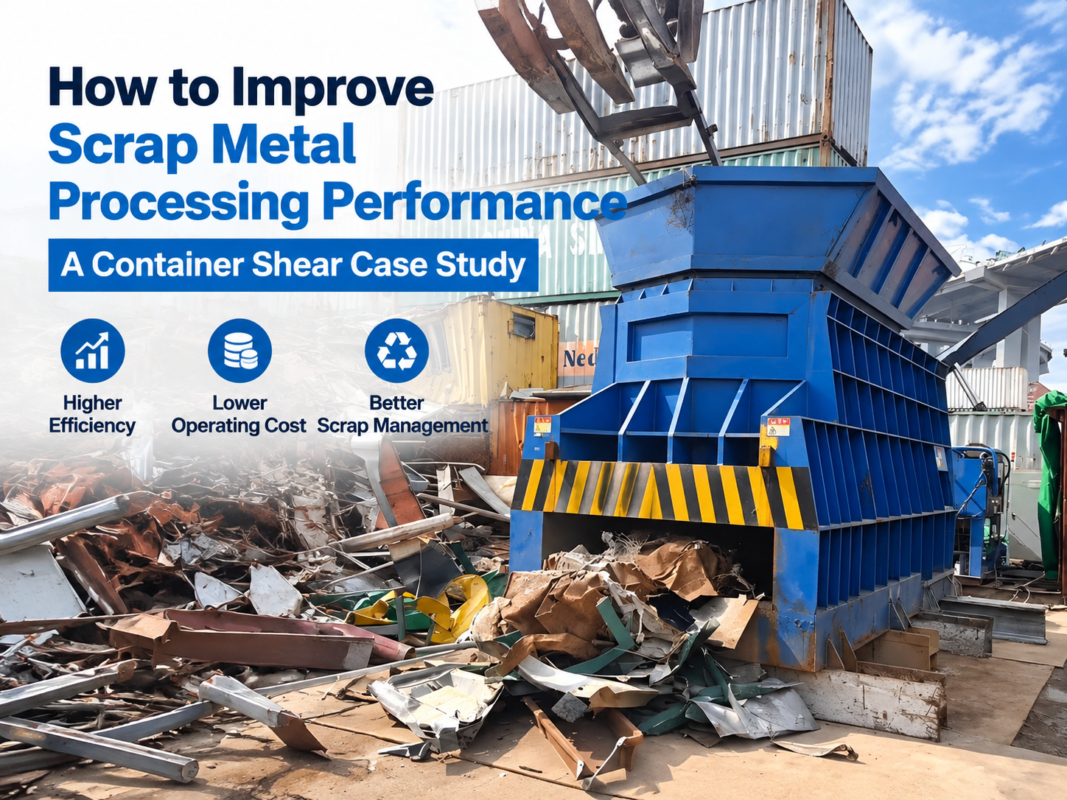
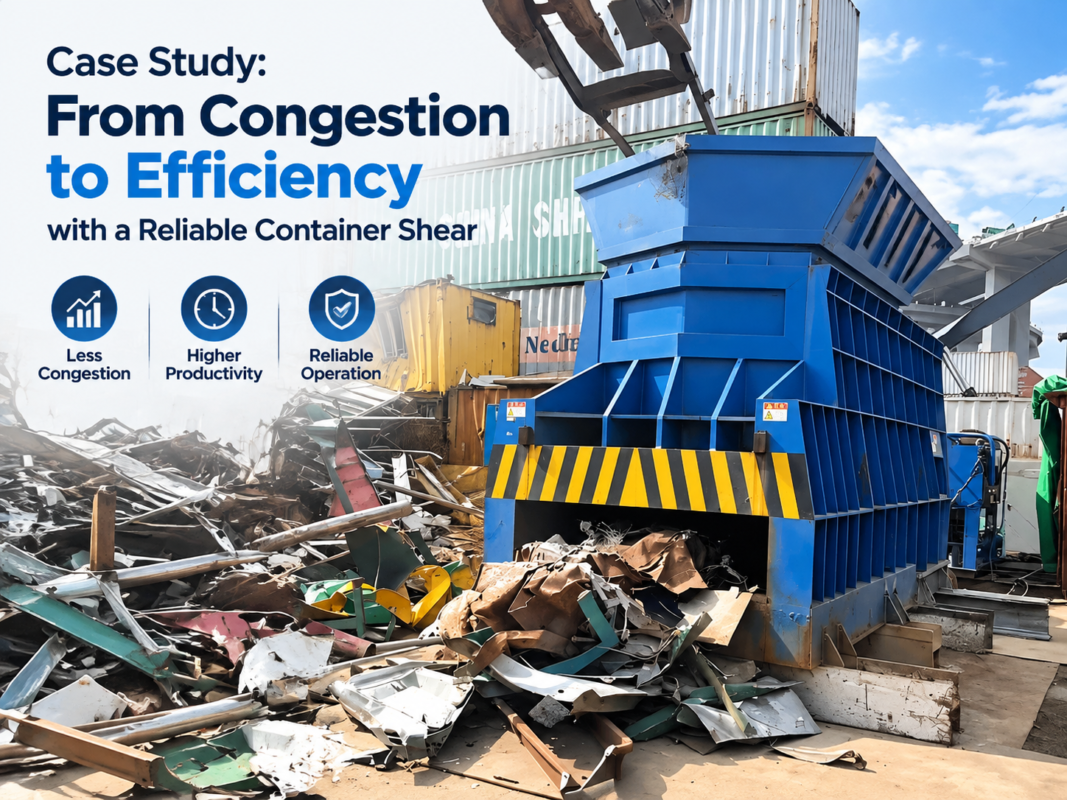
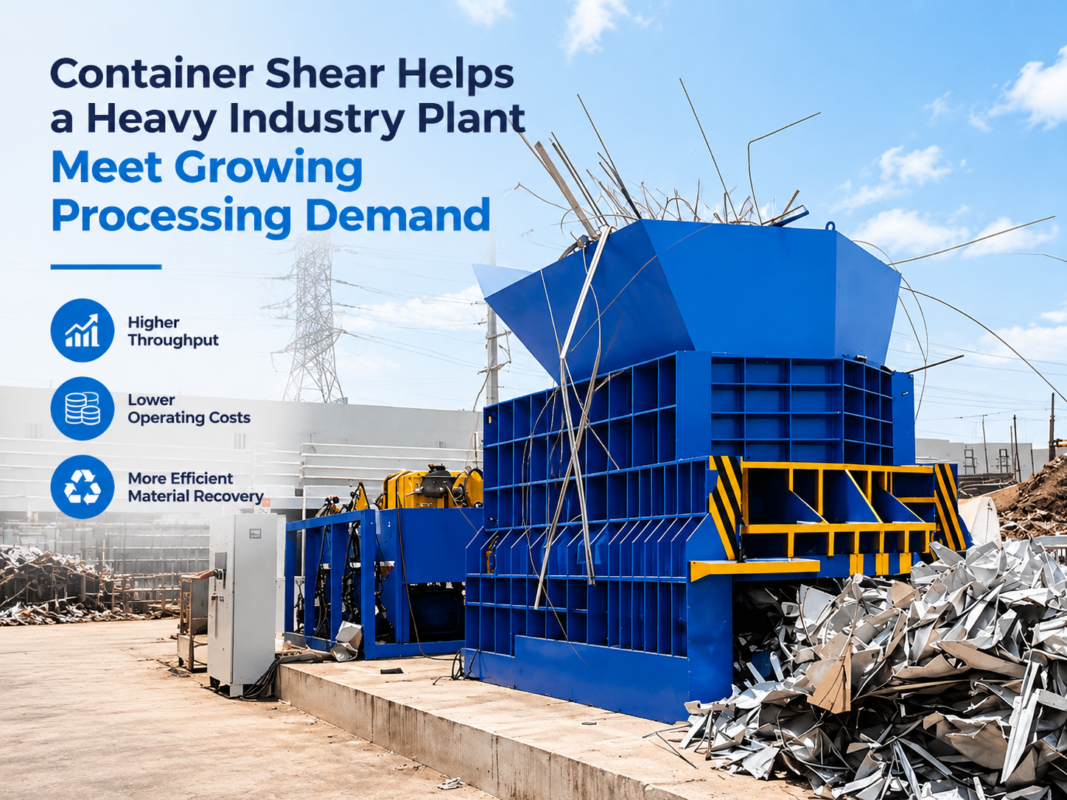
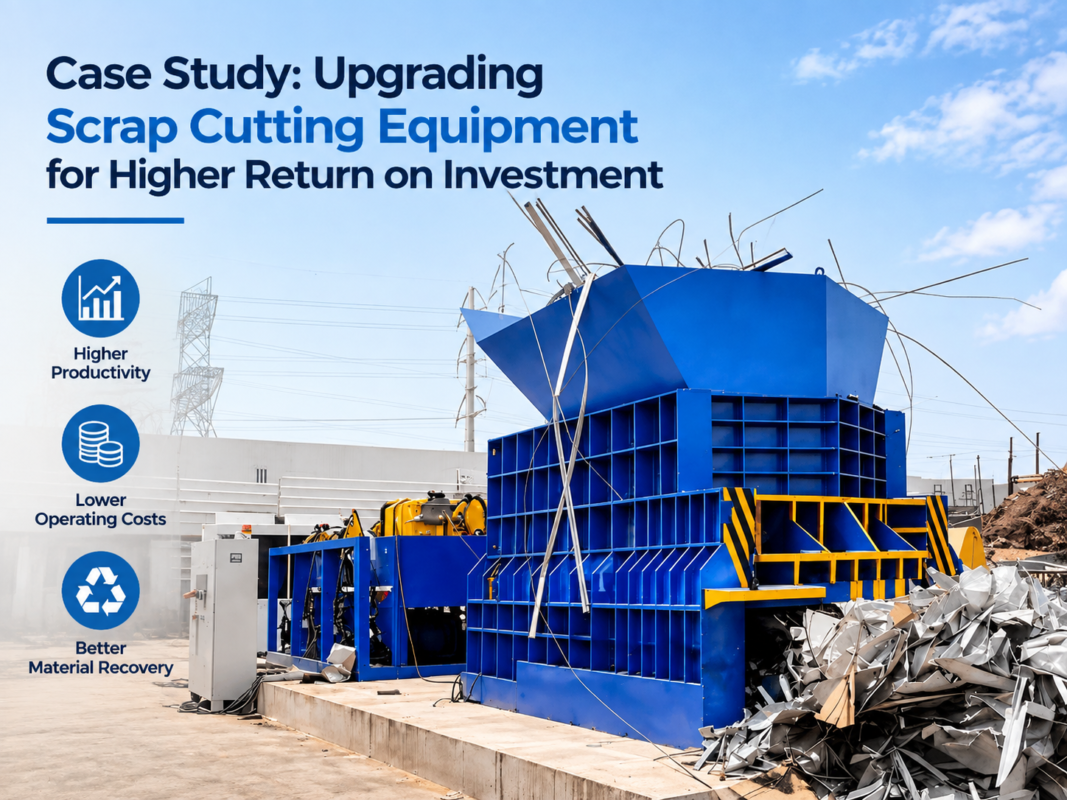
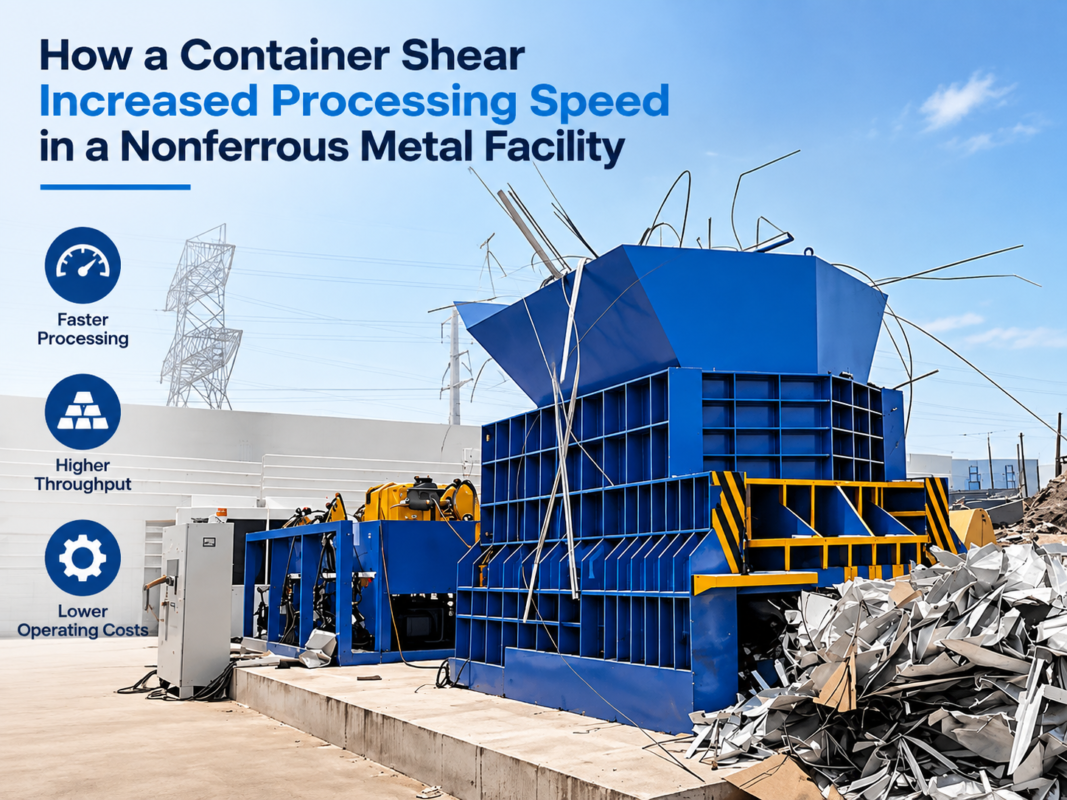
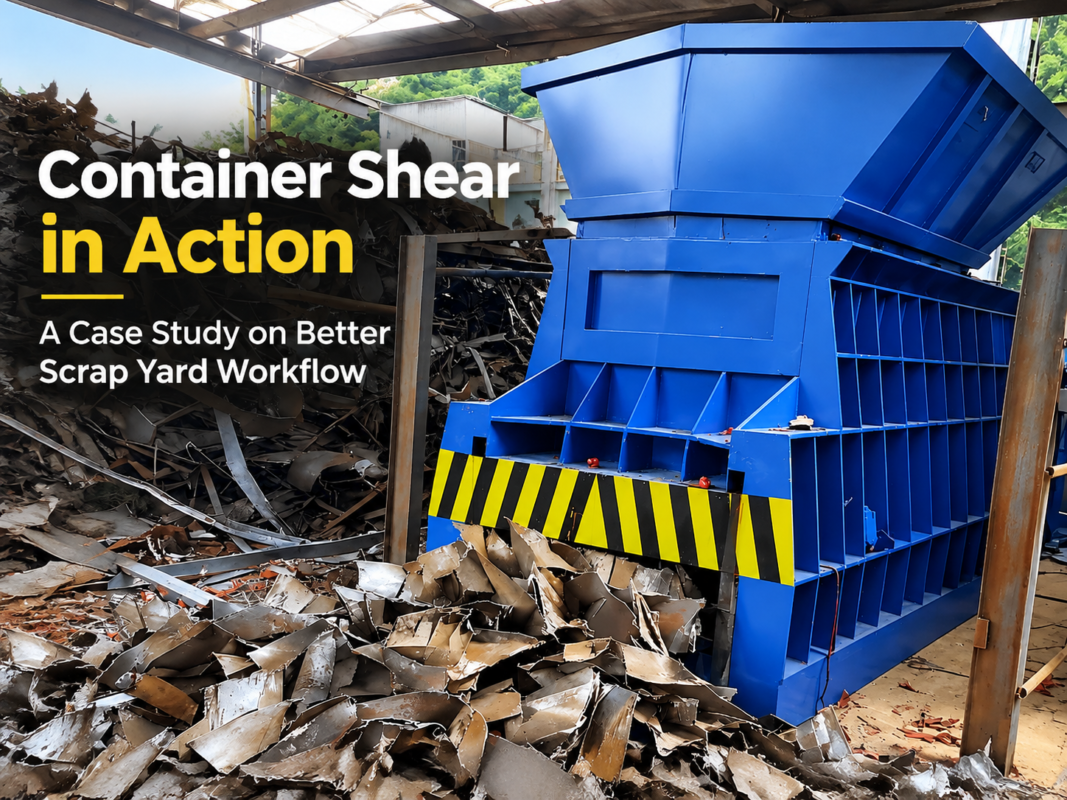
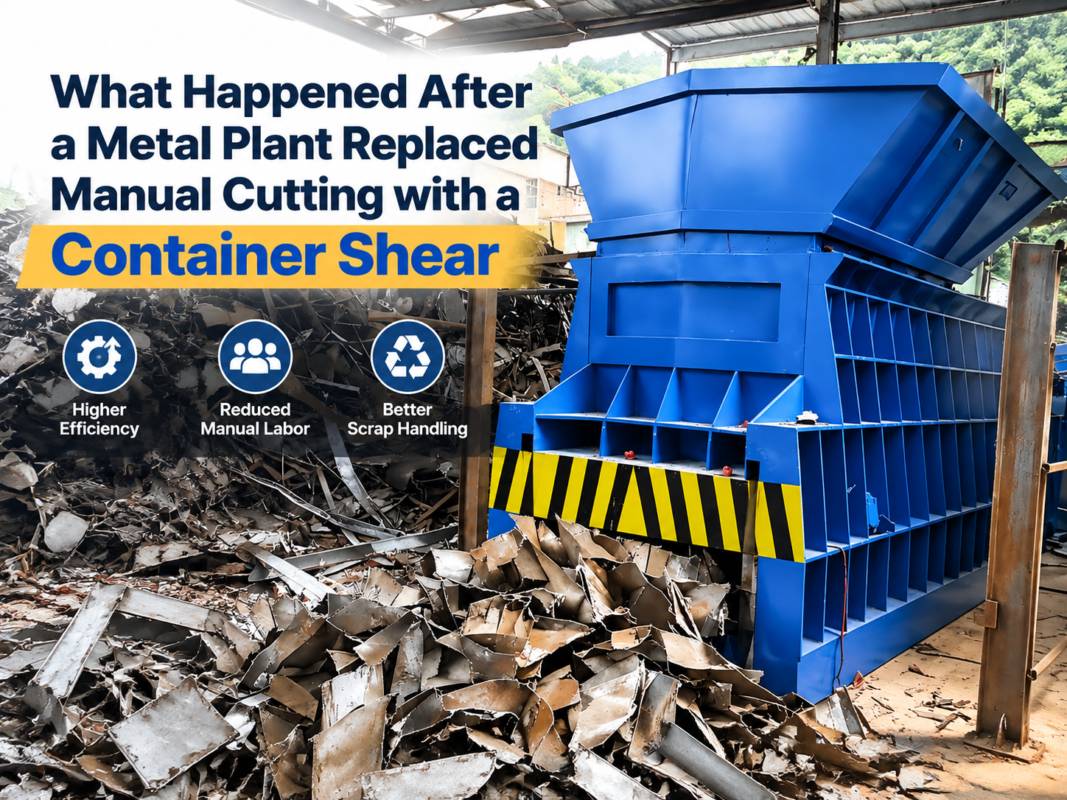
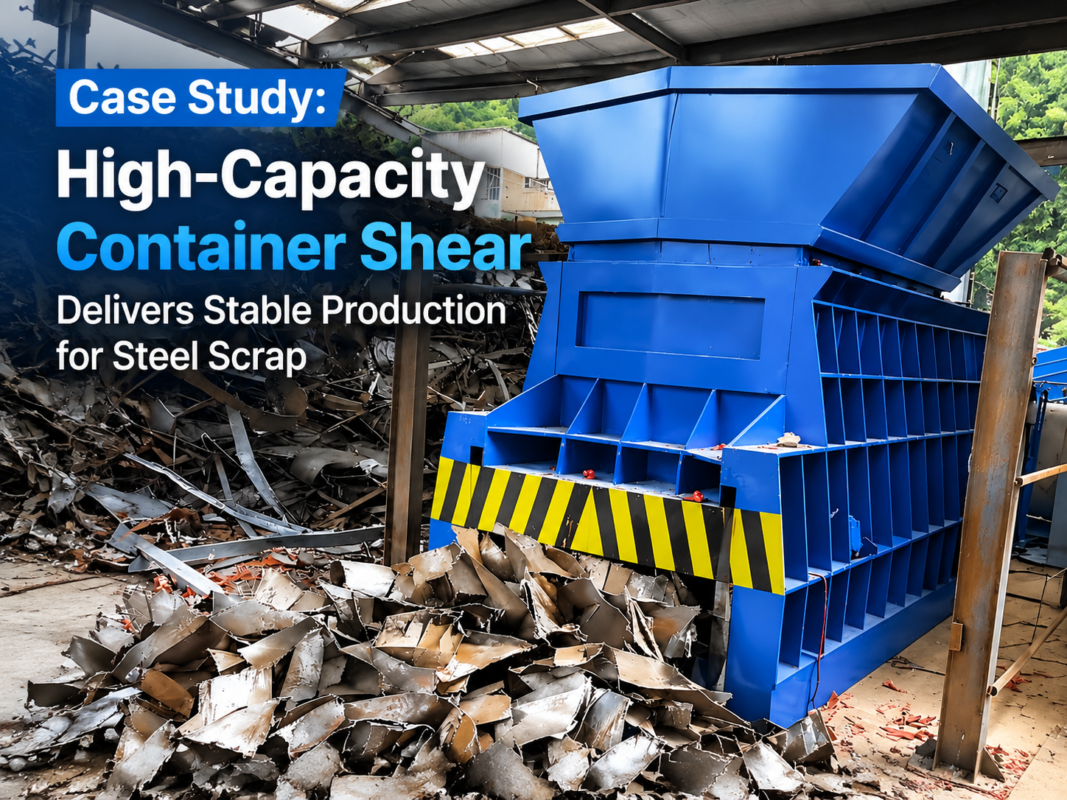
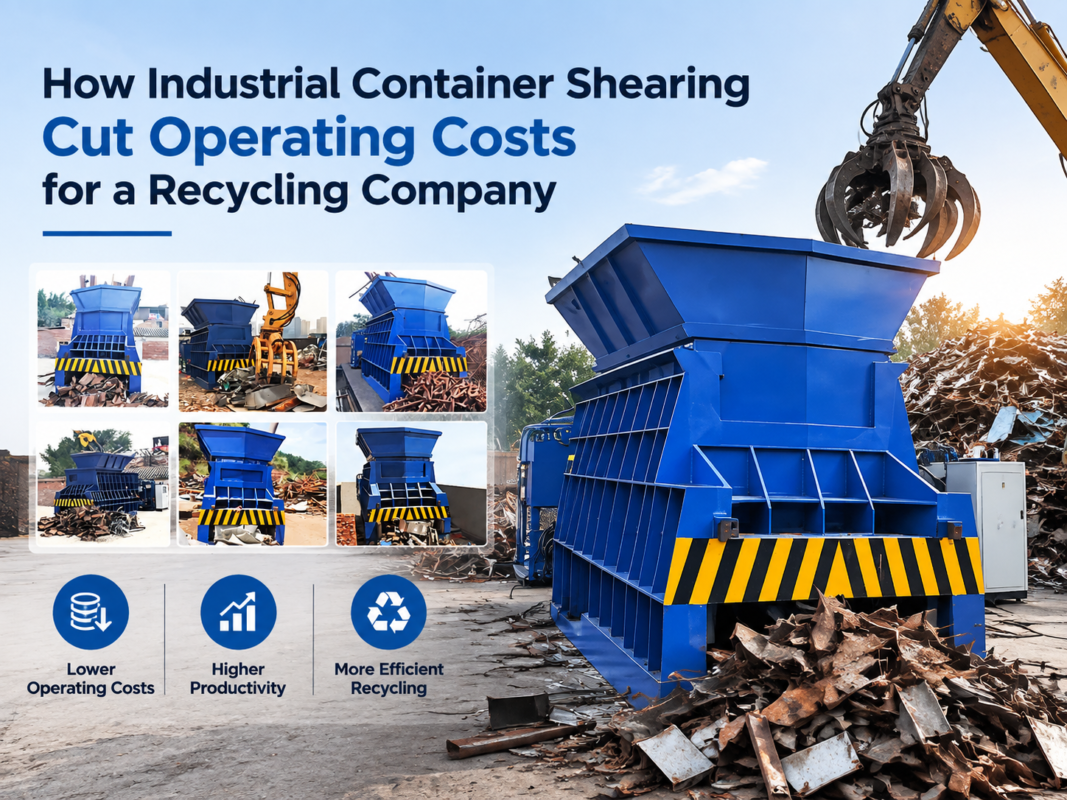
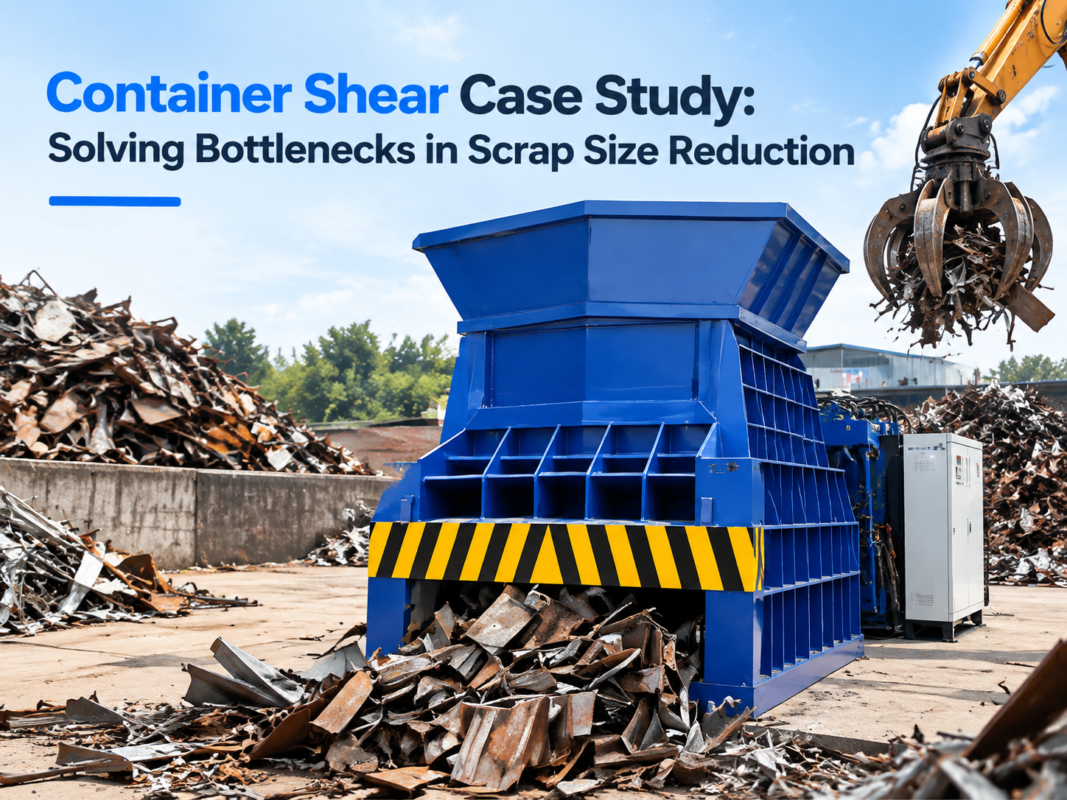
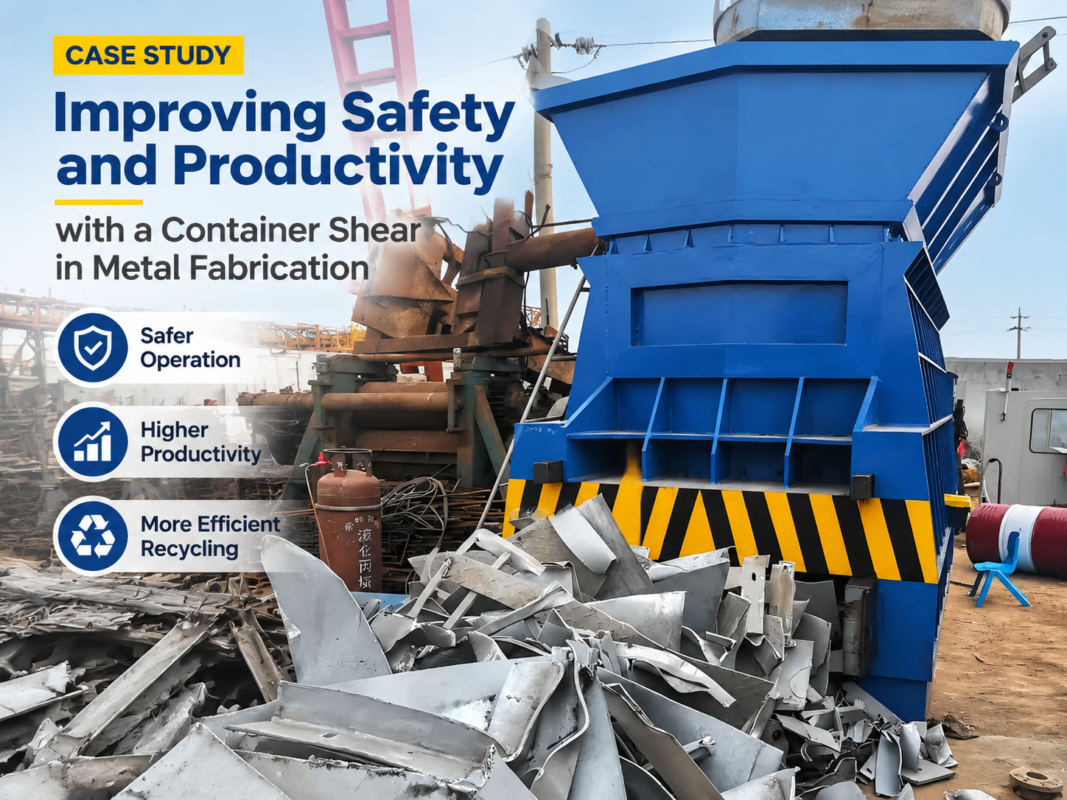
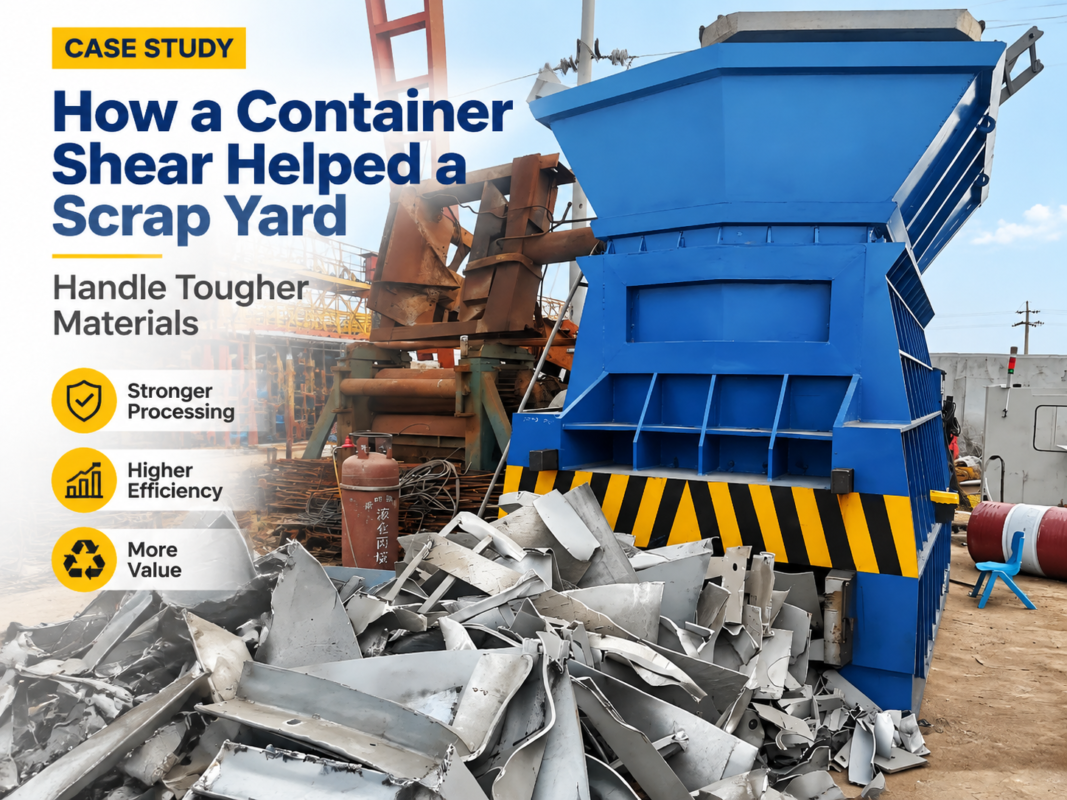
The container shear, often referred to as a box-type scrap shear, represents a pinnacle of efficiency in the metal recycling industry. Unlike traditional alligator shears or guillotine shears that require manual feeding or complex conveyor systems, the container shear is designed for high-volume, continuous processing. At HARSLE, our container shears are engineered to handle diverse scrap materials, from structural steel and HMS 1/2 to decommissioned vehicles and industrial waste. The core advantage of this design lies in its integrated feeding box, which compresses the scrap before the vertical blade executes the cut, ensuring a dense and uniform end product.
Technically, the container shear operates on a high-pressure hydraulic system, typically ranging from 25MPa to 31.5MPa. The structure is built using high-strength Q345B or Q355B steel plates, welded with precision to withstand the immense torsional stresses generated during the shearing cycle. The installation of such a machine is not merely a matter of placement; it is a rigorous engineering process that dictates the machine’s lifespan, safety, and operational efficiency. A poorly installed container shear will suffer from premature seal failure, structural cracking, and excessive vibration, leading to costly downtime.
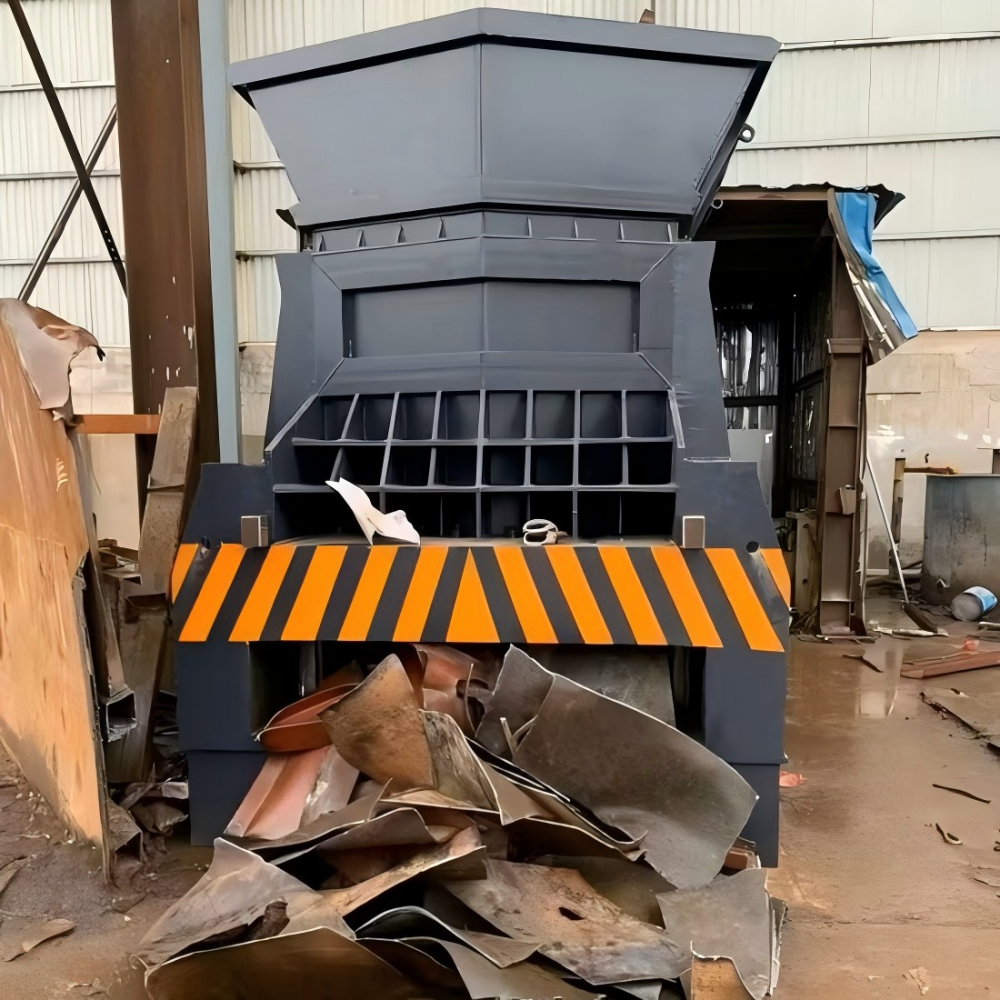
The installation process is divided into three critical phases: foundation construction, hydraulic and electrical integration, and commissioning. Each phase requires specific technical knowledge. For instance, the foundation must not only support the static weight of the machine (which can exceed 60 tons for larger models) but also the dynamic impact loads during the cutting stroke. Similarly, the hydraulic setup requires surgical cleanliness to prevent contamination of the sensitive piston pumps and valve blocks. This guide provides a detailed roadmap for engineers and site managers to ensure a flawless installation of HARSLE container shears.
Core Parameters and Technical Specifications
Understanding the core parameters is essential before breaking ground on the installation site. The primary specification for any container shear is its shearing force, usually measured in kilonewtons (kN) or tons. For HARSLE models, this ranges from 400 tons to over 1250 tons. This force determines the maximum thickness of the steel plate or the diameter of the rebar that the machine can process. However, the shearing force is just one part of the equation; the blade length and the feeding box dimensions are equally critical for determining throughput capacity.
Another vital parameter is the cycle time. A standard cycle involves the feeding of the scrap, the closing of the lid (if applicable), the compression of the material, the shearing stroke, and the return of the blade. High-speed models utilize regenerative hydraulic circuits to speed up the idle strokes, significantly reducing the time per cut. Power requirements are also substantial, often requiring dual or triple motor setups (e.g., 45kW x 2 or 90kW x 3) to drive the high-displacement axial piston pumps. These electrical requirements must be factored into the facility’s power grid capacity during the planning stage.
Furthermore, the cooling system capacity is a parameter that is often overlooked. Since hydraulic energy is converted into heat during the shearing process, an efficient cooling system—either air-cooled or water-cooled—is necessary to maintain the oil temperature between 35°C and 55°C. Operating outside this range leads to oil degradation and seal hardening. During installation, ensuring adequate space for the cooling units and, if necessary, water piping is a prerequisite for long-term reliability.
Calculation Method for Shearing Force and Foundation Load
To ensure the container shear is appropriate for the intended application, engineers must calculate the required shearing force based on the material’s properties. The general formula used in the industry is F = L × S × τ, where F is the shearing force, L is the width of the material being cut, S is the thickness of the material, and τ is the shear strength of the material (typically 0.6 to 0.8 times the tensile strength). For example, shearing a 50mm thick mild steel plate with a width of 500mm requires significantly more force than a 20mm plate, and the machine must be rated accordingly to avoid hydraulic bypass or structural fatigue.
Foundation load calculations are equally critical. The static load is simply the weight of the machine plus the maximum weight of the scrap in the hopper. However, the dynamic load factor (usually 1.5 to 2.0) must be applied to account for the impact of the blade hitting the metal. The formula for the required foundation area A is A = (W × k) / σ, where W is the total weight, k is the dynamic coefficient, and σ is the allowable bearing capacity of the soil. If the soil capacity is low, piling or a thicker reinforced concrete mat is required to prevent tilting or sinking over time.
Additionally, the center of gravity (CoG) of the container shear shifts during operation as the heavy hydraulic cylinders move and the scrap is compressed. The foundation design must account for this shifting CoG to ensure stability. HARSLE provides detailed foundation drawings for each model, but local soil tests are always recommended to adjust the concrete depth and reinforcement density. Proper calculation at this stage prevents the most common cause of machine failure: foundation settlement and subsequent frame misalignment.
Container Shear Parameter Table
| Model Series | Shearing Force (Tons) | Blade Length (mm) | Max Cutting Thickness (mm) | Motor Power (kW) | Cycle Time (s) |
|---|---|---|---|---|---|
| HCS-400 | 400 | 1200 | 40 | 45 x 2 | 25-35 |
| HCS-630 | 630 | 1500 | 60 | 45 x 3 | 30-40 |
| HCS-800 | 800 | 1800 | 80 | 75 x 2 | 35-45 |
| HCS-1000 | 1000 | 2000 | 100 | 90 x 2 | 40-50 |
| HCS-1250 | 1250 | 2200 | 120 | 90 x 3 | 45-60 |
Foundation Construction: The Bedrock of Performance
The foundation for a container shear is more than just a slab of concrete; it is a precision-engineered structure designed to absorb energy. The first step in Container Shear Installation : Foundation, Hydraulic Setup, Commissioning Steps is the excavation. The depth of the pit usually ranges from 1.5 to 3 meters depending on the machine size. Once excavated, a layer of compacted gravel and a lean concrete blinding layer are applied. This provides a clean, level surface for the placement of the reinforcement steel (rebar).
Reinforcement is typically done using a double-layer mesh of high-tensile rebar. Special attention must be paid to the areas directly under the main shearing cylinder and the feeding box, as these experience the highest stress. Anchor bolt sleeves or “pockets” are positioned according to the HARSLE technical drawing. It is vital to use a template to hold these bolts in place during the concrete pour; even a 10mm deviation can make it impossible to mount the machine frame later. We recommend using C30 or C35 grade concrete with a minimum curing time of 28 days before the machine is placed, although high-strength additives can shorten this period.
Vibration isolation is another key consideration. In urban or sensitive industrial zones, the foundation should be lined with vibration-dampening materials like high-density cork or specialized rubber mats. This prevents the kinetic energy of the shear from traveling through the ground and damaging nearby structures or sensitive electronic equipment. Once the concrete is cured, the surface must be leveled using a precision spirit level or laser level. Any unevenness must be corrected with non-shrink grout after the machine is positioned to ensure uniform load distribution across the entire base plate.
Hydraulic Setup and Oil Management
The hydraulic system is the heart of the container shear. The setup begins with the placement of the hydraulic power unit (HPU). The HPU should be located in a clean, well-ventilated area, ideally protected from direct exposure to the elements and scrap debris. The connection between the HPU and the main shear body is made via high-pressure seamless steel pipes or heavy-duty hydraulic hoses. At HARSLE, we recommend steel piping for permanent installations due to its durability and better heat dissipation, while hoses are used for connections requiring flexibility.
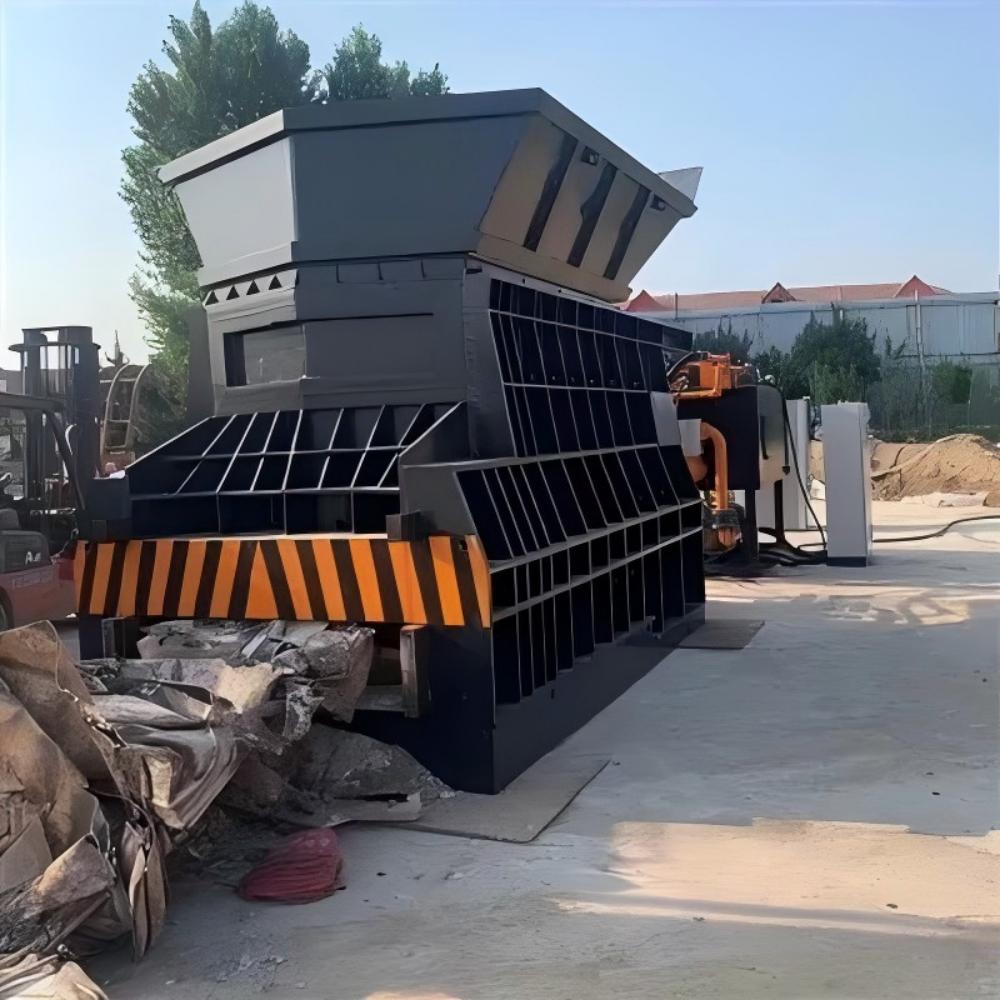
Cleanliness is the most critical factor during hydraulic setup. Before connecting any lines, the pipes must be pickled and flushed to remove scale, weld slag, and dust. Even microscopic particles can score the cylinder walls or jam the proportional valves. Once the connections are secure, the hydraulic tank is filled with high-quality anti-wear hydraulic oil (typically ISO VG 46 or 68, depending on the ambient temperature). The oil must be filtered through a 10-micron system as it is pumped into the tank; never pour oil directly from a drum into the reservoir.
After filling, the system must be bled to remove trapped air. Air in the hydraulic lines causes cavitation, which manifests as a high-pitched whining noise and jerky cylinder movement. Cavitation can destroy a piston pump in a matter of hours. The bleeding process involves cycling the cylinders at low pressure and opening the air bleed valves at the highest points of the circuit. Finally, the cooling system (heat exchanger) is integrated. If using a water-cooled system, ensure the flow rate and pressure meet the specifications to prevent the oil from overheating during continuous operation.
Commissioning Steps: From First Start to Full Load
Commissioning is the final validation of the Container Shear Installation : Foundation, Hydraulic Setup, Commissioning Steps. This phase is divided into three stages: the pre-start check, the no-load test, and the load test. The pre-start check involves a meticulous review of all mechanical fasteners, electrical connections, and oil levels. Ensure the motor rotation direction matches the arrows on the pump housing; running a pump in reverse even for a few seconds can cause internal damage.
The no-load test is the first time the machine is powered on. During this stage, the operator cycles the feeding box, the lid, and the shear blade through their full range of motion. The goal is to check for smooth movement, verify that limit switches and sensors are functioning correctly, and ensure there are no leaks in the hydraulic connections. This is also the time to calibrate the PLC (Programmable Logic Controller) settings, such as stroke limits and pressure setpoints. The machine should be run for at least 2-4 hours in this state to allow the oil to circulate and the filters to catch any remaining contaminants.
The final stage is the load test. Start with light scrap, such as thin sheet metal or small profiles, and gradually increase the density and thickness of the material until the machine’s rated capacity is reached. During the load test, engineers monitor the system pressure, motor current draw, and oil temperature. The shearing cut should be clean, and the machine should not exhibit excessive jumping or vibration. Once the load test is successful, the anchor bolts are given a final torque check, and the machine is officially handed over for production. HARSLE technicians often provide on-site training during this phase to ensure the operators understand the safety protocols and maintenance schedules.
Common Engineering Mistakes to Avoid
In our decades of experience, we have identified several recurring mistakes during container shear installation. The most frequent is neglecting the soil bearing capacity. Many users assume a standard concrete slab is sufficient, only to find the machine tilting after six months of operation. This misalignment puts immense lateral stress on the shear ram, leading to premature seal failure and even cylinder rod bending. Always conduct a soil test and follow the reinforced foundation plan provided by the manufacturer.
Another common error is improper electrical grounding. Container shears use sophisticated PLC systems and sensors that are sensitive to electrical noise and surges. Without a dedicated, low-resistance ground (less than 4 ohms), the machine may experience “ghost” errors, where sensors trigger randomly or the PLC resets. Furthermore, using incorrect hydraulic oil or failing to change the initial “break-in” filters after the first 100 hours of operation can lead to a rapid decline in hydraulic efficiency. The initial filters often catch the most debris as the system settles in.
Finally, many installers fail to account for thermal expansion. In outdoor installations, the long hydraulic pipes and the massive steel frame of the shear will expand and contract with temperature changes. If the piping is too rigid or the frame is constrained improperly, this can lead to cracked welds or leaking joints. Using expansion loops in long pipe runs and ensuring the machine is leveled correctly on its foundation pads can mitigate these thermal stresses. Avoiding these mistakes ensures that your HARSLE container shear remains a productive asset for decades.
Selection Checklist for Container Shear Installation
- Site Assessment: Is the soil bearing capacity verified? Is there enough clearance for scrap loading and processed material removal?
- Power Supply: Does the facility have sufficient KVA capacity for the multi-motor startup? Is a stabilized power supply available for the PLC?
- Foundation: Has the concrete cured for the required duration? Are the anchor bolts positioned within a 2mm tolerance?
- Hydraulic Fluid: Is the oil grade appropriate for the local climate? Has the oil been filtered to NAS 1638 Class 7 or better?
- Cooling System: Is there a reliable source of cooling water or unobstructed airflow for the radiators?
- Safety Zones: Are safety fences and emergency stop buttons positioned according to local industrial regulations?
- Tooling: Are the shear blades tightened to the correct torque? Is the gap between the upper and lower blades set according to the material thickness?
Frequently Asked Questions (FAQ)
1. How long does the entire installation process take?
Typically, the foundation construction takes 7-10 days, followed by 28 days of curing. The actual mechanical and hydraulic assembly of the HARSLE container shear takes 5-7 days, and commissioning takes another 2-3 days. In total, expect a 6-week timeline from breaking ground to full production.
2. Can I install a container shear on an existing factory floor?
Generally, no. Standard factory floors are usually 150mm-200mm thick and are not designed for the concentrated dynamic loads of a scrap shear. A dedicated, reinforced foundation pit is almost always required to ensure machine stability and longevity.
3. What type of hydraulic oil should I use?
For most temperate climates, ISO VG 46 anti-wear hydraulic oil is standard. In extremely hot environments, VG 68 is preferred, while in very cold climates, VG 32 or specialized low-temperature oil may be necessary. Always refer to the HARSLE manual for specific brand recommendations.
4. How often should the shear blades be rotated or replaced?
This depends entirely on the material being processed. For clean, mild steel, blades may last 200-400 hours per edge. Most HARSLE blades have four cutting edges. Once all edges are dull, they can be reground or replaced. Regular inspection is key to preventing damage to the blade seats.
5. Why is my container shear vibrating excessively?
Excessive vibration is usually caused by one of three things: air in the hydraulic system, a loose anchor bolt, or an uneven foundation. Check the oil for foaming (a sign of air) and use a torque wrench to verify all foundation and structural bolts are tight. If the foundation is uneven, shimming and regrouting may be required.