Container Shear Selection Guide: Matching Machine Size to Your Production Needs

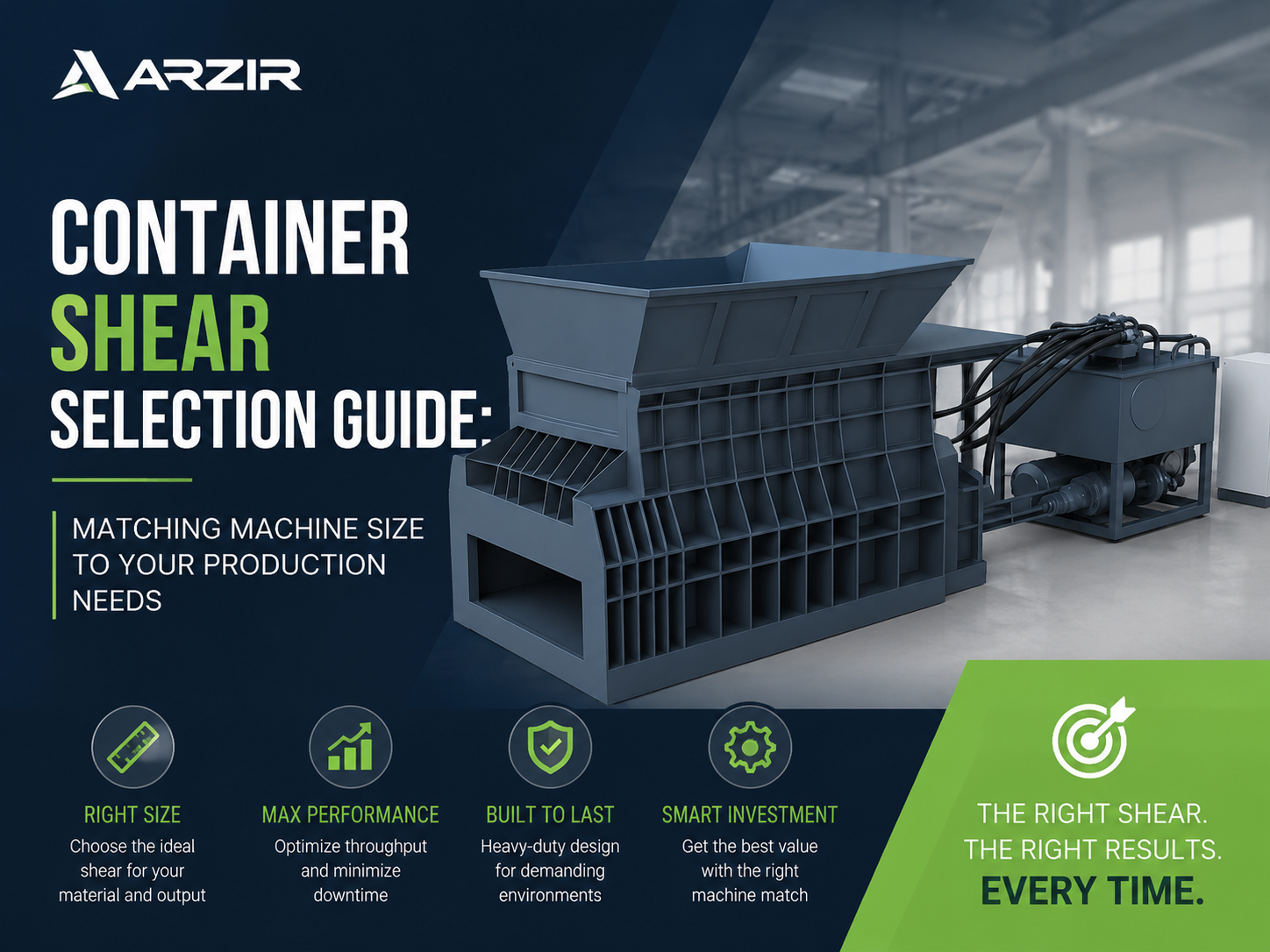
Introduction to Container Shear Selection: Matching Machine Size to Your Production Needs
In the high-stakes world of scrap metal recycling and metal fabrication, efficiency is the primary driver of profitability. The container shear, often referred to as a box shear, has revolutionized how scrap yards process bulky materials. Unlike traditional alligator shears or massive stationary guillotine shears, the container shear offers a unique blend of portability, high shearing force, and continuous feeding capabilities. However, the most critical challenge for any facility manager or business owner is the process of Container Shear Selection: Matching Machine Size to Your Production Needs. Selecting a machine that is too small leads to equipment strain and missed deadlines, while an oversized machine results in unnecessary capital expenditure and high operational overhead.
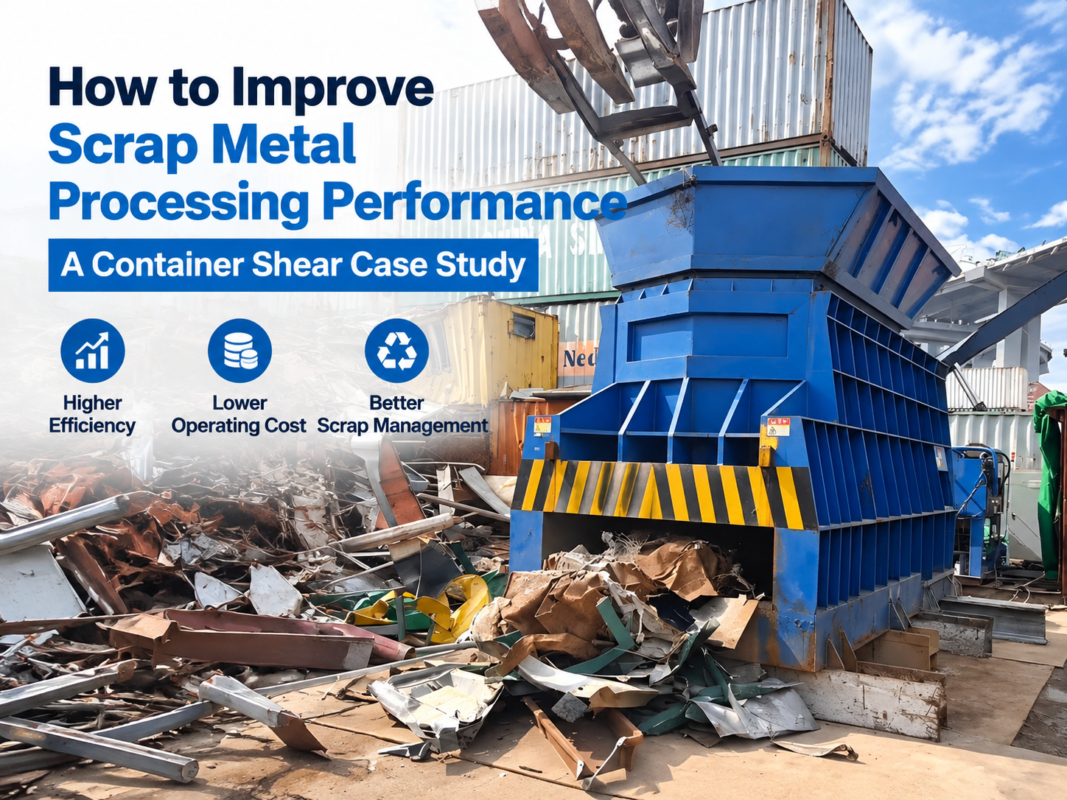
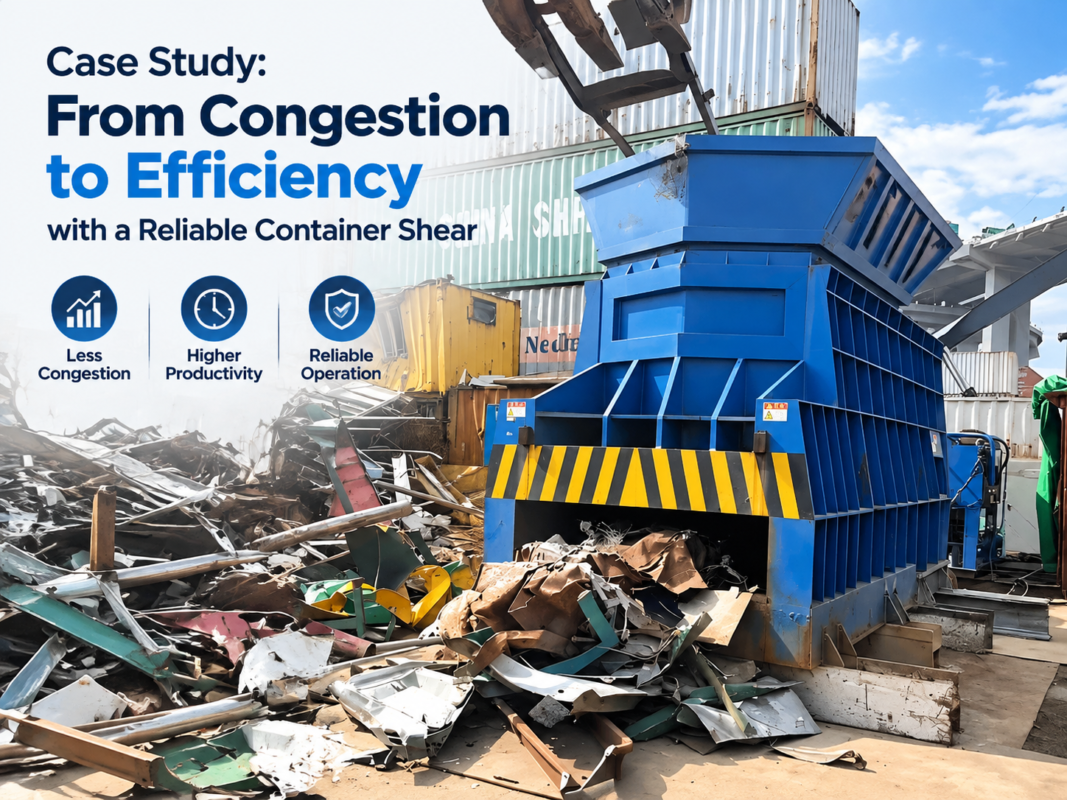
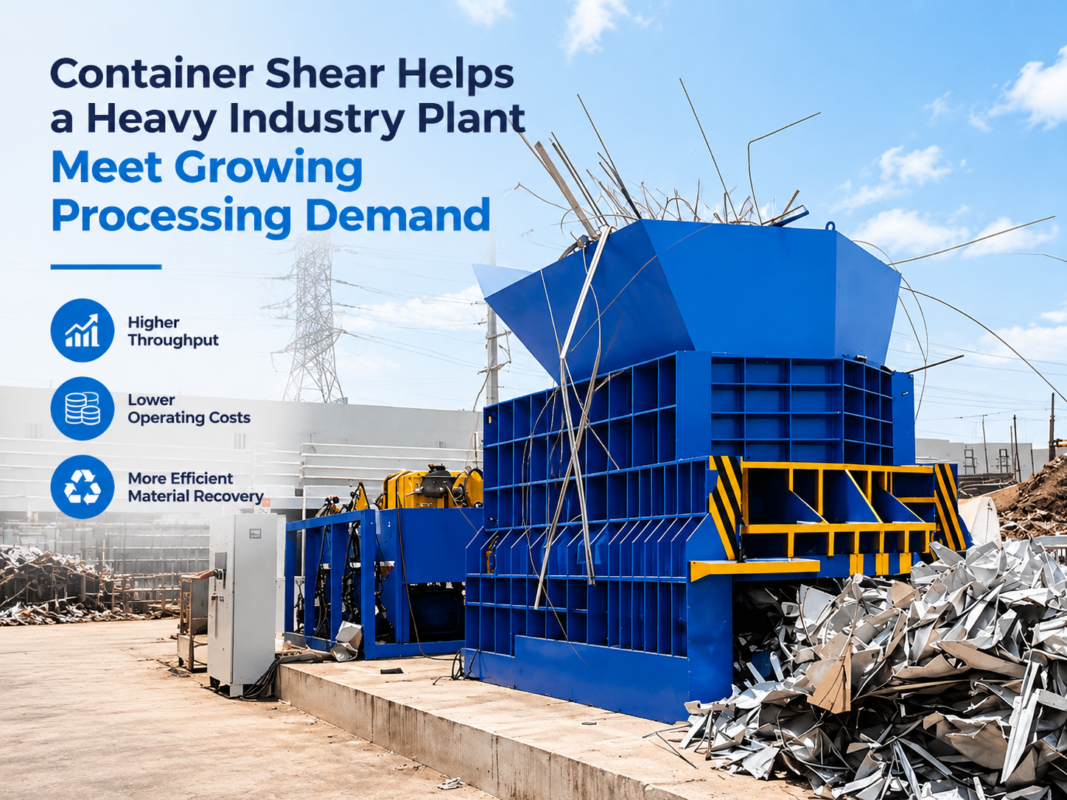
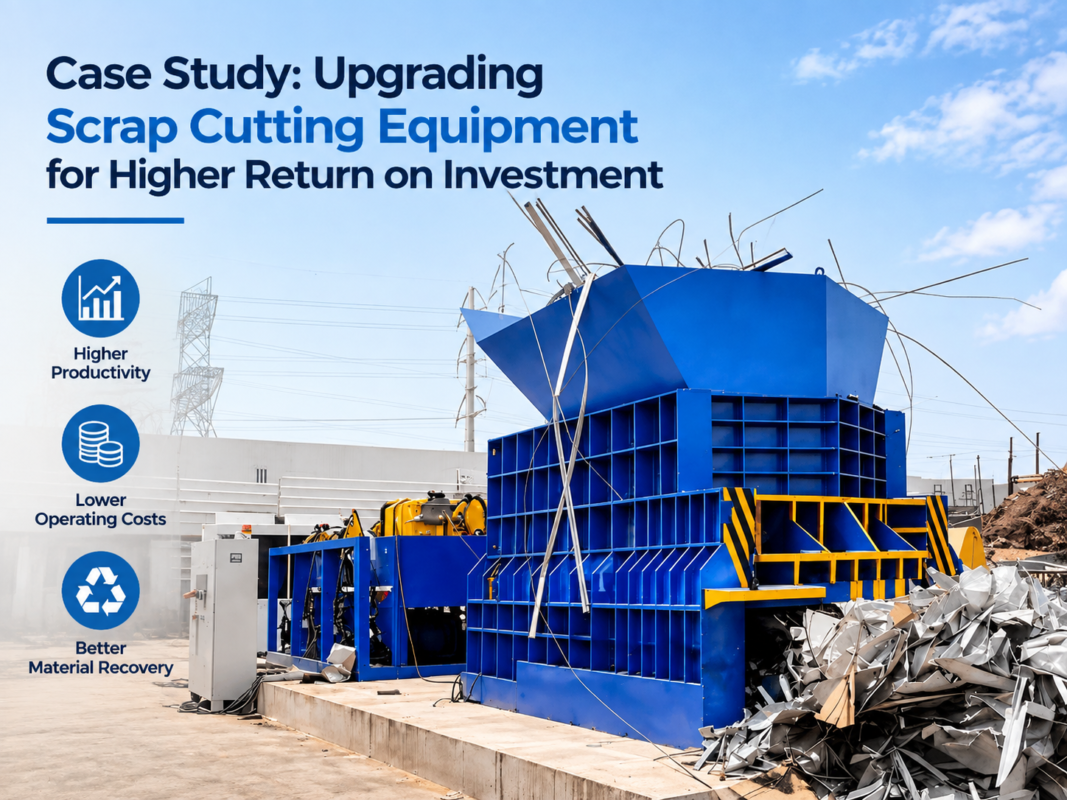
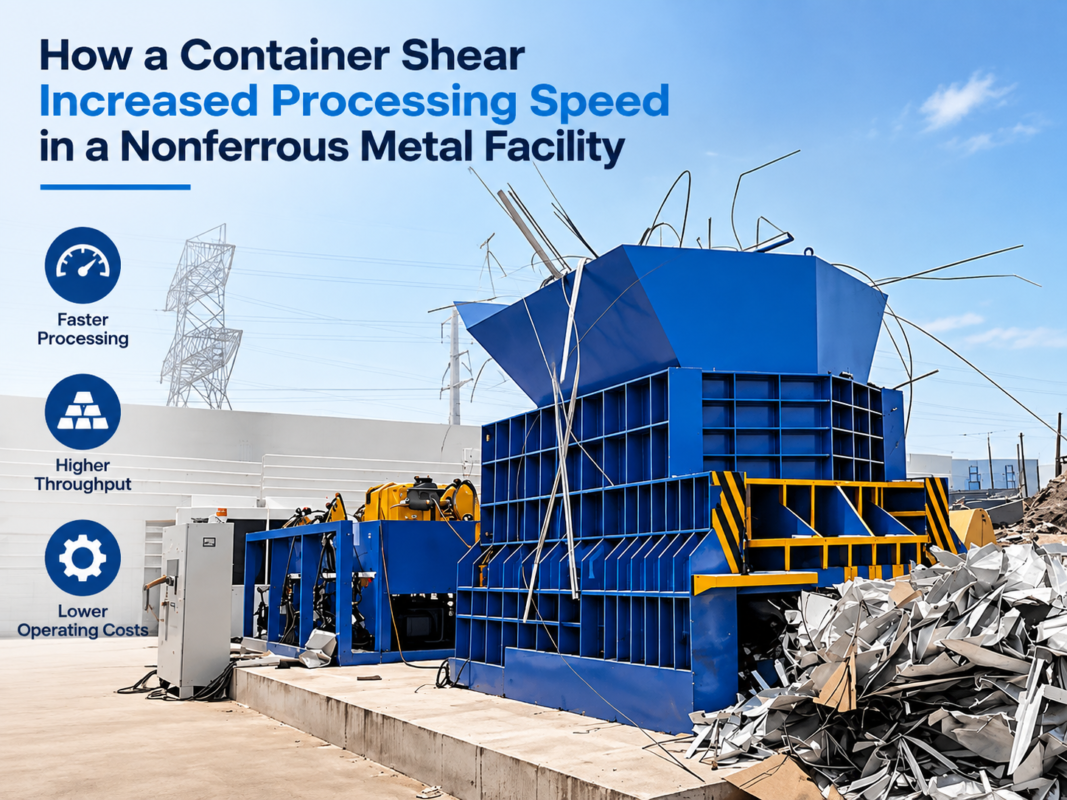
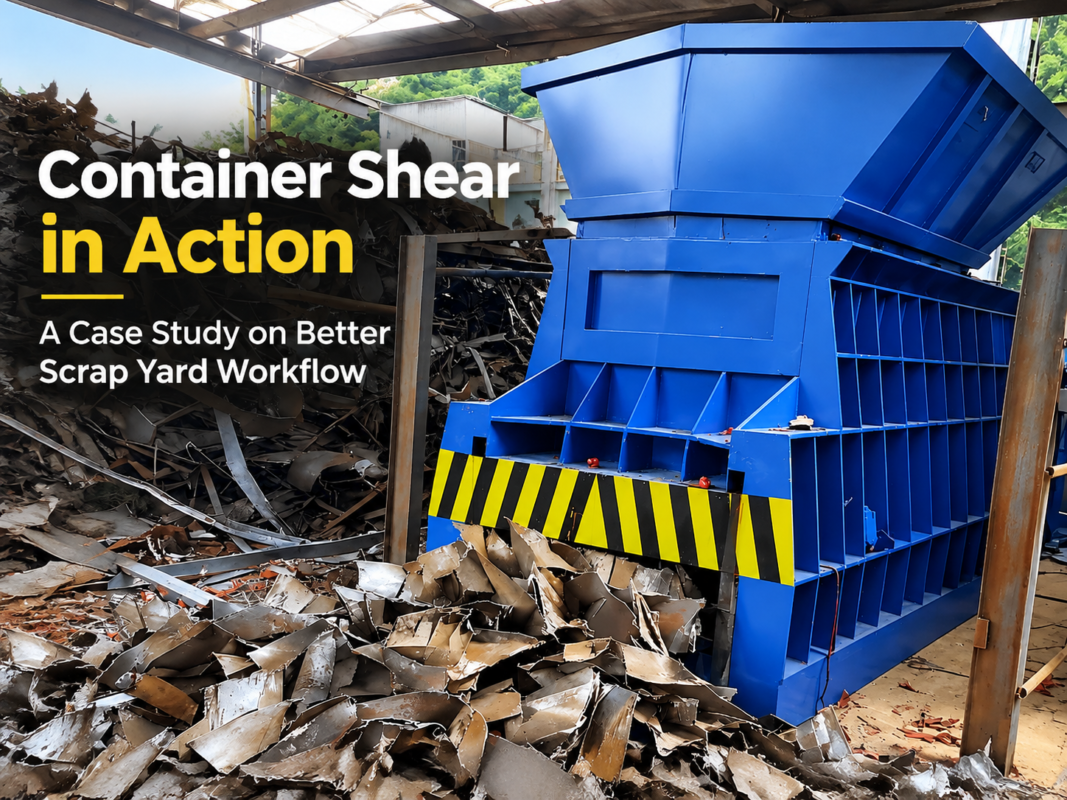
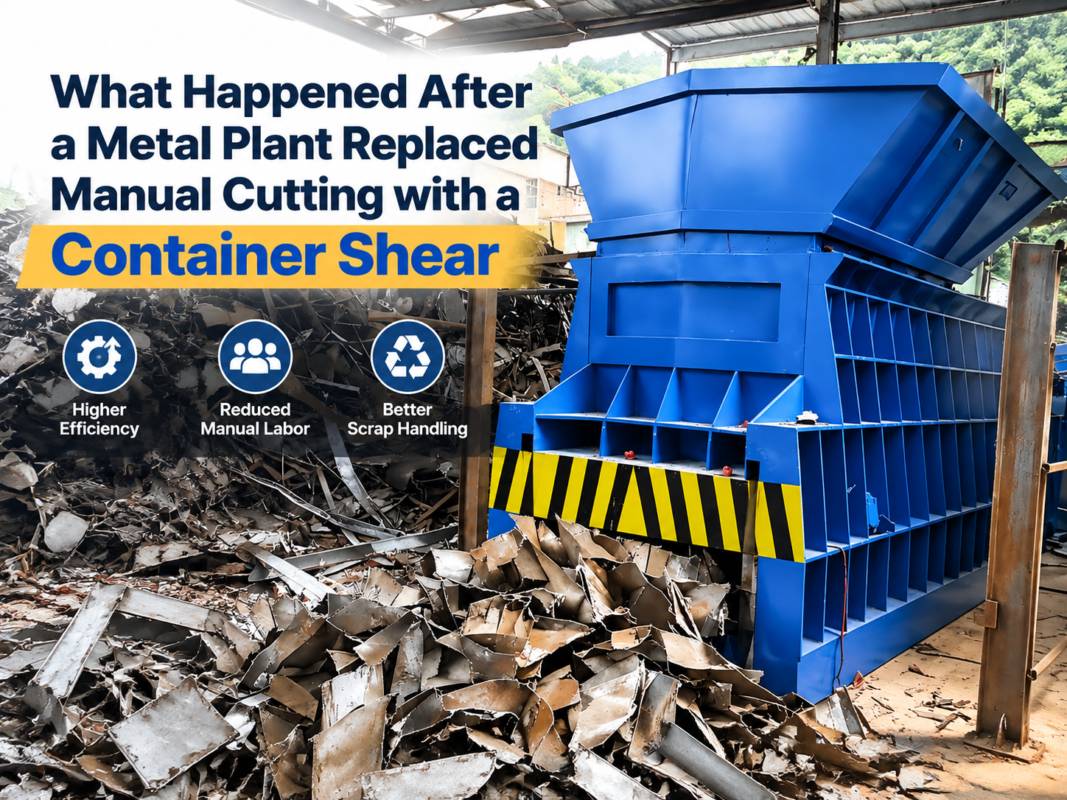
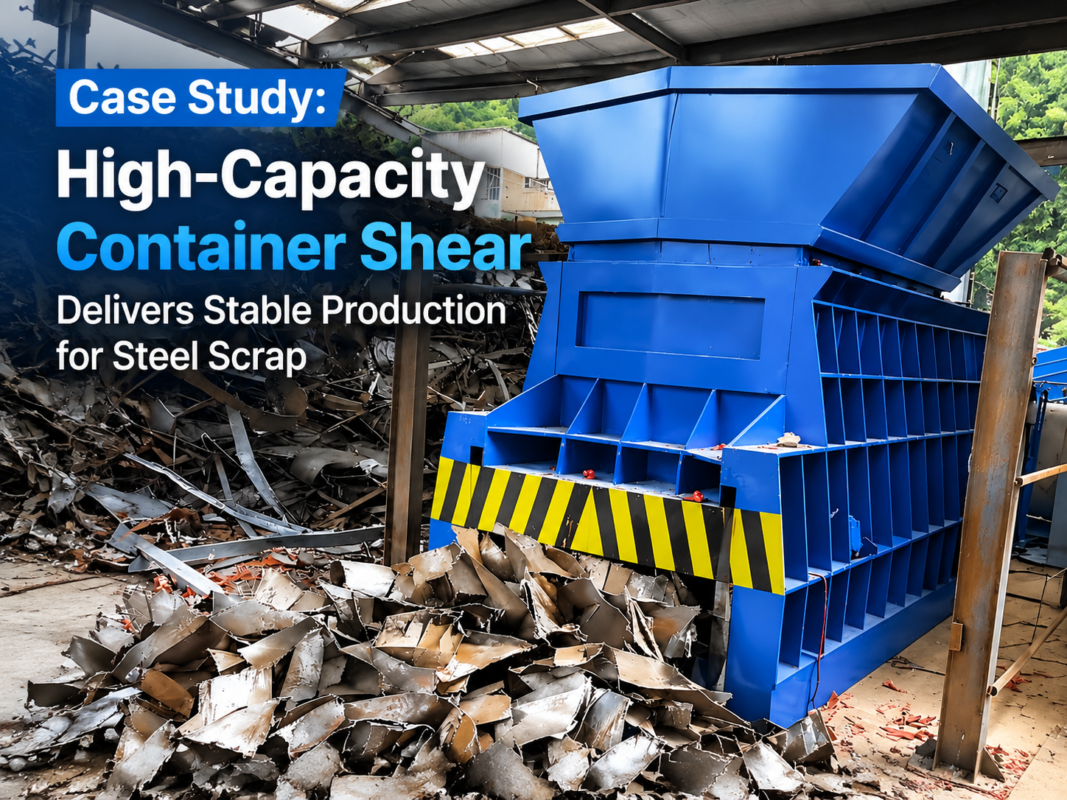
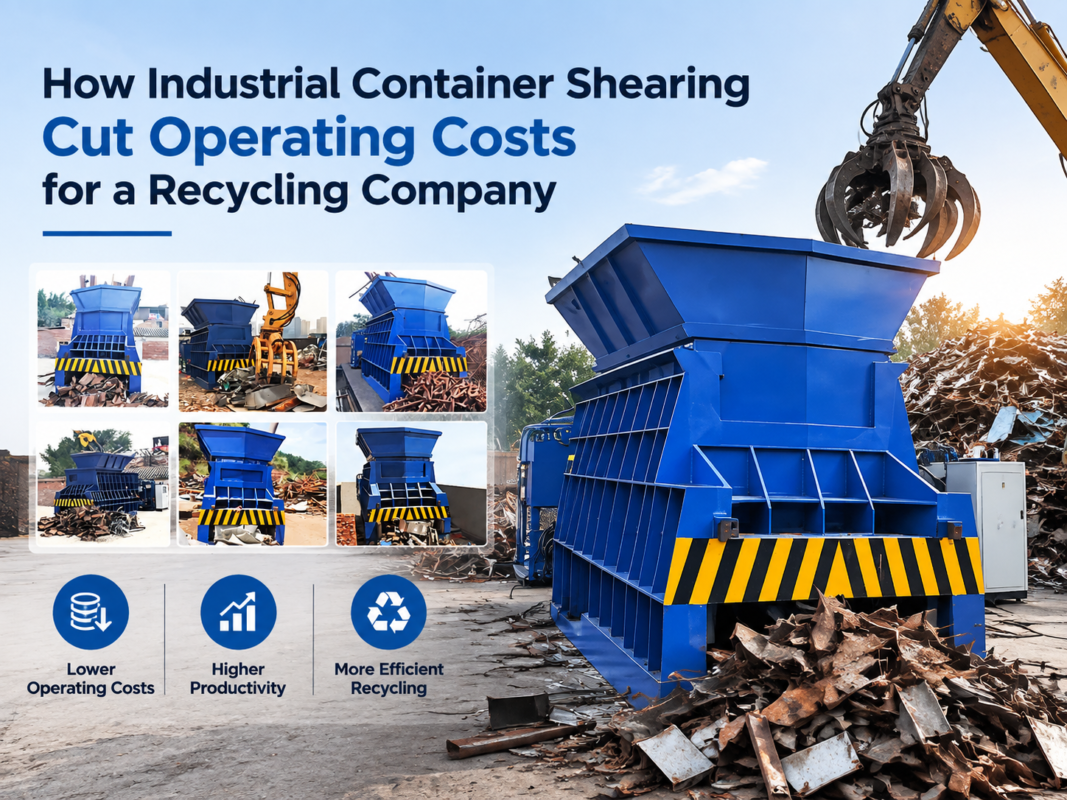
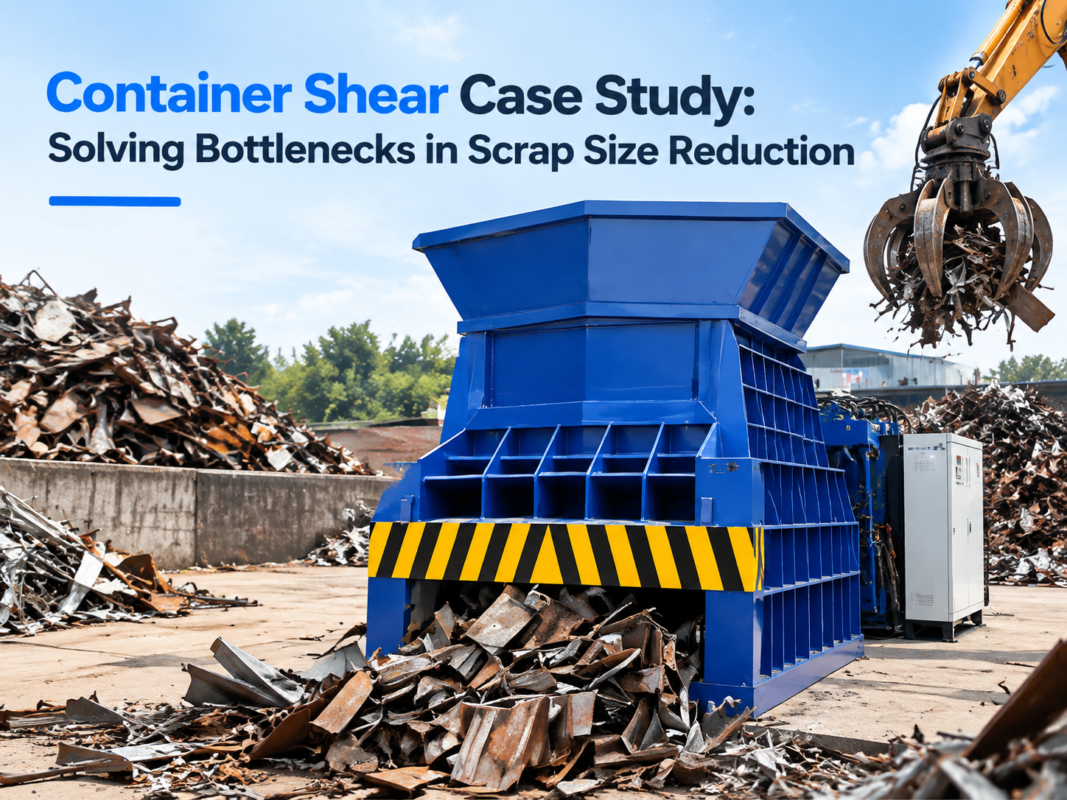
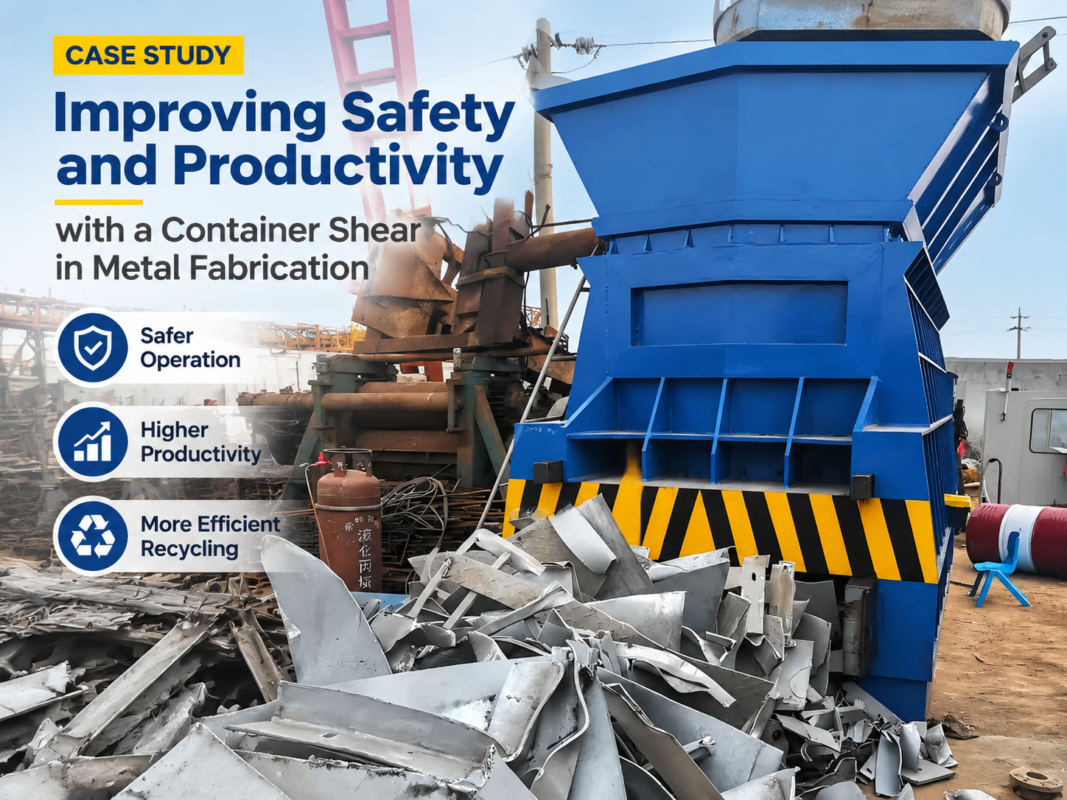
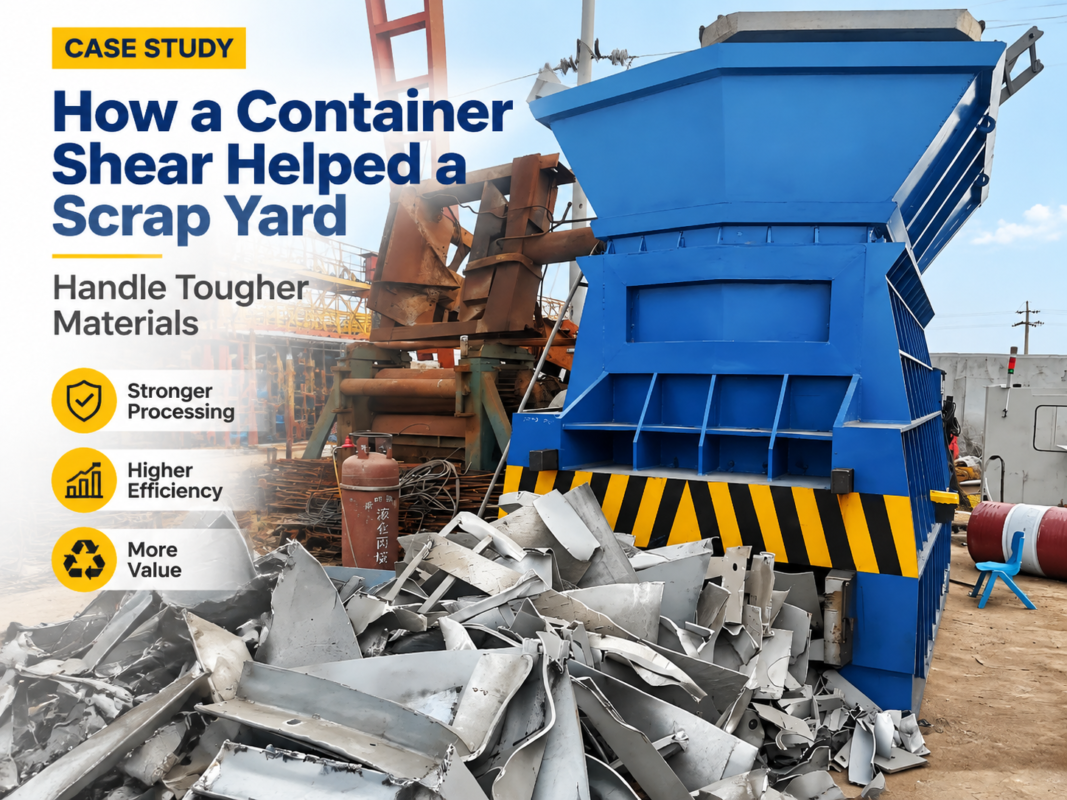
The container shear operates by utilizing a large hopper or “box” where scrap metal is loaded. A hydraulic ram then pushes the material toward a heavy-duty shearing head. This design allows for the processing of long and oversized scrap, such as structural steel, pipes, and automotive frames, into manageable, high-density pieces suitable for furnace charging. Because these machines represent a significant investment, understanding the nuances of sizing—ranging from 400 tons to over 1250 tons of shearing force—is essential for long-term success.
When we discuss matching machine size to production needs, we aren’t just talking about the physical dimensions of the shear. We are talking about the hydraulic capacity, the cycle time, the throat opening, and the structural integrity of the frame. A well-matched container shear acts as the heartbeat of a recycling operation, ensuring a steady flow of processed material while minimizing downtime. In this comprehensive guide, we will break down the financial, technical, and operational factors that should influence your selection process.
Price Range Overview: Understanding the Investment Tiers
The market for container shears is diverse, with pricing reflecting the machine’s capacity, brand reputation, and technological sophistication. Generally, container shears are categorized into three main tiers: entry-level (small-scale), mid-range (medium-scale), and heavy-duty (industrial-scale). Understanding where your production requirements fall within these tiers is the first step in the selection process.
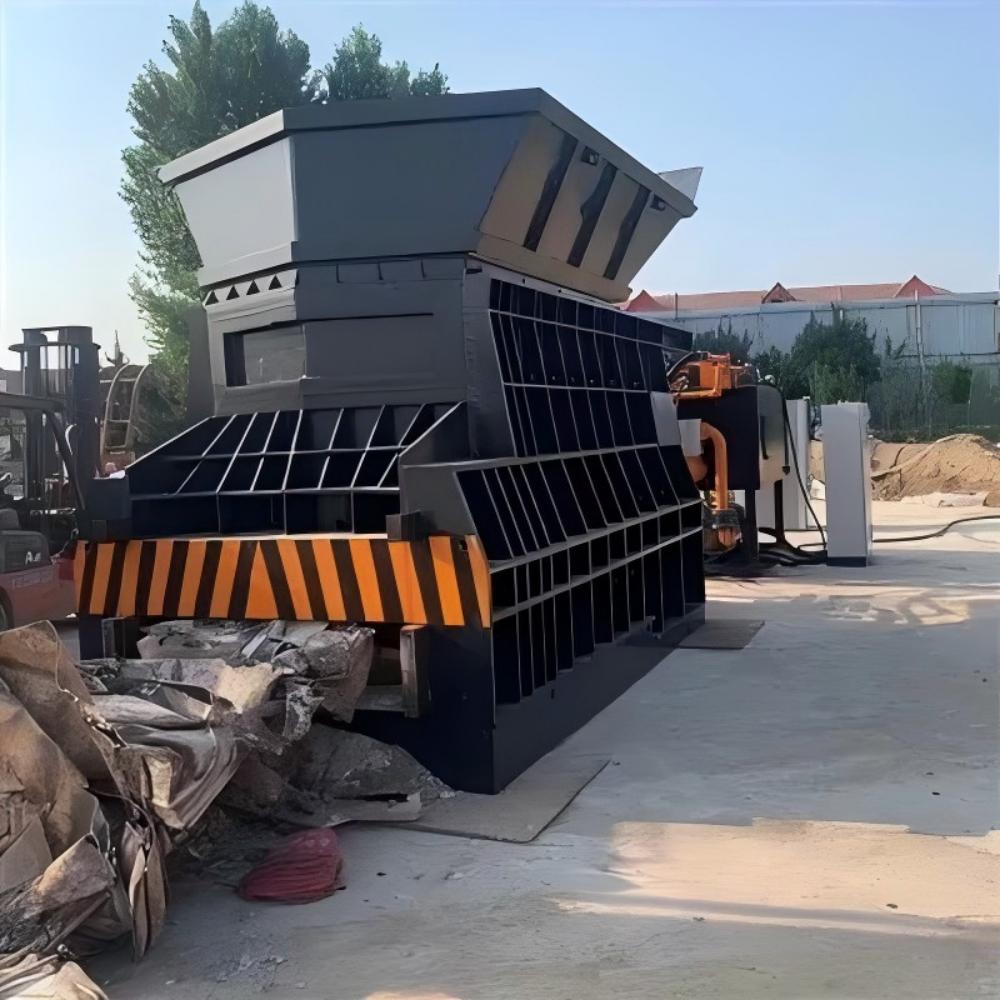
Entry-level container shears typically offer shearing forces between 400 and 600 tons. These machines are ideal for smaller scrap yards or specialized fabrication shops that process light to medium-gauge materials. Prices in this category are the most accessible, but buyers must be wary of overworking these machines. While they can handle occasional heavy pieces, their primary design is for high-volume processing of thinner materials like sheet metal, aluminum extrusions, and light pipes.
Mid-range machines, boasting 800 to 1000 tons of force, represent the “sweet spot” for many growing recycling businesses. These shears are capable of handling HMS 1 and HMS 2 scrap consistently. They feature larger hoppers and more robust hydraulic systems, allowing for faster cycle times. The price jump from entry-level to mid-range is significant, reflecting the increased steel weight of the machine and the higher-quality hydraulic components required to maintain such force.
At the top of the spectrum are the heavy-duty container shears, exceeding 1250 tons of pressure. These are massive installations designed for 24/7 operation in large-scale industrial environments. They can shear through thick-walled pipes, heavy I-beams, and even ship-breaking scrap. The investment for these machines is substantial, often requiring specialized foundation work and high-voltage power supplies. However, for operations processing thousands of tons per month, the cost per ton processed is often lowest with these high-capacity units.
Main Cost Drivers in Container Shear Selection
When evaluating the price of a container shear, several factors drive the final quote. The most obvious is the shearing force. Higher tonnage requires larger hydraulic cylinders, thicker steel plates for the frame, and more powerful motor-pump groups. The sheer volume of high-grade steel used in the construction of a 1000-ton shear is significantly higher than that of a 500-ton unit, directly impacting the raw material cost of the machine.
The hydraulic system is another major cost driver. Premium brands like HARSLE utilize high-end hydraulic components from manufacturers such as Rexroth, Parker, or Vickers. These components offer better reliability, smoother operation, and easier sourcing of spare parts globally. A machine equipped with a variable displacement pump system will be more expensive than one with a fixed displacement pump, but it offers superior energy efficiency and control, which we will discuss in the configuration section.
Control systems and automation also play a role. Modern container shears are increasingly equipped with PLC (Programmable Logic Controller) systems from Siemens or Schneider. These systems allow for automated shearing cycles, remote diagnostics, and integration with yard management software. While an older-style manual valve system might be cheaper, the loss in productivity and the increased risk of operator error often make the automated version a more cost-effective choice in the long run.
Finally, the manufacturing precision and quality control of the vendor cannot be overlooked. A container shear is subjected to immense stress and vibration. Machines that are built with precision-machined guides, high-quality welding, and stress-relieved frames will command a higher price but will suffer far fewer structural failures over their 10-15 year lifespan. Investing in a reputable manufacturer ensures that the “rated” tonnage is the “actual” tonnage the machine can deliver day in and day out.
Configuration Impact on Production Efficiency
The configuration of your container shear is what determines how well it integrates into your specific workflow. One of the most important configuration choices is the blade material and design. For high-production environments, blades made from 6CrW2Si or H13 tool steel are essential. These materials maintain their edge longer under high heat and pressure, reducing the frequency of blade rotations and replacements. The design of the blade seat also matters; a well-designed seat allows for quick blade changes, minimizing downtime.
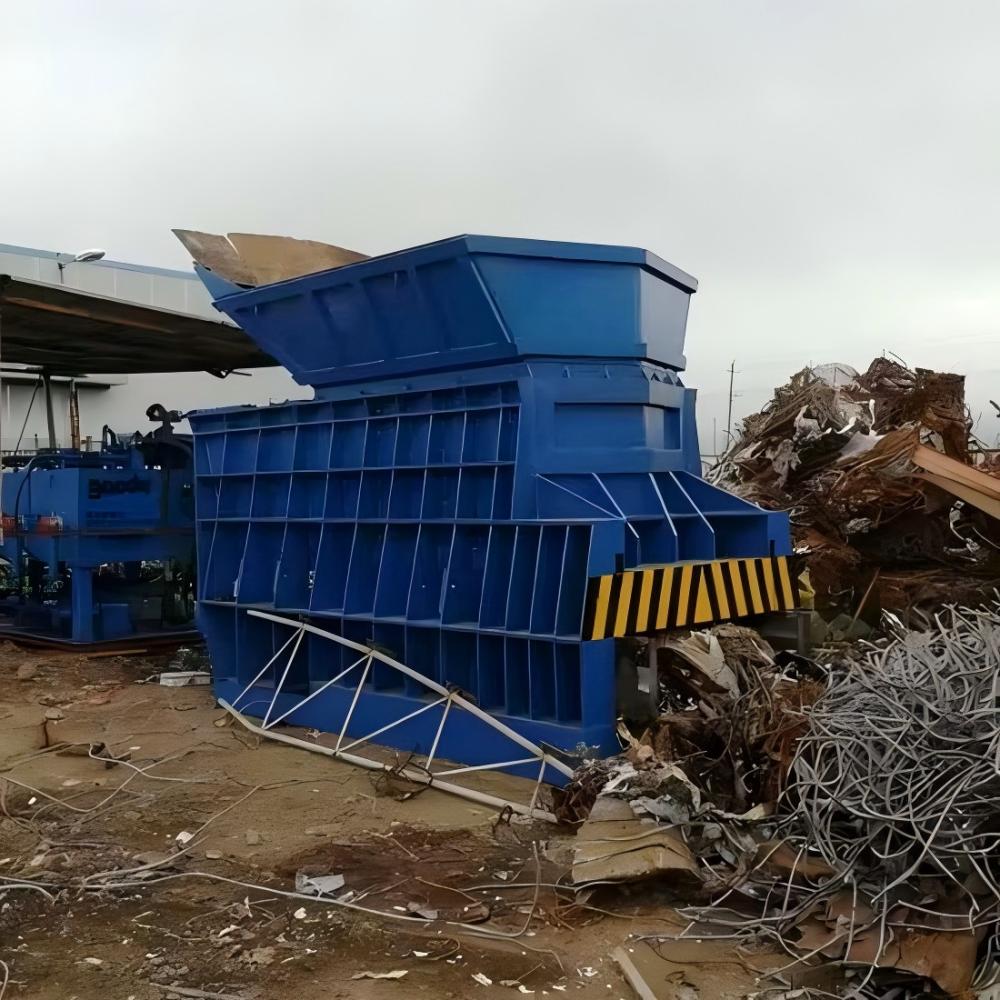
Cooling systems are another critical configuration element. In warmer climates or high-duty cycle operations, the hydraulic oil can quickly overheat, leading to seal failure and loss of pressure. Buyers must choose between air-cooled and water-cooled systems. Air-cooled systems are easier to maintain and more portable, while water-cooled systems (using a heat exchanger) are more efficient at maintaining stable temperatures during continuous 24-hour shifts.
The hopper (box) size must be matched to the type of scrap you receive. If your yard primarily handles long structural beams, a longer hopper is required to avoid the need for pre-cutting with torches. Pre-cutting is labor-intensive and expensive. By selecting a container shear with a 6-meter or 8-meter box, you can load long materials directly, significantly increasing your tons-per-hour throughput. Conversely, if you process mostly small, dense scrap, a shorter box with a faster cycle time might be more efficient.
Furthermore, consider the mobility options. Some container shears are designed with a “hook-lift” or trailer-mounted frame. This allows the machine to be moved around a large yard or even transported between different sites. While a stationary machine is generally more stable and easier to maintain, a mobile configuration offers unparalleled flexibility for contractors who process scrap at the source, such as demolition sites or industrial plant decommissioning projects.
Hidden Costs of Owning a Container Shear
The purchase price is only the beginning of the total cost of ownership. One of the most frequently overlooked hidden costs is site preparation and foundation. A 1000-ton container shear can weigh upwards of 60 to 80 tons. Placing such a machine on standard asphalt or thin concrete will lead to cracking and misalignment. A reinforced concrete pad, often several feet thick, is required to absorb the dynamic loads generated during the shearing stroke. The cost of engineering and pouring this foundation can add thousands to the initial project budget.
Electricity and utility requirements are another ongoing expense. These machines require significant amperage to start their large electric motors. You may need to upgrade your facility’s electrical transformer or install soft-start controllers to prevent power surges that could affect other equipment. Additionally, the cost of hydraulic oil—often hundreds of gallons—and the periodic filtration and replacement of that oil must be factored into the monthly operating budget.
Wear parts and consumables are a certainty in the scrap industry. Blades are the most obvious consumable, but hydraulic seals, filters, and wear plates inside the hopper also require regular attention. A common mistake is not stocking these parts in advance. Waiting for a set of blades to arrive from overseas while your machine sits idle is a massive hidden cost in lost production. Smart operators include a “spare parts package” in their initial purchase to mitigate this risk.
Lastly, consider operator training and safety compliance. A container shear is a powerful and potentially dangerous piece of machinery. Proper training is required not just for the operator, but also for the loader driver who feeds the machine. Inefficient loading can damage the hopper or cause jams that take hours to clear. Investing in professional training ensures the machine is used within its design limits, extending its life and ensuring a safe working environment.
ROI Calculation: When Does a Larger Machine Pay Off?
Calculating the Return on Investment (ROI) for a container shear involves comparing the increased revenue from processed scrap against the total cost of the machine and its operation. Processed scrap (sheared to 2-foot or 3-foot lengths) commands a significantly higher price at the mill than unprocessed, bulky scrap. This price spread is the primary driver of your ROI.
Let’s look at a hypothetical scenario. A small yard processes 500 tons of scrap per month using manual torch cutting and a small alligator shear. By upgrading to a 600-ton container shear, they can increase their throughput to 1,500 tons per month while reducing their labor force by two people. Even with the monthly finance payment on the machine, the increased volume and the higher margin on sheared scrap often result in the machine paying for itself within 18 to 24 months.
However, the ROI logic changes when deciding between a 600-ton and a 1000-ton machine. If your current supply of scrap is capped at 1,000 tons per month, buying a 1000-ton machine that can process 3,000 tons per month will result in the machine sitting idle for two-thirds of the time. In this case, the higher capital cost and higher energy consumption of the larger machine will actually decrease your ROI. The goal is to select a machine that operates at 70-80% capacity during a standard shift, allowing room for growth without excessive waste.
Another factor in ROI is scrap density. Mills often pay premiums for scrap that meets specific density requirements. A larger container shear with a powerful pre-compression lid or side-press can produce denser bundles or “logs” before shearing. This allows you to fit more weight into each transport truck or shipping container, drastically reducing your logistics costs—a saving that goes directly to your bottom line.
Buying Advice: A Step-by-Step Selection Checklist
When you are ready to move forward with Container Shear Selection: Matching Machine Size to Your Production Needs, follow this checklist to ensure you make an informed decision:
- Analyze Your Scrap Stream: What is the maximum thickness of the material you receive? What is the average length? If you handle mostly heavy I-beams, don’t settle for anything less than 800 tons.
- Define Your Target Throughput: How many tons do you need to process per day? Calculate this based on an 8-hour shift, accounting for loading time and maintenance.
- Check Your Power Supply: Ensure your facility can handle the KVA requirements of the machine’s motors. If not, factor the cost of an electrical upgrade into your budget.
- Evaluate the Manufacturer’s Support: Does the vendor offer installation support? Do they have a local service partner or a robust remote diagnostics system?
- Inspect the Build Quality: Look at the thickness of the hopper walls and the quality of the hydraulic cylinders. Ask for videos of the machine processing material similar to yours.
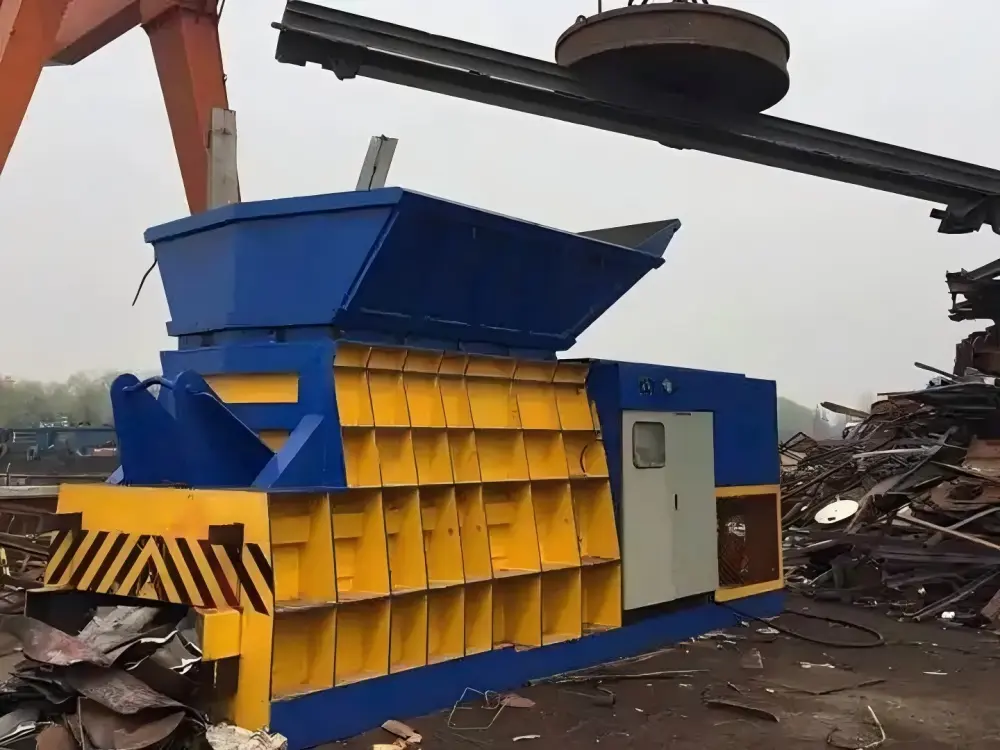
It is also highly recommended to visit a site where the machine you are considering is already in operation. Seeing how the machine handles real-world scrap—with all its dirt, rust, and unpredictability—is far more valuable than reading a spec sheet. Pay attention to the noise levels, the speed of the cycle, and how easily the operator can control the various functions. If possible, speak with the maintenance team at that site to learn about any recurring issues or tips for keeping the machine running smoothly.
Finally, don’t be afraid to negotiate the configuration. Many manufacturers, including HARSLE, offer customizable options. You might not need the most expensive automation package, but you might want to invest in extra-thick wear plates for the hopper if you process particularly abrasive materials. Tailoring the machine to your specific needs during the purchase phase is much cheaper than trying to modify it later.
Frequently Asked Questions (FAQ)
1. What is the average lifespan of a container shear?
With proper maintenance, a high-quality container shear can last 10 to 15 years or more. The structural frame is designed for longevity, while the hydraulic components and wear parts (blades, liners) will need to be replaced periodically throughout the machine’s life.
2. Can a container shear handle cast iron?
Yes, but with caution. Cast iron is brittle and can “shatter” rather than shear, which can send fragments flying or cause shockwaves through the hydraulic system. It is best to mix cast iron with other ductile scrap or use a machine specifically configured with a protective enclosure.
3. How often do the blades need to be changed?
This depends entirely on the material being processed. If you are shearing clean, soft steel, blades may last for several hundred hours. If you are processing sandy, rusty, or hardened steel, you may need to rotate or sharpen the blades every 80-100 hours of operation. Most blades have four usable edges.
4. Is a container shear better than a guillotine shear?
A container shear is generally better for yards that need versatility and lower installation costs. Guillotine shears are typically stationary, require massive foundations, and are designed for the highest possible volumes. Container shears offer the advantage of being easier to feed and, in some cases, portable.
5. What kind of hydraulic oil should I use?
Most manufacturers recommend a high-quality anti-wear hydraulic oil, such as ISO VG 46 or 68, depending on your local climate. It is crucial to use the specific grade recommended by the manufacturer to ensure the longevity of the pumps and valves.
6. How many operators are needed to run a container shear?
Typically, only one operator is needed to run the shear itself, often via a remote control from the cab of the material handler (loader). A second person is usually required to operate the loader that feeds scrap into the hopper and moves the processed material away.