What to Know Before Buying a Container Shear for Heavy-Duty Metal Cutting

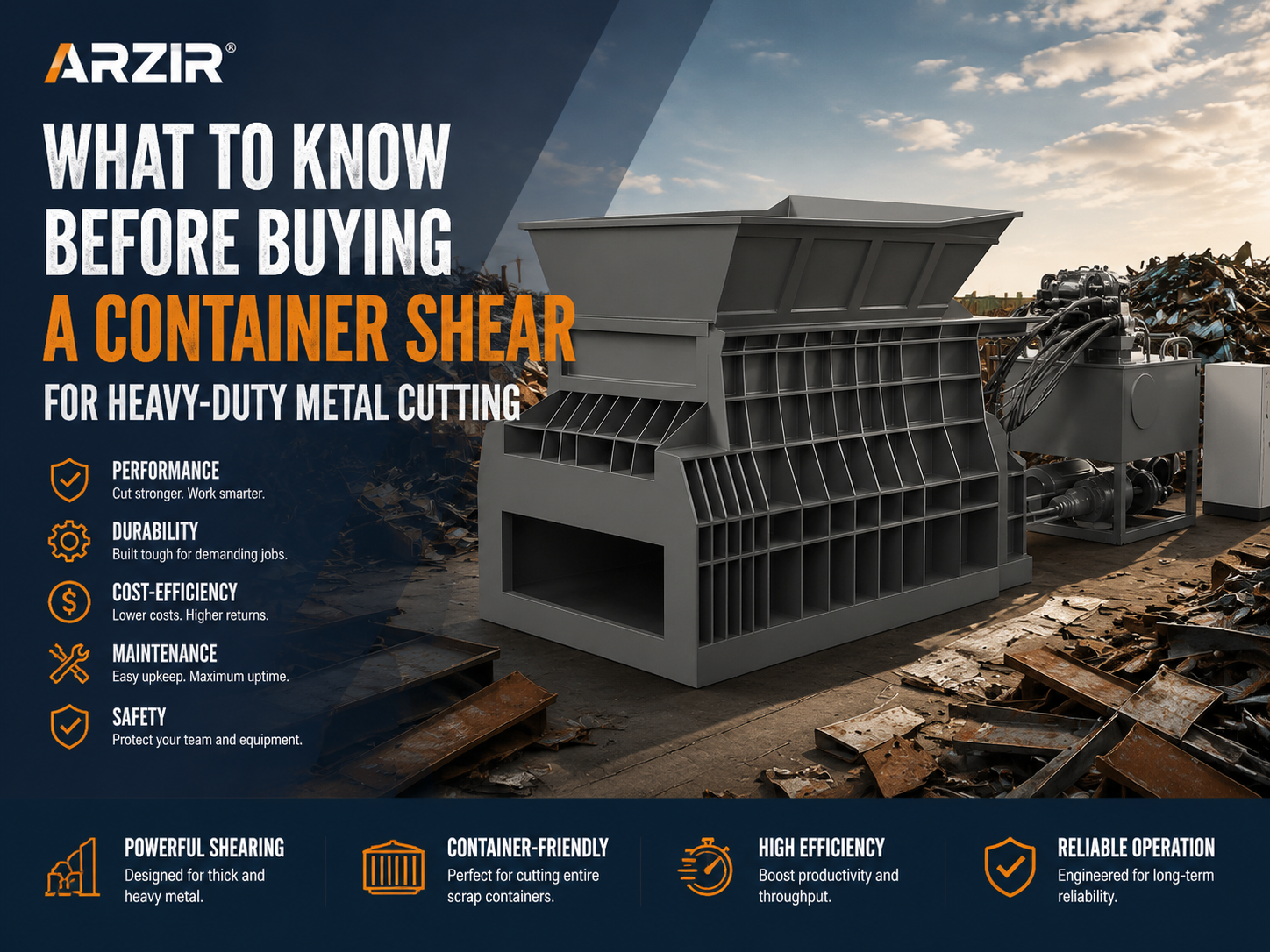
Introduction to Container Shears in Modern Scrap Processing
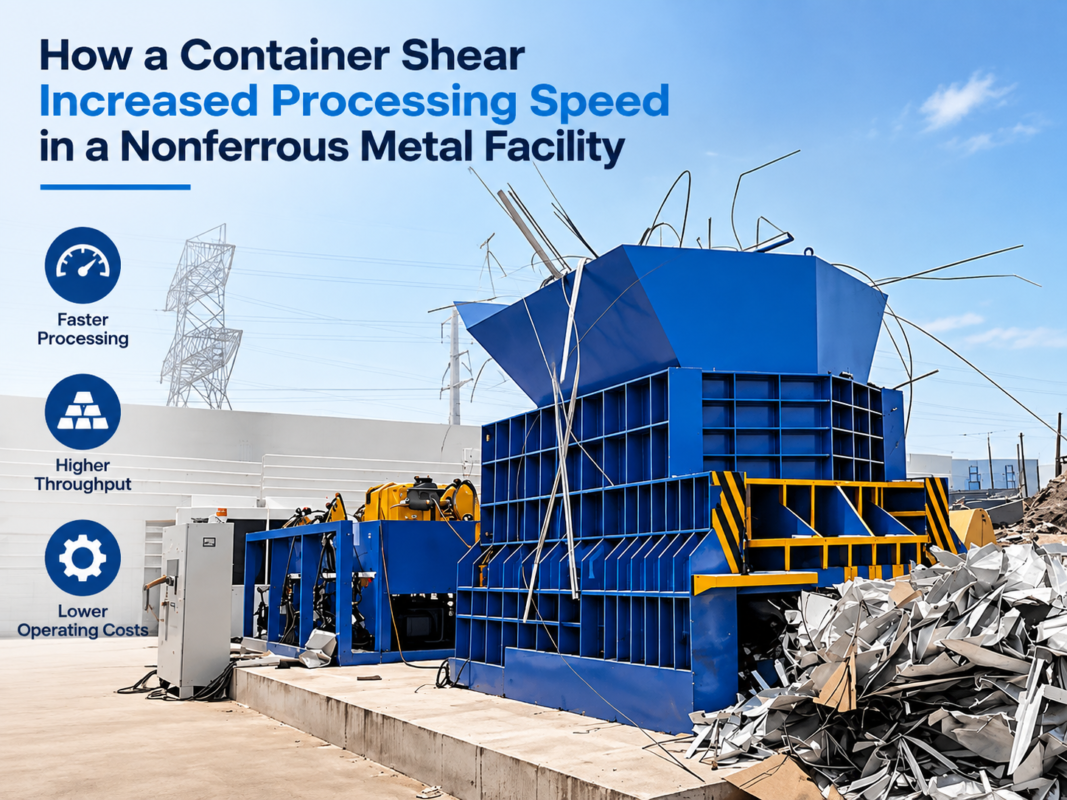
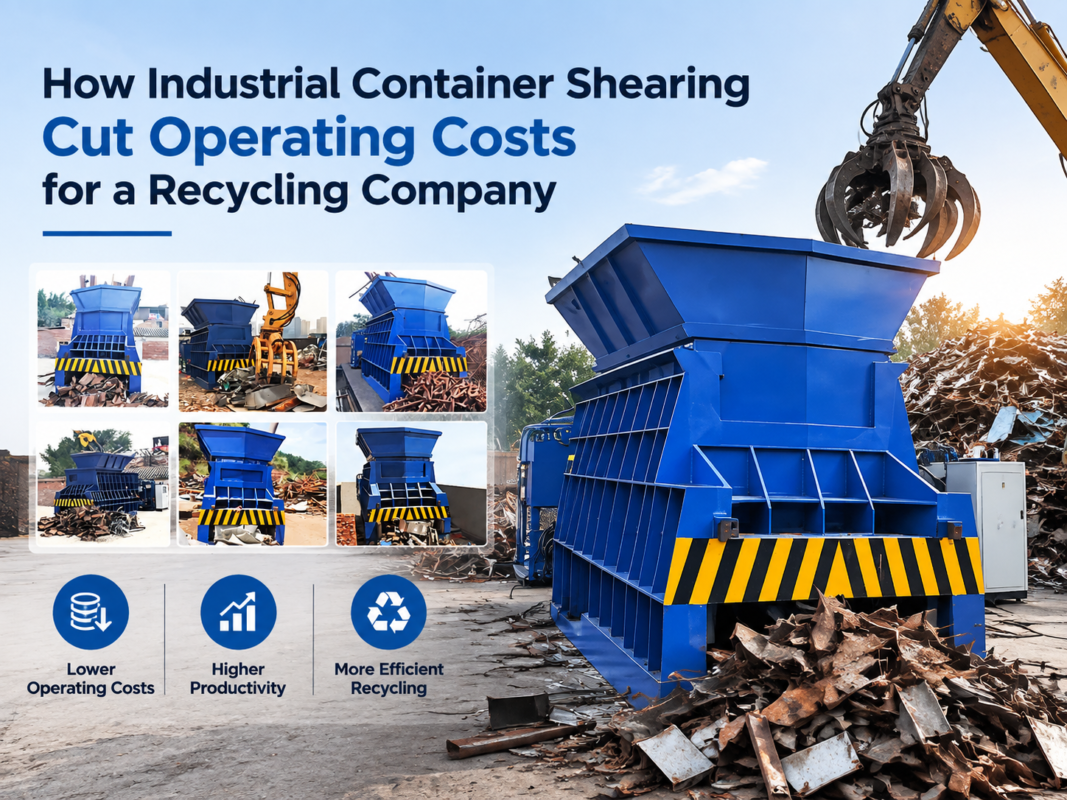
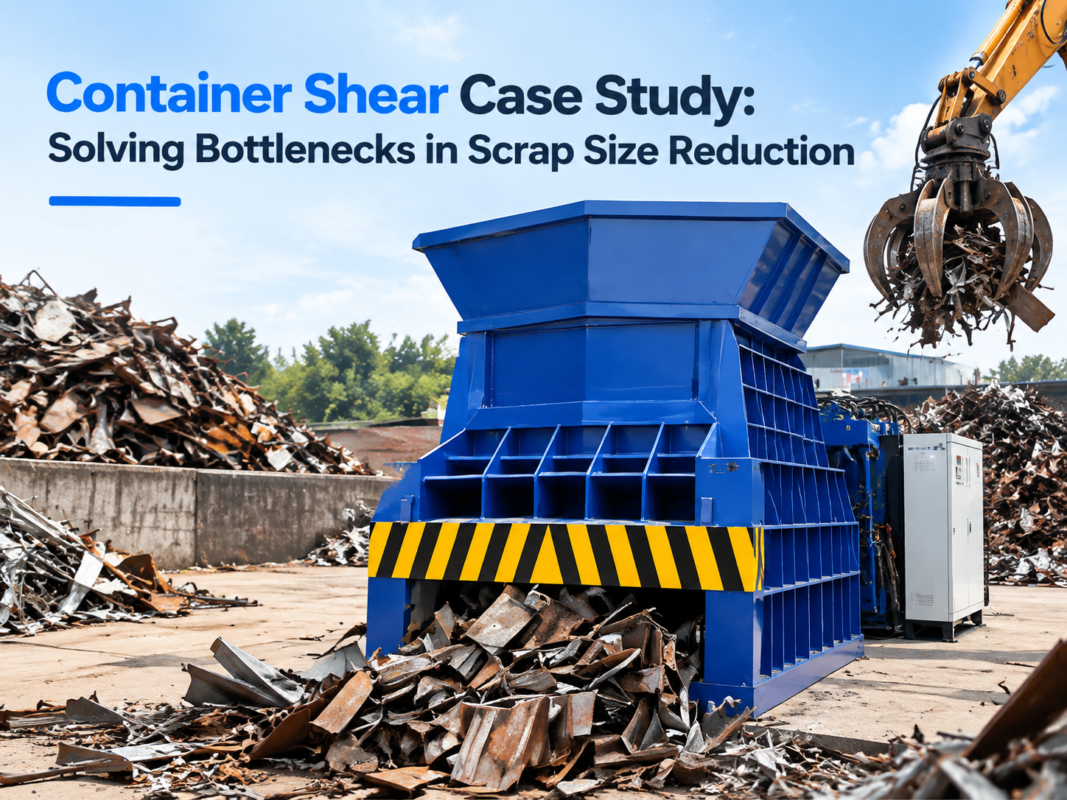
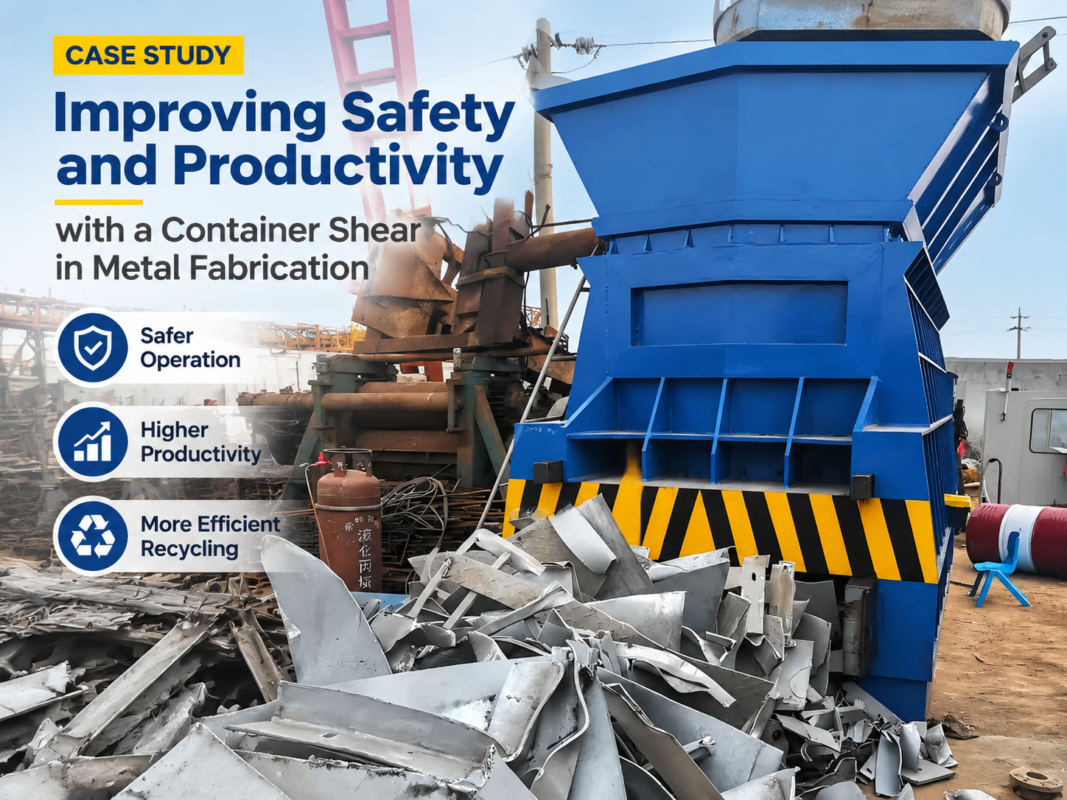
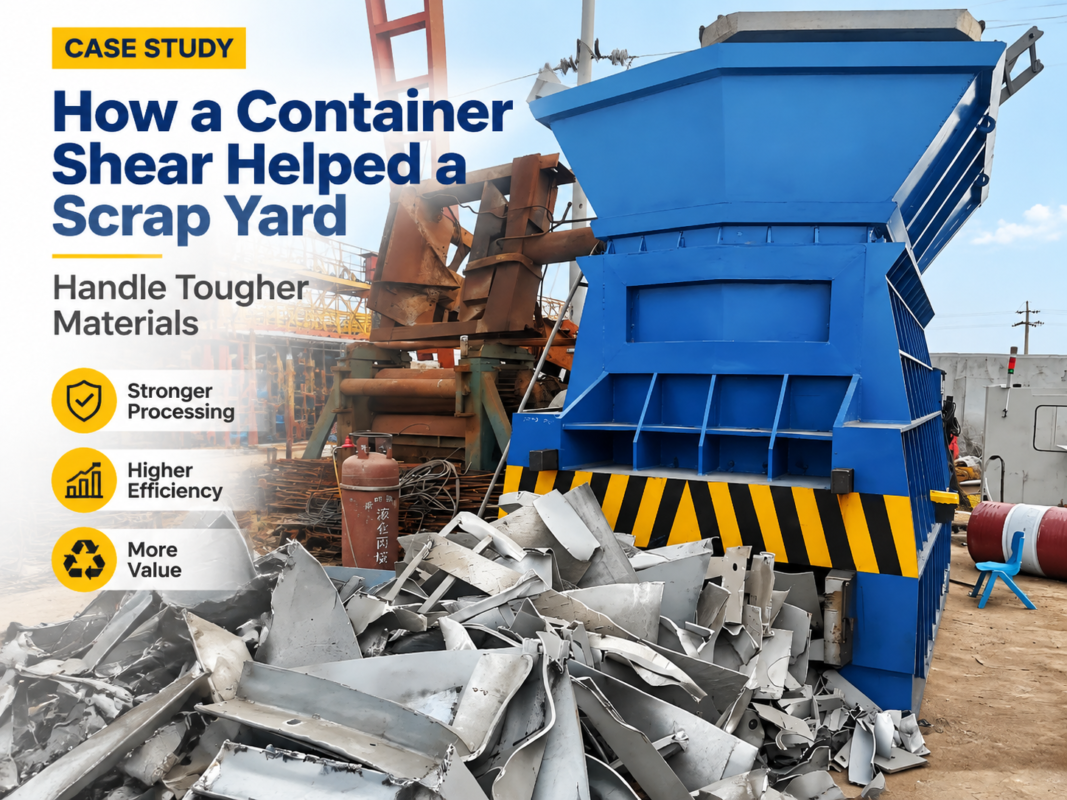
In the rapidly evolving world of metal recycling and industrial fabrication, the efficiency of scrap processing can make or break a company’s profitability. As global demand for recycled steel and non-ferrous metals continues to rise, the equipment used to process this material must be more robust, faster, and more reliable than ever before. This is where the container shear comes into play. Unlike traditional alligator shears or stationary guillotine shears, the container shear offers a unique blend of mobility, continuous feeding, and high-tonnage cutting power. However, investing in such a significant piece of machinery requires a deep understanding of the technical and financial variables involved.
Before you commit to a purchase, you must understand that a container shear is not just a tool; it is a long-term capital investment that dictates your facility’s throughput capacity. Whether you are processing HMS 1 and 2 scrap, structural steel, or decommissioned vehicle frames, the right machine will streamline your workflow, while the wrong one will become a bottleneck. This guide aims to provide a comprehensive overview of everything you need to Know Before Buying A Container Shear Heavy-Duty Metal Cutting solution, ensuring your investment yields the highest possible return.
HARSLE, as a leader in metal fabrication machinery, understands the nuances of hydraulic systems and structural integrity required for these machines. In the following sections, we will break down the pricing structures, technical configurations, and operational considerations that define the modern container shear market. By the end of this article, you will have a professional-grade framework for evaluating manufacturers and selecting a machine that fits your specific industrial needs.
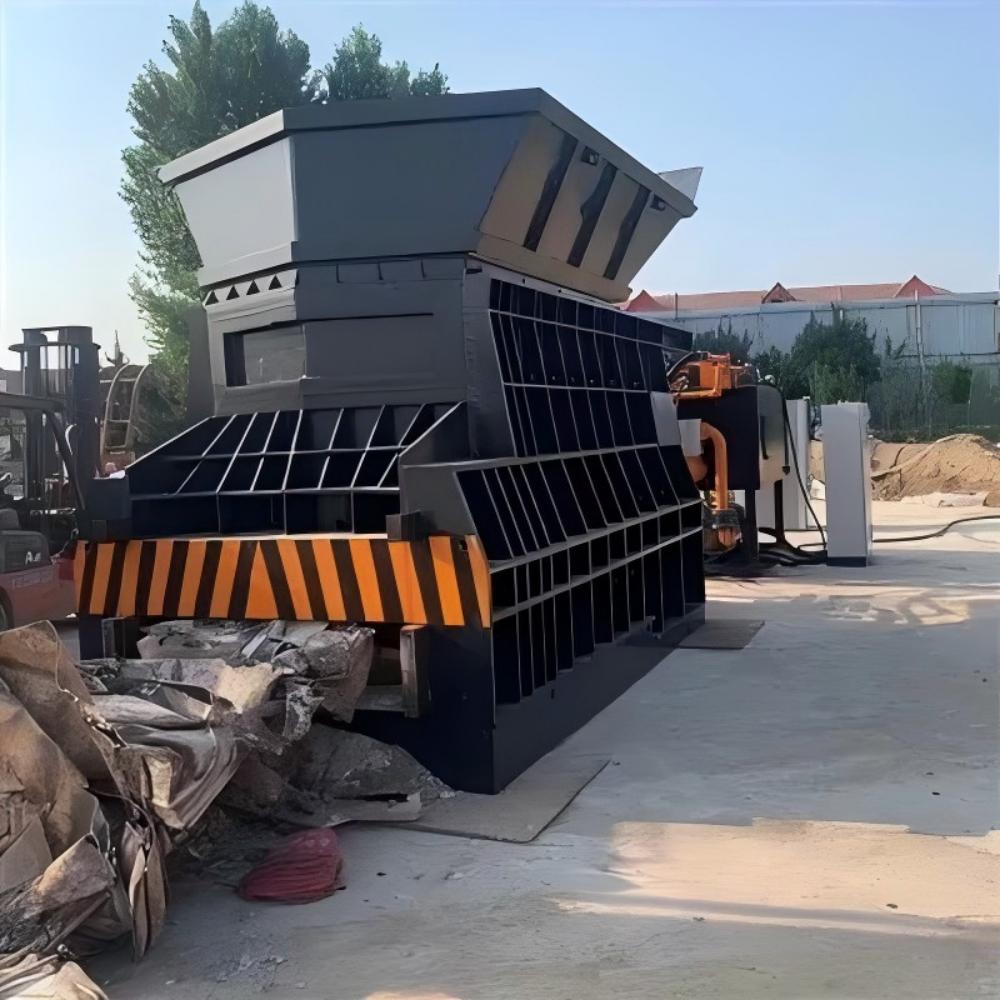
Price Range Overview: What to Expect
The price of a container shear varies significantly based on its cutting force, box size, and automation level. Generally, these machines are categorized by their shear force, measured in metric tons. For small to medium-sized scrap yards, a 400-ton to 600-ton machine is often the entry point. These units typically range from $80,000 to $150,000, depending on the brand and the inclusion of features like remote control or specialized hydraulic cooling systems. These machines are ideal for processing lighter structural steel and general scrap.
Moving into the mid-range category, 800-ton to 1000-ton container shears are the workhorses of the industry. These machines are designed for high-volume operations and can handle thicker materials, including heavy pipe and large beams. Prices for these units usually fall between $180,000 and $350,000. At this level, you are paying for increased hydraulic flow rates, which translate to faster cycle times, and more durable wear plates within the compression box. The structural integrity of the frame also becomes a major cost factor here, as the machine must withstand immense internal pressures.
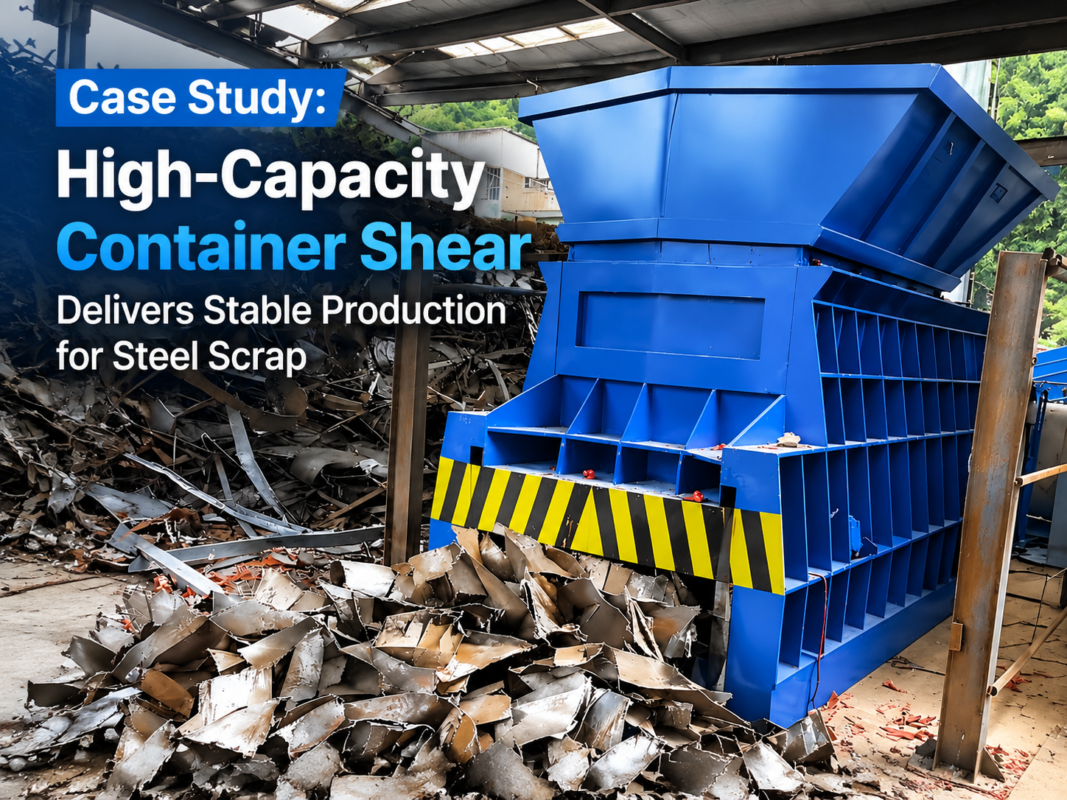
For industrial-scale recycling centers, heavy-duty shears exceeding 1250 tons are required. These machines can cost upwards of $500,000. They often feature advanced PLC systems, integrated weighing scales, and multi-stage filtration systems for the hydraulic oil. While the initial investment is high, the cost per ton of processed material is significantly lower due to the massive throughput these machines achieve. When evaluating the price, it is crucial to look beyond the sticker price and consider the machine’s lifespan and the manufacturer’s warranty terms.
Main Cost Drivers: Why Prices Vary
The primary driver of cost in a container shear is the hydraulic system. High-end machines utilize components from world-renowned brands like Rexroth, Vickers, or Parker. These pumps and valves are engineered for precision and longevity under extreme pressure. A machine equipped with a high-performance hydraulic system will have smoother movements, less heat generation, and a significantly longer mean time between failures (MTBF). Cheaper alternatives often use generic hydraulic components that may save money upfront but lead to frequent downtime and expensive repairs.
Another critical cost factor is the metallurgy of the cutting blades and the wear plates. Container shears operate in a highly abrasive environment. The blades must be made from high-grade tool steel, often vacuum-hardened to ensure they can maintain an edge while cutting through hardened alloys. Similarly, the interior of the “box” where the metal is compressed should be lined with replaceable wear-resistant plates (such as Hardox). The thickness and grade of these materials directly impact the machine’s price and its ability to handle “dirty” scrap without sustaining structural damage.
The complexity of the control system also adds to the cost. Modern container shears are increasingly automated. Features like automatic lubrication systems, laser-guided material positioning, and remote diagnostic capabilities require sophisticated electronics and software. A Siemens or Schneider PLC system provides a level of reliability and ease of integration that basic relay-logic systems cannot match. Furthermore, the inclusion of a sound-dampened operator cabin with climate control can add several thousand dollars to the final quote but is essential for operator safety and productivity in harsh climates.
Configuration Impact: Tailoring the Machine to Your Scrap
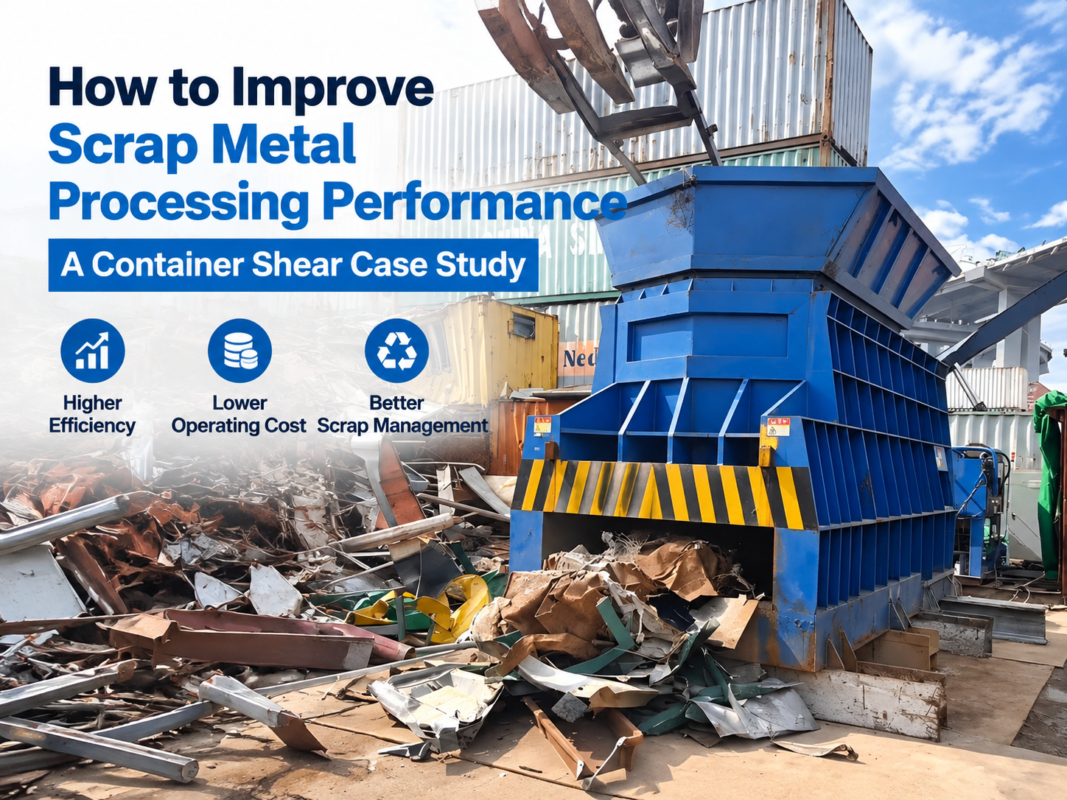
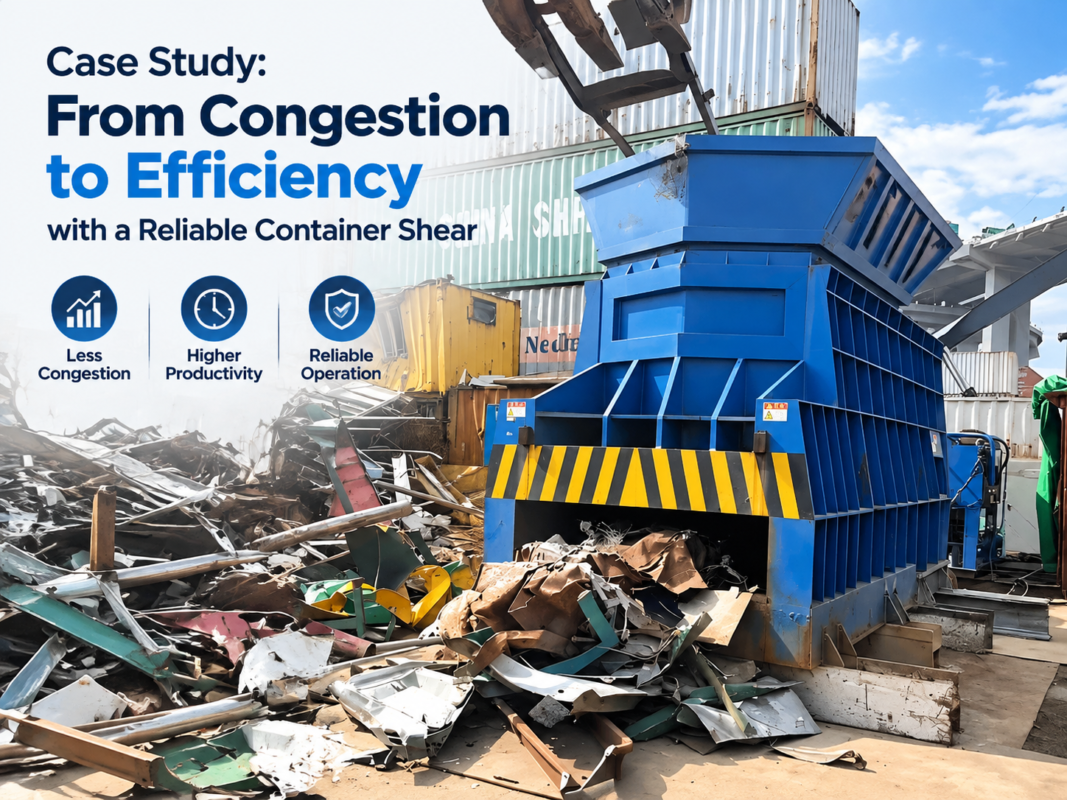
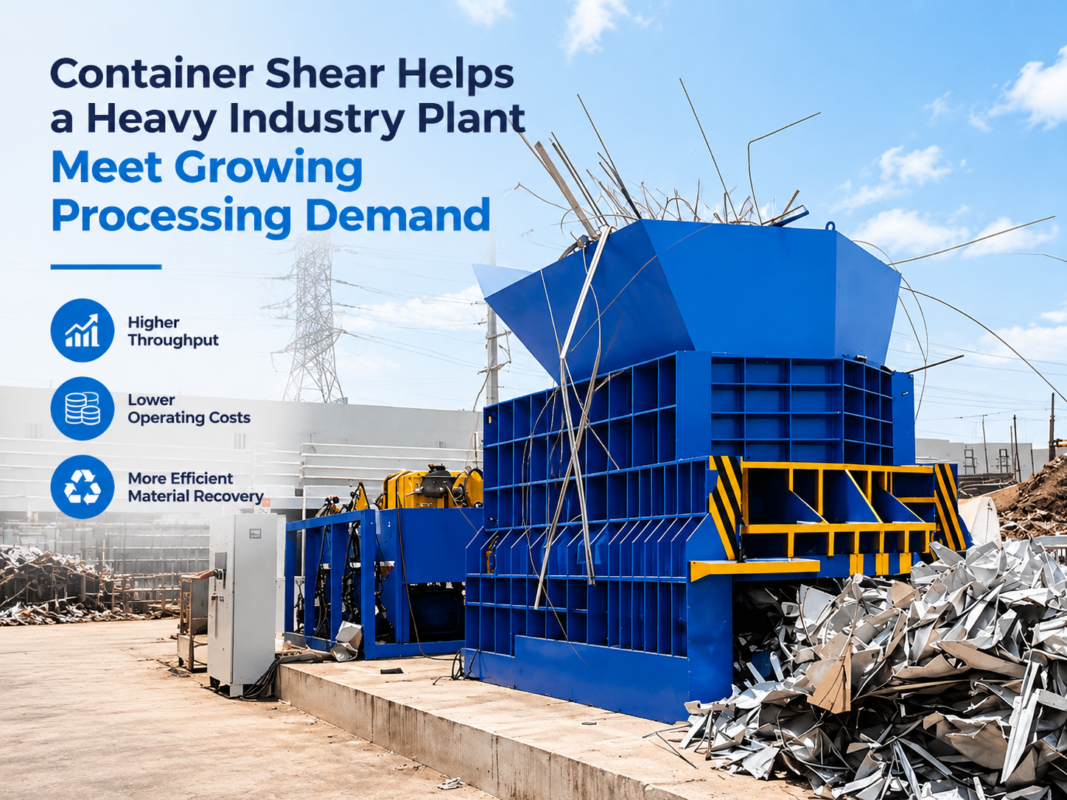
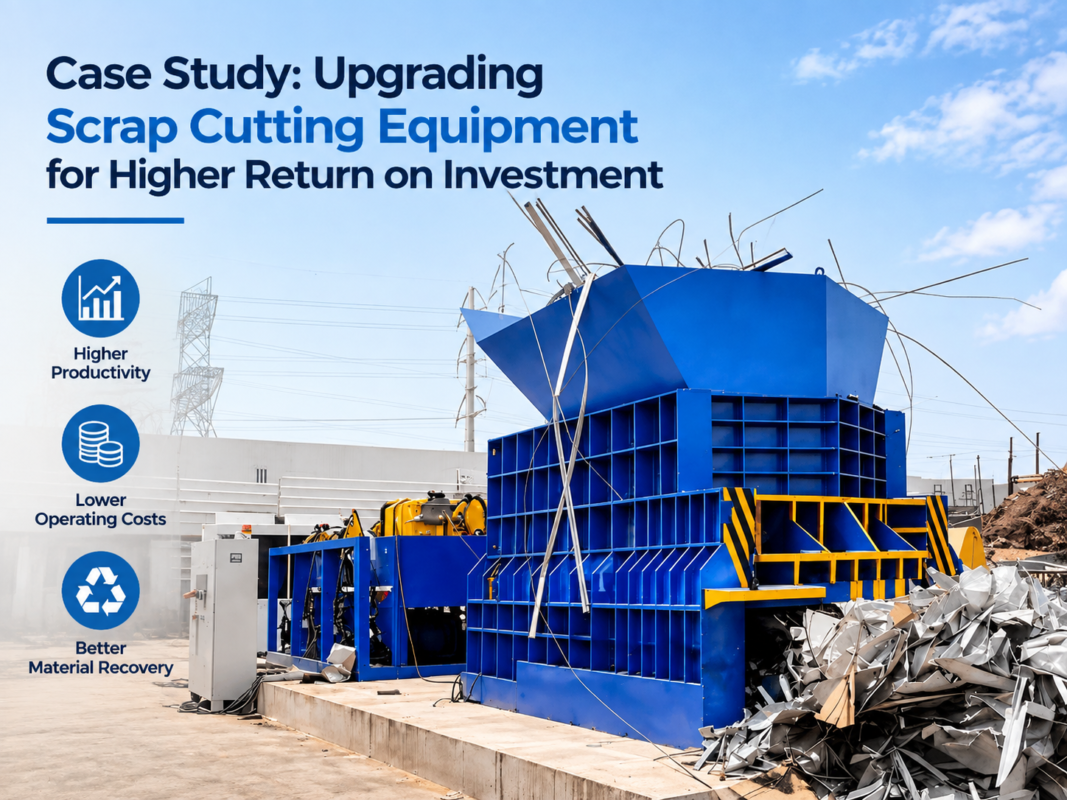
When looking at what to Know Before Buying A Container Shear Heavy-Duty Metal Cutting, the configuration of the feeding mechanism is paramount. Container shears generally come in two main styles: horizontal feed and gravity/inclined feed. Horizontal container shears use a hydraulic pusher to move scrap into the cutting zone. This allows for a very compact footprint and is excellent for processing long materials like rebar or pipe. However, it requires the operator to be more precise with loading to avoid jams.
Continuous feeding systems are another configuration choice. Some high-end models feature a vibrating feeder or a conveyor belt that keeps the machine running without waiting for a crane to drop the next load. This can increase productivity by up to 30%. If your scrap yard handles a high volume of uniform material, a continuous feed configuration is a wise investment. Conversely, if you process a wide variety of bulky, irregular scrap, a standard top-loading box with a heavy-duty lid (pre-compression) might be more effective.
The mobility of the machine is also a configuration factor. While most heavy-duty shears are stationary and require a concrete foundation, some manufacturers offer “semi-mobile” versions mounted on a heavy-duty trailer frame or equipped with hydraulic jack legs. These are ideal for contractors who move from one demolition site to another. However, mobile units often have slightly lower tonnage capacities and higher maintenance requirements due to the stresses of transport. Choosing the right configuration depends entirely on your site layout and the specific types of metal you intend to process.
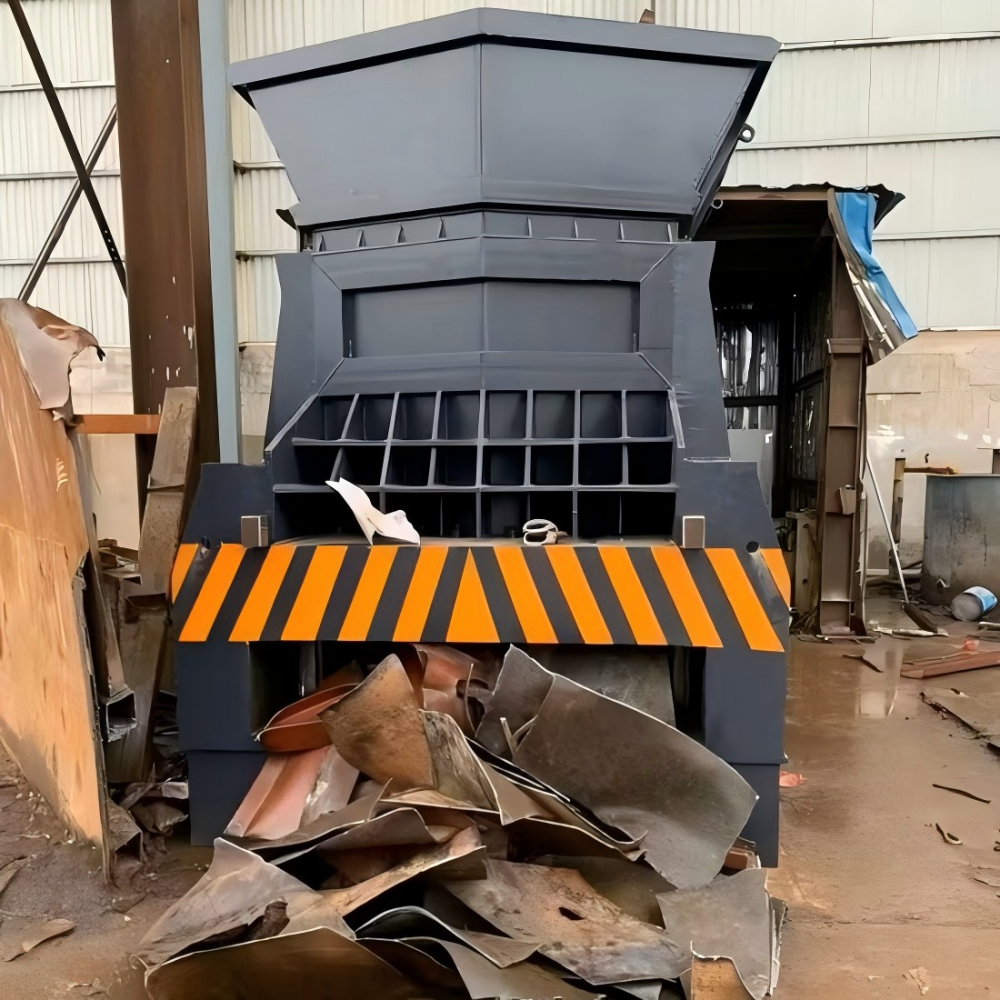
Hidden Costs: Beyond the Purchase Price
One of the most overlooked aspects of buying a container shear is the cost of site preparation. These machines weigh dozens of tons and exert massive dynamic forces during the cutting cycle. A standard asphalt or thin concrete pad will crack under the pressure. You must budget for a reinforced concrete foundation, often several feet deep, designed specifically for the machine’s footprint. This can cost anywhere from $10,000 to $50,000 depending on local labor rates and soil conditions.
Logistics and installation represent another significant hidden cost. Because of their size, container shears often require oversized load permits and specialized heavy-lift cranes for offloading and positioning. Once on-site, a team of factory-trained technicians is usually required to assemble the machine, connect the hydraulics, and calibrate the sensors. These service fees, along with the travel expenses for the technicians, should be negotiated upfront. Failure to account for these can lead to a 10-15% budget overrun before the machine even processes its first ton of scrap.
Finally, consider the ongoing cost of wear parts and consumables. A container shear consumes a significant amount of hydraulic oil, which must be filtered and replaced periodically. The cutting blades are consumables; depending on the material being cut, they may need to be rotated or sharpened every few hundred hours and replaced entirely every few thousand. Keeping a stock of critical spares—such as seal kits, proximity switches, and a spare set of blades—is essential for minimizing downtime but requires an initial capital outlay that many buyers forget to include in their ROI calculations.
ROI Calculation: Making the Business Case
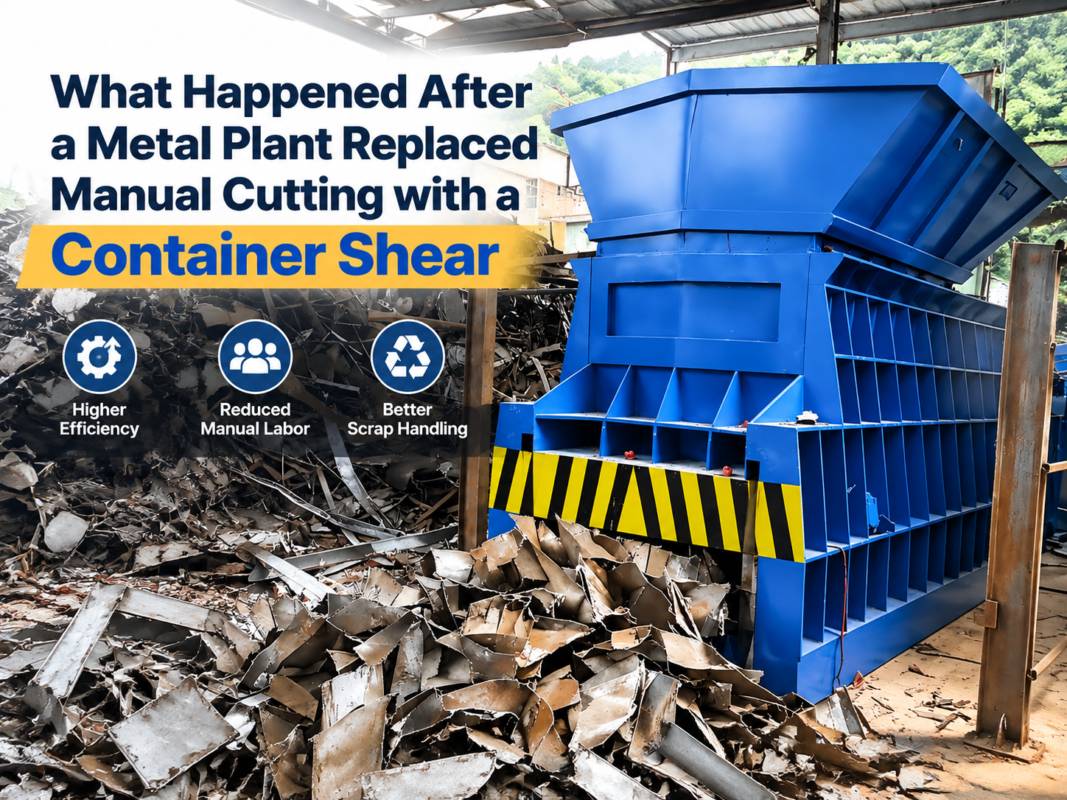
Calculating the Return on Investment (ROI) for a container shear involves more than just looking at the increase in scrap value. While it is true that “prepared” scrap (cut to specific lengths like 2-foot or 3-foot pieces) commands a higher price at the mill than “unprepared” scrap, the real ROI comes from labor and logistics savings. A container shear allows a single operator to do the work of five or six workers using manual torches or smaller alligator shears. This reduction in headcount significantly lowers your overhead and reduces the risk of workplace injuries.
Logistics efficiency is another major factor. Unprepared scrap is bulky and inefficient to transport. By shearing the metal into dense, uniform pieces, you can maximize the weight capacity of every truck or shipping container leaving your yard. If you can increase the weight of a standard load from 15 tons to 25 tons, you are effectively reducing your shipping costs by 40%. Over the course of a year, these savings can easily amount to tens of thousands of dollars, directly contributing to the payback period of the machine.
To calculate your specific ROI, use the following formula: (Annual Increase in Scrap Value + Annual Labor Savings + Annual Shipping Savings) / (Total Investment Cost + Annual Maintenance). Most well-managed scrap operations find that a high-quality container shear pays for itself within 18 to 36 months. Furthermore, the resale value of a well-maintained HARSLE container shear remains high, providing an exit strategy or trade-in value when it comes time to upgrade to a larger unit.
Buying Advice: How to Choose the Right Manufacturer
When you are ready to buy, the first step is to conduct a thorough audit of your current and projected scrap volume. Don’t buy a machine for the scrap you have today; buy it for the scrap you want to have in three years. If you are currently processing 500 tons a month but aim to reach 1,000 tons, an 800-ton shear is a much better choice than a 400-ton unit that will be constantly overworked. Overloading a machine is the fastest way to cause a catastrophic hydraulic or structural failure.
Research the manufacturer’s reputation for after-sales support. A container shear is a complex machine, and eventually, something will need adjustment or repair. Does the manufacturer have a local service partner? How quickly can they ship replacement parts? At HARSLE, we pride ourselves on providing comprehensive technical documentation and remote support to ensure our global clients experience minimal downtime. Always ask for references from other scrap yard owners who have used the specific model you are considering.
Finally, insist on a factory acceptance test (FAT) or a video demonstration of the machine processing material similar to yours. Seeing the machine cut through heavy-duty structural steel in real-time provides a much better understanding of its cycle time and power than any spec sheet can. Pay attention to the noise levels, the smoothness of the hydraulic transitions, and the ease of use of the control interface. A machine that is intuitive to operate will result in fewer mistakes and a safer working environment for your team.
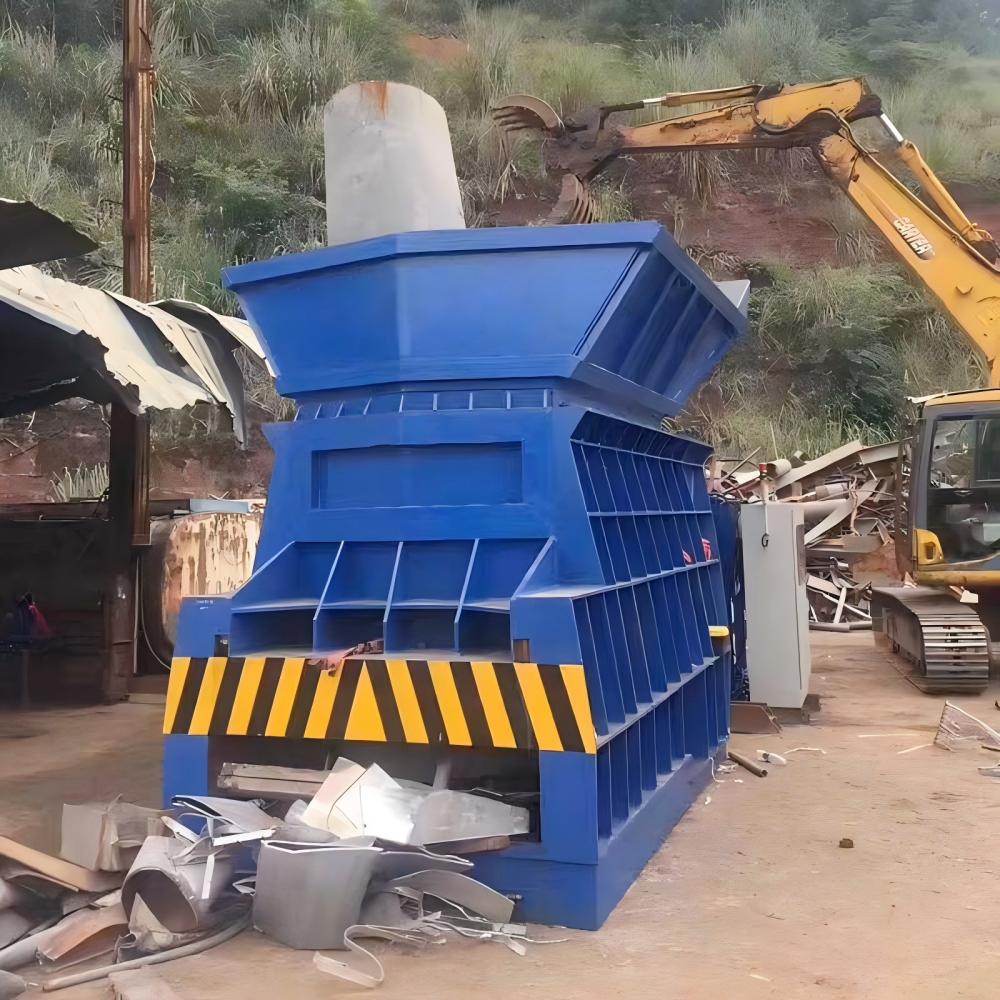
Maintenance and Longevity: Protecting Your Investment
The longevity of a container shear is directly proportional to the rigor of its maintenance schedule. Because these machines operate in dusty, outdoor environments, the hydraulic oil is the lifeblood of the system. Implementing a strict oil analysis program can help you detect internal component wear before it leads to a failure. Changing filters according to the manufacturer’s guidelines and ensuring the oil cooling system is free of debris are non-negotiable tasks for any serious operator.
Daily inspections should focus on the blade gap and the condition of the wear plates. A blade gap that is too wide will cause the metal to “fold” rather than cut, putting immense lateral stress on the shear head and hydraulic cylinders. Keeping the blades sharp and properly shimmed ensures clean cuts and reduces the energy consumption of the machine. Additionally, the automatic lubrication system should be checked daily to ensure that all pivot points and sliding surfaces are receiving adequate grease, preventing metal-on-metal friction that can lead to expensive structural repairs.
Training your operators is also a form of maintenance. An operator who understands the limits of the machine and knows how to listen for unusual sounds can prevent 90% of common mechanical issues. Encourage a culture of “preventative ownership” where the operator feels responsible for the machine’s health. Providing them with the right tools and time to perform daily checks will extend the life of your container shear by years, ensuring that your Know Before Buying A Container Shear Heavy-Duty Metal Cutting knowledge translates into long-term operational success.
Frequently Asked Questions (FAQ)
1. What is the difference between a container shear and a guillotine shear?
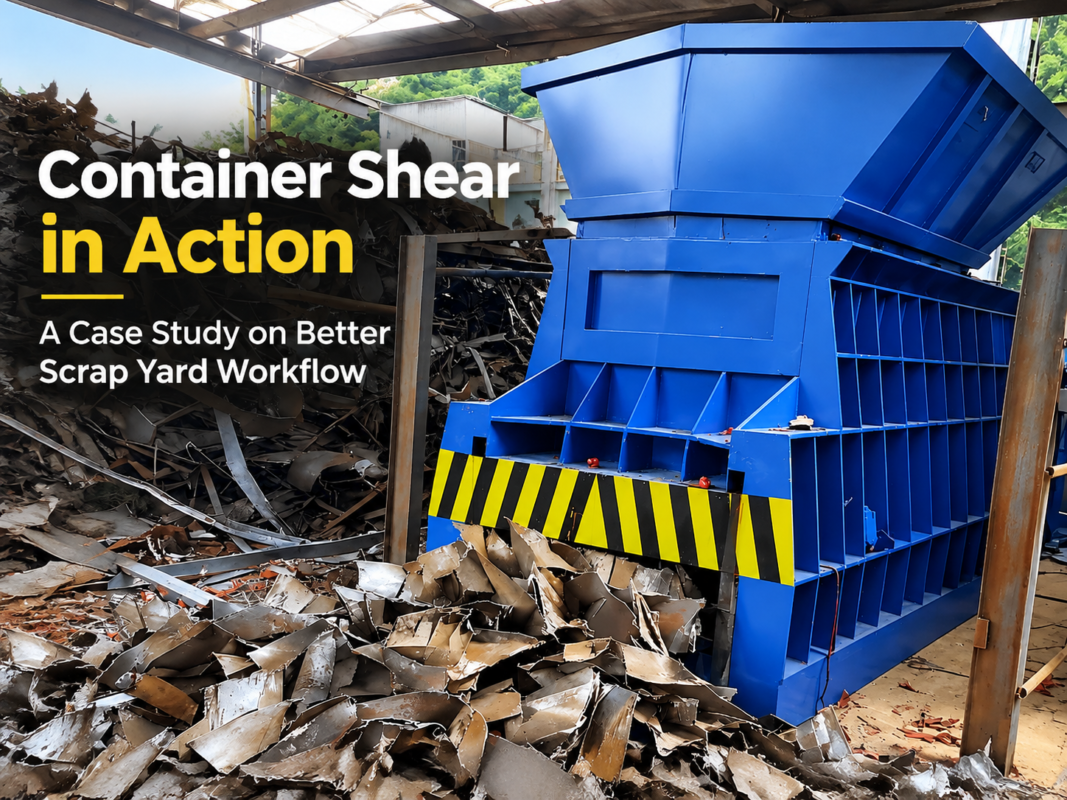
A container shear is essentially a guillotine shear integrated into a container-style housing. The main difference lies in the feeding mechanism. Container shears are designed for continuous, top-loading or horizontal feeding, making them more efficient for scrap processing, whereas traditional guillotine shears often require manual positioning of the workpiece. Container shears are also more compact and sometimes offer semi-mobility.
2. How often do the blades need to be changed?
Blade life depends entirely on the material being cut. If you are processing clean, soft steel, blades can last for 500-800 hours before needing to be rotated. If you are cutting hardened alloys or “dirty” scrap with sand and concrete, that interval may drop to 200 hours. Most blades have four cutting edges, so they can be rotated three times before needing to be replaced or reground.
3. Can a container shear handle non-ferrous metals like aluminum and copper?
Yes, container shears are excellent for non-ferrous metals. In fact, they are often used to densify aluminum extrusions or copper wire for better shipping rates. However, because non-ferrous metals are more valuable, you must ensure the machine is cleaned between batches to avoid cross-contamination, which can devalue your processed scrap.
4. What kind of power supply is required for a heavy-duty container shear?
Most industrial container shears require a 3-phase power supply, typically 380V or 480V. The horsepower of the main motors can range from 45kW to over 200kW for the largest models. It is essential to ensure your facility’s electrical grid can handle the high startup current (inrush current) of these large motors, or consider installing a soft-starter or VFD (Variable Frequency Drive).
5. Is it better to buy a new or used container shear?
While used machines have a lower entry price, they often come with hidden hydraulic issues or structural fatigue that can be expensive to fix. A new HARSLE container shear comes with a warranty, the latest safety features, and modern energy-efficient hydraulics. For a mission-critical piece of equipment, the reliability of a new machine usually outweighs the initial savings of a used one.
6. How does weather affect the operation of the shear?
Extreme temperatures can affect hydraulic oil viscosity. In very cold climates, you may need a tank heater to keep the oil fluid for startup. In hot climates, an oversized air or water cooling system for the hydraulic oil is mandatory to prevent overheating. Most container shears are designed for outdoor use, but the control electronics should always be housed in a weather-proof enclosure.