Container Shear Buying Checklist: Safety, Durability, and Maintenance Considerations

Introduction to Container Shear Procurement
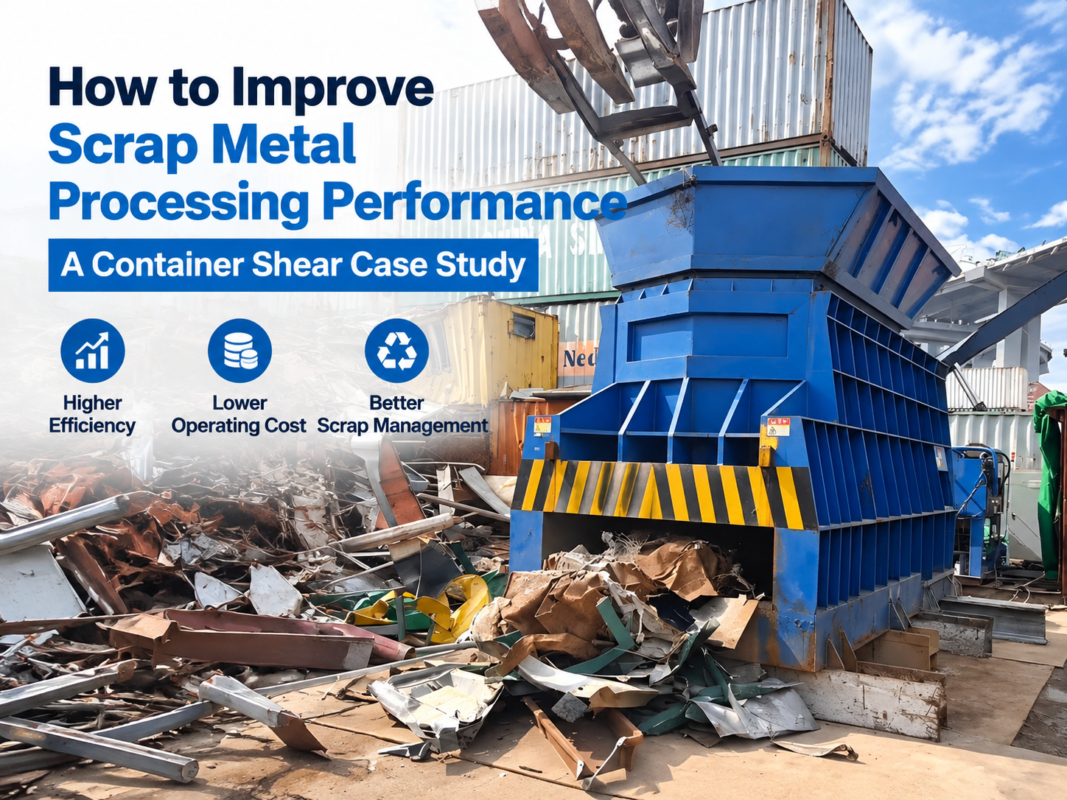
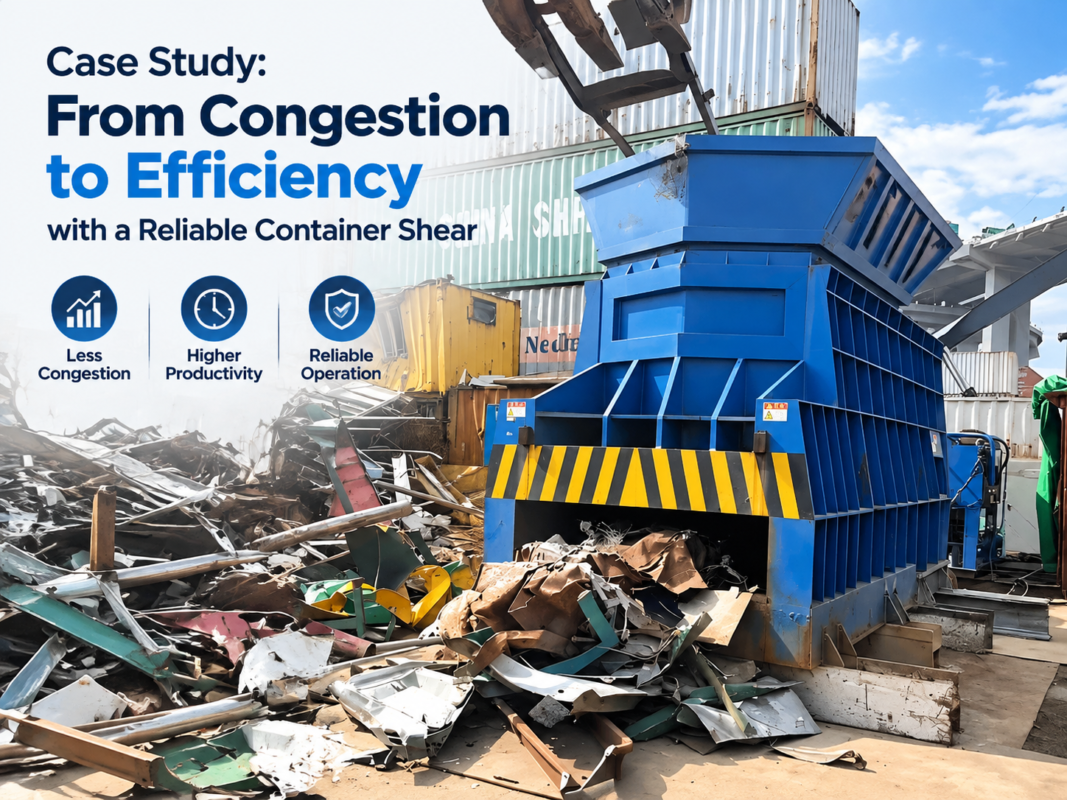
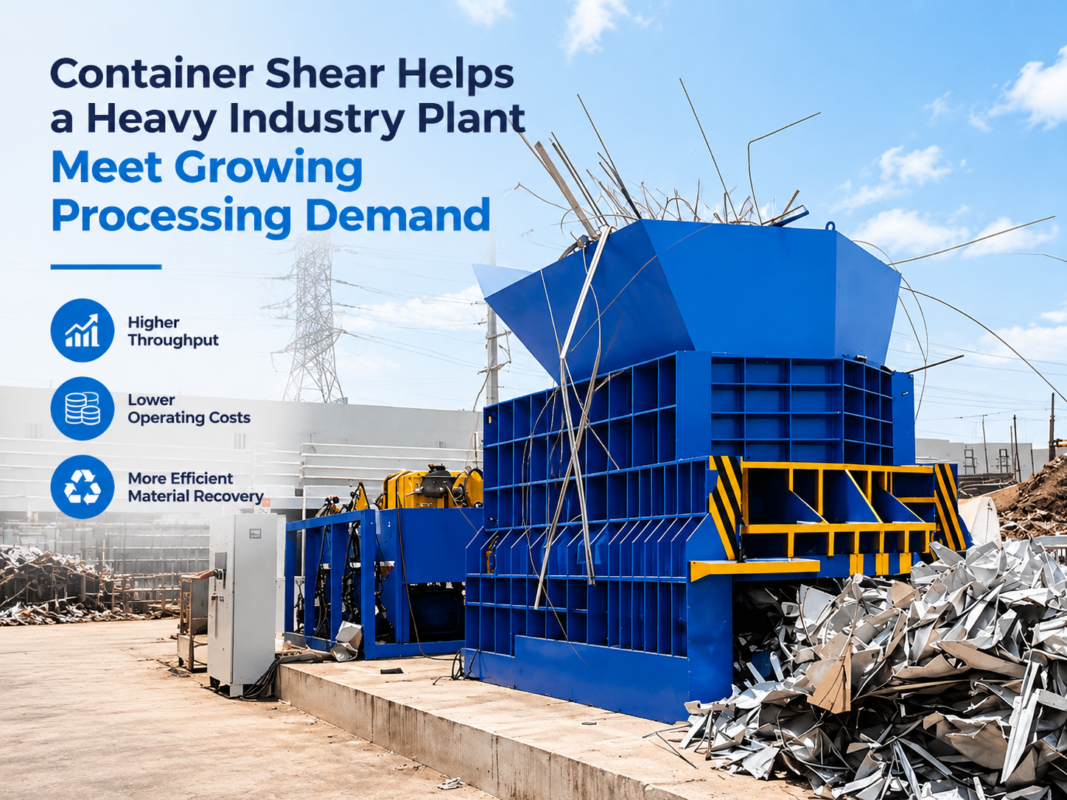
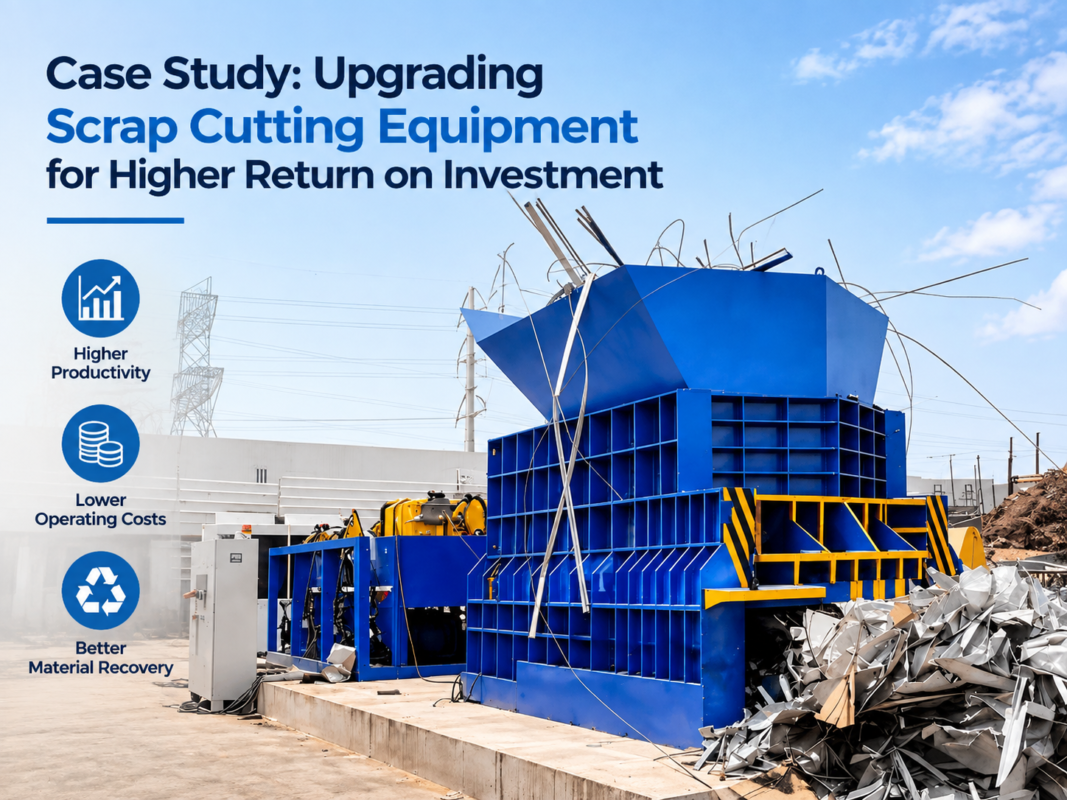
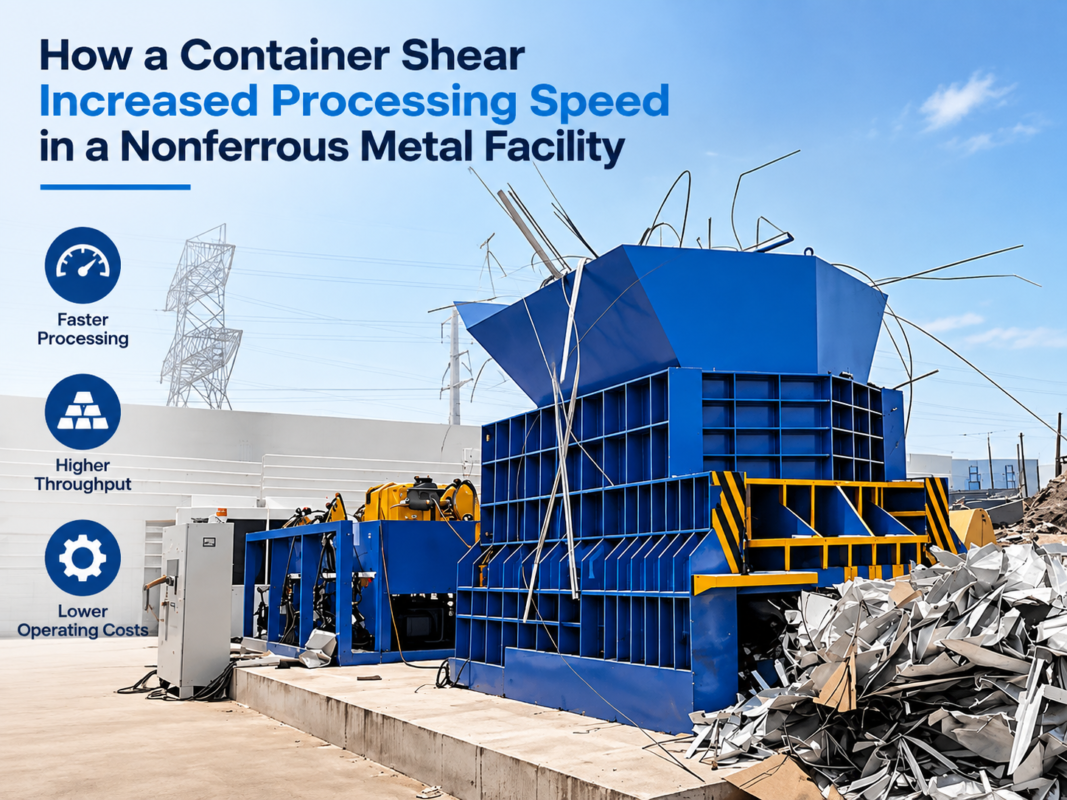
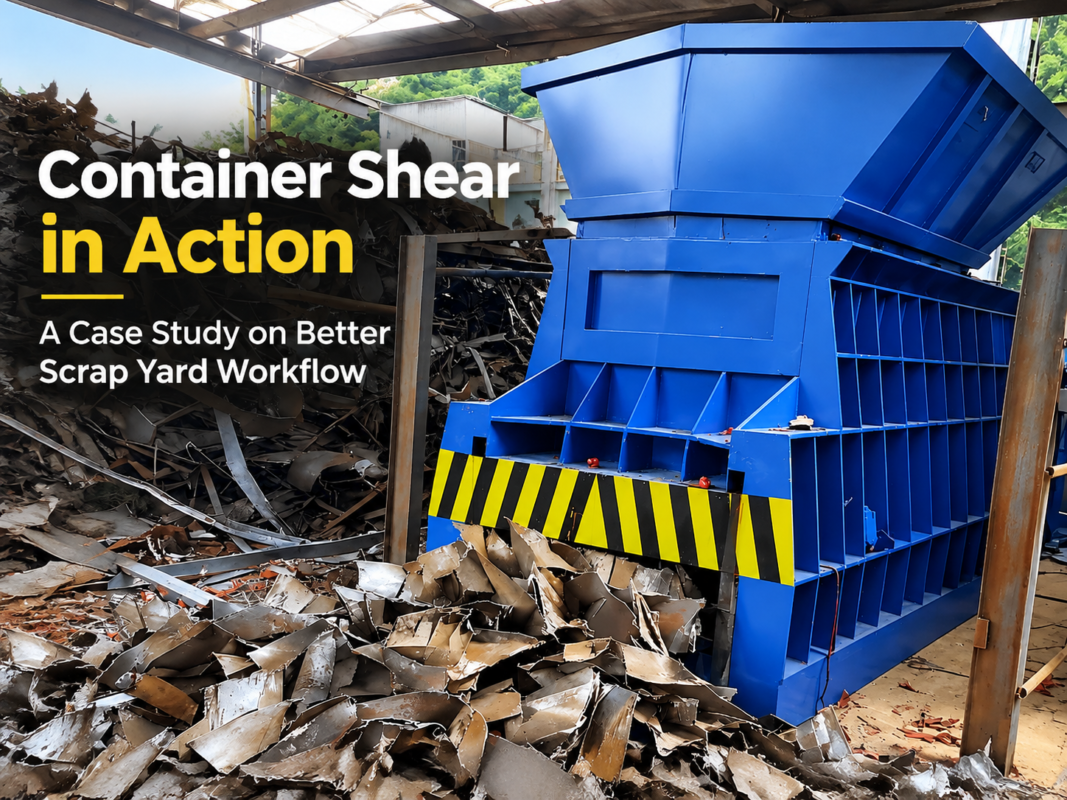
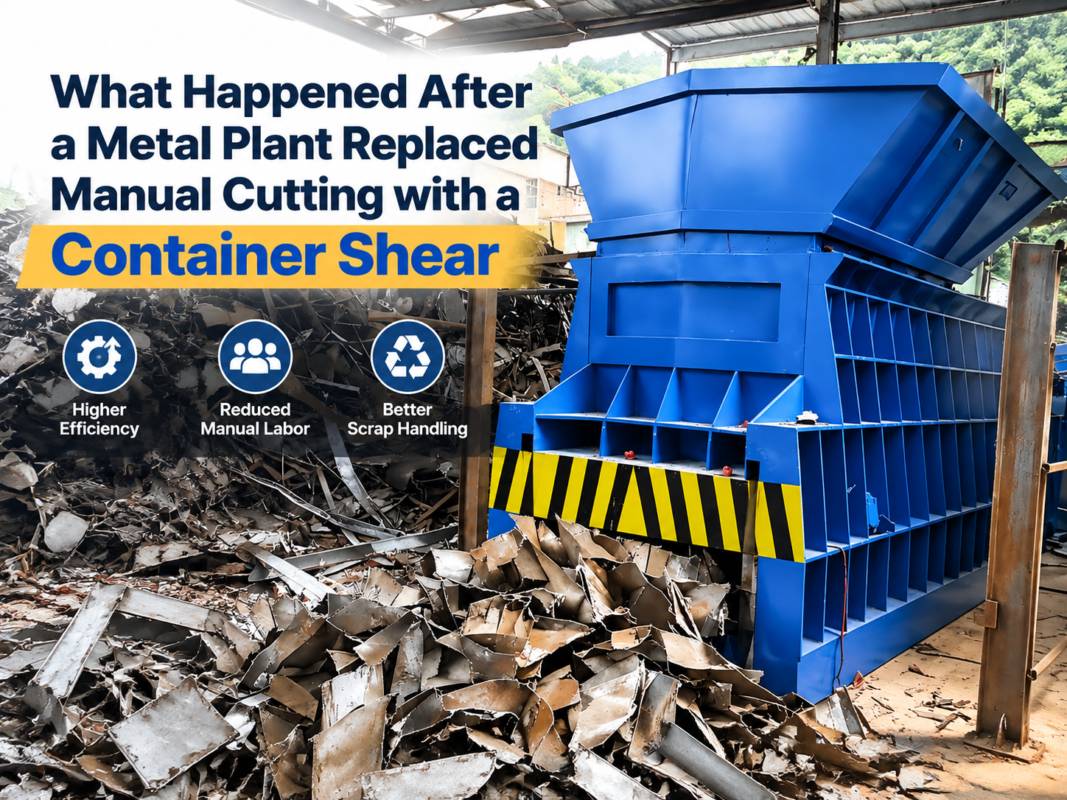
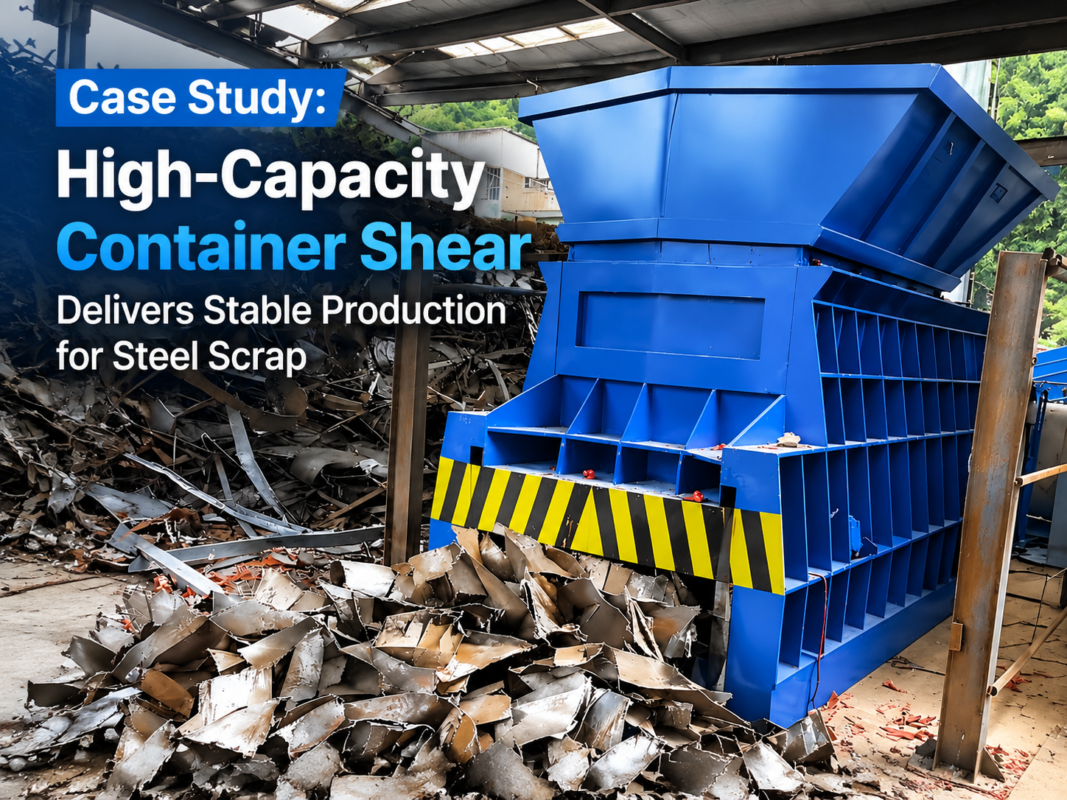
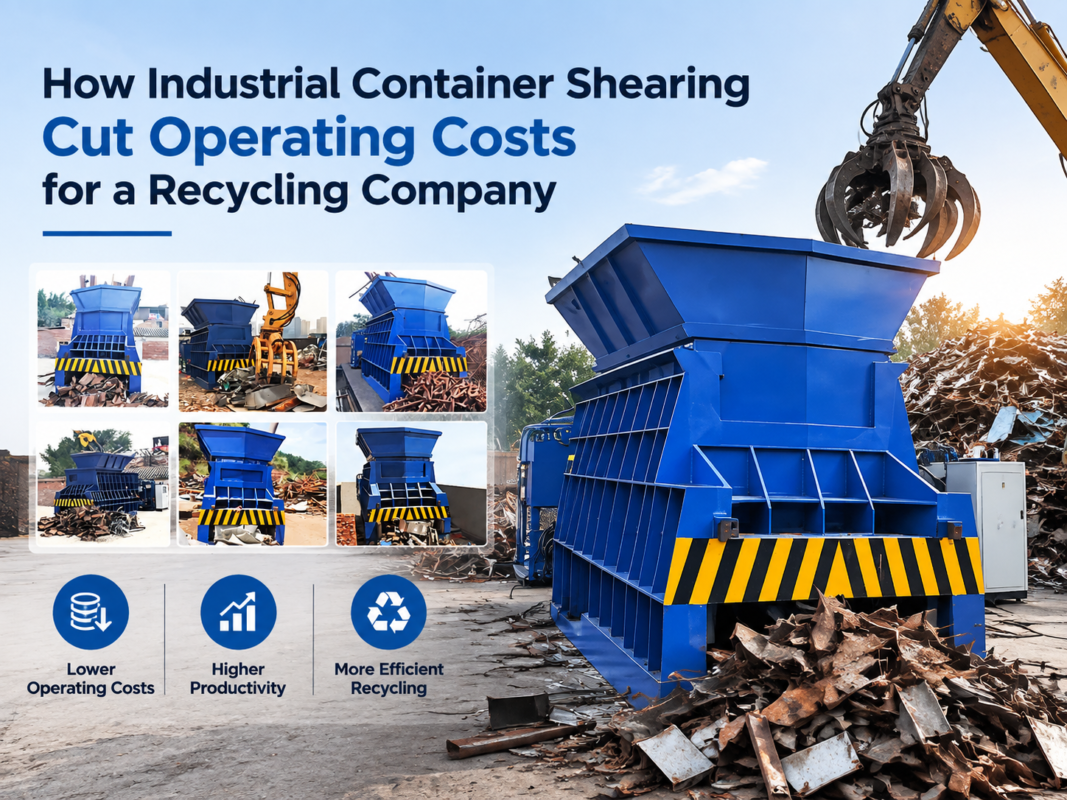
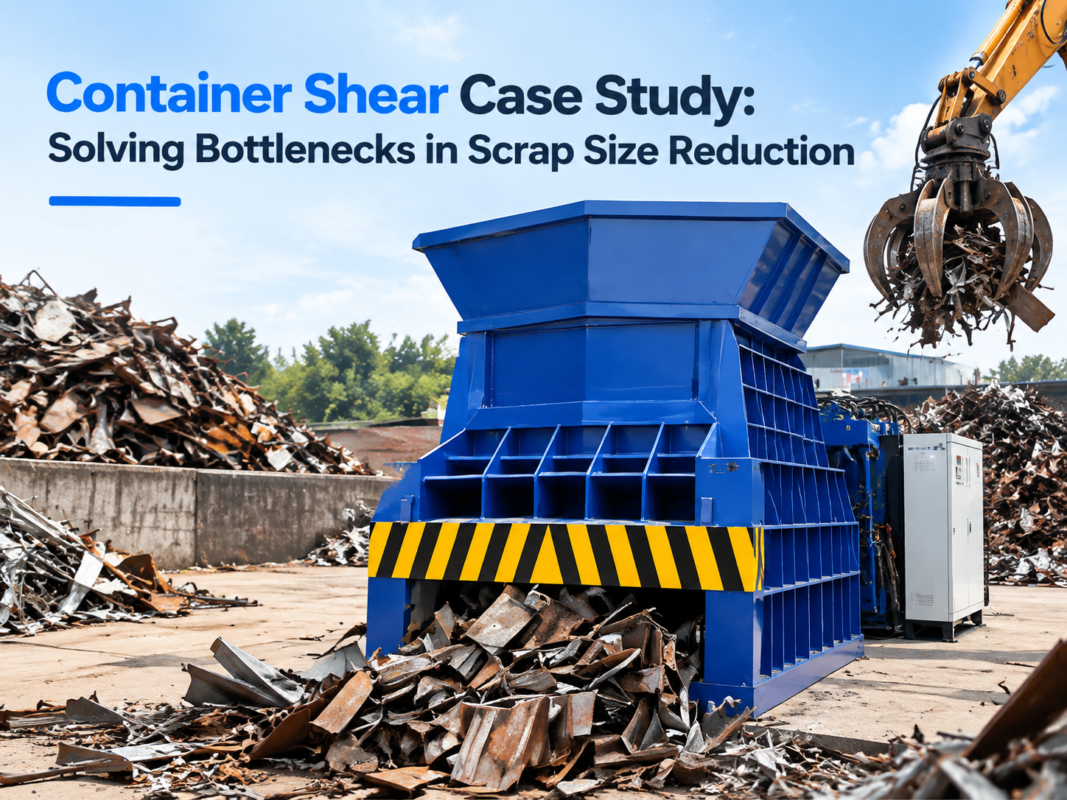
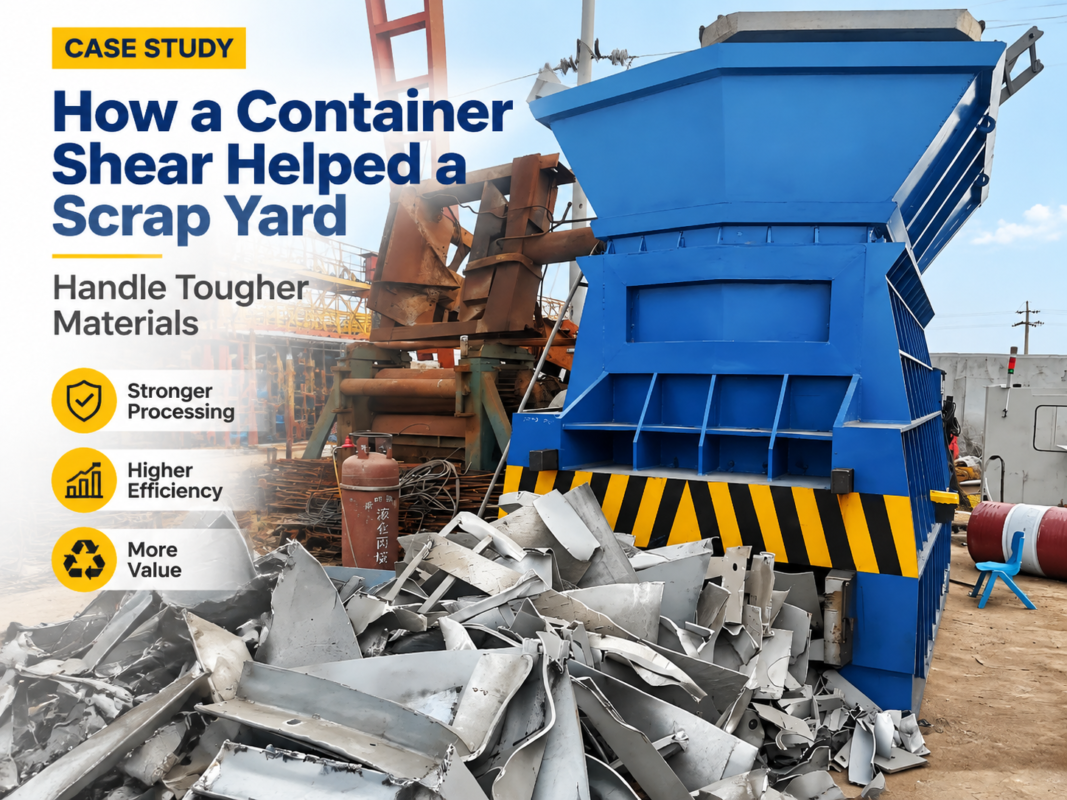
In the rapidly evolving world of metal recycling and industrial fabrication, the container shear has emerged as a cornerstone of efficiency. Unlike traditional alligator shears or massive stationary guillotine shears, the container shear offers a unique blend of mobility, high throughput, and ease of installation. However, investing in a container shear is a significant capital expenditure that requires a meticulous evaluation of various technical and operational factors. This guide serves as a comprehensive Container Shear Buying Checklist: Safety, Durability, and Maintenance Considerations to ensure that your investment yields the highest possible returns while maintaining a safe working environment.
The primary appeal of a container shear lies in its integrated design. Typically housed within a structure resembling a standard shipping container, these machines are designed to process large volumes of scrap metal—ranging from HMS 1 and 2 to structural steel and pipe—without the need for extensive civil engineering or permanent foundations. As global demand for recycled steel continues to rise, the pressure on scrap yards to modernize their equipment has never been higher. This article will break down the complexities of the buying process, from initial cost assessments to long-term maintenance strategies.
Price Range Overview: Understanding the Market
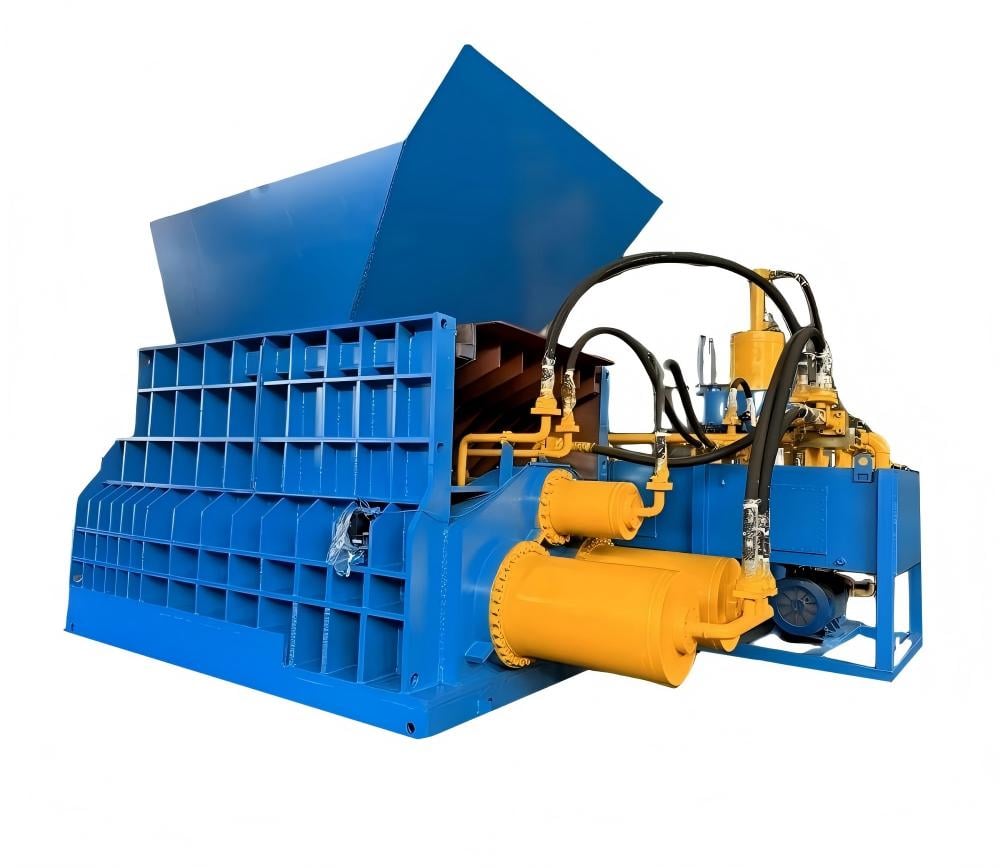
When beginning your search for a container shear, the first hurdle is often the wide variance in pricing. The market is generally divided into three tiers: entry-level, mid-range, and heavy-duty industrial models. Understanding where your needs fall within this spectrum is crucial for budgeting and avoiding over-specification or under-performance.
Entry-level container shears, often with a cutting force between 400 and 600 tons, typically range from $80,000 to $150,000. These machines are ideal for smaller scrap yards or facilities that process lighter materials like aluminum extrusions, thin-walled pipes, and light sheet metal. While they offer the benefits of a containerized design, they may lack the advanced automation and high-speed hydraulic cycles found in more expensive models.
Mid-range models, which are the most popular in the industry, usually fall between $150,000 and $350,000. These units offer cutting forces of 600 to 1,000 tons and are built with more robust components, such as high-grade hydraulic pumps and PLC control systems. They are designed for 8-10 hour daily shifts and can handle heavier structural scrap. Finally, heavy-duty industrial container shears can exceed $500,000. These are massive machines with cutting forces exceeding 1,250 tons, designed for 24/7 operations in large-scale recycling centers or steel mills.
Main Cost Drivers in Container Shear Manufacturing
The price of a container shear is not arbitrary; it is driven by several key engineering and material factors. Understanding these drivers allows buyers to negotiate better and identify where the manufacturer has invested in quality versus where they might have cut corners.
- Hydraulic System Quality: The heart of the container shear is its hydraulic system. High-end machines utilize pumps and valves from reputable brands like Rexroth, Kawasaki, or Parker. These components are more expensive but offer superior reliability and easier sourcing of replacement parts globally.
- Steel Grade and Frame Construction: The frame of the shear must withstand immense pressure. Manufacturers using high-tensile steel like Q345B or specialized wear-resistant plates like Hardox in the cutting chamber will charge a premium. This investment pays off in the machine’s longevity and resistance to deformation.
- Blade Material and Heat Treatment: The cutting blades are the most frequently replaced wear part. Blades made from high-chromium tool steel that have undergone rigorous vacuum heat treatment will last significantly longer than cheaper alternatives, reducing the total cost of ownership.
- Control Systems and Automation: Modern shears feature Siemens or Schneider PLC systems with HMI touchscreens. Features like remote diagnostics, automatic lubrication, and cycle optimization software add to the initial cost but drastically improve operational efficiency.
Configuration Impact: Tailoring the Machine to Your Needs
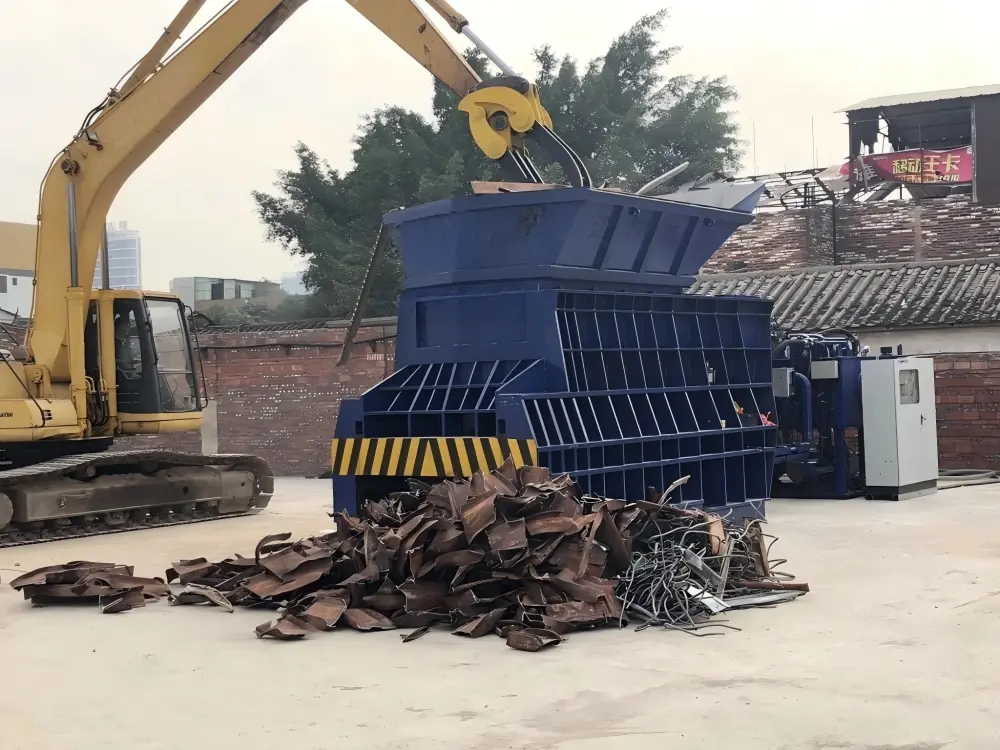
Choosing the right configuration is about more than just cutting force. The physical dimensions and operational features of the shear must align with your specific scrap mix and site layout. A common mistake is focusing solely on the “tonnage” without considering the feeding mechanism or the cycle speed.
The feeding hopper size is a critical configuration point. If you process long pipes or large structural beams, a longer hopper (e.g., 6 meters or more) is essential to minimize the need for pre-cutting. Furthermore, the choice between a continuous feed system and a batch feed system will impact your hourly throughput. Continuous feed systems allow the operator to load the next batch while the machine is still shearing, maximizing uptime.
Another consideration is the power source. While most container shears are electric, some are available with diesel engines for remote sites without stable power grids. Electric models are generally more cost-effective to run and easier to maintain, but they require a significant power drop (often 90kW to 200kW+). Additionally, consider the mobility options; some container shears come with “hook-lift” frames or hydraulic legs that allow the machine to be loaded onto a trailer without a crane, providing ultimate flexibility for multi-site operations.
Hidden Costs of Ownership
The purchase price is only the beginning. To truly understand the financial impact of a container shear, buyers must account for several hidden costs that often go overlooked during the initial procurement phase.
| Cost Category | Description | Estimated Impact |
|---|---|---|
| Logistics & Installation | Shipping from the factory, crane rental for positioning, and electrical hookup. | $5,000 – $15,000 |
| Hydraulic Oil | Initial fill of high-quality anti-wear hydraulic oil (often 1,000+ liters). | $3,000 – $6,000 |
| Operator Training | Professional training for staff to ensure safe and efficient operation. | $2,000 – $5,000 |
| Wear Parts Inventory | Stocking spare blades, bolts, and seal kits to prevent downtime. | $5,000 – $10,000 |
| Foundation Prep | While “portable,” a level, reinforced concrete pad is still highly recommended. | $3,000 – $8,000 |
Energy consumption is another ongoing cost. A machine with an inefficient hydraulic circuit will bleed money through high electricity bills and excessive heat generation, which in turn shortens the life of the oil and seals. Always ask for the “energy per ton processed” metric when comparing different manufacturers.
ROI Calculation: When Will the Machine Pay for Itself?
Calculating the Return on Investment (ROI) for a container shear involves comparing the cost of the machine against the increased value of processed scrap and the reduction in labor costs. Processed scrap (cut to “foundry grade” or “PNS” – Plate and Structural) commands a much higher market price than unprocessed, bulky scrap. This price delta is the primary driver of ROI.
For example, if the price difference between unprocessed scrap and sheared scrap is $40 per ton, and the container shear processes 10 tons per hour, the machine generates $400 of added value per hour. Operating for 8 hours a day, 20 days a month, results in $64,000 of added value monthly. Even after accounting for labor, electricity, and maintenance (estimated at $15,000/month), the net gain is $49,000. In this scenario, a $250,000 machine could theoretically pay for itself in just over five months of full-capacity operation.
Beyond the direct financial gains, consider the secondary benefits: reduced transport costs (sheared scrap is denser, allowing for full-weight truckloads), lower labor requirements compared to manual torch cutting, and improved site safety by reducing the need for hazardous manual labor.
Buying Advice: The Ultimate Checklist
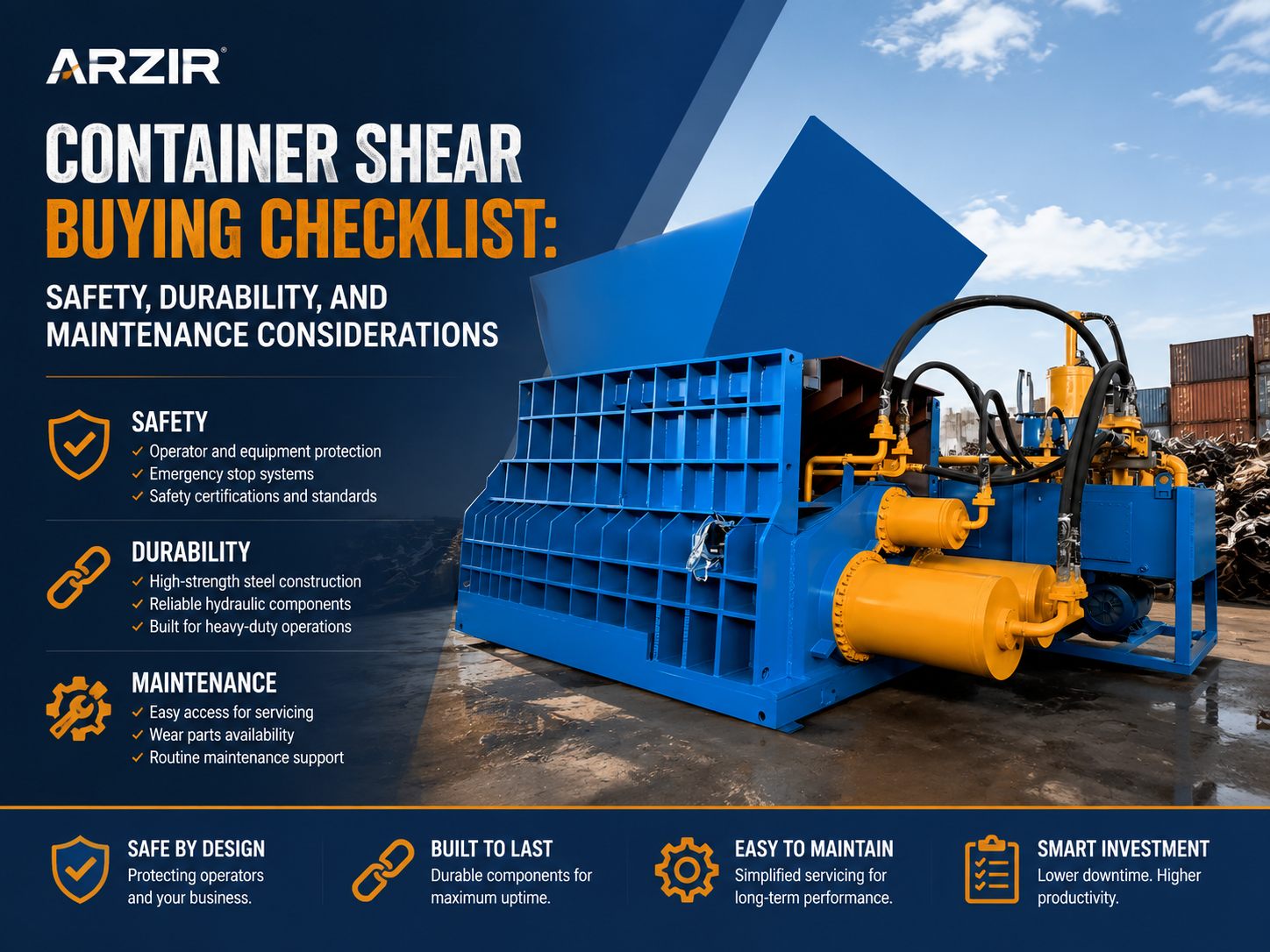
To ensure you select the right machine, use this Container Shear Buying Checklist: Safety, Durability, and Maintenance Considerations during your evaluation process.
1. Safety Considerations
- Emergency Stop System: Are there multiple E-stop buttons located around the machine and on the remote control?
- Interlocking Guards: Are all moving parts and high-pressure zones protected by physical guards with safety interlocks?
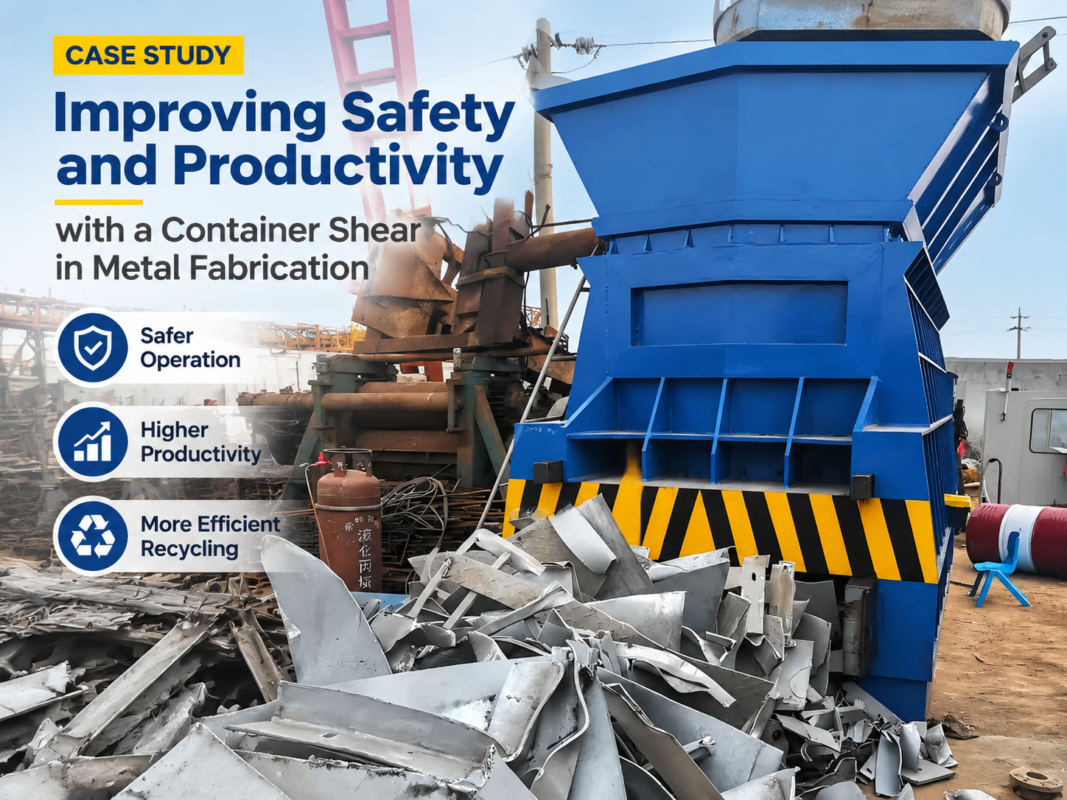
- Remote Operation: Does the machine include a high-quality wireless remote, allowing the operator to stay at a safe distance or inside a loader cab?
- Overload Protection: Does the hydraulic system have relief valves and sensors to prevent structural damage during an over-capacity cut?
2. Durability Considerations
- Frame Material: Is the main structure made of certified high-tensile steel? Ask for material certifications.
- Cylinder Design: Are the hydraulic cylinders heavy-duty with chrome-plated rods and high-quality seals (e.g., Hallite or SKF)?
- Blade Quality: What is the HRC (Rockwell Hardness) of the blades? Are they four-sided (rotatable) to extend their lifespan?
- Cooling System: Is there an integrated air or water cooling system for the hydraulic oil to prevent overheating during summer months?
3. Maintenance Considerations
- Access Points: Are the grease points easily accessible, or is there an automatic lubrication system?
- Diagnostic Tools: Does the PLC provide error codes and maintenance reminders on the HMI?
- Spare Parts Availability: Does the manufacturer maintain a local stock of wear parts, or will you be waiting weeks for an international shipment?
- Filtration System: Does the machine have high-efficiency suction and return line filters to keep the hydraulic oil clean?
Maintenance Best Practices for Longevity
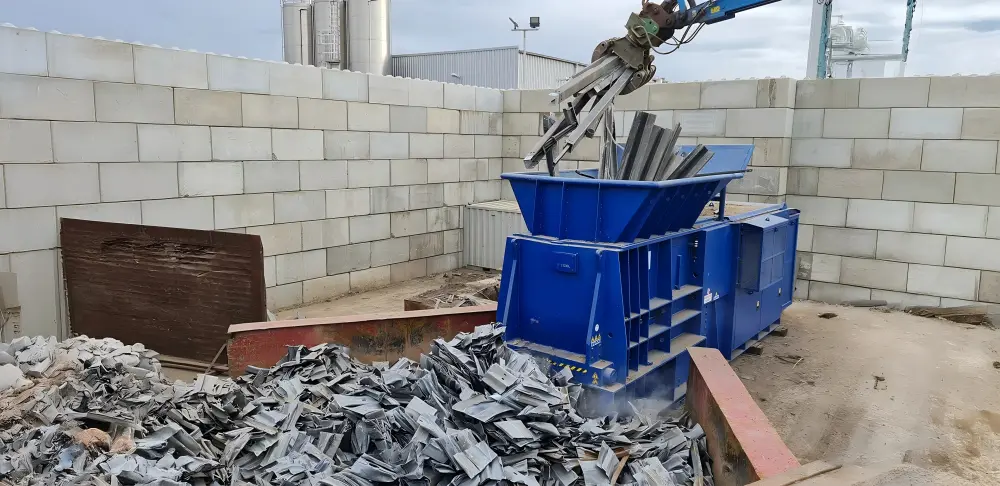
A container shear is a high-stress machine. Without a rigorous maintenance schedule, even the best-built unit will suffer premature failure. The most critical aspect of maintenance is the blade gap adjustment. As blades wear, the gap between the upper and lower knives increases. If this gap becomes too wide, the metal will “fold” rather than cut, putting immense lateral stress on the shear head and potentially cracking the frame.
Daily maintenance should include a visual inspection of all hydraulic hoses for leaks, checking the oil level, and greasing all pivot pins. Weekly, the blade bolts should be checked for tightness using a torque wrench. Monthly, the hydraulic oil should be sampled and analyzed for contamination. Remember, hydraulic oil is the lifeblood of the machine; keeping it clean and cool is the single most effective way to extend the life of the pumps and valves.
Conclusion: Making an Informed Decision
Purchasing a container shear is a transformative step for any metal recycling or fabrication business. By following this Container Shear Buying Checklist: Safety, Durability, and Maintenance Considerations, you can navigate the complexities of the market with confidence. Focus on the quality of the core components—the hydraulics, the steel, and the control systems—rather than just the lowest sticker price. A well-chosen container shear will not only increase your productivity and scrap value but will also provide a safer, more professional environment for your operators. As you move forward, partner with a manufacturer like HARSLE that offers transparent technical specifications and robust after-sales support to ensure your investment remains productive for years to come.
Frequently Asked Questions (FAQ)
What is the difference between a container shear and a guillotine shear?
A guillotine shear is typically a massive, stationary machine that requires a deep concrete foundation and a large footprint. A container shear is self-contained within a frame, requires no special foundation, and can be moved relatively easily. While guillotine shears often have higher ultimate capacities, container shears offer much greater flexibility and lower installation costs.
How often do the blades need to be changed?
Blade life depends entirely on the material being cut. If processing clean, light structural steel, blades can last for 500-1,000 hours before needing to be rotated or sharpened. However, cutting dirty scrap, rebar, or hardened shafts will significantly shorten this lifespan. Most modern blades are four-sided, meaning you can rotate them three times before needing a full replacement or regrind.
Can a container shear be operated by one person?
Yes, most modern container shears are designed for single-operator use. The operator typically sits in a material handler (grapple crane) and uses a wireless remote control to trigger the shearing cycles while loading the hopper. This integration maximizes efficiency and reduces labor costs.
What kind of power supply do I need?
Most industrial container shears require a 3-phase electrical supply, typically 380V-480V. The amperage requirement is high, often requiring a dedicated transformer if your facility’s power grid is limited. Always consult with an electrician and the manufacturer’s specifications before finalizing your purchase.
Is it better to buy a new or used container shear?
While used machines have a lower initial cost, they often come with hidden hydraulic issues or structural fatigue that can be expensive to repair. For a critical piece of production equipment, a new machine with a manufacturer’s warranty and modern safety features usually provides a better long-term ROI and higher reliability.