Container Shear Purchasing Guide: What to Look for Before You Invest

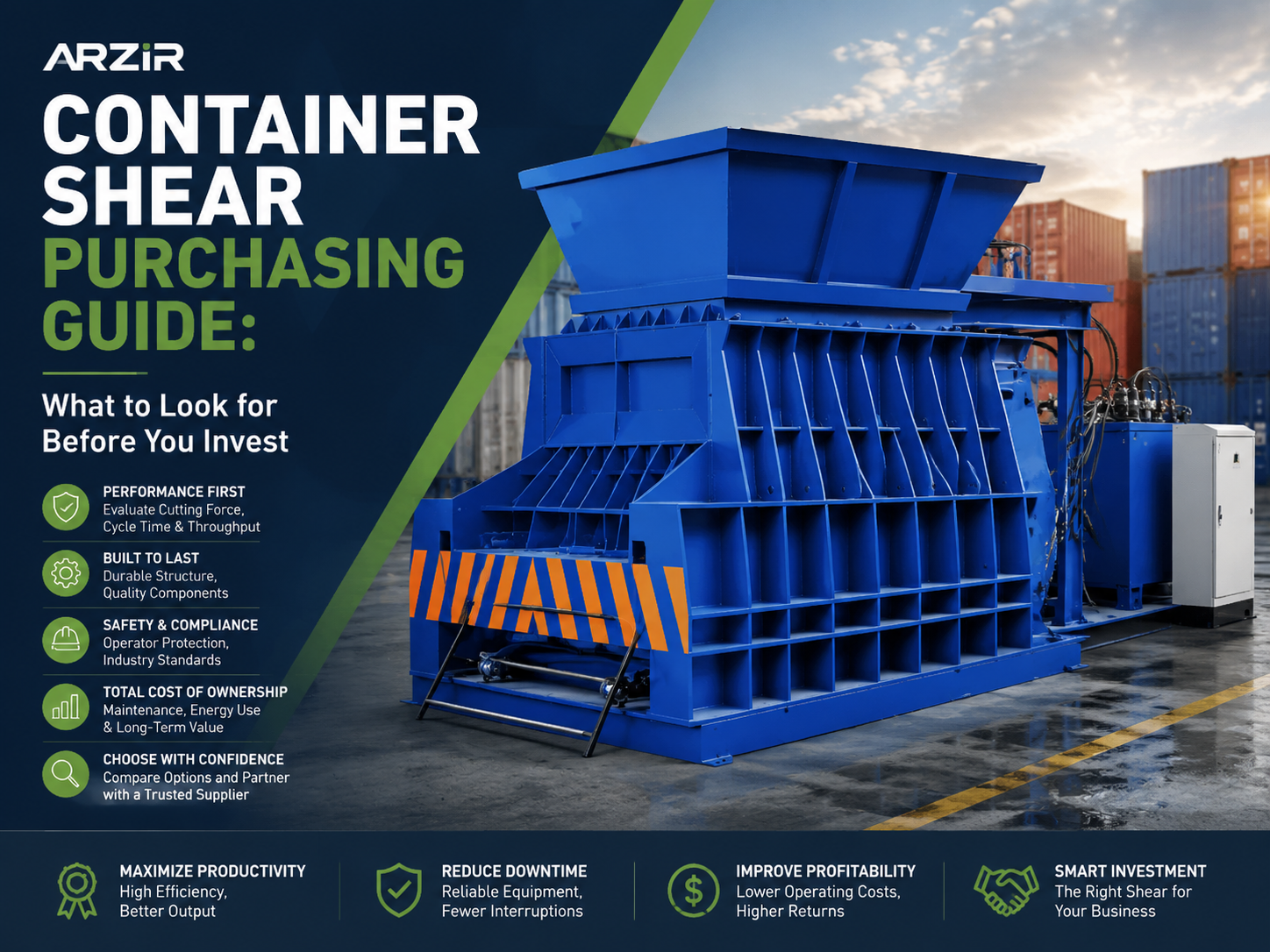
Introduction to Container Shear Investment
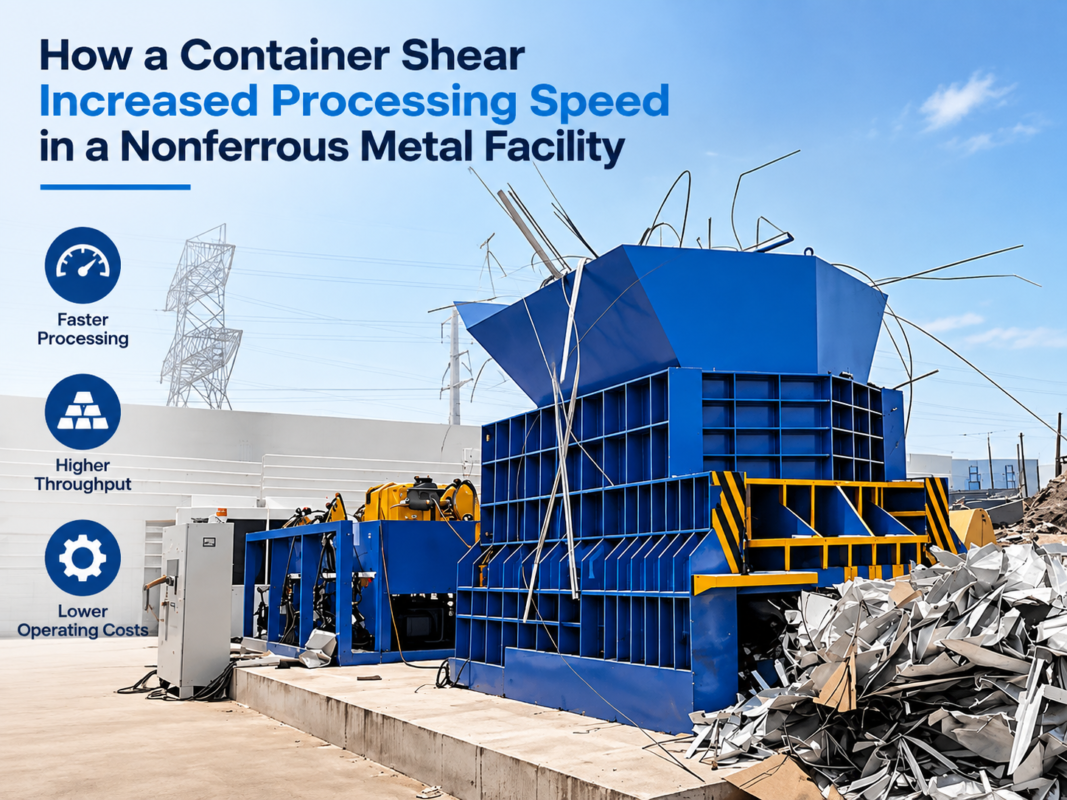
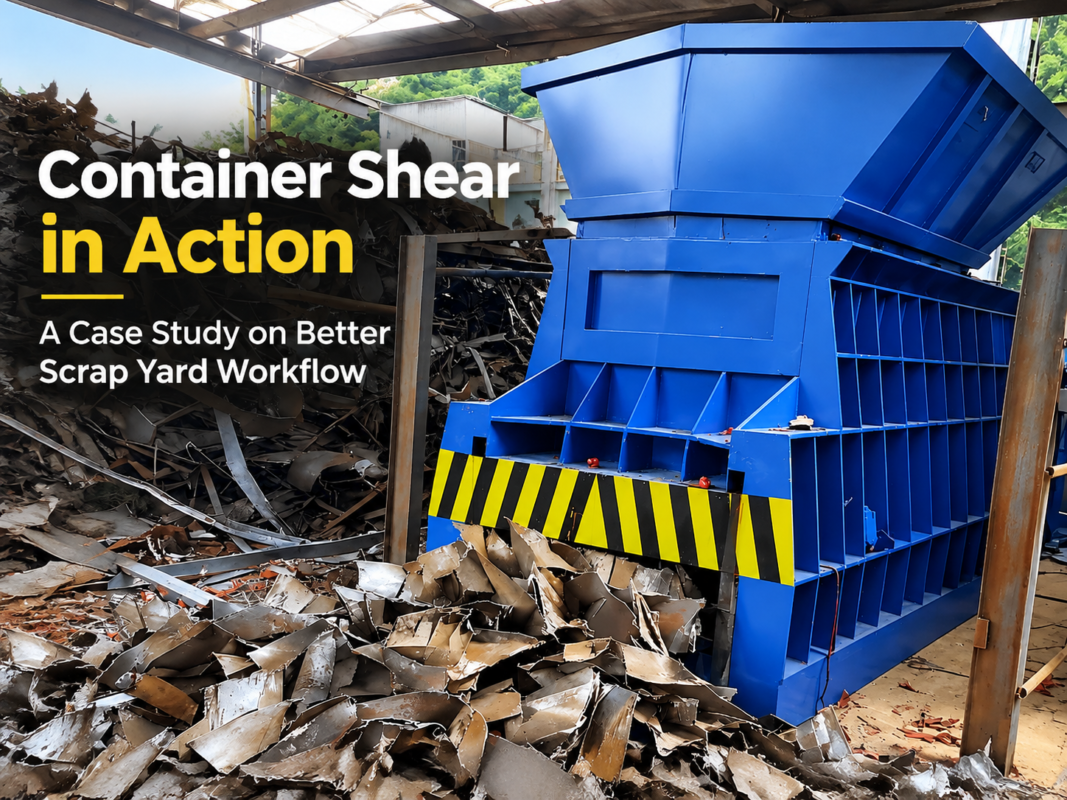
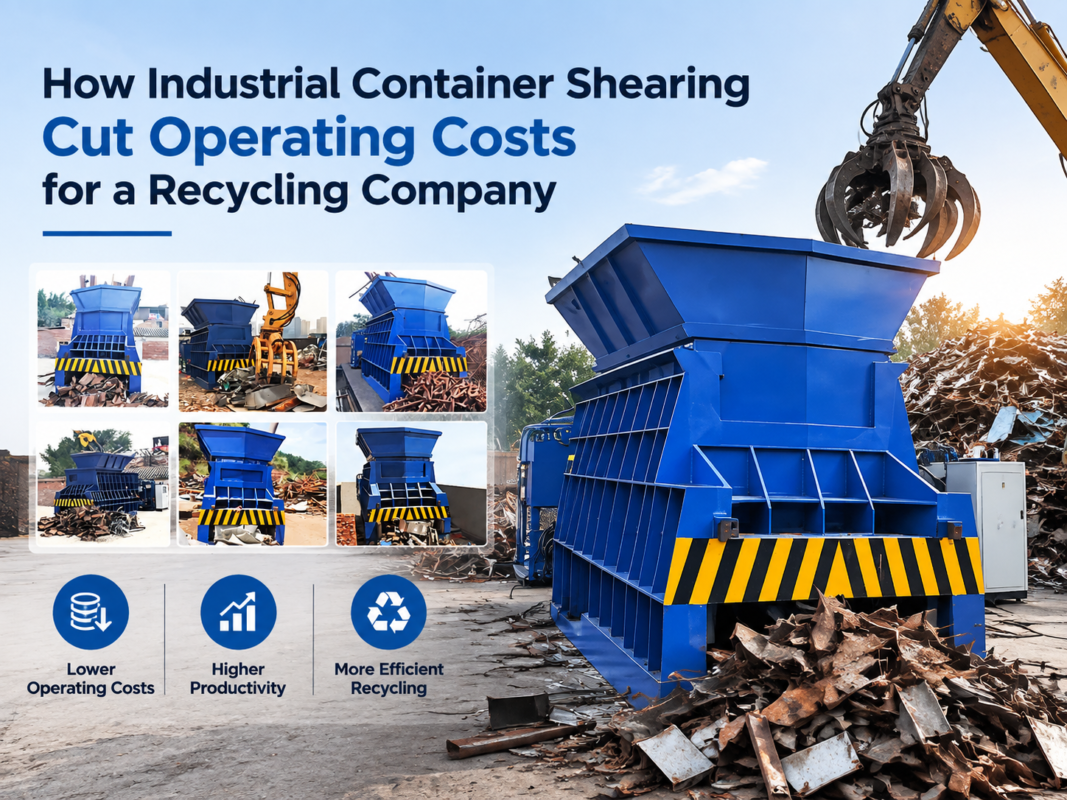
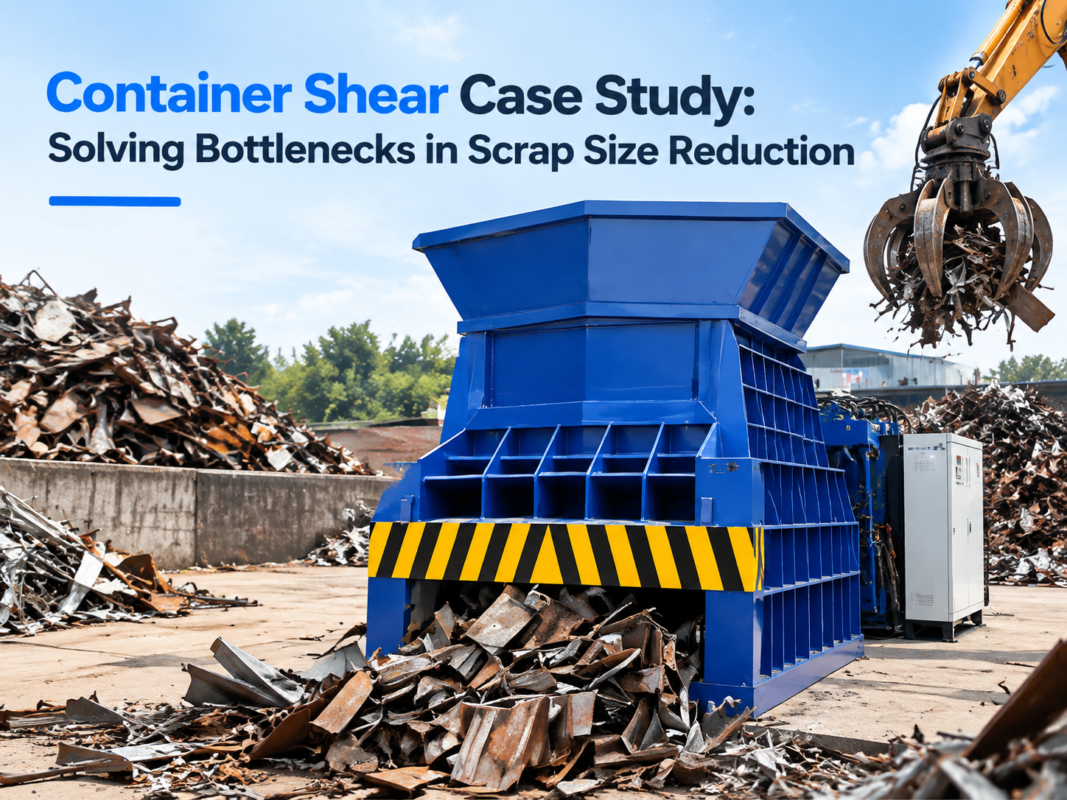
In the rapidly evolving world of scrap metal recycling, efficiency is the primary driver of profitability. As global demand for recycled steel and non-ferrous metals continues to rise, processing facilities are under pressure to handle larger volumes of material with lower overhead. This is where the container shear—also known as the box shear or mobile-style shear—has revolutionized the industry. Unlike traditional guillotine shears that require massive concrete foundations and permanent installations, the container shear offers a compact, integrated solution that can be deployed quickly and even moved between sites.
However, a container shear is a significant capital expenditure. For many scrap yard owners and industrial metal fabricators, this machine represents one of the largest investments they will make in a decade. Making the wrong choice can lead to years of high maintenance costs, throughput bottlenecks, and safety concerns. This guide is designed to navigate the complexities of Container Shear Purchasing : Look Before You Invest, providing you with the technical depth and market insight needed to make an informed decision.
At HARSLE, we understand that purchasing industrial machinery is not just about the price tag; it is about the long-term partnership between the manufacturer and the operator. Whether you are upgrading from manual torch cutting or replacing an aging alligator shear, understanding the nuances of hydraulic pressure, blade metallurgy, and structural integrity is paramount. In the following sections, we will break down the costs, configurations, and ROI factors that define a successful container shear acquisition.
Price Range Overview: Setting Realistic Expectations
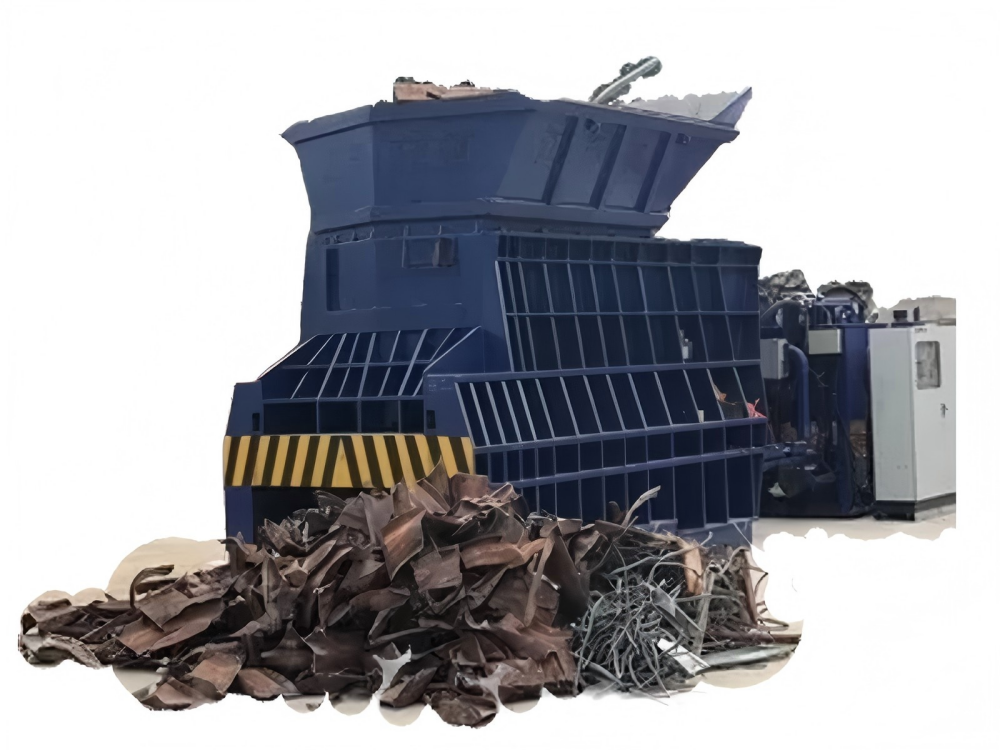
When you begin your journey into container shear purchasing, the first thing you will notice is the wide variance in pricing. Generally, container shears are categorized by their shearing force, typically measured in metric tons. A standard entry-level container shear might offer 400 to 500 tons of force, while heavy-duty industrial models can exceed 1,000 to 1,250 tons. Understanding where your needs fall on this spectrum is the first step in budgeting.
For a mid-range, high-quality container shear (630-ton capacity), prices typically range from $80,000 to $150,000 USD, depending on the brand, origin, and specific features. Lower-end models may be available for less, but they often sacrifice hydraulic component quality or structural steel thickness. Conversely, premium European or high-end Chinese brands like HARSLE, which utilize international standard components (Siemens motors, Rexroth valves), will sit at the higher end of the spectrum but offer significantly better longevity.
It is important to note that the “sticker price” is only part of the equation. When evaluating the price range, you must also consider the regional market conditions. Shipping a 60-ton machine across oceans can add $10,000 to $20,000 to your total cost. Furthermore, currency fluctuations and steel surcharges can impact quotes. Always request a quote that includes a breakdown of the machine cost, export packaging, and any included spare parts kits to ensure you are comparing apples to apples.
Main Cost Drivers in Container Shear Manufacturing
Why does one 630-ton shear cost $30,000 more than another? The answer lies beneath the paint. The primary cost drivers in container shear construction are the quality of the hydraulic system, the grade of the steel used in the frame, and the sophistication of the control logic. In the context of Container Shear Purchasing : Look Before You Invest, these are the areas where you should never compromise.
1. Hydraulic System Components
The hydraulic system is the heart of the shear. High-quality machines use pumps and valves from reputable global brands like Bosch Rexroth, Vickers, or Parker. These components are more expensive but offer precise control, higher energy efficiency, and, most importantly, global availability of spare parts. A cheaper machine might use domestic, no-name pumps that are prone to internal leakage and are difficult to repair when they fail.
2. Structural Steel and Wear Plates
The frame of a container shear must withstand immense torsional stress. Manufacturers who use high-tensile Q355B or Q460 steel provide a more rigid platform. Furthermore, the interior of the “box” where the scrap is compressed should be lined with replaceable wear plates. Premium machines use Hardox 450 or 500 plates. These specialized steels are significantly more expensive than standard carbon steel but last five to ten times longer in abrasive environments.
3. Blade Quality and Metallurgy
The blades are the primary consumable of the machine. High-quality blades made from H13 tool steel or 9CrSi alloy are heat-treated to specific Rockwell hardness levels to balance toughness with wear resistance. Investing in a machine that comes with high-grade blades reduces the frequency of blade rotations and replacements, which directly impacts your operational uptime.
Configuration Impact: Tailoring the Machine to Your Yard
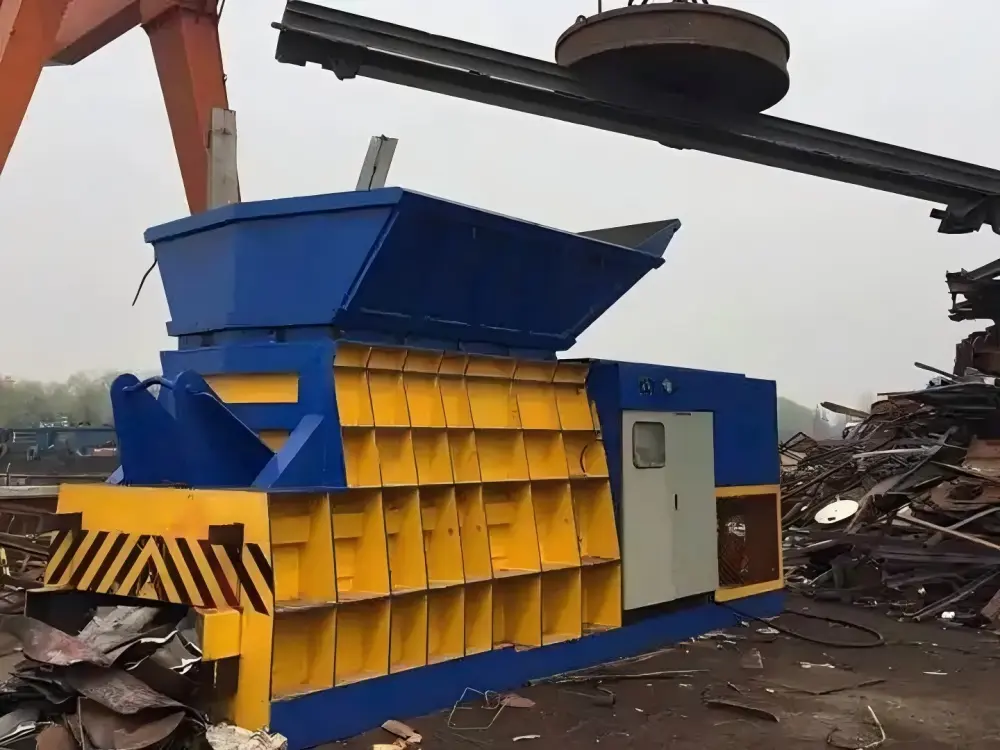
The configuration of your container shear determines how it fits into your existing workflow. One of the biggest advantages of the container-style shear is its versatility, but you must choose the right options during the purchasing phase. A common mistake is buying a machine that is either too small for the material or too complex for the operators.
- Power Source: Electric vs. Diesel: If your yard has a stable, high-voltage power supply, an electric motor is almost always the better choice. It is quieter, requires less maintenance, and has lower energy costs. However, for remote sites or yards with limited power infrastructure, a diesel engine (often Cummins or Deutz) provides the necessary mobility and independence.
- Manual vs. Automatic Cycles: Modern shears feature PLC-controlled automatic cycles. The operator simply loads the box and hits a button; the machine then compresses the scrap, shears it to a pre-set length, and resets. This increases throughput by 20-30% compared to manual joystick operation. Ensure the PLC is a recognizable brand like Siemens or Schneider for ease of programming and troubleshooting.
- Cooling Systems: In hot climates, an oversized industrial oil cooler (air or water-cooled) is essential. Hydraulic oil loses its viscosity at high temperatures, leading to seal failure and pump damage. Look for systems with independent cooling circuits that operate even when the main shear is idling.
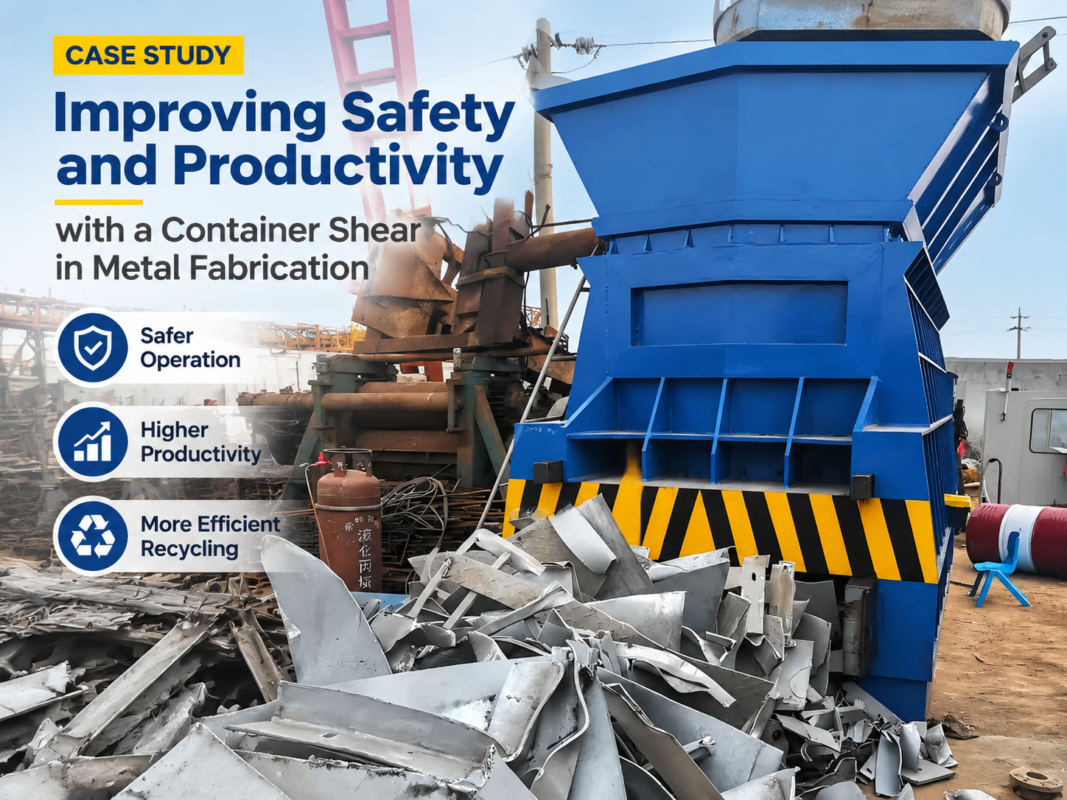
- Remote Control: A wireless remote allows the crane operator to trigger the shearing cycle without leaving the cab of the loader. This reduces labor costs and improves safety by keeping personnel away from the immediate shearing area.
Hidden Costs: What the Sales Brochure Doesn’t Tell You
When performing a Container Shear Purchasing : Look Before You Invest analysis, you must look beyond the purchase price. Several “hidden” costs can surprise an unprepared buyer, potentially turning a good deal into a financial burden.
First, consider the Hydraulic Oil Requirement. A 630-ton container shear can require between 1,500 and 3,000 liters of high-grade anti-wear hydraulic oil. Depending on local prices, this initial fill can cost several thousand dollars. Furthermore, this oil must be filtered and eventually replaced, adding to the annual maintenance budget.
Second is Site Preparation and Logistics. While container shears don’t need a deep foundation, they do require a level, reinforced concrete pad to prevent the machine from sinking or twisting under load. Additionally, you must have the equipment (usually a 50-ton crane or heavy-duty jacks) to offload and position the machine upon delivery. If the machine is shipped as a single unit, you may also need special permits for oversized road transport from the port to your facility.
Third, Spare Parts Inventory. You should never run a shear without a backup set of blades, a seal kit for the main cylinders, and a set of hydraulic filters. Purchasing these as a “startup kit” with the machine is often cheaper than buying them later, but it is an upfront cost that must be factored into the investment.
ROI Calculation: How Fast Will the Shear Pay for Itself?
The ultimate goal of purchasing a container shear is to increase the value of your scrap. Prepared scrap (sheared to 2-foot or 3-foot lengths) commands a significantly higher price at the mill than “unprepared” or oversized scrap. To calculate your Return on Investment (ROI), use the following formula:
Monthly Profit Increase = (Tons Processed per Month × Price Premium for Prepared Scrap) – (Monthly Operating Costs)
Operating costs include electricity/diesel, labor (usually one loader operator), and a sinking fund for blade replacement. For example, if a 630-ton shear processes 500 tons of scrap per month, and the price difference between HMS 1/2 (prepared) and oversized scrap is $40 per ton, the gross increase is $20,000 per month. After deducting $5,000 for labor and energy, you are left with $15,000 toward the machine’s principal. In this scenario, a $120,000 machine pays for itself in just 8 months.
Beyond the direct price premium, consider the Logistical Savings. Sheared scrap is much denser than bulky, unprepared metal. This means you can fit more weight into each truckload or shipping container, drastically reducing your transport costs per ton. For many yards, the savings in trucking alone can cover the monthly financing payment for the machine.
Buying Advice: Choosing the Right Partner
When you are ready to move forward with Container Shear Purchasing : Look Before You Invest, the choice of manufacturer is as important as the machine’s specs. Here is a checklist for evaluating a supplier:
- Technical Support: Does the manufacturer offer remote diagnostic support? In the age of IoT, many HARSLE machines come equipped with modules that allow our engineers to troubleshoot PLC issues from halfway across the world.
- Reference Sites: Ask for videos of the machine processing material similar to what you handle. Better yet, ask for the contact information of a current customer who has operated the machine for at least a year.
- Warranty Terms: Look for a comprehensive warranty that covers the main structure for 2-3 years and the hydraulic/electrical components for at least 12 months. Be wary of “parts only” warranties that leave you stranded with high labor costs.
- Factory Inspection: If possible, visit the factory or hire a third-party inspector. Check the quality of the welds, the neatness of the electrical cabinet, and the brand names on the hydraulic hoses. These small details reflect the overall manufacturing culture.
Frequently Asked Questions (FAQ)
1. What is the difference between a container shear and a guillotine shear?
A container shear is a self-contained unit that uses a horizontal or tilted compression box to feed material into the blades. It is generally more compact and easier to install. A guillotine shear is usually a larger, stationary machine with a vertical charging box, designed for much higher volumes (20+ tons per hour) but requiring extensive civil engineering and a much higher initial investment.
2. How often do the blades need to be changed?
Blade life depends entirely on the material being processed. If you are shearing clean, thin-gauge steel, blades can last for 500-800 hours before needing to be rotated. If you are processing heavy, sandy, or reinforced materials, you may need to rotate them every 200-300 hours. Most blades have four usable edges, so you can rotate them three times before needing a full replacement or regrinding.
3. Can a container shear handle car bodies?
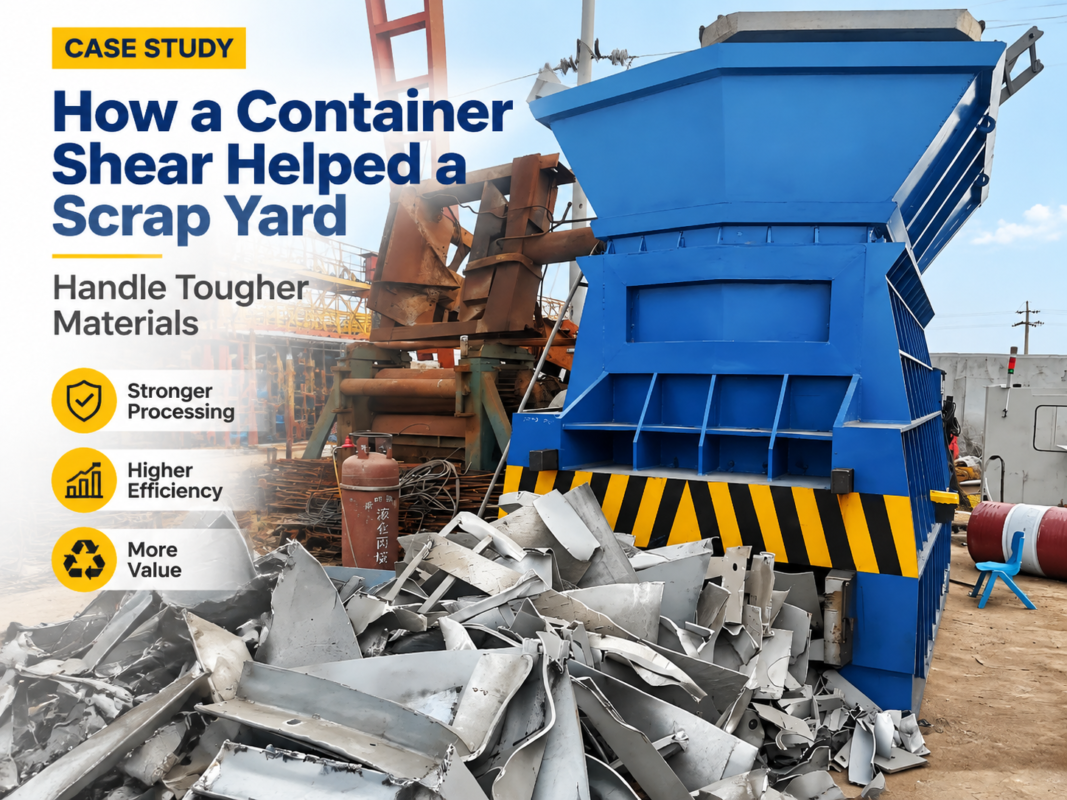
Yes, but with caveats. A 630-ton or larger shear can easily process a flattened car body. However, for whole cars, you typically need a machine with a large enough “box” dimensions (usually 5-6 meters in length) and a powerful enough lid/side-squeeze to pre-compress the vehicle before shearing. Always check the box dimensions against your largest intended scrap pieces.
4. What kind of maintenance is required daily?
Daily maintenance is simple but critical: grease all pivot points, check hydraulic oil levels, inspect the blades for chips or loose bolts, and clear any debris from the cooling fans. Weekly, you should check the tension of hydraulic fittings and inspect the wear plates for excessive thinning.
5. Is it better to buy new or used?
While used machines are cheaper, they often come with hidden hydraulic issues or structural fatigue that is hard to detect until the machine is under full load. For a primary production machine, buying new from a reputable manufacturer like HARSLE ensures you have the latest safety features, energy-efficient components, and a full warranty, which usually provides a better total cost of ownership over five years.
Conclusion
Investing in a container shear is a transformative step for any scrap metal or metal fabrication business. By focusing on the technical fundamentals—hydraulic quality, structural integrity, and realistic ROI—you can ensure that your Container Shear Purchasing : Look Before You Invest process leads to a machine that drives growth rather than frustration. At HARSLE, we are committed to providing high-performance, durable shearing solutions tailored to the rigorous demands of the modern recycling industry. Contact our technical team today to discuss your specific throughput requirements and find the perfect configuration for your yard.