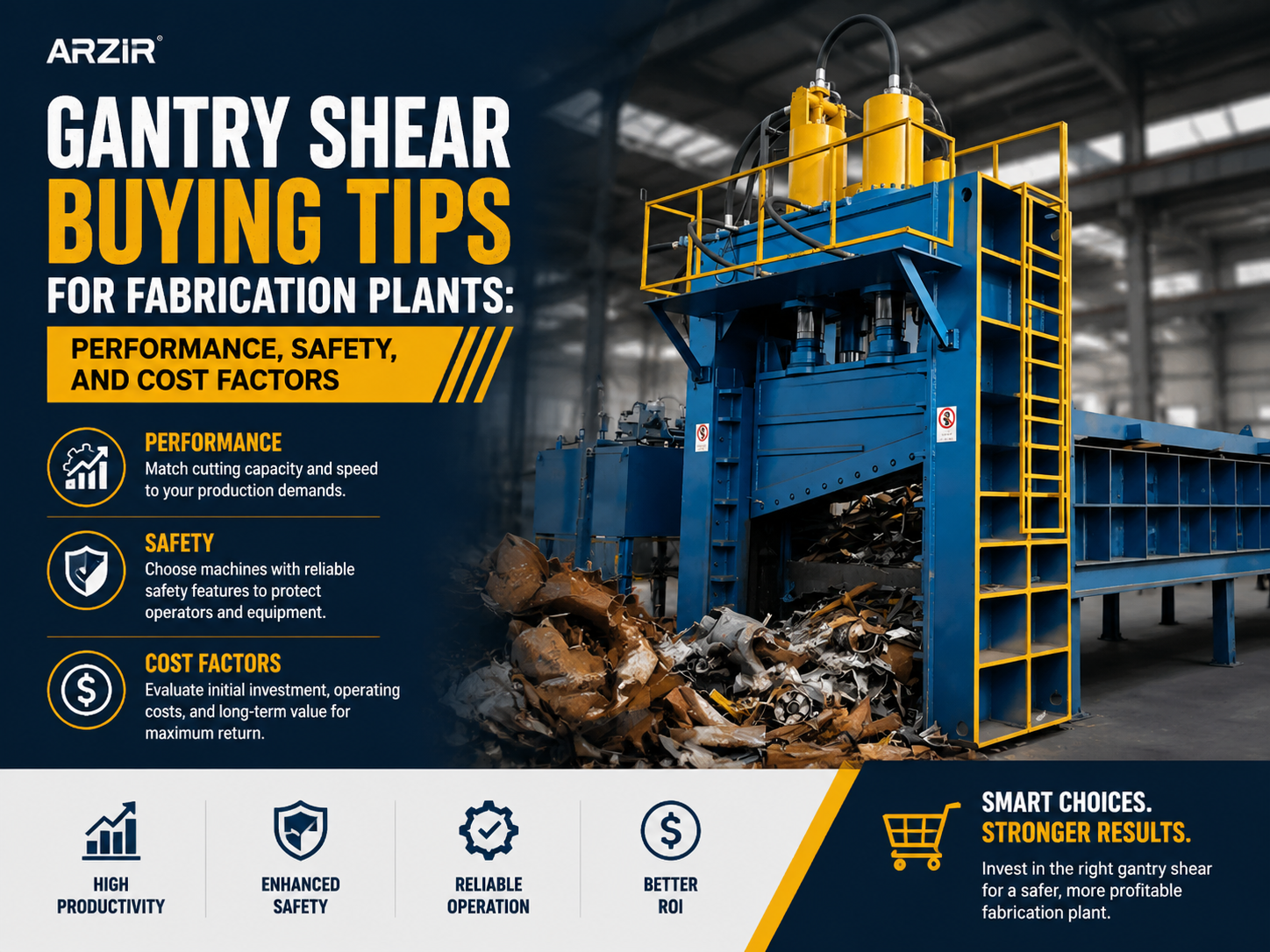
Gantry Shear Buying Tips for Fabrication Plants: Performance, Safety, and Cost Factors

Introduction to Gantry Shear Procurement for Modern Fabrication
In the high-stakes world of metal recycling and heavy fabrication, the gantry shear stands as a titan of productivity. Unlike smaller alligator shears or manual cutting methods, a gantry shear offers the force and automation necessary to process massive volumes of scrap metal, structural steel, and decommissioned industrial components into manageable, high-value sizes. However, investing in a gantry shear is a significant capital expenditure that requires a deep understanding of technical specifications, operational costs, and safety requirements. This guide provides comprehensive Gantry Shear Buying Tips Fabrication Plants: Performance, Safety, Cost Factors to ensure your investment yields the highest possible return.
Fabrication plants today face increasing pressure to improve throughput while maintaining strict safety standards. The transition from traditional cutting methods to a fully automated gantry shear system can be transformative. These machines are designed to handle everything from light sheet metal to heavy HMS1 and HMS2 scrap. By automating the compression and shearing process, plants can significantly reduce labor costs and improve the density of their output, which in turn reduces shipping costs and increases the market value of the processed material. As we delve into the specifics of buying these machines, it is essential to view the purchase not just as a hardware acquisition, but as a strategic upgrade to your plant’s core capabilities.
Price Range Overview: Understanding the Market Tiers
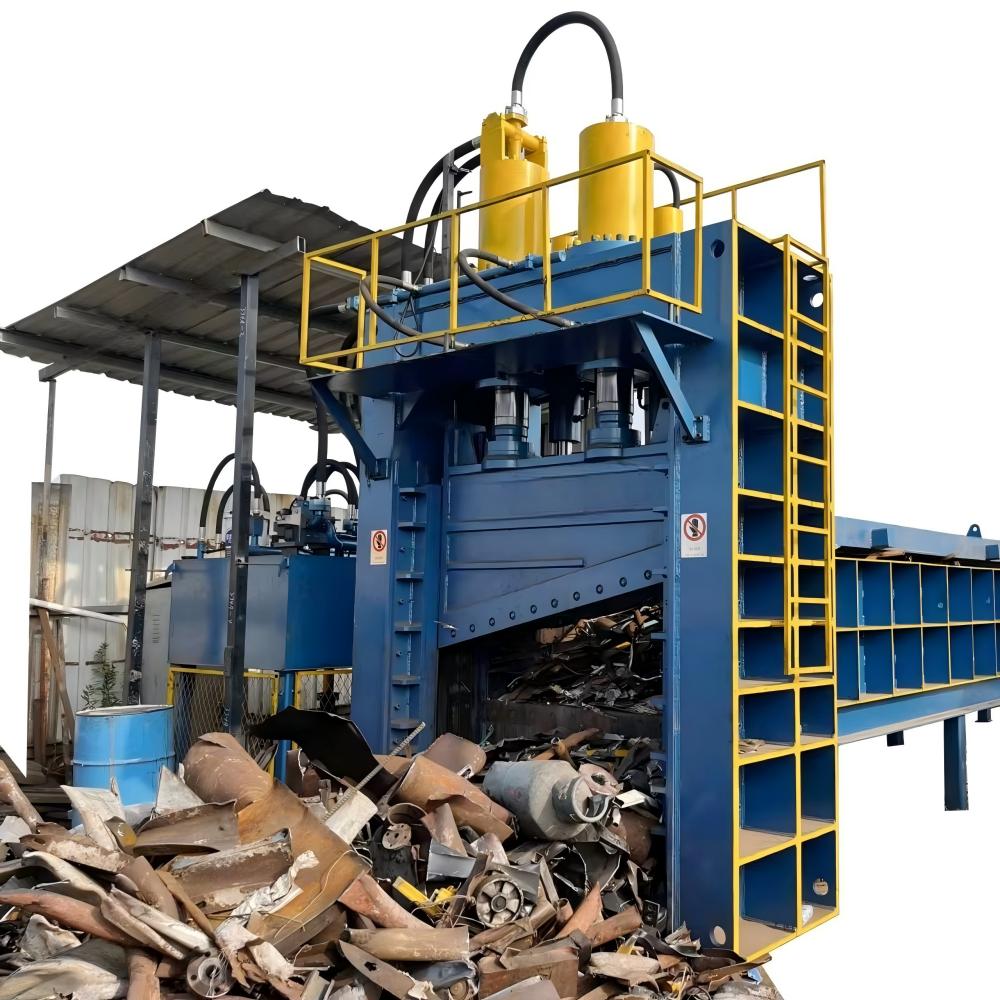
The price of a gantry shear is primarily dictated by its shearing force, measured in metric tons. For most fabrication plants, the market is divided into three main tiers: entry-level, mid-range, and heavy industrial. Understanding where your needs fall within these tiers is the first step in budgeting. Entry-level machines, typically ranging from 400 to 600 tons of shearing force, are suitable for smaller yards or plants that process lighter structural materials. These units are often more compact and may feature semi-automated controls.
Mid-range gantry shears, falling between 800 and 1250 tons, represent the ‘sweet spot’ for most medium-to-large fabrication plants. These machines offer the power to cut through thick steel beams and heavy plate while maintaining a cycle speed that supports continuous operation. Finally, heavy industrial shears exceeding 1600 tons are specialized monsters designed for the most demanding environments, such as shipbreaking yards or massive scrap processing hubs. These machines require significant infrastructure but offer unparalleled throughput.
| Shear Force (Tons) | Typical Application | Estimated Price Range (USD) | Throughput (Tons/Hour) |
|---|---|---|---|
| 400T – 600T | Light scrap, thin plate, aluminum | $80,000 – $150,000 | 4 – 8 |
| 800T – 1000T | HMS1/2, structural steel, pipes | $180,000 – $350,000 | 10 – 18 |
| 1250T – 1600T+ | Heavy industrial, ship scrap, thick beams | $400,000 – $800,000+ | 20 – 40+ |
It is important to note that these prices are estimates and can fluctuate based on the manufacturer, the quality of hydraulic components, and the level of automation included. When evaluating Gantry Shear Buying Tips Fabrication Plants: Performance, Safety, Cost Factors, always ask for a detailed quote that breaks down the cost of the base machine versus optional upgrades like remote monitoring or advanced cooling systems.
Main Cost Drivers: What Are You Really Paying For?
When comparing quotes from different manufacturers like HARSLE and others, you will notice significant price variations for machines with the same tonnage. These differences are usually driven by the quality of internal components and the robustness of the frame construction. The hydraulic system is the heart of the gantry shear. High-end machines utilize pumps and valves from reputable brands like Rexroth, Vickers, or Parker. These components are more expensive upfront but offer superior reliability, easier sourcing of spare parts, and better energy efficiency.
The structural integrity of the machine frame is another major cost driver. A gantry shear is subjected to immense stress during every cycle. Manufacturers that use high-tensile steel (such as Q345B or better) and employ advanced welding techniques will produce a machine that lasts decades. Conversely, cheaper machines may use thinner plates or lower-grade steel, leading to frame warping or weld fatigue over time. The weight of the machine is often a good indicator of its build quality; a heavier machine generally contains more steel and offers better stability during high-pressure shearing operations.
Control systems also play a role in the final price. Modern gantry shears are equipped with PLC (Programmable Logic Controller) systems, often from Siemens or Schneider. These systems allow for fully automatic cycles, where the machine compresses the material, feeds it forward, and shears it without constant operator intervention. Advanced software that optimizes the cutting stroke based on material resistance can further increase efficiency and reduce wear on the hydraulic system, but it adds to the initial purchase price.
Configuration Impact: Tailoring the Machine to Your Workflow
The configuration of your gantry shear should be dictated by the type of material you process most frequently. One of the most critical components is the “Feeding Box” or “Compression Box.” The length and width of this box determine the maximum size of the scrap you can load without pre-cutting. A larger box reduces the need for manual labor with torches or smaller shears, significantly lowering your operational costs. However, a larger box also requires more powerful cylinders to compress the material, which increases the machine’s footprint and price.
Blade length and throat depth are also vital considerations. If your plant processes wide plates or large-diameter pipes, you need a blade that can span the material in a single stroke. Furthermore, the “Hold-down” cylinder (also known as the stamper) is essential for securing the material before the shear blade makes contact. A high-quality hold-down system prevents material from kicking up or shifting, which protects the blades from lateral stress and ensures a cleaner cut. For plants operating in extreme climates, the configuration must include specialized cooling or heating systems for the hydraulic oil to maintain optimal viscosity.
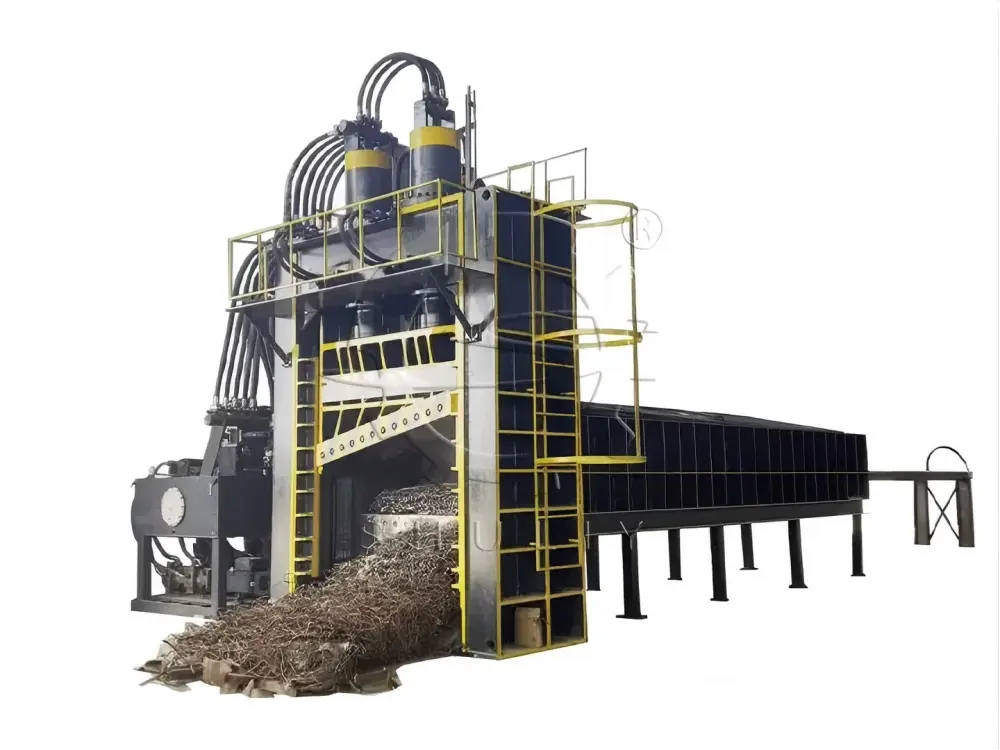
Another configuration choice is the power source. While most gantry shears are electric-hydraulic, some are available with diesel engines for remote locations or yards without sufficient electrical infrastructure. For most fabrication plants, an electric motor is the preferred choice due to lower maintenance and quieter operation. However, you must ensure your plant’s electrical grid can handle the high peak current required during the start-up of large hydraulic motors. Soft-start or VFD (Variable Frequency Drive) systems can be added to the configuration to mitigate these power surges.
Hidden Costs: Beyond the Purchase Price
When calculating the total cost of ownership, many buyers overlook the “hidden” expenses associated with installing and operating a gantry shear. Logistics is the first major hidden cost. These machines are incredibly heavy and often oversized, requiring specialized transport, permits, and heavy-duty cranes for offloading and positioning. Depending on your location and the machine’s size, shipping and rigging can add $10,000 to $50,000 to the project cost.
Foundation preparation is another critical factor. A gantry shear cannot simply be placed on a standard factory floor. It requires a reinforced concrete foundation designed to absorb the massive vibrations and shocks generated during the shearing process. Engineering a proper foundation involves soil testing, rebar reinforcement, and specific curing times. Skipping this step or under-engineering the base will lead to machine misalignment, premature wear, and potential structural failure of the floor.
Operational fluids and wear parts also represent ongoing costs. A large gantry shear may require 2,000 to 5,000 liters of high-grade hydraulic oil. This oil must be filtered and periodically replaced. Furthermore, the shear blades are consumable items. Depending on the hardness of the material being cut, blades may need to be rotated or reground every few hundred hours of operation. High-quality replacement blades made from specialized tool steel are expensive, and having a spare set on hand is essential to minimize downtime. Finally, consider the cost of operator training; a well-trained operator can maximize throughput and identify potential maintenance issues before they become catastrophic failures.
ROI Calculation: Is the Investment Justified?
To determine if a gantry shear is a sound investment, you must perform a Return on Investment (ROI) calculation. The primary driver of ROI in scrap processing is the “spread”—the difference between the price you pay for unprocessed scrap and the price you receive for processed, furnace-ready material. Processed scrap (like HMS1) commands a significantly higher price than bulky, unprocessed metal because it is easier for steel mills to handle and melt. If a gantry shear allows you to upgrade 500 tons of scrap per month from a lower grade to a higher grade, the increased revenue can quickly cover the monthly financing costs of the machine.
Labor savings are the second pillar of ROI. A single gantry shear with one operator and one loader driver can replace a team of five or more workers using manual torches or alligator shears. This not only reduces the payroll but also significantly lowers the cost of consumables like oxygen and acetylene. Furthermore, the increased density of the sheared material allows you to fit more weight into each truck or shipping container, reducing your logistics costs by 20% to 40%.
Energy efficiency also plays a role in modern ROI. Newer machines from HARSLE utilize high-efficiency motors and variable displacement pumps that only draw significant power when the machine is actually shearing. Older, less efficient machines waste energy by circulating oil at high pressure even when idling. When calculating ROI, factor in the expected lifespan of the machine (typically 15-20 years with proper maintenance) and the potential resale value. A well-maintained gantry shear from a reputable brand retains a high percentage of its value on the secondary market.
Safety Factors: Protecting Your Workforce and Equipment
Safety is paramount when dealing with thousands of tons of shearing force. A modern gantry shear must be equipped with multiple layers of protection. Emergency stop buttons should be located at the operator station, near the feeding box, and on the main power cabinet. Many high-end shears now include light curtains or infrared sensors around the feeding area to automatically halt operation if a person enters the danger zone. These systems are essential for compliance with OSHA or CE safety standards.
Beyond personnel safety, the machine must have self-protection mechanisms. Pressure relief valves are critical to prevent hydraulic lines from bursting if the machine encounters an unbreakable object. Sensors that monitor oil temperature and filtration levels can prevent pump cavitation and overheating. From an operational standpoint, the use of a remote control allows the operator to stay at a safe distance from the machine while still having a clear view of the loading and shearing process. This reduces the risk of injury from flying debris or mechanical failure.
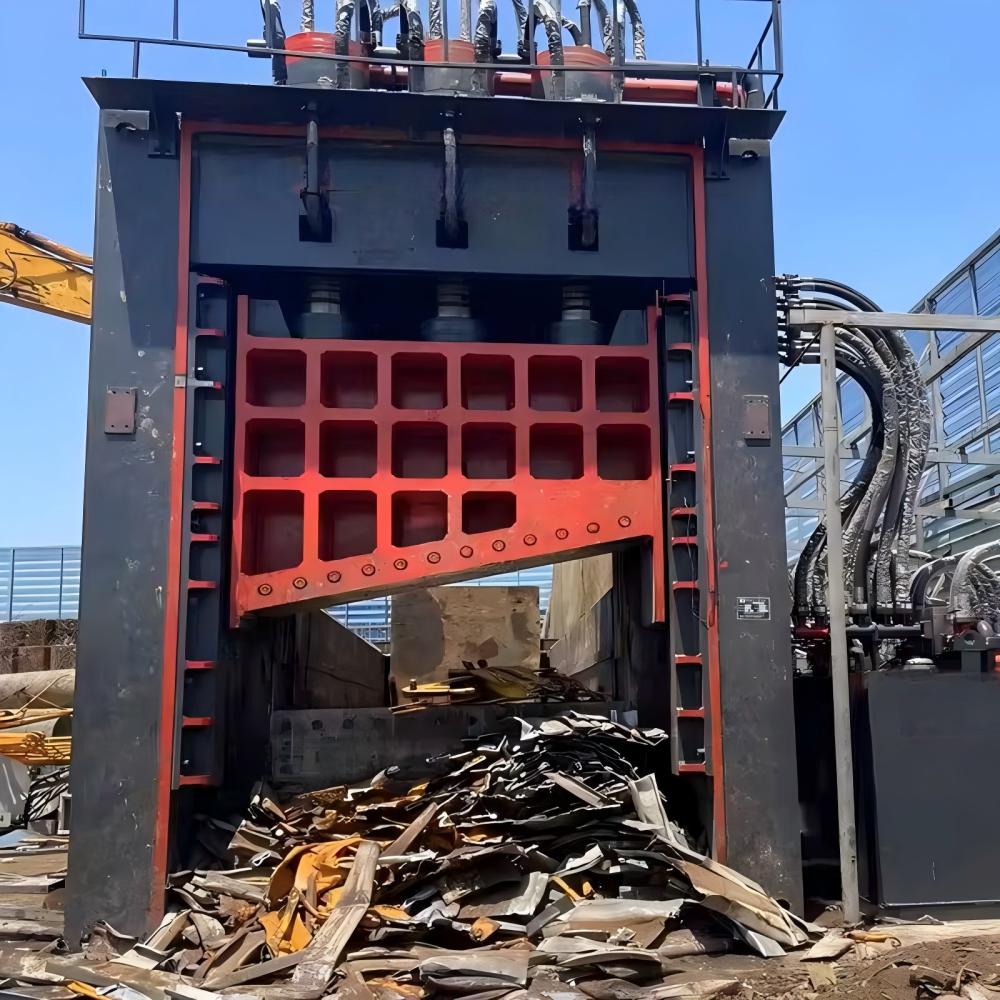
Regular safety audits and maintenance checks are non-negotiable. Bolts can loosen due to vibration, and hydraulic hoses can fray over time. Implementing a strict lockout/tagout (LOTO) procedure during maintenance is vital. When buying a machine, ask the manufacturer about the safety certifications they hold and what specific features are included to protect the operator. A cheaper machine that lacks these features could end up costing far more in legal fees and insurance premiums in the event of an accident.
Buying Advice: How to Choose the Right Supplier
Choosing the right supplier is just as important as choosing the right machine. Look for a manufacturer with a proven track record in the metal fabrication industry. HARSLE, for example, has built a reputation for providing robust machinery with excellent after-sales support. When evaluating suppliers, ask for references from other fabrication plants that have used their gantry shears for at least two years. This will give you an honest look at the machine’s long-term reliability and the manufacturer’s responsiveness to service requests.
Before finalizing a purchase, conduct a factory inspection or a live video demonstration. Watch the machine process material similar to what you handle in your plant. Pay attention to the cycle time, the noise level, and the smoothness of the hydraulic movements. Check the quality of the welds and the organization of the hydraulic and electrical cabinets. A messy cabinet often indicates poor attention to detail throughout the rest of the machine. Furthermore, ensure that the supplier provides comprehensive documentation, including hydraulic schematics, electrical diagrams, and a detailed maintenance manual in your native language.
Finally, discuss the warranty and spare parts availability. A gantry shear is a critical piece of infrastructure; if it goes down, your entire production line may stall. Ensure the supplier stocks common wear parts like seals, filters, and blades in a local or regional warehouse. Ask about their technical support capabilities—do they offer on-site commissioning and training? Do they have technicians who can troubleshoot issues remotely via the PLC? These factors are often the difference between a successful installation and a costly headache.
Frequently Asked Questions (FAQ)
1. What is the average lifespan of a gantry shear?
With proper maintenance, a high-quality gantry shear can last 15 to 25 years. The frame and main cylinders are designed for long-term use, while wear parts like blades, seals, and hoses will need periodic replacement. Regular oil filtration and structural inspections are key to maximizing the machine’s life.
2. Can a gantry shear cut all types of metal?
Gantry shears are incredibly versatile and can cut most types of ferrous and non-ferrous metals, including carbon steel, stainless steel, aluminum, and copper. However, they are not designed to cut “unbreakable” items like hardened engine crankshafts, large solid steel shafts, or manganese steel, which can damage the blades or the frame.
3. How often do the blades need to be changed?
Blade life depends entirely on the material being processed. If you are cutting clean, soft steel, blades may last 400-600 hours before needing a rotation. If you are processing sandy, rusty, or hard scrap, you may need to rotate them every 200 hours. Most gantry shear blades have four cutting edges, allowing them to be rotated three times before requiring regrinding or replacement.
4. What kind of foundation is required for a 1000-ton gantry shear?
A 1000-ton shear typically requires a reinforced concrete pad between 1.5 and 2.5 meters deep, depending on the soil quality. The foundation must be isolated from the rest of the factory floor to prevent vibration transfer. Always follow the specific foundation drawings provided by the manufacturer.
5. Is it better to buy a new or used gantry shear?
While used machines have a lower initial cost, they often come with hidden wear and outdated hydraulic systems. A new machine offers the latest safety features, better energy efficiency, a full manufacturer’s warranty, and the assurance that the frame hasn’t been stressed beyond its limits. For a critical production tool, new is usually the safer investment.
6. How much maintenance does a gantry shear require?
Daily maintenance includes checking oil levels, inspecting hoses for leaks, and greasing moving parts. Weekly tasks involve checking blade clearance and tightening bolts. Monthly, you should inspect the oil filters and the condition of the electrical connections. A proactive maintenance schedule is essential to prevent unplanned downtime.