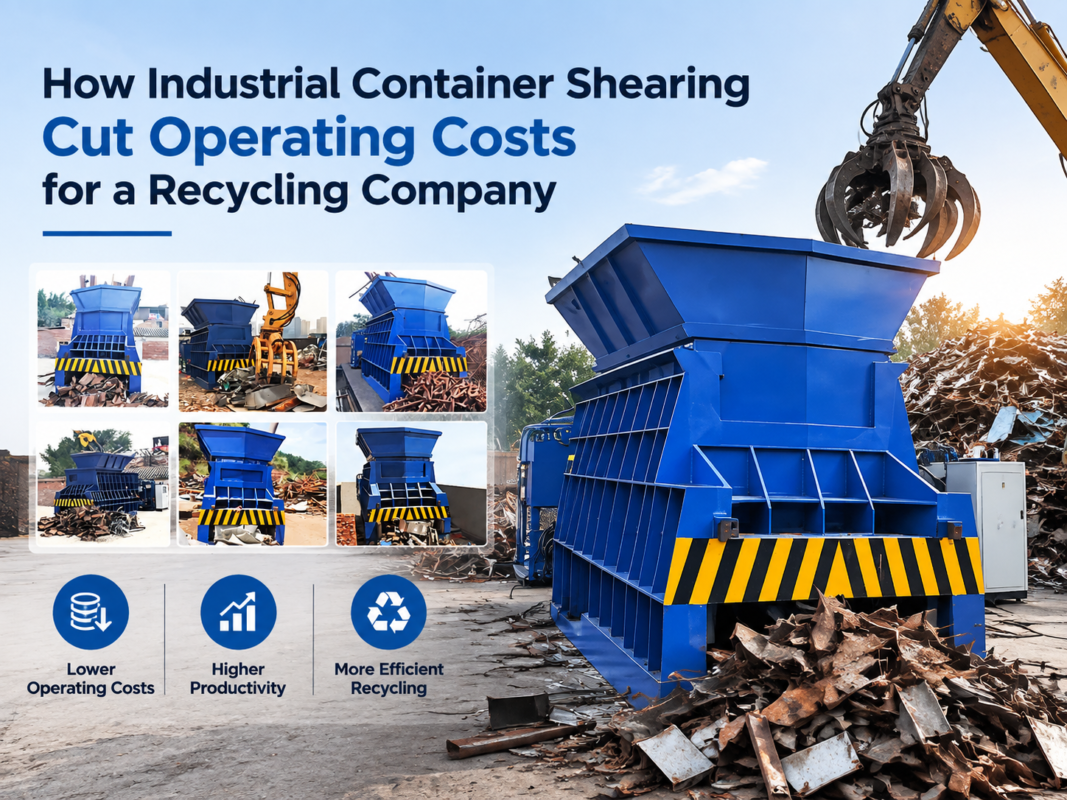
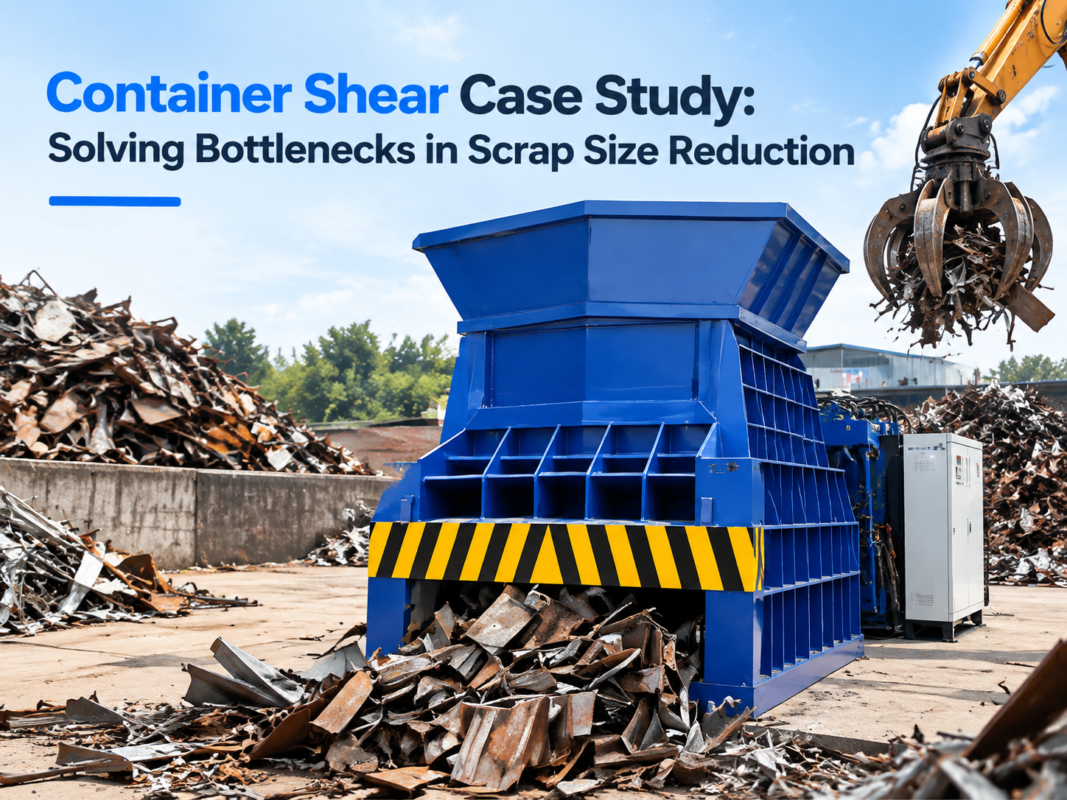
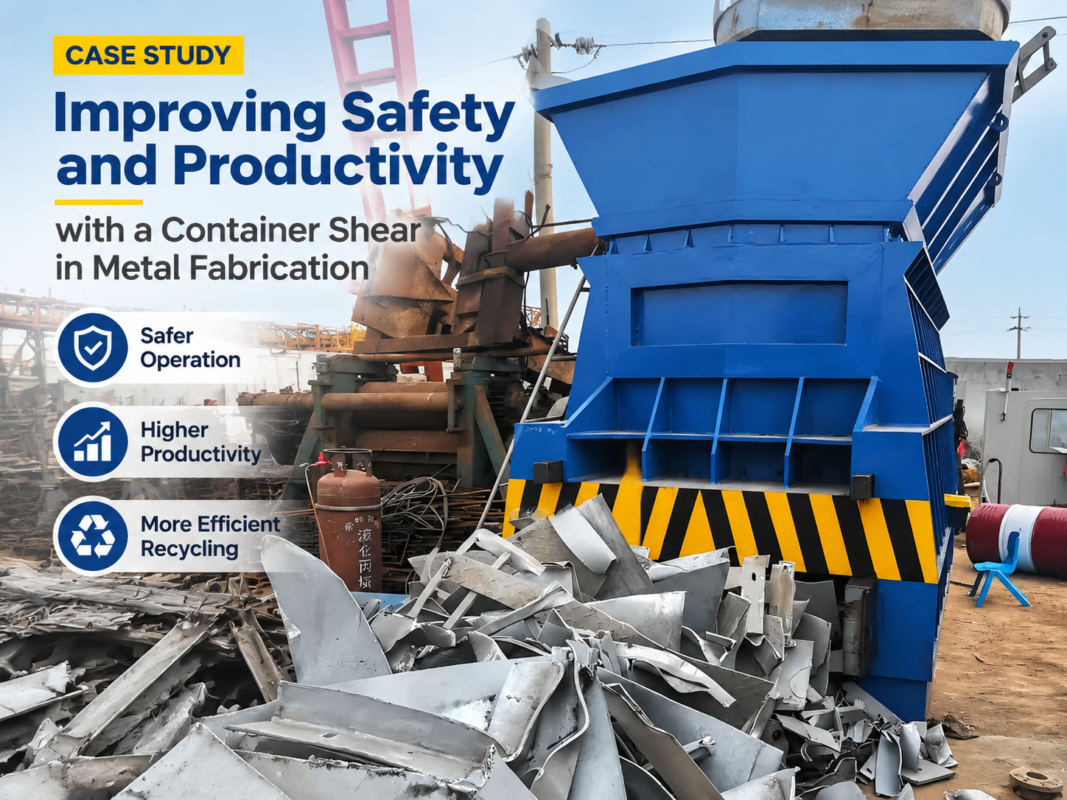
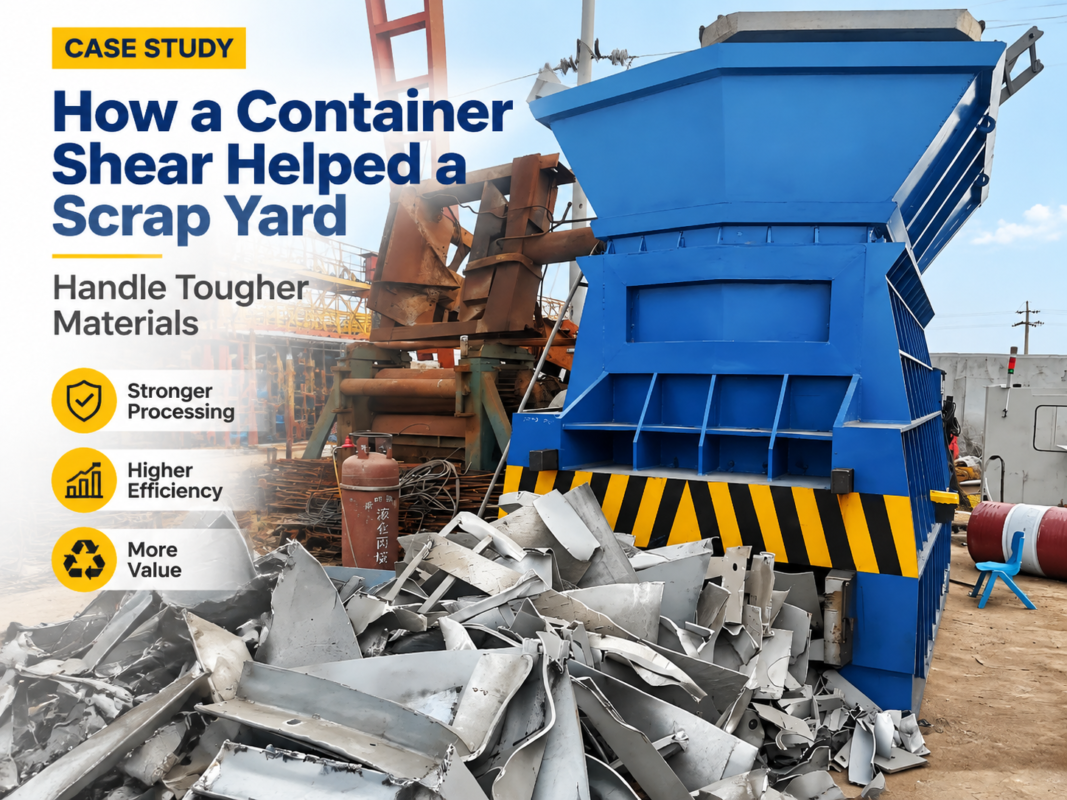
Container Shear Buying Tips: Capacity, Blade Quality, and Safety Factors

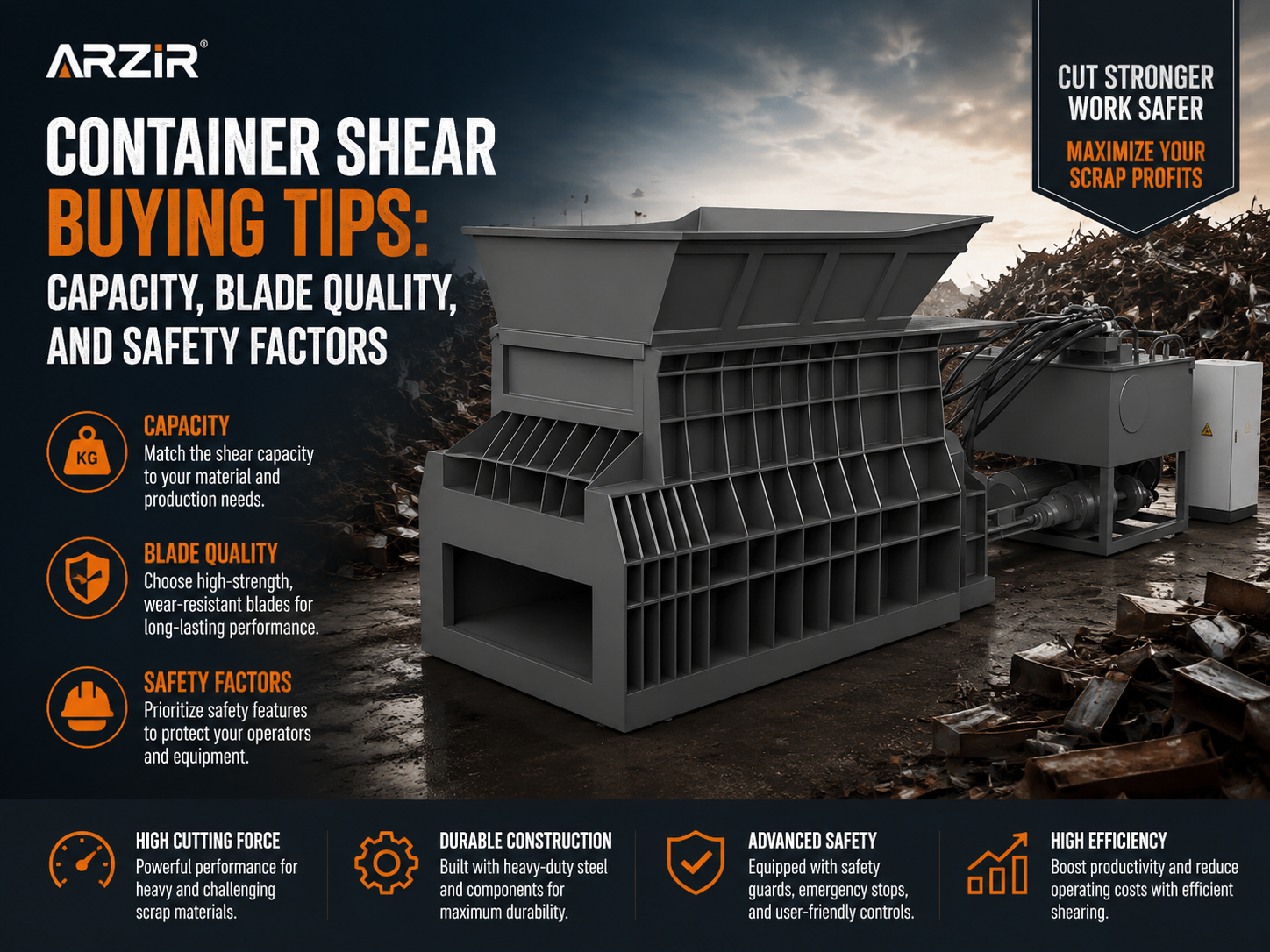
Introduction to Container Shear Procurement
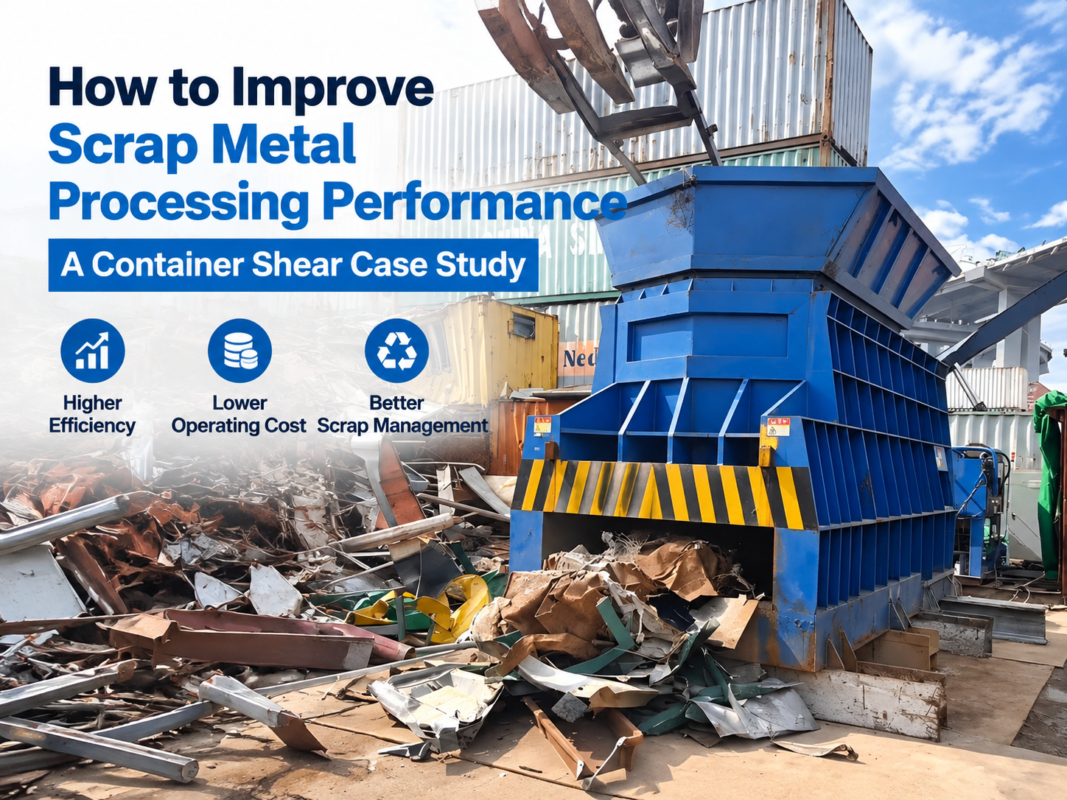
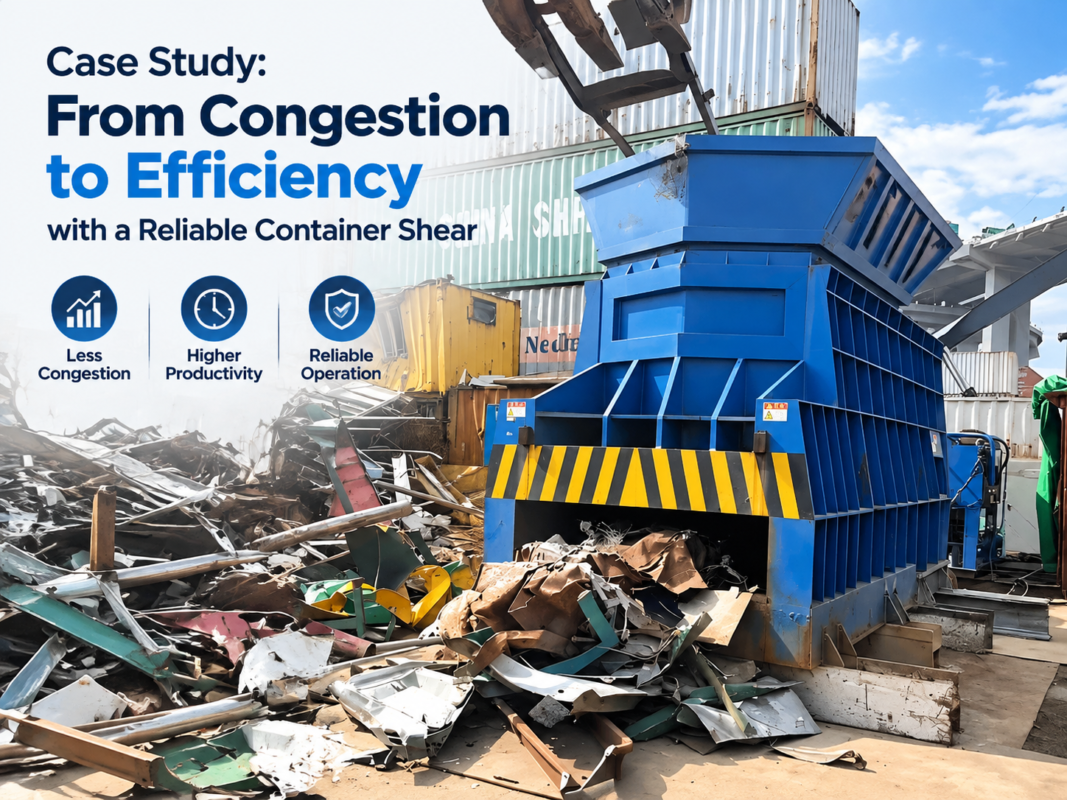
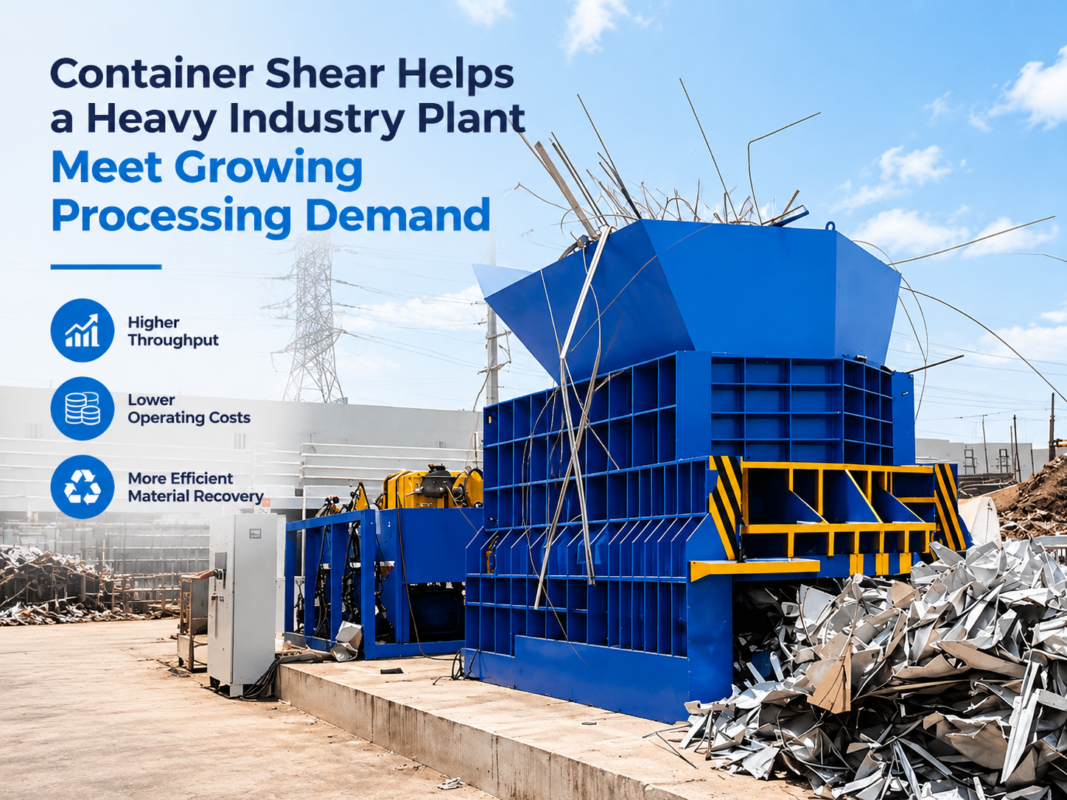
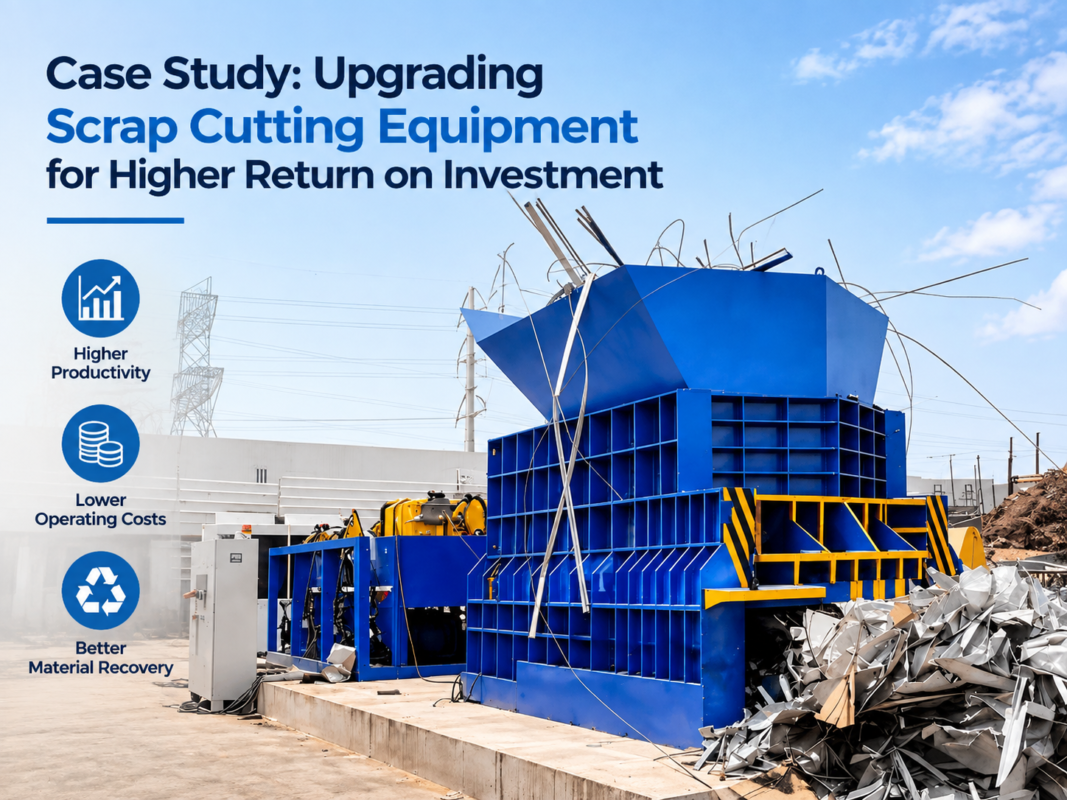
In the rapidly evolving world of scrap metal recycling, the container shear has emerged as a cornerstone of efficiency. Unlike traditional alligator shears or massive stationary guillotine shears, the container shear offers a unique blend of mobility, continuous feeding, and high-density processing. However, investing in a container shear is a significant capital expenditure. Making the right choice requires a deep understanding of technical specifications, from hydraulic pressure to metallurgical properties of the blades. This guide provides comprehensive container shear buying tips, focusing on capacity, blade quality, and safety factors to ensure your investment yields the highest possible return.
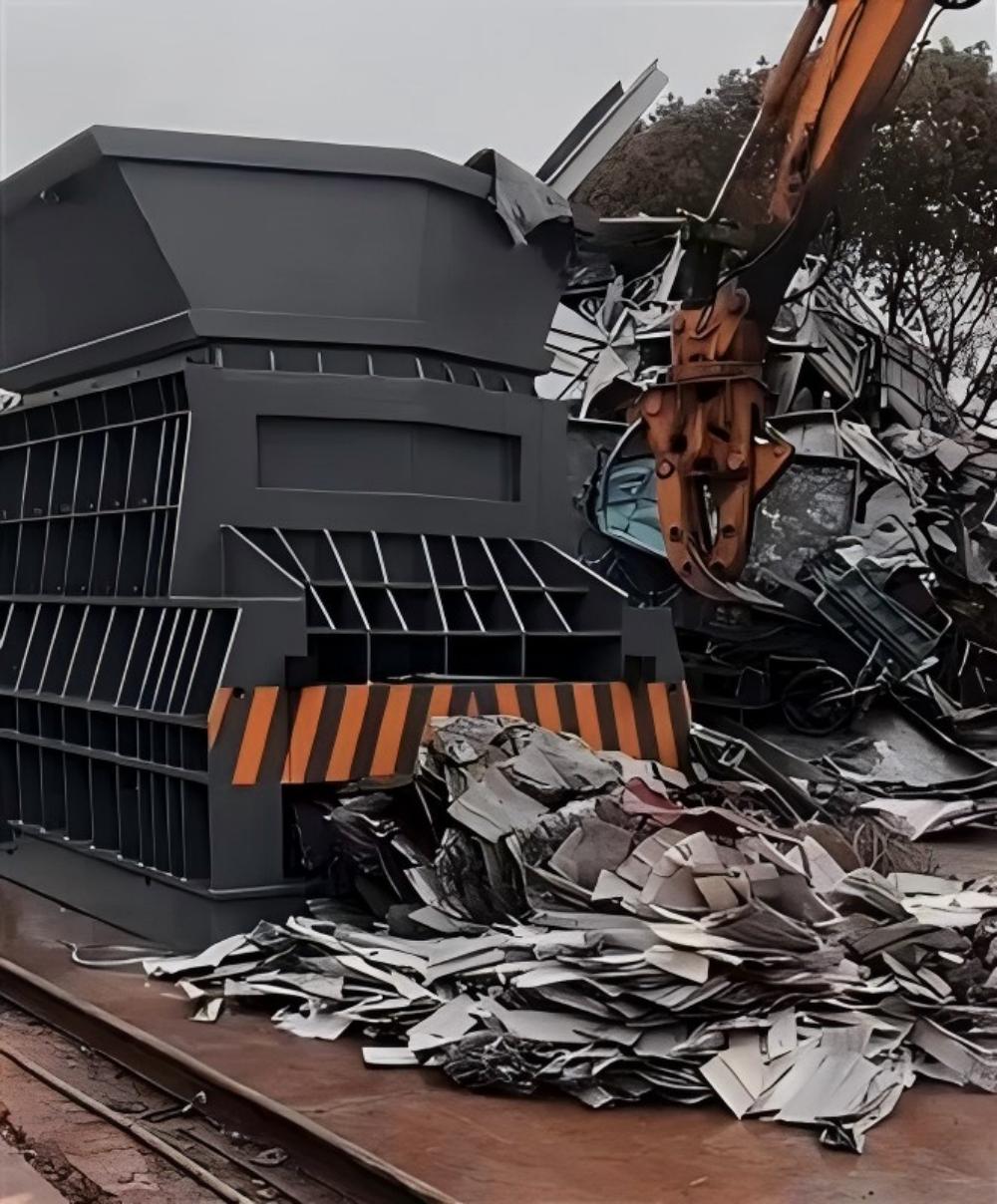
As global demand for recycled steel and non-ferrous metals grows, the pressure on scrap yards to process more material in less time has intensified. A container shear facilitates this by allowing operators to load scrap into a large hopper, where it is automatically compressed and sheared into manageable lengths. This process significantly reduces labor costs and increases the bulk density of the scrap, making it more valuable for steel mills. To navigate the complex market of industrial machinery, buyers must look beyond the sticker price and evaluate the long-term operational viability of the equipment.
Price Range Overview: What to Expect
The price of a container shear can vary wildly based on its shearing force, box size, and level of automation. Generally, the market is divided into three main tiers. Entry-level units, often with a shearing force between 400 and 500 tons, typically range from $50,000 to $90,000. These machines are ideal for smaller yards processing light-to-medium scrap, such as white goods, thin-gauge pipes, and small structural sections. While they lack the raw power of larger units, they offer a lower barrier to entry and faster payback periods for modest operations.
Mid-range container shears, boasting 600 to 800 tons of shearing force, are the industry workhorses. These units usually fall between $100,000 and $180,000. They are designed for 8-10 hour daily shifts and can handle heavier HMS1 and HMS2 scrap. At this price point, you begin to see more sophisticated hydraulic systems, better cooling units for continuous operation, and enhanced PLC (Programmable Logic Controller) integration for automated cycles. For most professional recycling facilities, this tier represents the best balance between cost and performance.
High-end industrial container shears, with capacities exceeding 1000 tons, can cost anywhere from $200,000 to over $400,000. These are massive installations designed for 24/7 operation in large-scale scrap processing hubs. They feature oversized feeding boxes, high-speed hydraulic circuits, and premium components from global brands like Rexroth or Vickers. When investing at this level, the focus shifts from the initial purchase price to the total cost of ownership (TCO) and the machine’s ability to process hundreds of tons of scrap per day without significant downtime.
Main Cost Drivers in Container Shear Manufacturing
Understanding what drives the cost of a container shear is essential for effective negotiation and selection. The primary driver is the Hydraulic System. The quality of the main pumps, valves, and cylinders accounts for a significant portion of the machine’s value. High-pressure systems that utilize variable displacement pumps are more expensive but offer better energy efficiency and faster cycle times. A machine equipped with a premium hydraulic block will have fewer leaks, smoother transitions, and a longer service life than one using generic components.
The Steel Structure and Frame also play a critical role in pricing. A container shear is subjected to immense torsional and compressive forces. Manufacturers like HARSLE use high-tensile Q345B or Q355 steel for the main frame, often reinforced in high-stress areas. The thickness of the plates and the quality of the welding (often ultrasonic or X-ray tested) ensure that the machine does not crack or deform under load. More steel and better welding processes naturally lead to a higher price tag but are vital for the machine’s longevity.
Another significant factor is the Control System and Automation. Modern container shears are no longer purely mechanical; they are sophisticated robotic systems. Integration of Siemens or Schneider PLC systems, touch-screen interfaces, and remote-control capabilities adds to the cost. However, these features allow for precise control over the shearing length, automatic fault detection, and data logging, which are invaluable for modern yard management. Furthermore, the inclusion of advanced cooling systems (air or water-cooled) to maintain hydraulic oil temperature is a cost driver that prevents premature component failure.
Configuration Impact: Capacity and Blade Quality
When discussing container shear buying tips, capacity and blade quality are the most critical technical specifications. Capacity is not just about the shearing force (tonnage); it is also about the Feeding Box Dimensions. A larger box allows for the processing of oversized scrap without the need for pre-cutting with a torch. This saves time and gas costs. Buyers should match the box size to the most common types of scrap they receive. For example, if you frequently process long pipes or structural beams, a 6-meter box is far superior to a 4-meter box.
Blade Quality is the heart of the shearing process. Blades are consumable items, but their lifespan varies significantly based on the material used. Common materials include 9CrSi, Cr12MoV, and specialized alloy steels. 9CrSi is suitable for lighter scrap, while Cr12MoV is the standard for heavy-duty applications due to its excellent wear resistance and toughness. Some high-end shears feature four-sided reversible blades, effectively quadrupling the life of a single set before it needs regrinding. The clearance between the upper and lower blades must also be easily adjustable to maintain a clean cut and prevent the “folding” of thin materials.
The Cycle Time is another configuration aspect that impacts throughput. A machine with a high-speed valve system can complete a shearing cycle in 30-45 seconds, whereas a slower machine might take over a minute. Over the course of a year, this difference can result in thousands of tons of lost production. Buyers should look for “regenerative” hydraulic circuits that speed up the idle movements of the shear head, ensuring that the machine spends more time cutting and less time moving through empty space.
Hidden Costs of Owning a Container Shear
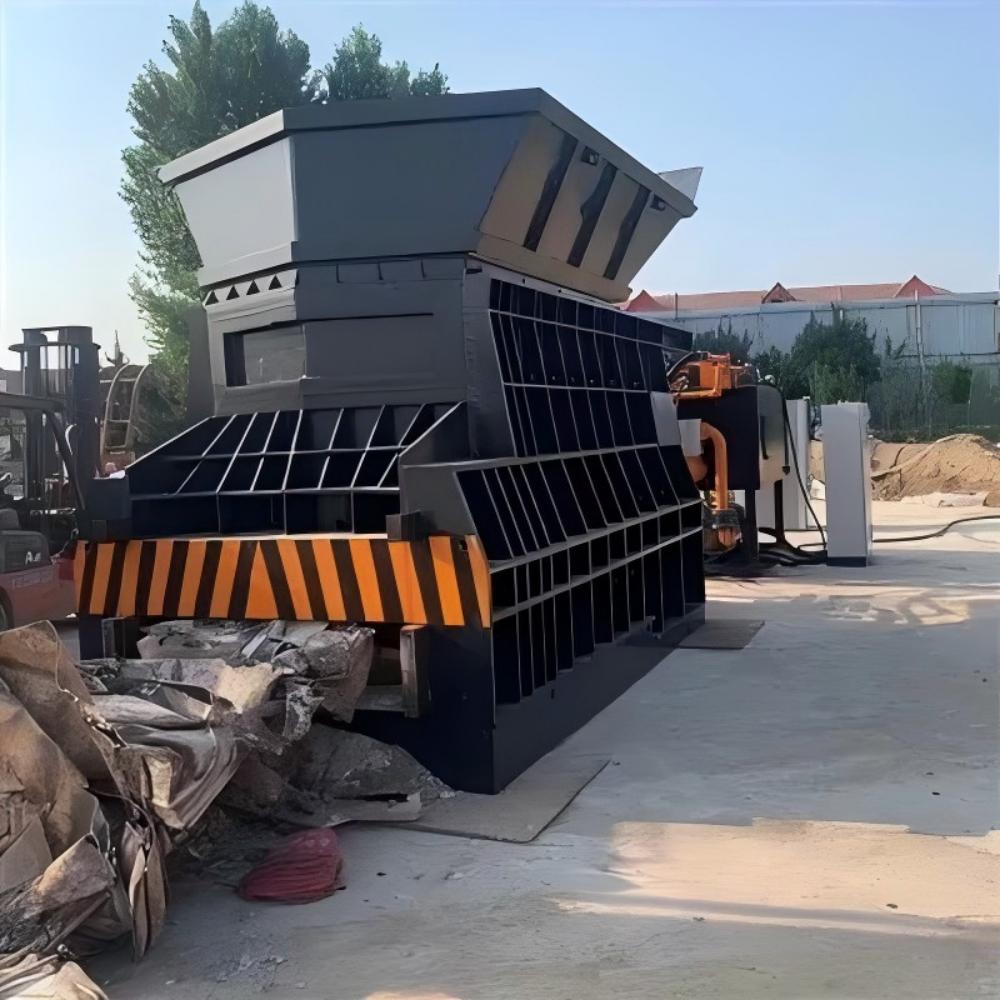
The purchase price is only the beginning. One of the most overlooked hidden costs is Site Preparation and Installation. A container shear requires a reinforced concrete foundation to handle the vibration and weight. Depending on the soil quality and machine size, foundation work can cost between $5,000 and $20,000. Additionally, the electrical infrastructure must be capable of handling the high peak currents required by the large electric motors. Upgrading a transformer or running heavy-duty power lines can be a significant expense.
Hydraulic Oil is another recurring cost. A medium-sized container shear may require 1,000 to 2,000 liters of high-quality anti-wear hydraulic oil. This oil must be filtered regularly and replaced periodically. Furthermore, the cost of Spare Parts should be factored in. Beyond blades, items like seals, filters, and proximity sensors will eventually need replacement. Choosing a manufacturer like HARSLE, which uses standardized, globally available components, can significantly reduce the cost and lead time for these parts compared to machines with proprietary, custom-made components.
Finally, consider Energy Consumption. A 100kW motor running 8 hours a day consumes a massive amount of electricity. Machines equipped with frequency drives (VFDs) or energy-efficient hydraulic circuits can reduce power consumption by 20-30%. While these features might increase the initial price, the savings on monthly utility bills can be substantial over the 10-15 year lifespan of the machine. Don’t forget to account for the cost of operator training; a poorly trained operator can damage the blades or the hydraulic system, leading to expensive repairs.
ROI Calculation: Is the Investment Worth It?
Calculating the Return on Investment (ROI) for a container shear involves comparing the total cost of ownership against the increased revenue and decreased operational costs. The primary revenue driver is the Price Spread. Processed scrap (cut to size and densified) typically fetches a higher price per ton at the mill than unprocessed, bulky scrap. If the spread is $30 per ton and the machine processes 10 tons per hour, that is an additional $300 of revenue per hour.
On the cost-saving side, consider Labor and Consumables. A container shear can often replace two or three workers who would otherwise be using oxy-acetylene torches to cut scrap. This eliminates the cost of wages, oxygen, and acetylene. Furthermore, because the container shear is an automated process, the consistency of the output is higher, leading to fewer rejections from the steel mill. To calculate the payback period, divide the total investment (including installation) by the monthly net profit generated by the machine. Most well-utilized container shears in busy yards achieve a payback period of 12 to 24 months.
| Factor | Impact on ROI | Estimated Value |
|---|---|---|
| Increased Scrap Value | High | $20 – $50 per ton |
| Labor Savings | Medium | 2-3 full-time employees |
| Consumable Savings | Medium | Reduction in gas/torch costs |
| Maintenance Costs | Negative | 2-5% of machine value annually |
Safety Factors: Protecting Your Assets and Personnel
Safety is paramount when dealing with hundreds of tons of shearing force. A modern container shear must be equipped with multiple Emergency Stop Buttons located at the control station and around the machine perimeter. Furthermore, the Hydraulic Safety Valves are critical; they prevent the cylinders from dropping in the event of a hose failure or sudden loss of pressure. These “load-holding” valves are a non-negotiable safety feature for any reputable manufacturer.
Physical Guarding and Interlocks are also essential. The area around the shearing head should be shielded to prevent flying debris from injuring bystanders. Many HARSLE machines include safety cages or light curtains that automatically stop the machine if someone enters the danger zone. Additionally, the PLC should include software interlocks that prevent the machine from operating if the access doors are open or if the oil temperature exceeds safe limits. This protects both the operator and the machine’s internal components from catastrophic failure.
Finally, consider the Operator Environment. If the machine is controlled from a cabin, that cabin should be reinforced and equipped with high-impact safety glass. Remote control operation is becoming increasingly popular as it allows the operator to stand at a safe distance with a clear view of the loading process. Proper lighting for night operations and clear warning sirens/lights during the shearing cycle are simple yet effective ways to maintain a safe working environment in a busy scrap yard.
Buying Advice: Choosing the Right Partner
When you are ready to purchase, the most important piece of buying advice is to Vet the Manufacturer. Don’t just look at a brochure; ask for video demonstrations of the machine processing scrap similar to yours. Check for ISO certifications and CE compliance, which indicate that the manufacturer follows international quality and safety standards. HARSLE, for instance, provides detailed technical support and has a proven track record of exporting heavy machinery globally, which ensures they understand the logistical and technical needs of international buyers.
Always request a Detailed Specification Sheet that lists the brands of the hydraulic pumps, motors, and PLC. If a manufacturer is vague about these components, it is often a sign that they are using lower-quality parts to save costs. Furthermore, inquire about the After-Sales Service. Does the manufacturer offer remote diagnostic support? Are the manuals provided in clear English? Do they stock replacement blades and seal kits for immediate shipping? A machine that is down for three weeks waiting for a $50 seal is a massive liability.
Lastly, consider the Future-Proofing of your investment. While you might only need 500 tons of force today, will your business grow in the next three years? It is often more cost-effective to buy a slightly larger machine now than to replace an undersized machine in the near future. Look for modular designs that allow for easy upgrades, such as adding a larger cooling system or upgrading the automation software later on. A container shear is a 10-year investment; choose a machine that can grow with your business.
Frequently Asked Questions (FAQ)
1. What is the difference between a container shear and a guillotine shear?
A container shear is generally more compact and often mobile or semi-mobile. It features a built-in feeding box that compresses scrap before shearing, allowing for continuous operation. A guillotine shear is usually a much larger, stationary installation that requires a separate pre-compression wing or “stamper” and is designed for the highest volumes of heavy scrap.
2. How often do the blades need to be changed?
Blade life depends entirely on the material being cut. For average mixed scrap, a set of high-quality Cr12MoV blades can last between 500 and 1,000 hours before needing to be rotated or reground. Processing very hard alloys or thick structural steel will shorten this interval. Regular maintenance and maintaining the correct blade gap are key to extending blade life.
3. Can a container shear be moved around the yard?
Many container shears are designed with a “hook-lift” or trailer-mounted frame, making them semi-mobile. While they are not as mobile as a small alligator shear, they can be moved using a heavy-duty truck or a large forklift. This is ideal for yards that need to reorganize their layout or move the machine to different scrap piles.
4. What type of hydraulic oil should I use?
Most container shears require high-quality ISO VG 46 or 68 anti-wear hydraulic oil. The specific grade depends on your local climate; thinner oil (VG 46) is better for colder regions, while thicker oil (VG 68) is better for hot environments. Always refer to the manufacturer’s manual for the exact specification.
5. Is it difficult to learn how to operate a container shear?
Modern machines with PLC controls and touch screens are relatively intuitive. Most operators can learn the basic functions in a day. However, mastering the “art” of loading the box efficiently to maximize throughput and minimize wear takes a few weeks of practice. HARSLE provides comprehensive manuals and video guides to assist in the training process.