Best Practices for Buying a Container Shear for Efficient Metal Recycling

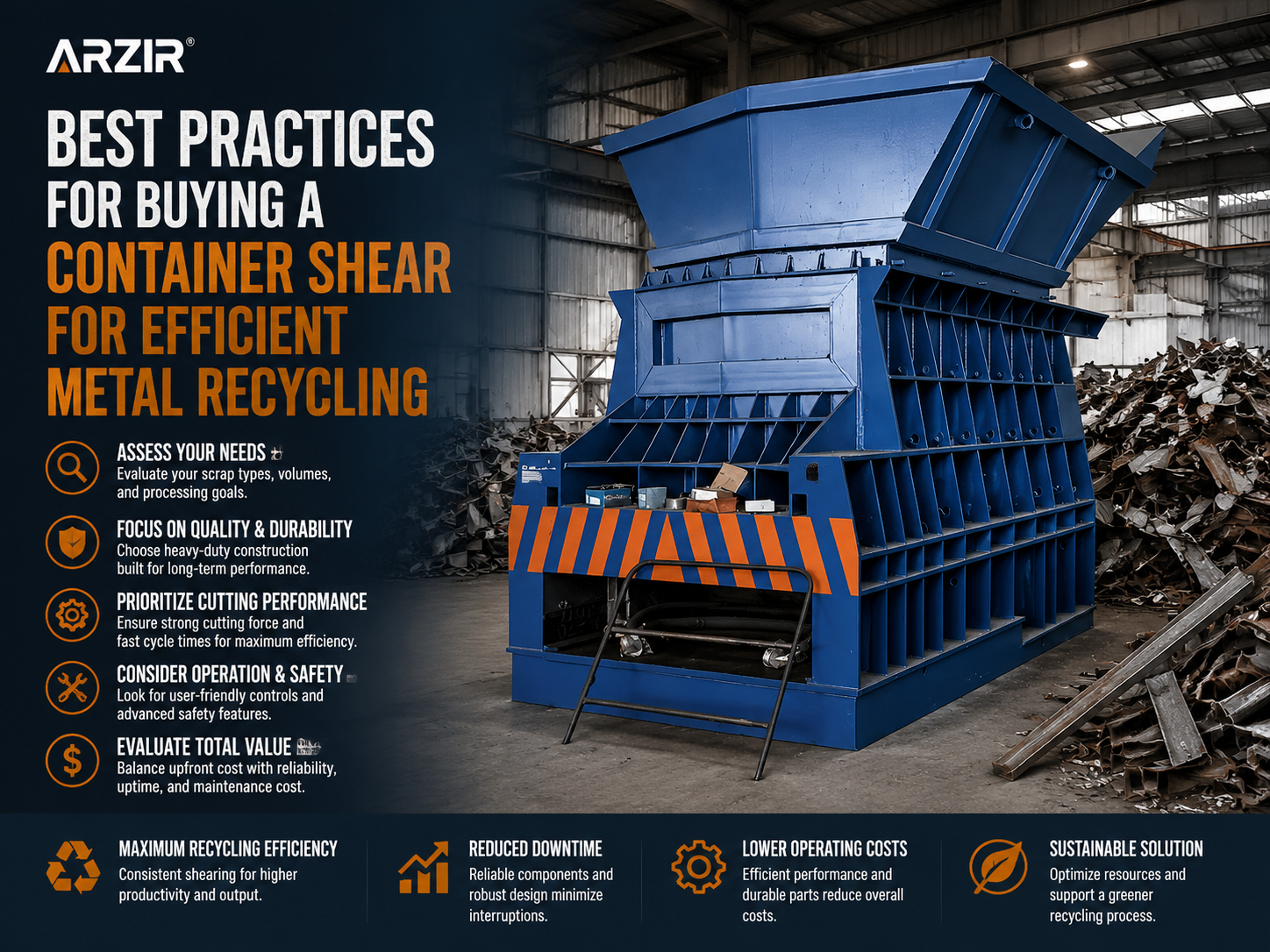
Introduction to Container Shears in Modern Metal Recycling
In the rapidly evolving landscape of global scrap metal management, the demand for high-efficiency processing equipment has never been greater. As recycling facilities strive to maximize throughput while minimizing labor costs, the container shear has emerged as a cornerstone technology. Unlike traditional alligator shears or massive stationary guillotine shears, the container shear offers a unique blend of mobility, continuous feeding, and high-density output. Understanding the best practices for buying a container shear for efficient metal recycling is not just about comparing prices; it is about understanding the synergy between hydraulic power, structural integrity, and operational logistics.
HARSLE, a leader in metal fabrication machinery, recognizes that a container shear represents a significant capital investment. This machine is designed to handle the toughest materials—from HMS1 and HMS2 scrap to structural steel and decommissioned vehicle frames. The efficiency of your recycling operation depends on the machine’s ability to run consistently with minimal downtime. In this guide, we will delve deep into the technical and financial considerations that should govern your purchasing decision, ensuring that your investment yields the highest possible return in the shortest timeframe.
Price Range Overview: Navigating the Market Tiers
The market for container shears is diverse, with pricing reflecting the machine’s cutting force, automation level, and build quality. Generally, container shears are categorized by their shearing force, typically ranging from 400 tons to over 1250 tons. For a standard 500-ton to 600-ton unit, which is the industry workhorse for medium-sized scrap yards, prices can range from $80,000 to $150,000 depending on the manufacturer and regional shipping costs. High-capacity units exceeding 1000 tons of cutting force can easily surpass $250,000.
Entry-level machines often focus on manual or semi-automatic controls and may utilize standard hydraulic components. While these are cost-effective for smaller operations, they may lack the speed required for high-volume processing. Mid-range machines, such as those offered by HARSLE, strike a balance by incorporating high-end hydraulic systems (like Rexroth or Parker) and advanced PLC interfaces. These machines are designed for 8-16 hours of daily operation. Premium tiers involve fully automated systems with integrated remote monitoring, specialized wear-resistant liners, and high-speed hydraulic circuits that significantly reduce cycle times.
When evaluating price, it is crucial to look beyond the initial quote. A lower-priced machine might use inferior steel for the blade seats or lower-grade hydraulic seals, leading to frequent leaks and structural fatigue. Conversely, the most expensive machine might offer features that your specific scrap stream doesn’t require. The goal is to find the “sweet spot” where the machine’s capabilities align perfectly with your daily tonnage requirements and material types.
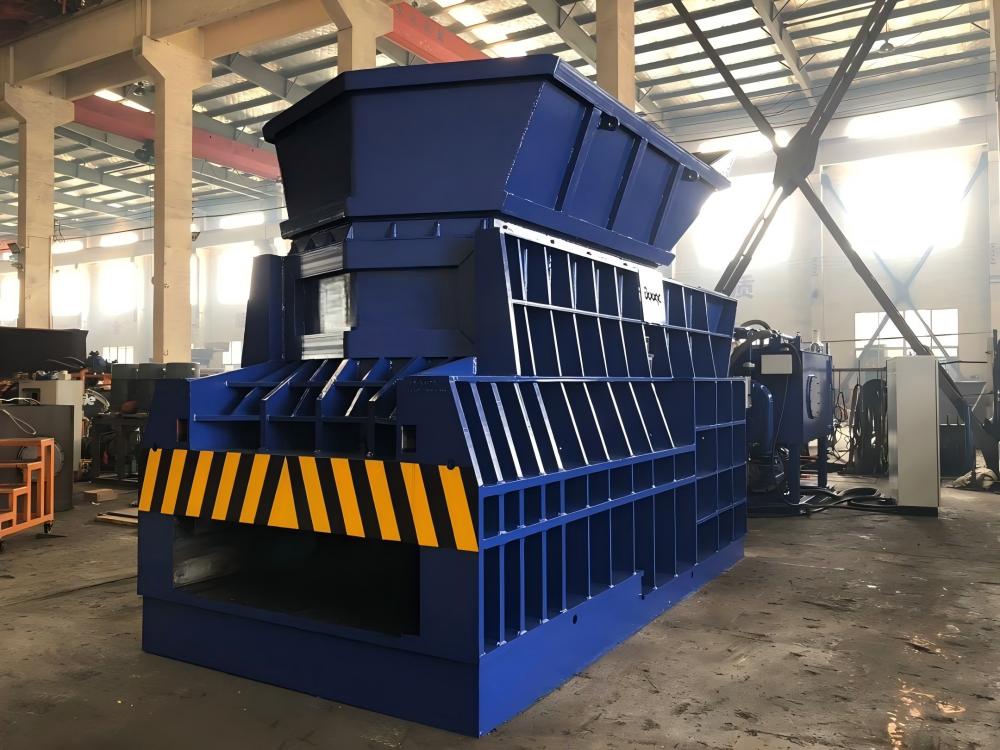
Main Cost Drivers: What Determines the Final Price?
Several critical factors drive the cost of a container shear. The most significant is the hydraulic system. The pumps and valves are the heart of the machine. High-pressure, high-flow systems allow for faster cycle times, which directly translates to more tons processed per hour. Using world-renowned brands like Rexroth ensures that spare parts are available globally and that the system can withstand the extreme pressure spikes common in scrap shearing.
The quality of the blades and the shear head is another major cost driver. Container shears require blades made from specialized tool steel, such as H13 or 6CrW2Si, which are heat-treated to specific hardness levels. The shear head itself must be reinforced to prevent deflection during off-center loads. If the frame flexes, the blade gap increases, leading to “folding” rather than cutting, which can jam the machine and damage the hydraulic cylinders.
Structural Steel and Fabrication: The weight of the machine is often a good indicator of its durability. A heavier machine typically uses thicker steel plates and more robust internal bracing. In the world of scrap recycling, mass equals stability. A machine that vibrates excessively or moves during operation will suffer from premature weld failure and hydraulic line fatigue. Furthermore, the inclusion of Hardox or similar wear-resistant liners in the feeding box adds to the cost but significantly extends the life of the machine’s chassis.
Configuration Impact: Tailoring the Machine to Your Needs
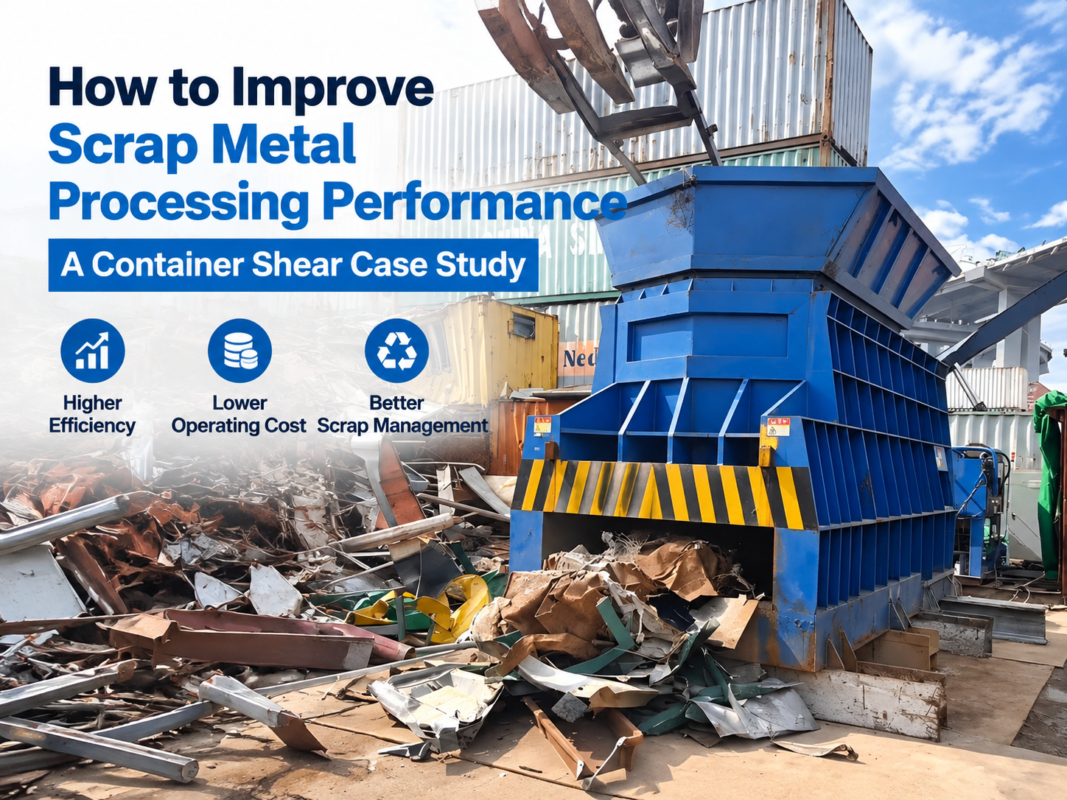
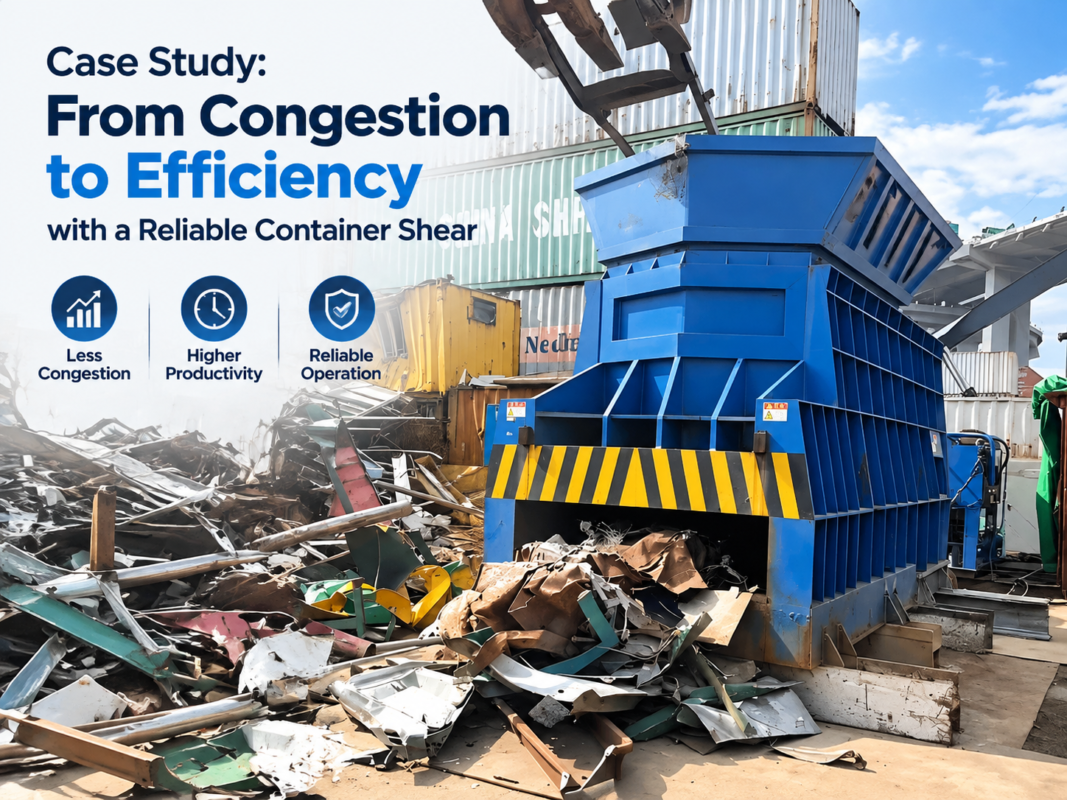
Choosing the right configuration is perhaps the most vital of the best practices for buying a container shear for efficient metal recycling. The first choice is between stationary and mobile (portable) units. Stationary units are ideal for established yards with a fixed workflow, offering easier maintenance access and stable foundation mounting. Mobile units, often equipped with a hook-lift system or trailer chassis, are essential for contractors who process scrap at different demolition sites.
The feeding mechanism also plays a huge role. Most modern container shears use a “gravity feed” or a “pusher” system. In a pusher system, a large hydraulic ram forces the scrap toward the shear head. The length of the feeding box (typically 5 to 7 meters) determines the size of the scrap you can load without pre-cutting. A longer box reduces the need for manual preparation with torches or smaller shears, thereby saving labor costs. Additionally, the inclusion of a pre-compression lid can help densify bulky scrap before it reaches the blades, ensuring a cleaner cut and higher density in the final product.
Control systems are the final piece of the configuration puzzle. Modern HARSLE container shears feature PLC (Programmable Logic Controller) systems with touch-screen interfaces. These systems allow operators to switch between different modes (e.g., heavy scrap vs. light aluminum) and provide real-time diagnostics. Remote control operation is also a highly recommended configuration, as it allows the excavator operator to trigger the shear cycles without leaving the cab, effectively turning a two-person job into a one-person operation.
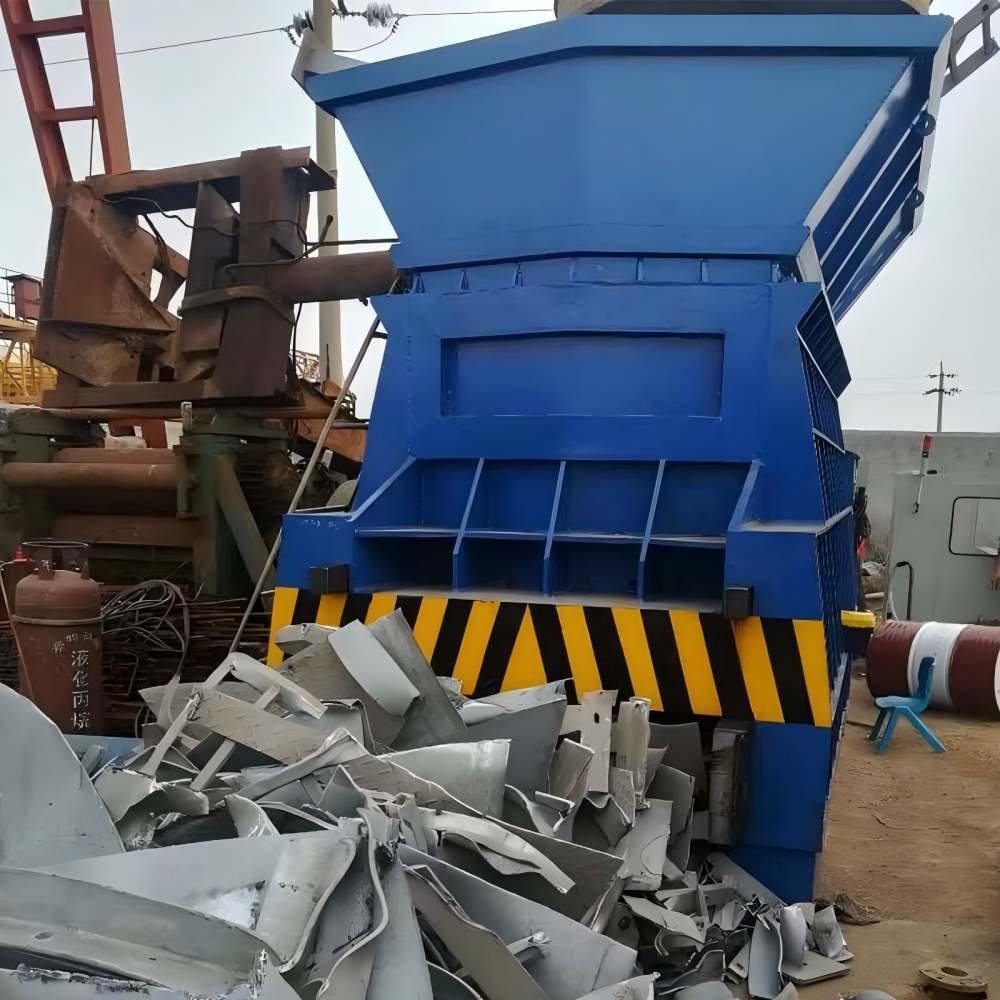
Hidden Costs: Beyond the Purchase Price
When budgeting for a container shear, many buyers overlook the secondary expenses that can impact the total cost of ownership. Installation and Site Preparation are the first hurdles. A container shear requires a reinforced concrete pad to handle the immense vibration and weight. If you are installing a stationary unit, you may also need to invest in electrical infrastructure upgrades to handle the high-kilowatt motors (often 45kW to 90kW or more).
Hydraulic Oil and Filtration: A large container shear can require 1,000 to 3,000 liters of high-grade hydraulic oil. This is a significant initial expense, and the oil must be filtered and cooled properly. If your climate is particularly hot or cold, you may need to invest in industrial oil coolers or heaters to maintain the correct viscosity. Neglecting oil maintenance is the fastest way to destroy expensive hydraulic pumps.
Consumables and Spare Parts: Shear blades are consumables. Depending on the material you process, blades may need to be rotated every few weeks and replaced every few months. You should always factor in the cost of a backup set of blades and the specialized bolts used to secure them. Furthermore, training your staff is a hidden but necessary cost. An untrained operator can easily damage the machine by loading non-shearable items (like solid steel shafts) or by failing to clear jams correctly.
ROI Calculation: Measuring the Value of Efficiency
The Return on Investment (ROI) for a container shear is calculated by comparing the increased value of processed scrap against the operational costs. Processed scrap (cut to 500mm or 600mm lengths) commands a significantly higher price at steel mills than unprocessed, bulky scrap. This is because processed scrap increases the furnace’s charging density and reduces melting time.
Consider a scenario where a yard processes 40 tons of scrap per day. By using a container shear, the yard can reduce its labor force by two torch cutters. If the price spread between unprocessed and sheared scrap is $30 per ton, the daily revenue increase is $1,200. Over a 22-day working month, that is $26,400 in additional profit. When you subtract the costs of electricity, maintenance, and financing, many businesses find that a high-quality HARSLE container shear pays for itself within 12 to 18 months. Furthermore, the ability to load more weight into a standard shipping container or truck (due to higher density) reduces logistics costs, further boosting the ROI.
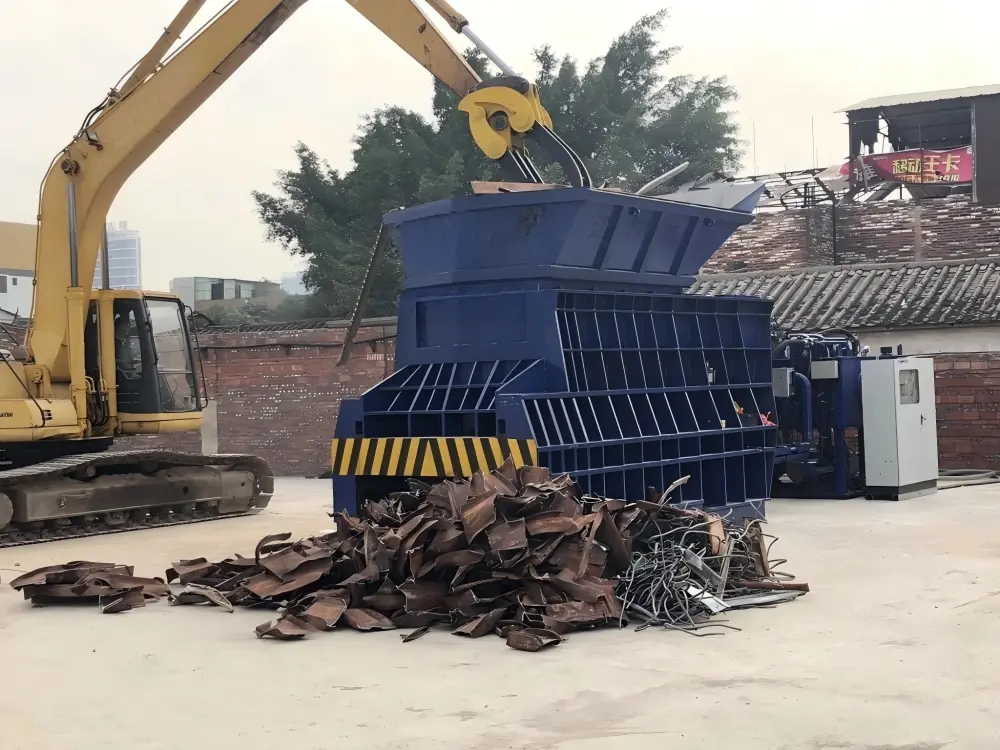
Buying Advice: Expert Tips for a Successful Purchase
To ensure you are following the best practices for buying a container shear for efficient metal recycling, start by analyzing your scrap stream. Do you primarily handle light tin and appliances, or are you processing heavy I-beams and plate steel? This will dictate the tonnage requirement. Never buy a machine that will be constantly running at its maximum pressure limit; it is always better to have 20% more capacity than you think you need.
Secondly, verify the manufacturer’s credentials. Ask for videos of the machine processing material similar to yours. If possible, visit a site where the machine is already in operation. Check the weld quality on the main cylinder mounts and the thickness of the hopper walls. A reputable manufacturer like HARSLE will provide detailed technical specifications and a clear warranty policy. Ensure that the manufacturer offers remote technical support, as many hydraulic or electrical issues can be solved quickly via a PLC diagnostic link.
Finally, consider the after-sales support and parts availability. A container shear is a wear-intensive machine. You need a partner who can ship blades, seals, and sensors quickly. Before signing the contract, ask for a recommended spare parts list and check if those parts are proprietary or if they can be sourced locally in an emergency. Choosing a machine with standardized components (like Siemens electronics) is often a wise long-term strategy.
Frequently Asked Questions (FAQ)
1. What is the difference between a container shear and a guillotine shear?
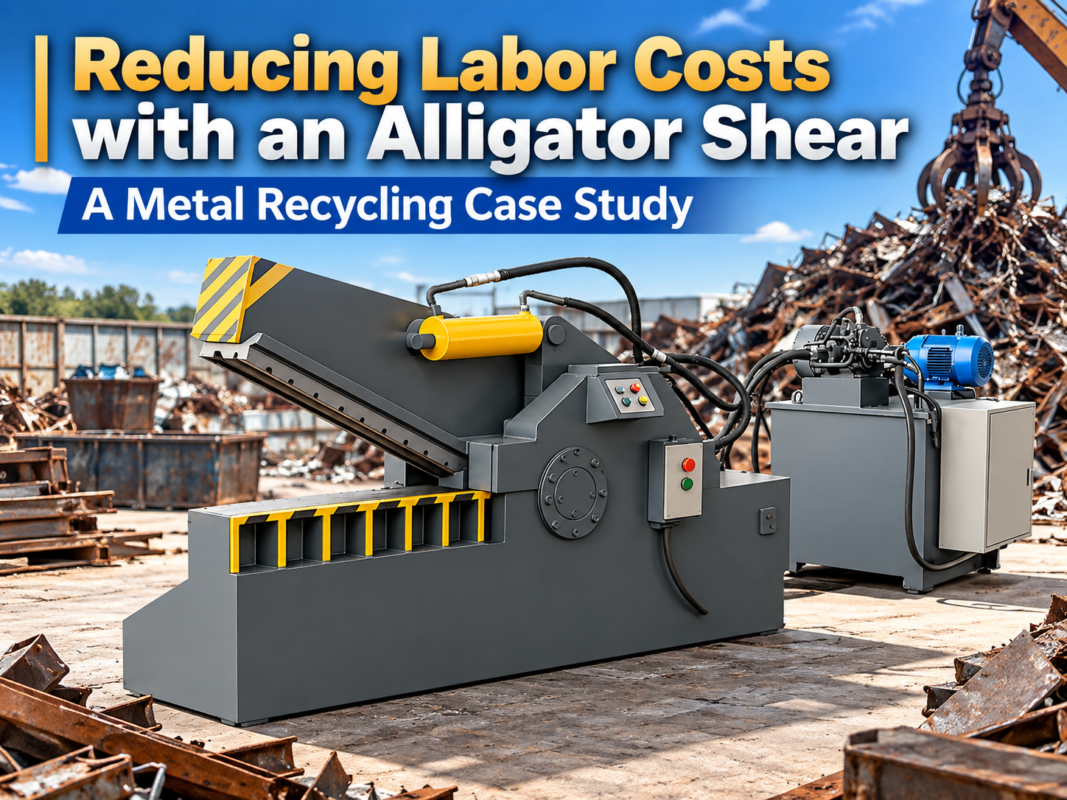
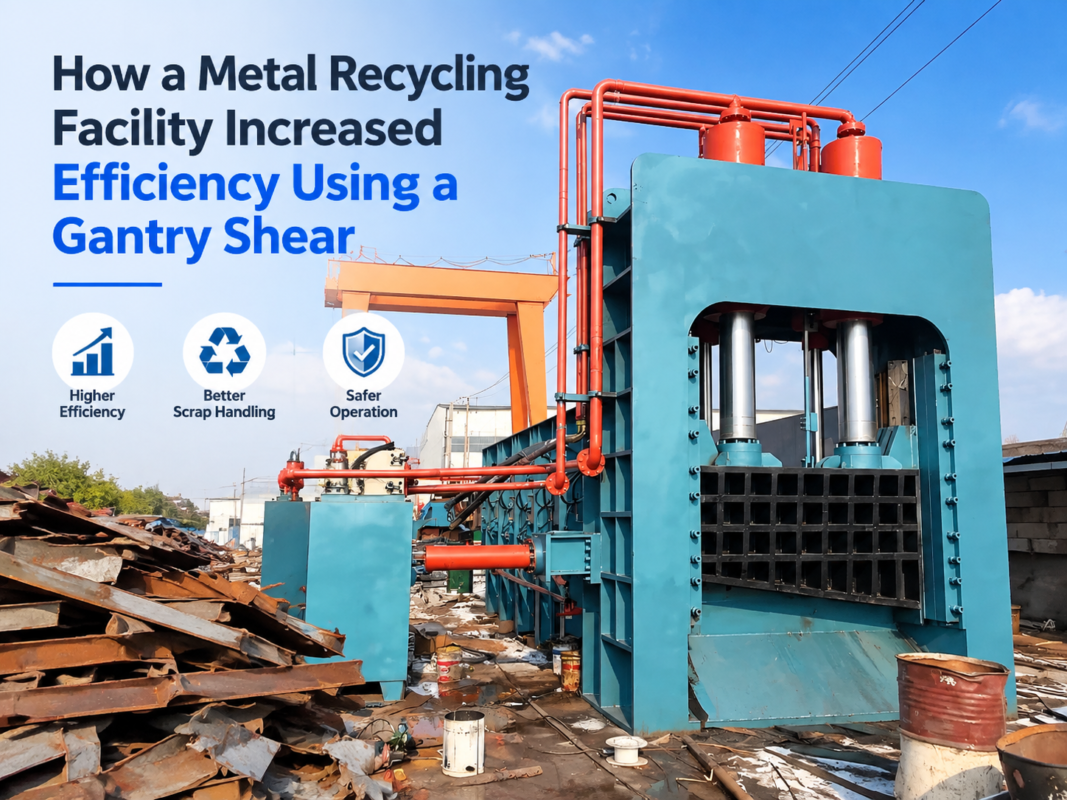
A guillotine shear is typically a large, stationary machine that uses a massive gravity-fed or lateral-compression wing system to process scrap. A container shear is more compact, often integrated into a container-like frame, and uses a horizontal pusher to feed material. Container shears are generally easier to install, more affordable, and can be moved more easily than traditional guillotine shears.
2. How often do the blades need to be changed?
Blade life depends entirely on the material being cut. If you are cutting clean, soft steel, blades can last for 500-800 hours before needing a rotation (most blades have 4 cutting edges). If you are processing sandy, dirty, or exceptionally hard scrap, you may need to rotate them every 200-300 hours. Regular sharpening and maintaining the correct blade gap are essential for longevity.
3. Can a container shear handle stainless steel or aluminum?
Yes, container shears are excellent for non-ferrous metals. However, stainless steel is much harder than carbon steel and will wear the blades faster. Aluminum is easy to cut but can sometimes “smear” or stick to the blades if the gap is too wide. Adjusting the pressure settings on your HARSLE machine can help optimize it for different metal types.
4. What kind of maintenance is required daily?
Daily maintenance includes checking hydraulic oil levels, inspecting for leaks, greasing all pivot points and slide ways, and ensuring the blade bolts are tight. It is also critical to clear any small debris that might have fallen behind the pusher ram or under the shear head to prevent mechanical interference.
5. Is it better to buy a new or used container shear?
While used machines have a lower upfront cost, they often come with hidden fatigue in the structure and worn hydraulic pumps. Given the extreme forces involved in scrap shearing, a new machine from a trusted manufacturer like HARSLE offers the security of a warranty, modern safety features, and the latest efficiency-boosting technology, which usually results in a lower total cost of ownership over five years.
6. How do I determine the right tonnage for my yard?
As a general rule: 400-500 tons is suitable for light scrap, sheet metal, and small pipes. 600-800 tons is the standard for general mixed scrap and automotive frames. 1000+ tons is required for heavy industrial scrap, thick I-beams, and large-scale demolition debris. Always consult with a HARSLE expert to match the tonnage to your specific material thickness.