Container Shear Buyer’s Guide: Key Specs, Features, and Performance Factors to Compare

Introduction to Container Shear Procurement
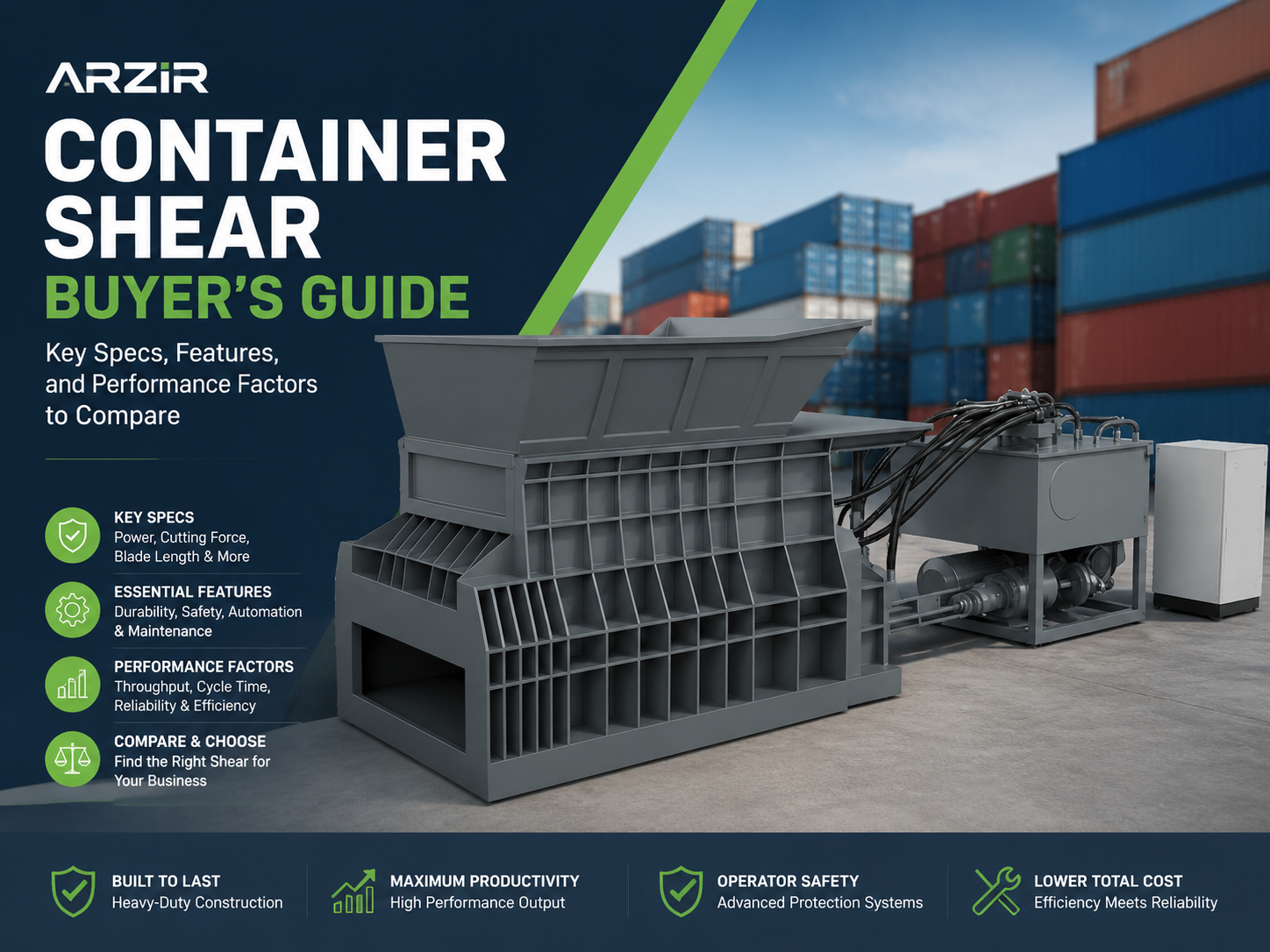
In the rapidly evolving landscape of metal recycling and industrial waste management, the container shear has emerged as a pivotal piece of machinery. Unlike traditional alligator shears or massive guillotine shears that require extensive foundation work, the container shear offers a unique blend of mobility, high throughput, and structural integrity. For businesses looking to scale their scrap processing capabilities, understanding the nuances of a Container Shear Buyer’s : Key Specs, Features, Performance Factors Compare is essential to making a high-return investment.
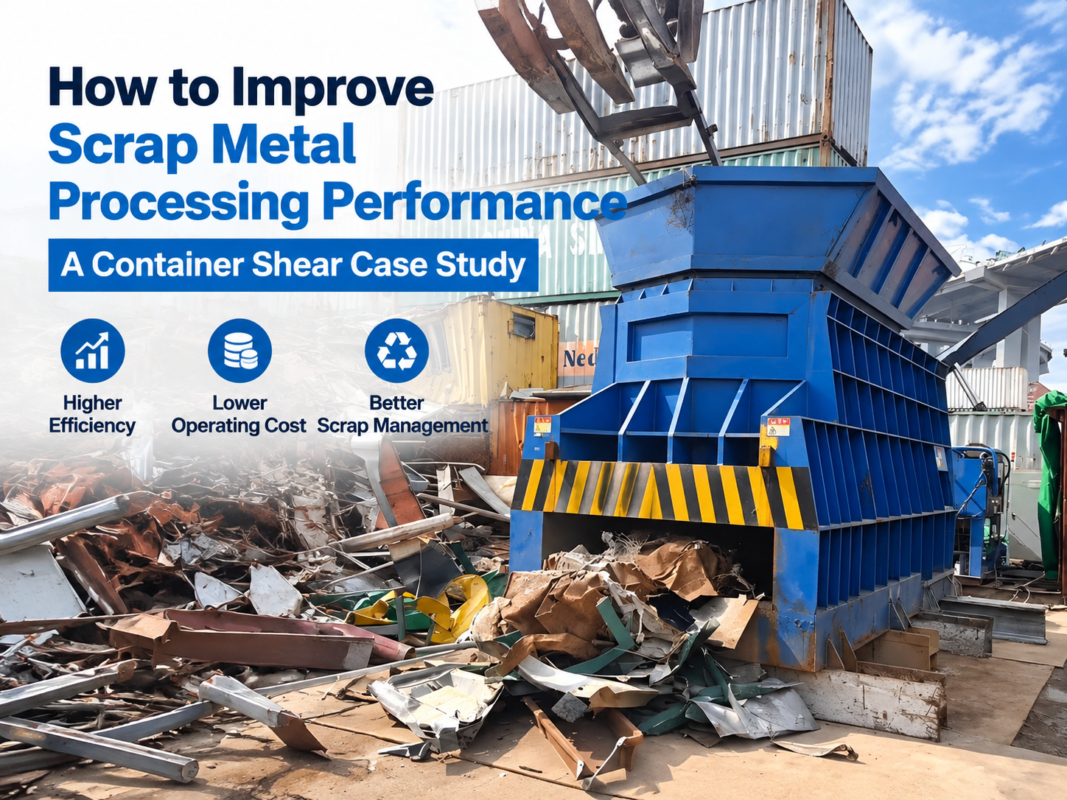
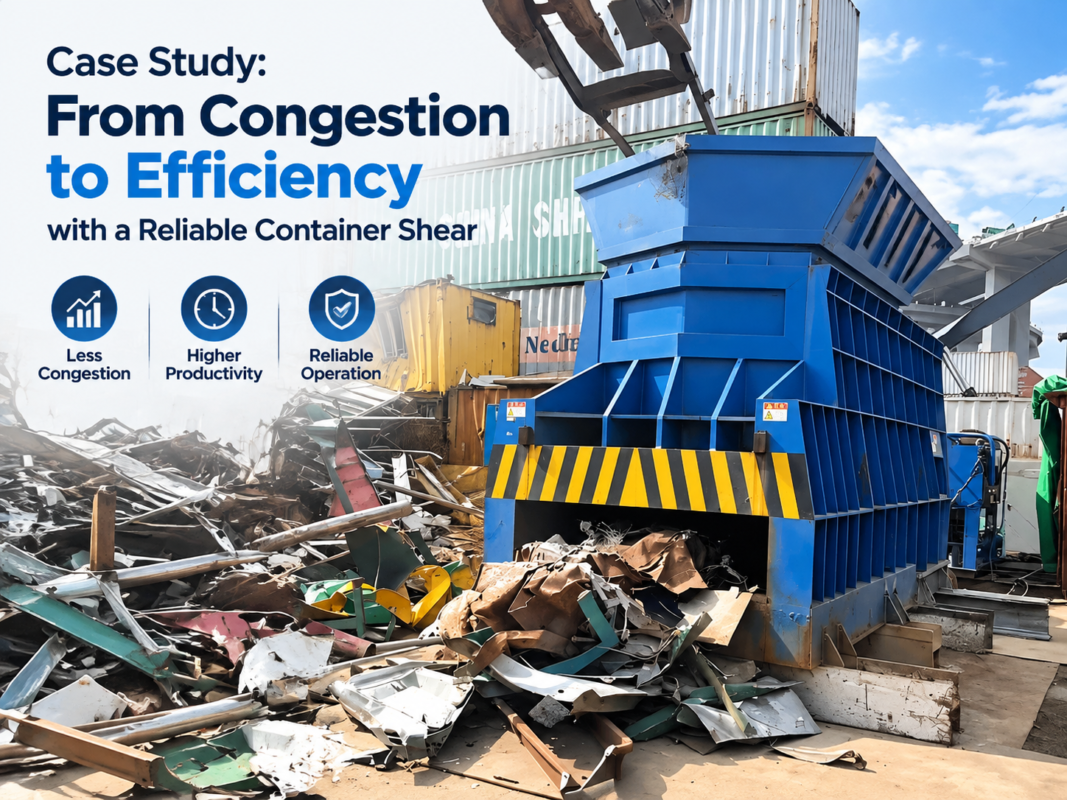
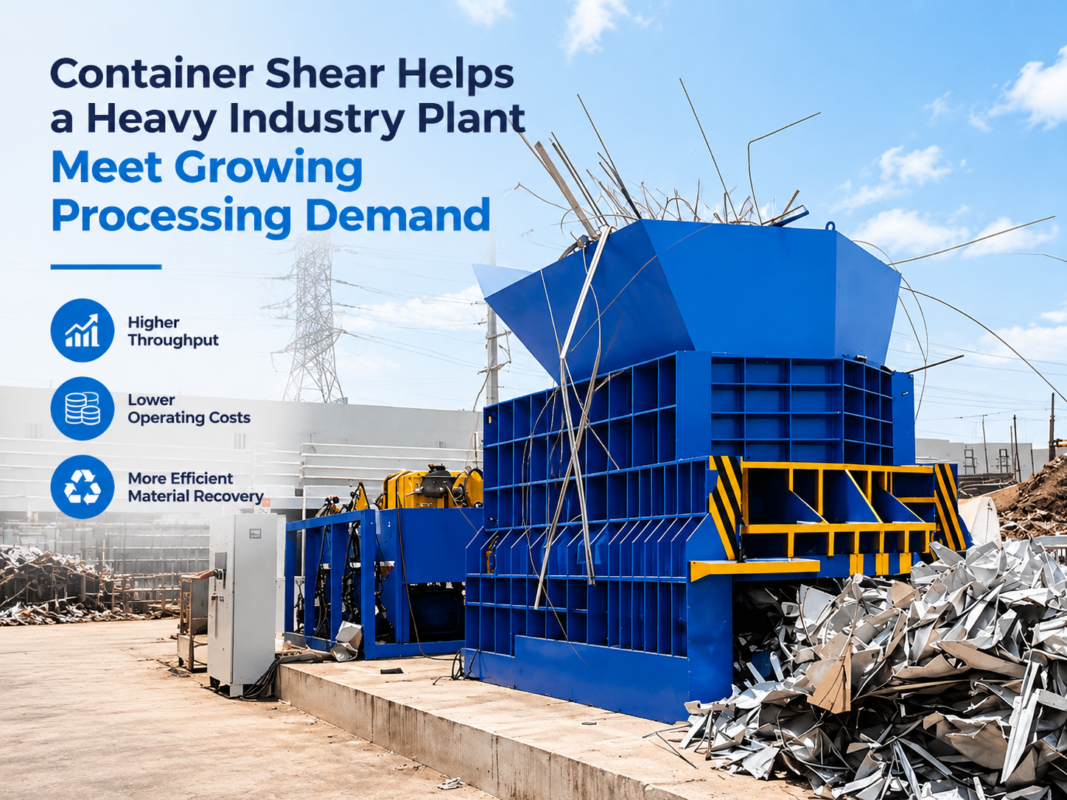
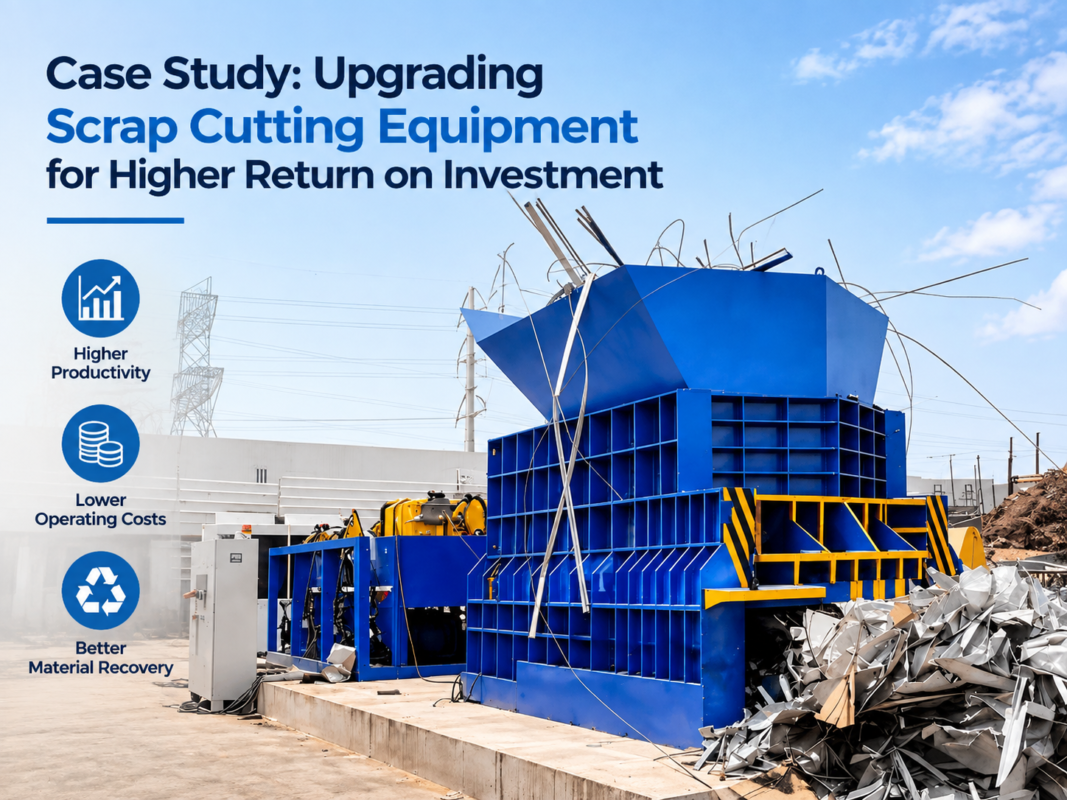
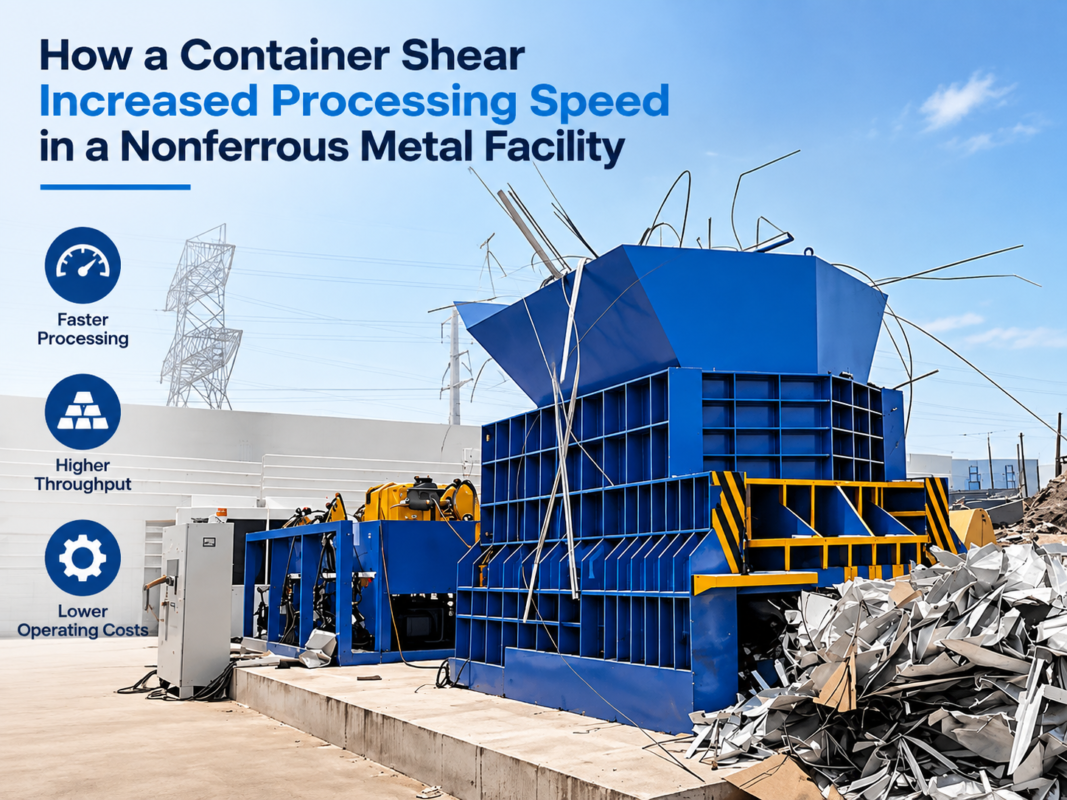
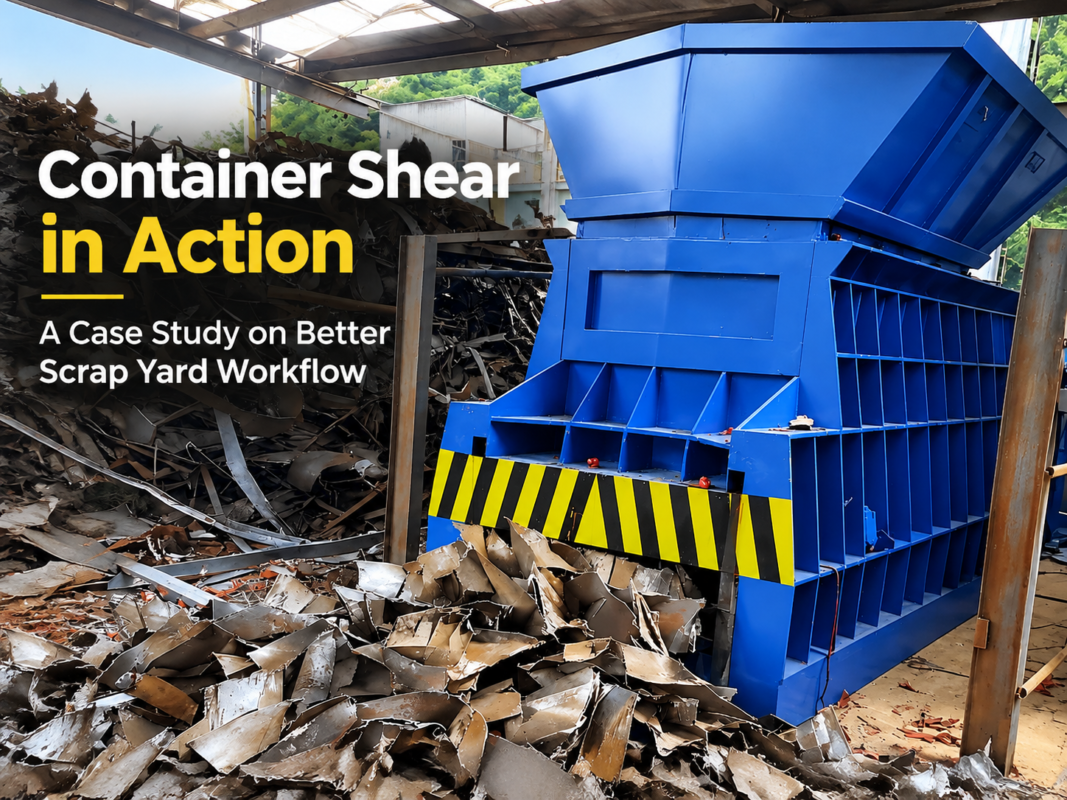
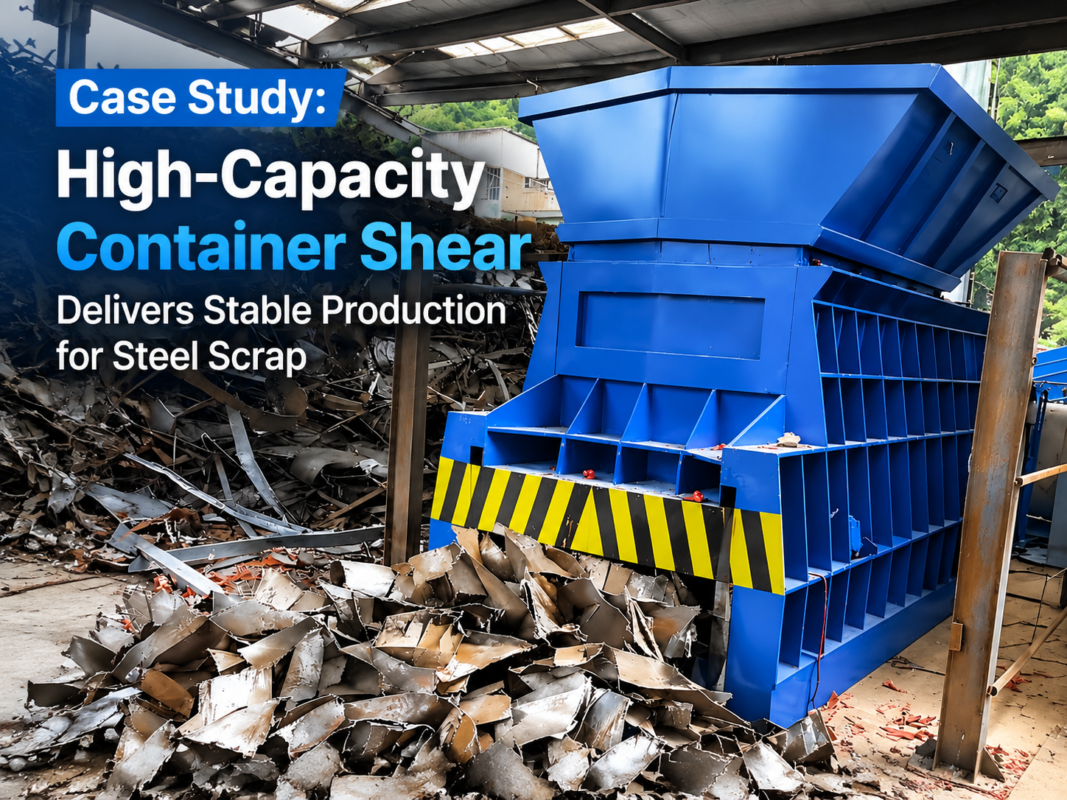
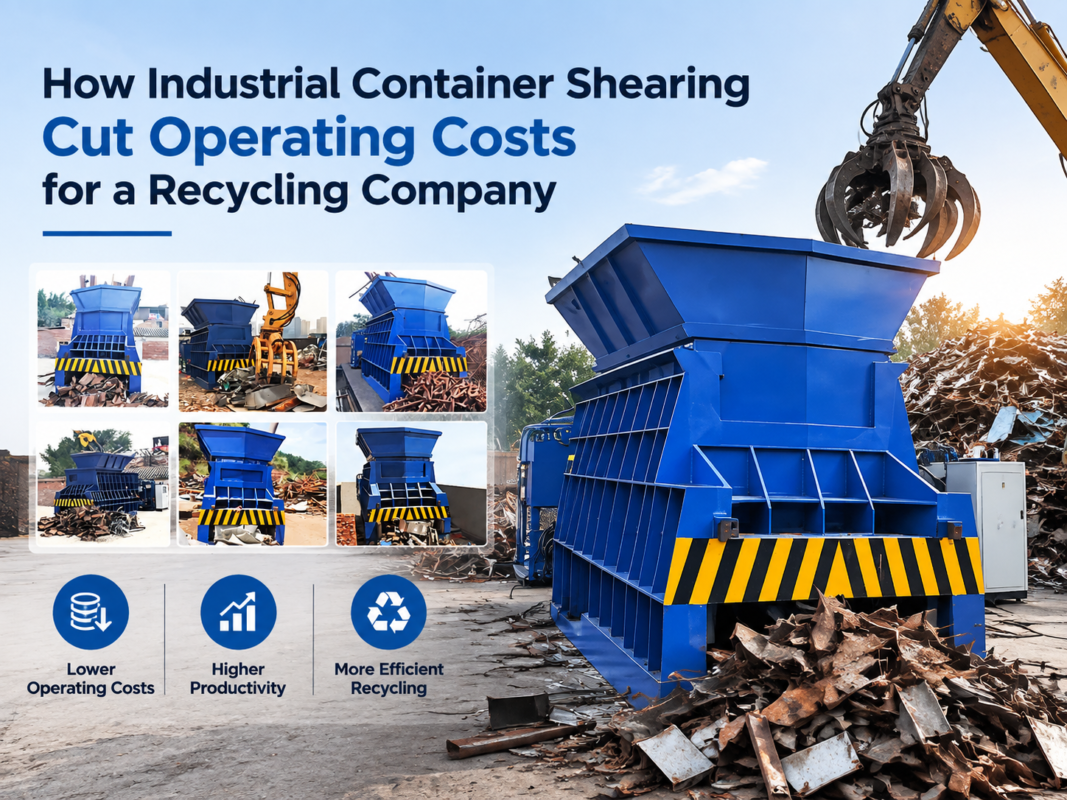
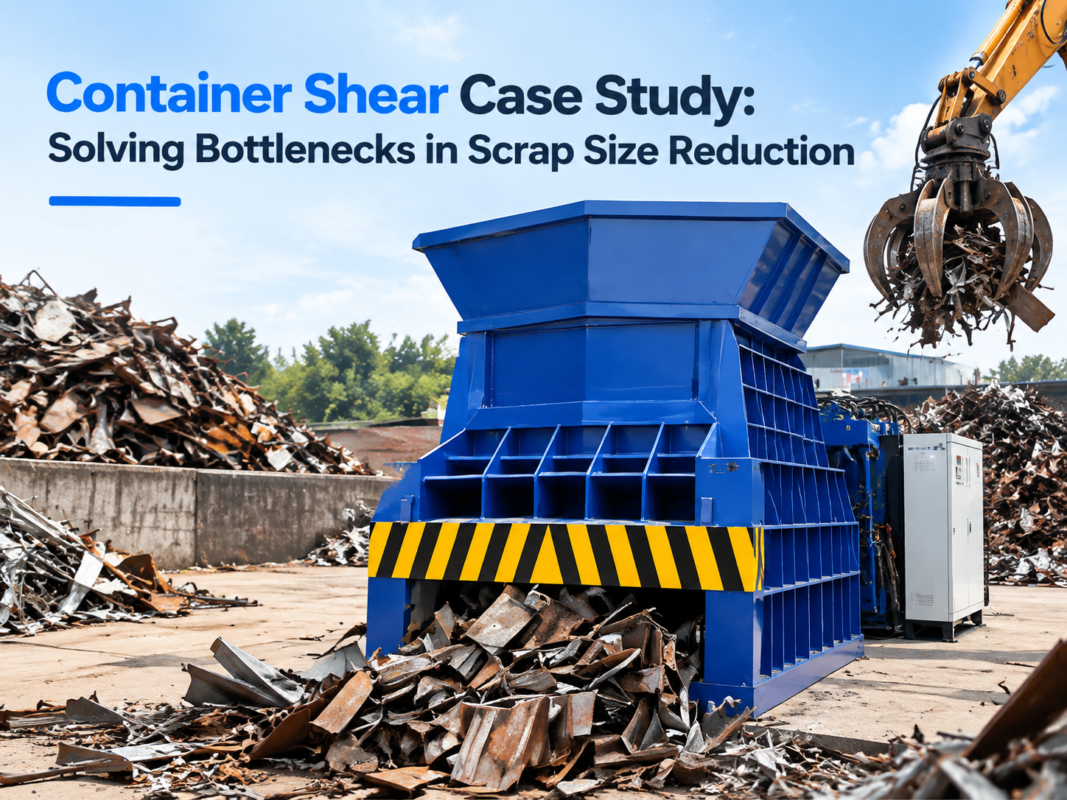
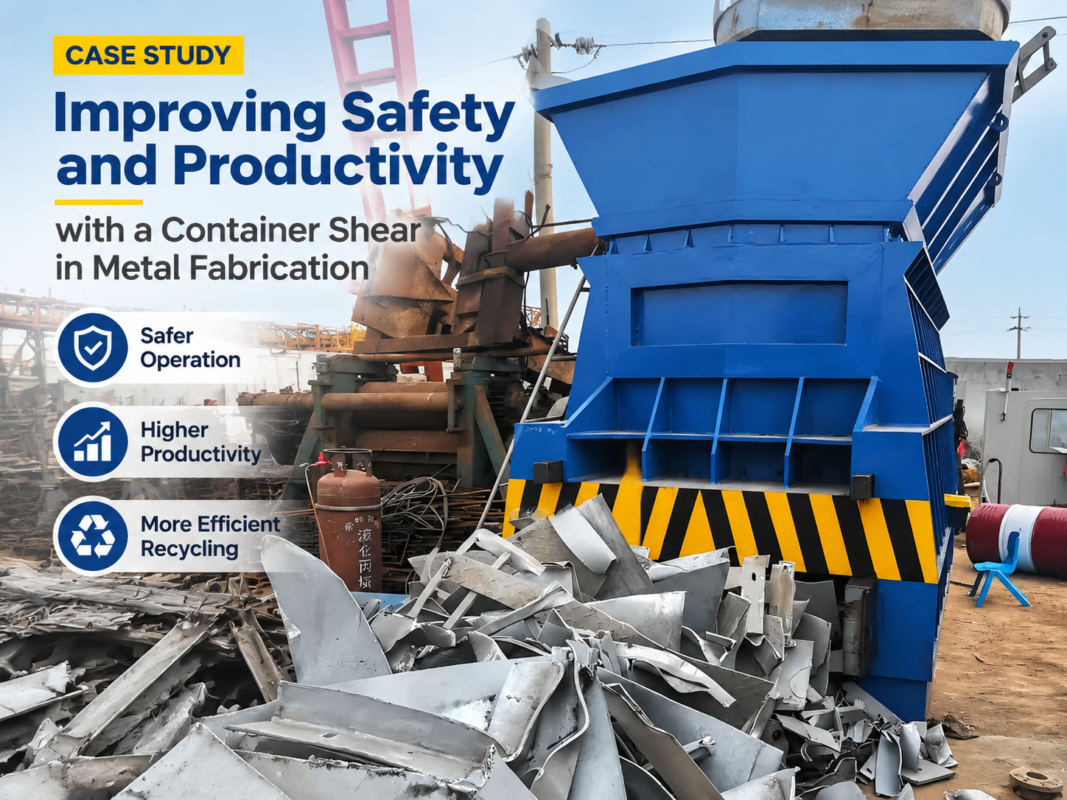
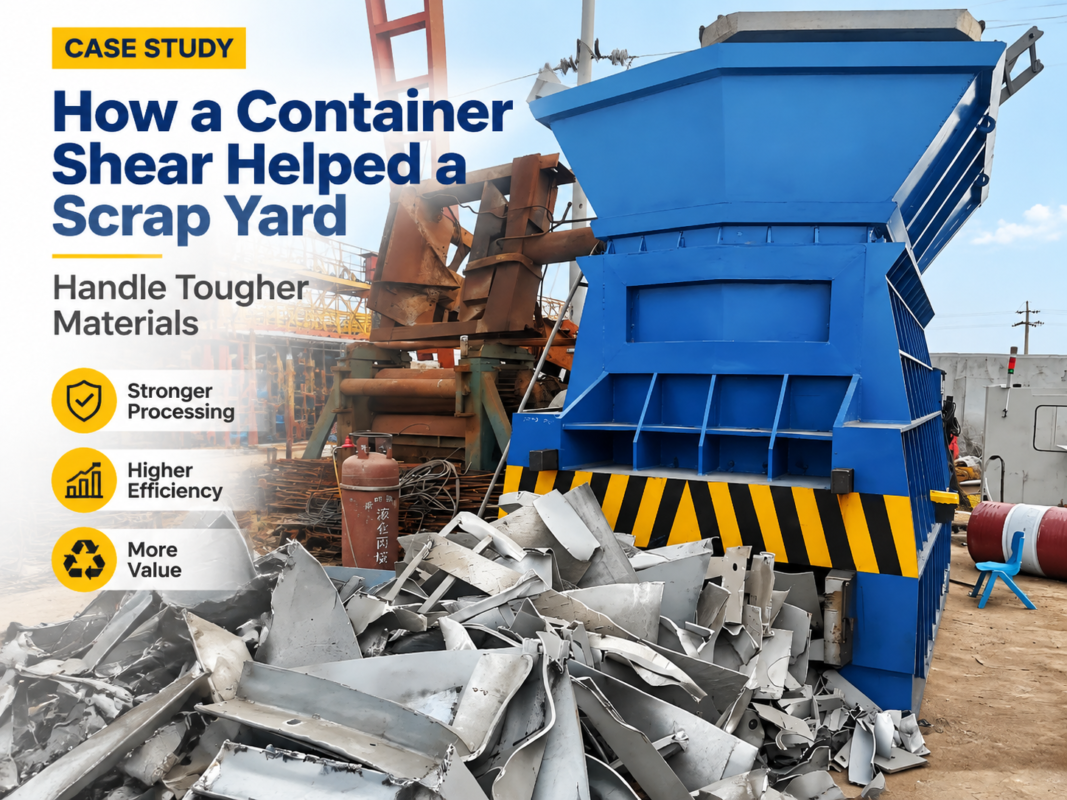
A container shear, often referred to as a horizontal scrap shear, is designed to process bulky metal waste into manageable, high-density pieces suitable for furnace charging. Its integrated design—combining the feeding box, shearing mechanism, and power unit into a single frame—allows for easier installation and relocation. However, the market is flooded with various models, ranging from light-duty units to heavy-industrial powerhouses. This guide aims to demystify the technical specifications and operational factors that differentiate a mediocre machine from a top-tier industrial asset.
Choosing the right machine involves more than just looking at the price tag. It requires a deep dive into hydraulic pressures, blade metallurgy, cycle times, and the long-term cost of ownership. As we explore this guide, we will provide the framework necessary to evaluate HARSLE’s offerings and other market alternatives, ensuring your facility is equipped with a tool that enhances productivity rather than becoming a maintenance bottleneck.
Price Range Overview: Understanding the Market Landscape
The price of a container shear can vary significantly based on its shearing force, feeding box dimensions, and the quality of integrated components. Generally, the market is divided into three primary tiers: entry-level/light-duty, mid-range industrial, and heavy-duty high-capacity shears. Understanding where your needs fall within these brackets is the first step in the procurement process.
Entry-level container shears, typically offering 400 to 500 tons of shearing force, are priced between $50,000 and $90,000. These machines are ideal for smaller scrap yards or facilities that process non-ferrous metals and light structural steel. While they offer the benefits of a containerized design, they may lack the advanced automation and high-speed hydraulic circuits found in more expensive models. They are excellent for businesses transitioning from manual labor to mechanized shearing.
Mid-range industrial shears, with forces ranging from 600 to 800 tons, usually fall between $100,000 and $180,000. This is the most popular segment for professional recycling centers. These machines often feature reinforced feeding boxes, PLC control systems (such as Siemens), and more robust hydraulic pumps (like Rexroth). They are capable of handling heavier HMS (Heavy Melting Scrap) and provide a balance between throughput and capital expenditure.
At the top end, heavy-duty container shears exceeding 1000 tons of force can cost upwards of $250,000 to $500,000. These are massive installations designed for 24/7 operation, processing thick plate steel, large pipes, and heavy industrial demolition scrap. The price reflects the massive amount of high-grade steel used in the frame, the complexity of the multi-pump hydraulic systems, and the inclusion of remote monitoring and advanced cooling systems for continuous use in extreme climates.
Main Cost Drivers: What Are You Really Paying For?
When comparing quotes, it is vital to identify the specific components and design choices that drive the cost. The most significant cost driver in a container shear is the hydraulic system. High-end machines utilize variable displacement piston pumps and logic valves from reputable brands like Bosch Rexroth or Vickers. These components are more expensive but offer significantly higher efficiency, lower heat generation, and a much longer service life compared to generic alternatives.
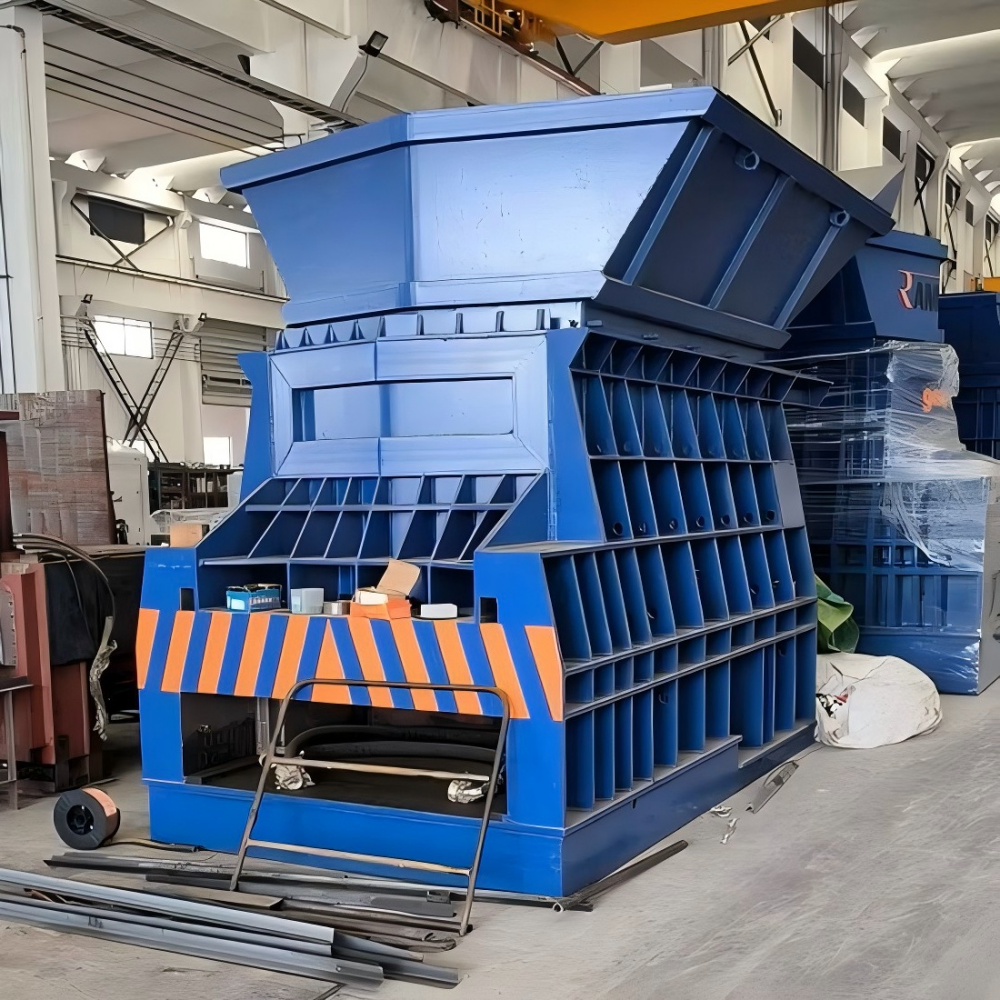
The quality of the steel used in the construction of the feeding box and the shear head is another critical factor. Premium manufacturers like HARSLE use wear-resistant plates, such as Hardox 500 or equivalent high-manganese steel, to line the areas in contact with scrap. This prevents the frame from deforming under the immense pressure of the scrap being compressed and sheared. A cheaper machine might use standard carbon steel, which will wear out rapidly, leading to costly structural repairs within just a few years of operation.
Automation and control systems also play a role. A machine equipped with a full PLC (Programmable Logic Controller) and a touch-screen HMI (Human Machine Interface) allows for precise control over the shearing cycle, pressure settings, and diagnostic monitoring. This technology reduces the risk of operator error and allows for “auto-cycle” modes where the machine feeds and shears scrap autonomously. While this adds to the initial cost, the reduction in labor and the increase in safety provide a clear justification for the expense.
Configuration Impact: Matching Specs to Production Goals
The configuration of your container shear should be dictated by the type of scrap you process and your daily volume targets. The most important spec to compare is the Shearing Force. This is the maximum pressure the main cylinder can exert on the blades. If you primarily process light aluminum or thin sheet metal, a 400-ton shear is sufficient. However, for heavy structural beams or thick-walled pipe, you will need at least 630 to 800 tons to ensure clean cuts without stalling the hydraulics.
The Feeding Box Size is equally important. A longer and wider box allows you to load larger pieces of scrap without pre-cutting them with a torch. This saves significant labor costs. Standard box lengths range from 5 meters to 8 meters. If your scrap source consists of long pipes or automotive frames, investing in a longer feeding box is a strategic move that directly impacts your hourly throughput. Furthermore, the “compression style” of the box—whether it uses a side-press or a simple gravity feed with a pusher—affects how well the scrap is pre-compacted before it reaches the blades.
Another performance factor is the Cycle Time. This refers to the time it takes for the pusher to advance, the shear to drop, and the system to reset. High-performance shears utilize “fast-fill” valves and regenerative hydraulic circuits to speed up the idle movements of the cylinders. A machine that completes a cycle in 60 seconds will process twice as much material as one that takes 120 seconds, assuming the box capacity is the same. When evaluating Container Shear Buyer’s : Key Specs, Features, Performance Factors Compare, always ask for the dry cycle time and the estimated cycles per hour under load.
Hidden Costs: Beyond the Initial Purchase
The “sticker price” of a container shear is only part of the financial equation. Buyers must account for several hidden costs that can impact the total cost of ownership (TCO). One of the most overlooked aspects is Site Preparation and Installation. While container shears are “portable” compared to guillotine shears, they still require a level, reinforced concrete pad to handle the vibration and weight of the machine (which can exceed 40-80 tons). Failure to provide a stable foundation can lead to frame misalignment and premature hydraulic seal failure.
Electricity Consumption is a recurring operational cost that varies wildly between models. A machine with an inefficient hydraulic design will waste energy as heat, requiring larger cooling fans and more kilowatts per ton of processed scrap. Look for machines with IE3 rated motors and variable frequency drives (VFDs) that can reduce power consumption during idle periods. Over a five-year period, the difference in electricity bills between an efficient and an inefficient shear can amount to tens of thousands of dollars.
Wear Parts and Maintenance are the final pieces of the hidden cost puzzle. The shear blades are consumable items. You must compare the cost of replacement blades and the ease with which they can be rotated or sharpened. Some designs allow for four-sided blade rotation, effectively quadrupling the life of a single set. Additionally, consider the availability of hydraulic filters and seals. Choosing a manufacturer like HARSLE that uses standardized, globally available components ensures that you won’t be held hostage by proprietary parts with long lead times and high markups.
ROI Calculation: When Will the Machine Pay for Itself?
Calculating the Return on Investment (ROI) for a container shear involves comparing the “before and after” costs of your scrap processing. The primary driver of ROI is the Value Add of sheared scrap. Loose, bulky scrap is expensive to transport and fetches a lower price at the mill. Sheared scrap, processed to “Grade 1” or “Grade 2” specifications, has a higher bulk density, allowing you to fit more weight into every truckload or shipping container, drastically reducing logistics costs.
Consider this example: If a container shear allows you to increase your average truckload weight from 15 tons to 25 tons, you are reducing your transport costs by 40% per ton. If you process 1,000 tons per month, and the transport saving is $10 per ton, that is a $10,000 monthly saving on logistics alone. When you add the price premium paid by steel mills for processed scrap (often $20-$40 more per ton than unprocessed scrap), the monthly revenue increase can easily exceed $30,000.
Subtract your monthly operating costs—including electricity ($2,000), labor ($4,000), and maintenance reserves ($1,500)—and you are left with a net monthly gain of $22,500. For a machine costing $150,000, the payback period would be less than 7 months. This aggressive ROI is why container shears are considered one of the most profitable investments in the recycling industry, provided the machine is matched correctly to the volume and type of scrap available.
Buying Advice: A Checklist for Success
Before signing a purchase agreement, it is critical to perform due diligence. The following checklist will help you navigate the final stages of the buying process and ensure that the Container Shear Buyer’s : Key Specs, Features, Performance Factors Compare exercise leads to the right choice.
- Verify the Blade Gap Adjustment: Ask how the blade gap is maintained. A precise, easily adjustable blade gap is essential for clean shearing and preventing “folding” of thin materials, which can jam the machine.
- Check the Cooling System: If you operate in a hot climate, ensure the machine has an oversized industrial oil cooler. Hydraulic oil that exceeds 60°C will rapidly degrade and damage pumps.
- Request a Video Test: If you cannot visit the factory, request a video of the specific machine you are buying processing the exact type of scrap you intend to handle. Watch for smooth cylinder transitions and any signs of structural flexing.
- Evaluate the Frame Construction: Look for a “monoblock” or heavily welded box design. Avoid machines that rely heavily on bolts in high-stress areas, as these will loosen over time due to vibration.
- Assess After-Sales Support: Does the manufacturer offer remote diagnostics? Can they ship critical wear parts within 48 hours? A machine that is down for three weeks waiting for a seal kit is a massive liability.
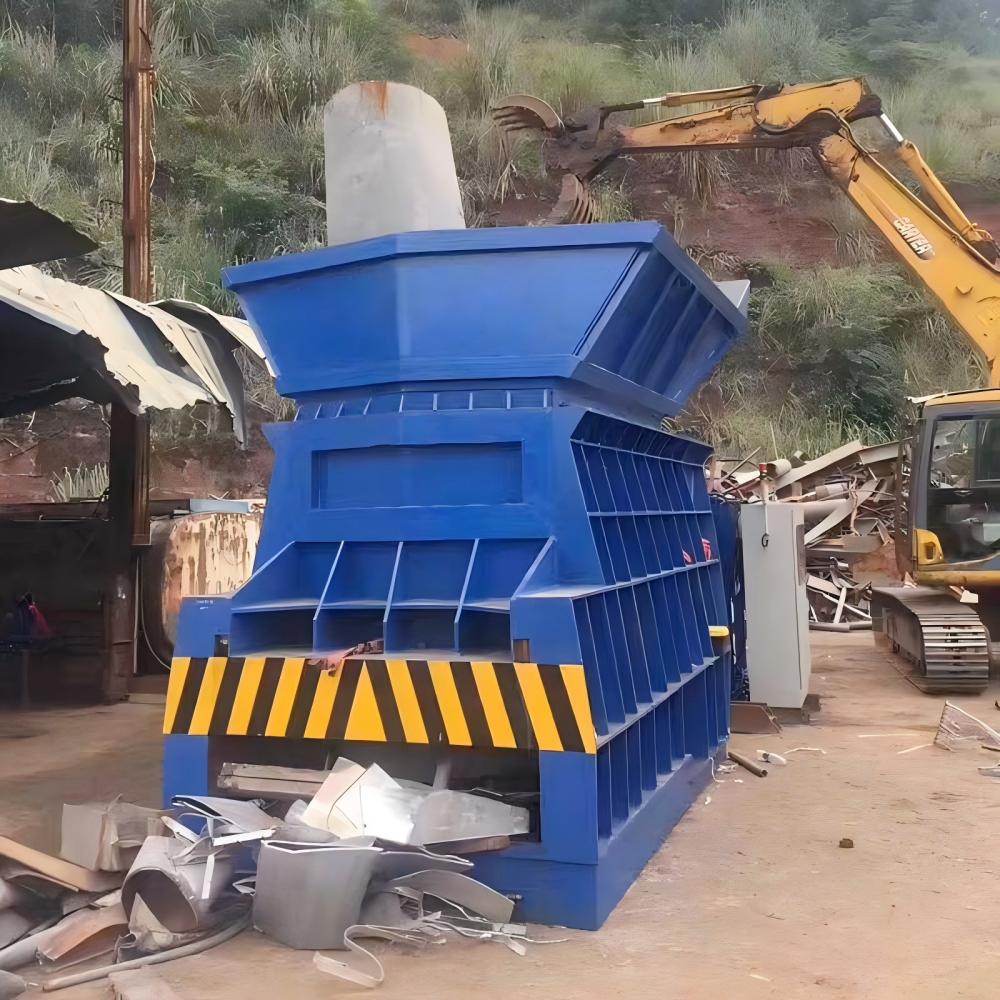
Finally, consider the reputation of the manufacturer. HARSLE has built a global reputation for providing robust metal fabrication and recycling machinery that balances performance with affordability. By focusing on standardized components and heavy-duty structural engineering, HARSLE machines are designed to withstand the rigors of a scrap yard environment while remaining accessible to medium-sized enterprises.
Frequently Asked Questions (FAQ)
What is the lifespan of a container shear?
With proper maintenance, a high-quality container shear can last 10 to 15 years in a heavy-duty recycling environment. The frame and main cylinders are designed for longevity, while wear parts like blades and liners will need replacement every 6 to 12 months depending on volume.
Can a container shear handle car bodies?
Yes, most container shears with a feeding box of 6 meters or longer and at least 600 tons of force can process car bodies. However, it is often more efficient to remove the engine and heavy drivetrain components first, or use a dedicated car baler if volume is extremely high.
How often should the hydraulic oil be changed?
Hydraulic oil should typically be changed every 2,000 to 4,000 operating hours. However, regular oil analysis is recommended to monitor for contamination and oxidation. Keeping the oil clean and cool is the single most important factor in extending the life of the hydraulic pumps.
Is a container shear better than a guillotine shear?
It depends on your needs. A guillotine shear is better for massive, stationary volumes (20+ tons per hour) but requires a multi-million dollar investment and permanent foundations. A container shear is more flexible, easier to install, and significantly more cost-effective for most regional scrap yards.
What safety features should I look for?
Essential safety features include emergency stop buttons at multiple stations, hydraulic pressure relief valves, safety interlocks on the access doors, and ideally, a remote control system that allows the operator to stay at a safe distance from the feeding box during operation.
Does HARSLE provide installation support?
Yes, HARSLE typically provides comprehensive installation guides, video support, and can dispatch engineers for on-site commissioning and operator training to ensure the machine is set up for maximum productivity from day one.