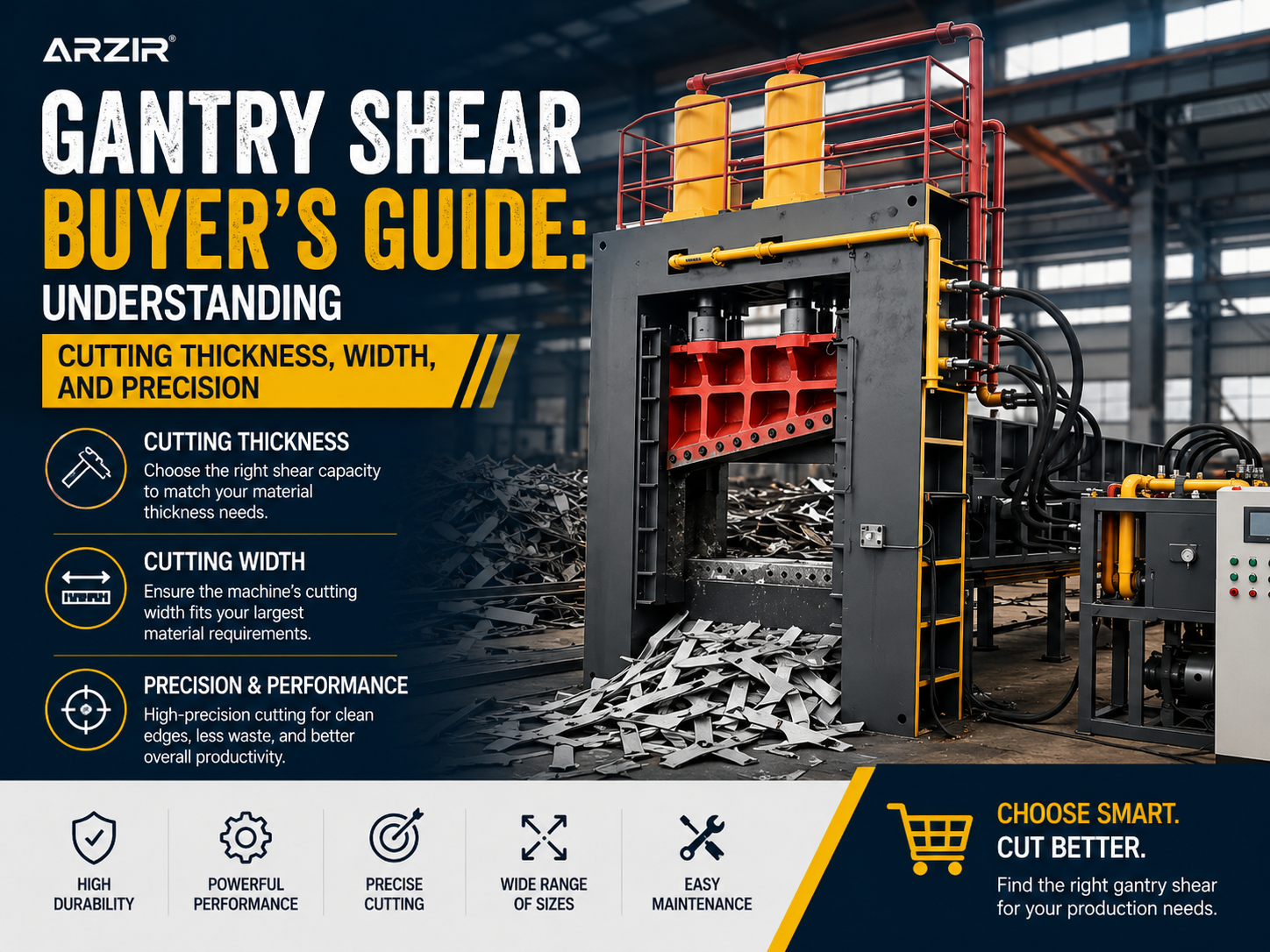
Gantry Shear Buyer’s Guide: Understanding Cutting Thickness, Width, and Precision

Introduction to Gantry Shear Procurement
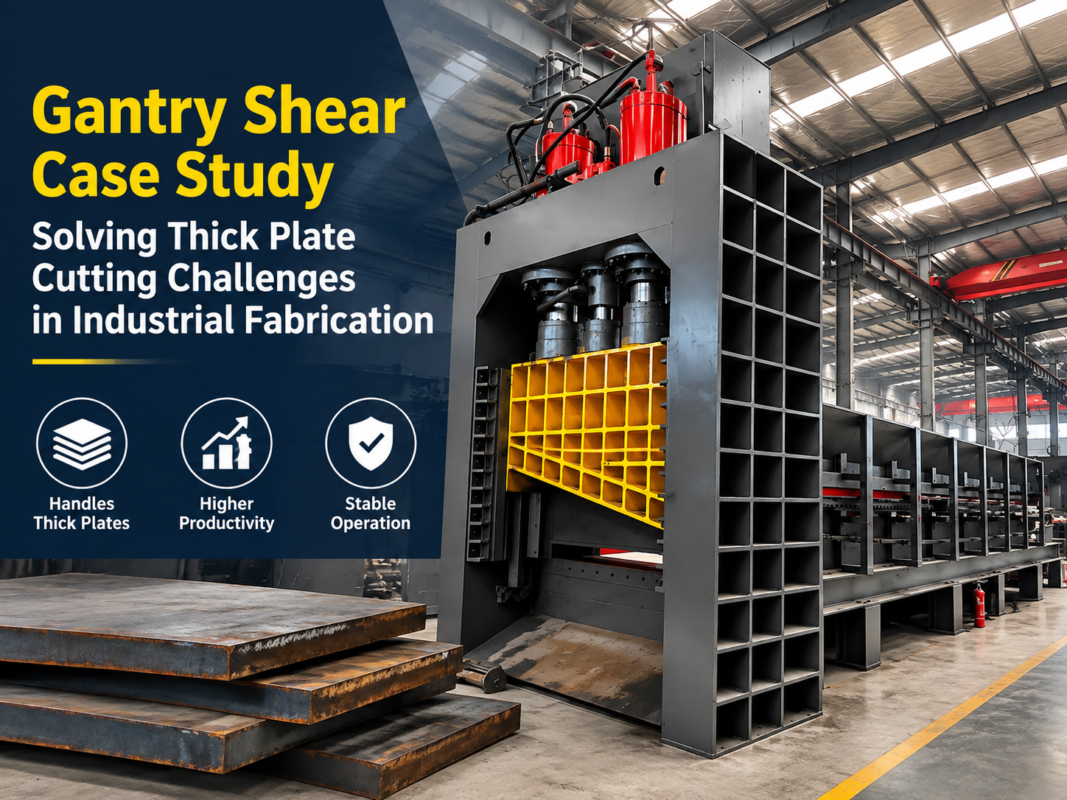
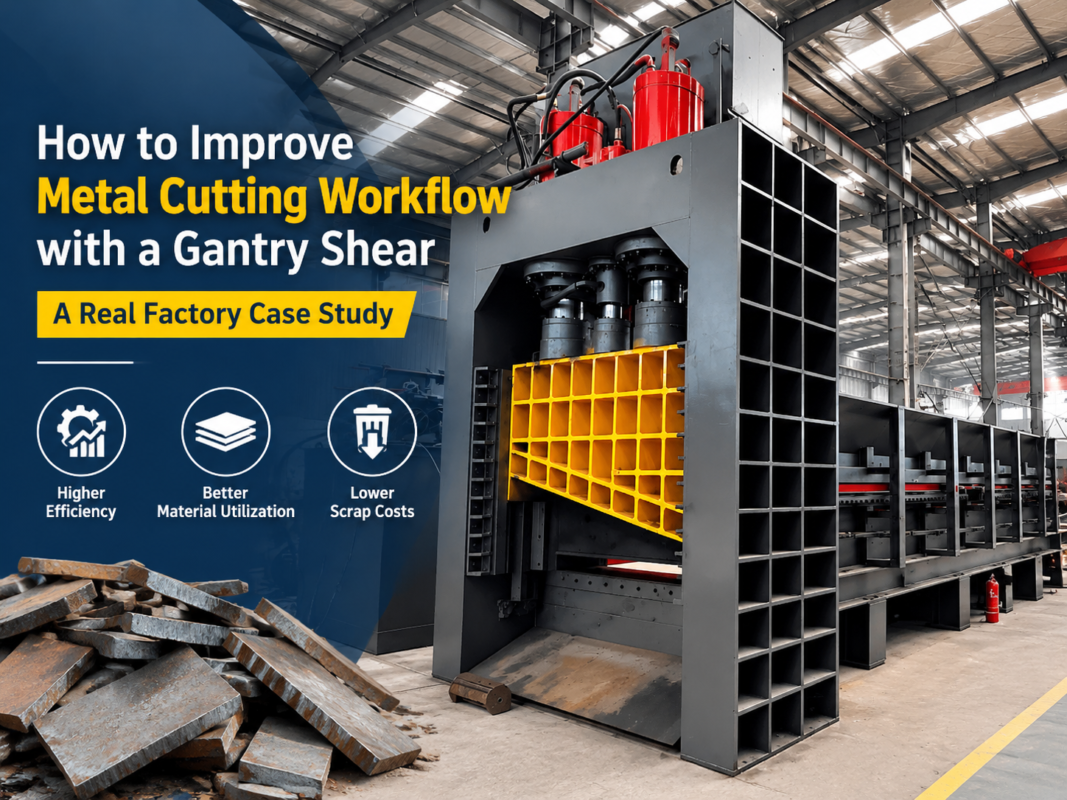
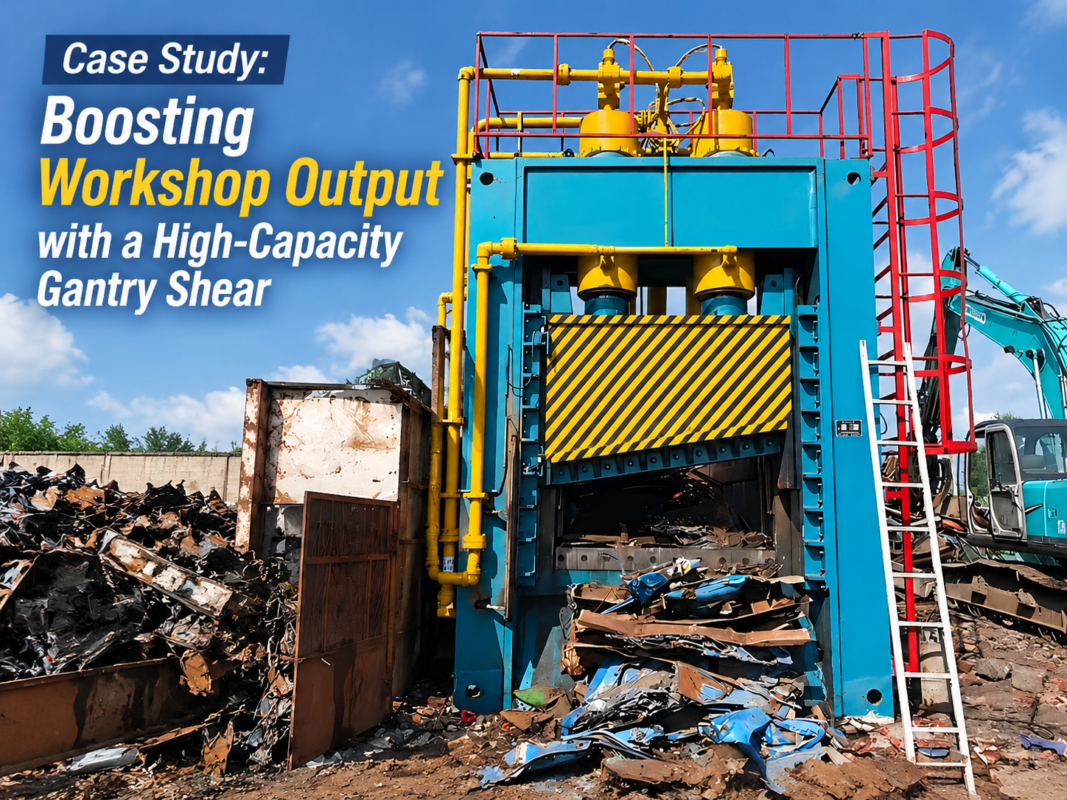
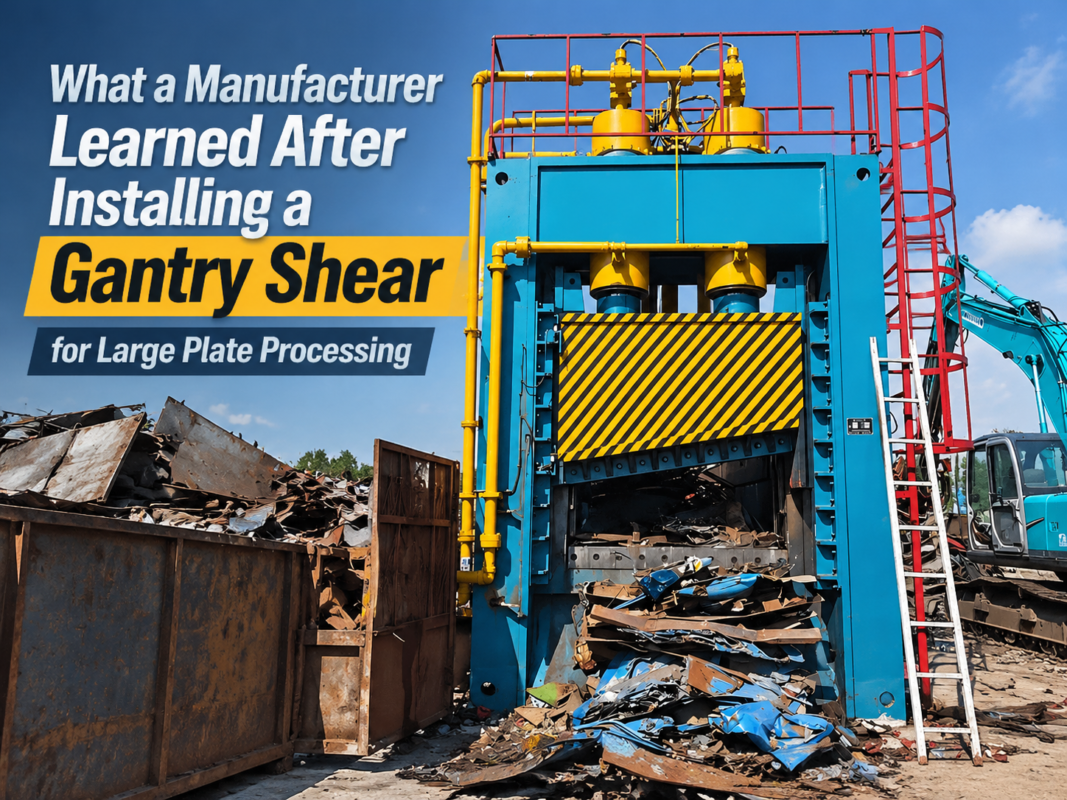
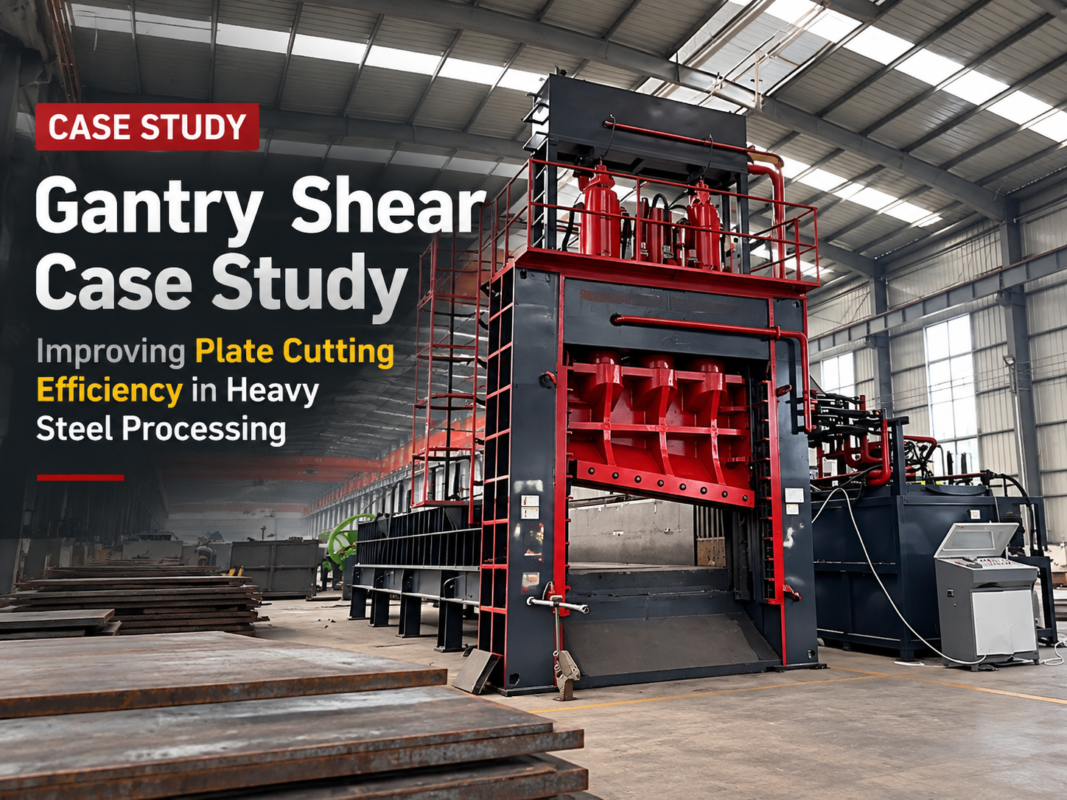
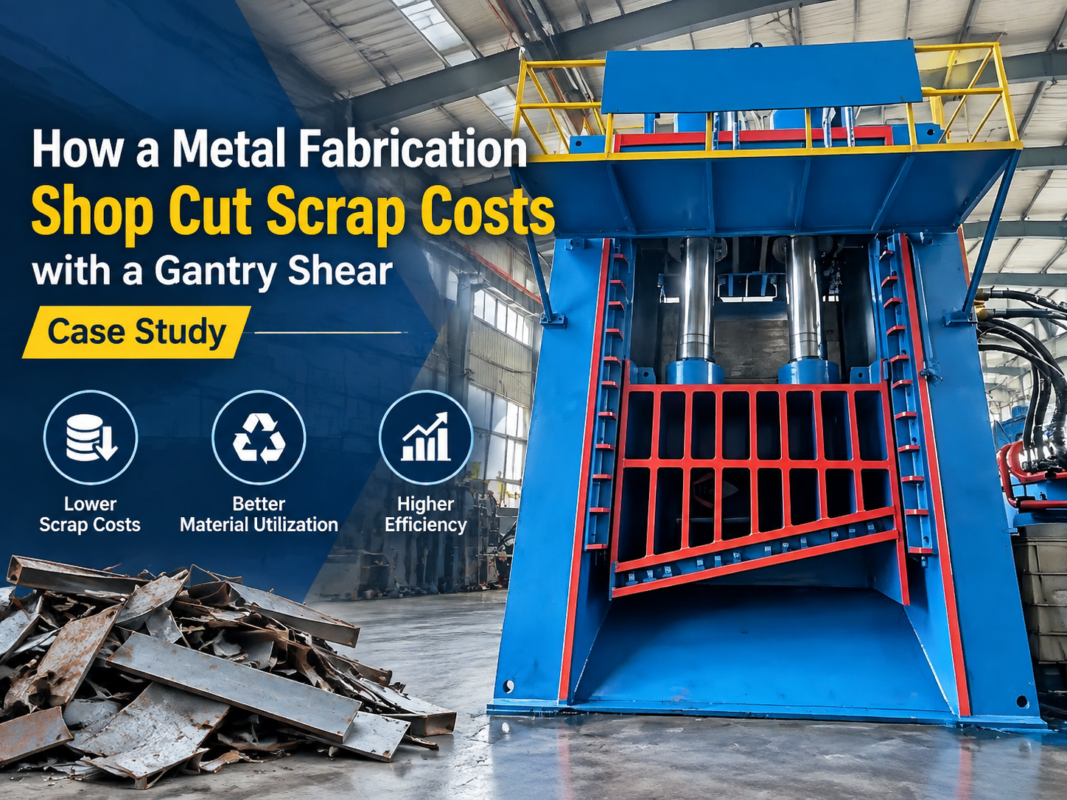
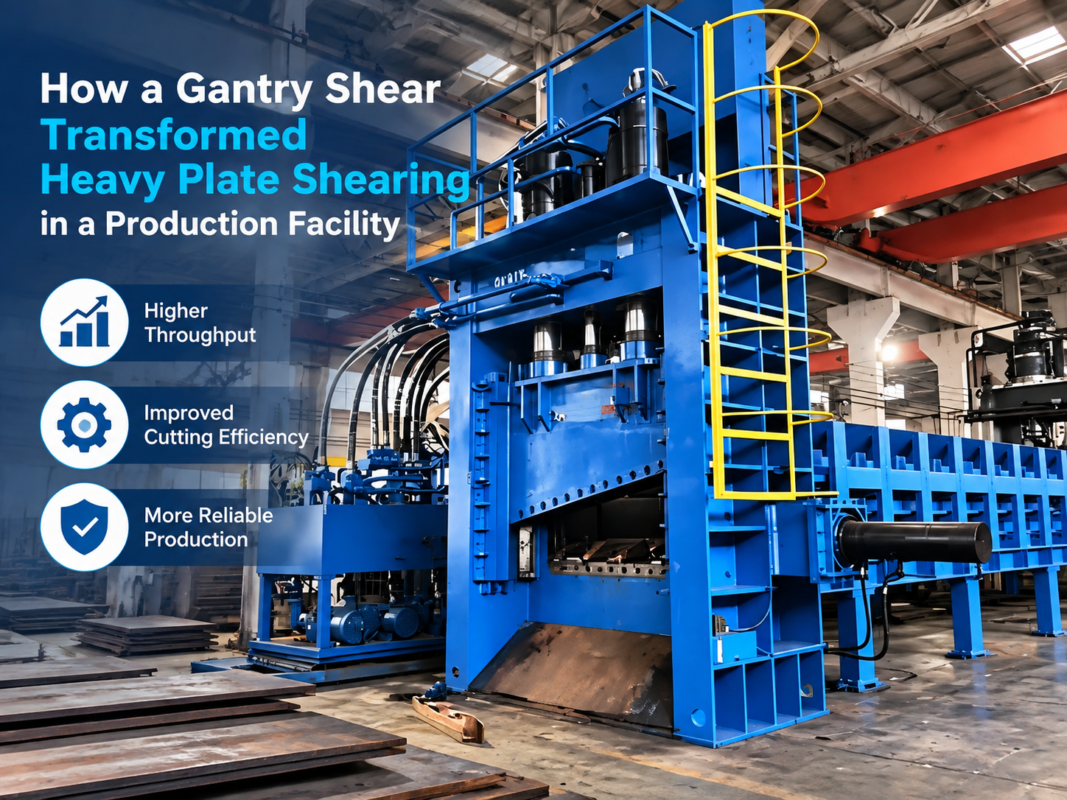
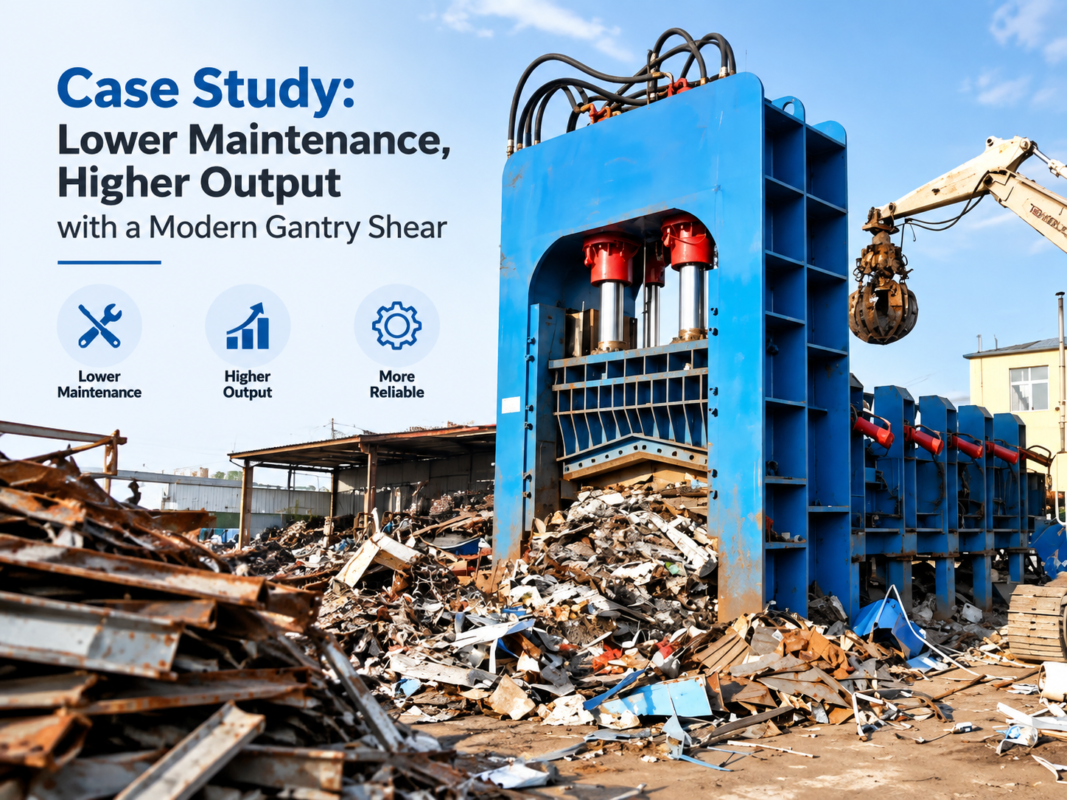
In the heavy-duty world of metal recycling and industrial fabrication, the gantry shear stands as a titan of efficiency. Designed to process large volumes of scrap metal, steel plates, and structural beams, these machines are essential for operations that require high-force cutting and continuous throughput. However, investing in a gantry shear is a significant capital expenditure. Navigating the technical specifications—specifically cutting thickness, width, and precision—is critical to ensuring that the machine you purchase aligns with your production goals and material requirements.
This Gantry Shear Buyer’s Guide: Understanding Cutting Thickness, Width, and Precision is designed to provide factory owners, procurement managers, and engineers with a deep dive into the mechanics and economics of these powerful machines. At HARSLE, we understand that a shear is more than just a blade; it is the heartbeat of a scrap yard or a fabrication shop. Choosing the wrong configuration can lead to bottlenecks, premature wear, or unnecessary energy costs. This guide will break down everything from initial pricing to long-term ROI, helping you make an informed decision for your facility.
Price Range Overview: What to Expect
The price of a gantry shear is primarily determined by its cutting force (tonnage) and its level of automation. Because these machines range from 400 tons to over 2,000 tons of pressure, the price spectrum is broad. Understanding where your needs fall on this spectrum is the first step in budgeting for your equipment.
Entry-Level and Mid-Range Shears
Entry-level gantry shears, typically in the 400 to 630-ton range, are suitable for smaller scrap yards or fabrication shops processing light to medium-gauge materials. These machines often range from $40,000 to $80,000. While they offer significant power, they may lack the high-speed hydraulic cycles or advanced PLC integration found in more expensive models. Mid-range shears (800 to 1,000 tons) are the workhorses of the industry, often priced between $90,000 and $180,000. These units can handle thicker structural steel and offer better durability for multi-shift operations.
High-Capacity Industrial Gantry Shears
For large-scale industrial recycling centers, high-capacity shears exceeding 1,250 tons are required. These machines are designed for 24/7 operation and can process heavy HMS (Heavy Melting Scrap) with ease. Prices for these units can exceed $250,000, reaching up to $600,000 or more for custom-engineered systems with integrated conveyor belts, automatic weighing, and remote diagnostics. The investment at this level is justified by the massive volume of material processed per hour.
Main Cost Drivers in Gantry Shear Manufacturing
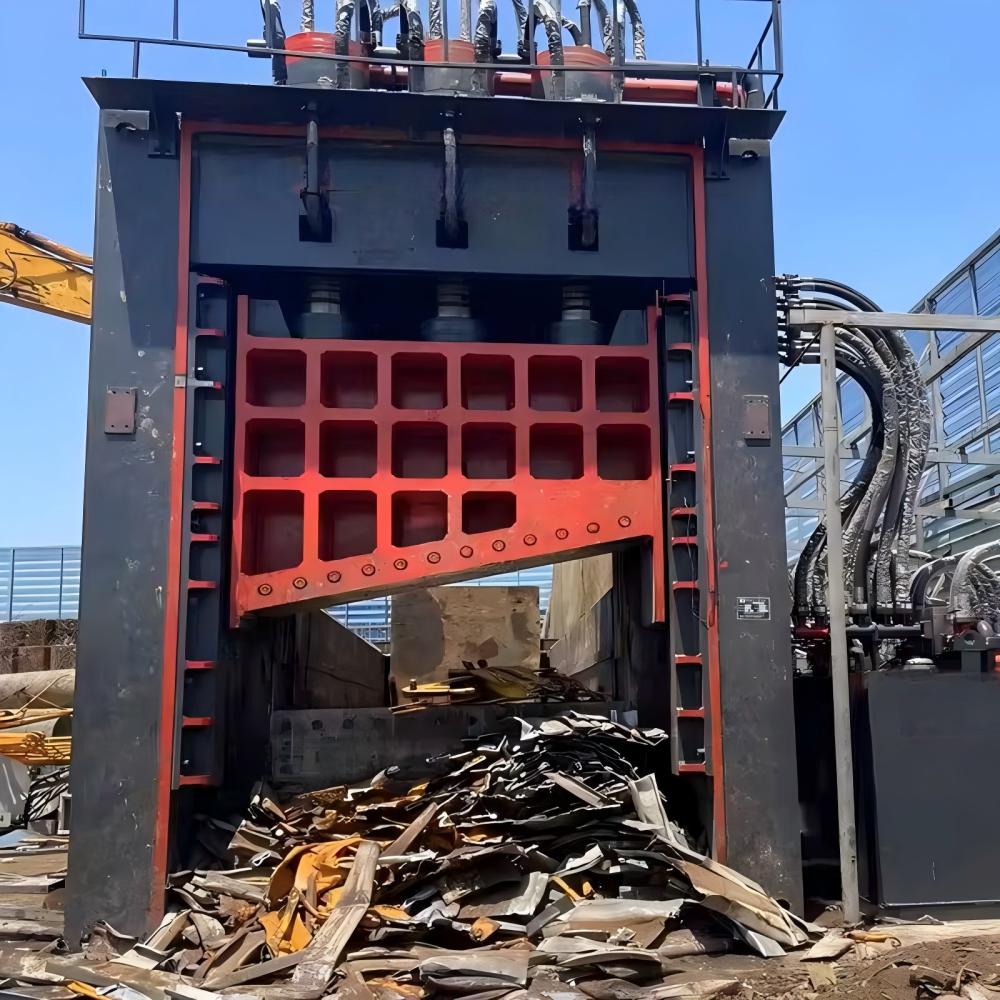
When comparing quotes, it is important to look beyond the sticker price. Several key components drive the cost of a gantry shear, and these components directly impact the machine’s lifespan and performance.
- Hydraulic System Quality: The heart of the shear is its hydraulic system. High-end machines utilize components from reputable brands like Rexroth, Vickers, or Parker. These systems offer better heat management, smoother pressure transitions, and longer seal life, but they come at a premium.
- Frame Construction and Steel Grade: A gantry shear must withstand immense internal stresses. The thickness of the steel plates used in the frame and the quality of the welding (often ultrasonic tested) are major cost factors. Using high-tensile Q345B steel ensures the frame won’t warp under maximum load.
- Blade Material and Hardness: The cutting blades are the primary wear part. Blades made from Cr12MoV or specialized alloy steels are more expensive but require less frequent sharpening and can handle harder materials without chipping.
- Automation and Control Systems: A basic manual control system is cheaper, but modern facilities require Siemens PLC controls, touch-screen interfaces, and automated feeding cycles to maximize efficiency and safety.
Configuration Impact: Thickness, Width, and Precision
The technical configuration of your gantry shear determines what you can cut and how accurately you can cut it. This is where the Gantry Shear Buyer’s Guide: Understanding Cutting Thickness, Width, and Precision becomes most relevant to your daily operations.
Cutting Thickness and Tonnage
The relationship between tonnage and cutting thickness is non-linear. For example, a 630-ton shear might cut 20mm thick mild steel plate across its full width, but it could handle 50mm thick round bars in a concentrated area. When selecting a machine, you must consider the “worst-case scenario” of your material stream. If you frequently encounter heavy structural I-beams, you need a higher tonnage to ensure the blade can penetrate the material without stalling the hydraulic system.
Cutting Width and Throat Depth
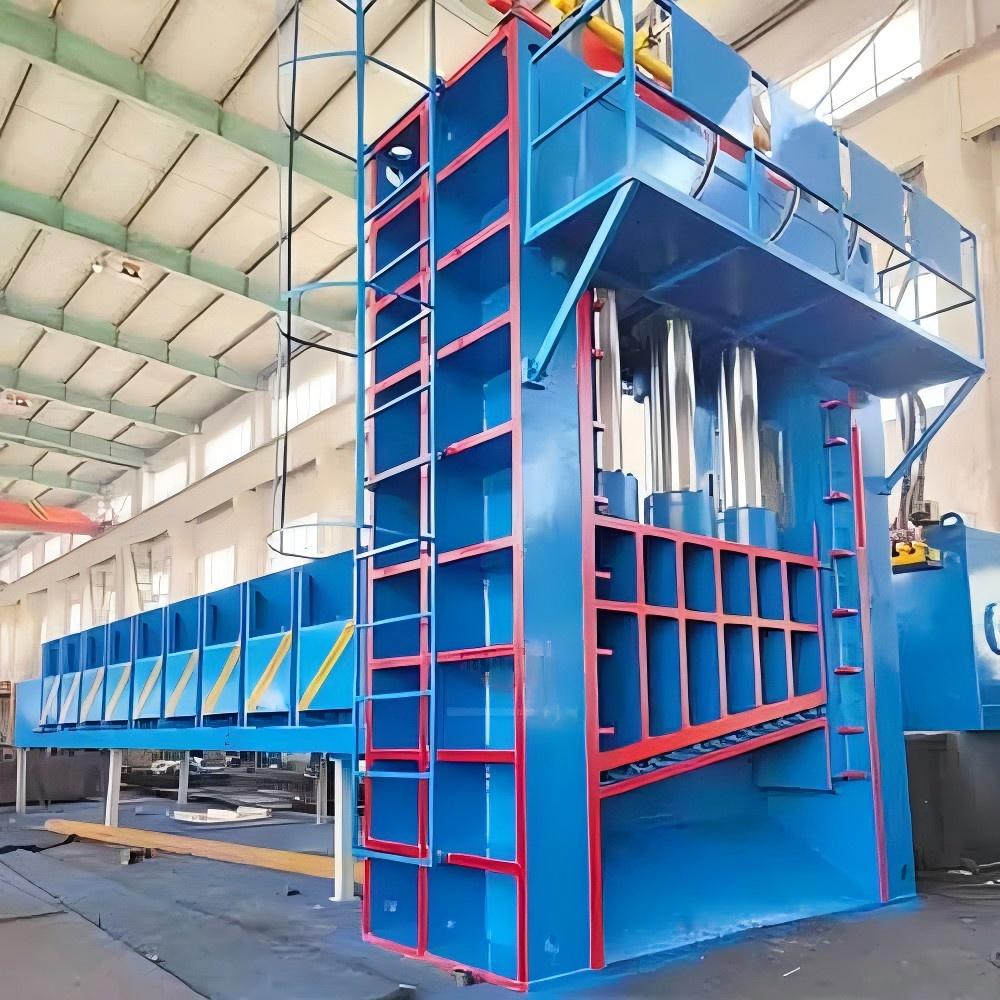
The width of the blade determines the maximum size of the scrap or plate that can be fed into the machine without pre-processing. A wider throat (e.g., 1,500mm to 2,000mm) allows for larger pieces of scrap, reducing the need for manual torch cutting before shearing. However, a wider blade requires a more robust gantry frame to prevent deflection, which increases the machine’s footprint and cost.
Precision and Blade Gap Adjustment
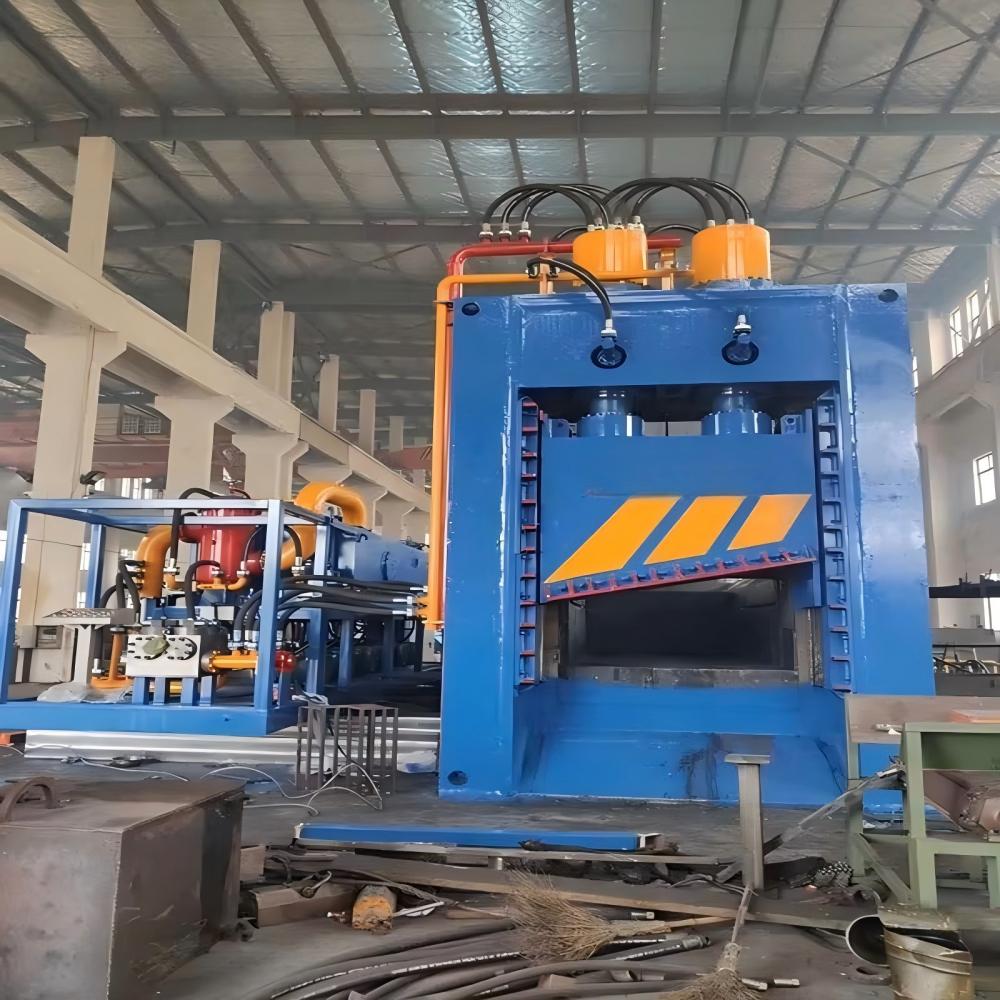
While scrap shearing doesn’t always require the sub-millimeter precision of a CNC laser, precision is still vital for blade longevity. A precise blade gap adjustment system allows the operator to set the clearance between the upper and lower blades based on the material thickness. If the gap is too wide, the material will fold rather than cut; if it is too tight, the blades will rub and dull prematurely. High-quality gantry shears feature hydraulic or motorized gap adjustment for consistent performance.
Hidden Costs of Owning a Gantry Shear
The purchase price is only the beginning. To accurately budget, you must account for the “hidden” costs associated with installing and maintaining a heavy industrial shear.
| Cost Category | Description | Estimated Impact |
|---|---|---|
| Foundation & Installation | Reinforced concrete pads and heavy crane rental for assembly. | $5,000 – $20,000 |
| Electrical Infrastructure | Upgrading transformers or installing soft-starters for high-kW motors. | $3,000 – $10,000 |
| Hydraulic Oil | Initial fill and periodic replacement (often 1,000+ liters). | $2,000 – $5,000/year |
| Blade Maintenance | Professional sharpening or replacement of blade segments. | $1,500 – $4,000/year |
| Energy Consumption | Electricity costs for high-horsepower hydraulic pumps. | Variable by usage |
Furthermore, consider the cost of downtime. If a seal fails or a hose bursts, every hour the machine is idle is lost revenue. Investing in a spare parts kit (seals, filters, and a set of blades) at the time of purchase is a wise move that reduces the long-term cost of ownership.
ROI Calculation: Is the Investment Worth It?
Calculating the Return on Investment (ROI) for a gantry shear involves looking at both cost savings and revenue increases. For a scrap yard, the ROI is often driven by the “upgrade value” of the metal. Unprocessed scrap sells for a lower price than “prepared” scrap that meets specific size requirements for foundries and steel mills.
Consider this example: A facility processes 500 tons of scrap per month. By using a gantry shear to size the scrap to premium grades, the value of the metal increases by $40 per ton. This results in an additional $20,000 in monthly revenue. If the machine costs $120,000 and operating costs are $5,000 per month, the machine pays for itself in less than a year. Additionally, the reduction in labor compared to manual torch cutting can save thousands more in wages and gas costs.
Buying Advice: Choosing the Right Partner
When you are ready to purchase, the manufacturer you choose is as important as the machine’s specs. Here is a checklist for evaluating a gantry shear supplier:
- Technical Support: Does the manufacturer offer remote troubleshooting or on-site technicians?
- Material Testing: Will the supplier test-cut your specific material samples before you finalize the purchase?
- Safety Standards: Does the machine include safety cages, emergency stops, and hydraulic interlocks that meet local regulations (e.g., CE or OSHA)?
- Customization: Can the manufacturer adjust the feeding table length or the blade width to fit your specific floor plan?
At HARSLE, we pride ourselves on providing transparent technical data and robust engineering. We encourage buyers to look at the weight of the machine—often, a heavier machine indicates more steel in the frame and a more stable cutting platform, which is essential for long-term durability.
Frequently Asked Questions (FAQ)
1. How often do gantry shear blades need to be sharpened?
Blade life depends entirely on the material being cut. For clean mild steel, blades may last 500-1,000 hours before needing a flip or sharpen. If cutting contaminated or high-carbon scrap, this interval may decrease. Most gantry shear blades are four-sided, meaning you can rotate them three times before they require professional grinding.
2. Can a gantry shear be used for precision plate cutting?
While gantry shears are highly accurate, they are primarily designed for high-force shearing rather than the high-tolerance finish required for decorative metalwork. They are excellent for preparing plates for welding or further machining, but for sub-millimeter precision, a dedicated hydraulic guillotine shear or laser cutter is preferred.
3. What is the difference between a gantry shear and an alligator shear?
An alligator shear has a hinged jaw and is generally used for smaller pieces of scrap and cleaning non-ferrous metals. A gantry shear uses a vertical guillotine-style motion, allowing it to handle much larger, wider, and thicker materials with significantly higher force and throughput.
4. What kind of hydraulic oil should I use?
Most industrial gantry shears require anti-wear hydraulic oil (ISO VG 46 or 68, depending on the ambient temperature of your facility). Using high-quality oil and maintaining a clean filtration system is the single best way to extend the life of your hydraulic pumps and valves.
5. Does the machine require a special foundation?
Yes, for machines over 630 tons, a reinforced concrete foundation is usually mandatory. The vibration and impact forces generated during the cutting stroke can crack standard factory floors. HARSLE provides detailed foundation drawings to all customers prior to delivery.
Conclusion
Selecting the right equipment requires a balance of technical understanding and economic foresight. As highlighted in this Gantry Shear Buyer’s Guide: Understanding Cutting Thickness, Width, and Precision, the key to success lies in matching the machine’s tonnage and width to your specific material stream while ensuring the build quality can withstand the rigors of industrial use. By focusing on high-quality hydraulics, robust frame construction, and precise control systems, you can ensure that your gantry shear remains a profitable asset for decades to come. Whether you are upgrading an existing yard or starting a new fabrication line, HARSLE is here to provide the machinery and expertise you need to cut through the competition.