How Gantry Shears Support High-Volume Sheet Metal Production

Technical Overview of Gantry Shears in Modern Manufacturing
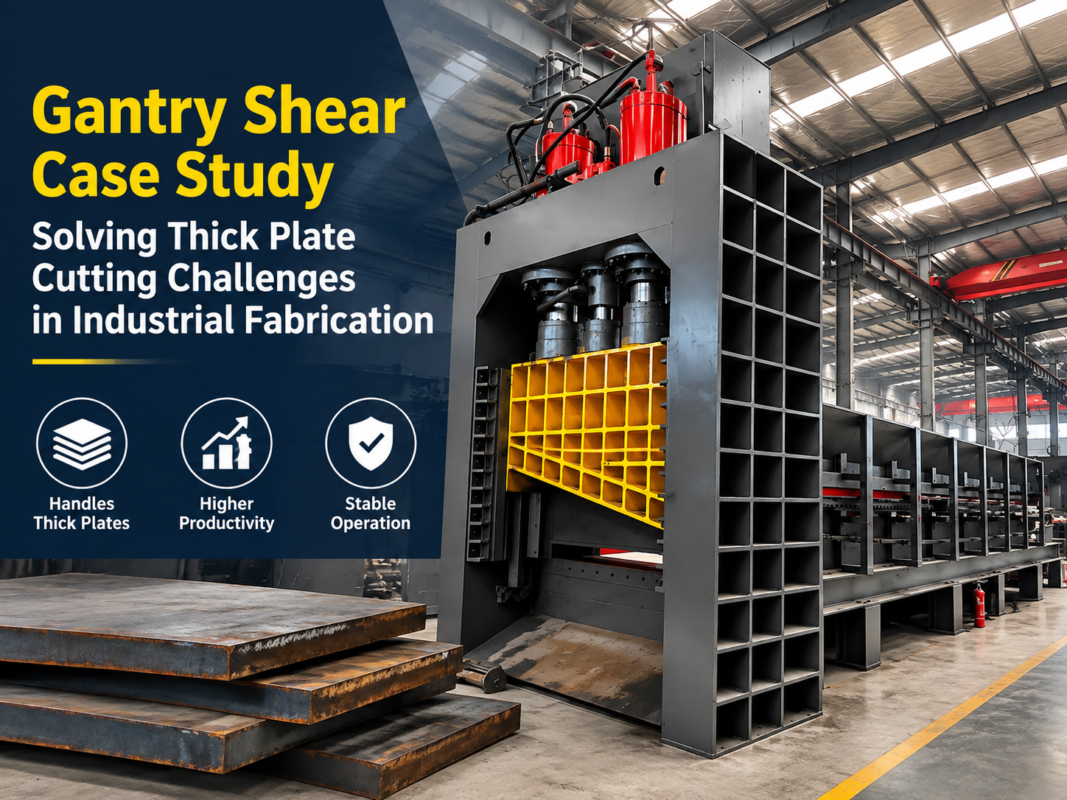
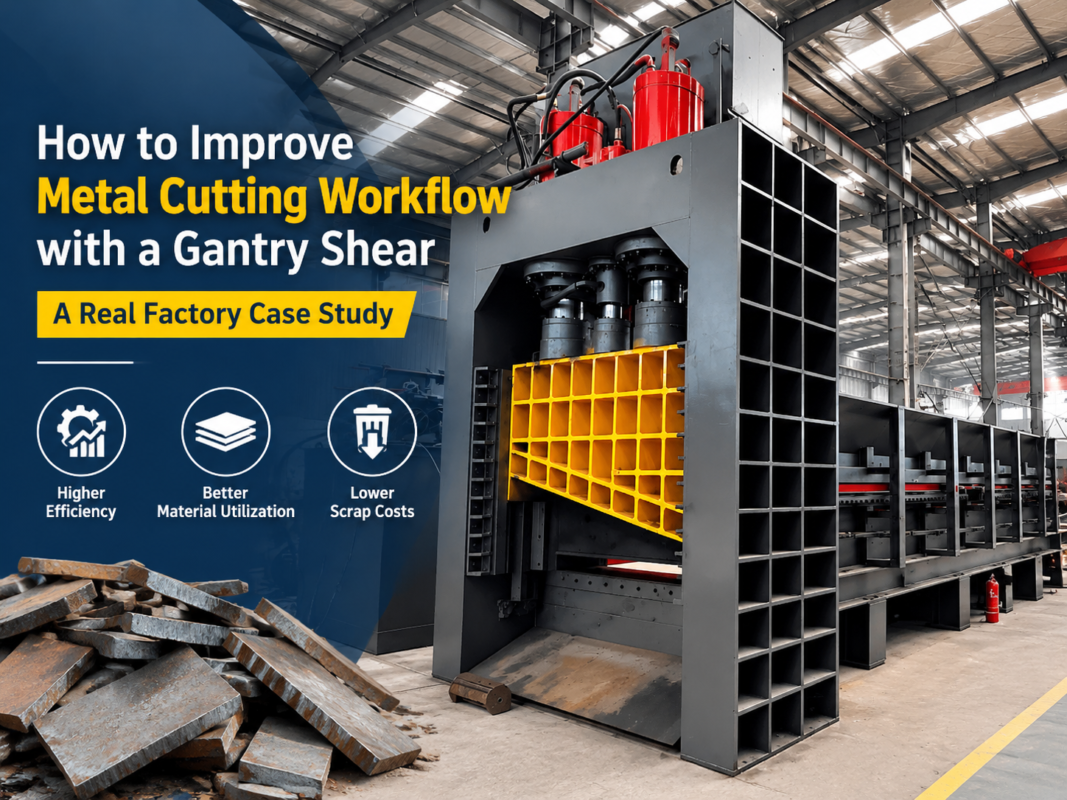
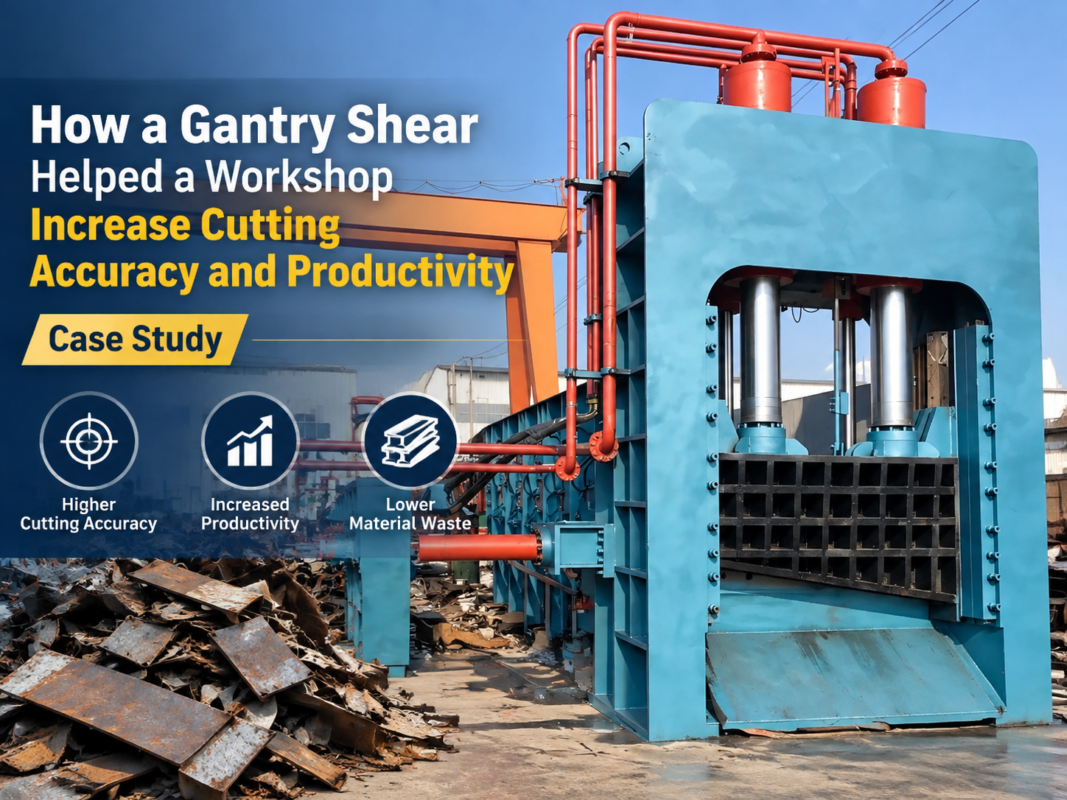
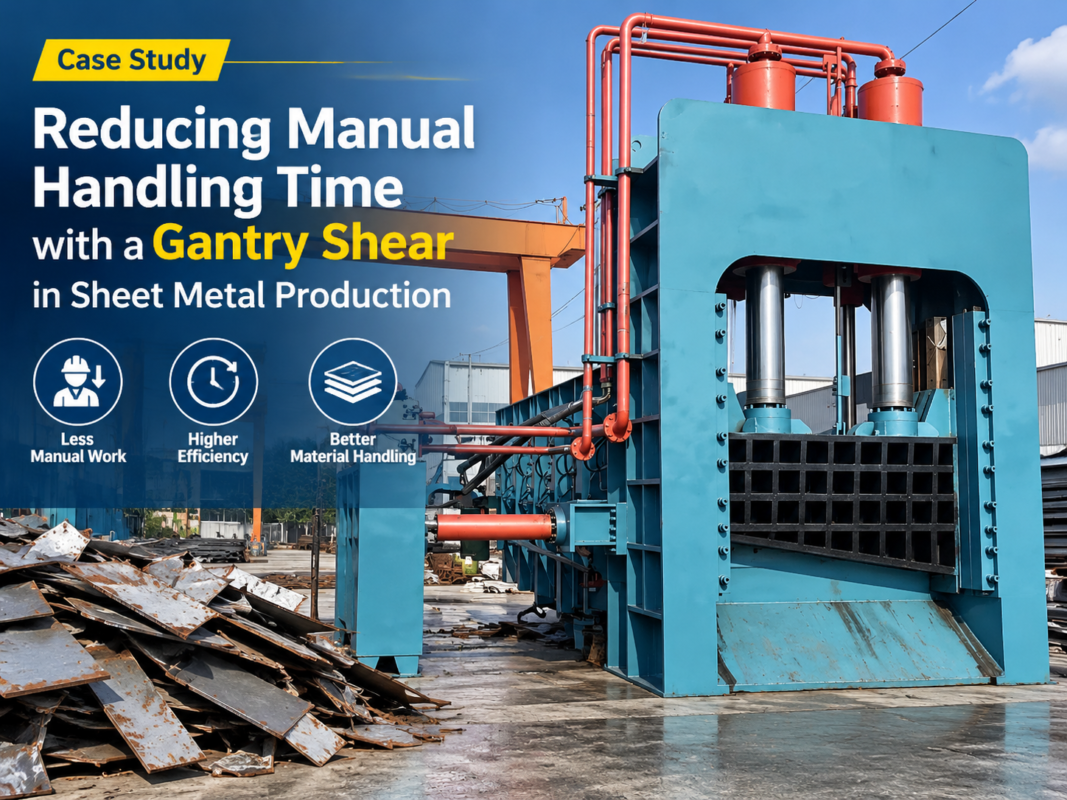
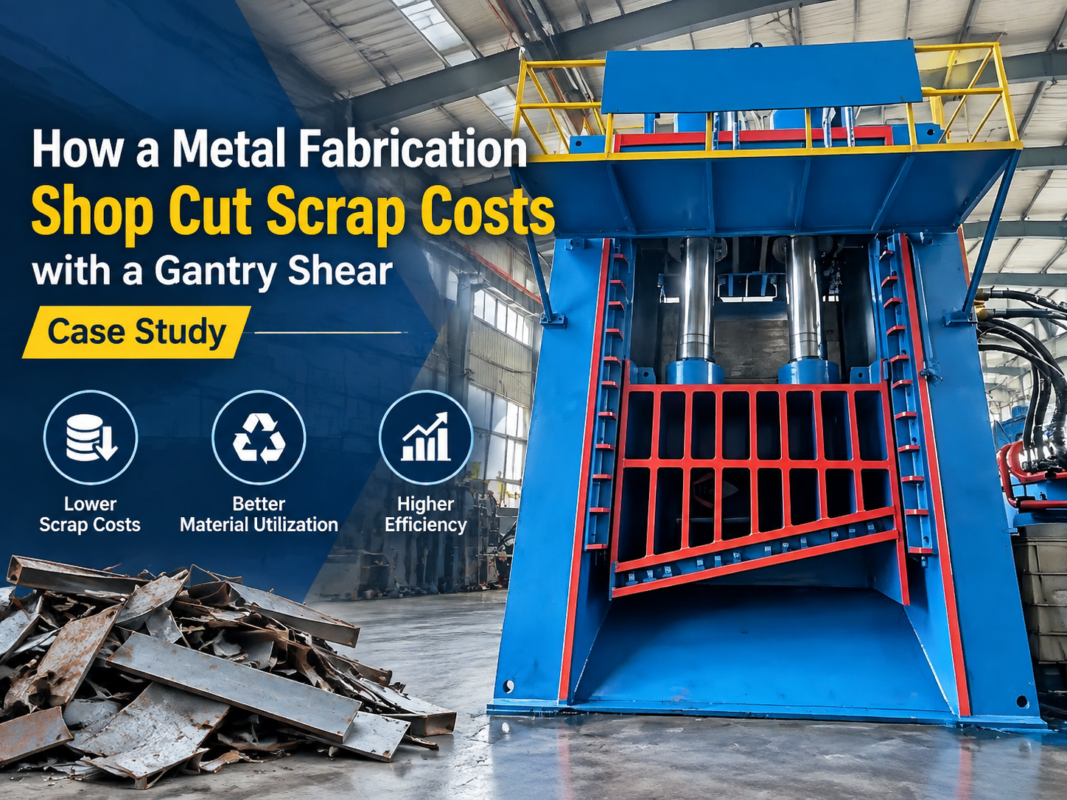
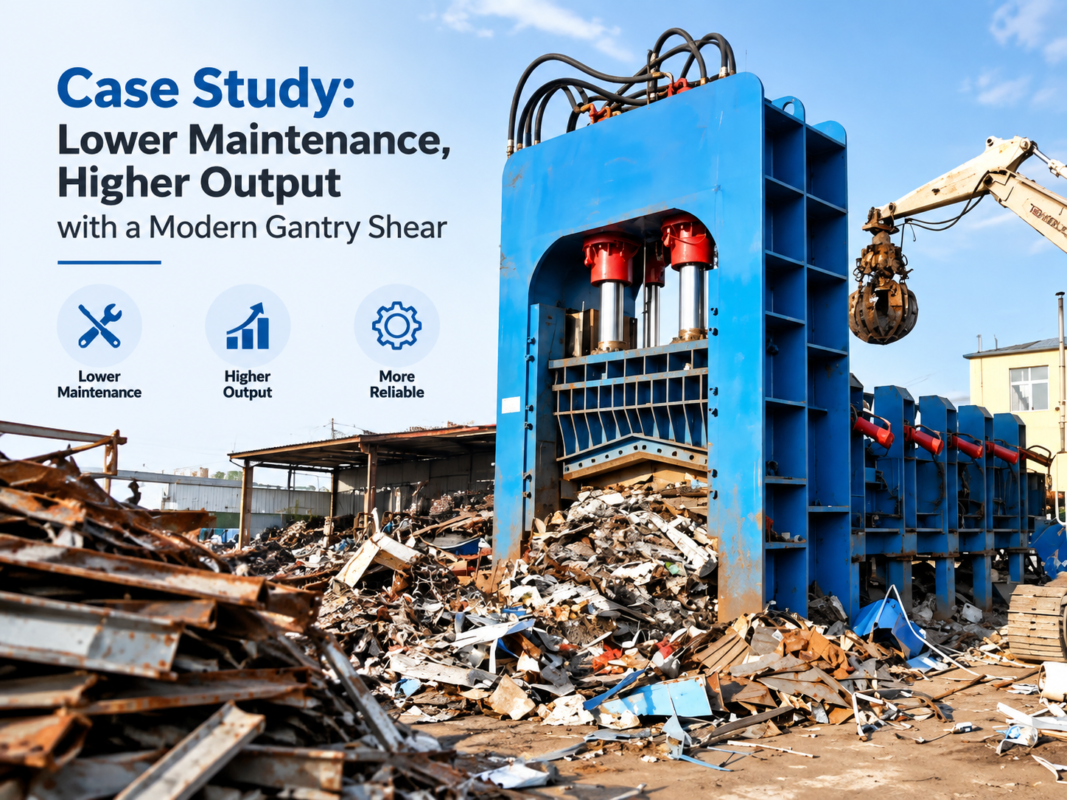
In the realm of heavy-duty metal fabrication, the demand for efficiency and precision is ever-increasing. As industries move toward larger scales of operation, the equipment used must evolve to handle higher loads without compromising on accuracy. This is where the role of the gantry shear becomes pivotal. Gantry shears are robust, heavy-duty machines designed specifically for the continuous processing of large volumes of sheet metal and scrap. Unlike smaller swing-beam shears, the gantry design utilizes a vertical downward force distributed across a rigid frame, allowing for the processing of significantly thicker and wider materials.
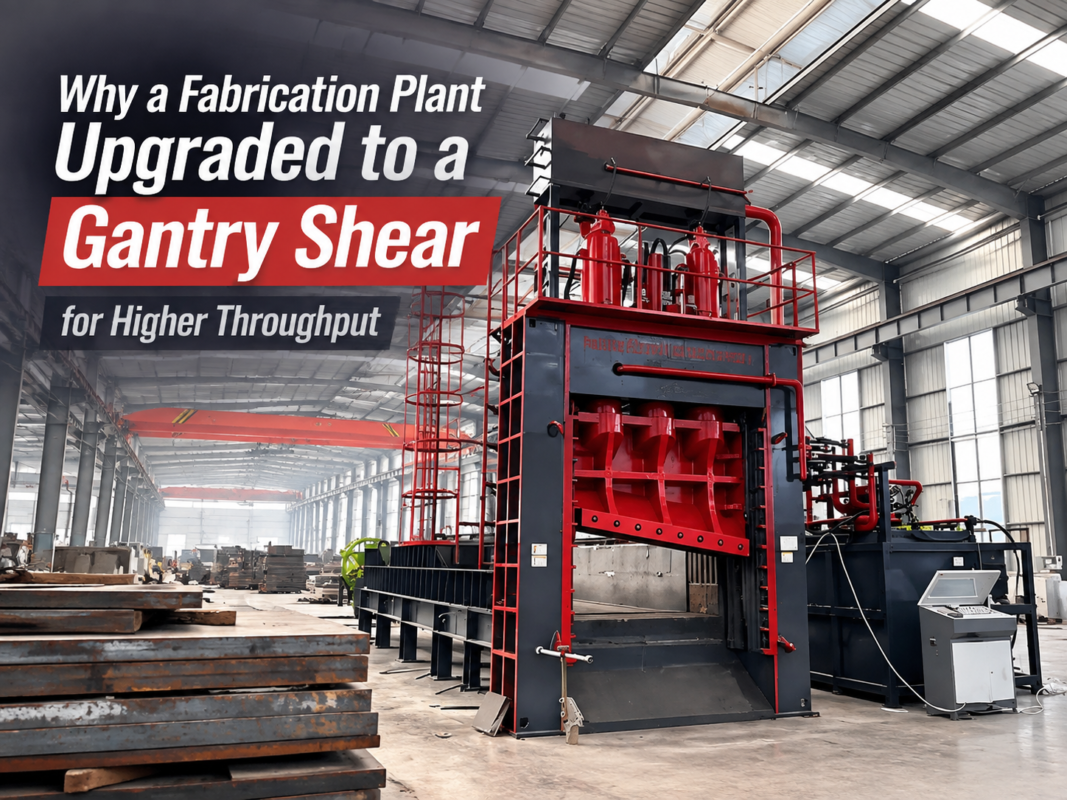
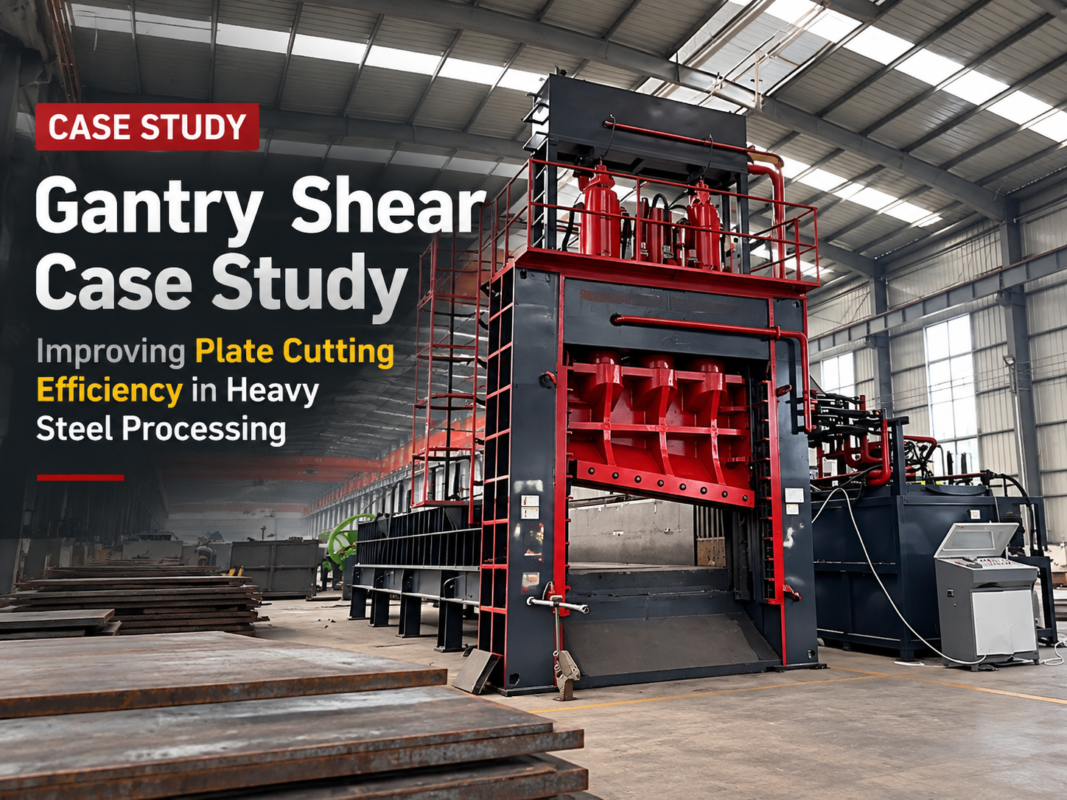
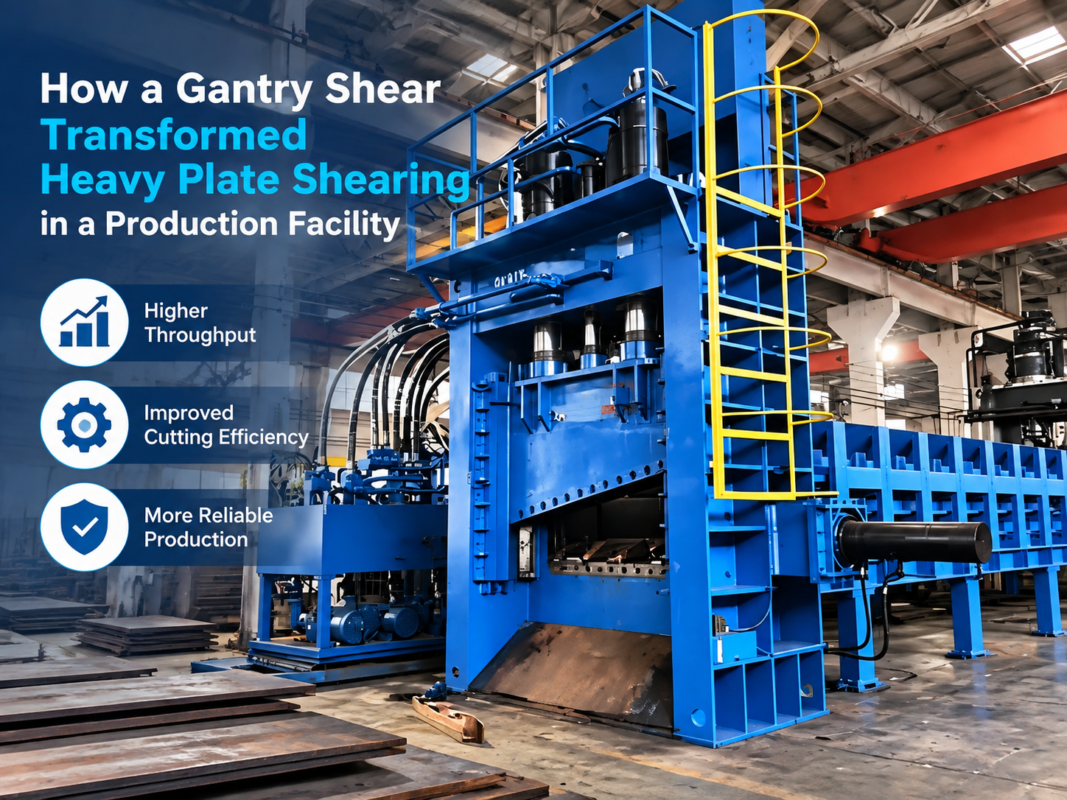
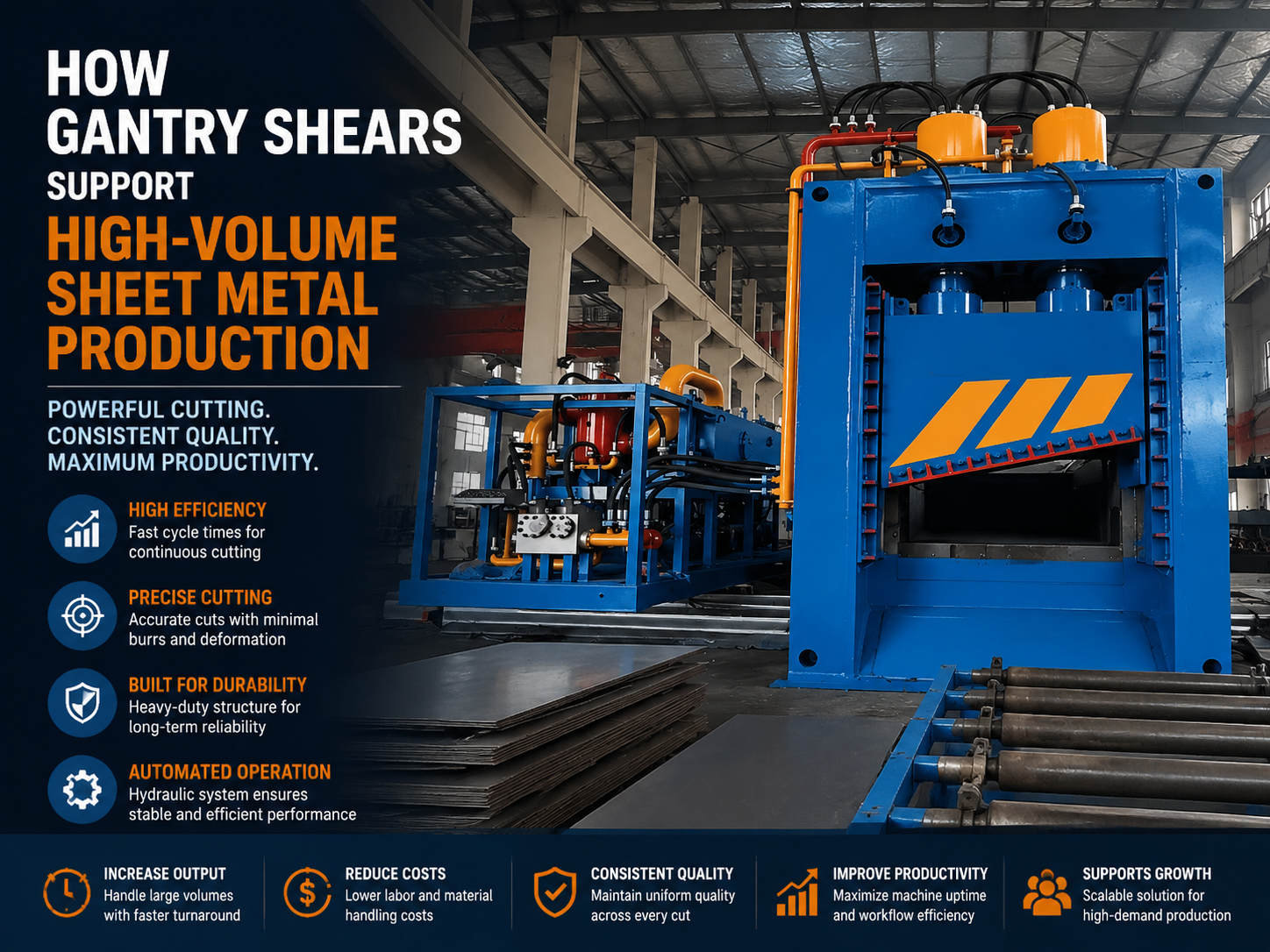
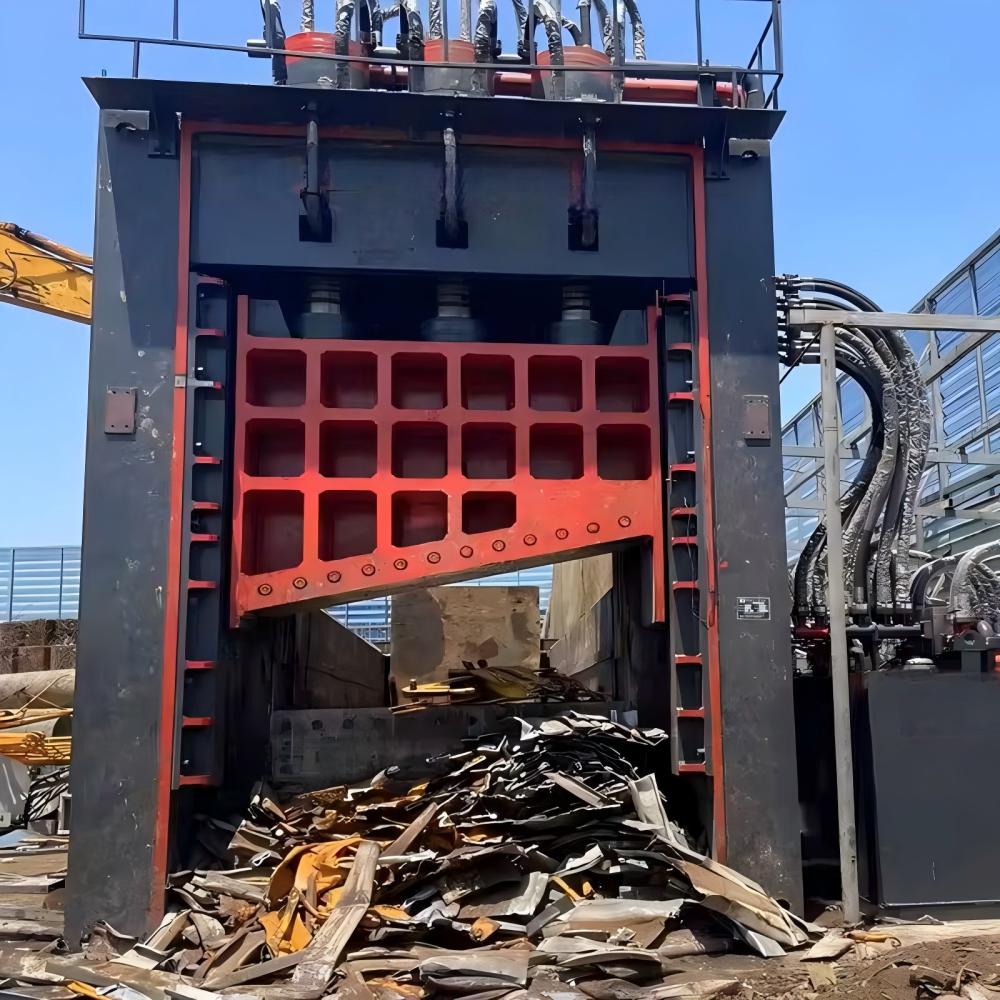
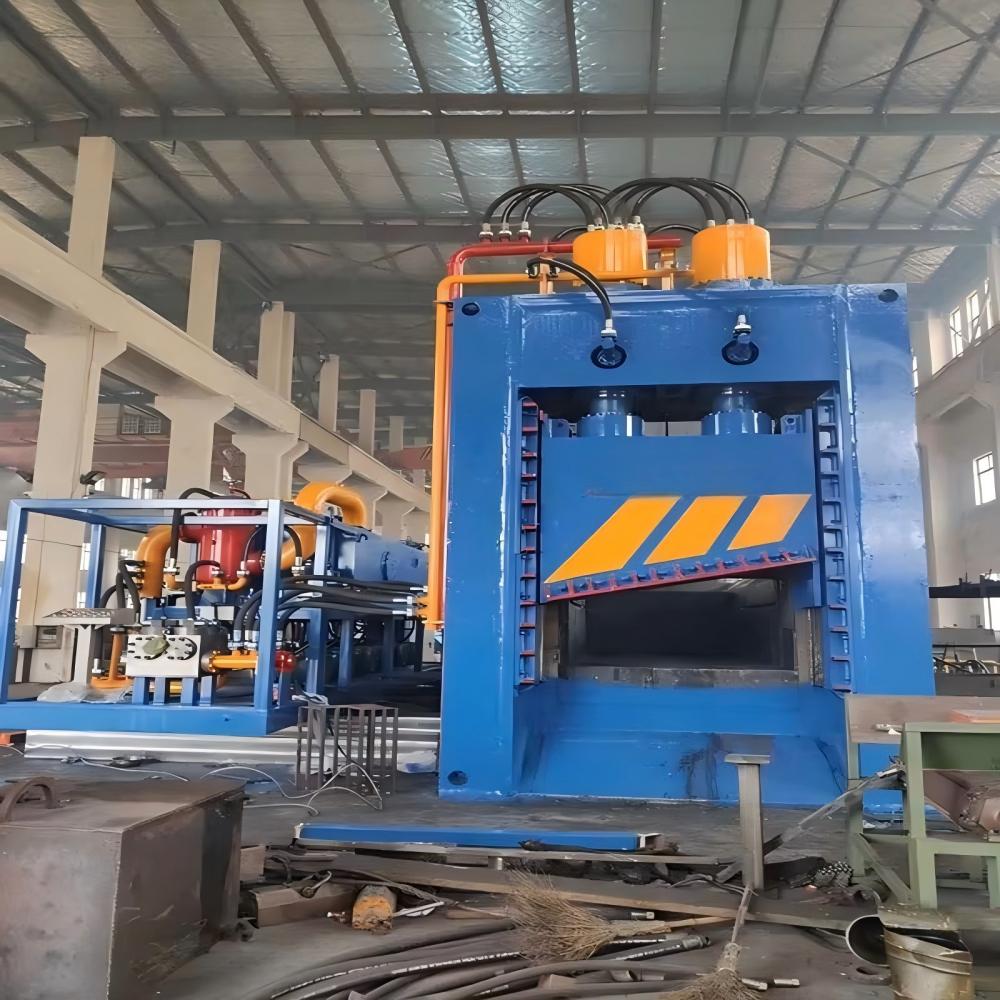
The fundamental architecture of a gantry shear involves a massive frame—the ‘gantry’—which houses the hydraulic cylinders and the upper blade beam. This structure is engineered to minimize deflection under extreme pressure. In high-volume environments, even a slight deviation in the frame can lead to uneven blade wear and poor cut quality. HARSLE gantry shears are built with high-tensile steel frames that are stress-relieved through heat treatment, ensuring long-term structural integrity. This stability is the cornerstone of how gantry shears support high-volume sheet metal production, as it allows the machine to run 24/7 with minimal downtime for recalibration.
Automation plays a significant role in the technical superiority of modern gantry shears. Integration with PLC (Programmable Logic Controller) systems allows for precise control over the stroke length, pressure, and feeding speed. For high-volume production, these machines are often paired with automatic conveyor systems and scrap balers. The synergy between the mechanical strength of the gantry and the intelligence of the control system results in a cycle time that is significantly lower than traditional shearing methods. This efficiency is not just about speed; it is about the consistency of the output over thousands of cycles.
Furthermore, the hydraulic system in a gantry shear is designed for high-frequency operation. Advanced cooling systems are integrated to maintain the hydraulic oil at an optimal temperature, preventing viscosity changes that could affect the shearing force. By maintaining a constant pressure, the machine ensures that the first cut of the day is identical to the last, which is critical for maintaining quality standards in mass production. The use of high-pressure piston pumps and logic valves further enhances the responsiveness of the machine, allowing for rapid transitions between the cutting and return strokes.
Core Parameters for High-Volume Performance
When evaluating how gantry shears support high-volume sheet metal production, one must look closely at the core technical parameters. These parameters define the machine’s capability and its suitability for specific industrial applications. The most critical parameter is the shearing force, usually measured in kilonewtons (kN) or tons. For high-volume production, shearing forces can range from 400 tons to over 2000 tons, depending on the thickness of the material being processed. This force must be delivered smoothly to avoid shocking the mechanical components.
Blade length and throat depth are also vital. In high-volume sheet metal production, the ability to process wide sheets in a single stroke reduces the number of passes required, thereby increasing throughput. A standard gantry shear might feature a blade length of 1000mm to 3000mm. The throat depth determines how far the sheet can be inserted into the machine, which is essential for processing large-format plates. For manufacturers, choosing a machine with a throat depth that accommodates their largest standard sheet size is a prerequisite for operational efficiency.
Stroke frequency, or the number of cuts per minute, is the direct metric for productivity. In a high-volume setting, every second saved per cycle translates to hundreds of additional tons processed per month. Modern gantry shears utilize variable stroke lengths; if a thinner material is being cut, the stroke can be shortened to increase the frequency. This adaptability ensures that the machine is always operating at its most efficient point relative to the material thickness. Additionally, the rake angle—the angle of the upper blade relative to the lower blade—is often adjustable. A higher rake angle reduces the required shearing force for thick materials but may increase distortion, while a lower rake angle provides a flatter cut for thinner sheets.
Material hardness and tensile strength are external parameters that dictate the machine’s workload. Gantry shears are often rated based on mild steel (tensile strength of approx. 450 MPa). If a facility is processing stainless steel or high-strength alloys, the machine’s capacity must be derated accordingly. Understanding these parameters allows production managers to balance the load on the machine, ensuring that high-volume output does not lead to premature mechanical failure.
Calculation Method for Shearing Force
To ensure that gantry shears support high-volume sheet metal production effectively, engineers must accurately calculate the required shearing force. Overestimating the force leads to unnecessary energy consumption and higher equipment costs, while underestimating it can lead to machine stalls or structural damage. The shearing force (F) is influenced by the material’s thickness (S), the width of the cut (L), the material’s shear strength (τ), and the rake angle (α) of the blade.
The standard formula used in the industry for calculating the shearing force on a gantry shear with a raked blade is:
F = 0.5 * L * S² * τ / tan(α)
Where:
– F is the shearing force (N).
– L is the length of the material being cut (mm).
– S is the thickness of the material (mm).
– τ is the shear strength of the material (MPa), typically taken as 0.8 times the tensile strength.
– α is the rake angle of the upper blade.
For example, if a facility needs to cut a 2000mm wide sheet of 20mm thick mild steel with a shear strength of 360 MPa and a rake angle of 3 degrees, the calculation would involve converting the angle to radians and applying the formula. It is important to note that as the thickness (S) is squared, even a small increase in material thickness requires a significantly higher force. This is why gantry shears, with their massive hydraulic capacities, are preferred over other types of machinery for heavy-duty, high-volume tasks.
In addition to the primary shearing force, engineers must also consider the ‘hold-down’ force. Before the blade makes contact, hydraulic hold-down cylinders must secure the plate to prevent it from shifting or tipping during the cut. The hold-down force is typically calculated as 10% to 15% of the total shearing force. In high-volume production, the synchronization between the hold-down cylinders and the shearing beam is critical to prevent material slippage, which can cause blade damage and safety hazards.
Parameter Table for HARSLE Gantry Shears
The following table provides a reference for typical specifications found in industrial-grade gantry shears used for high-volume production. These values are representative of the HARSLE series and can vary based on specific model configurations.
| Model Series | Shearing Force (Tons) | Blade Length (mm) | Max Cutting Thickness (mm) | Stroke Frequency (min⁻¹) | Motor Power (kW) |
|---|---|---|---|---|---|
| HGS-630 | 630 | 1200 | 16 – 20 | 3 – 5 | 45 |
| HGS-800 | 800 | 1500 | 20 – 25 | 3 – 4 | 55 |
| HGS-1000 | 1000 | 1800 | 25 – 30 | 2 – 4 | 75 |
| HGS-1250 | 1250 | 2000 | 30 – 35 | 2 – 3 | 90 |
| HGS-1600 | 1600 | 2200 | 35 – 45 | 1 – 3 | 110 |
This table illustrates the scaling of power and capacity. For high-volume sheet metal production, the HGS-1000 and HGS-1250 models are often the “sweet spot,” providing a balance between significant cutting thickness and a stroke frequency that maintains high throughput. The motor power indicates the energy requirement, which is a crucial factor in calculating the operational cost per ton of processed metal.
Common Engineering Mistakes in Gantry Shear Operation
Despite the robustness of the equipment, certain engineering and operational mistakes can hinder how gantry shears support high-volume sheet metal production. One of the most common errors is improper blade clearance adjustment. The gap between the upper and lower blades must be set according to the material thickness. If the gap is too wide, the metal will bend or ‘burr’ rather than cut cleanly. If it is too tight, the blades will experience excessive friction and heat, leading to chipping or even catastrophic failure. In high-volume environments, operators often forget to adjust this gap when switching between different material batches, leading to a decline in quality.
Another frequent mistake is neglecting the hydraulic oil quality. Gantry shears rely on high-pressure hydraulics to function. Over time, the oil can become contaminated with metal particles, moisture, or degraded by heat. Contaminated oil causes wear on the precision valves and pump internals, leading to a loss of pressure and slower cycle times. For high-volume production, a proactive oil analysis and filtration schedule is not optional; it is a necessity to prevent unplanned downtime that can halt an entire production line.
Overloading the machine is a critical engineering error. While gantry shears are heavy-duty, they have defined limits. Attempting to cut materials that exceed the rated tensile strength or thickness can cause the frame to flex beyond its elastic limit. While the machine might not break immediately, repeated overloading leads to fatigue cracks in the weldments and misalignment of the guide rails. This misalignment eventually makes it impossible to achieve a straight cut, rendering the machine useless for precision high-volume work.
Finally, many facilities fail to integrate proper material handling. A gantry shear capable of 5 cuts per minute is useless if the feeding system can only supply material for 2 cuts per minute. The bottleneck often lies not in the machine itself, but in the logistics surrounding it. Failing to account for the ‘in-feed’ and ‘out-feed’ speeds results in an underutilized asset and a lower return on investment. High-volume production requires a holistic view of the entire workflow, from the raw plate storage to the finished part collection.
Selection Checklist for High-Volume Gantry Shears
Choosing the right equipment is essential for ensuring that gantry shears support high-volume sheet metal production effectively. Use this checklist when evaluating potential machinery:
- Material Specification: Define the maximum thickness, width, and tensile strength of the materials you will process most frequently. Ensure the machine’s rated capacity is at least 20% higher than your standard requirement to provide a safety margin.
- Cycle Time Requirements: Calculate the required cuts per hour to meet your production targets. Compare this with the machine’s stroke frequency and factor in the time needed for material positioning.
- Blade Quality and Accessibility: High-volume cutting wears blades quickly. Check if the machine uses high-chrome, high-carbon tool steel blades and how easy they are to remove for sharpening or flipping (4-sided blades are preferred).
- Control System: Does the machine feature a user-friendly CNC or PLC interface? Look for features like automatic blade gap adjustment and stroke counter, which are essential for managing high-volume batches.
- Hydraulic Cooling: For continuous operation, an integrated air or water cooling system for the hydraulic oil is mandatory to prevent overheating.
- Safety Features: Ensure the machine is equipped with light curtains, emergency stop buttons, and hydraulic interlocks to protect operators during high-speed cycles.
- Footprint and Foundation: Gantry shears are massive and require a reinforced concrete foundation. Verify that your facility can accommodate the weight and the vibration generated during operation.
- After-Sales Support: High-volume production cannot afford long lead times for spare parts. Confirm the availability of local technical support and common wear parts like seals and filters.
Frequently Asked Questions (FAQ)
1. How does a gantry shear differ from a standard hydraulic shear?
A gantry shear features a four-column or heavy-frame design where the cutting beam moves vertically. This provides much higher stability and force distribution compared to a swing-beam shear, which uses a pivoting motion. Gantry shears are better suited for thicker materials and continuous high-volume industrial use.
2. Can gantry shears cut stainless steel?
Yes, but because stainless steel has a higher tensile strength than mild steel, the cutting capacity of the machine is reduced. Typically, a machine rated for 20mm mild steel might only be able to cut 12-14mm stainless steel. It is also important to use blades specifically hardened for stainless applications.
3. How often should the blades be sharpened in a high-volume setting?
Blade life depends on the material type and thickness. In a high-volume environment, blades should be inspected weekly. Most gantry shear blades have four cutting edges; once one edge is dull, the blade can be rotated. Depending on usage, sharpening might be required every 6 to 12 months.
4. What is the role of the rake angle in high-volume production?
The rake angle is the slope of the upper blade. A higher rake angle allows the machine to cut thicker material with less force, which can protect the hydraulic system during heavy loads. However, for high-volume production of thin sheets, a lower rake angle is preferred to minimize the ‘twist’ or distortion of the cut piece.
5. Is automation necessary for gantry shears?
While not strictly necessary for the cutting action, automation is essential for achieving the full potential of high-volume production. Automatic feeders, scrap conveyors, and PLC-controlled backgauges significantly reduce manual labor and increase the number of cycles per hour, making the operation more profitable.
6. What kind of maintenance does the hydraulic system require?
Regular maintenance includes checking oil levels daily, replacing hydraulic filters every 500-1000 hours, and performing a full oil change annually or based on oil analysis results. It is also critical to check for leaks in the high-pressure hoses and ensure the cooling system is free of debris.