How to Select the Best Container Shear for Your Metal Recycling Operation

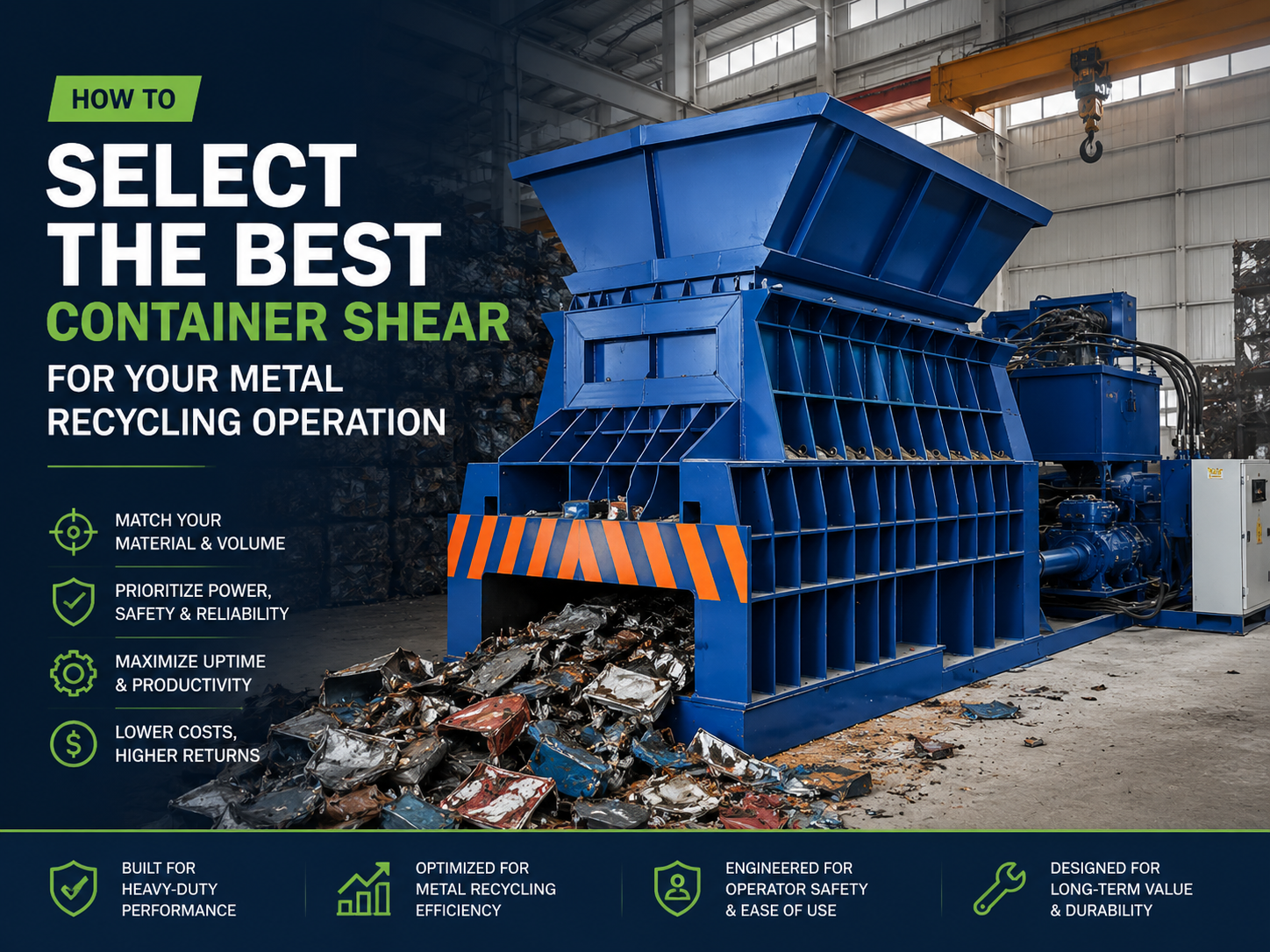
Introduction to Container Shears in Modern Recycling
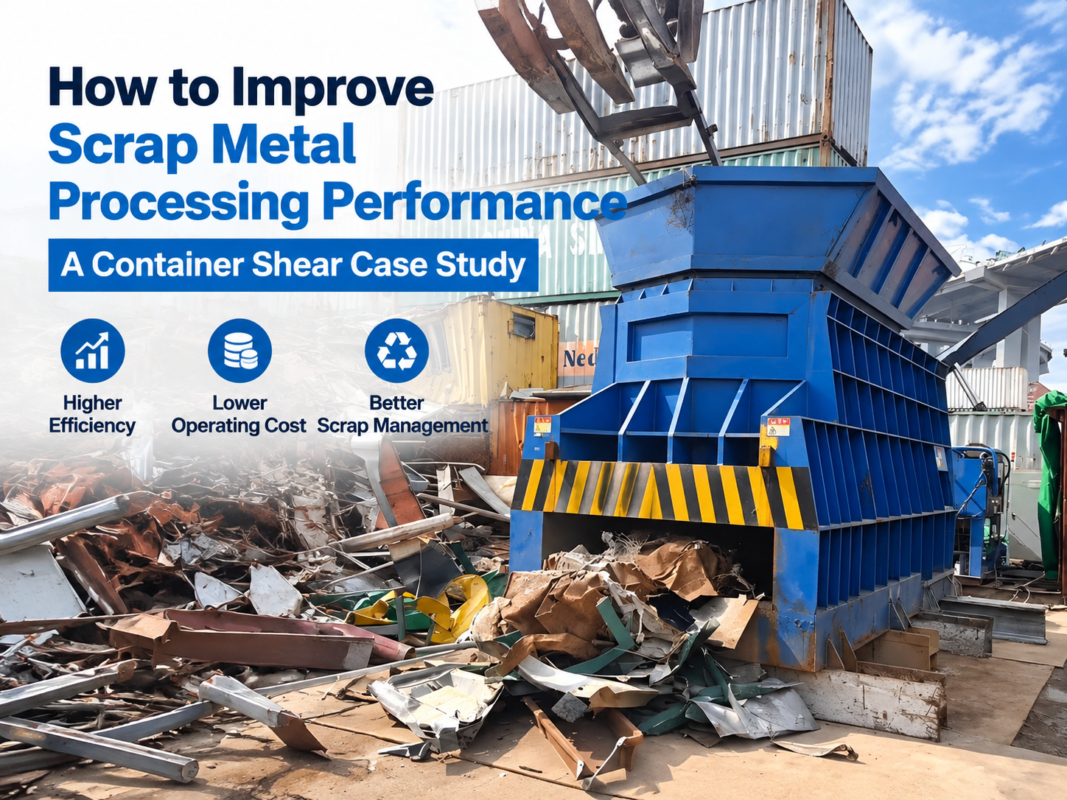
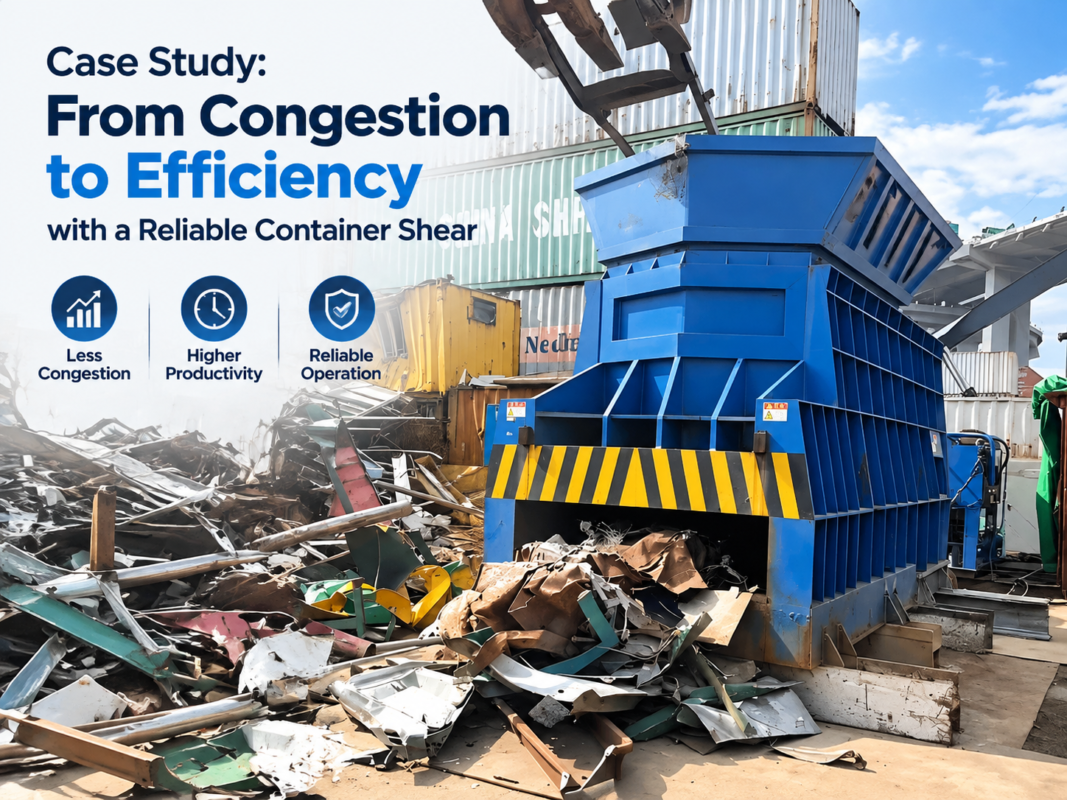
In the rapidly evolving landscape of the global scrap metal industry, efficiency and throughput are the primary drivers of profitability. As scrap yards transition from manual sorting to high-volume processing, the demand for robust, automated machinery has skyrocketed. Among the most critical investments a facility can make is the container shear. This machine is designed to compress and cut large volumes of scrap metal into manageable, high-density pieces suitable for furnace charging. However, the process to select the best container shear metal recycling operation requires a deep understanding of technical specifications, operational costs, and long-term ROI.
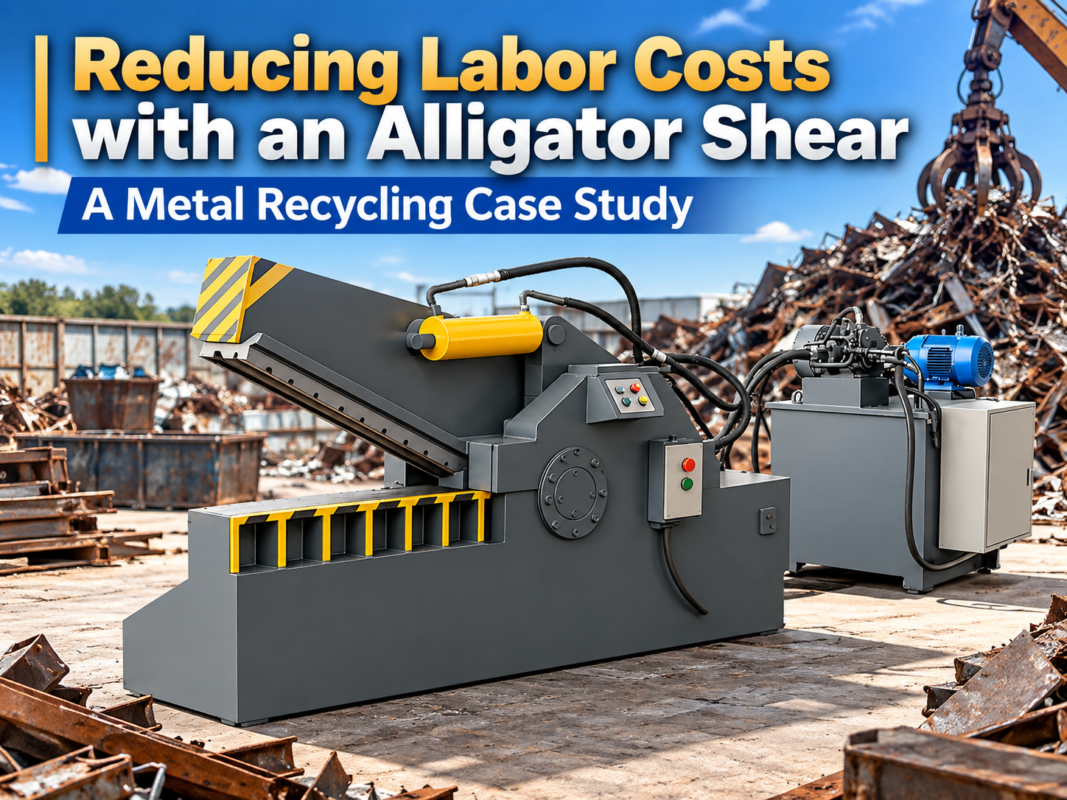
HARSLE has established itself as a leader in providing high-performance container shears that balance power with precision. Unlike traditional alligator shears or massive stationary guillotine shears, the container shear offers a unique ‘box-and-cut’ mechanism that allows for continuous feeding and high-speed processing. This guide will walk you through every facet of the selection process, ensuring that your investment aligns with your yard’s specific material flow and volume requirements.
Choosing the right equipment is not just about the initial purchase price; it is about the cost per ton of processed material. A machine that is too small will become a bottleneck, while a machine that is too large will incur unnecessary energy and maintenance costs. By the end of this article, you will have a comprehensive framework to evaluate different models and configurations, ultimately allowing you to select the best container shear metal recycling operation for your business.
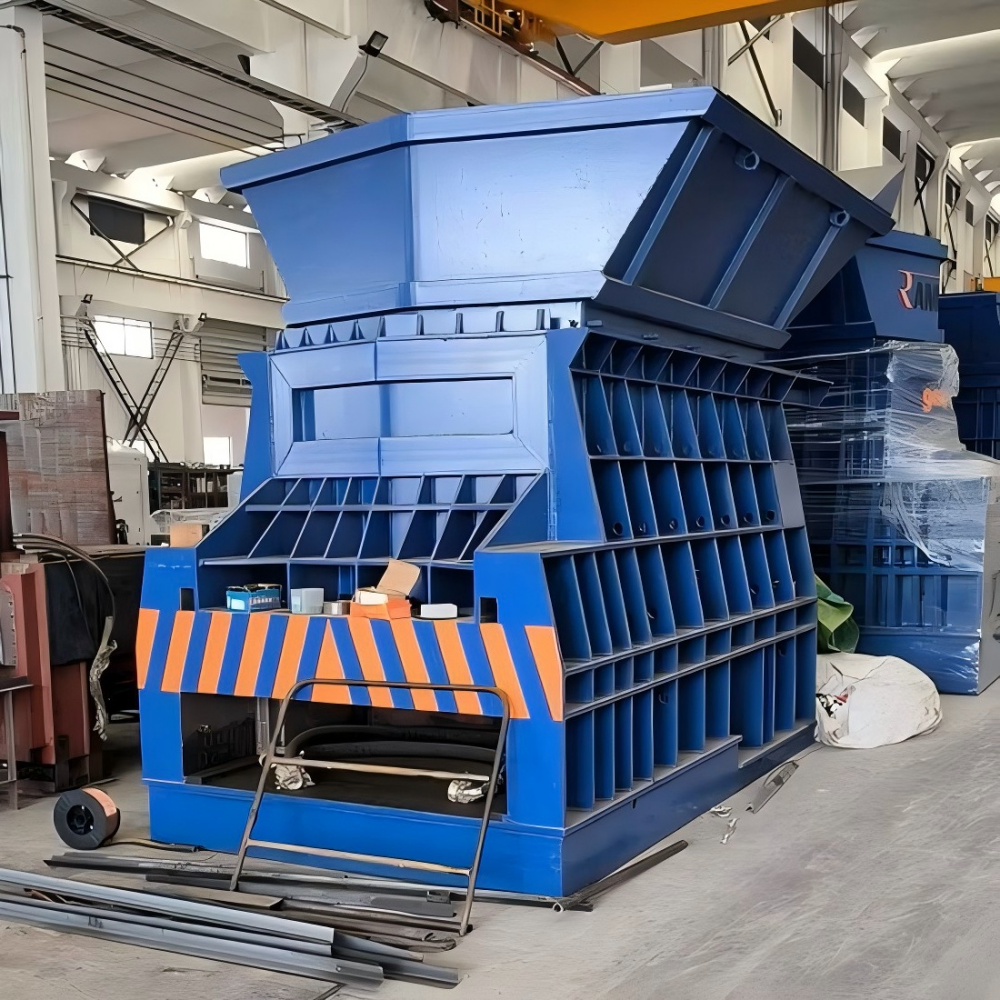
Price Range Overview: Understanding the Investment
The price of a container shear can vary significantly based on its shearing force, box size, and automation level. Generally, the market is divided into three main categories: entry-level, mid-range, and heavy-duty industrial units. Understanding where your operation fits within these tiers is the first step in the selection process.
Entry-level container shears, typically offering between 400 to 600 tons of shearing force, are priced between $80,000 and $150,000. These machines are ideal for smaller yards processing light-to-medium scrap, such as white goods, thin-gauge steel, and aluminum extrusions. While they lack the raw power for heavy structural steel, their lower footprint and energy consumption make them highly efficient for specific niches.
Mid-range units, which are the most popular in the industry, offer 800 to 1,000 tons of force. These units typically range from $180,000 to $350,000. They are the workhorses of the recycling world, capable of handling HMS1 and HMS2 (Heavy Melting Scrap) with ease. These machines often feature advanced PLC controls and faster cycle times, making them suitable for yards processing 50 to 100 tons of scrap per day.
Heavy-duty industrial container shears, with forces exceeding 1,250 tons, can cost upwards of $500,000. These are massive installations designed for 24/7 operation in large-scale recycling centers or steel mills. They feature oversized feeding boxes and multi-pump hydraulic systems to ensure maximum throughput. When you aim to select the best container shear metal recycling operation at this level, you are investing in a machine that defines the entire facility’s capacity.
Main Cost Drivers: What Are You Paying For?
When comparing quotes for container shears, it is essential to look beyond the sticker price and analyze the components that drive the cost. The primary cost driver is the hydraulic system. High-end shears utilize brands like Rexroth or Kawasaki for their pumps and valves. These components are more expensive but offer superior reliability, smoother operation, and easier sourcing of replacement parts globally.
The quality of the steel used in the frame and the cutting box is another major factor. HARSLE utilizes high-tensile steel and wear-resistant liners (such as Hardox) in critical areas. The thickness of the plates and the quality of the welding determine the machine’s lifespan under the immense stress of compressing scrap. A cheaper machine often uses thinner plates that may warp or crack after a few years of heavy use.
Automation and control systems also play a role. Modern container shears are equipped with Siemens or Schneider PLC systems, touch-screen interfaces, and remote diagnostic capabilities. These features allow operators to monitor oil temperature, pressure levels, and cycle counts in real-time. While these add to the initial cost, they significantly reduce the risk of catastrophic failure and simplify the training process for new operators.
Finally, the motor and power configuration impact the price. High-efficiency motors (IE3 grade) and variable frequency drives (VFDs) can increase the upfront cost but lead to massive savings in electricity. In regions with high energy costs, the premium paid for an energy-efficient power unit can be recouped in less than two years of operation.
Configuration Impact: Tailoring the Machine to Your Scrap
The configuration of a container shear is perhaps the most critical technical decision you will make. The first choice is between a stationary and a mobile (or semi-mobile) unit. Stationary units are bolted to a concrete foundation and are best for permanent yards with a fixed material flow. Mobile units, often mounted on a trailer or featuring a hook-lift system, allow the machine to be moved closer to the scrap piles, reducing the need for internal transport via material handlers.
The size of the feeding box is another vital configuration detail. If you process long structural beams or large automotive frames, you need a box that can accommodate these lengths without excessive pre-cutting. A standard box might be 5 or 6 meters long, but custom lengths are available. The width and depth of the box also determine how much scrap can be compressed in a single cycle, directly impacting the density of the final product.
Blade design is often overlooked but is crucial for specific scrap types. Standard straight blades are excellent for general scrap, but specialized ‘V-shaped’ or notched blades can be more effective for cutting pipes or thick round bars. HARSLE offers interchangeable blade sets that allow operators to switch configurations based on the current scrap contract they are fulfilling.
Furthermore, the cooling system configuration is essential depending on your climate. For operations in tropical or desert environments, oversized air-cooled or water-cooled heat exchangers are necessary to prevent hydraulic oil from thinning, which leads to power loss and seal damage. Conversely, in cold climates, tank heaters are required to ensure the oil reaches the correct viscosity before the machine starts its cycle.
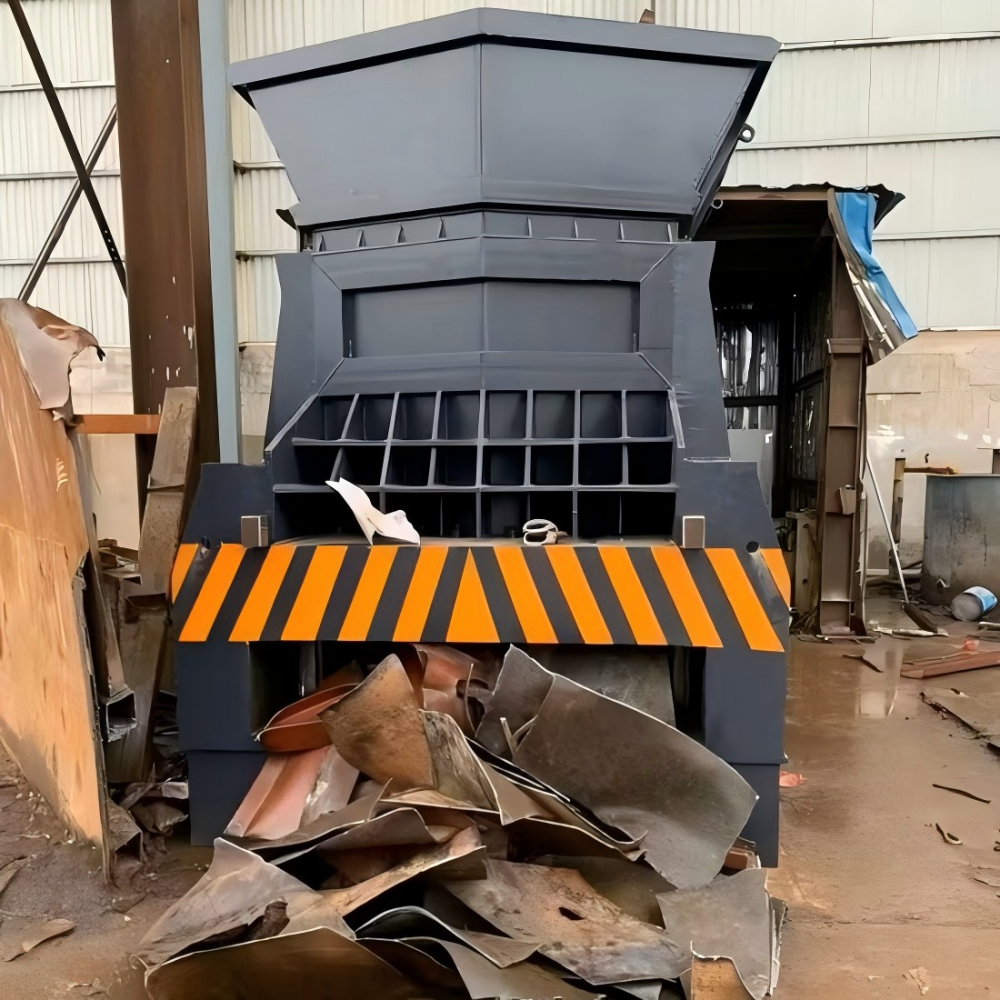
Hidden Costs: Beyond the Purchase Price
To select the best container shear metal recycling operation, you must account for the ‘hidden’ costs that arise during the machine’s lifecycle. The most significant of these is the cost of wear parts. The blades, liners, and seals are consumable items. Depending on the abrasiveness of the scrap you process (e.g., sandy or rusty scrap), blades may need to be rotated or sharpened every few hundred hours. High-quality replacement blades can cost several thousand dollars per set.
Installation and site preparation are often underestimated. A 1,000-ton container shear requires a reinforced concrete pad capable of withstanding both the static weight of the machine and the dynamic forces generated during the shearing stroke. Additionally, the electrical infrastructure must be capable of handling the high peak current during motor startup. Upgrading a transformer or running new high-voltage lines can add tens of thousands of dollars to the project cost.
Hydraulic oil is another recurring expense. A large container shear can hold 1,000 to 3,000 liters of hydraulic fluid. This oil must be filtered regularly and replaced periodically. Using low-quality oil to save money is a common mistake that leads to premature pump failure and increased internal friction, which raises energy consumption.
Finally, consider the cost of downtime. If your shear is the primary processing tool in your yard, a breakdown can halt your entire operation. This is why the availability of spare parts and the proximity of technical support are vital. HARSLE provides comprehensive spare parts kits and remote technical assistance to minimize these hidden costs, but buyers should always budget for a ‘maintenance fund’ equivalent to 3-5% of the machine’s value annually.
ROI Calculation: When Does the Machine Pay for Itself?
Calculating the Return on Investment (ROI) is the ultimate test when you select the best container shear metal recycling operation. The primary way a container shear generates value is by increasing the density of the scrap. High-density scrap (often called ‘bonus grade’) commands a higher price per ton from steel mills because it improves furnace efficiency and reduces transport costs.
Let’s look at a hypothetical example. A yard processes 1,000 tons of scrap per month. By using a container shear to upgrade the scrap from ‘unprepared’ to ‘HMS1’, the yard might see a price increase of $30 per ton. This results in an additional $30,000 in monthly revenue. If the machine’s monthly operating costs (electricity, labor, maintenance) are $10,000, the net gain is $20,000 per month.
In this scenario, a $240,000 mid-range shear would pay for itself in just 12 months. However, the calculation must also include labor savings. A container shear typically requires only one operator (often the material handler driver using a remote control), whereas manual torch cutting or using smaller alligator shears requires multiple workers. Reducing the headcount by two or three people can save an additional $100,000 per year in wages and insurance.
Another factor in ROI is the reduction in logistics costs. Because sheared scrap is denser, you can fit more weight into each truck or shipping container. If you can increase the weight per load from 15 tons to 25 tons, you reduce your shipping costs by 40%. For yards exporting scrap internationally, these savings alone can justify the purchase of a high-capacity HARSLE container shear.
Buying Advice: A Step-by-Step Selection Checklist
When you are ready to select the best container shear metal recycling operation, follow this checklist to ensure no detail is overlooked:
- Analyze Your Scrap Mix: Document the types of metal you process most frequently. If 80% of your scrap is light gauge, don’t overspend on a 1,250-ton monster.
- Verify Throughput Requirements: Calculate how many tons you need to process per hour to meet your contracts. Ensure the machine’s cycle time and box size can meet this goal.
- Check Local Power Supply: Ensure your facility has the amperage required. If not, consider a diesel-powered unit, though these have higher fuel and maintenance costs.
- Evaluate the Manufacturer: Look for companies like HARSLE that have a proven track record in the recycling industry. Ask for references and, if possible, visit a site where the machine is in operation.
- Inspect the Hydraulic Circuit: Look for logical layouts, high-quality hoses, and accessible filtration points. A well-designed hydraulic system is easier to maintain.
- Consider Future Growth: It is often better to buy a machine with 20% more capacity than you currently need to allow for business expansion.
- Review the Warranty and Support: What is covered? How long does it take to get parts? Does the manufacturer offer on-site commissioning and training?
By following these steps, you move from a position of uncertainty to one of informed decision-making. A container shear is a 10-to-15-year investment; taking the time to get the specifications right at the start will pay dividends for a decade.
Frequently Asked Questions (FAQ)
1. What is the difference between a container shear and a guillotine shear?
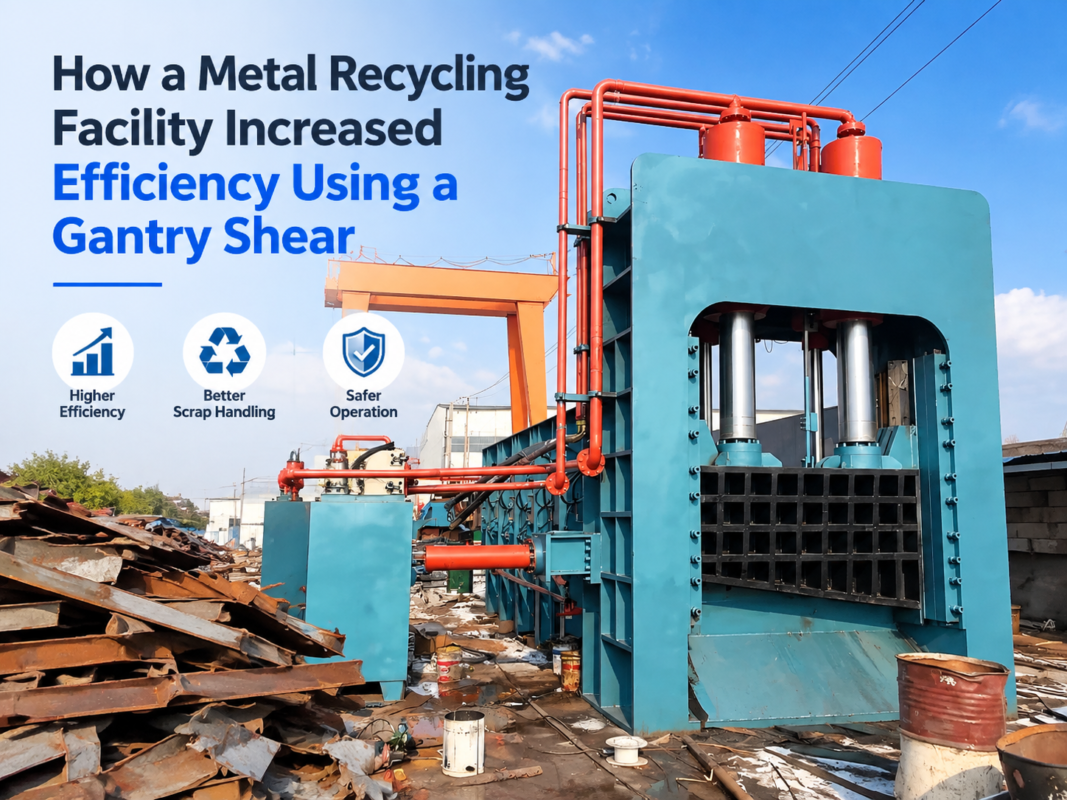
A guillotine shear is typically a massive, stationary machine with a separate pre-compression wing or ‘stamper.’ It is designed for the highest possible volumes. A container shear is more compact, often integrated into a single frame that resembles a shipping container. The container shear uses the box itself to compress the scrap before the horizontal or vertical blade makes the cut. Container shears are generally easier to install and more versatile for medium-sized yards.
2. How often do the blades need to be changed?
Blade life depends entirely on the material being cut. For clean, soft steel, blades might last 500-800 hours before needing a rotation. For hard or sandy scrap, this could drop to 200 hours. Most HARSLE blades have four cutting edges; once one edge is dull, you can flip the blade to a fresh edge, effectively quadrupling the life of the part before it needs professional grinding or replacement.
3. Can a container shear process non-ferrous metals?
Yes, container shears are excellent for processing large volumes of aluminum, copper, and stainless steel. In fact, because non-ferrous metals are more valuable, the ROI on shearing these materials is often even faster than with ferrous scrap. The machine can be adjusted to use lower pressure settings to save energy when processing softer metals.
4. Is a 400-ton shear enough for car bodies?
While a 400-ton shear can technically crush a car body, it may struggle with the engine blocks and structural pillars. For consistent processing of end-of-life vehicles (ELVs), an 800-ton shear is generally recommended. This ensures the machine isn’t constantly operating at its maximum pressure limit, which extends the life of the hydraulic pumps.
5. What kind of maintenance does the hydraulic system require?
The most important maintenance tasks are monitoring oil levels, checking for leaks, and replacing filters. You should also perform an oil analysis once a year to check for metal particles or moisture, which can indicate internal wear. Keeping the oil cool and clean is the single best way to ensure the longevity of your container shear.
6. Does HARSLE provide training for operators?
Yes, HARSLE provides comprehensive documentation and can offer on-site or remote training sessions. Proper training is essential not just for safety, but for maximizing throughput. An experienced operator knows how to load the box efficiently to minimize ‘air cuts’ and ensure every stroke of the shear is productive.