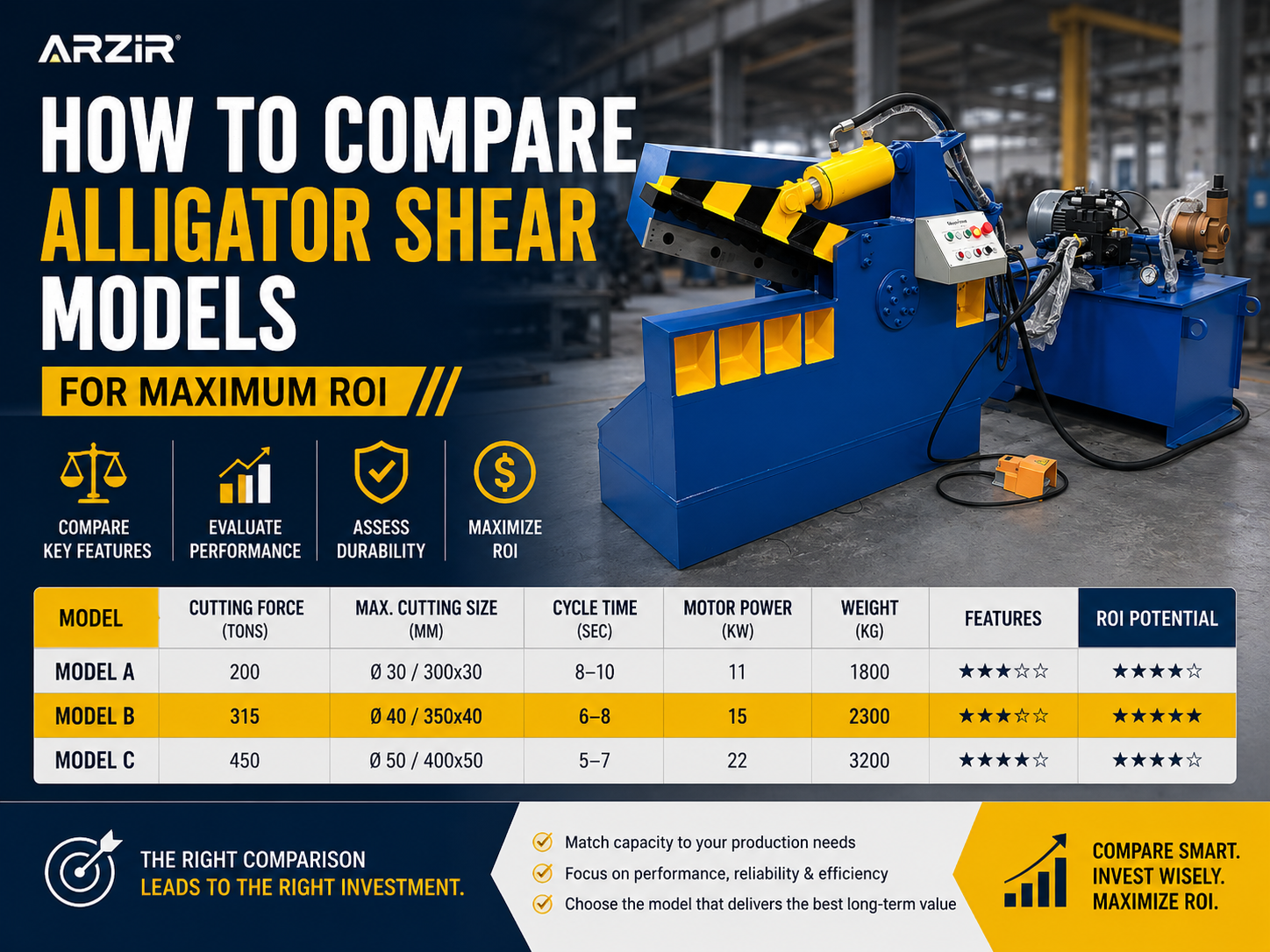
How to Compare Alligator Shear Models for Maximum ROI

Introduction to Alligator Shears and Investment Strategy
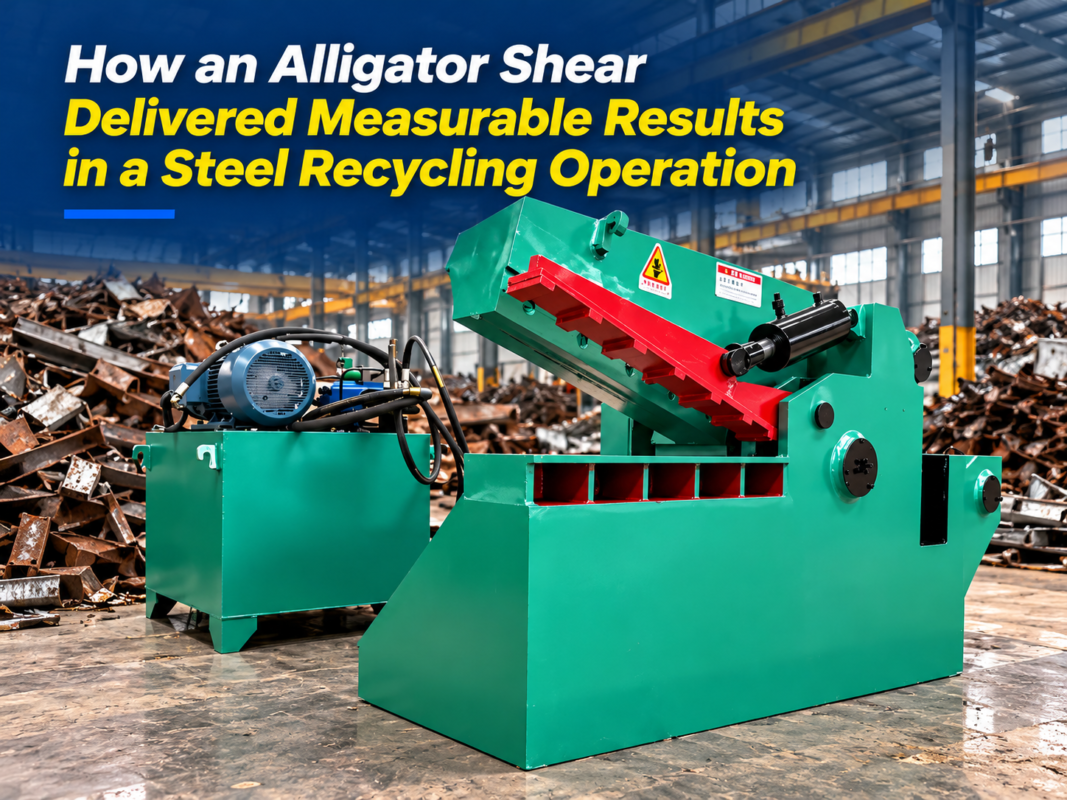
In the competitive landscape of scrap metal recycling and metal fabrication, the efficiency of your processing equipment directly dictates your profit margins. Among the most versatile tools in a scrap yard’s arsenal is the alligator shear. Named for its characteristic jaw-like movement, this hydraulic powerhouse is essential for cold-cutting various metal shapes, pipes, and profiles into manageable sizes. However, choosing the right model is not merely about finding the lowest price tag; it is about understanding how to Compare Alligator Shear Models Maximum ROI (Return on Investment).
Maximizing ROI involves a multi-faceted analysis of throughput, durability, energy consumption, and maintenance requirements. A machine that is too small will struggle with heavy-duty materials, leading to premature wear and frequent breakdowns. Conversely, an oversized machine for light-duty tasks represents wasted capital and excessive energy costs. This guide provides a deep dive into the technical and financial metrics you must evaluate to ensure your HARSLE alligator shear becomes a profit center rather than a cost burden.
As global metal prices fluctuate, the ability to quickly process ‘unprepared’ scrap into ‘prepared’ scrap—which commands a significantly higher market price—is the key to success. By the end of this article, you will have a comprehensive framework for evaluating different alligator shear models, allowing you to make an informed decision that aligns with your specific operational needs and long-term financial goals.
Price Range Overview: Understanding the Market Tiers
When you begin to Compare Alligator Shear Models Maximum ROI, the first thing you will notice is the wide variance in pricing. Generally, alligator shears are categorized by their cutting force, which is measured in tons. Entry-level models typically offer 60 to 100 tons of force, while heavy-duty industrial models can exceed 500 tons. Understanding where your needs fall within these price brackets is the first step in your procurement journey.
Small-scale shears, often used for processing copper wire, small aluminum profiles, and radiator cores, typically range from $4,000 to $12,000. These machines are compact, often mobile, and designed for precision rather than brute force. While the initial investment is low, the ROI is driven by the high value of the non-ferrous metals they process. For a small recycling center, these models offer the fastest path to breaking even due to their low overhead and specialized application.
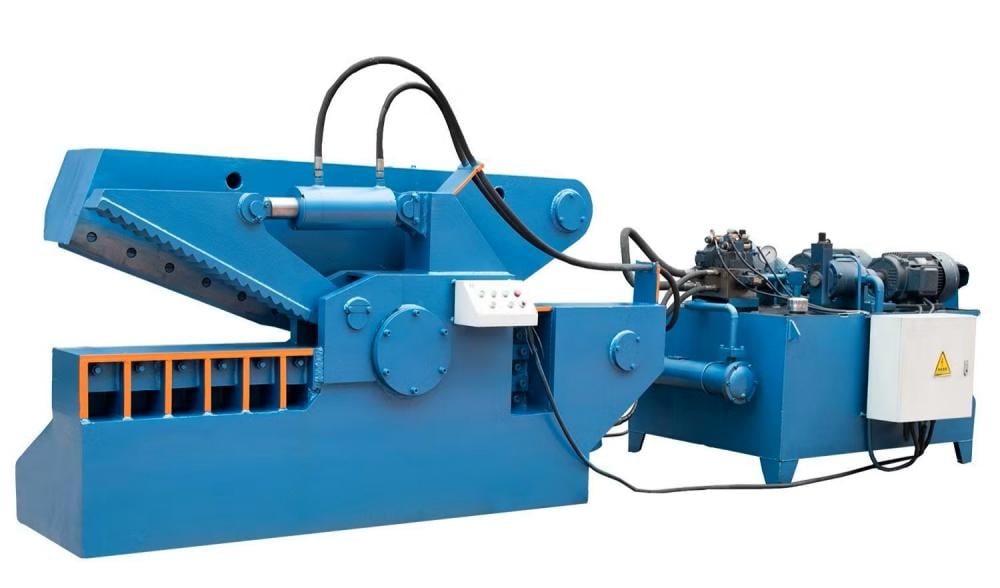
Mid-range models, providing 120 to 250 tons of cutting force, are the workhorses of the industry. Priced between $15,000 and $35,000, these machines can handle thicker steel plates, rebar, and larger pipes. They strike a balance between speed and power. When evaluating these, the ROI calculation must include the volume of material processed per hour. A mid-range HARSLE shear with a faster cycle time can often outperform a cheaper, slower competitor, leading to higher daily revenue that quickly offsets the higher purchase price.
Finally, high-capacity shears (300+ tons) are designed for structural steel, heavy machinery parts, and large-diameter pipes. These units can cost upwards of $50,000. For these models, ROI is maximized through durability and the ability to process materials that smaller yards cannot handle. By cornering a niche in heavy scrap processing, a business can justify the significant capital expenditure through high-volume contracts and reduced labor costs per ton of material processed.
Main Cost Drivers: What Are You Actually Paying For?
To effectively Compare Alligator Shear Models Maximum ROI, you must look beneath the paint and the price tag. Several technical components drive the cost of the machine and, more importantly, its long-term performance. The first major driver is the hydraulic system. High-quality pumps (such as those from Rexroth or Vickers) and valves ensure consistent pressure and faster cycle times. A cheaper hydraulic system might save money upfront but will likely suffer from overheating and internal leaks, leading to costly downtime.
The quality of the cutting blades is another critical factor. Alligator shear blades are subjected to immense stress and heat. Premium models use high-grade tool steel (like H13 or D2) that has undergone specialized heat treatment. While these blades are more expensive to replace, they retain their edge longer and can be flipped multiple times before needing a full replacement. In the context of ROI, longer blade life means fewer maintenance intervals and lower consumable costs over the machine’s lifespan.
The structural integrity of the frame cannot be overlooked. A shear’s frame must withstand the reactive forces generated during the cutting process. HARSLE utilizes heavy-duty welded steel plates that are stress-relieved to prevent warping over time. A lighter, poorly constructed frame may flex during heavy cuts, leading to blade misalignment. Misalignment doesn’t just ruin the blades; it can cause catastrophic failure of the main pivot pin and hydraulic cylinder, turning a ‘budget’ machine into a financial liability.
Lastly, the motor and electrical components contribute to the cost. Energy-efficient motors (IE3 standard) may have a higher purchase price but significantly reduce monthly electricity bills. In high-volume operations where the machine runs 8-10 hours a day, the energy savings alone can pay for the price difference between a standard and a premium motor within the first two years of operation. Furthermore, high-quality electrical cabinets with PLC controls allow for better diagnostic capabilities and safer operation.
Configuration Impact: Customizing for Efficiency
The configuration of an alligator shear significantly impacts its operational efficiency and, consequently, its ROI. One of the most important choices is the blade length. Common lengths range from 400mm to 1200mm. A longer blade allows for cutting wider pieces of scrap in a single stroke, which increases throughput. However, a longer blade also spreads the cutting force over a larger area, which might reduce the machine’s ability to cut through very thick sections. Choosing the right blade length requires a careful analysis of your most common scrap types.
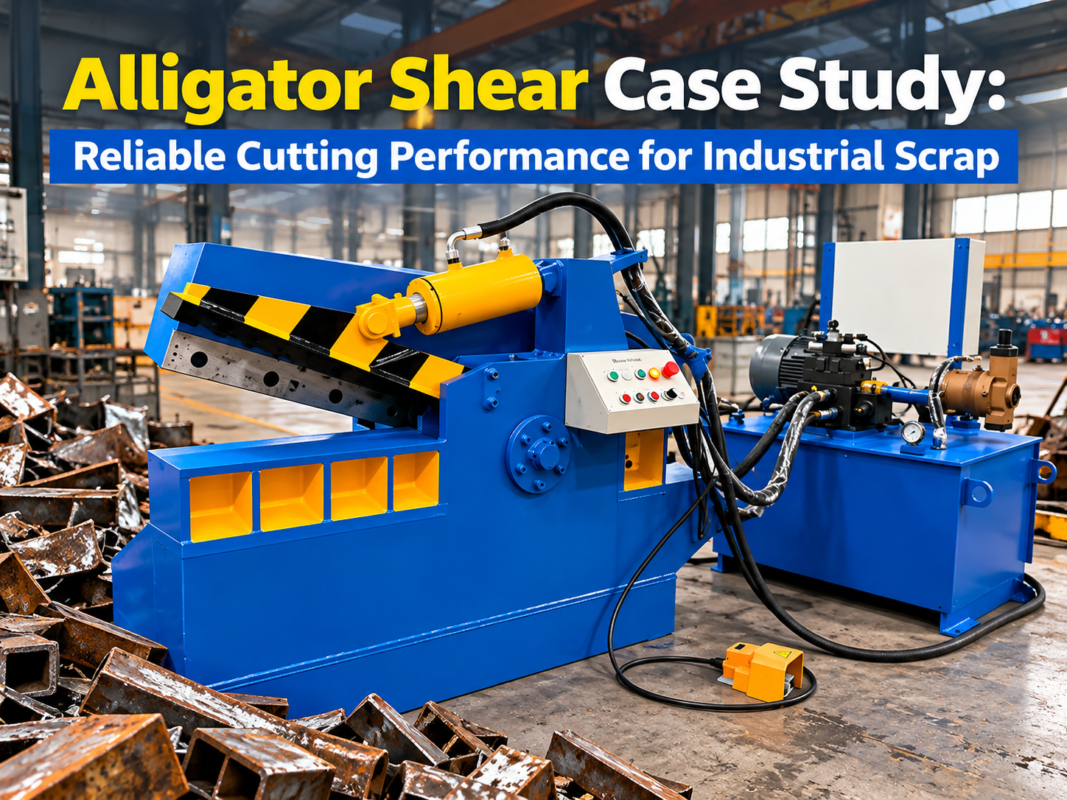
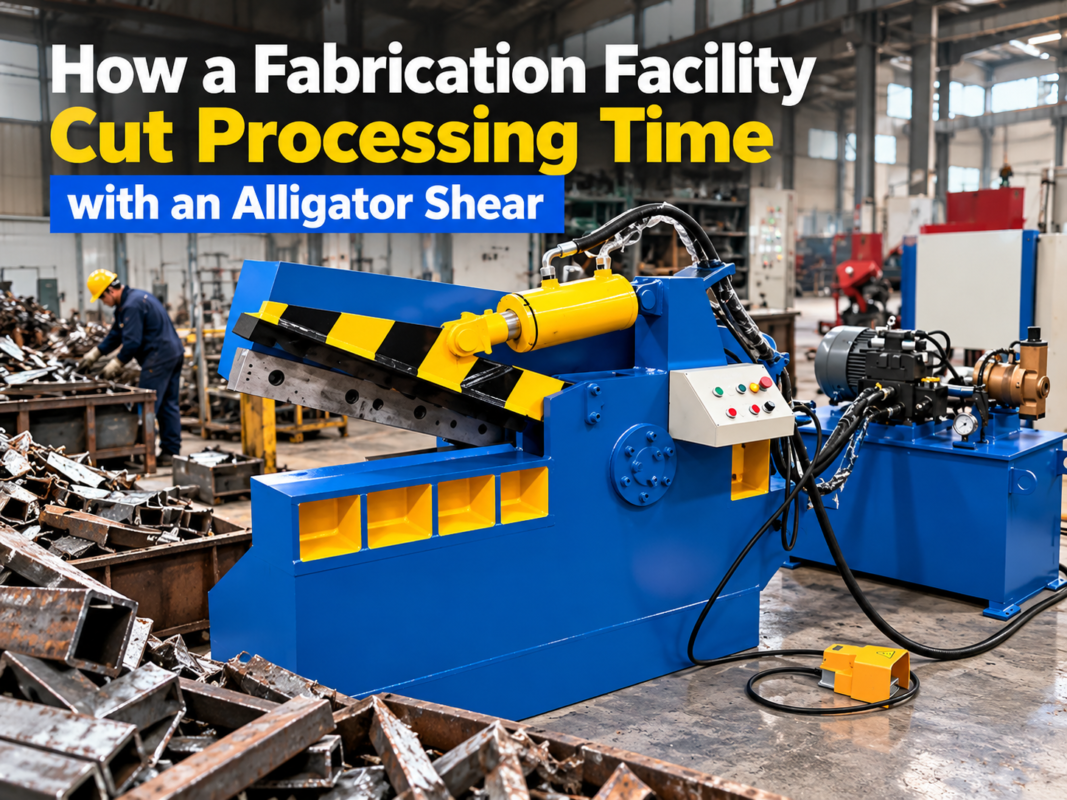
Another critical configuration element is the “hold-down” mechanism. Manual hold-downs require the operator to adjust a screw or lever to secure the material, which is slow and potentially dangerous. Hydraulic automatic hold-downs, on the other hand, secure the material automatically as the jaw descends. This not only speeds up the cycle time but also prevents the material from “kicking up,” which protects the operator and the machine’s pivot points. For maximum ROI, the safety and speed of a hydraulic hold-down are almost always worth the extra investment.
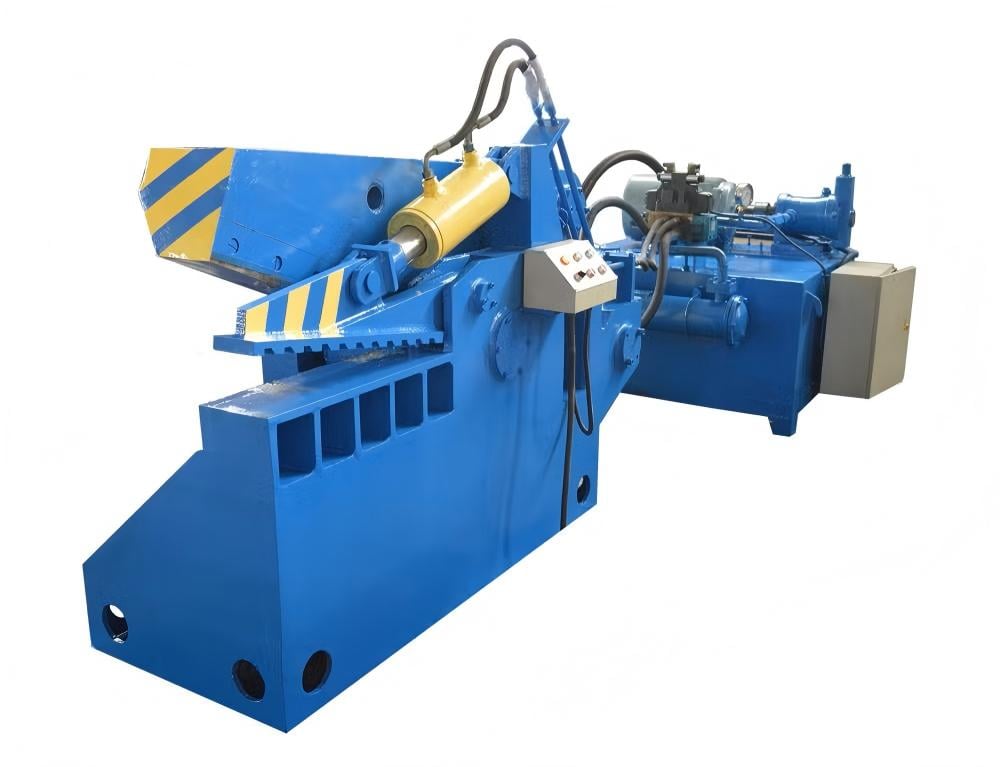
Control systems also vary widely. Basic models use a simple foot pedal or hand lever. Advanced models offer automatic continuous cutting modes, where the jaw cycles at a set frequency. This is ideal for processing long items like rebar or pipe. Additionally, some HARSLE models can be integrated into conveyor systems for a semi-automated workflow. When you Compare Alligator Shear Models Maximum ROI, consider how the machine’s interface will affect operator fatigue. A tired operator is less productive and more prone to making mistakes that could damage the equipment.
Cooling systems are often overlooked but are vital for ROI in warm climates or high-duty cycle environments. Hydraulic oil loses its viscosity when it gets too hot, leading to sluggish performance and increased wear on the pump. An integrated air or water cooling system keeps the oil at the optimal temperature, ensuring the machine maintains its maximum cutting speed throughout the entire shift. This consistency is key to meeting production targets and maintaining a steady ROI.
Hidden Costs: Beyond the Initial Purchase
When business owners fail to Compare Alligator Shear Models Maximum ROI accurately, it is usually because they ignored the hidden costs of ownership. The most significant hidden cost is downtime. If a shear goes offline in a busy scrap yard, the entire workflow stops. This results in lost revenue, idle labor, and potential penalties if you fail to meet delivery contracts. Choosing a brand like HARSLE, which offers robust after-sales support and readily available spare parts, is a hedge against the high cost of downtime.
Maintenance is an ongoing expense that must be factored into the ROI equation. This includes regular oil changes, filter replacements, and greasing of the pivot pins. A machine designed with easy access to these maintenance points will reduce the time your staff spends on upkeep. Furthermore, the cost of blade sharpening and replacement can be substantial. If a machine’s design makes it difficult to change the blades, you will incur higher labor costs every time the blades need attention.
Electricity consumption is another recurring cost. As mentioned earlier, the difference in efficiency between motors can be significant. Additionally, the hydraulic system’s efficiency plays a role. Systems that use variable displacement pumps only draw the power needed for the specific cut, whereas fixed displacement pumps run at full power regardless of the load. Over several years, the energy savings from a more efficient hydraulic system can amount to thousands of dollars, directly boosting your ROI.
Finally, consider the cost of floor space and installation. A massive, poorly designed shear might require expensive foundation work or take up so much space that it hinders the movement of forklifts and other equipment. Compact, high-power designs offer better “revenue per square foot,” which is a vital metric for urban scrap yards where space is at a premium. Always review the footprint and installation requirements before finalizing your purchase to avoid unexpected facility modification costs.
ROI Calculation: A Practical Example
To truly Compare Alligator Shear Models Maximum ROI, you need to put numbers to the theory. Let’s look at a hypothetical scenario comparing a budget model (Machine A) and a high-efficiency HARSLE model (Machine B). Machine A costs $15,000, while Machine B costs $22,000. At first glance, Machine A seems like the better deal. However, let’s look at the operational data over a one-year period.
Machine A has a cycle time of 12 cuts per minute and an average uptime of 85% due to more frequent maintenance needs. Machine B has a cycle time of 18 cuts per minute and an uptime of 95%. If the profit margin for processing scrap is $50 per ton, and Machine B can process 20% more material per hour due to its speed and reliability, the revenue difference becomes clear. Over a year of 2,000 working hours, Machine B could potentially generate $30,000 to $50,000 more in gross profit than Machine A.
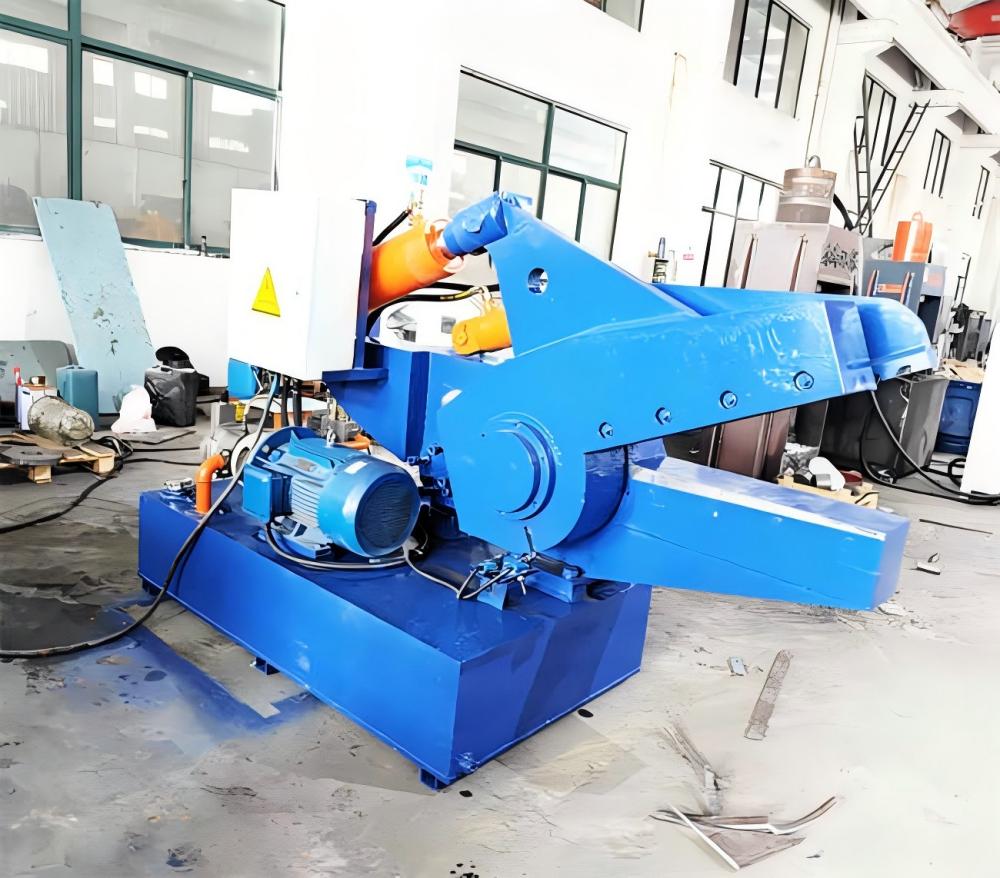
Furthermore, consider the blade costs. If Machine A’s blades need replacing every 3 months at a cost of $800, and Machine B’s premium blades last 6 months at a cost of $1,000, Machine B saves $1,200 per year in consumables. When you add the energy savings from a more efficient motor (estimated at $800/year), the $7,000 price difference between the two machines is recovered in less than four months of operation. This is the essence of calculating ROI: looking at the total cost of ownership and the total revenue generation potential over the life of the machine.
| Feature | Budget Model (Machine A) | HARSLE Premium (Machine B) | ROI Impact |
|---|---|---|---|
| Initial Cost | $15,000 | $22,000 | -$7,000 upfront |
| Cycle Speed | 12 cuts/min | 18 cuts/min | +50% Productivity |
| Annual Maintenance | $3,200 | $2,000 | +$1,200/year savings |
| Energy Efficiency | Standard | High (IE3) | +$800/year savings |
| Estimated Payback | N/A | < 6 Months | Higher Long-term Profit |
Buying Advice: How to Choose the Right HARSLE Model
When you are ready to Compare Alligator Shear Models Maximum ROI and make a purchase, start by conducting a thorough audit of your current and projected scrap flow. What is the maximum thickness of the material you process daily? What is the volume? If 90% of your material is under 20mm thick, buying a 500-ton shear is an inefficient use of capital. However, if you frequently turn away heavy structural steel because your current equipment can’t handle it, upgrading to a higher-capacity HARSLE model is a strategic move to capture more market share.
Always request a video demonstration or, if possible, a live trial with your specific materials. Different alloys and shapes react differently under the shear jaw. A machine might have the tonnage on paper, but the jaw geometry might not be ideal for round pipes or tangled wire. HARSLE provides detailed specifications and can often customize blade configurations to suit specific industrial applications. Don’t be afraid to ask for references from other scrap yards to hear about their real-world experiences with the machine’s durability.
Check the availability of wear parts. A shear is only as good as its blades and seals. Ensure that the manufacturer has a local or fast-shipping distribution network for these items. Furthermore, evaluate the technical documentation provided. A comprehensive manual with clear hydraulic schematics and troubleshooting guides is invaluable for your maintenance team. Investing in a machine with good documentation reduces the time spent on repairs and ensures that maintenance is performed correctly, preserving the machine’s value over time.
Finally, consider the resale value. High-quality industrial machinery from reputable brands like HARSLE tends to hold its value well on the secondary market. If your business grows and you need to upgrade to an even larger shear in five years, a well-maintained HARSLE machine will command a high resale price, which effectively reduces your total cost of ownership for the period you used it. This “exit strategy” is a vital component of the maximum ROI mindset.
Frequently Asked Questions (FAQ)
1. How often do alligator shear blades need to be sharpened?
The frequency of sharpening depends entirely on the material being cut. For non-ferrous metals like aluminum and copper, blades can last for several months of continuous use. For hardened steel or rebar, they may need to be flipped or sharpened every 4-6 weeks. Most HARSLE blades have four cutting edges, meaning you can rotate them three times before needing a professional regrind.
2. Can an alligator shear cut through stainless steel?
Yes, but stainless steel is significantly harder than mild steel. When processing stainless, you should use a shear with a higher tonnage rating than what would be required for the same thickness of mild steel. It is also recommended to use specialized blades designed for high-tensile materials to prevent chipping and excessive wear.
3. Is a foot pedal or an automatic cycle better for ROI?
For maximum ROI, a machine that offers both is ideal. A foot pedal provides the precision needed for cleaning complex scrap pieces (removing attachments), while an automatic cycle is essential for high-volume processing of uniform materials like pipes or bars. HARSLE models often feature both modes to provide maximum operational flexibility.
4. What kind of hydraulic oil should I use?
Most alligator shears require a high-quality anti-wear hydraulic oil, typically ISO VG 46 or 68, depending on your local climate. Using the correct oil is crucial for protecting the pump and valves. Always refer to your HARSLE user manual for the specific oil grade and change intervals to maintain your warranty and ensure machine longevity.
5. How do I ensure operator safety while maximizing speed?
Safety and speed are not mutually exclusive. Features like hydraulic hold-downs, safety cages, and emergency stop buttons allow operators to work quickly with confidence. Proper training is also essential; an operator who understands the machine’s limits will work more efficiently and safely than one who is guessing. HARSLE designs prioritize CE-compliant safety features to protect your most valuable asset: your people.
6. What is the difference between an alligator shear and a guillotine shear?
Alligator shears use a pivoting jaw and are best for irregular scrap, pipes, and profiles. Guillotine shears move in a straight vertical line and are typically used for large, flat plates. For a scrap yard, the alligator shear is usually more versatile and cost-effective for a wide variety of materials, whereas a guillotine is a specialized tool for high-volume plate processing.