Alligator Shear Buying Guide for High-Volume Scrap Cutting Operations

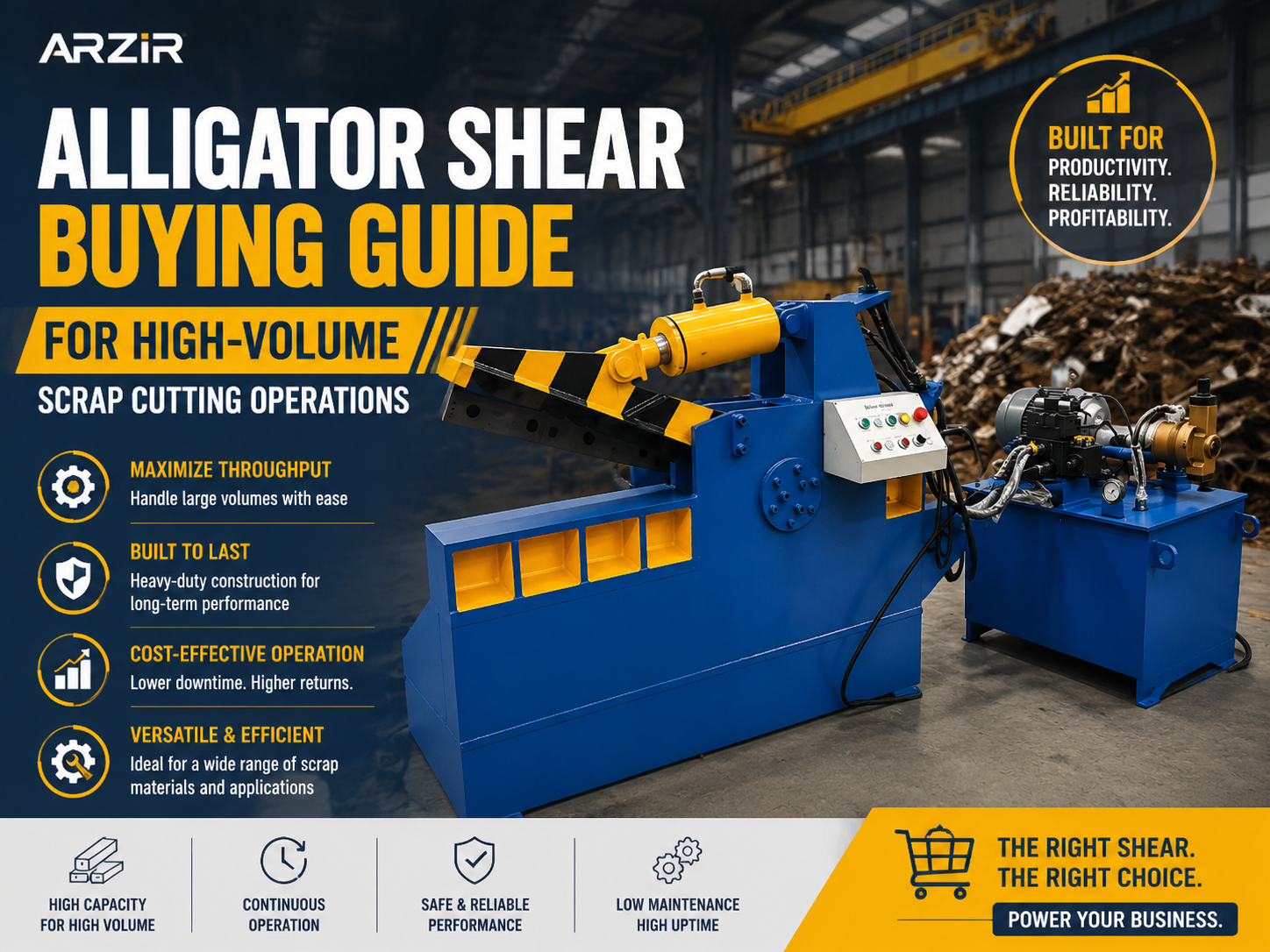
Introduction to Alligator Shear Buying High-Volume Scrap Cutting Operations
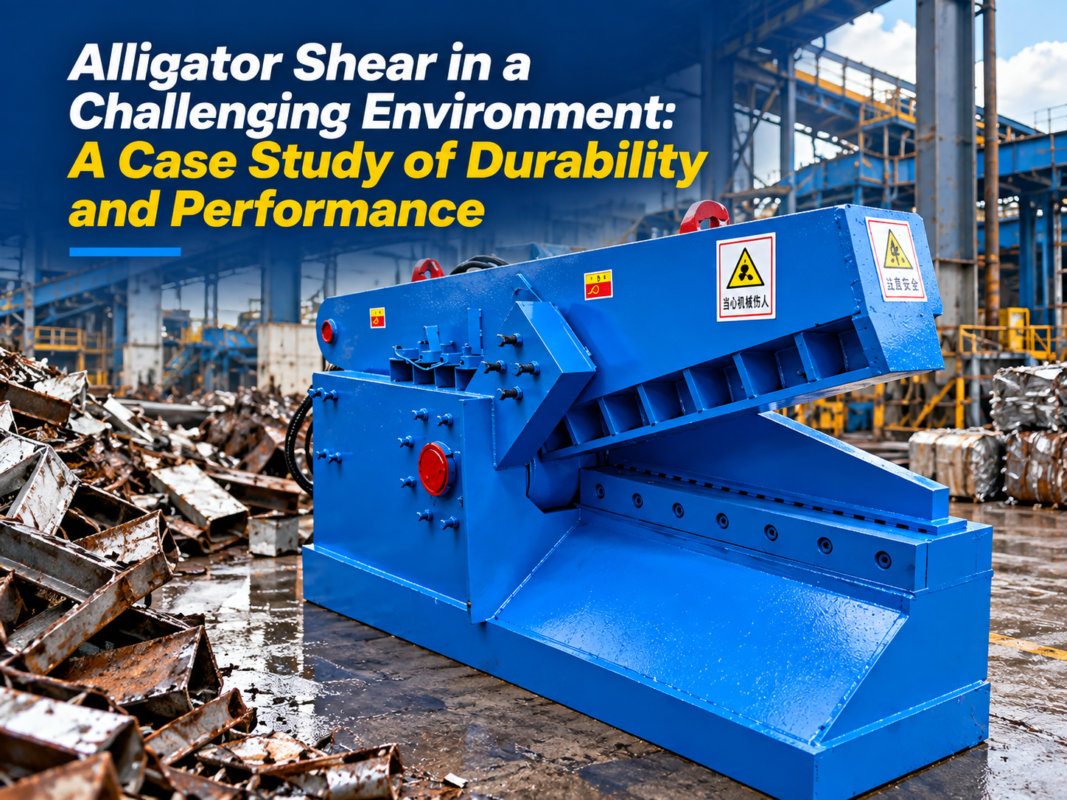
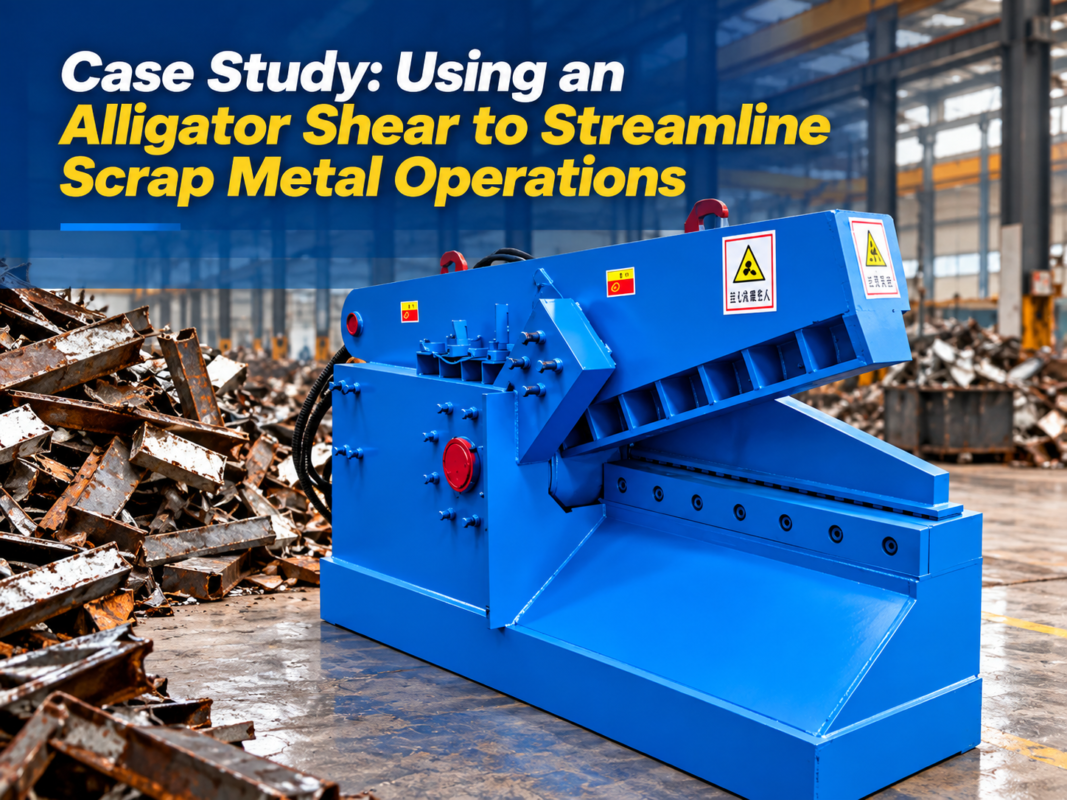
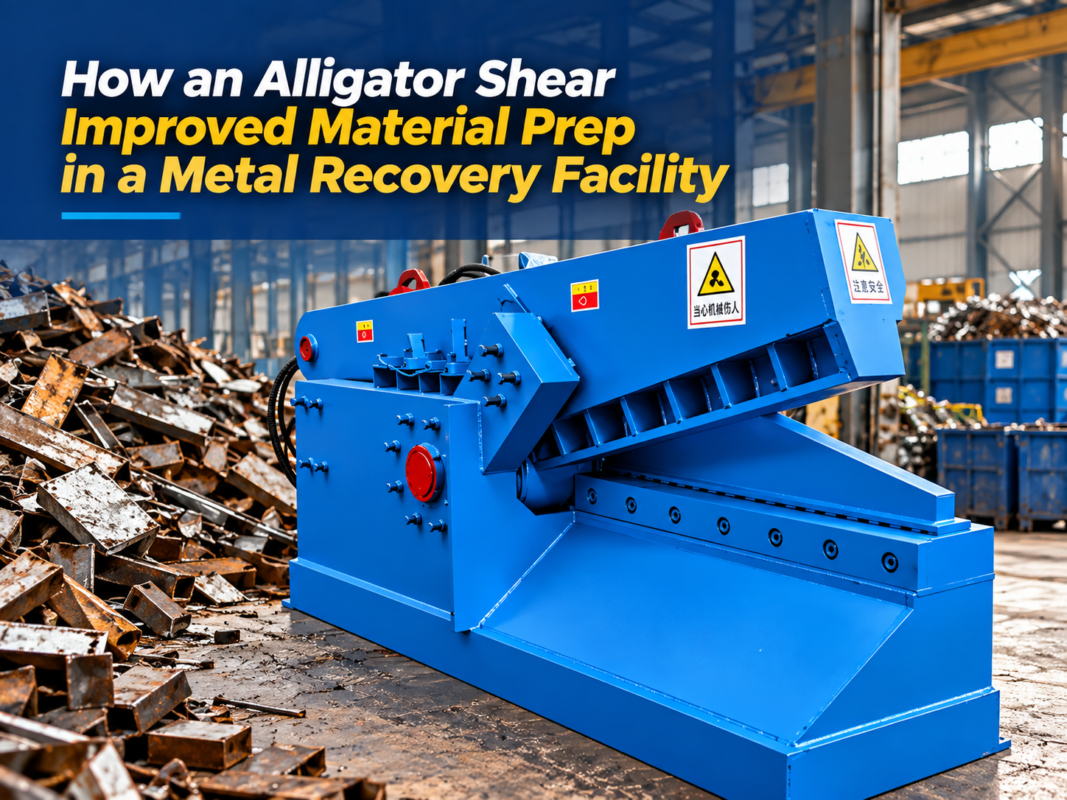
In the world of metal recycling and industrial waste management, the efficiency of your processing equipment determines your bottom line. For high-volume scrap cutting operations, the alligator shear remains an indispensable tool. Named for its characteristic jaw-like movement, the alligator shear is designed to cut long pieces of metal scrap into manageable sizes for further processing or smelting. However, selecting the right machine is not a simple task. It requires a deep understanding of material types, throughput requirements, and the long-term operational costs associated with heavy-duty machinery.
High-volume operations face unique challenges that smaller workshops do not. These include the need for continuous duty cycles, the ability to handle diverse metal alloys ranging from soft aluminum to hardened steel, and the necessity for minimal downtime. When considering an alligator shear buying high-volume scrap cutting operations strategy, decision-makers must look beyond the initial sticker price and evaluate the machine’s structural integrity, hydraulic efficiency, and safety features. A well-chosen shear can process tons of material per shift, while a poorly selected one can become a bottleneck, leading to increased labor costs and missed production targets.
HARSLE, a leader in metal fabrication machinery, understands that every scrap yard has different needs. Whether you are processing copper tubing, automotive scrap, or structural steel beams, the configuration of your alligator shear will dictate your success. This guide is designed to provide a comprehensive roadmap for procurement officers and facility managers, ensuring that every dollar invested in new equipment yields the maximum possible return. We will explore the technical nuances of these machines, from blade metallurgy to hydraulic circuit design, providing you with the knowledge needed to make an informed purchase.
Price Range Overview: What to Expect
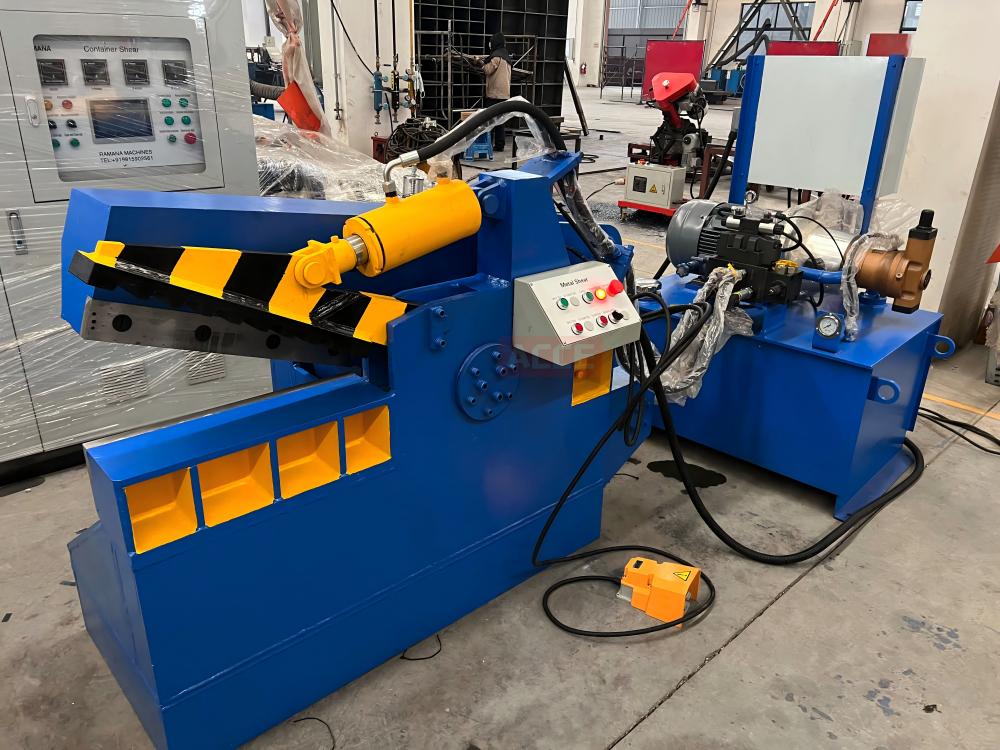
The market for alligator shears is broad, with prices varying significantly based on capacity, automation, and build quality. For high-volume operations, entry-level hobbyist machines are rarely suitable. Instead, businesses must look at industrial-grade equipment. Generally, the price range for professional alligator shears can be categorized into three main tiers: light-industrial, mid-range heavy-duty, and high-capacity automated systems.
Light-industrial shears, often used for non-ferrous metals like copper and aluminum, typically range from $5,000 to $12,000. These machines usually offer cutting forces between 60 and 120 tons and blade lengths around 400mm to 600mm. While they are efficient for smaller yards, they may struggle with the continuous 24/7 duty cycles required in high-volume environments. They are best suited as secondary machines for specific material sorting lines rather than the primary workhorse of a large-scale operation.
Mid-range heavy-duty shears are the standard for most high-volume scrap cutting operations. These machines are priced between $15,000 and $35,000. They offer cutting forces ranging from 150 to 300 tons and are built with reinforced frames to handle the vibration and stress of constant shearing. At this price point, you begin to see features like integrated cooling systems for hydraulic oil, which is critical for maintaining performance during long shifts in hot environments. These machines can handle a wider variety of materials, including thicker steel plates and larger diameter pipes.
At the top end of the spectrum are high-capacity automated systems, which can exceed $50,000. These units often feature cutting forces of 400 to 600+ tons and blade lengths exceeding 1000mm. These systems are frequently integrated into larger conveyor lines and may include automatic feeding mechanisms or PLC-controlled cycles. For the largest scrap processors, the high initial investment is justified by the massive throughput and the reduction in manual labor requirements. When evaluating alligator shear buying high-volume scrap cutting operations, it is vital to match the price tier to your projected annual tonnage.
Main Cost Drivers in Alligator Shear Procurement
Understanding what drives the cost of an alligator shear is essential for effective budgeting. The most significant cost driver is the cutting force, measured in tons. Higher tonnage requires larger hydraulic cylinders, more robust pumps, and thicker steel frames to withstand the reactive forces. For high-volume operations, a higher tonnage is often a safer investment, as it prevents the machine from operating at its absolute limit, thereby extending the lifespan of the hydraulic components.
Blade length and quality are the second major cost drivers. Longer blades allow for the processing of larger scrap pieces in a single stroke, which significantly boosts productivity. However, longer blades also require more power to maintain the same cutting pressure across the entire edge. Furthermore, the metallurgy of the blades—whether they are made of standard tool steel or high-grade alloys like D2 or H13—impacts the price. High-volume operations should never skimp on blade quality, as the cost of frequent blade changes and sharpening will quickly exceed the initial savings of a cheaper set.
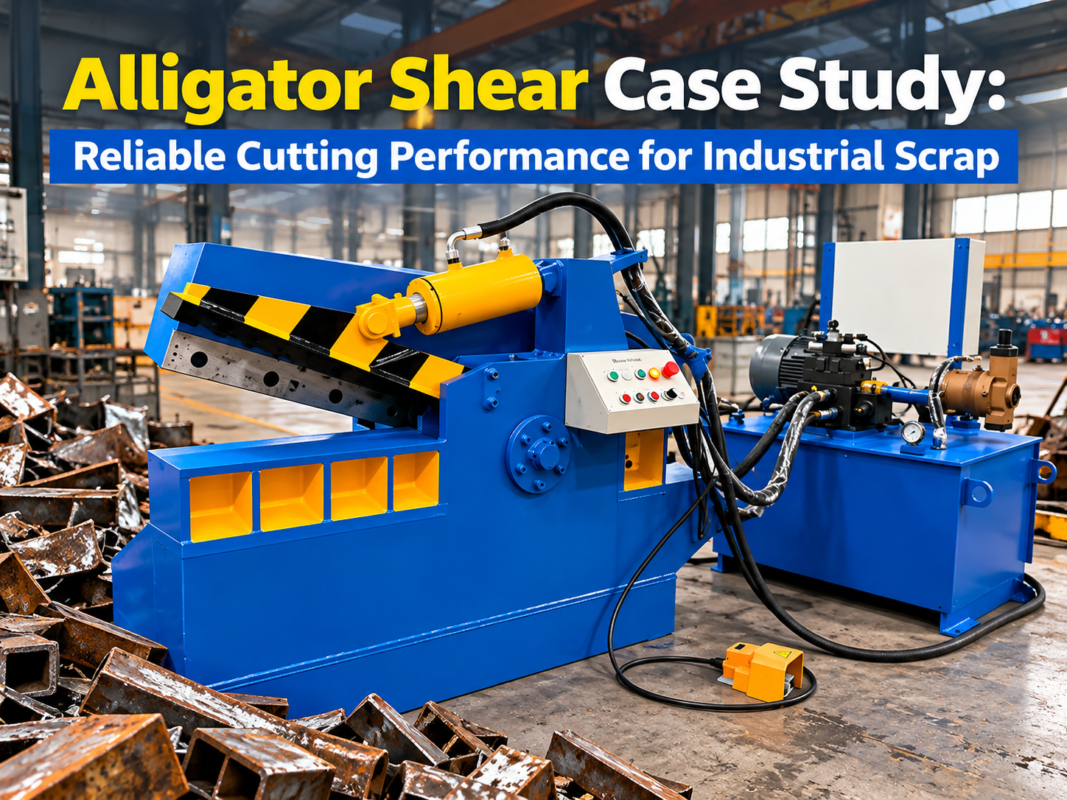
The hydraulic system’s complexity also plays a role. A high-quality alligator shear will utilize premium valves and pumps (often from brands like Rexroth or Vickers) to ensure smooth operation and longevity. Features such as variable displacement pumps, which adjust flow based on the resistance of the material being cut, can increase the machine’s price but offer significant energy savings and faster cycle times. Additionally, the inclusion of a robust “hold-down” mechanism—the hydraulic clamp that secures the metal before the blade descends—is a critical cost factor that directly impacts both safety and cut quality.
Configuration Impact on High-Volume Performance
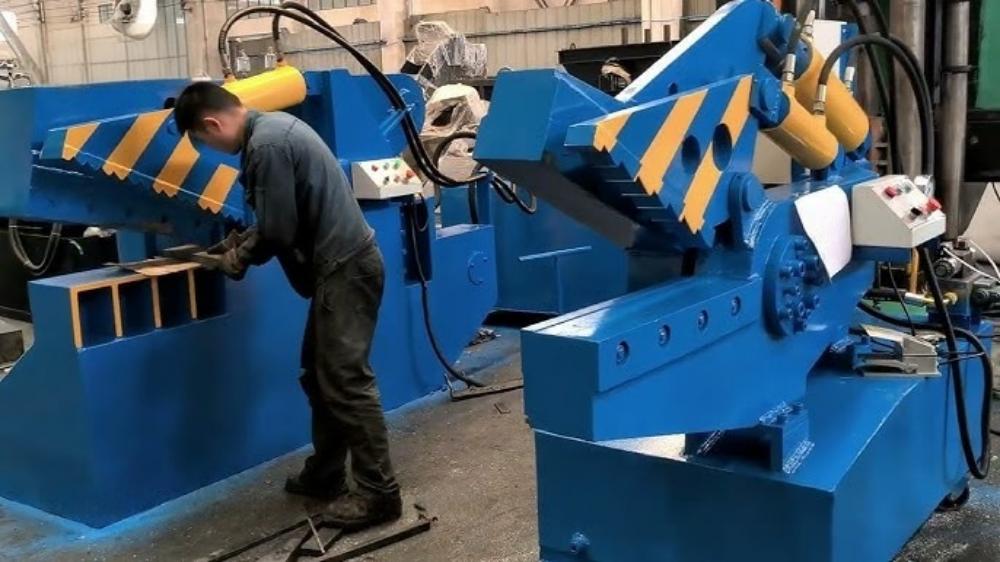
When configuring an alligator shear for high-volume scrap cutting operations, the choice between manual, semi-automatic, and fully automatic modes is paramount. Manual operation is common for sorting tasks where the operator needs to inspect each piece of scrap. However, for high-volume throughput, semi-automatic cycles—where the machine completes a full cut and return cycle with a single foot pedal press—are much more efficient. Fully automatic modes, which cycle continuously, are ideal for processing uniform materials like rebar or long pipes on a conveyor system.
Another critical configuration element is the cooling system. In high-volume environments, hydraulic oil can reach high temperatures quickly, leading to seal failure and reduced pump efficiency. An air-cooled or water-cooled oil heat exchanger is not an optional luxury for these operations; it is a necessity. Without proper cooling, the machine may require frequent breaks to cool down, which is unacceptable in a high-production environment. Buyers should also consider the stroke adjustment feature, which allows the operator to limit the opening of the jaw for smaller materials, thereby shortening cycle times and increasing cuts per minute.
Safety configurations should also be a top priority. High-volume operations often involve multiple shifts and various operators. Features such as emergency stop buttons, protective cages for the cutting area, and interlocking safety guards are essential. Some modern shears also include sensors that prevent the machine from cycling if a foreign object (or a hand) is detected in the danger zone. While these features add to the initial configuration cost, they are vital for preventing workplace accidents and the associated legal and operational costs.
Hidden Costs of Owning an Alligator Shear
The purchase price of an alligator shear is only the beginning of the total cost of ownership. One of the most overlooked hidden costs is shipping and installation. These machines are incredibly heavy, often weighing several tons, and require specialized freight services and heavy-duty forklifts or cranes for unloading. Furthermore, the floor of the facility must be reinforced concrete to handle the static weight and the dynamic vibrations produced during the shearing process. If your facility floor is not up to spec, the cost of pouring a new pad must be factored into the budget.
Maintenance and consumables represent another ongoing expense. Alligator shear blades are wear items. Depending on the material being cut, they may need to be rotated (most blades have four usable edges) every few weeks and sharpened or replaced every few months. High-volume operations should keep at least one spare set of blades on hand at all times to avoid downtime. Additionally, the hydraulic oil (often 200 to 500 liters) needs to be changed periodically, and filters must be replaced to keep the system clean. Neglecting these small costs can lead to catastrophic pump failure, which is a much more expensive repair.
Electrical infrastructure is a third hidden cost. Industrial alligator shears require significant power, often 15kW to 45kW or more. If your facility does not have the necessary three-phase power capacity, upgrading your electrical panel and wiring can be a substantial expense. It is also worth considering the cost of operator training. A skilled operator can maximize throughput and minimize blade wear, whereas an untrained worker can easily damage the machine by trying to cut materials that exceed its rated capacity. Investing in professional training from the manufacturer, such as HARSLE, is a wise move that pays off in the long run.
ROI Calculation: Justifying the Investment
To justify the purchase of a high-end alligator shear, a clear Return on Investment (ROI) calculation is necessary. The primary driver of ROI in scrap processing is the price differential between “unprepared” and “prepared” scrap. Prepared scrap—metal that has been cut to specific sizes required by foundries and mills—commands a significantly higher price per ton. For example, if preparing steel scrap increases its value by $50 per ton, and your high-volume shear processes 20 tons per day, the machine generates $1,000 in additional value daily.
Labor savings also contribute to ROI. A modern, high-speed alligator shear can replace multiple workers using manual torches or smaller, less efficient shears. If a new machine allows you to reduce your headcount by one operator per shift, the savings in wages, benefits, and insurance can total $40,000 to $60,000 per year. When combined with the increased scrap value, many high-volume operations find that a $30,000 alligator shear pays for itself in less than six months. Furthermore, the reduction in gas costs for cutting torches and the elimination of fire hazards associated with thermal cutting add to the financial benefits.
Finally, consider the impact of downtime. A cheap, unreliable machine that breaks down once a week can cost thousands in lost production and repair labor. By investing in a high-quality machine from a reputable manufacturer like HARSLE, you ensure higher uptime. The ROI calculation should include a “reliability factor,” where the slightly higher initial cost of a premium machine is offset by the avoidance of costly repairs and the ability to meet tight delivery schedules for your scrap buyers. In the high-volume world, consistency is just as important as speed.
Expert Buying Advice for High-Volume Operations
When you are ready to move forward with an alligator shear buying high-volume scrap cutting operations plan, start by conducting a thorough audit of your current and future scrap flow. Don’t just buy for the scrap you have today; buy for the scrap you want to handle next year. If you anticipate moving into heavier structural steel or larger automotive components, opt for a machine with 20% to 30% more tonnage than your current maximum requirement. This “headroom” ensures the machine isn’t constantly stressed, leading to a longer service life.
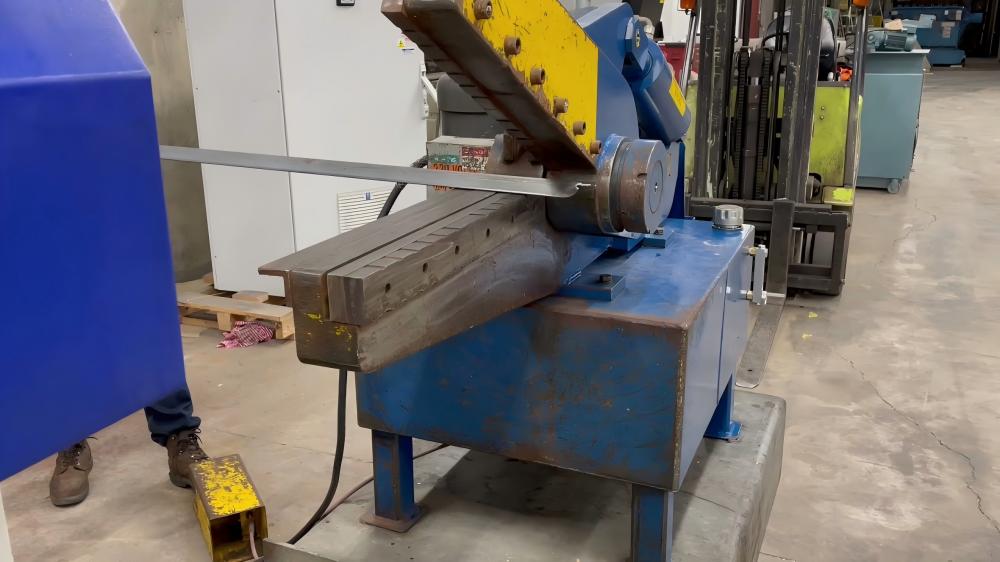
Always request a material test or a video demonstration of the specific machine model cutting the types of scrap you process most frequently. Not all 200-ton shears are created equal; the geometry of the jaw and the speed of the hydraulic cycle can vary significantly between brands. Pay close attention to the cycle time (seconds per cut). In high-volume operations, a difference of two seconds per cycle can result in hundreds of fewer cuts per day, which directly impacts your revenue. Also, inquire about the availability of spare parts. A machine is only as good as the support behind it; ensure the manufacturer has a robust supply chain for blades, seals, and hydraulic components.
Finally, consider the ergonomics and ease of use. For high-volume operations, operator fatigue is a real concern. Look for shears with adjustable foot pedals, clear sightlines to the cutting area, and low noise levels. A comfortable operator is a productive and safe operator. Check the machine’s footprint as well; ensure it fits into your workflow without creating bottlenecks for forklifts or material handlers. By following these expert tips and choosing a trusted partner like HARSLE, you can ensure that your alligator shear investment becomes a cornerstone of your facility’s success.
Frequently Asked Questions (FAQ)
1. What is the most important factor when buying an alligator shear for high-volume work?
The most important factor is the duty cycle and hydraulic cooling. High-volume operations require the machine to run for hours without stopping. Without a robust cooling system and heavy-duty hydraulic components, the machine will overheat, leading to seal failure and significant downtime. Always ensure the machine is rated for continuous industrial use rather than intermittent light-duty work.
2. How often do the blades need to be sharpened in a high-volume setting?
Blade life depends heavily on the material being cut. For clean aluminum or copper, blades can last several months before needing rotation. However, if you are cutting contaminated steel or rebar, you may need to rotate the blades every 2-4 weeks. Most industrial alligator shear blades have four cutting edges, so you can flip and rotate them before needing a full regrind or replacement.
3. Can an alligator shear handle all types of scrap metal?
While alligator shears are versatile, they have limits. They are excellent for pipes, profiles, beams, and general scrap. However, they are not intended for extremely hard materials like hardened tool steel or massive solid shafts that exceed the machine’s tonnage rating. Attempting to cut material that is too hard or too thick can crack the blades or damage the main pivot pin of the shear.
4. Is a longer blade always better?
Not necessarily. While a longer blade (e.g., 1000mm or 1200mm) allows you to cut larger pieces of scrap, it also spreads the hydraulic force over a wider area, which can reduce the cutting pressure at any single point. For very thick, heavy scrap, a shorter blade (600mm to 800mm) with high tonnage is often more effective than a long blade with the same tonnage. Match the blade length to the physical dimensions of your most common scrap.
5. What maintenance is required for the hydraulic system?
Regular maintenance includes checking the oil level daily, inspecting hoses for leaks or abrasions, and ensuring the oil cooler is free of dust and debris. You should change the hydraulic oil and replace the filters every 1,000 to 2,000 hours of operation, or at least once a year. Keeping the oil clean is the single best way to prevent expensive pump and valve failures.
6. Why should I choose HARSLE for my alligator shear needs?
HARSLE combines decades of engineering expertise with a commitment to high-quality components. Our alligator shears are designed specifically for the rigors of high-volume scrap processing, featuring reinforced frames, premium hydraulics, and advanced safety features. We provide comprehensive support, from initial selection advice to after-sales parts and service, ensuring your operation stays productive and profitable.