Choosing the Right Container Shear Machine for Your Industrial Cutting Needs

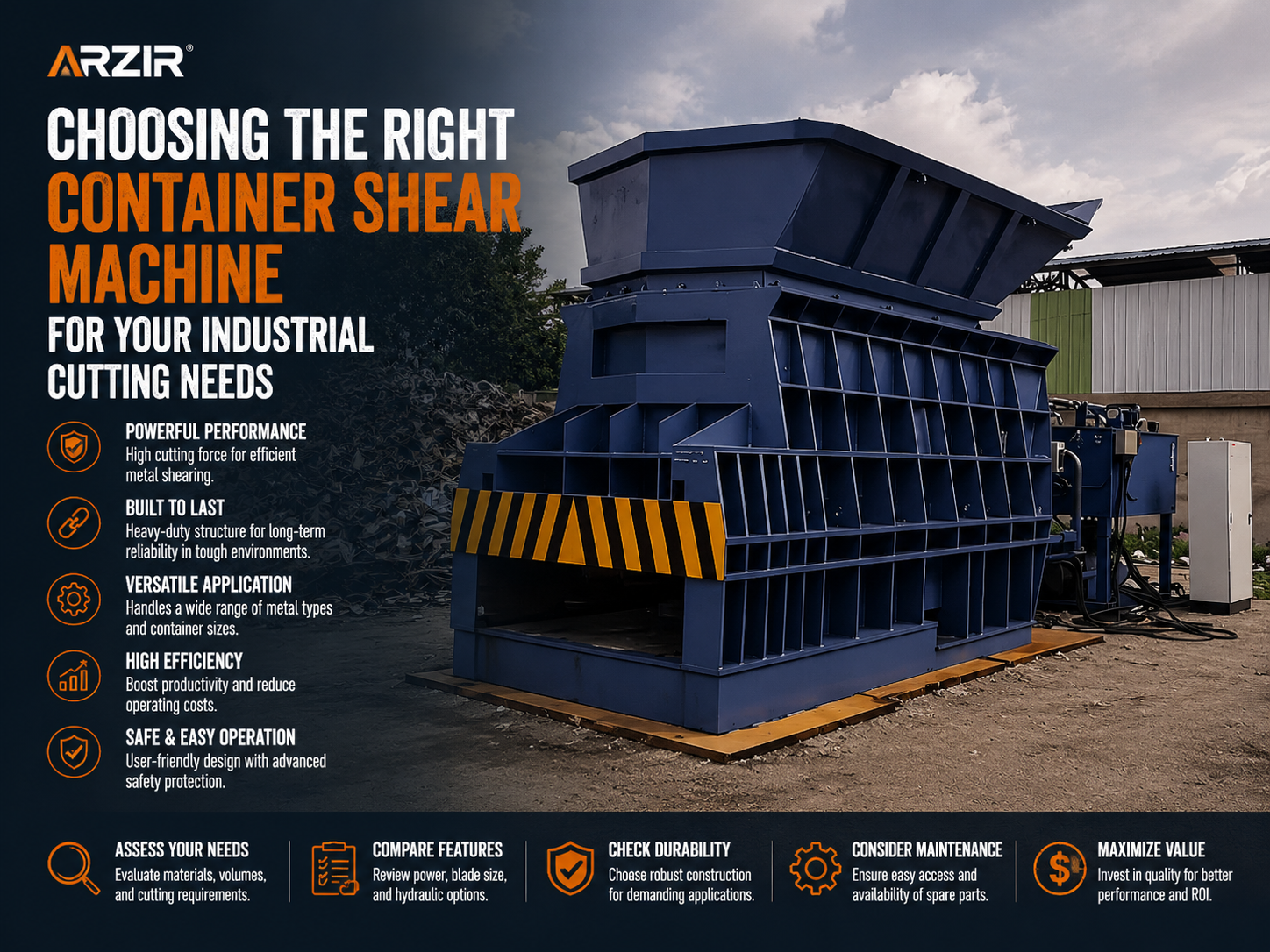
Introduction to Container Shear Technology
In the rapidly evolving world of scrap metal recycling and metal fabrication, the efficiency of processing large volumes of material can make or break a business’s profitability. As global demand for recycled steel and non-ferrous metals continues to rise, industrial facilities are increasingly turning to advanced machinery to streamline their operations. Among the most critical pieces of equipment in this sector is the container shear. When it comes to choosing container shear machine industrial cutting needs, the decision involves more than just picking a model from a catalog; it requires a deep understanding of material throughput, hydraulic efficiency, and long-term operational costs.
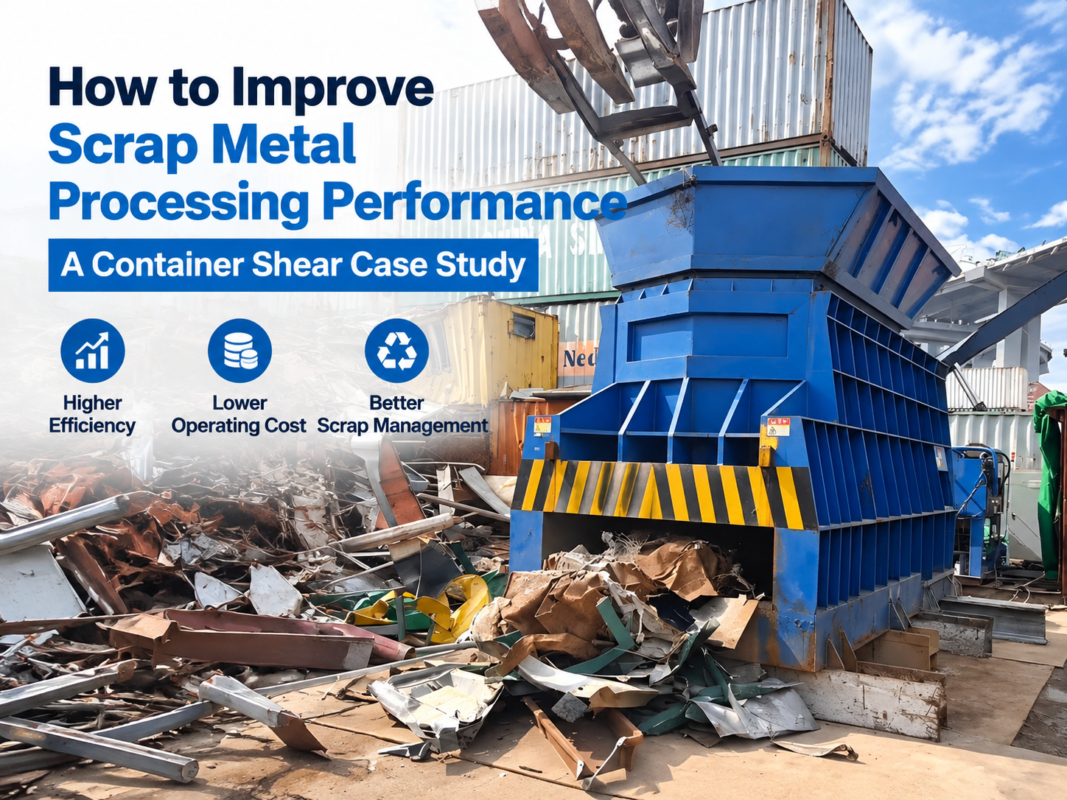
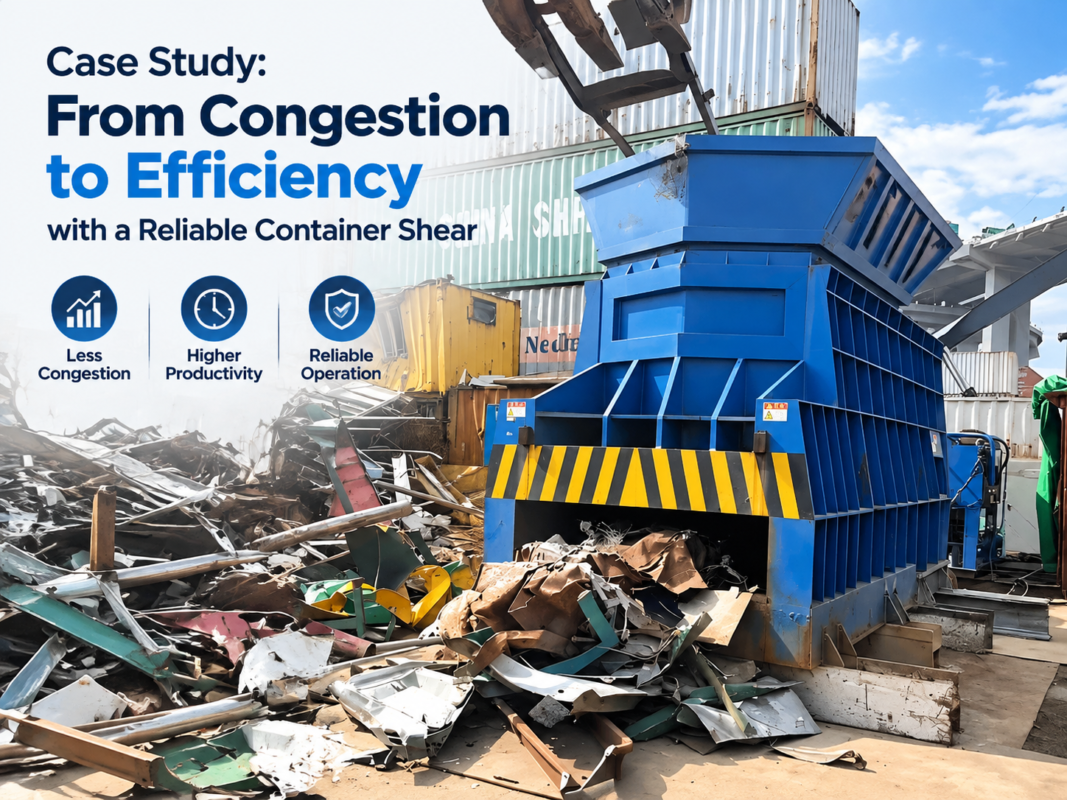
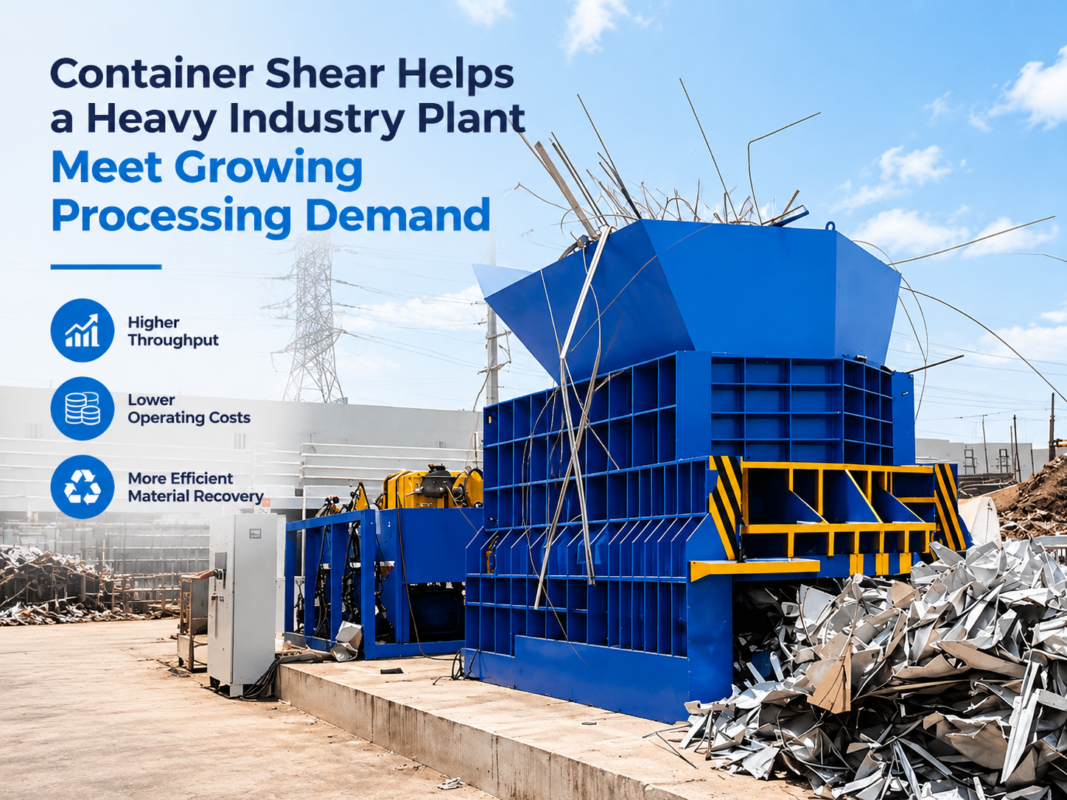
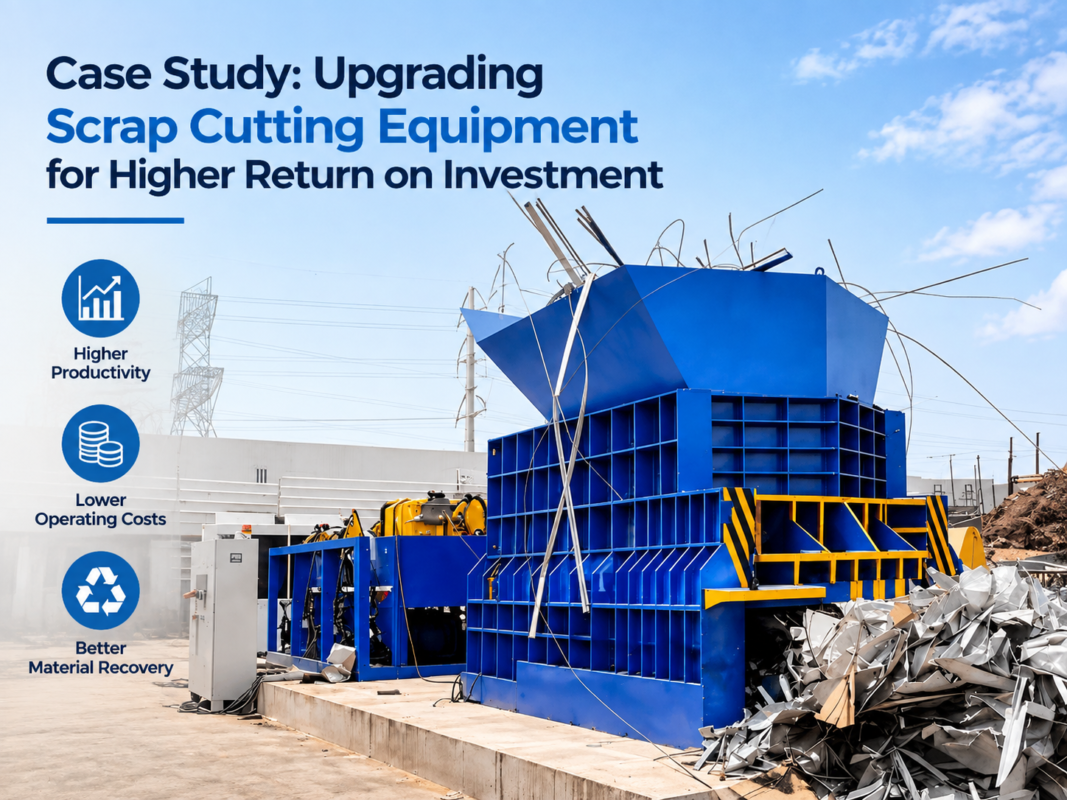
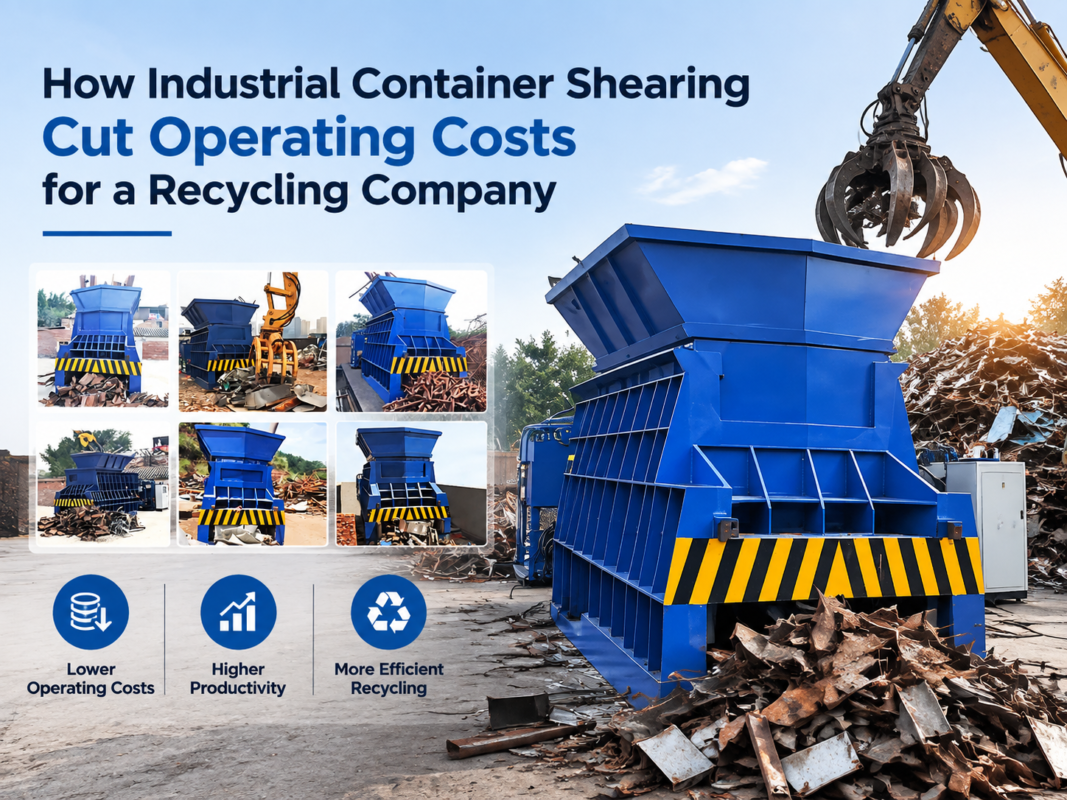
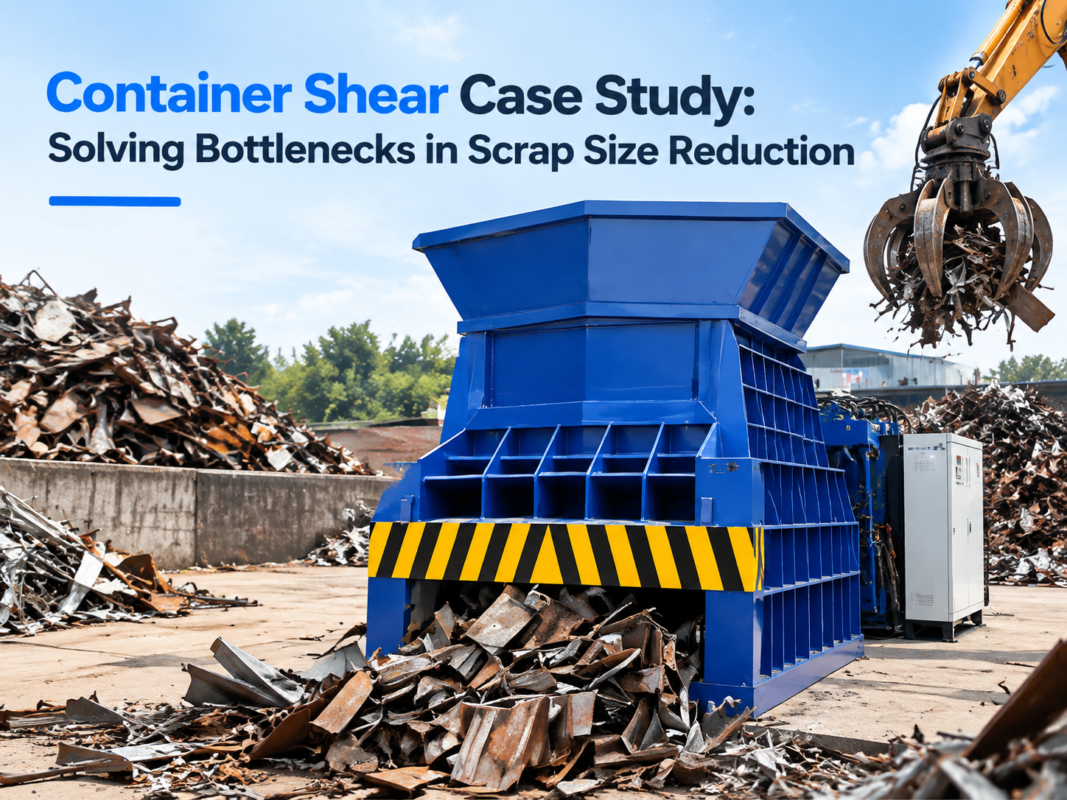
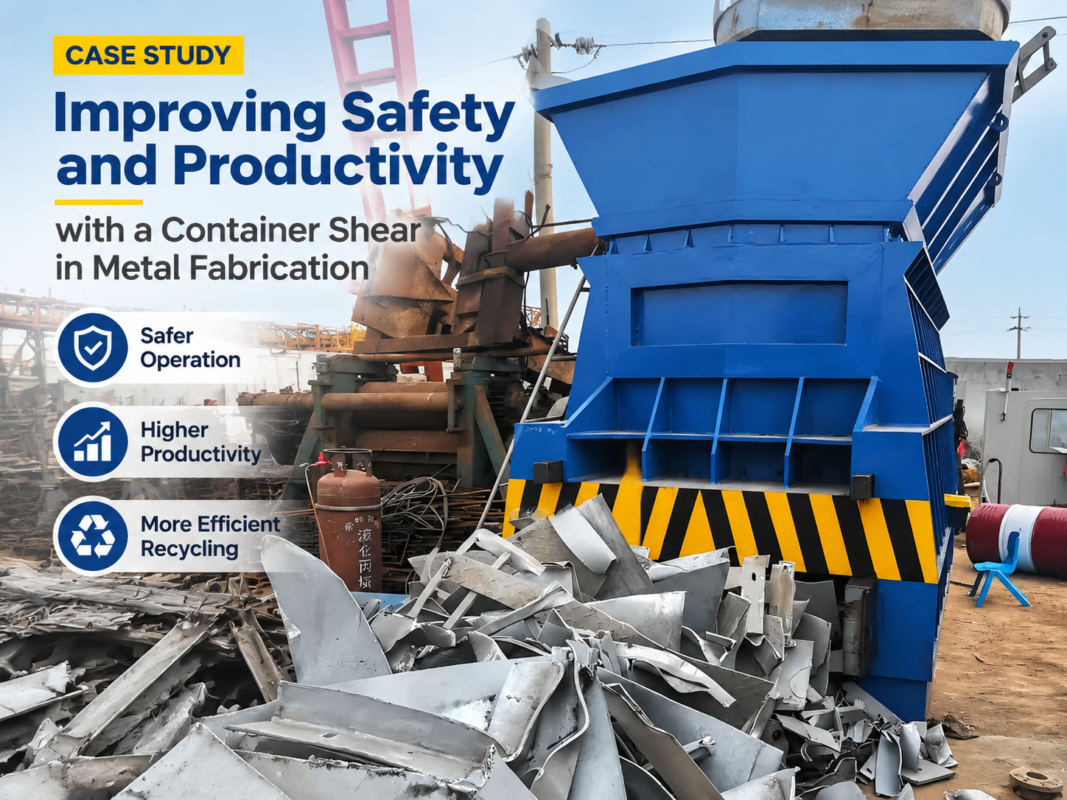
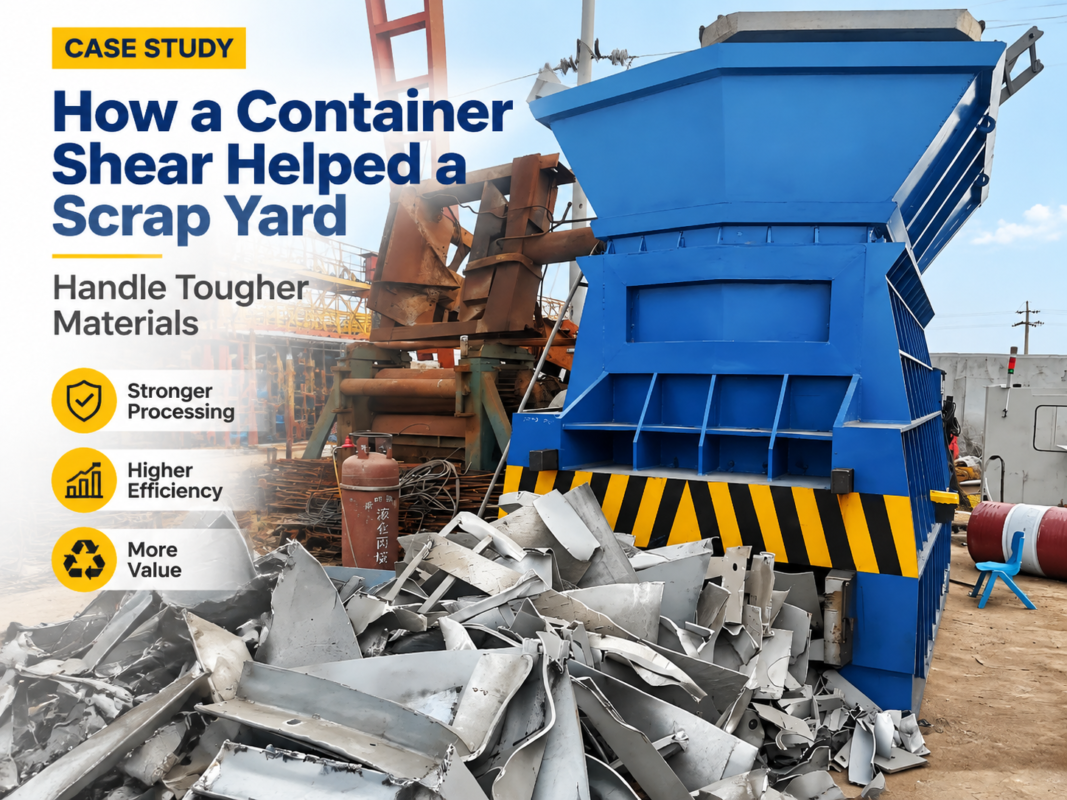
A container shear is a heavy-duty hydraulic machine designed to cut large pieces of scrap metal into manageable sizes for smelting or transport. Unlike traditional alligator shears or large-scale guillotine shears that require extensive foundation work, container shears are often designed with a compact, integrated structure that mimics the footprint of a standard shipping container. This design allows for easier transport and faster installation, making them a favorite for scrap yards that need flexibility and high-force cutting capabilities. However, the market is flooded with various configurations, and selecting the wrong one can lead to bottlenecks or excessive maintenance expenses.
This guide is designed to walk you through every facet of the selection process. We will explore the financial landscape, the technical specifications that drive performance, and the strategic considerations that ensure your investment yields the highest possible return. Whether you are upgrading an existing facility or starting a new recycling venture, understanding how to align machine capabilities with your specific industrial cutting needs is paramount.
Price Range Overview: Understanding the Market Landscape
The investment required for a container shear machine varies significantly based on capacity, brand reputation, and technological integration. Generally, the market is divided into three primary tiers: entry-level/compact units, mid-range industrial workhorses, and high-capacity heavy-duty systems. For businesses just entering the scrap processing market, entry-level container shears typically range from $60,000 to $120,000. These machines usually offer cutting forces between 400 and 600 tons and are suitable for processing lighter structural steel, aluminum extrusions, and smaller automotive scrap.

Mid-range machines, which are the most common in established industrial yards, fall within the $150,000 to $350,000 price bracket. These units provide cutting forces ranging from 800 to 1,000 tons. They are designed for multi-shift operations and can handle heavier materials like HMS1 and HMS2 (Heavy Melting Scrap). At this level, you begin to see more sophisticated hydraulic systems, better cooling mechanisms for continuous use, and enhanced automation features that reduce the need for constant operator intervention.
At the top end of the spectrum, high-capacity container shears can exceed $500,000. These are massive machines with cutting forces of 1,250 tons or more, capable of shearing thick ship plates, heavy structural beams, and large-scale industrial machinery. These units are often customized with specific blade lengths and high-speed hydraulic circuits to maximize tons-per-hour output. While the initial capital expenditure is high, the cost-per-ton processed is often the lowest in this category due to the sheer volume of material they can handle.
Main Cost Drivers in Container Shear Manufacturing
When evaluating the price of a container shear, it is essential to understand what drives the cost. The most significant factor is the quality and volume of steel used in the frame and the shear head. A machine designed to exert 1,000 tons of force must be built with high-tensile, heavy-gauge steel to prevent frame warping or fatigue over years of operation. Manufacturers like HARSLE prioritize structural integrity, using advanced welding techniques and stress-relieving processes that add to the manufacturing cost but ensure a longer machine lifespan.
The second major cost driver is the hydraulic system. The pumps, valves, and cylinders are the heart of the container shear. High-end machines utilize components from world-renowned brands such as Rexroth, Vickers, or Parker. These components are more expensive than generic alternatives but offer superior pressure stability, faster cycle times, and better heat dissipation. A high-quality hydraulic system ensures that the machine maintains its cutting force even during long hours of operation in extreme temperatures, which is a critical consideration for choosing container shear machine industrial cutting needs.
Control systems and automation also play a role in pricing. Modern container shears are equipped with PLC (Programmable Logic Controller) systems, often from Siemens or Schneider, which allow for precise control over the shearing cycle. Features like remote diagnostics, automatic lubrication, and pressure-sensing feed systems increase the initial price but significantly reduce labor costs and prevent catastrophic failures. Additionally, the quality of the cutting blades—typically made from high-chromium tool steel—impacts both the price and the frequency of required maintenance.
Configuration Impact: Matching Machine to Material
The configuration of a container shear is perhaps the most critical technical decision a buyer will make. The primary configuration choice is the cutting force. If you primarily process light-gauge materials like roofing sheets or thin-walled tubing, a 500-ton shear is sufficient. However, if your scrap stream includes heavy I-beams, thick rebar bundles, or engine blocks, you will need at least 800 to 1,000 tons of force. Under-speccing the cutting force leads to frequent machine stalls, increased wear on the hydraulic seals, and potential damage to the shear blades.
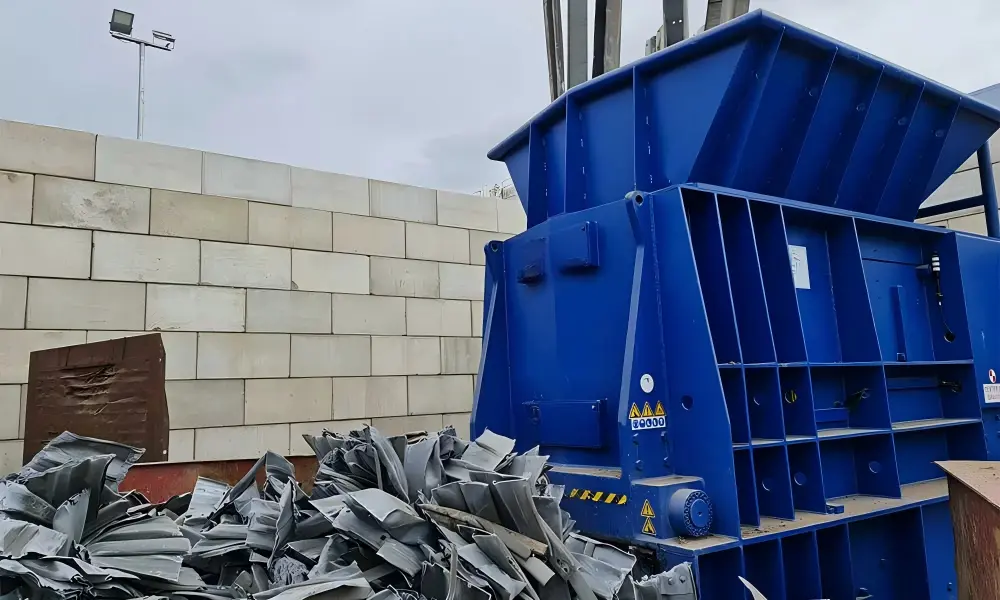
Another vital configuration aspect is the feeding mechanism. Container shears typically feature a large hopper or a continuous feed box. The size of the feed box must match the size of the scrap you receive. If the box is too small, your operators will spend excessive time pre-cutting material with torches, which increases labor costs and safety risks. Conversely, an oversized feed box on a low-force machine can lead to jams. The integration of a “pre-compression” feature, which flattens the scrap before it reaches the blades, is highly recommended for bulky materials like car bodies or large tanks.
Mobility is the third configuration pillar. Stationary container shears are bolted to a concrete pad and are ideal for permanent yards with a steady flow of material. However, many modern industrial operations prefer “semi-mobile” configurations. These units are built on a reinforced sub-frame that can be moved via a hook-lift truck or a low-boy trailer. This flexibility allows the shear to be moved closer to the scrap source, reducing the logistics costs of moving bulky, un-sheared metal across a large site. When choosing container shear machine industrial cutting needs, consider whether your site layout is fixed or if you might benefit from moving the machine to different processing zones.
Hidden Costs of Ownership
The purchase price of a container shear is only the beginning of the financial commitment. One of the most overlooked hidden costs is site preparation. While container shears are more “plug-and-play” than traditional shears, they still require a level, reinforced concrete surface capable of supporting both the machine’s weight (often 30-80 tons) and the dynamic loads generated during the shearing stroke. Failure to provide a proper foundation can lead to frame misalignment and premature hydraulic failure.
Electricity and hydraulic oil are ongoing operational expenses that can add up quickly. A high-capacity shear may require a 90kW to 150kW motor. In regions with high electricity costs, this can be a significant monthly line item. Furthermore, the hydraulic reservoir of a large container shear can hold 1,000 to 3,000 liters of specialized hydraulic oil. This oil must be filtered regularly and replaced periodically. The cost of high-quality oil and the disposal of old oil are factors that must be included in your budget. Additionally, wear parts—specifically the shear blades and the wear plates inside the feed box—require regular replacement. Depending on the abrasiveness of the scrap you process, blades may need to be rotated every few weeks and replaced every few months.
Finally, consider the cost of downtime. If a critical hydraulic valve fails and the manufacturer does not have a local service presence or a stocked parts warehouse, your machine could be offline for weeks. This results in lost revenue and a backlog of unprocessed scrap. When choosing container shear machine industrial cutting needs, always factor in the availability of technical support and the proximity of spare parts. A slightly more expensive machine from a reputable manufacturer like HARSLE often pays for itself through superior uptime and accessible service.
ROI Calculation: When Does the Investment Pay Off?
Calculating the Return on Investment (ROI) for a container shear involves comparing the cost of the machine against the increased value of the processed scrap and the reduction in operational costs. Unprocessed scrap metal is often sold at a lower price because it is difficult to transport and requires further processing by the buyer. Once sheared into “foundry grade” or “mill grade” sizes (typically 2 feet or 3 feet lengths), the value of the material can increase by $20 to $50 per ton. If your machine processes 10 tons per hour and operates for 2,000 hours a year, that is an additional $400,000 to $1,000,000 in gross revenue.
Labor savings are another major component of ROI. Processing scrap with manual oxygen-acetylene torches is slow, dangerous, and expensive due to the cost of gases and skilled labor. A single container shear operator can replace a team of five or more torch cutters. Furthermore, sheared scrap has a much higher bulk density than loose scrap. This means you can fit more weight into each truckload or shipping container, drastically reducing your logistics and freight costs. In many cases, the savings in transport alone can cover the monthly financing payment for the machine.
To get an accurate ROI, use the following formula: (Increased Scrap Value per Ton + Logistics Savings per Ton – Operating Cost per Ton) x Annual Tonnage = Annual Profit Increase. Divide the total machine cost by this annual profit increase to find your payback period in years. Most high-efficiency container shears in a busy yard will see a full ROI within 12 to 24 months, making them one of the most lucrative investments in the metal recycling industry.
Buying Advice: Expert Tips for a Successful Purchase
When you are ready to move forward with choosing container shear machine industrial cutting needs, start by conducting a thorough audit of your current and projected scrap flow. Do not just buy for the volume you have today; buy for the volume you want to have in three years. It is much more cost-effective to have a machine with slightly more capacity than you need than to be forced to upgrade or buy a second machine shortly after your first purchase.
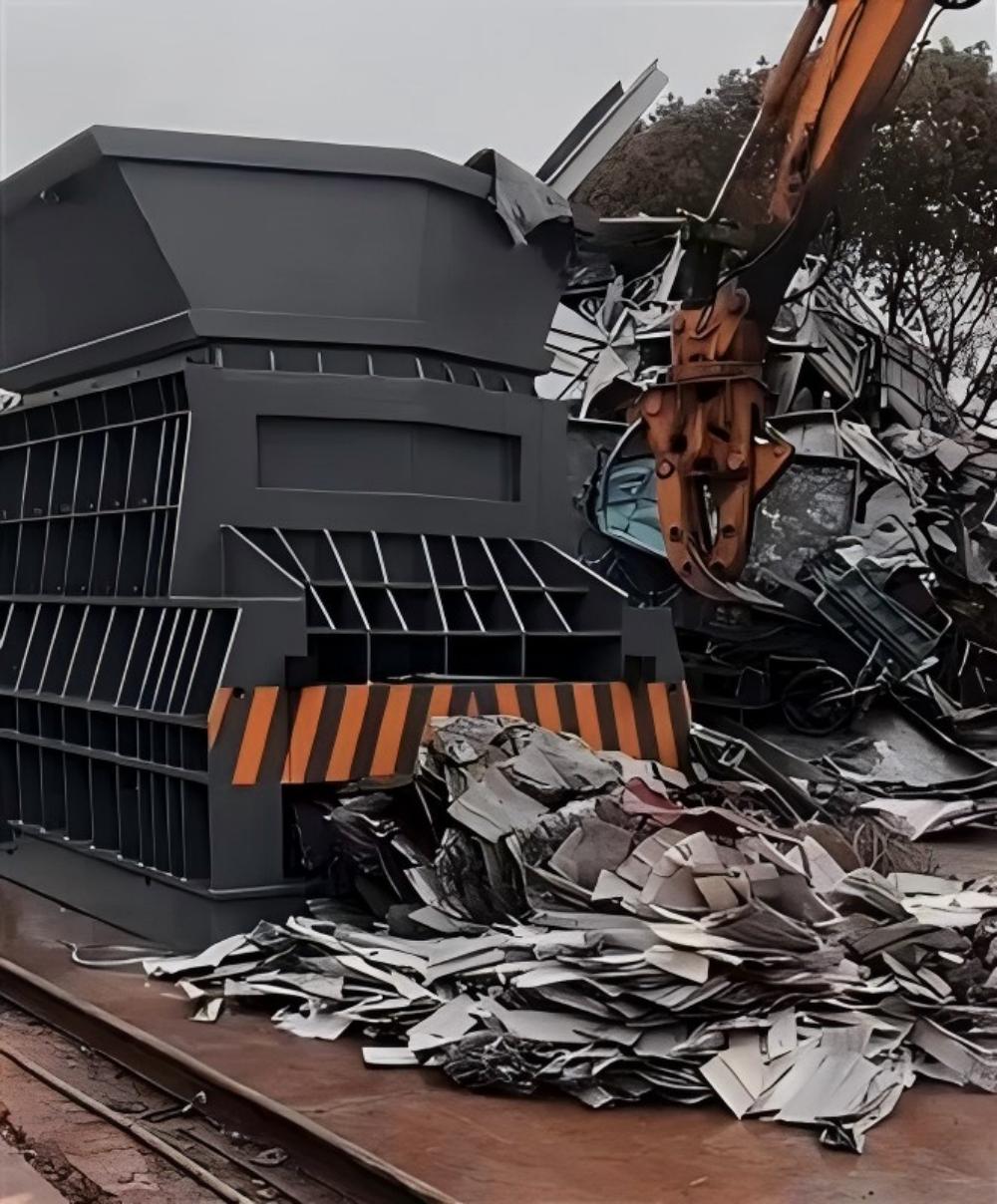
Always request a live demonstration or video proof of the machine processing material similar to what you handle. Pay close attention to the cycle time—the time it takes for the blade to descend and return. A difference of 5 seconds per cycle might seem small, but over a full shift, it can mean the difference between processing 40 tons and 50 tons. Also, inspect the ease of blade maintenance. Can the blades be rotated or changed easily, or does it require dismantling half the machine? A user-friendly design will save your maintenance team hours of frustration.
Finally, vet the manufacturer’s reputation. Look for companies that provide comprehensive manuals, clear hydraulic schematics, and a robust warranty. Ask about the PLC software—is it proprietary and locked, or is it a standard system that a local technician can troubleshoot? At HARSLE, we emphasize transparency and support, ensuring that our clients not only get a high-performance machine but also the knowledge and parts needed to keep it running for decades. Don’t be swayed by the lowest price alone; the “cheapest” machine is often the most expensive one over its lifetime due to repairs and inefficiency.
Frequently Asked Questions (FAQ)
What is the average lifespan of a container shear?
With proper maintenance, a high-quality container shear can last 10 to 15 years in a heavy-duty industrial environment. The frame and structure are built for longevity, while the hydraulic components and blades are designed to be serviced or replaced as needed. Regular oil changes and blade rotations are key to reaching this lifespan.
Can a container shear handle non-ferrous metals like aluminum and copper?
Yes, container shears are excellent for non-ferrous metals. In fact, because these metals are softer than steel, the machine experiences less wear and tear. Shearing aluminum extrusions or copper busbars into high-density packages significantly increases their market value and makes them easier for secondary smelters to handle.
How often do the blades need to be sharpened or replaced?
This depends entirely on the material being cut. If you are cutting clean, soft steel, blades might last 200-400 hours before needing a rotation. If you are cutting sandy, rusty, or hardened scrap, that interval could drop to 100 hours. Most blades have four cutting edges, so they can be rotated three times before they need to be professionally reground or replaced.
Is it better to choose a diesel-powered or electric-powered container shear?
Electric motors are generally more cost-effective and require less maintenance if you have a stable power supply at your yard. However, if you operate in a remote location or need to move the machine frequently between sites without power infrastructure, a diesel-powered unit offers the necessary independence. Some modern machines even offer hybrid options.
What safety features should I look for?
Safety is paramount when choosing container shear machine industrial cutting needs. Look for machines with emergency stop buttons at multiple locations, safety interlocks on access panels, pressure relief valves to prevent hydraulic over-pressurization, and clear warning signals (lights and sirens) that activate during the shearing cycle. Remote control operation is also a significant safety advantage, as it allows the operator to stay at a safe distance from the feeding zone.