Best Car Body Baler Features to Look For Before You Buy

Introduction to Car Body Baler Selection
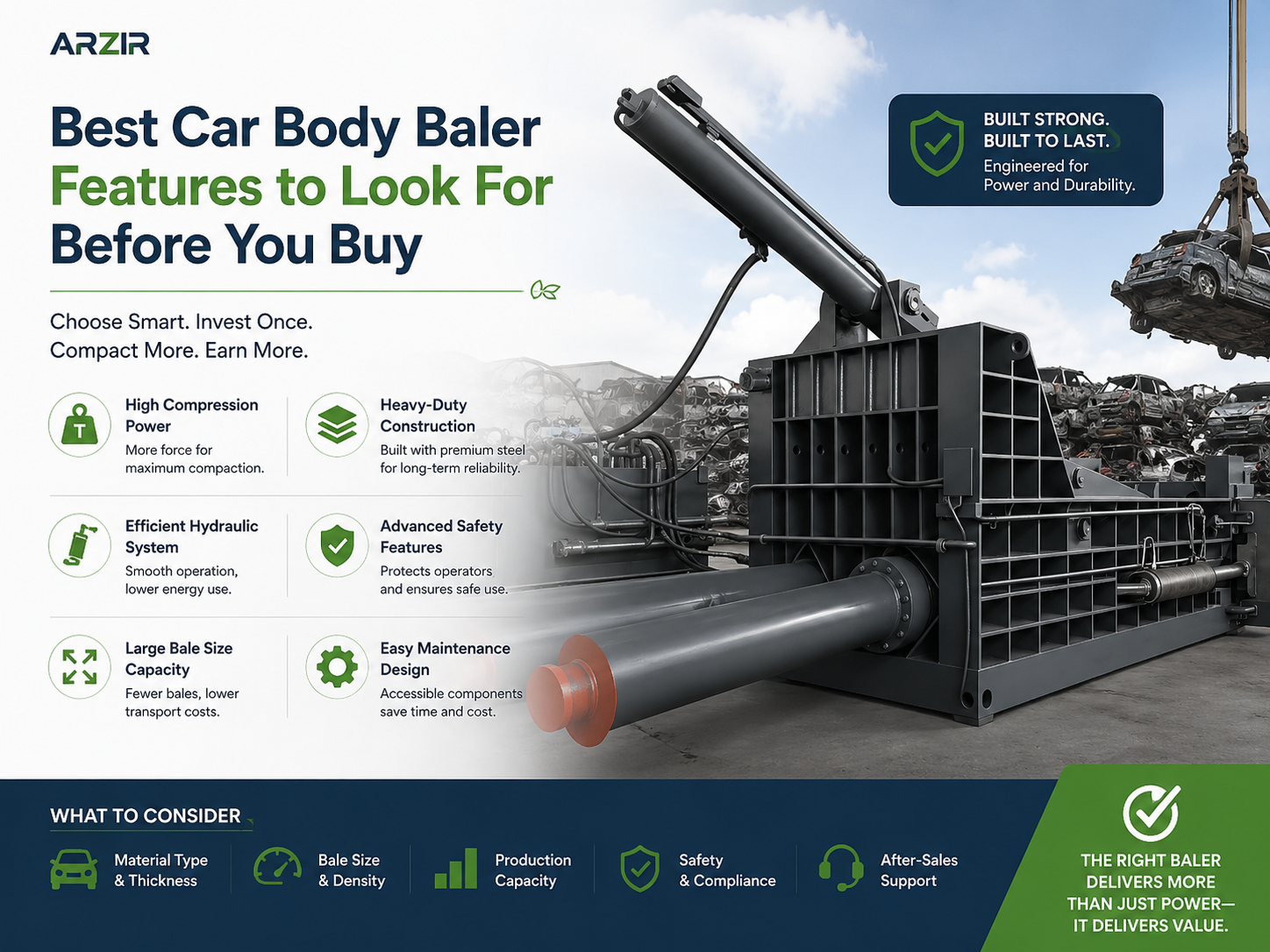
In the high-stakes world of scrap metal recycling, efficiency is the difference between a thriving business and one that is barely staying afloat. The car body baler is the heart of any modern scrap yard, transforming bulky, air-filled vehicle shells into dense, transportable cubes of profit. However, choosing the right machine is not as simple as picking the largest one available. Understanding the Best Car Body Baler Features Look Before You Buy is essential for ensuring that your investment pays off over the long term. This guide will walk you through every technical and financial aspect of the purchasing process, specifically tailored for industrial professionals looking for HARSLE-quality reliability.
Price Range Overview
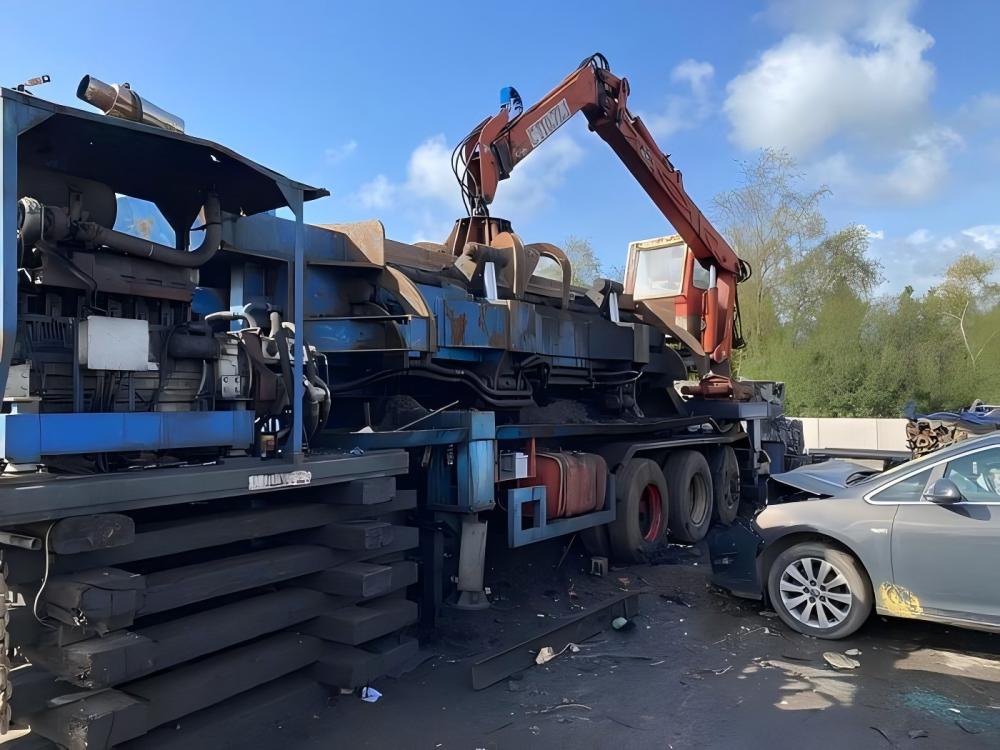
The price of a car body baler varies significantly based on its capacity, mobility, and automation level. Generally, the market is divided into three primary tiers. Entry-level machines, often portable or smaller stationary units, typically range from $40,000 to $80,000. These are ideal for smaller yards processing 5-10 cars per day. While they lack the speed of larger units, they offer a low barrier to entry for growing businesses.
Mid-range balers, which are the industry standard for medium-sized recycling centers, fall between $80,000 and $180,000. These machines offer higher hydraulic pressure, faster cycle times, and more robust construction. They are designed to handle 20-50 cars per day and often include semi-automated controls. At this level, you begin to see features like Hardox wear plates and advanced cooling systems, which are critical for continuous operation in harsh environments.
High-end, industrial-grade balers can exceed $250,000 and reach up to $500,000 for fully mobile, diesel-powered, high-speed units. These machines are built for 24/7 operation, processing hundreds of vehicles daily. They feature sophisticated PLC systems, remote diagnostics, and massive compression forces. When considering the Best Car Body Baler Features Look Before You Buy, it is vital to align the price point with your projected volume to avoid over-investing in capacity you won’t use or under-investing in a machine that will break down under heavy load.
| Baler Category | Estimated Price Range (USD) | Daily Capacity (Cars) | Key Target User |
|---|---|---|---|
| Entry-Level / Small Stationary | $40,000 – $80,000 | 5 – 15 | Small Scrap Yards | Mid-Range / Heavy Duty | $80,000 – $180,000 | 20 – 50 | Regional Recyclers | High-End / Fully Automated | $200,000 – $500,000+ | 60+ | Industrial Processing Hubs |
Main Cost Drivers
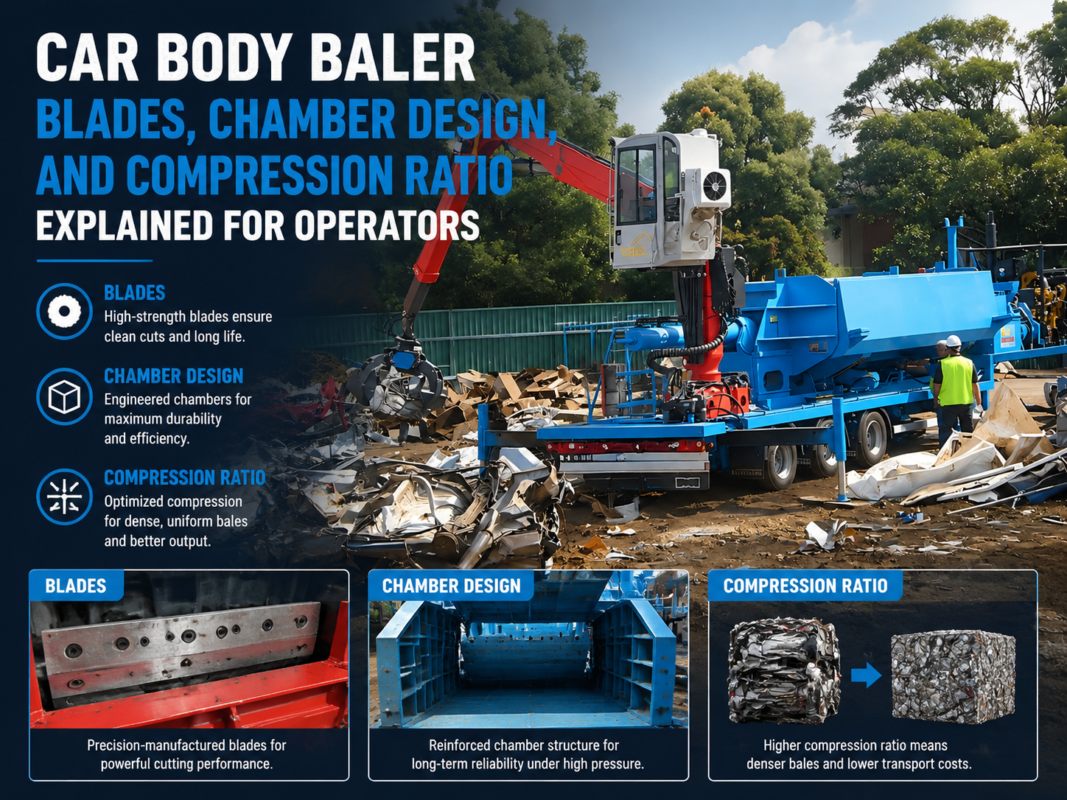
Several technical factors dictate the final price of a car body baler. The most significant is the hydraulic system. The quality of the pumps (e.g., Rexroth or Vickers) and the total tonnage of compression force directly impact the machine’s ability to crush reinforced modern vehicle frames. A higher tonnage means a denser bale, which is more valuable to steel mills and more efficient to transport.
The second major cost driver is the material used in the baling chamber. High-quality balers utilize replaceable wear liners made of Hardox or similar abrasion-resistant steel. Because scrap metal is incredibly abrasive, a chamber without these liners will wear down quickly, leading to expensive structural repairs. Investing in a machine with high-grade liners increases the initial cost but drastically reduces long-term maintenance expenses.
Cycle time is another critical factor. A machine that can complete a bale in 60 seconds is significantly more expensive than one that takes 120 seconds. This speed is achieved through larger hydraulic reservoirs, high-flow valves, and more powerful motors. For high-volume yards, the labor savings and increased throughput of a fast cycle time easily justify the higher upfront cost. Finally, the choice between an electric motor and a diesel engine affects the price; diesel units offer mobility but come with higher initial costs and ongoing fuel requirements.
Configuration Impact on Performance
The configuration of a car body baler determines how it fits into your workflow. One of the most important features to consider is the lid design. Single-wing lids are common on smaller units, but double-wing (or “clamshell”) designs are superior for larger vehicles like SUVs and vans. The double-wing design provides a larger opening and more initial crushing force from the top, making it easier to load and process bulky scrap.
Bale ejection methods also vary. Some machines use a “push-out” system where the main ram pushes the finished bale through a side door, while others use a “tilt-out” mechanism. Push-out systems are generally faster and allow for better integration with conveyor belts, whereas tilt-out systems are simpler and often found on more budget-friendly models. Your choice should depend on how you plan to move the finished bales around your yard.
Control systems are the brain of the machine. Manual lever-operated systems are reliable and easy to repair but rely heavily on operator skill. Modern PLC (Programmable Logic Controller) systems allow for one-touch operation, where the machine automatically cycles through the crushing and baling process. This reduces operator fatigue and ensures consistent bale density. When looking for the Best Car Body Baler Features Look Before You Buy, prioritize a system that offers a balance of automation and manual override for maximum flexibility.
Hidden Costs of Ownership
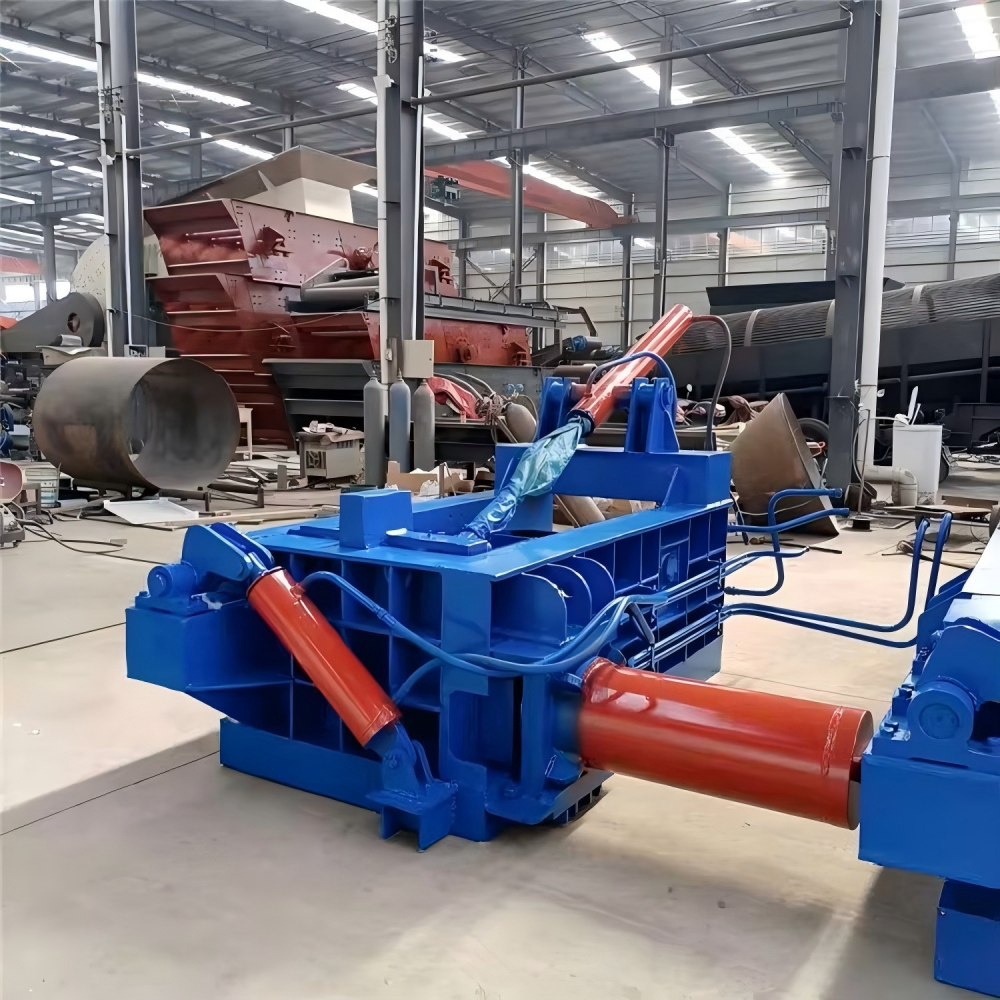
The purchase price is only the beginning of the total cost of ownership. One often overlooked hidden cost is the foundation and installation. A heavy-duty stationary baler requires a reinforced concrete pad to handle the immense vibrations and weight. If your yard doesn’t already have this, you could be looking at thousands of dollars in site preparation. Additionally, the cost of shipping a 30-ton machine from the manufacturer to your site can be substantial, especially for international orders.
Maintenance and wear parts represent a recurring expense. Hydraulic oil, filters, and seals must be replaced regularly. Furthermore, the wear liners in the chamber are sacrificial parts; depending on your volume, they may need replacement every 12 to 24 months. If the machine uses proprietary parts that are hard to source, your downtime costs will skyrocket. Choosing a manufacturer like HARSLE, which uses standardized components, can mitigate this risk.
Energy consumption is another factor. A large electric baler can draw significant power, potentially requiring an upgrade to your facility’s electrical service. Diesel units, while avoiding electrical upgrades, are subject to fluctuating fuel prices and require more frequent engine maintenance. Lastly, don’t forget the cost of operator training and safety certifications. A poorly trained operator can damage the machine or cause accidents, leading to insurance hikes and lost productivity.
ROI Calculation: Is It Worth It?
Calculating the Return on Investment (ROI) for a car body baler involves comparing the cost of the machine against the savings in transportation and the increase in scrap value. For example, an uncrushed car takes up a massive amount of space on a trailer. You might only fit 5-8 whole cars on a truck. Once baled, you can fit 20-30 cars on the same trailer. This 3x to 4x increase in transport efficiency directly slashes your logistics costs.
Furthermore, steel mills pay a premium for “Log Bales” or “No. 1 Bundles” because they are easier to handle and melt. If the premium is $20 per ton and you process 1,000 tons per month, that’s an extra $20,000 in revenue. When you add the transportation savings—say $5,000 per month—your total monthly gain is $25,000. If your machine payment and operating costs are $10,000 per month, the machine is generating a net profit of $15,000. In this scenario, a $150,000 machine would pay for itself in just 10 months.
To perform an accurate ROI calculation, you must track your current “cost per ton” for transport and your current sell price for loose scrap versus baled scrap. Factor in labor hours, electricity/fuel, and a maintenance reserve. Most professional scrap yards find that a high-quality baler is one of the fastest-paying assets in their fleet, provided they have a steady supply of end-of-life vehicles.
Buying Advice: A Step-by-Step Checklist
When you are ready to make a purchase, follow this checklist to ensure you are getting the Best Car Body Baler Features Look Before You Buy:
- Assess Your Volume: Don’t buy a machine for the volume you have today; buy for the volume you want to have in two years. However, avoid extreme over-capacity which leads to idle machinery.
- Check the Chamber Size: Ensure the chamber is long and wide enough to accept the largest vehicles you typically handle (e.g., long-wheelbase pickup trucks) without excessive pre-processing.
- Verify Material Specs: Ask for the specific grade of steel used in the frame and the liners. Insist on Hardox or an equivalent for the wear zones.
- Test the Cycle Time: Ask for a video of the machine processing a real car, not just running empty. Empty cycle times are often misleading.
- Evaluate the Hydraulic Components: Ensure the pumps and valves are from reputable global brands so you can find replacements locally if needed.
- Consider Mobility: If you have multiple yards or do on-site crushing for other companies, a trailer-mounted mobile unit is essential. If you are stationary, a fixed unit is more stable and easier to maintain.
- After-Sales Support: Research the manufacturer’s reputation for support. Do they offer remote troubleshooting? How quickly can they ship spare parts?
By following these steps, you can move forward with confidence, knowing that your new car body baler will be a cornerstone of your business’s growth and profitability for years to come.
Frequently Asked Questions (FAQ)
How long does a typical car body baler last?
With proper maintenance, a high-quality car body baler can last 15 to 20 years. The structure itself is very durable; the longevity of the machine depends on the regular replacement of wear liners and the proper care of the hydraulic system and engine/motor.
Can a car body baler handle SUVs and trucks?
Yes, provided the chamber size and compression force are sufficient. Most mid-to-large balers are designed specifically to handle full-sized SUVs and pickup trucks. It is important to check the “opening dimensions” of the lid to ensure these larger vehicles can fit without being cut first.
Is electric or diesel power better for a baler?
Electric power is generally cheaper to run and requires less maintenance, making it ideal for stationary installations in yards with good power infrastructure. Diesel power is necessary for mobile units and is preferred in remote locations or yards where upgrading the electrical grid is too expensive.
What is the most common cause of baler downtime?
Hydraulic contamination is the leading cause of failure. If the hydraulic oil is not filtered and changed regularly, small metal particles can damage the pumps and valves. The second most common cause is structural damage from trying to bale “unbalable” items like heavy engine blocks or thick structural beams that exceed the machine’s rating.
Do I need a permit to operate a car body baler?
This depends on your local environmental and zoning regulations. Most scrap yards already have the necessary permits for metal processing, but you should check for specific noise ordinances or fluid containment requirements (to catch any remaining oil or coolant from the crushed cars).