
How Aluminium Extrusion Presses Improve Electrical Enclosure Production

Introduction to Modern Electrical Enclosure Manufacturing
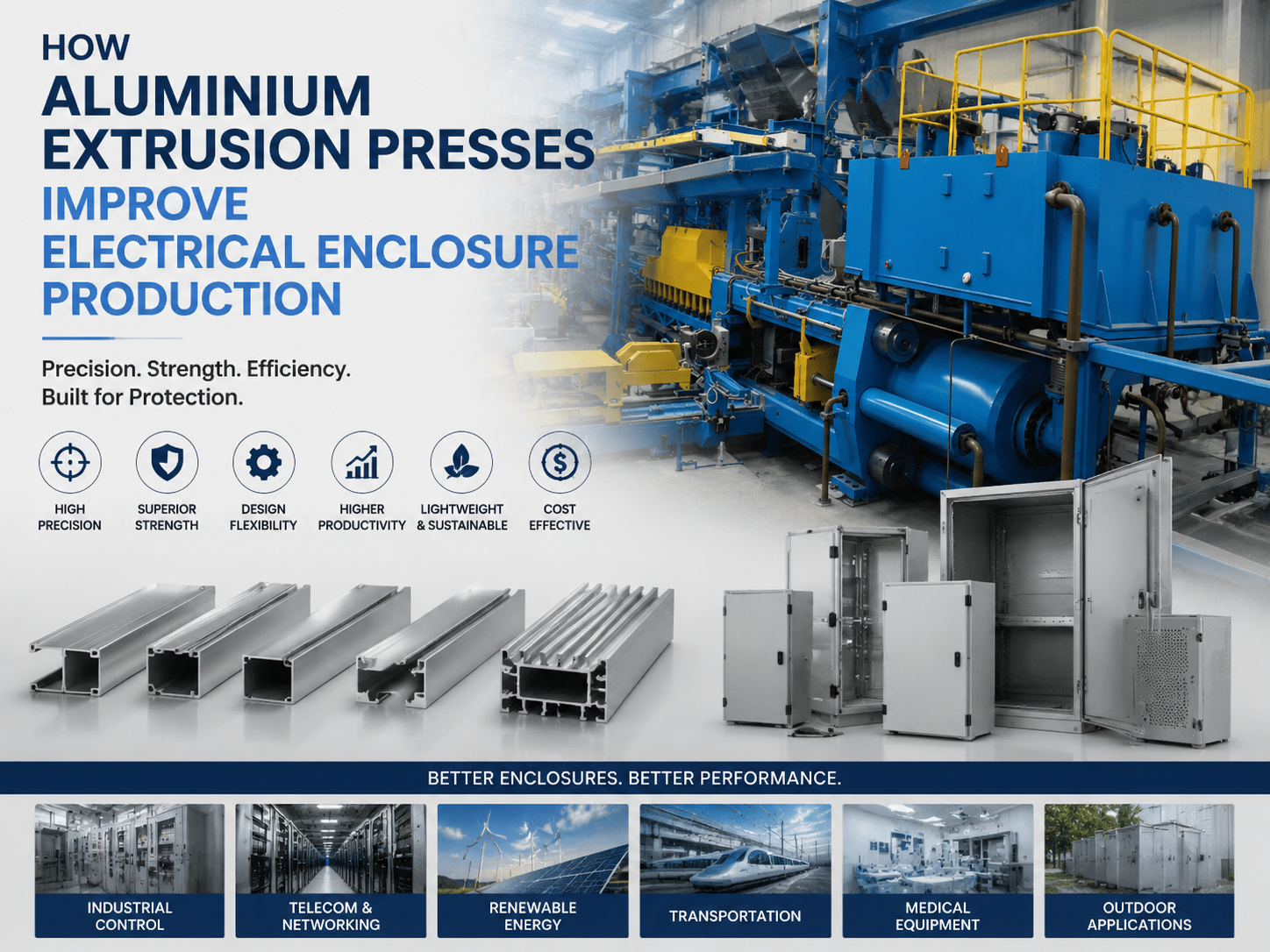
In the rapidly evolving landscape of industrial electronics and power distribution, the demand for high-quality, durable, and lightweight housing solutions has never been higher. Electrical enclosures serve as the first line of defense for sensitive components, protecting them from environmental hazards, electromagnetic interference (EMI), and physical impact. Traditionally, these enclosures were fabricated from sheet steel through a process of cutting, bending, and welding. However, the industry is witnessing a significant shift toward aluminum profiles, driven by the capabilities of modern extrusion technology. Understanding how aluminium extrusion presses improve electrical enclosure production is essential for manufacturers looking to stay competitive in a market that prizes efficiency and precision.
Aluminium extrusion presses allow for the creation of complex, hollow, and multi-functional profiles that are impossible to achieve with traditional sheet metal fabrication. By forcing heated aluminum billets through a precision-engineered die, manufacturers can produce seamless frames, integrated heat sinks, and interlocking panels that simplify assembly and enhance structural integrity. This article explores the technical nuances of this process, the specific machinery required, and the transformative impact it has on the production of electrical cabinets and enclosures.
Application Scenarios: Where Extruded Enclosures Excel
The application of extruded aluminum in electrical enclosures is vast, spanning across multiple high-tech sectors. One of the primary scenarios is in the telecommunications industry, specifically for 5G infrastructure and outdoor base stations. These units require excellent thermal management and corrosion resistance, both of which are inherent properties of aluminum. Extrusion presses allow for the integration of deep cooling fins directly into the enclosure walls, eliminating the need for separate heat sink attachments and reducing the risk of thermal failure in sensitive electronics.
In the renewable energy sector, particularly for solar inverters and battery storage systems, extruded enclosures provide the necessary strength-to-weight ratio. These systems are often installed in remote or harsh environments where weight reduction facilitates easier installation, and the natural oxide layer of aluminum prevents rust without the need for heavy coatings. Furthermore, the precision of the extrusion process ensures that seals and gaskets fit perfectly, maintaining high IP (Ingress Protection) ratings against dust and moisture.
Industrial automation and control rooms also benefit significantly. Modern control panels often require modular designs that can be easily expanded or modified. Extruded aluminum profiles with T-slots or integrated mounting rails allow for rapid internal component mounting and external panel attachment. This modularity is a direct result of the design flexibility offered by the extrusion die, enabling manufacturers to produce standardized parts that serve multiple enclosure configurations.
Material and Process Requirements
To achieve the high standards required for electrical enclosures, the choice of material and the control of the extrusion process are paramount. The most commonly used materials are the 6000 series aluminum alloys, specifically 6061 and 6063. These alloys offer an excellent balance of extrudability, strength, and surface finish. 6063 is particularly favored for enclosures due to its superior surface quality, which is ideal for anodizing or powder coating, and its high thermal conductivity.
The process begins with the selection of high-quality aluminum billets. These billets must be free of impurities to prevent structural defects in the final profile. Before extrusion, the billets are heated to a specific temperature range, typically between 400°C and 500°C. This temperature must be precisely controlled; if the billet is too cold, the pressure required for extrusion increases exponentially, potentially damaging the die. If it is too hot, the metal may become too soft, leading to poor dimensional stability and surface tearing.
Beyond the material itself, the design of the extrusion die is a critical process requirement. For electrical enclosures, dies often feature complex hollow sections to create internal chambers for wiring or structural reinforcement. The die must be engineered to handle the high pressures of the hydraulic press while maintaining tight tolerances. Post-extrusion cooling, or quenching, is also vital. Depending on the alloy and the required mechanical properties (such as T5 or T6 temper), the profiles are cooled using air or water sprays to lock in the metallurgical structure before they proceed to stretching and aging.
Recommended Machine Configuration for Enclosure Production
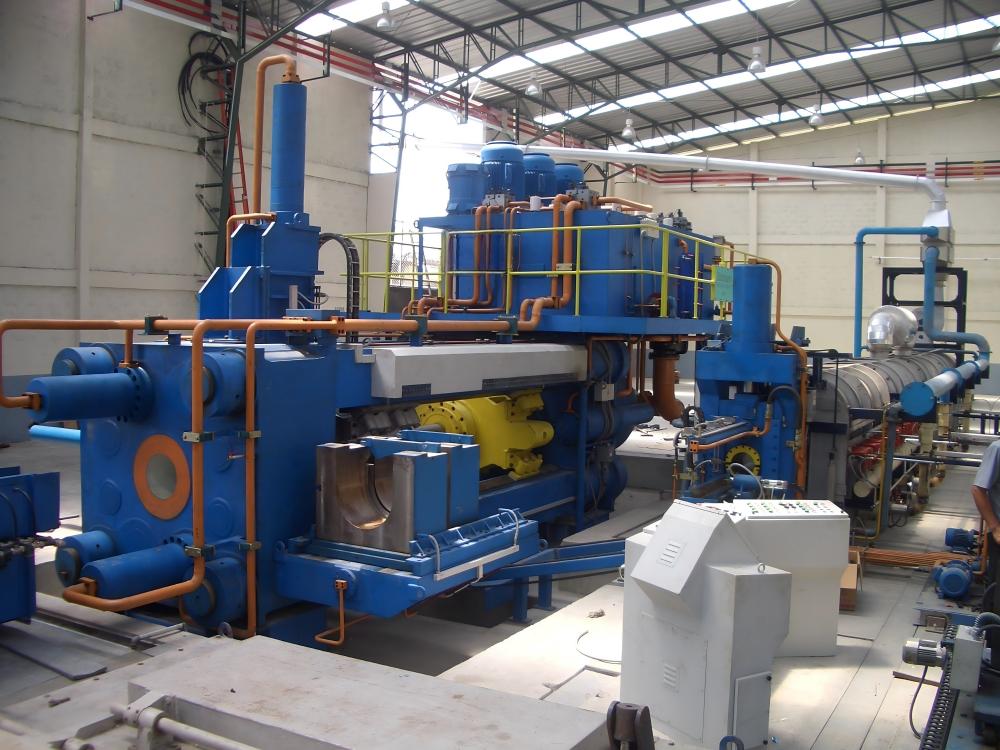
When selecting an aluminium extrusion press specifically for electrical enclosure production, several key configurations should be prioritized to ensure high yield and consistent quality. The press capacity, measured in tonnage, is the first consideration. For most standard enclosure profiles, a press ranging from 1000 to 2500 tons is sufficient. However, for large-scale industrial cabinets, higher tonnage may be required to handle larger billet diameters and more complex die geometries.
- Advanced Hydraulic System: The press should be equipped with a high-precision hydraulic system featuring servo-motor-driven pumps. This configuration not only reduces energy consumption by up to 30% but also allows for much finer control over the extrusion speed, which is critical for maintaining the surface finish of visible enclosure panels.
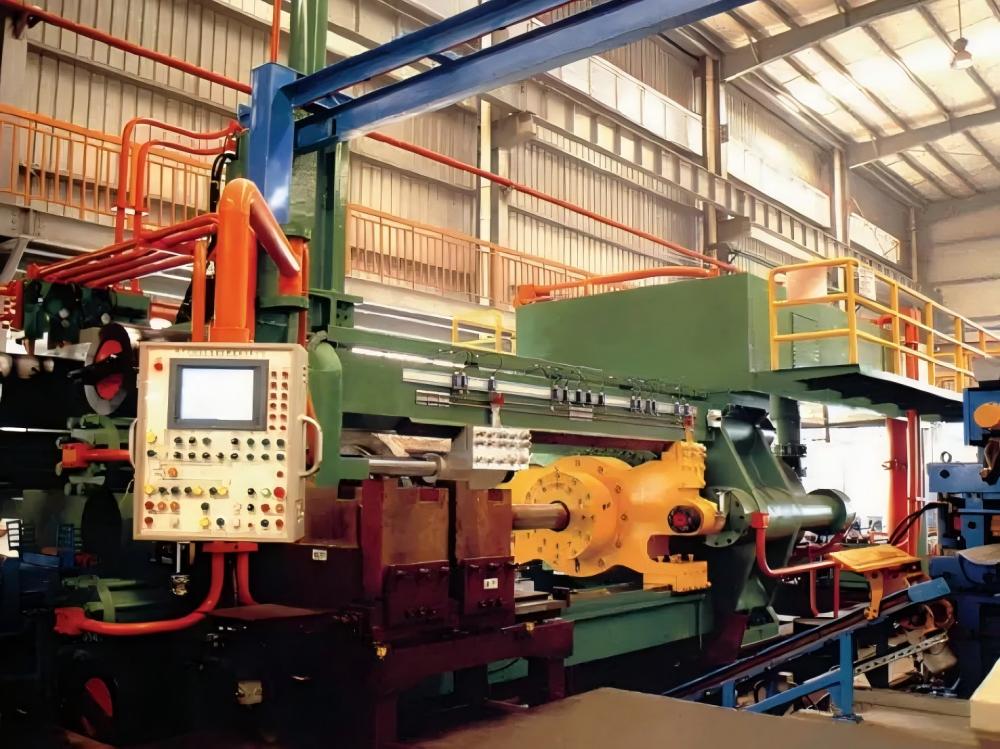
- PLC and Human-Machine Interface (HMI): A modern control system is non-negotiable. The HMI should allow operators to store and recall “recipes” for different profiles, ensuring that pressure, speed, and temperature settings are consistent across production runs. Real-time monitoring of the extrusion curve helps in identifying potential defects before they result in significant scrap.
- Automated Billet Handling: To maximize throughput, the machine should include an automated billet loader and a log shear system. This reduces the “dead cycle” time—the period between the end of one extrusion stroke and the start of the next—thereby increasing the overall equipment effectiveness (OEE).
- Precision Cooling Table: The run-out table and cooling system must be designed to handle long profiles without warping. For enclosure parts that require high aesthetic standards, a felt-lined handling system is recommended to prevent scratches and surface marring during the cooling and stretching phases.
The Workflow: From Billet to Finished Enclosure Profile
The production workflow using an aluminium extrusion press is a highly synchronized sequence of mechanical and thermal events. It begins with Billet Heating, where the aluminum logs are heated in a gas or induction furnace. Once the target temperature is reached, the log is sheared to the required billet length and transferred to the press container.
The next stage is the Extrusion Stroke. The hydraulic ram pushes the billet through the container and against the die. Under immense pressure, the aluminum flows through the die opening, taking its shape. As the profile emerges onto the run-out table, it is subjected to Quenching. This rapid cooling is essential for achieving the desired hardness. For electrical enclosures, air quenching is often preferred as it minimizes distortion in thin-walled sections.
Following quenching, the profiles undergo Stretching. This process straightens the long extrusions and relieves internal stresses that may have developed during cooling. Once straightened, the profiles are moved to the Sawing station, where they are cut to commercial or custom lengths. The final critical step is Artificial Aging. The cut profiles are placed in an aging oven for several hours at a controlled temperature (usually around 170°C to 190°C). This process precipitates the alloying elements, significantly increasing the strength and hardness of the aluminum to meet the structural requirements of the enclosure.
Productivity Benefits: Why Extrusion Outperforms Traditional Methods
The primary reason aluminium extrusion presses improve electrical enclosure production is the drastic reduction in secondary operations. In traditional sheet metal fabrication, creating an enclosure with integrated mounting rails and heat sinks would require multiple steps: shearing, punching, CNC milling, and welding. With extrusion, all these features are incorporated into a single profile. This “design integration” reduces labor costs and eliminates the quality variations associated with manual welding and assembly.
Furthermore, extrusion offers unparalleled material efficiency. While sheet metal fabrication often results in significant off-cut waste, extrusion is a near-net-shape process. The amount of scrap is limited primarily to the billet ends (the “butt”) and the lead-in of the profile. This efficiency is particularly important when working with high-grade aluminum alloys, where material costs represent a significant portion of the total production expense.
Another productivity gain is found in the assembly phase. Extruded profiles can be designed with interlocking joints, snap-fit features, or screw ports. This allows for “fast-track” assembly of the enclosure frame, often requiring only a few fasteners rather than extensive welding. Not only does this speed up production, but it also results in a cleaner, more professional-looking product that is easier to disassemble for maintenance or recycling at the end of its life cycle.
Case Example: High-Volume Telecom Cabinet Production
Consider a manufacturer specializing in outdoor telecom cabinets for 5G network expansion. Previously, they used galvanized steel sheets, which required extensive welding to ensure water-tightness and multiple layers of anti-corrosion coating. The production of a single cabinet frame took approximately four hours of labor, including welding and grinding.
By transitioning to a HARSLE aluminium extrusion press solution, the manufacturer redesigned the cabinet using four main vertical profiles and four horizontal frame profiles. These profiles featured integrated channels for EPDM gaskets and pre-cast screw ports. The extrusion press produced the necessary profiles for 50 cabinets in a single shift. The assembly time per cabinet dropped from four hours to just 45 minutes. Additionally, the integrated heat sink fins on the side panels improved the thermal performance of the cabinets by 25%, allowing the telecom provider to house more powerful equipment without increasing the cabinet’s footprint. This transition not only lowered production costs but also provided a superior product that commanded a higher market price.
Frequently Asked Questions (FAQ)
1. What is the typical lifespan of an extrusion die for enclosure profiles?
The lifespan of a die depends on the complexity of the profile and the material being extruded. For standard 6063 aluminum, a well-maintained H13 steel die can typically produce between 15,000 to 30,000 kilograms of profile before requiring significant refurbishment or replacement. Proper nitriding of the die surface can further extend this lifespan.
2. Can extrusion presses handle thin-walled profiles for small electronic housings?
Yes, modern high-precision extrusion presses can produce wall thicknesses as thin as 0.8mm to 1.0mm, depending on the overall size of the profile. This is ideal for small, handheld electronic enclosures where weight and space are at a premium. However, maintaining tolerances at these thicknesses requires very stable hydraulic pressure and precise temperature control.
3. How does the extrusion process affect the EMI shielding of an enclosure?
Aluminum is naturally conductive, which provides excellent EMI shielding. The extrusion process ensures a seamless, continuous metal structure, which is superior to welded or bolted sheet metal for blocking electromagnetic interference. By designing interlocking joints with conductive gaskets, manufacturers can achieve near-perfect shielding effectiveness.
4. Is it cost-effective to use extrusion for low-volume production?
While the initial cost of the extrusion die is an investment, the break-even point is often lower than expected. For custom enclosures, if the volume exceeds a few hundred units, the savings in labor and assembly time usually outweigh the die cost. For very low volumes, using standard off-the-shelf extruded profiles is more economical.
5. What maintenance is required for an aluminium extrusion press?
Regular maintenance is crucial for longevity. This includes daily checks of hydraulic fluid levels and filters, weekly lubrication of moving parts like the container and ram, and monthly inspections of the heating elements and PLC sensors. HARSLE provides comprehensive maintenance schedules and remote diagnostic support to ensure minimal downtime.
Conclusion: Elevating Production with HARSLE Technology
The integration of aluminium extrusion presses into the production of electrical enclosures represents a significant leap forward in manufacturing technology. By combining structural strength, thermal management, and aesthetic appeal into a single, efficient process, manufacturers can meet the rigorous demands of modern industry while optimizing their bottom line. Whether you are producing small junction boxes or massive industrial power cabinets, the precision and versatility of a HARSLE extrusion press provide the competitive edge needed in today’s market.
At HARSLE, we specialize in providing high-performance metal fabrication machinery tailored to your specific production needs. Our aluminium extrusion presses are engineered for durability, precision, and ease of use, backed by a global support network. If you are ready to improve your electrical enclosure production and explore the possibilities of advanced extrusion technology, contact our expert team today for a consultation and a customized equipment quote.


