
Aluminium Extrusion Press Applications for Curtain Wall and Structural Systems

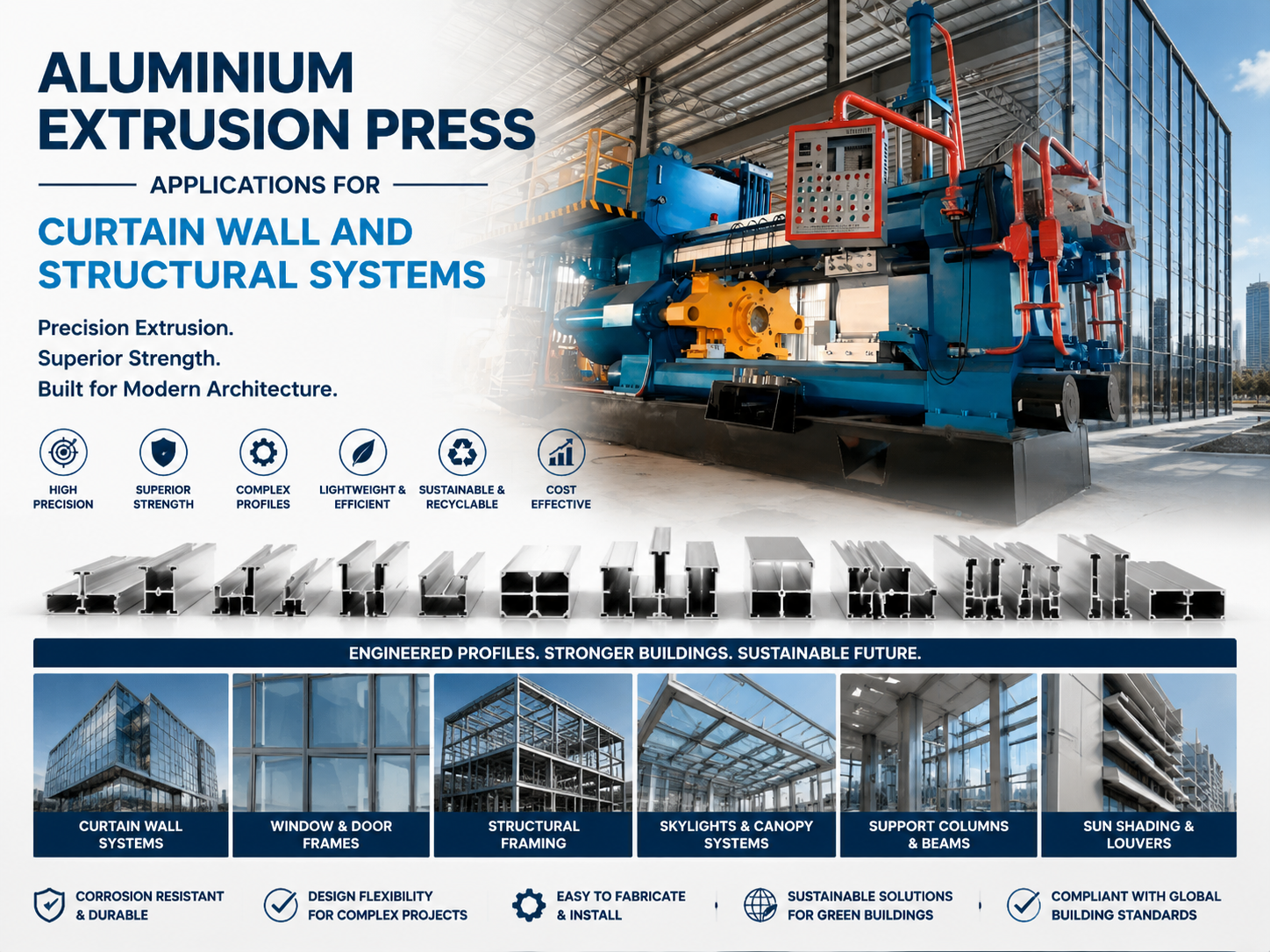
Introduction to Aluminium Extrusion in Modern Architecture
The skyline of the modern world is a testament to the versatility and strength of aluminium. As architects push the boundaries of design, the demand for lightweight, durable, and aesthetically pleasing materials has skyrocketed. Central to this architectural revolution is the Aluminium Extrusion Press. This industrial powerhouse is responsible for creating the complex profiles required for curtain walls and structural systems that define contemporary high-rise buildings and commercial complexes.
Aluminium extrusion is a process where aluminium alloy material is forced through a die with a specific cross-sectional profile. A powerful hydraulic press pushes the billet through the die, resulting in a continuous length of aluminium with a uniform shape. For the construction industry, particularly in the realm of curtain walls and structural frameworks, this process allows for the creation of intricate designs that combine structural integrity with functional features like thermal breaks, drainage channels, and interlocking mechanisms.
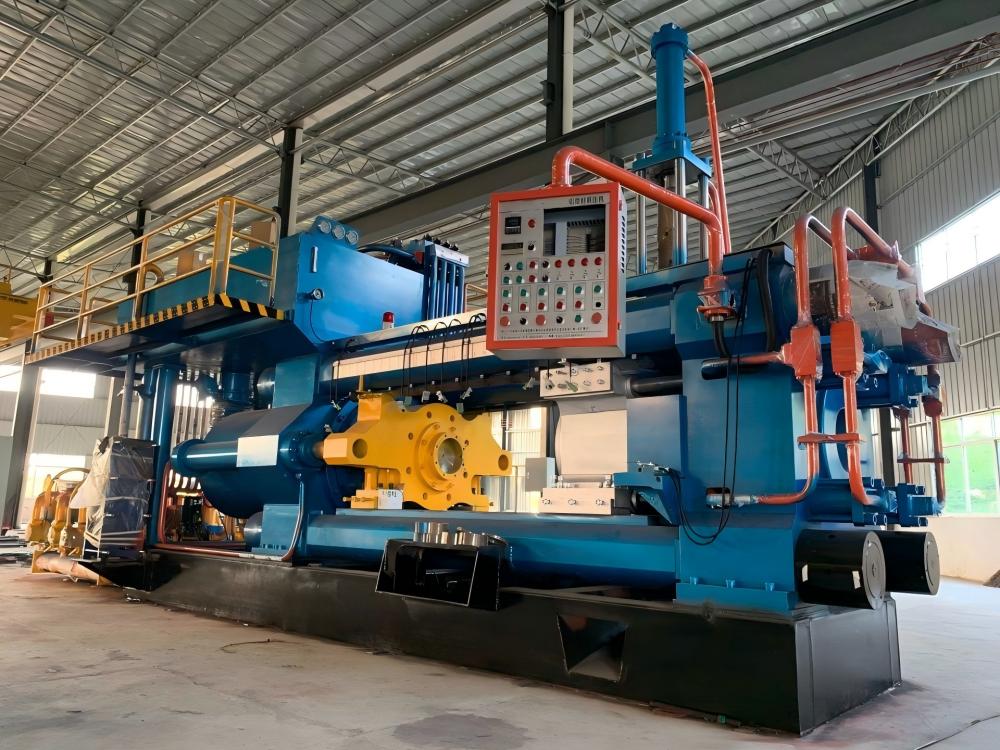
Application Scenario: Curtain Walls and Structural Systems
Curtain walls are non-structural outer coverings of a building, designed to keep the weather out and the occupants in. Because they are non-structural, they can be made of lightweight materials like glass, which reduces construction costs. However, the frame that holds these glass panels must be incredibly strong and precise. This is where aluminium extrusion press applications for curtain wall and structural systems become critical. The profiles produced must withstand wind loads, support their own weight, and accommodate thermal expansion and contraction.
In structural systems, aluminium extrusions are used for more than just aesthetics. They are found in roof trusses, space frames, and support columns for specialized structures like greenhouses, stadiums, and industrial warehouses. The ability to extrude long, straight sections with high strength-to-weight ratios makes aluminium an ideal alternative to steel in many structural applications. Furthermore, the corrosion resistance of aluminium ensures that these structural systems remain safe and visually appealing for decades with minimal maintenance.
Another growing application is in the development of unitized curtain wall systems. Unlike traditional stick systems that are assembled on-site, unitized systems consist of large units that are assembled and glazed in a factory before being transported to the site. This requires extremely tight tolerances in the extruded profiles to ensure that each unit fits perfectly with its neighbor. The precision of a HARSLE aluminium extrusion press is paramount in achieving the consistency needed for these high-end modular construction projects.
Material and Process Requirements
The success of an extrusion project for structural applications depends heavily on the choice of alloy and the precision of the extrusion process. For curtain walls and structural systems, the 6000 series aluminium alloys are the industry standard. Specifically, 6063 and 6061 are the most commonly used. 6063 is favored for its excellent extrudability and superior surface finish, making it perfect for visible architectural elements. 6061, while slightly harder to extrude, offers higher strength and is used for primary structural components.
The process begins with the billet, which must be homogenized to ensure a uniform grain structure. During extrusion, the temperature of the billet and the die must be meticulously controlled. If the temperature is too low, the pressure required increases, potentially damaging the die. If it is too high, the surface of the profile may suffer from tearing or “pick-up.” Isothermal extrusion, where the speed of the press is adjusted to maintain a constant temperature at the die exit, is often employed to ensure uniform mechanical properties throughout the length of the profile.
Post-extrusion cooling, or quenching, is another critical step. For structural alloys, the rate of cooling determines the final strength of the material. Air quenching is common for thinner profiles, while water quenching or mist quenching may be required for thicker, more robust structural sections. Following quenching, the profiles are stretched to straighten them and relieve internal stresses, then aged in an oven to achieve the desired T5 or T6 temper. Each of these steps must be calibrated to the specific requirements of the curtain wall or structural system being manufactured.
Recommended Machine Configuration
When selecting an aluminium extrusion press for architectural and structural applications, several key components and specifications must be considered. For curtain walls, which often require large and complex profiles, a press with a capacity of 1800 to 3600 tons is typically recommended. For heavy-duty structural systems, presses exceeding 5000 tons may be necessary.
- Hydraulic System: A high-efficiency hydraulic system, often utilizing variable displacement pumps and servo-motor technology, is essential for precise control over the extrusion speed and pressure. This ensures consistency in the profile dimensions.
- PLC Control System: Modern presses feature advanced PLC systems (such as Siemens or Mitsubishi) with touch-screen interfaces. These systems allow operators to store “recipes” for different profiles, ensuring repeatable results and reducing setup times.
- Double Puller System: To maximize productivity and minimize scrap, a double puller system is recommended. This allows the press to continue extruding while the previous profile is being cut and moved, significantly reducing the dead cycle time.
- Cooling Table: A robust cooling table with adjustable air and water spray zones is necessary to handle the specific quenching requirements of 6000 series alloys.
- Die Heating Oven: Precise die heating is crucial to prevent thermal shock and ensure the smooth flow of aluminium through the intricate shapes required for curtain wall mullions and transoms.
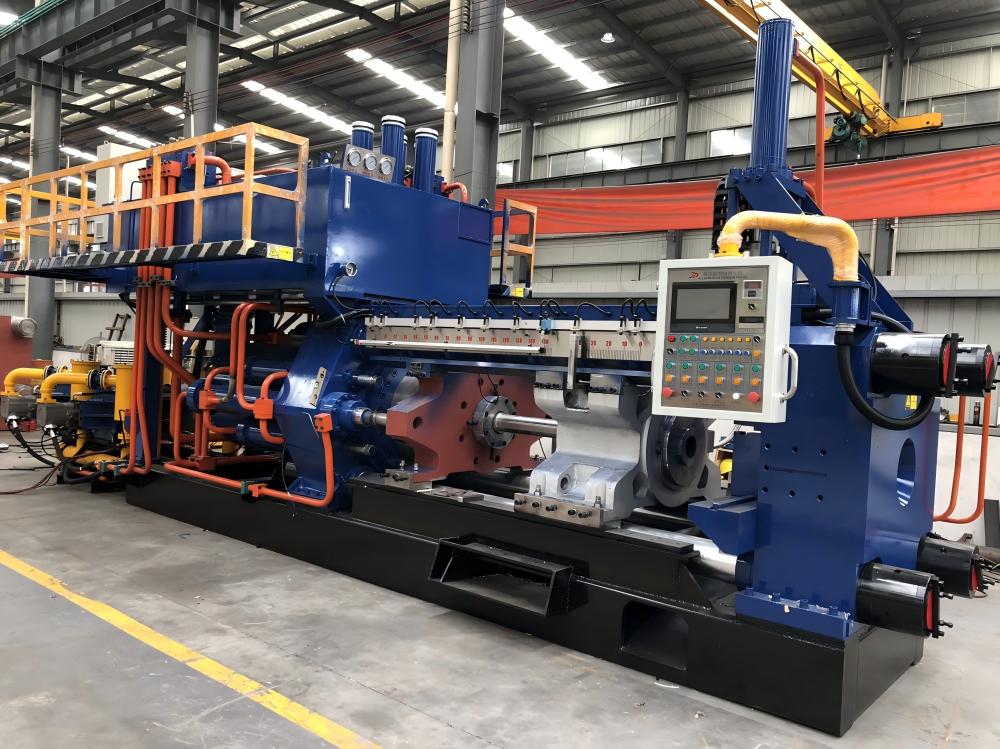
Workflow of the Extrusion Process
The workflow of an aluminium extrusion press for curtain wall and structural systems is a highly synchronized operation. It starts with the loading of the aluminium billet into a log furnace, where it is heated to approximately 450-500°C. Once heated, the log is sheared to the required billet length and transferred to the press container.
The main hydraulic cylinder then pushes the ram, which forces the billet through the die. As the profile emerges from the die, it is guided by a puller along the run-out table. During this phase, the cooling system (fans or water mists) quenches the profile to lock in its metallurgical properties. Once the extrusion cycle is complete, the profile is sheared at the die exit, and the puller moves it to the cooling bed.
On the cooling bed, the profiles are moved laterally to allow for further cooling before they reach the stretcher. The stretcher grips both ends of the profile and pulls it to a predetermined percentage of its length, ensuring it is perfectly straight and removing any residual stresses from the extrusion process. Finally, the profiles are cut to the finished length by a precision saw and moved to the aging oven, where they undergo heat treatment to reach their final hardness and strength specifications.
Productivity Benefits of High-Quality Extrusion Presses
Investing in a high-quality aluminium extrusion press from a reputable manufacturer like HARSLE offers numerous productivity benefits. Firstly, the precision of modern presses significantly reduces the amount of scrap material. In the production of expensive architectural profiles, even a 1-2% reduction in scrap can lead to substantial cost savings over time. Furthermore, the high degree of automation in modern presses reduces the need for manual intervention, lowering labor costs and improving safety.
Energy efficiency is another major benefit. Modern presses equipped with servo-driven hydraulic systems consume significantly less power during the idle phases of the cycle compared to older, constant-speed pump systems. This not only reduces operational costs but also aligns with the green building initiatives that often drive the demand for aluminium curtain walls. Additionally, the reliability of high-end components ensures maximum uptime, allowing manufacturers to meet the tight deadlines often associated with large-scale construction projects.
Finally, the ability to produce complex, high-precision profiles in-house gives manufacturers a competitive edge. They can respond more quickly to custom architectural designs and maintain strict quality control over the entire production process, from billet to finished structural component. This vertical integration is often the key to winning large contracts for iconic building projects.
Case Example: High-Rise Curtain Wall Project
Consider a recent project involving the construction of a 60-story commercial tower in a coastal city. The project required a unitized curtain wall system capable of withstanding high wind loads and salt-spray corrosion. The manufacturer utilized a HARSLE 2500-ton aluminium extrusion press to produce the primary mullions and transoms using 6063-T6 alloy.
By utilizing the press’s advanced PLC control, the manufacturer was able to achieve a dimensional tolerance of +/- 0.2mm, which was essential for the interlocking units of the curtain wall. The integrated double-puller system allowed for a 15% increase in throughput compared to their older machinery, enabling them to deliver the profiles ahead of schedule. The resulting curtain wall not only met all structural and environmental requirements but also provided a flawless surface finish that was subsequently anodized to a deep bronze color, meeting the architect’s aesthetic vision perfectly.
Frequently Asked Questions (FAQ)
What is the best alloy for structural aluminium extrusions?
For most structural applications, 6061-T6 is the preferred choice due to its high strength and good weldability. However, for architectural applications where surface finish is equally important, 6063-T6 is often used, as it provides a better balance of strength and aesthetic quality.
How long does an aluminium extrusion die last?
The lifespan of a die depends on the complexity of the profile and the material being extruded. For standard architectural profiles, a well-maintained die can produce between 1,000 and 3,000 kilograms of aluminium before requiring significant maintenance or replacement. Harder alloys and more complex shapes will reduce this lifespan.
What maintenance is required for an aluminium extrusion press?
Regular maintenance is crucial for the longevity of the press. This includes monitoring hydraulic oil quality, checking for leaks, lubricating moving parts, and inspecting the alignment of the ram and container. The PLC system should also be regularly backed up and updated as necessary.
Can an extrusion press produce hollow profiles?
Yes, by using a bridge die or a porthole die, an extrusion press can produce hollow profiles. These are commonly used in curtain wall systems for mullions and transoms, as the hollow center can house thermal breaks or structural reinforcements.
Conclusion and CTA
The role of the aluminium extrusion press in the construction of curtain walls and structural systems cannot be overstated. As the demand for sustainable, durable, and beautiful buildings continues to grow, the technology behind these machines must keep pace. HARSLE is at the forefront of this industry, providing high-performance extrusion presses that deliver the precision, efficiency, and reliability required by today’s leading manufacturers.
Whether you are looking to upgrade your existing production line or are planning a new facility, HARSLE has the expertise and equipment to help you succeed. Our team of engineers can help you configure a press that meets your specific application requirements, ensuring that you can produce the highest quality architectural profiles with maximum productivity. Contact HARSLE today to learn more about our aluminium extrusion solutions and how we can support your next big project.


