Aluminium Extrusion Press Applications In Medical Equipment Frame Production: A Comprehensive Guide

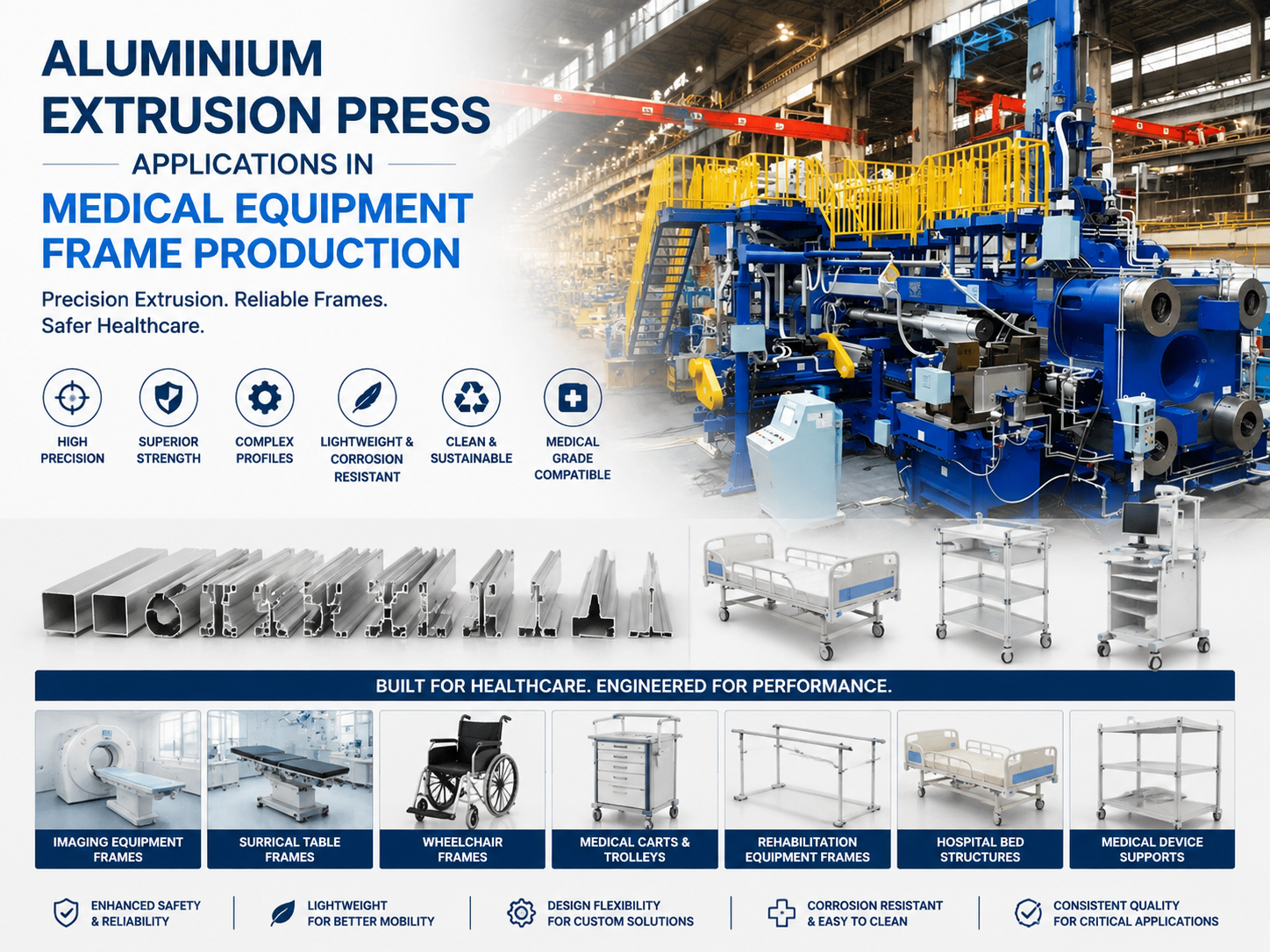
Introduction to Aluminium Extrusion Press Applications In Medical Equipment Frame Production
In the modern healthcare landscape, the demand for high-precision, lightweight, and durable medical equipment has never been higher. From advanced diagnostic imaging systems like MRI and CT scanners to essential hospital furniture such as adjustable beds and surgical tables, the structural integrity of these devices relies heavily on the quality of their frames. This is where Aluminium Extrusion Press Applications In Medical Equipment Frame Production play a pivotal role. Aluminium, known for its exceptional strength-to-weight ratio, corrosion resistance, and non-magnetic properties, is the material of choice for the medical industry.
HARSLE, a leader in metal fabrication machinery, provides state-of-the-art aluminium extrusion presses designed to meet the rigorous standards of medical manufacturing. The extrusion process allows for the creation of complex cross-sectional profiles that are both functional and aesthetic, reducing the need for extensive secondary machining and welding. This guide explores the intricate details of how these machines are utilized to produce the backbone of modern medical technology.
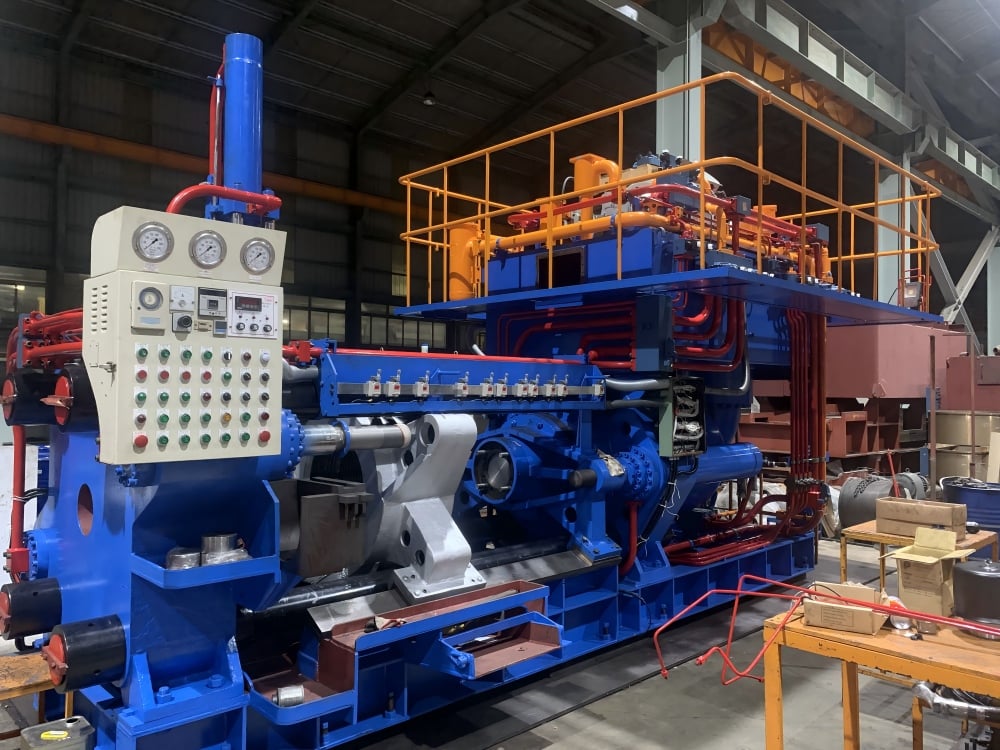
Application Scenario: Where Extruded Frames are Essential
The application of aluminium extrusion in the medical field is vast and varied. One of the most critical scenarios is in the production of diagnostic imaging equipment frames. MRI machines, for instance, require non-ferrous materials to avoid interference with powerful magnetic fields. Aluminium profiles produced by high-tonnage extrusion presses provide the necessary structural support without compromising the machine’s functionality. These frames must be manufactured to extremely tight tolerances to ensure the precise alignment of sensitive electronic components.
Another significant application is in hospital ward equipment. Modern hospital beds are no longer simple iron frames; they are complex mechanical systems with integrated motors, sensors, and adjustable sections. Aluminium extrusions allow for the creation of multi-hollow profiles that can house wiring and hydraulic lines internally, protecting them from the environment and making the equipment easier to clean and sanitize. This internal routing is a key advantage of the extrusion process over traditional tubular steel construction.
Furthermore, the mobility sector of medical equipment—including wheelchairs, stretchers, and mobile oxygen cart frames—benefits immensely from aluminium extrusion. For these applications, weight is a critical factor. A lighter frame means easier maneuverability for healthcare providers and patients alike. The ability to extrude aerodynamic and ergonomic shapes also contributes to the overall design and user experience of the equipment. In surgical environments, aluminium’s resistance to harsh cleaning chemicals ensures that the frames of surgical lights and robotic arms remain sterile and rust-free over years of intensive use.
Material and Process Requirements for Medical-Grade Profiles
When discussing Aluminium Extrusion Press Applications In Medical Equipment Frame Production, the choice of alloy is paramount. The 6000 series, particularly 6061 and 6063, are the industry standards. 6063 is often preferred for medical furniture due to its excellent surface finish and extrudability, while 6061 is utilized for structural components requiring higher strength, such as the base frames of heavy imaging equipment. These alloys must be sourced with high purity to ensure consistent mechanical properties and response to heat treatment.
The process requirements for medical profiles are significantly more stringent than those for general architectural or industrial use. Precision is the primary requirement. Profiles used in medical assemblies often require tolerances within ±0.1mm. Achieving this requires not only a high-quality extrusion press but also meticulously designed dies. The die must account for the thermal contraction of the aluminium as it cools, ensuring the final dimensions meet the exact specifications of the medical device engineers.
Surface quality is another non-negotiable factor. Medical equipment must be free of burrs, sharp edges, and surface inclusions where bacteria could thrive. The extrusion process must be controlled to prevent “pick-up” or surface tearing. Post-extrusion, these profiles often undergo specialized treatments such as clear or color anodizing. Anodizing not only enhances the aesthetic appeal but also provides an extra layer of protection against wear and chemical exposure, which is vital in a hospital setting where frequent disinfection is mandatory.
Recommended Machine Configuration for Medical Frame Production
To achieve the high standards required for medical equipment, the configuration of the aluminium extrusion press must be optimized for precision and consistency. HARSLE recommends a hydraulic extrusion press with a tonnage ranging from 1000T to 2500T, depending on the size and complexity of the profiles being produced. For smaller, intricate components like those found in surgical instruments or small diagnostic devices, a 600T to 1000T press is often sufficient and offers higher cycle speeds.
Key components of the recommended configuration include:
- Advanced PLC Control System: A high-end PLC (such as Siemens or Mitsubishi) is essential for monitoring and controlling extrusion speed, pressure, and temperature in real-time. This ensures that every billet is extruded under identical conditions, leading to uniform product quality.
- Precision Heating System: The billet heater must provide uniform temperature distribution. Induction heating is often preferred for its speed and accuracy, ensuring the aluminium is at the optimal plastic state before entering the container.
- High-Stability Hydraulic System: The use of servo-driven hydraulic pumps can significantly improve the precision of the ram movement while reducing energy consumption. This stability is crucial for maintaining a constant extrusion speed, which directly impacts the surface finish of the profile.
- Effective Cooling and Quenching: For 6000 series alloys, the quenching process (cooling the profile as it exits the die) is critical for achieving the desired mechanical properties. A combination of air and water mist cooling tables allows for fine-tuning the cooling rate based on the profile’s wall thickness.
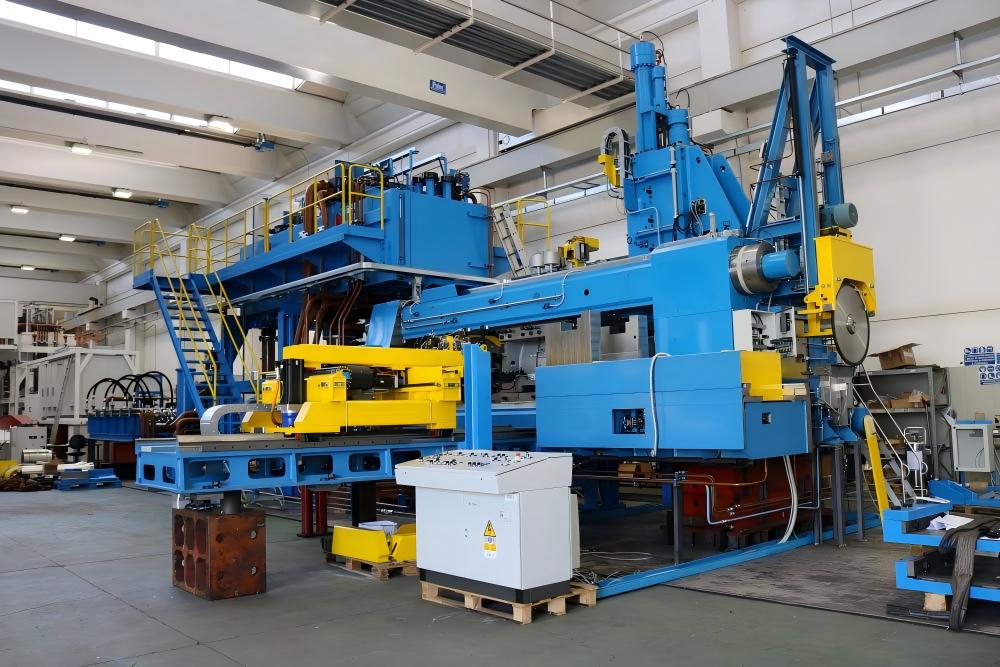
Detailed Workflow of Medical Frame Extrusion
The production workflow for medical equipment frames begins with the preparation of the aluminium billet. The billet is heated in a furnace to a temperature typically between 400°C and 500°C. Simultaneously, the extrusion die is preheated to prevent thermal shock and ensure smooth metal flow. Once the optimal temperatures are reached, the billet is loaded into the container of the extrusion press.
The hydraulic ram then pushes the billet through the die. As the aluminium emerges from the die, it takes the shape of the medical frame profile. A “puller” system is used to guide the profile along the cooling table, maintaining tension to prevent warping. During this stage, the profile is quenched using air or water to “lock in” its metallurgical structure. This is a delicate balance; cooling too slowly can result in poor strength, while cooling too quickly can cause distortion in complex medical profiles.
After cooling, the long extruded sections are moved to a stretching machine. Stretching is a vital step that straightens the profiles and relieves internal stresses caused during extrusion. Once straightened, the profiles are cut to the required lengths using high-precision saws. The final step in the primary production process is artificial aging. The profiles are placed in an aging oven for several hours at a controlled temperature (around 170°C to 190°C). This process precipitates the alloying elements, significantly increasing the hardness and tensile strength of the aluminium to meet medical safety standards.
Productivity and Quality Benefits
Utilizing a dedicated Aluminium Extrusion Press for medical frame production offers numerous benefits that directly impact a manufacturer’s bottom line and product reputation. Firstly, the ability to create “near-net-shape” profiles drastically reduces material waste. Unlike CNC machining from solid blocks, extrusion only uses the material necessary for the final shape, which is particularly cost-effective when dealing with high-grade aluminium alloys.
Secondly, the structural integrity of extruded profiles is superior to welded assemblies. In medical equipment, joints are often the points of failure. By extruding complex shapes that would otherwise require multiple parts to be welded together, manufacturers can create stronger, more reliable frames. This also eliminates the risk of weld contamination and the need for expensive X-ray inspection of joints, which is common in high-stakes medical manufacturing.
Productivity is also enhanced through the speed of the extrusion process. Modern HARSLE presses feature rapid dead-cycle times (the time between extruding one billet and the next), allowing for high-volume production. Furthermore, the versatility of the extrusion process means that a single machine can produce hundreds of different profile designs simply by changing the die. This flexibility is essential for medical equipment manufacturers who need to adapt quickly to new design iterations or custom client requirements.
Case Example: Upgrading a Medical Bed Production Line
A leading manufacturer of intensive care unit (ICU) beds recently faced challenges with their traditional steel-framed models. The beds were heavy, difficult for staff to move, and the painted steel was prone to chipping and subsequent rusting. They decided to transition to an aluminium-intensive design and invested in a HARSLE 1600T Aluminium Extrusion Press. By bringing the extrusion process in-house, they were able to design custom profiles that integrated the bed’s side rails, motor mounts, and cable management into just four primary extruded components.
The results were transformative. The overall weight of the ICU bed was reduced by 30%, significantly improving maneuverability. The anodized aluminium finish provided a much more durable and hygienic surface than the previous painted steel. Furthermore, the manufacturer reported a 25% reduction in assembly time because the extruded profiles were designed to snap-fit together with minimal fasteners. This case illustrates how the right machinery can not only improve the product but also streamline the entire manufacturing ecosystem.
Frequently Asked Questions (FAQ)
1. What is the typical lifespan of an aluminium extrusion press in a medical manufacturing environment?
With proper maintenance, a high-quality HARSLE extrusion press can last 20 to 30 years. In the medical industry, where precision is key, regular calibration of the hydraulic and control systems is necessary to ensure the machine continues to meet tight tolerance requirements throughout its life.
2. Can the same press be used for different aluminium alloys?
Yes, the same press can handle various alloys like 6061, 6063, and even 7000 series. However, the extrusion parameters (temperature, speed, and pressure) must be adjusted for each alloy. The PLC systems on modern HARSLE presses allow for the storage of multiple “recipes” to make these transitions seamless.
3. How does extrusion compare to 3D printing for medical frames?
While 3D printing is excellent for highly complex, one-off prototypes or implants, aluminium extrusion is far more cost-effective and faster for production-scale manufacturing of structural frames. Extrusion also provides superior mechanical properties and surface finishes for long, straight structural members.
4. What maintenance is required for the extrusion dies?
Dies must be cleaned and inspected after every production run. Over time, the flow of hot aluminium can wear down the die’s bearing surfaces. Regular nitriding (a heat-treating process) is used to harden the die surface and extend its life, ensuring the profiles remain within tolerance.
5. Is it difficult to switch between different profile designs?
Not at all. Switching between designs involves a die change. Modern presses feature automated die-change systems that can swap a die in a matter of minutes, minimizing downtime and allowing for efficient small-batch production of various medical components.
Conclusion and Call to Action
The role of Aluminium Extrusion Press Applications In Medical Equipment Frame Production is fundamental to the advancement of healthcare technology. By providing the means to create lightweight, strong, and hygienic structures, these machines enable the production of life-saving equipment that meets the highest global standards. Whether you are a specialized medical device manufacturer or a general metal fabricator looking to enter the healthcare sector, choosing the right extrusion partner is critical.
HARSLE is committed to providing the precision machinery and technical support necessary to excel in this demanding field. Our range of aluminium extrusion presses is engineered for reliability, accuracy, and efficiency. Contact HARSLE today to discuss your specific medical equipment production needs and discover how our advanced extrusion solutions can elevate your manufacturing capabilities. Let us help you build the future of medical technology, one profile at a time.