Best Applications of Hydraulic Briquetting Machines for Foundries: A Comprehensive Guide

Introduction to Hydraulic Briquetting in Modern Foundries
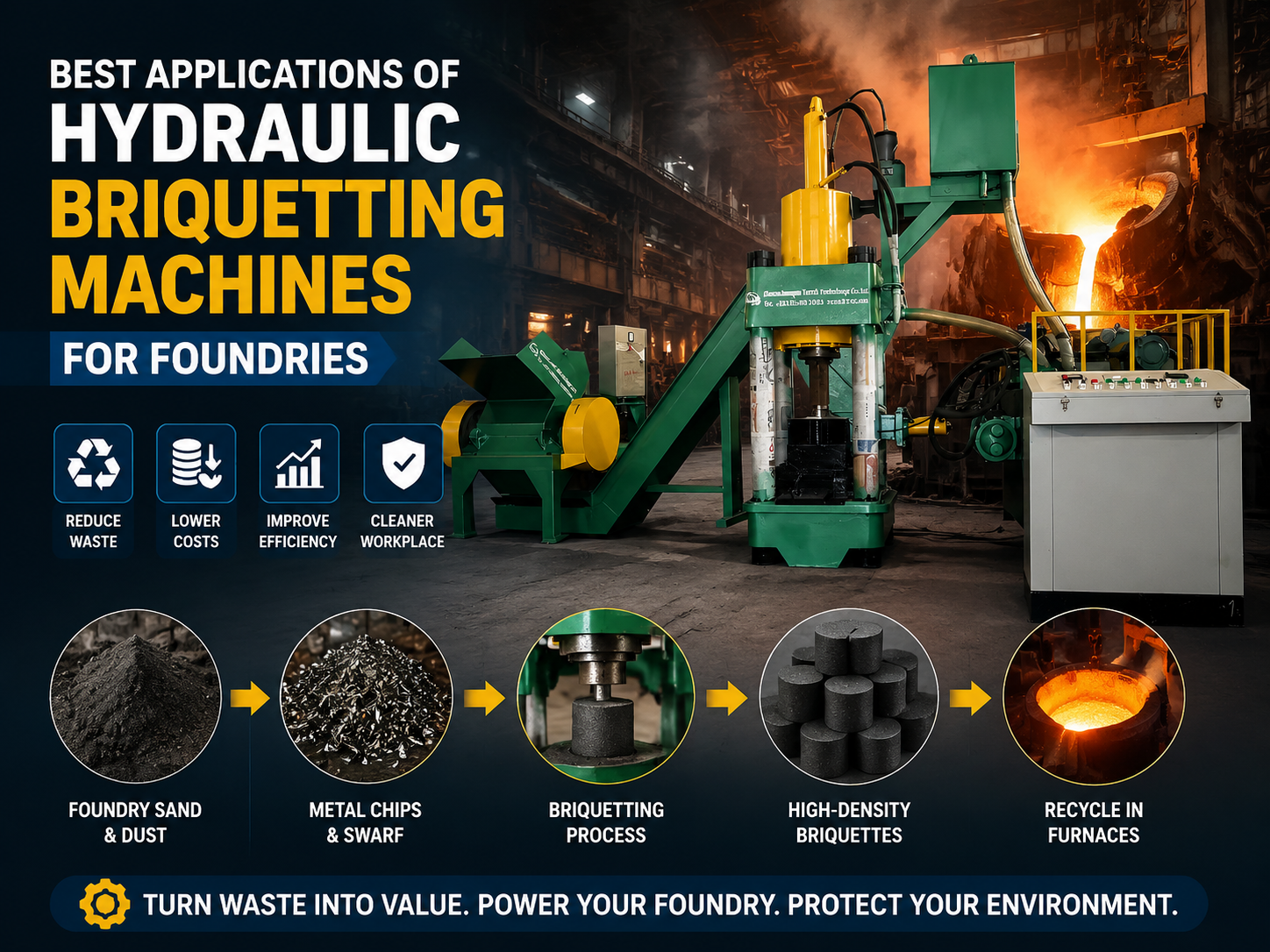
In the high-stakes world of metal casting and foundry operations, efficiency is not just a goal—it is a necessity for survival. As global metal prices fluctuate and environmental regulations tighten, foundries are increasingly looking for ways to optimize their raw material usage and minimize waste. One of the most transformative technologies in this sector is the hydraulic briquetting machine. These robust industrial systems are designed to compress loose metal chips, turnings, and swarf into dense, solid blocks known as briquettes. By doing so, they solve a multitude of logistical and metallurgical challenges that have plagued foundries for decades.
The Best Applications Of Hydraulic Briquetting Machines Foundries involve more than just simple waste compaction. These machines serve as a bridge between the machining floor and the melting furnace, ensuring that valuable metal resources are not lost to oxidation or inefficient handling. Whether a facility deals with aluminum, cast iron, steel, or copper, the transition from loose scrap to high-density briquettes represents a significant leap in operational maturity. HARSLE, a leader in metal fabrication machinery, provides advanced hydraulic solutions that cater specifically to these demanding environments, ensuring that every ounce of metal is accounted for and utilized effectively.
Understanding the best applications of these machines requires a deep dive into the physics of metal melting and the economics of scrap management. In a traditional foundry setup, loose chips are often sold to third-party recyclers at a fraction of their value, or worse, melted directly with massive losses due to burn-off. Hydraulic briquetting changes this dynamic by allowing foundries to recycle their own internal scrap with minimal loss, effectively creating a closed-loop system that boosts profitability and reduces the carbon footprint of the entire operation.
Key Considerations for Implementing Briquetting Technology
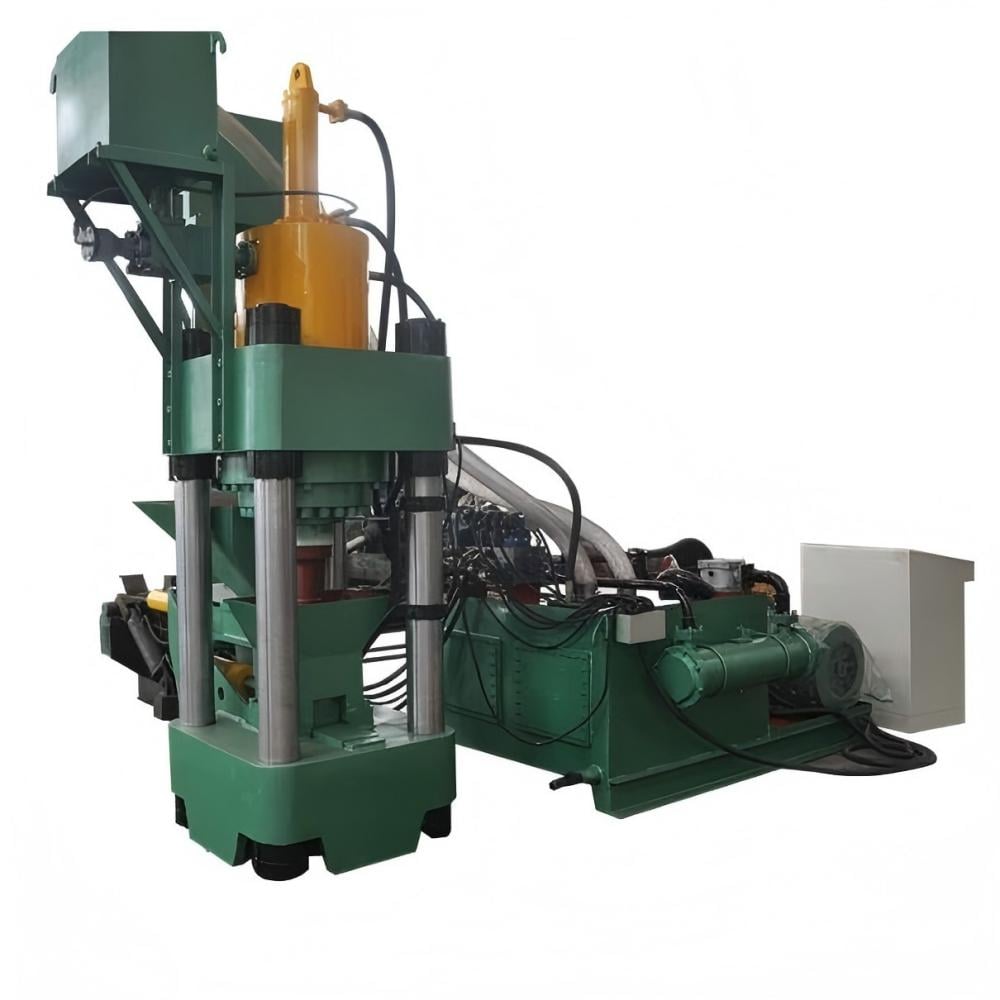
Before integrating a hydraulic briquetting machine into a foundry workflow, several critical factors must be evaluated. The first consideration is the type of material being processed. Different metals have varying levels of elasticity and hardness, which dictates the amount of hydraulic pressure required to form a stable briquette. For instance, aluminum chips are relatively soft but require specific pressure to overcome their natural tendency to spring back, while cast iron swarf is brittle and requires a different compression profile to prevent the briquette from crumbling.
Another vital consideration is the presence of cutting fluids and coolants. Most machining processes involve the heavy use of oils or water-based emulsions. When these chips arrive at the briquetting station, they are often saturated. A high-quality hydraulic briquetting machine must be equipped with a fluid collection system. As the metal is compressed, the fluids are squeezed out and captured, allowing the foundry to reuse the expensive coolants and ensuring that the resulting briquettes are dry and safe for the furnace. This dual-purpose functionality—metal recovery and fluid recovery—is a primary driver for ROI in modern facilities.
Space and logistics also play a role. Loose metal chips are incredibly voluminous and difficult to transport. They take up valuable floor space and require frequent hauling. By implementing a briquetting solution, foundries can reduce the volume of their scrap by up to 90%. This dramatic reduction simplifies internal logistics, reduces the number of trips required for scrap transport, and keeps the facility cleaner and safer. Furthermore, the density of the briquettes allows for more efficient storage, as they can be stacked and moved using standard palletizing equipment.
Finally, the metallurgical impact cannot be overstated. When loose chips are thrown into a furnace, their high surface-area-to-volume ratio causes them to oxidize almost instantly, leading to high slag production and low metal yield. Briquettes, however, have a much lower surface area. They sink through the slag layer and melt within the molten bath, significantly increasing the yield and improving the quality of the final cast product. This makes the Best Applications Of Hydraulic Briquetting Machines Foundries a cornerstone of high-yield metallurgical practices.
Technical Details of Hydraulic Briquetting Systems
The engineering behind a HARSLE hydraulic briquetting machine is centered on precision and power. At the heart of the system is a high-pressure hydraulic circuit capable of generating hundreds of tons of force. This force is directed through a series of cylinders into a compression chamber where the metal scrap is fed. The process typically involves a pre-compression stage to remove air and a final high-pressure stage to lock the metal particles together through mechanical deformation and cold welding.
Modern machines utilize PLC (Programmable Logic Controller) systems to manage the cycle times and pressure settings. This automation allows the machine to adjust its behavior based on the density of the incoming material. For example, if the sensors detect a change in the scrap consistency, the PLC can modulate the stroke speed or the dwell time at peak pressure to ensure consistent briquette quality. This level of control is essential for foundries that process a variety of scrap types throughout the day.
Comparison of Material Densities and Compression Ratios
| Material Type | Loose Density (kg/m³) | Briquette Density (kg/m³) | Volume Reduction Ratio |
|---|---|---|---|
| Aluminum Turnings | 150 – 300 | 2,200 – 2,500 | ~8:1 to 15:1 |
| Cast Iron Swarf | 1,200 – 1,800 | 5,000 – 6,000 | ~3:1 to 5:1 |
| Steel Shavings | 400 – 800 | 4,500 – 5,500 | ~6:1 to 10:1 |
| Copper/Brass Chips | 500 – 1,000 | 6,500 – 7,500 | ~7:1 to 12:1 |
The structural integrity of the machine is another technical highlight. Because these machines operate under extreme pressure, the frames are typically constructed from heavy-duty welded steel or cast components that have been stress-relieved. The wear parts, such as the compression chamber liners and the punch heads, are made from high-grade hardened tool steel. These components are designed for easy replacement, ensuring that the machine can maintain its performance over millions of cycles in the abrasive environment of a foundry.
Best Applications of Hydraulic Briquetting Machines in Foundries
1. Cast Iron Swarf Management
Cast iron foundries generate massive amounts of fine swarf during the machining of engine blocks, pipes, and industrial components. This swarf is notoriously difficult to handle because it is dusty and prone to rapid oxidation. In its loose form, cast iron swarf is almost impossible to melt efficiently in an induction furnace because the electromagnetic fields can cause the fine particles to float or blow out. By using a hydraulic briquetting machine, foundries can turn this “dust” into heavy, solid pucks. These briquettes behave like pig iron in the furnace, sinking directly into the melt and providing a yield of nearly 100%.
2. Aluminum Chip Recycling
Aluminum is one of the most valuable metals to recycle, but it is also one of the most challenging. Aluminum chips have a very high surface area, and when exposed to the heat of a furnace, they tend to burn (oxidize) rather than melt. This results in a significant loss of material, often referred to as “melt loss.” Briquetting the aluminum chips reduces the surface area by a factor of ten or more. This allows the aluminum to be submerged quickly in the molten bath, reducing oxidation and increasing the recovery rate by up to 25% compared to loose chips. For large-scale aluminum foundries, this translates to millions of dollars in annual savings.
3. Steel and Alloy Steel Processing
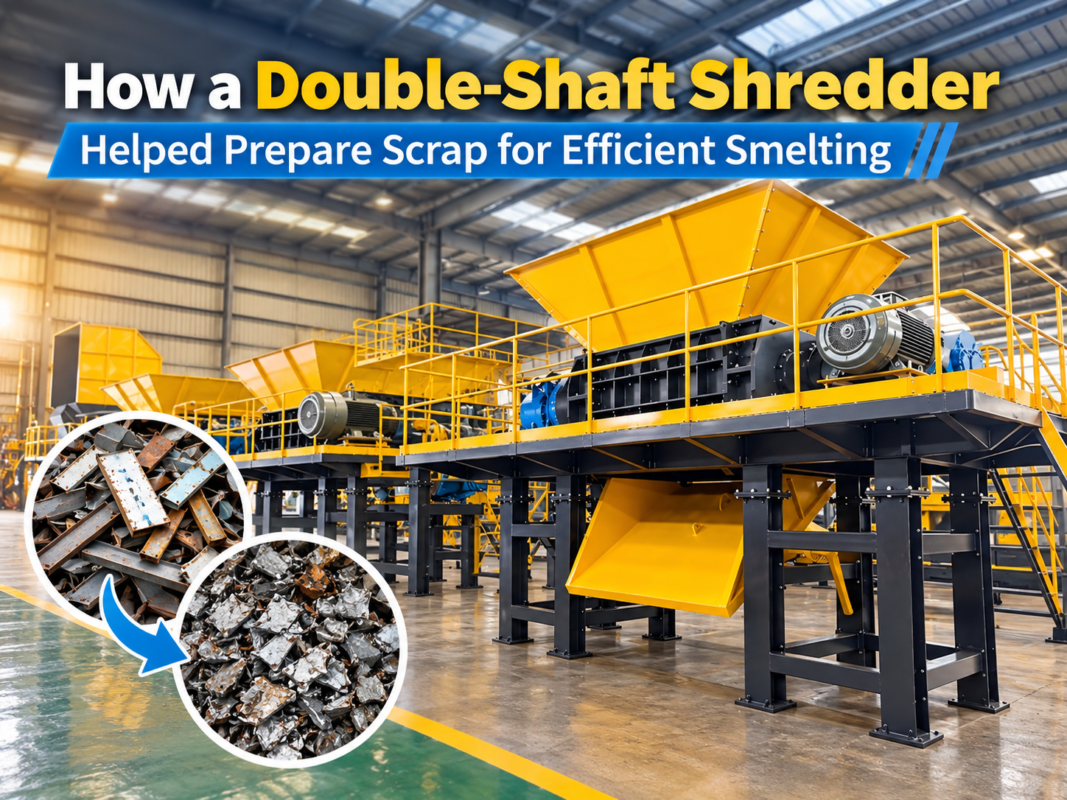
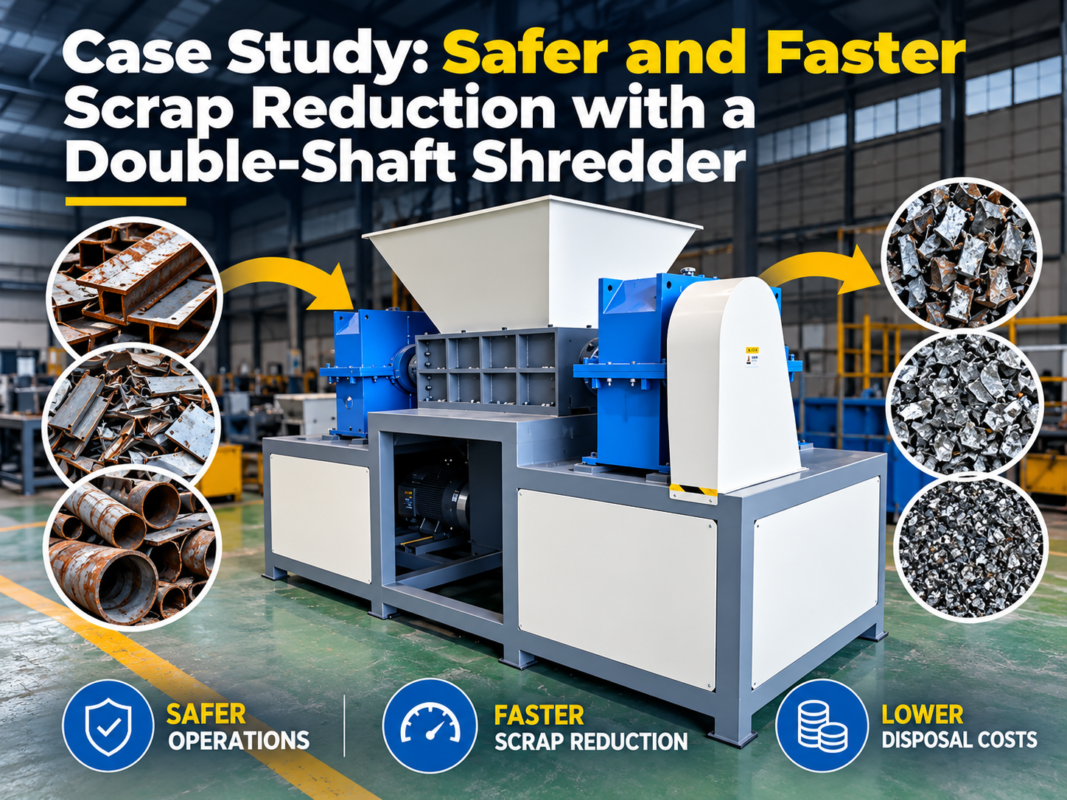
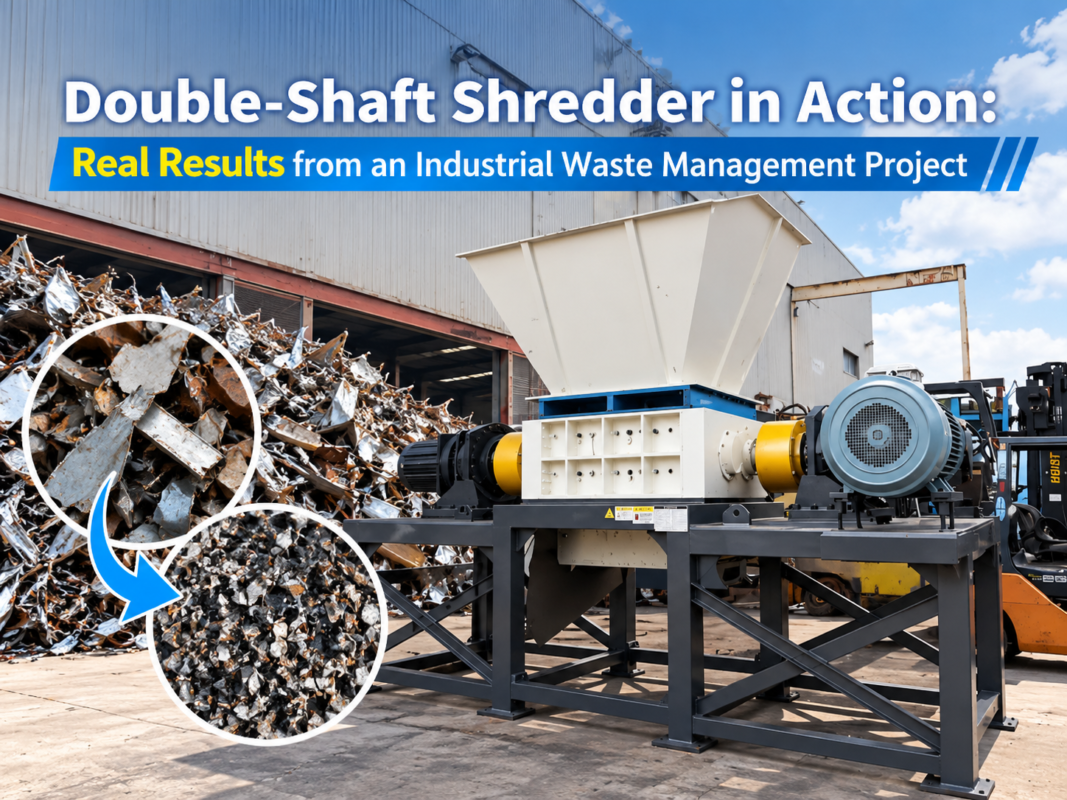
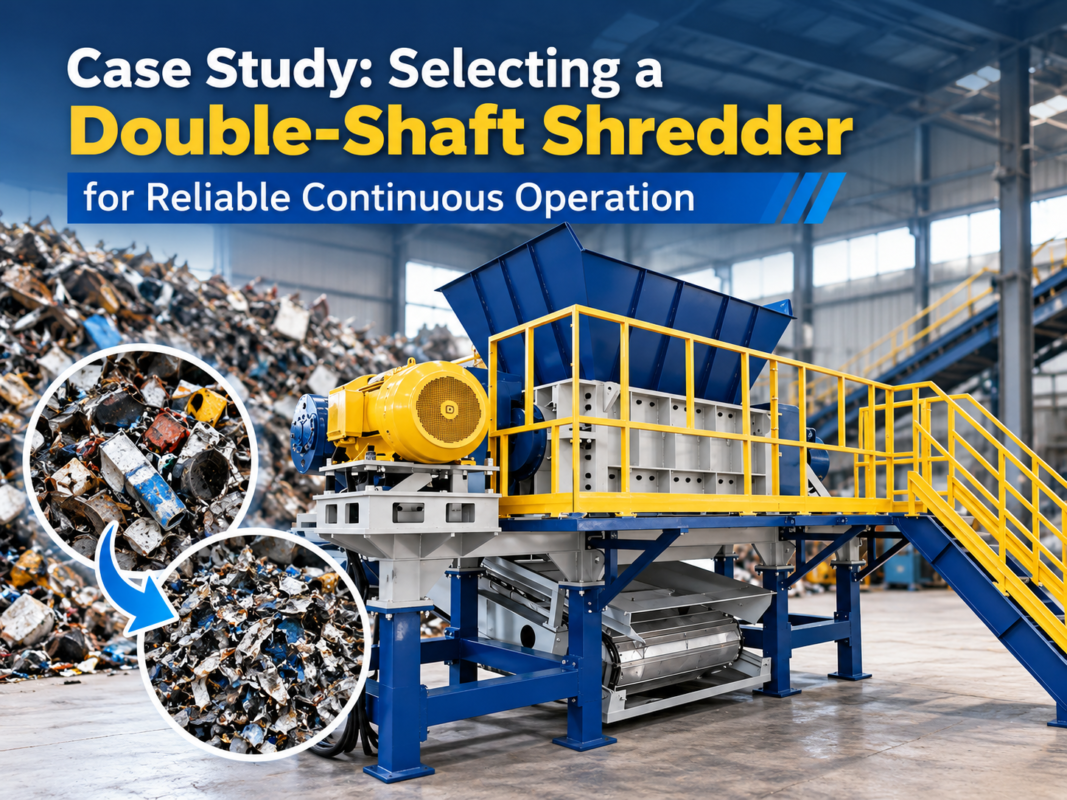
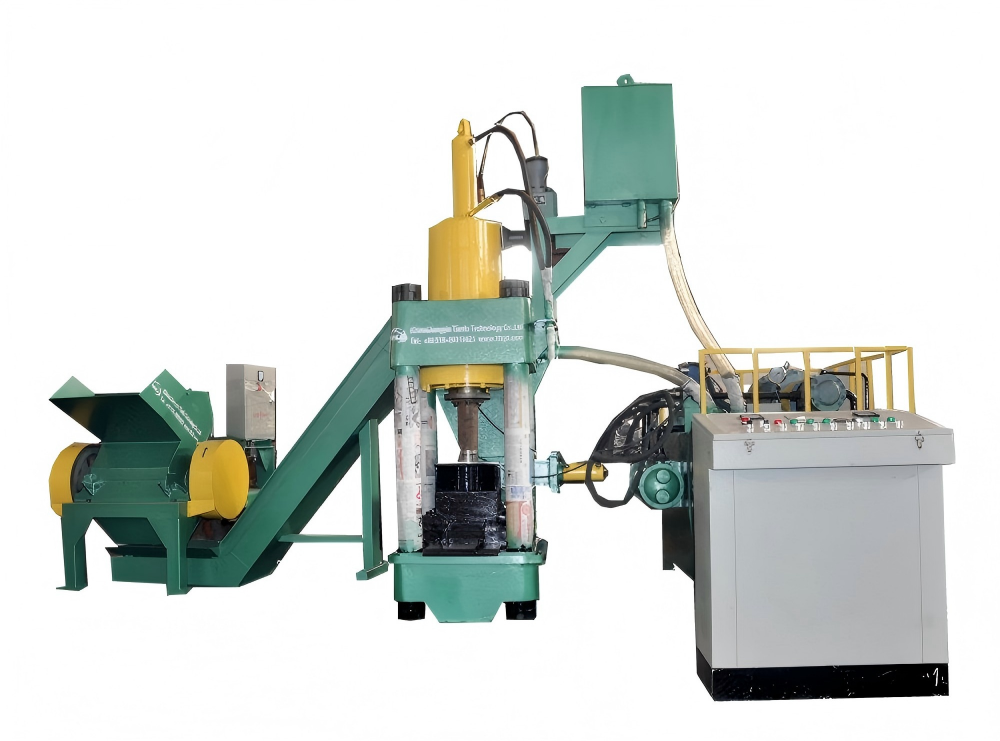
Steel foundries often deal with long, stringy turnings that are dangerous to handle and take up enormous amounts of space. A hydraulic briquetting machine, often paired with a shredder, can transform these unruly turnings into compact briquettes. This not only makes the scrap easier to charge into the furnace but also improves the chemistry control of the melt. Because the briquettes are dense and uniform, they provide a consistent carbon and alloy addition, which is critical for producing high-spec steel castings.
4. Copper and Brass Recovery
In foundries specializing in non-ferrous alloys like brass and bronze, the cost of raw materials is exceptionally high. Every gram of copper lost is a direct hit to the bottom line. Hydraulic briquetting is used here to capture fine chips and turnings from machining centers. Additionally, the ability to squeeze out and recover expensive cutting oils used in brass machining adds another layer of value. The resulting briquettes are high-purity and can be fed directly back into the crucible, maintaining the integrity of the alloy composition.
5. Grinding Sludge and Filter Cake
One of the more specialized Best Applications Of Hydraulic Briquetting Machines Foundries is the processing of grinding sludge. This material is a mix of fine metal particles, abrasive media, and coolant. Traditionally, this was treated as hazardous waste and sent to landfills at a high cost. Advanced hydraulic presses can compress this sludge, extracting the liquids and forming a solid cake that can often be recycled or at least disposed of at a much lower cost due to the volume and weight reduction. This application is a key component of modern “Zero Waste” industrial initiatives.
Selection Advice: Choosing the Right Machine for Your Foundry
Selecting the right hydraulic briquetting machine requires a balance between capacity, pressure, and automation. The first step is to calculate your daily scrap generation. Machines are rated by their hourly output (e.g., 500 kg/h, 2000 kg/h). It is generally advisable to choose a machine with a capacity 20-30% higher than your average output to account for peak production periods and maintenance downtime. HARSLE offers a range of models that can be scaled to fit small boutique foundries or massive industrial complexes.
The second factor is the “Specific Pressure.” This is the amount of force applied per square centimeter of the briquette’s surface. Different materials require different specific pressures to achieve the desired density. For example, steel requires much higher specific pressure than aluminum. Ensure that the machine you select can provide the necessary force to reach at least 70-85% of the material’s solid density. If the briquettes are too soft, they will break apart during handling or float in the furnace, defeating the purpose of the process.
Automation levels are also a key differentiator. Some foundries prefer a standalone machine that is manually fed, while others require a fully integrated system that connects directly to the machining center’s conveyor belts. Look for features like automatic chip hoppers, integrated shredders, and coolant filtration systems. A machine with a robust PLC and remote monitoring capabilities can significantly reduce labor costs and allow for predictive maintenance, ensuring that the machine stays operational when you need it most.
Finally, consider the after-sales support and availability of wear parts. Hydraulic briquetting machines are workhorses that operate in harsh conditions. Choosing a reputable manufacturer like HARSLE ensures that you have access to technical expertise and high-quality replacement parts. Check the warranty terms and the manufacturer’s track record in the foundry industry. A lower initial price point may be tempting, but the long-term value lies in the machine’s reliability and the manufacturer’s commitment to your success.
Frequently Asked Questions (FAQ)
What is the typical ROI for a hydraulic briquetting machine in a foundry?
Most foundries see a full return on investment (ROI) within 6 to 18 months. This is calculated based on the increased value of the scrap (briquettes sell for more than loose chips), the reduction in melt loss (higher yield), the recovery of expensive coolants, and the savings in transportation and storage costs.
Can the machine handle different types of metal simultaneously?
While the machine can physically process different metals, it is not recommended to mix them if you intend to reuse the briquettes in your own furnace, as this will contaminate your alloy chemistry. Most foundries run batches of one material or have dedicated machines for different metal streams (e.g., one for aluminum, one for cast iron).
How much maintenance does a hydraulic briquetting machine require?
Routine maintenance involves checking hydraulic oil levels, cleaning filters, and lubricating moving parts. The most significant maintenance task is the periodic replacement of wear parts like the compression chamber liners and punches. With a HARSLE machine, these are designed for quick change-outs to minimize downtime.
Do the briquettes need to be dried before melting?
One of the main advantages of hydraulic briquetting is that the high pressure squeezes out the majority of the moisture and oils. In most cases, the resulting briquettes are dry enough to be charged directly into the furnace. However, for certain sensitive processes, a brief pre-heating stage may be used to ensure 100% dryness.
What happens to the coolants that are squeezed out?
High-quality briquetting machines feature an integrated collection tray and pump system. The squeezed-out coolant is collected, filtered to remove fine particles, and can then be pumped back into the central coolant system or a storage tank for reuse, providing significant cost savings.
Conclusion: The Future of Foundry Efficiency
The Best Applications Of Hydraulic Briquetting Machines Foundries represent a shift toward a more sustainable, profitable, and efficient metal casting industry. By transforming what was once considered a waste product into a high-value raw material, foundries can protect themselves against market volatility and improve their environmental standing. The technical advantages—ranging from reduced melt loss to coolant recovery—make the hydraulic briquetting press an indispensable tool in the modern industrial arsenal.
As technology continues to evolve, we can expect even greater integration of AI and IoT in these machines, allowing for real-time optimization of the briquetting process based on scrap quality and furnace requirements. For foundries looking to stay competitive, the question is no longer whether to invest in briquetting technology, but rather which HARSLE solution best fits their specific operational needs. By choosing the right equipment and applying it effectively, foundries can ensure that they are not just casting metal, but casting a more profitable and sustainable future.