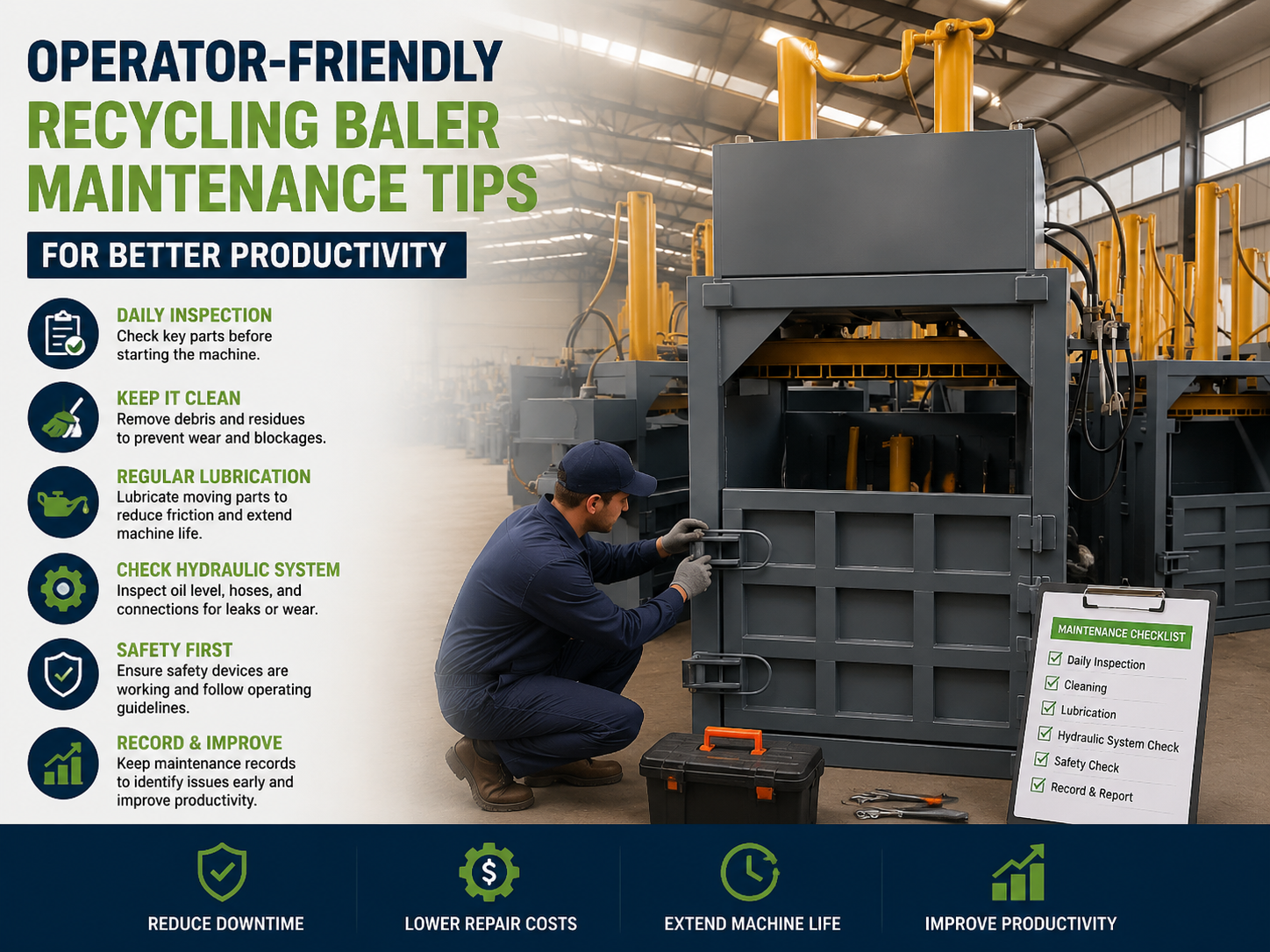
Operator-Friendly Recycling Baler Maintenance Tips for Better Productivity

Introduction to Operator-Friendly Recycling Baler Maintenance
In the fast-paced world of waste management and material recovery, the efficiency of your equipment directly dictates your bottom line. Among the most critical assets in any facility is the recycling baler. Whether you are processing cardboard, plastics, or non-ferrous metals, maintaining these machines is paramount. However, maintenance shouldn’t be a daunting task reserved only for specialized engineers. By implementing operator-friendly recycling baler maintenance tips for better productivity, facilities can empower their daily users to keep machines running at peak performance, reducing the likelihood of catastrophic failures and expensive downtime.
HARSLE understands that industrial machinery must be as easy to maintain as it is powerful to operate. A well-maintained baler doesn’t just last longer; it produces denser bales, uses less energy, and provides a safer environment for the workforce. This guide delves deep into the practical steps operators can take to ensure their recycling balers remain in top-tier condition, focusing on accessibility, clarity, and consistency.
The Critical Importance of Regular Maintenance
Why is maintenance so vital? In the context of operator-friendly recycling baler maintenance tips for better productivity, the answer lies in the prevention of the “domino effect.” A small, neglected issue—like a loose bolt or a slightly clogged filter—can quickly escalate into a hydraulic pump failure or a structural crack in the ram. Regular maintenance ensures that the machine operates within its designed parameters, preserving the structural integrity of the frame and the precision of the hydraulic circuits.
From a financial perspective, the Return on Investment (ROI) of a recycling baler is tied to its uptime. Every hour the machine sits idle due to a preventable breakdown is an hour of lost revenue. Furthermore, consistent maintenance improves the quality of the bales. Properly compressed bales are easier to transport and fetch higher prices in the recycling market. By following a structured maintenance plan, operators contribute directly to the facility’s profitability and operational flow.
Safety is perhaps the most significant driver for maintenance. Recycling balers exert immense pressure. Any failure in the safety interlocks, hydraulic hoses, or structural welds can pose a severe risk to the operator. An operator-friendly approach means that safety checks are integrated into the daily routine, making it second nature for the staff to verify that the machine is safe to use before the first cycle begins.
Daily Inspection: The Foundation of Productivity
The first step in operator-friendly recycling baler maintenance tips for better productivity is the daily walk-around. This should be performed at the start of every shift. Operators should look for any visible signs of wear or damage. This includes checking for oil puddles under the machine, which could indicate a leaking hose or fitting. Even a small leak can lead to a significant drop in hydraulic pressure over time, reducing the baler’s efficiency.
Next, the operator should inspect the bale chamber. Debris buildup behind the ram or in the corners of the chamber can cause the ram to travel unevenly, leading to premature wear on the wear pads and guides. Clearing out stray material ensures that the ram moves smoothly and that the sensors can accurately detect the ram’s position. This simple act of cleaning is one of the most effective ways to prevent mechanical strain.
Safety features must be tested daily. This includes the emergency stop buttons, the safety gates, and the interlock switches. If a gate is opened while the machine is in motion, the cycle should stop immediately. If these features are not functioning perfectly, the machine must be locked out and tagged out until repairs are made. Ensuring these systems are operational is a core component of operator-friendly maintenance.
Hydraulic System Checks and Fluid Management
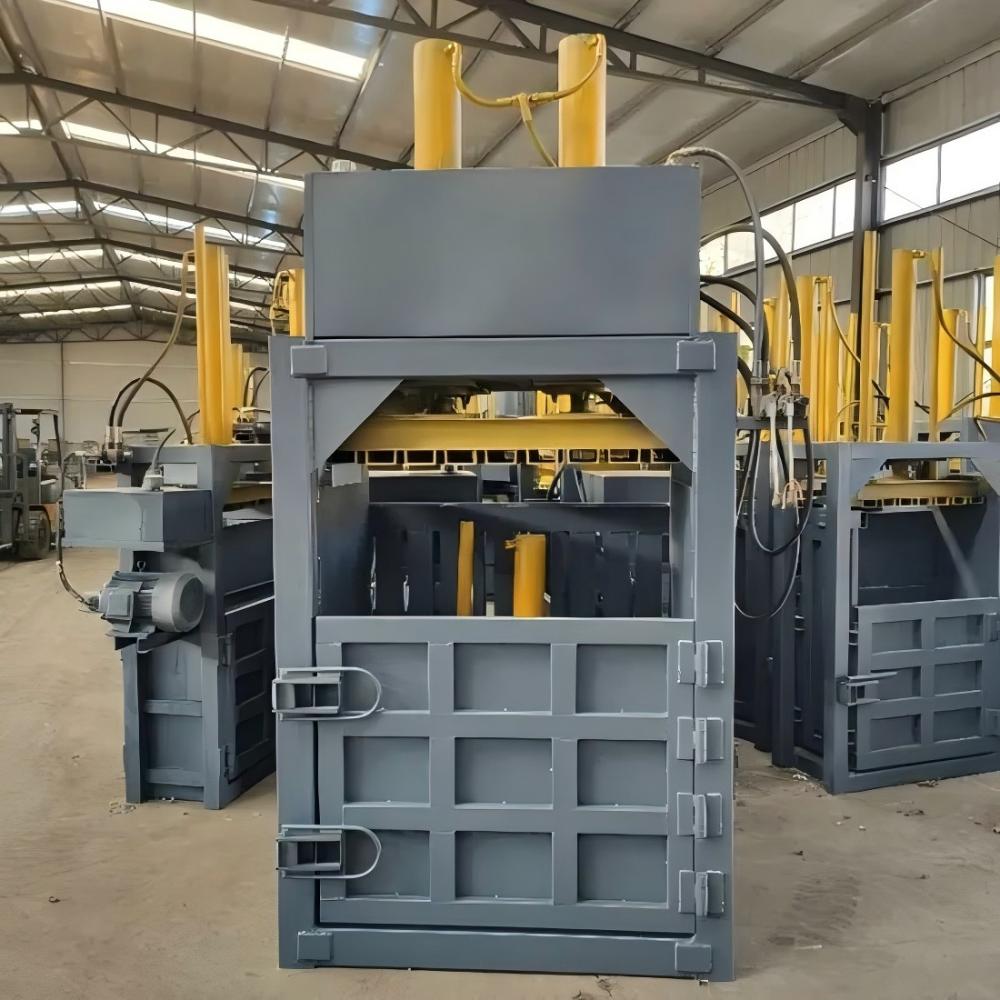
The hydraulic system is the heart of the recycling baler. Without proper hydraulic pressure, the machine is essentially useless. Operators should be trained to monitor the oil level through the sight glass on the hydraulic reservoir. If the oil is low, it must be topped off with the specific grade recommended by HARSLE. Running a pump with low oil can cause cavitation, which destroys the pump’s internal components in a matter of hours.
Oil temperature is another critical factor. Most modern balers include a temperature gauge. If the oil becomes too hot (typically above 60°C or 140°F), its viscosity drops, leading to poor lubrication and potential damage to seals. Operators should ensure that the oil cooler (if equipped) is free of dust and debris. A clogged cooling fan is a common cause of overheating in dusty recycling environments.
Finally, the condition of the hydraulic oil itself should be noted. If the oil appears milky, it likely contains water. If it smells burnt or looks exceptionally dark, it has oxidized and needs to be replaced. Regular filter changes are also essential. A clogged filter will bypass oil, allowing contaminants to circulate through the sensitive valves and cylinders, leading to sluggish performance and eventual failure.
Electrical System and Control Panel Maintenance
Modern recycling balers rely heavily on electrical components and Programmable Logic Controllers (PLCs) to manage the baling cycles. Operator-friendly maintenance involves keeping the control panel clean and dry. Dust, especially metallic dust from certain recycling processes, can cause short circuits if it enters the electrical cabinet. Operators should ensure that the cabinet doors are always tightly sealed.
Wiring should be inspected for any signs of fraying or damage caused by vibration or rodents. In many industrial settings, vibrations can loosen terminal connections over time. While operators may not be qualified to perform electrical repairs, they can certainly identify loose wires or burnt smells that indicate an electrical issue. Early detection of these signs can prevent a total system shutdown.
Sensors and limit switches are the “eyes” of the machine. They tell the PLC when the ram is fully extended or retracted. If these sensors become covered in grime or knocked out of alignment, the machine may stop mid-cycle or fail to start. A quick wipe-down of the sensor faces and a check of their mounting brackets can save hours of troubleshooting later in the day.
Mechanical Components and Structural Integrity
The mechanical structure of a baler is designed to withstand hundreds of tons of force. However, this force also means that any misalignment is magnified. Operators should pay close attention to the ram’s movement. Is it shimmying or making a grinding noise? This could indicate that the wear pads need adjustment or replacement. Wear pads are designed to be sacrificial components that protect the main frame; replacing them is much cheaper than repairing a scored frame.
Shear blades are another critical mechanical component, especially in horizontal balers. These blades cut off excess material as the ram moves forward. If the blades become dull or the gap between them becomes too wide, the machine will struggle to cut, leading to “jams” and increased electrical consumption. Operators should visually inspect the blades for chips or excessive rounding of the edges.
Bolts and fasteners throughout the machine should be checked periodically. The intense vibration and pressure of the baling process can loosen even the most secure bolts. Focusing on the mounting bolts for the hydraulic cylinder and the main pivot points is essential. A loose cylinder mount can lead to catastrophic structural failure if the cylinder shifts under full load.
Comprehensive Lubrication Plan
Lubrication is the simplest yet most often overlooked aspect of operator-friendly recycling baler maintenance tips for better productivity. A well-lubricated machine runs cooler, quieter, and more efficiently. Operators should be provided with a lubrication map that highlights every grease fitting on the machine. Common points include the door hinges, the ram guides, and the pivot pins for the cylinders.
Using the correct type of grease is vital. Typically, an Extreme Pressure (EP2) lithium-based grease is recommended for industrial balers. Operators should be taught the “clean before you grease” rule: always wipe the grease nipple clean before attaching the grease gun to prevent pushing dirt into the bearing. Over-greasing can also be an issue, as it can attract more dust and debris, so following the manufacturer’s quantity recommendations is key.
For machines with automatic lubrication systems, the operator’s job is even easier but no less important. They must ensure the lubricant reservoir is always full and check that the lines are not pinched or leaking. A failure in an auto-lube system can go unnoticed until a bearing seizes, so manual verification of grease at the end-points is a good habit to develop.
Troubleshooting Signals: What the Machine is Telling You
Operators are the first line of defense because they are most familiar with how the machine sounds and feels. Learning to recognize troubleshooting signals is a core part of operator-friendly recycling baler maintenance tips for better productivity. For example, a high-pitched squealing noise often indicates a hydraulic aeration issue or a pump struggling against a blockage. A loud “thumping” noise might suggest a loose mechanical component or a structural crack.
Slow cycle times are a classic sign of declining productivity. If the ram is moving slower than usual, it could be due to a clogged suction filter, a failing pump, or internal leaking in the hydraulic cylinder. By timing the cycles occasionally, operators can catch these gradual declines before they result in a total breakdown. Similarly, if the bales are coming out “soft” or less dense, it may indicate that the pressure relief valve needs adjustment or that there is a leak in the system.
Error codes on the PLC display are the most direct form of communication from the machine. Operators should have access to a simple cheat sheet that explains common error codes and the required action. Many issues, such as a tripped motor starter or a blocked sensor, can be resolved in minutes by the operator if they have the right information at their fingertips.
Maintenance Schedule Table
To maintain high productivity, a structured schedule is necessary. The following table outlines the recommended frequency for various maintenance tasks.
| Frequency | Task Description | Responsible Party |
|---|---|---|
| Daily | Check oil levels, inspect for leaks, test safety interlocks, clean chamber. | Operator |
| Weekly | Grease all manual points, inspect hydraulic hoses for wear, check sensor alignment. | Operator / Lead Hand |
| Monthly | Inspect shear blades, check wear pad clearance, tighten all external bolts. | Maintenance Tech |
| Quarterly | Analyze hydraulic oil, clean the oil cooler, inspect electrical connections. | Maintenance Tech |
| Annually | Change hydraulic oil and filters, perform structural weld inspection, calibrate pressure settings. | Certified Technician |
Frequently Asked Questions (FAQ)
1. How often should I change the hydraulic oil in my recycling baler?
Generally, hydraulic oil should be changed every 2,000 operating hours or once a year, whichever comes first. However, if the machine operates in a very dusty or hot environment, more frequent changes or at least annual oil analysis is recommended to ensure the fluid hasn’t degraded.
2. What should I do if the baler ram is moving slowly?
First, check the hydraulic oil level and the condition of the suction filter. If the oil is low or the filter is clogged, the pump cannot get enough fluid. If those are fine, check the oil temperature; overheated oil loses its effectiveness. If the problem persists, it may be a sign of a failing pump or an internal cylinder leak.
3. Why are my bales not reaching the desired density?
This can be caused by several factors: low hydraulic pressure settings, air in the hydraulic system, or worn-out seals in the cylinder. Additionally, ensure that the material being baled is consistent and that the chamber is being filled correctly. Sometimes, dull shear blades can also prevent the ram from completing a full, high-pressure stroke.
4. Is it safe to clean the baler while it is turned on?
Absolutely not. You must always follow Lock Out Tag Out (LOTO) procedures before entering the bale chamber or performing any maintenance. Even if the machine is not moving, a hydraulic failure could cause the ram to drop unexpectedly. Safety must always be the priority.
5. How can I tell if the wear pads need replacing?
If you notice the ram tilting, vibrating excessively, or if there is visible metal-on-metal contact between the ram and the frame, the wear pads are likely worn down. Most manufacturers provide a specific measurement for the maximum allowable gap; check your HARSLE manual for these specifications.
Conclusion: Empowering Operators for Success
Implementing operator-friendly recycling baler maintenance tips for better productivity is not just about keeping a machine running; it’s about fostering a culture of care and responsibility. When operators are trained to understand the equipment they use every day, they become the most valuable asset in your maintenance strategy. They are the ones who will hear the first sign of a bearing failure or notice the first drop of a hydraulic leak.
By following the daily, weekly, and monthly steps outlined in this guide, you can significantly extend the lifespan of your HARSLE recycling baler. Remember that a clean machine is a happy machine. Removing debris, maintaining fluid levels, and ensuring proper lubrication are simple tasks that yield massive dividends in terms of uptime and bale quality. In the competitive world of recycling, these small efforts in maintenance translate directly into a stronger, more productive, and more profitable operation.