How to Improve Recycling Baler Reliability with Routine Inspections

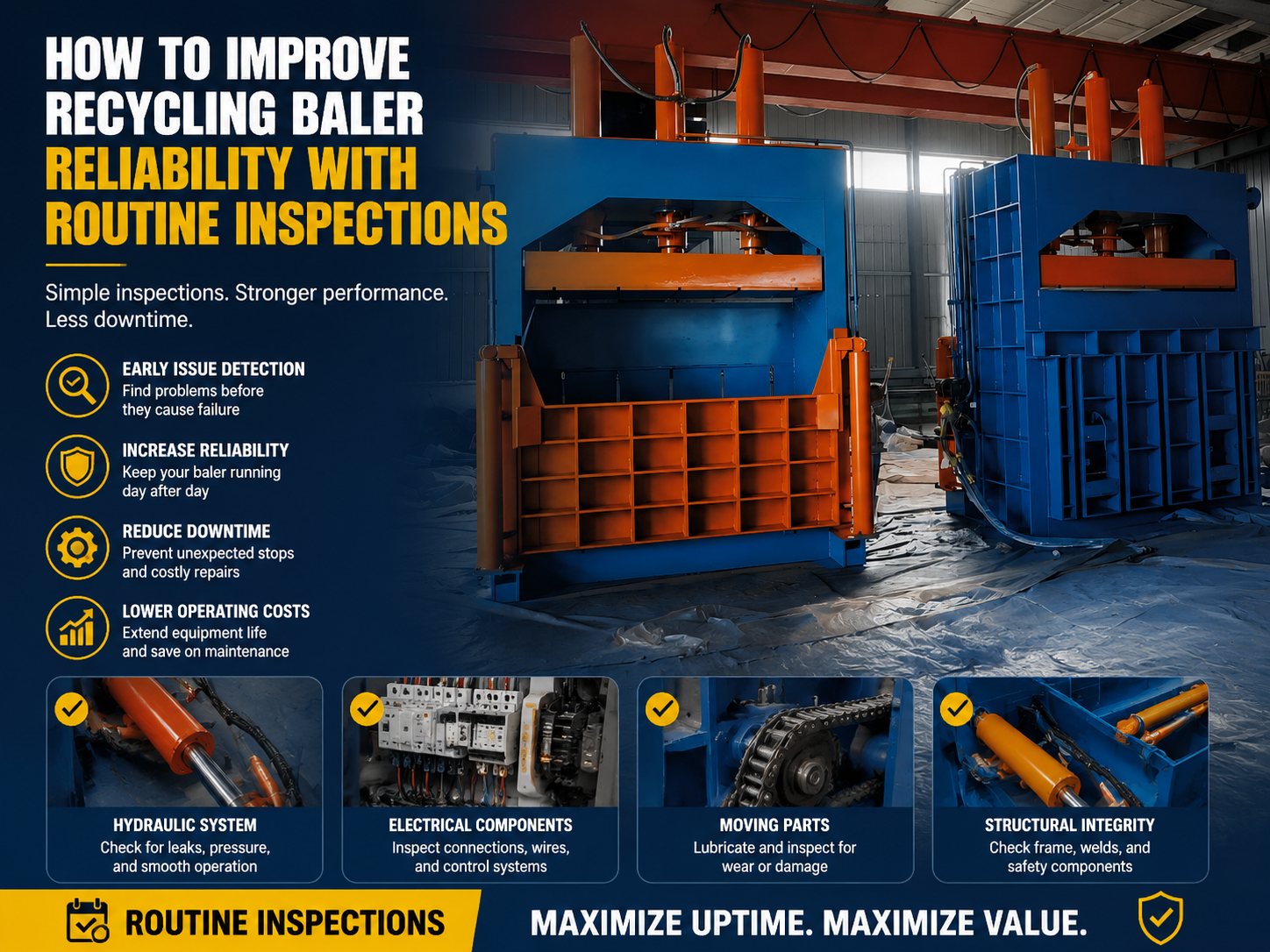
The Critical Importance of Maintenance for Recycling Balers
In the fast-paced world of waste management and material recovery, the recycling baler stands as a cornerstone of operational efficiency. Whether you are processing cardboard, plastics, or non-ferrous metals, the reliability of your baler directly impacts your bottom line. To improve recycling baler reliability routine inspections are not merely a recommendation; they are a fundamental necessity. A well-maintained machine ensures consistent bale density, reduces energy consumption, and, most importantly, prevents the catastrophic downtime that can halt an entire facility’s production line.
Reliability in industrial machinery is a product of proactive care rather than reactive repair. When a baler fails, the costs extend far beyond the price of replacement parts. There are labor costs associated with idle workers, the potential for missed shipping deadlines, and the safety risks posed by malfunctioning high-pressure hydraulic systems. By implementing a rigorous inspection protocol, facility managers can identify minor wear and tear before it evolves into a major mechanical failure. This proactive approach extends the lifespan of the equipment, often by several years, ensuring a much higher return on investment for HARSLE machinery.
Furthermore, routine inspections play a vital role in workplace safety. Recycling balers exert immense force—often hundreds of tons—to compress materials. Any structural weakness, hydraulic leak, or electrical fault can lead to dangerous situations for operators. Regular checks ensure that safety interlocks, emergency stops, and structural welds remain intact. In an industry where safety standards are stringent, maintaining a documented inspection log is also essential for regulatory compliance and insurance purposes. Ultimately, the goal is to create a culture of maintenance where the machine’s health is prioritized as much as its output.
Finally, the environmental impact of a reliable baler should not be overlooked. Efficient baling reduces the volume of waste, optimizing transport logistics and reducing the carbon footprint of recycling operations. A machine that runs at peak performance uses less electricity and experiences fewer fluid leaks, making the entire recycling process more sustainable. By focusing on reliability through routine inspections, companies contribute to a more circular economy while maintaining a competitive edge in the market.
Establishing a Daily Inspection Routine
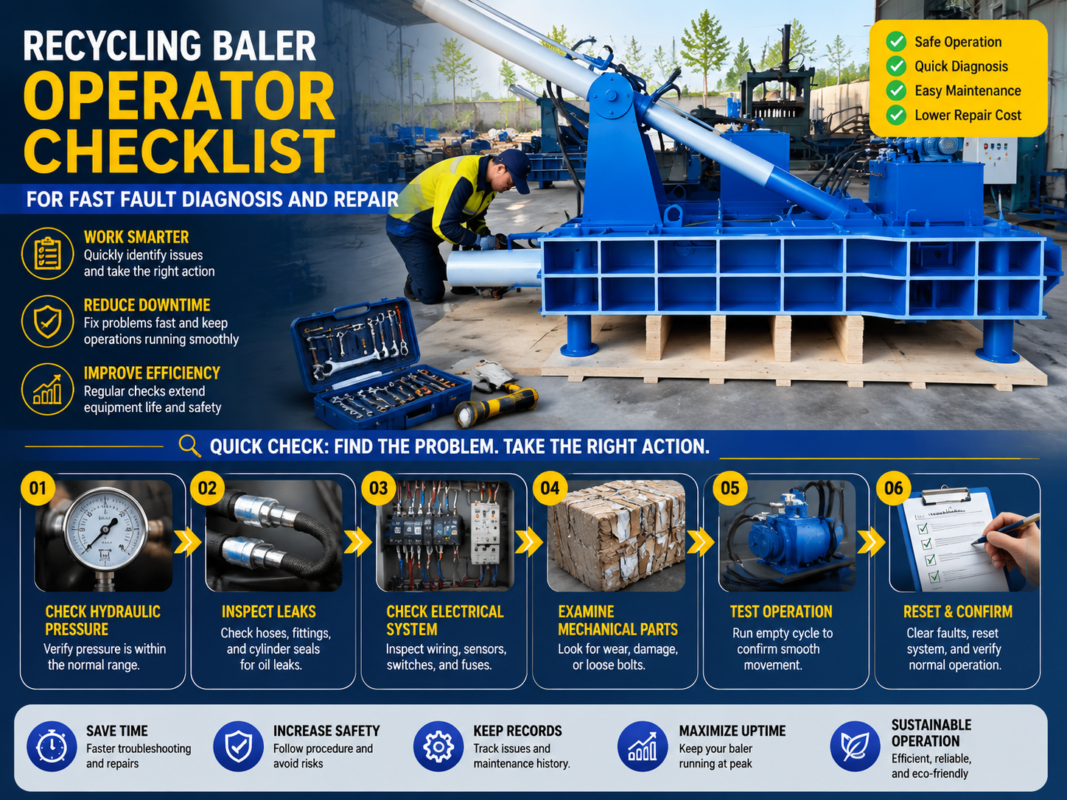
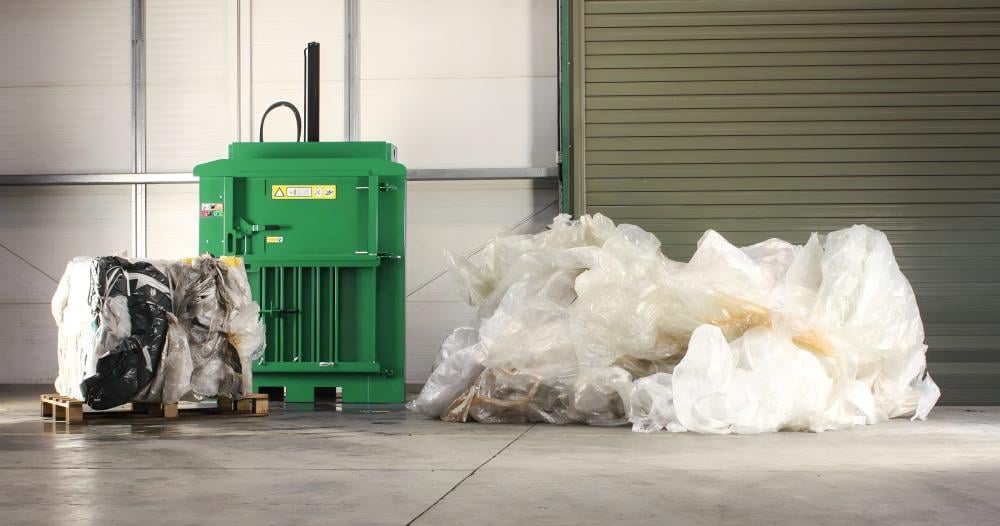
The first line of defense against equipment failure is the daily inspection. This routine should be performed by the operator at the start of every shift. The objective is to catch obvious issues that could cause immediate problems. A daily walk-around should begin with a visual check of the entire machine. Operators should look for any signs of hydraulic fluid on the floor, which indicates a leak in the hoses, fittings, or cylinders. Even a small drip can lead to a significant drop in system pressure and potential environmental hazards.
Cleaning is a critical part of the daily routine. Recycling environments are inherently dusty and messy. Debris such as small pieces of plastic, wire, or cardboard dust can accumulate around the ram, the limit switches, and the cooling fans of the motor. If left unchecked, this debris can cause overheating or interfere with the sensors that control the baler’s cycle. A clean machine is much easier to inspect; it allows the operator to see cracks in the frame or loose bolts that would otherwise be hidden under layers of grime. Using compressed air or a simple brush to clear the work area and the machine’s vitals can save hours of troubleshooting later.
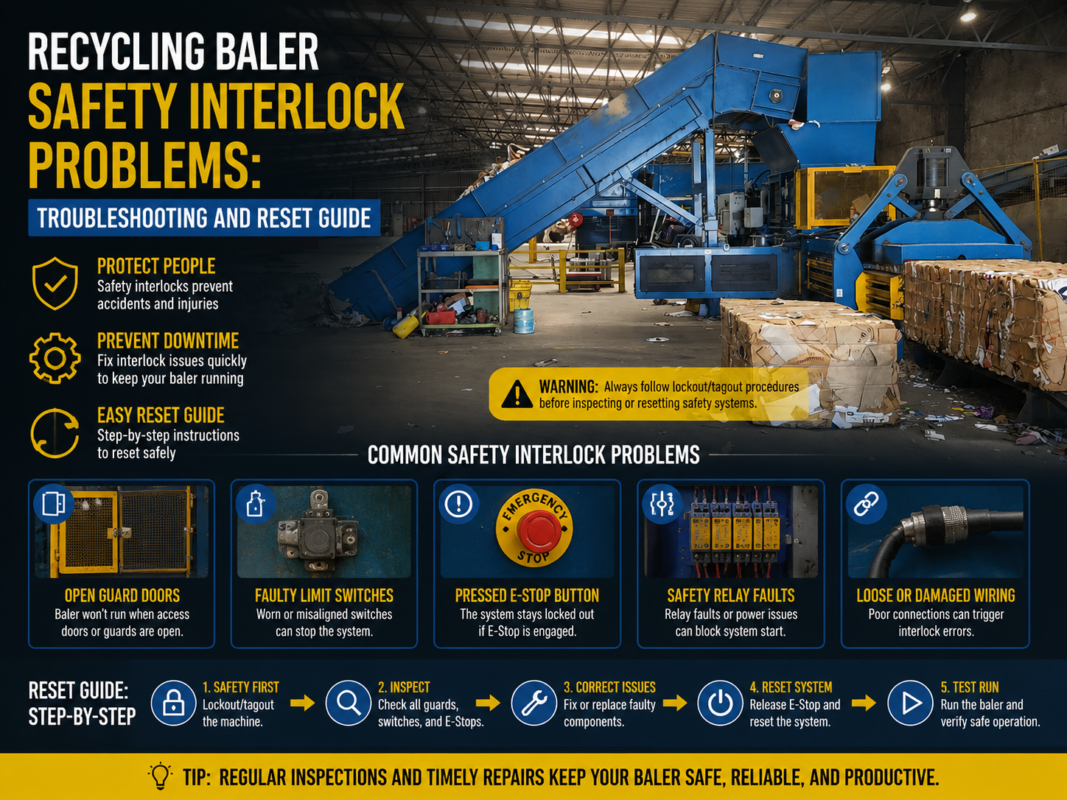
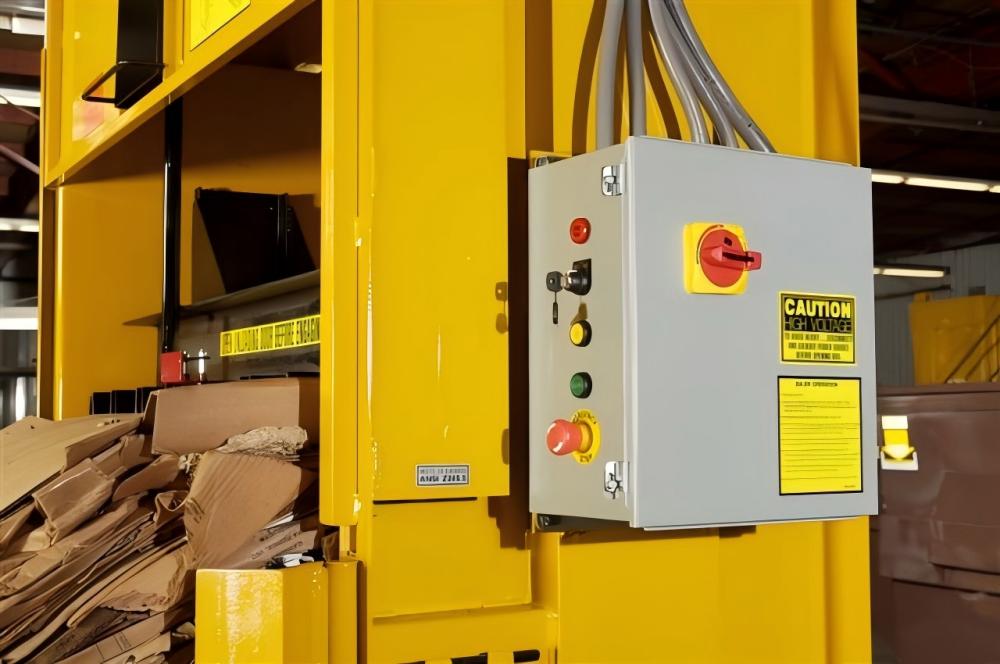
Operators must also verify the functionality of all safety devices daily. This includes testing the emergency stop buttons to ensure they immediately cut power to the motor. The safety gates or doors should be checked to confirm that the machine will not operate while they are open. These interlocks are designed to protect the operator from the moving ram, and their failure can lead to severe injury. If any safety device is found to be faulty, the machine must be locked out and tagged out immediately until repairs are made. This strict adherence to safety protocols is a hallmark of a professional recycling operation.
Lastly, the daily inspection should include a check of the bale-tying mechanism. For manual-tie balers, ensure that the wire or strapping is properly threaded and that the tensioning tools are in good working order. For automatic-tie models, check the needle path and the twister assembly for any obstructions. A failure in the tying system results in “broken bales,” which require the material to be re-processed, leading to wasted time and resources. By spending just 15 minutes each morning on these checks, operators can significantly improve recycling baler reliability routine inspections and ensure a productive day.
Deep Dive into Hydraulic System Reliability
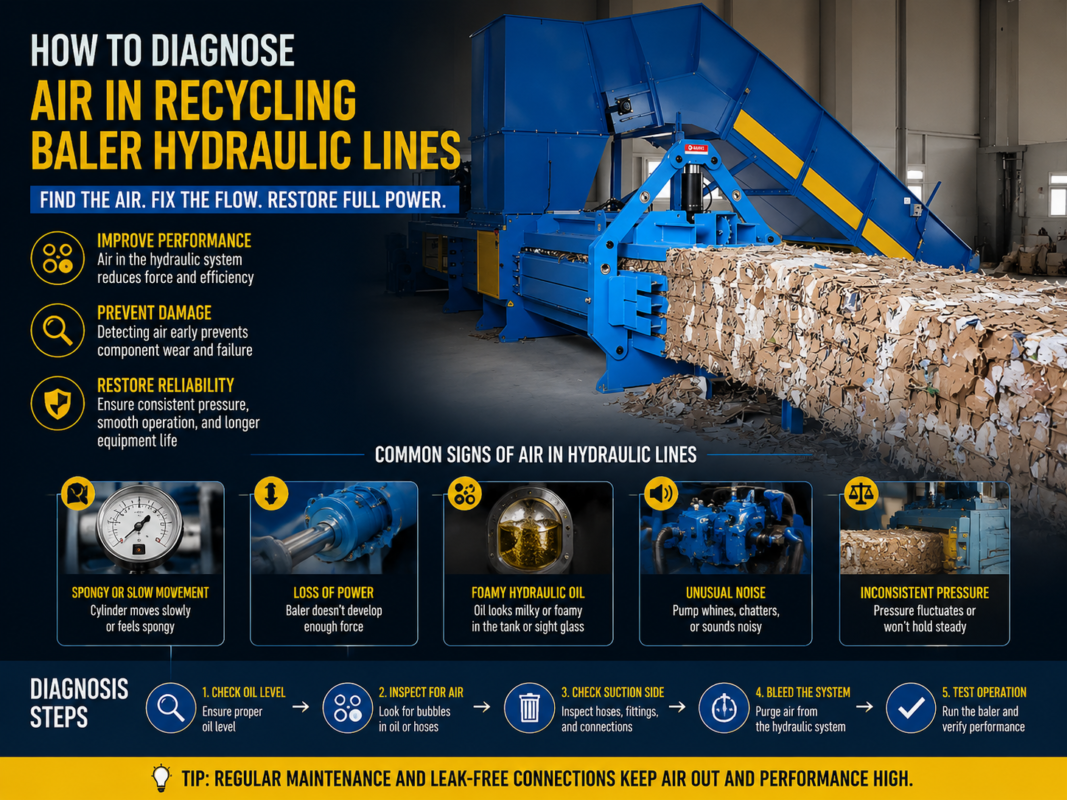
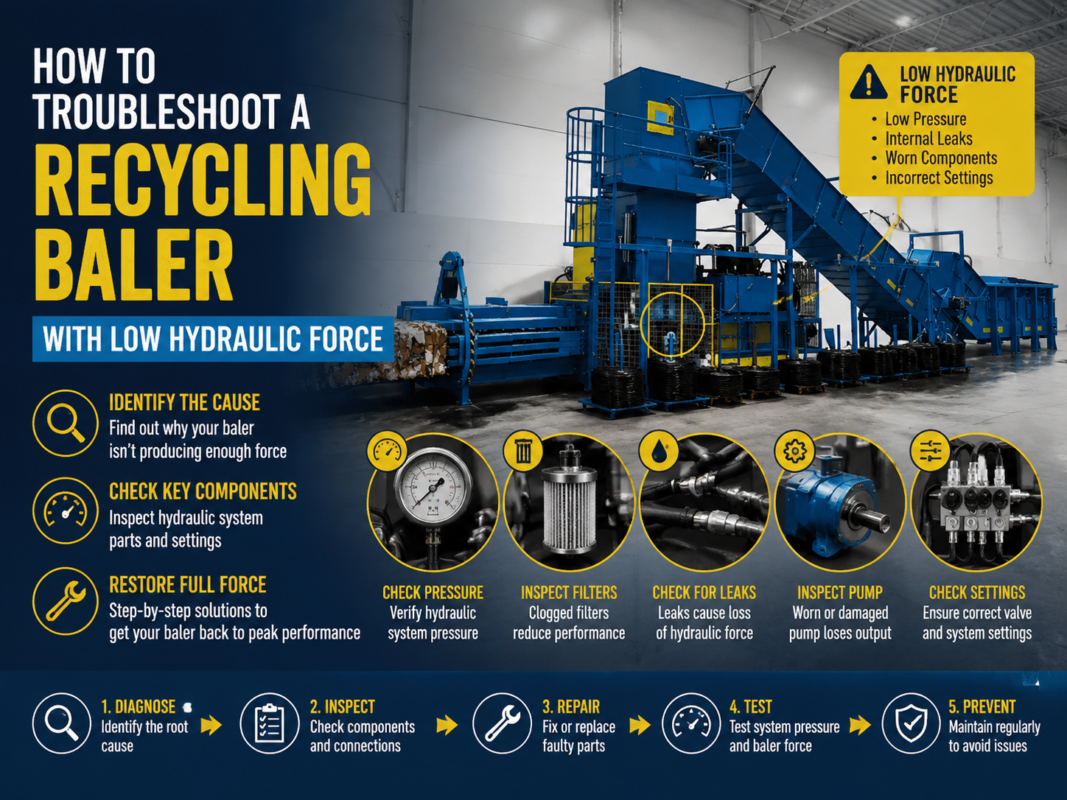
The hydraulic system is the heart and soul of the recycling baler. It provides the massive force required to compress bulky materials into dense, transportable bales. Because it operates under high pressure, the hydraulic system is also the most common source of reliability issues. To maintain this system, the quality and level of the hydraulic oil must be monitored constantly. Oil serves not only as the medium for power transmission but also as a lubricant for the pump and valves and a coolant for the entire system. Low oil levels can lead to aeration, where air bubbles enter the pump, causing cavitation and rapid wear of internal components.
Oil temperature is another critical factor. Most industrial balers are equipped with a temperature gauge or a sensor integrated into the PLC. If the oil becomes too hot, its viscosity drops, leading to poor lubrication and increased internal leakage within the valves and cylinders. Overheating is often caused by a clogged oil cooler or a pump that is forced to work against a restricted filter. During routine inspections, the oil cooler’s fins should be cleaned, and the cooling fan should be checked for proper operation. If the oil consistently runs hot, it may be time to investigate the condition of the hydraulic pump or the relief valve settings.
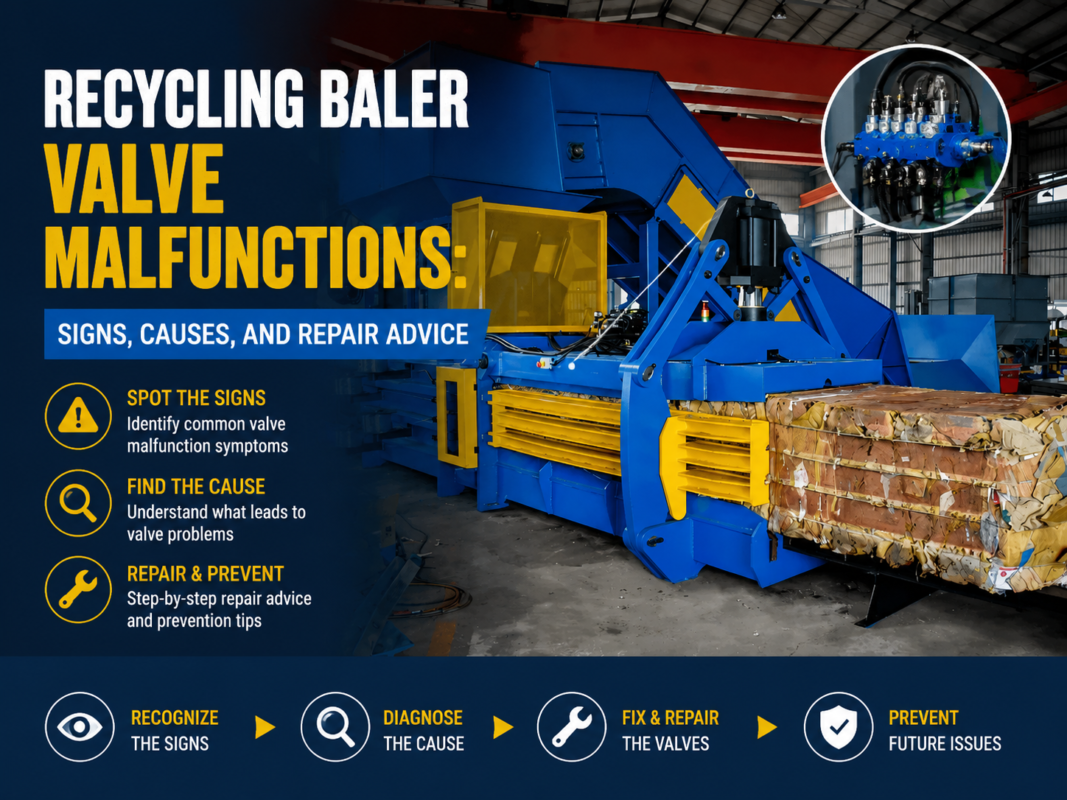
Filtration is the primary defense against contamination, which is the leading cause of hydraulic component failure. Microscopic particles of metal, dust, or moisture can wreak havoc on the precision-machined surfaces of the control valves. Routine inspections must include checking the filter bypass indicators. If a filter is bypassed, contaminated oil is circulating through the system, causing silent damage. It is a best practice to replace hydraulic filters on a scheduled basis, regardless of whether the indicator shows a clog, to ensure the highest level of fluid cleanliness. Periodic oil analysis by a professional lab can also provide insights into the internal wear of the system before a failure occurs.
Finally, the hydraulic cylinders and hoses require close physical inspection. Look for “weeping” at the cylinder rod seals and check the rod itself for any scratches or pitting. A damaged rod can quickly destroy a new seal. Hoses should be inspected for cracks, abrasions, or bulging, especially at the crimped fittings. Because hoses are subject to constant pressure spikes and physical movement during the baling cycle, they have a finite lifespan. Replacing a worn hose during a scheduled inspection is much easier and safer than dealing with a high-pressure burst during operation. Proper hose routing and the use of protective sleeves can also prevent premature wear caused by rubbing against the machine frame.
Electrical and Control System Integrity
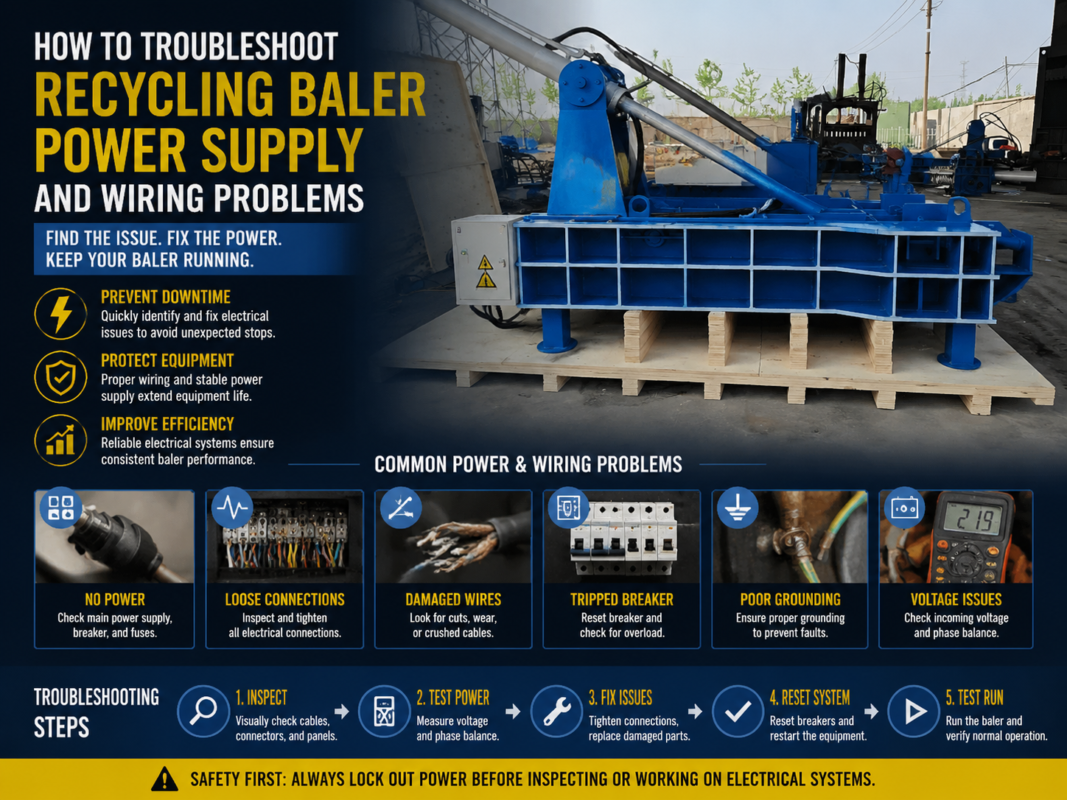
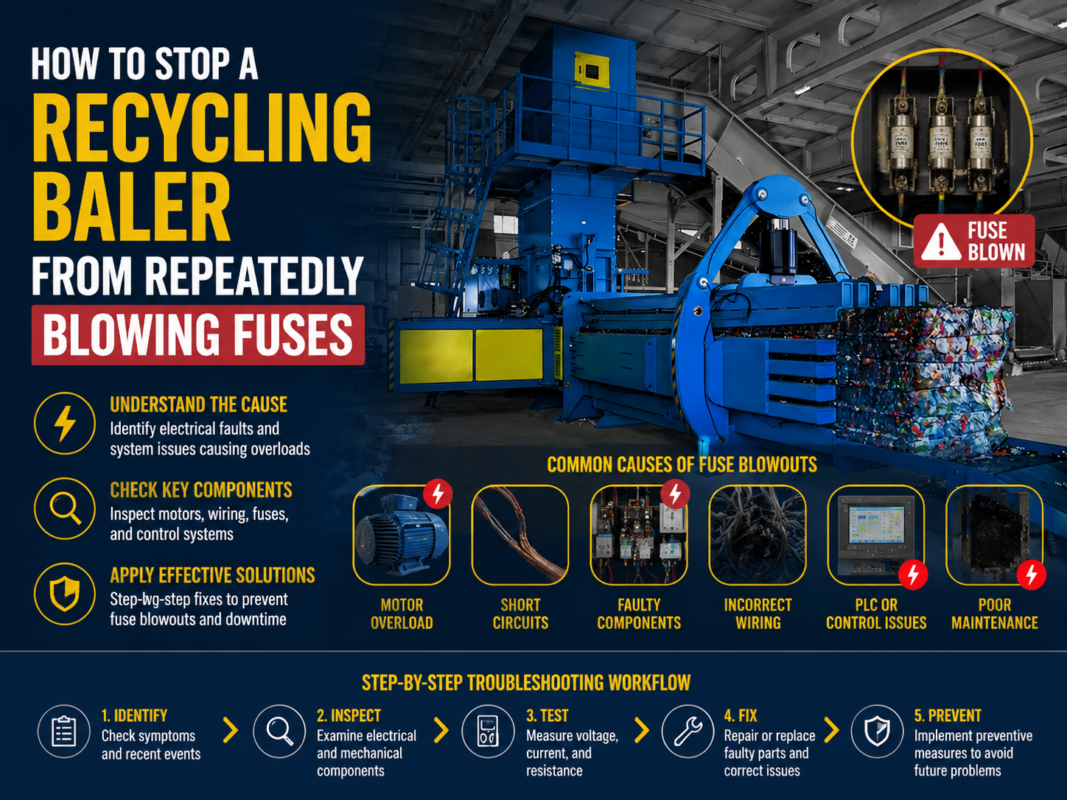
Modern recycling balers, such as those manufactured by HARSLE, rely on sophisticated electrical systems and Programmable Logic Controllers (PLCs) to manage the complex sequence of the baling cycle. The reliability of these systems is often taken for granted until a sensor fails or a wire vibrates loose. Routine electrical inspections should begin with the control cabinet. Ensure that the cabinet door is properly sealed to prevent the ingress of dust and moisture. Inside, look for any signs of overheating on the contactors or terminals, such as discolored insulation or a burnt smell. Loose connections are a common cause of intermittent faults; they increase resistance, which generates heat and can eventually lead to a fire.
Sensors and limit switches are the “eyes” of the baler. They tell the PLC the position of the ram, whether the door is closed, and when the bale has reached the desired size. In a recycling environment, these sensors are often subjected to vibration and physical impact. During an inspection, verify that all sensors are securely mounted and that their cables are not frayed or pinched. Magnetic sensors should be cleaned of any metal filings that might interfere with their operation. If the baler is behaving erratically—such as the ram not returning to the top position or the cycle stopping mid-way—a misaligned or dirty limit switch is often the culprit.
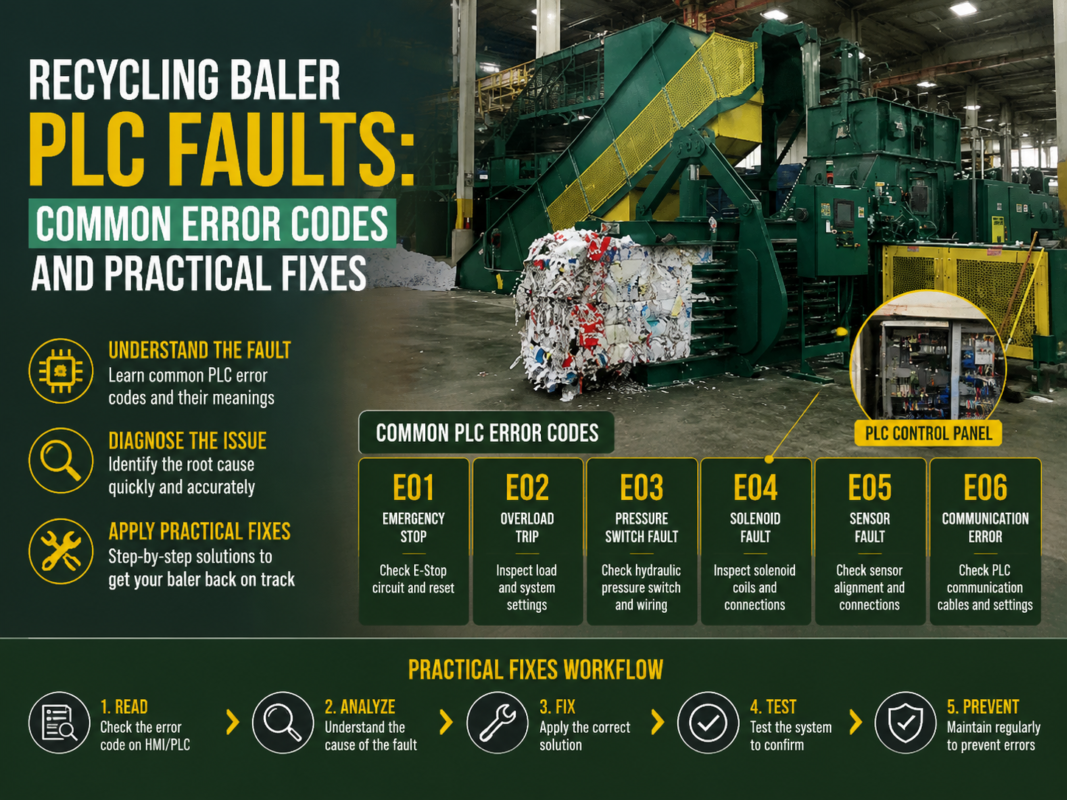
The PLC and its associated input/output (I/O) modules should also be checked. Most PLCs have status LEDs that indicate whether the unit is powered and if there are any internal errors. While the software logic itself rarely fails, the physical hardware can be affected by power surges or extreme temperatures. Installing a high-quality surge protector and ensuring the control cabinet has adequate ventilation can protect these expensive components. If the baler is equipped with a Touch Screen (HMI), ensure it is clean and that the touch interface is responsive. Avoid using sharp objects or harsh chemicals on the screen, as this can cause permanent damage.
Lastly, the main motor and its starter require attention. The motor should run smoothly without excessive vibration or unusual humming. Check the cooling fan on the back of the motor to ensure it is clear of debris. For balers using a Delta-Star starter or a Soft Starter, listen for the distinct sound of the contactors engaging. If the motor takes too long to reach full speed or if it frequently trips the circuit breaker, it may be drawing excessive current due to a mechanical bind or an internal electrical fault. Regular insulation resistance testing (meggering) of the motor windings can help predict a motor failure before it happens, allowing for a planned replacement.
Mechanical Structure and Wear Component Assessment
The mechanical frame of a recycling baler is designed to withstand immense stress, but it is not indestructible. Over time, the repeated cycles of compression and release can lead to metal fatigue. During routine inspections, it is vital to examine the main structural welds, especially around the cylinder mounts and the bale chamber floor. Look for any hairline cracks or signs of paint flaking, which can indicate that the metal is stretching or flexing excessively. If a structural crack is found, it must be repaired by a certified welder using the correct procedures to restore the machine’s integrity.
The ram is the most active mechanical component and is subject to significant wear. It is typically guided by wear plates or rollers that keep it aligned within the chamber. If these guides become worn, the ram can tilt or shift, leading to uneven pressure on the seals and potential damage to the chamber walls. Check the clearance between the ram and the chamber sides; if it exceeds the manufacturer’s specifications, the wear plates should be adjusted or replaced. Keeping the ram properly aligned ensures a smooth stroke and prevents the “shaving” of material that can clog the hydraulic system or jam the machine.
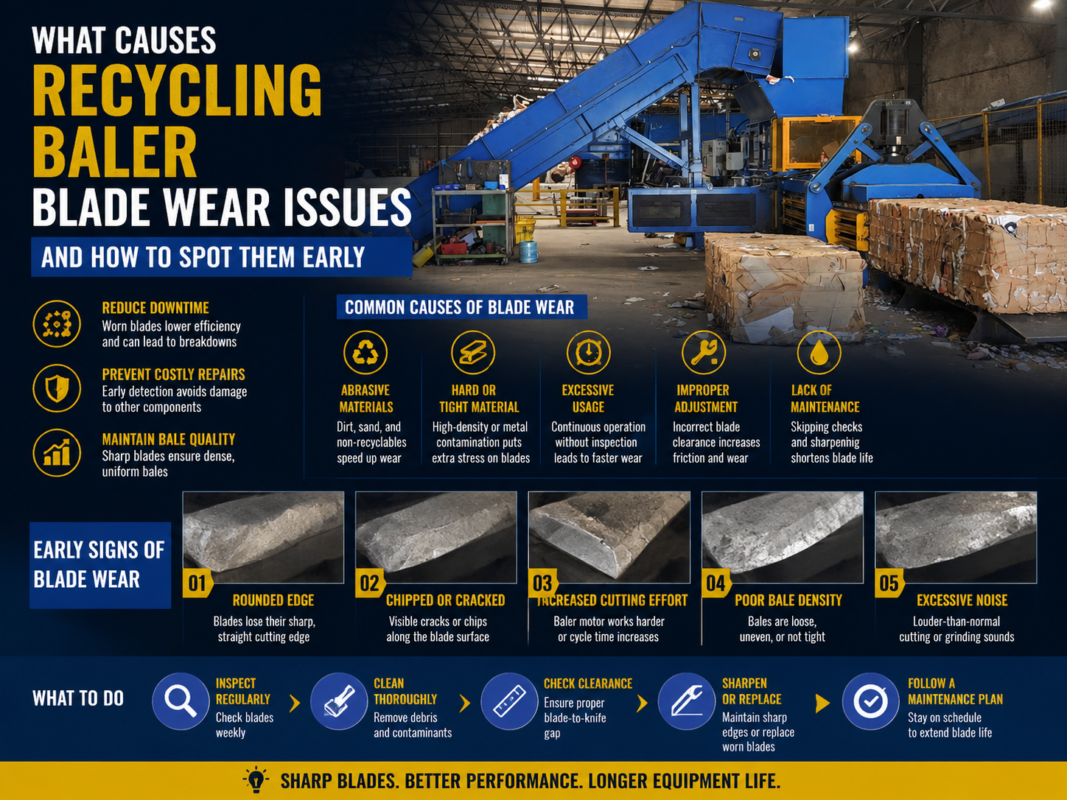
In many balers, especially those used for cardboard or paper, shear blades are used to cut off excess material as the ram moves forward. These blades must remain sharp to function correctly. Dull blades will tear the material rather than cutting it, which increases the load on the motor and can cause the ram to jam. During inspections, check the gap between the moving blade on the ram and the stationary blade on the frame. This gap is critical; if it is too wide, material will wedge between the blades. If the blades are dull or chipped, they should be removed and sharpened or replaced to maintain efficient operation.
The bale chamber doors and hinges also require regular assessment. Because the doors are under pressure during the final stages of the baling cycle, the locking mechanism (whether manual or hydraulic) must be in perfect condition. Check the hinge pins for wear and ensure that the door closes squarely against the frame. A misaligned door can lead to bale deformation or, in extreme cases, a door failure that could eject material at high velocity. Lubricating the hinges and locking pins is a simple task that prevents the metal-on-metal wear that leads to these alignment issues. By focusing on these mechanical details, you can significantly improve recycling baler reliability routine inspections.
Developing a Robust Lubrication Plan
Lubrication is often described as the “lifeblood” of mechanical systems, yet it is frequently overlooked in busy recycling facilities. A robust lubrication plan is essential for reducing friction, preventing corrosion, and dissipating heat. The first step in developing a plan is to identify all the lubrication points on the baler. These typically include the ram guide tracks, door hinges, locking pins, and any pivot points on the tying mechanism. Using the correct type of lubricant is just as important as the frequency of application. For example, high-pressure grease is required for the ram guides, while a lighter oil might be appropriate for the tying needles.
Consistency is the key to effective lubrication. A common mistake is to over-lubricate once a month rather than providing a small, consistent amount of grease on a weekly basis. Over-lubrication can be just as damaging as under-lubrication; excess grease attracts dust and grit, creating an abrasive paste that actually accelerates wear. A documented lubrication schedule should be posted near the machine, and operators should initial it each time the task is completed. This ensures accountability and prevents the “I thought someone else did it” syndrome that leads to dry bearings and seized pins.
For facilities with multiple balers or high-volume operations, an automatic lubrication system might be a worthwhile investment. These systems deliver precise amounts of grease to critical points at set intervals while the machine is running. This not only ensures optimal lubrication but also reduces the labor time required for manual maintenance. However, even with an automatic system, routine inspections are still necessary to ensure that the grease reservoir is full and that the delivery lines are not blocked or broken. A failed lubrication line can quickly lead to a catastrophic bearing failure if not detected early.
Finally, consider the environmental conditions of your facility when choosing lubricants. If the baler is located in an unheated area during winter, you may need a lubricant with better low-temperature flow characteristics. Conversely, in very hot environments, a higher-viscosity grease may be needed to prevent it from thinning out and running off the wear surfaces. Some modern lubricants also contain additives that provide extra protection against the corrosive acids found in some waste materials. By tailoring your lubrication plan to your specific environment and machine usage, you maximize the reliability and longevity of your HARSLE equipment.
Identifying Troubleshooting Signals Before Failure
One of the most valuable skills an operator or maintenance technician can possess is the ability to “listen” to the machine. Most mechanical and hydraulic failures are preceded by warning signs that, if caught early, can prevent a total breakdown. Unusual noises are often the first indicator of trouble. A high-pitched whining sound from the hydraulic pump usually indicates cavitation or air in the system. A grinding or squealing noise during the ram stroke suggests that the wear plates are dry or misaligned. Thumping or banging sounds can indicate loose mounting bolts or a structural issue within the bale chamber.
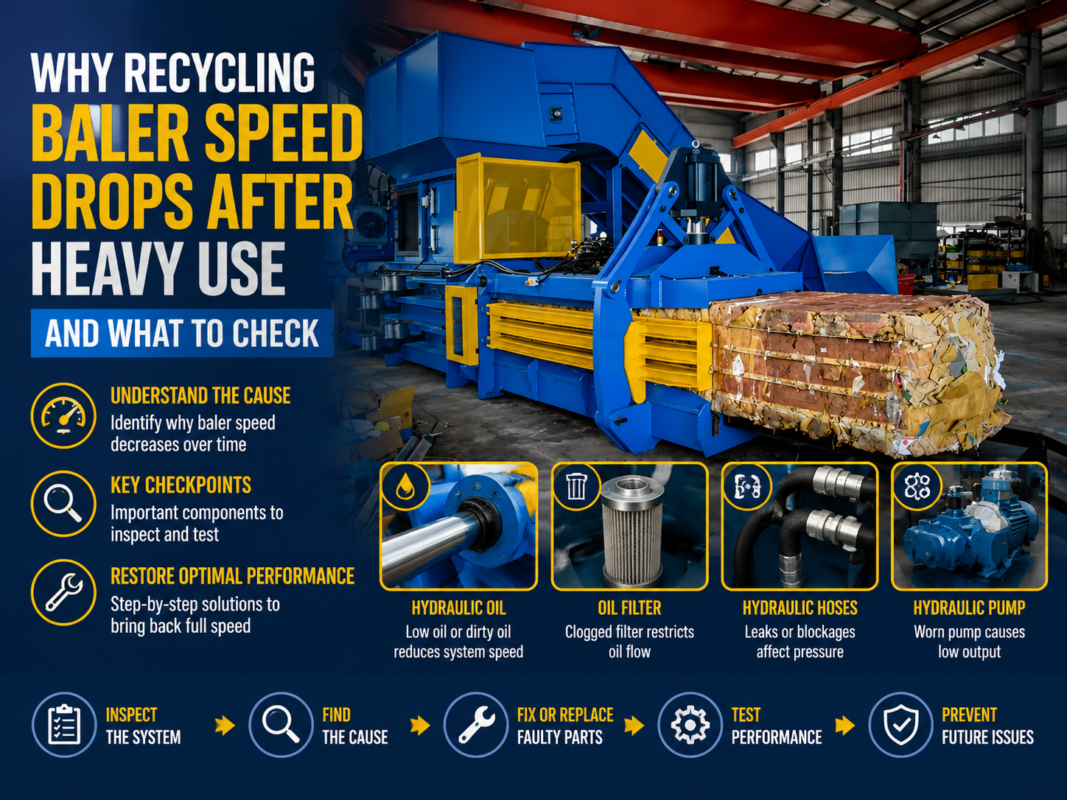
Changes in cycle time are another subtle but important signal. If the baler is taking longer than usual to complete a single cycle, it indicates a loss of efficiency. This could be due to a worn hydraulic pump, a leaking internal valve, or an electrical issue that is slowing down the PLC’s response time. By timing the cycle once a week and recording it in a log, you can detect a gradual decline in performance. This allows you to schedule a detailed inspection and repair during a planned shutdown, rather than being forced to react to a sudden failure during a peak production period.
Bale quality is a direct reflection of the machine’s health. If the bales are becoming less dense, lopsided, or if the wires are frequently snapping, something is wrong. Lopsided bales often indicate that the material is being fed unevenly or that the ram is not traveling straight. Inconsistent bale weight can point to a malfunctioning pressure switch or a problem with the “bale full” sensor. Monitoring the output of the baler is a form of continuous inspection. When the quality of the finished product starts to slip, it is time to look at the machine’s settings and mechanical condition.
Finally, pay attention to the “feel” of the machine. Excessive vibration in the floor or the control handle can indicate that the motor or pump is out of balance. Heat is also a major troubleshooting signal. If the hydraulic tank or the motor casing is too hot to touch, the system is working too hard or the cooling system has failed. Using an infrared thermometer during routine inspections can help you identify “hot spots” on electrical components or bearings before they fail. By being proactive and sensitive to these signals, you can improve recycling baler reliability routine inspections and maintain a seamless operation.
Comprehensive Maintenance Schedule Table
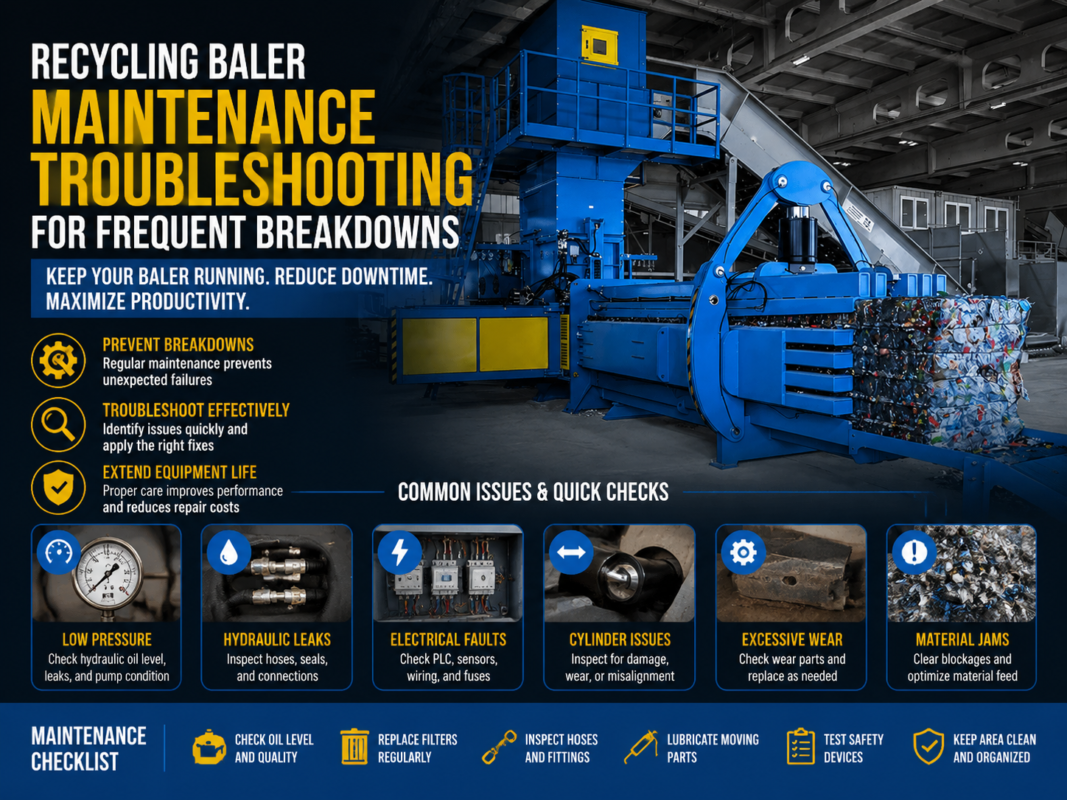
To effectively improve recycling baler reliability routine inspections, a structured schedule is required. The following table provides a general guideline for HARSLE recycling balers. Always refer to your specific model’s manual for manufacturer-recommended intervals.
| Frequency | Component | Action Required |
|---|---|---|
| Daily | Safety Systems | Test E-stops, door interlocks, and safety gates. |
| Daily | Hydraulic System | Check oil level and look for visible leaks. |
| Daily | Cleanliness | Remove debris from ram, sensors, and motor area. |
| Weekly | Lubrication | Grease ram guides, hinges, and pivot points. |
| Weekly | Mechanical | Inspect shear blades and check for loose bolts. |
| Monthly | Hydraulic Filters | Check bypass indicators; replace if necessary. |
| Monthly | Electrical | Inspect control cabinet for loose wires or heat signs. |
| Quarterly | Structure | Detailed inspection of welds and frame integrity. |
| Quarterly | Oil Analysis | Take a sample of hydraulic oil for professional testing. |
| Yearly | Full Service | Change hydraulic oil, replace all filters, and recalibrate sensors. |
Frequently Asked Questions (FAQ)
1. How often should I change the hydraulic oil in my recycling baler?
Generally, hydraulic oil should be changed every 2,000 to 4,000 operating hours, or at least once a year. However, this can vary based on the environment and the intensity of use. Regular oil analysis is the best way to determine the exact timing, as it can identify when the oil’s additives have depleted or when contamination levels are too high.
2. Why is my baler making a loud banging noise during the compression stroke?
A loud banging noise can be caused by several factors, including loose mounting bolts on the hydraulic cylinder, a cracked frame, or large, hard objects (like heavy metal pieces) being caught in the chamber. It can also indicate that the ram is hitting a mechanical stop prematurely due to a sensor failure. Stop the machine and perform a thorough mechanical inspection immediately.
3. Can I use any type of hydraulic oil in my HARSLE baler?
No, you must use the oil grade specified in your owner’s manual, typically an ISO 32, 46, or 68 anti-wear (AW) hydraulic oil. Using the wrong viscosity can lead to overheating in the summer or sluggish performance in the winter, and it may void your warranty. Always ensure the oil meets the manufacturer’s specifications for anti-wear and anti-foaming properties.
4. What should I do if the safety interlock on the door fails?
If a safety interlock fails, the machine must be taken out of service immediately. Lock out the power source and tag the machine to prevent anyone from using it. Safety interlocks are critical for preventing life-threatening accidents. Replace the faulty switch or sensor with an original manufacturer part before resuming operations.
5. How can I tell if my shear blades need sharpening?
If you notice that the material is being folded or “smeared” at the top of the bale rather than being cleanly cut, the blades are likely dull. You may also see an increase in the motor’s amperage draw during the cutting phase of the stroke. Visually inspect the blades for rounded edges or chips; if they aren’t sharp to the touch (with the power off!), they need attention.
6. Why does my baler stop mid-cycle for no apparent reason?
This is often an electrical or sensor issue. A limit switch may be vibrating out of position, or a sensor may be covered in dust, causing it to send a false signal to the PLC. Check the diagnostic lights on the PLC or the error message on the HMI screen to identify which part of the cycle is failing. It could also be a sign of the motor’s thermal overload tripping due to excessive heat.