How to Keep Recycling Baler Compression Force Consistent Through Maintenance

The Critical Role of Consistent Compression Force in Recycling
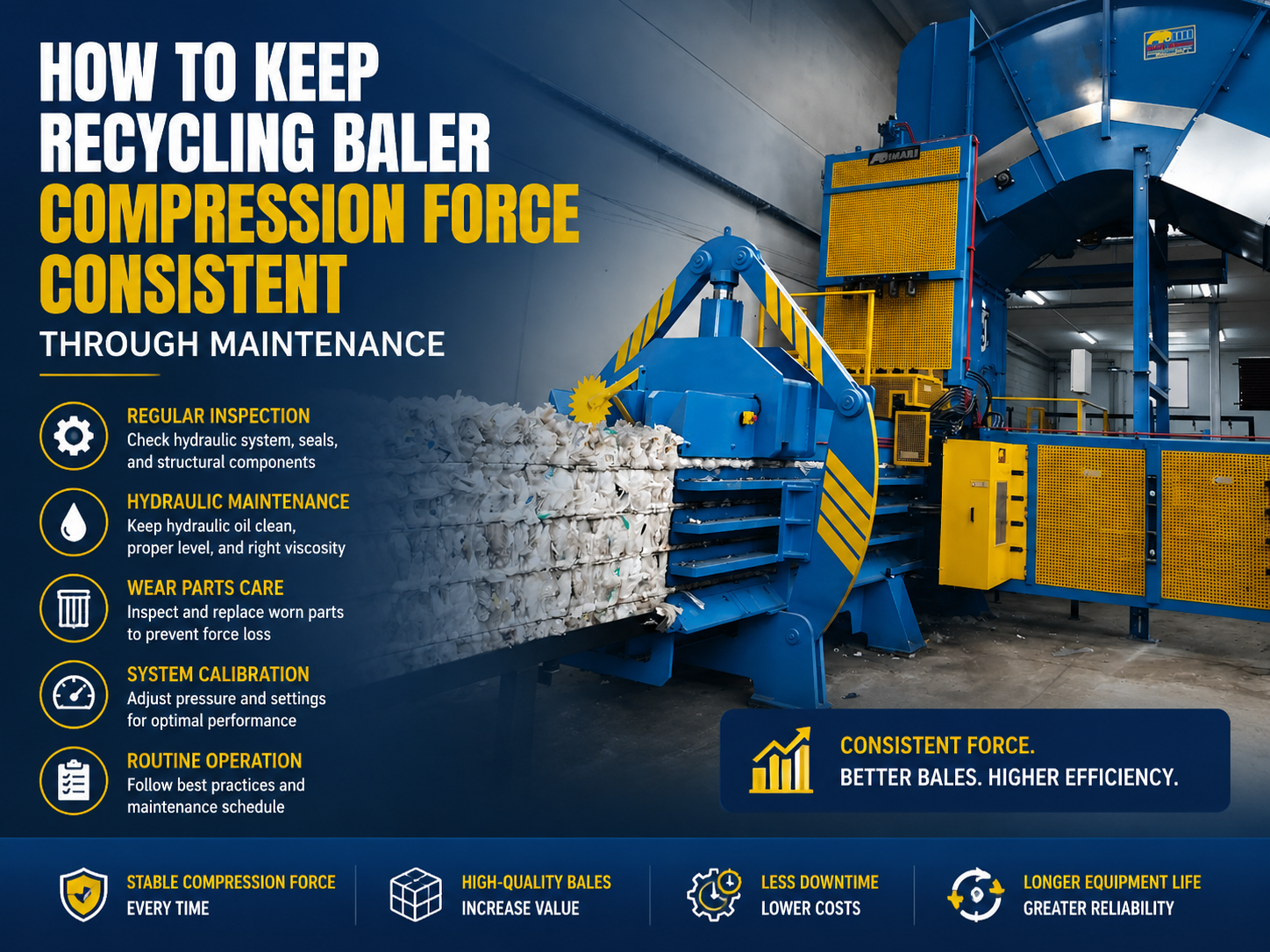
In the world of waste management and metal fabrication, the efficiency of a recycling facility is often measured by the density and uniformity of its output. To achieve high-quality results, one must understand how to keep recycling baler compression force consistent through maintenance. Compression force is the lifeblood of the baling process; it determines how tightly materials like cardboard, plastics, and scrap metal are packed. When this force fluctuates, the resulting bales may be loose, overweight, or structurally unsound, leading to increased shipping costs and potential safety hazards during transport.
HARSLE industrial balers are engineered to deliver massive amounts of pressure, but like any high-performance machinery, they require a disciplined maintenance regimen to sustain peak performance. Inconsistent pressure is rarely a result of a single catastrophic failure; rather, it is usually the cumulative effect of minor wear and tear in the hydraulic, mechanical, and electrical systems. By implementing a proactive maintenance strategy, operators can ensure that every bale meets the required specifications, maximizing the return on investment for the equipment.
Maintaining consistent force also protects the structural integrity of the machine itself. When a baler struggles to reach its target pressure due to internal leaks or mechanical resistance, components like the main cylinder, ram, and frame are subjected to uneven stresses. Over time, this can lead to metal fatigue and expensive repairs. Therefore, learning how to keep recycling baler compression force consistent through maintenance is not just about bale quality—it is about the long-term health of your industrial assets.
In this comprehensive guide, we will explore the specific steps required to monitor and maintain the compression force of your recycling baler. From daily visual inspections to deep-dive hydraulic audits, we provide the technical insights necessary to keep your HARSLE machinery running at full strength.
The Importance of Maintenance for Compression Stability
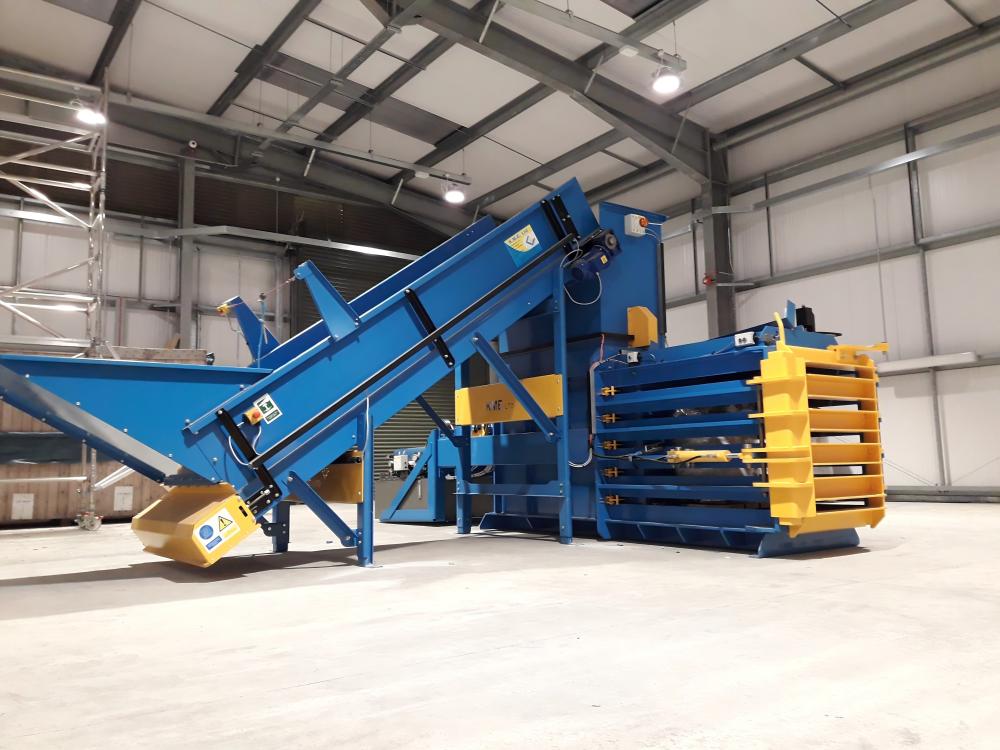
Why is maintenance the primary factor in force consistency? To answer this, we must look at the physics of a baler. A recycling baler operates by converting electrical energy into hydraulic pressure, which is then translated into mechanical force via a ram. Any inefficiency in this energy conversion chain results in a loss of compression force. Regular maintenance ensures that the conversion remains as efficient as possible.
Consistent compression force is vital for achieving the “ideal bale weight.” For many recycling facilities, shipping costs are calculated per load. If your baler is underperforming, you are essentially shipping air, which eats into profit margins. Conversely, if the force is inconsistent, you may produce bales that exceed the weight limits of your transport vehicles, leading to regulatory fines. Maintenance provides the calibration necessary to stay within the “sweet spot” of production.
Furthermore, a well-maintained baler operates with lower energy consumption. When hydraulic filters are clean and valves are properly seated, the motor does not have to work as hard to reach the desired PSI (pounds per square inch). This reduces the heat generated within the system, which is a major enemy of hydraulic seals and oil longevity. By focusing on how to keep recycling baler compression force consistent through maintenance, you are simultaneously improving energy efficiency and reducing operational overhead.
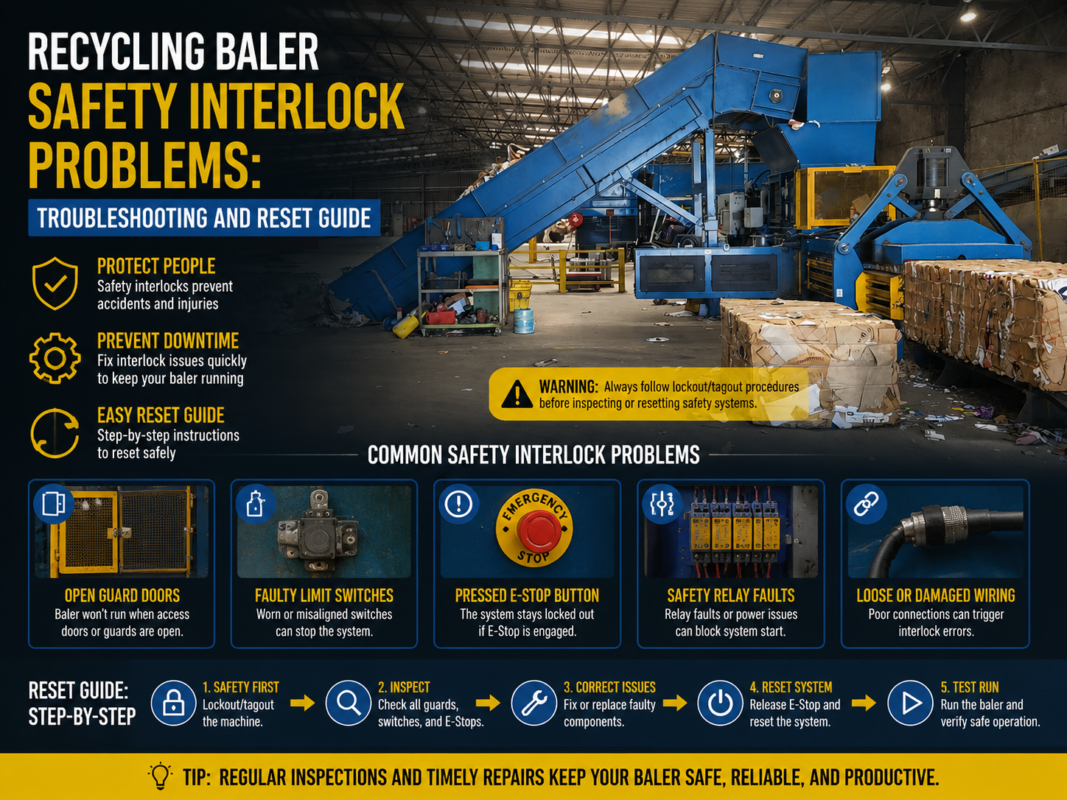
Finally, safety cannot be overlooked. A baler that loses pressure unexpectedly or suffers from erratic force spikes can be dangerous for operators. Maintenance ensures that safety relief valves and emergency stop systems are functional, providing a secure environment for the workforce. In the following sections, we will break down the specific maintenance tasks required to achieve this stability.
Daily Inspection: The First Line of Defense
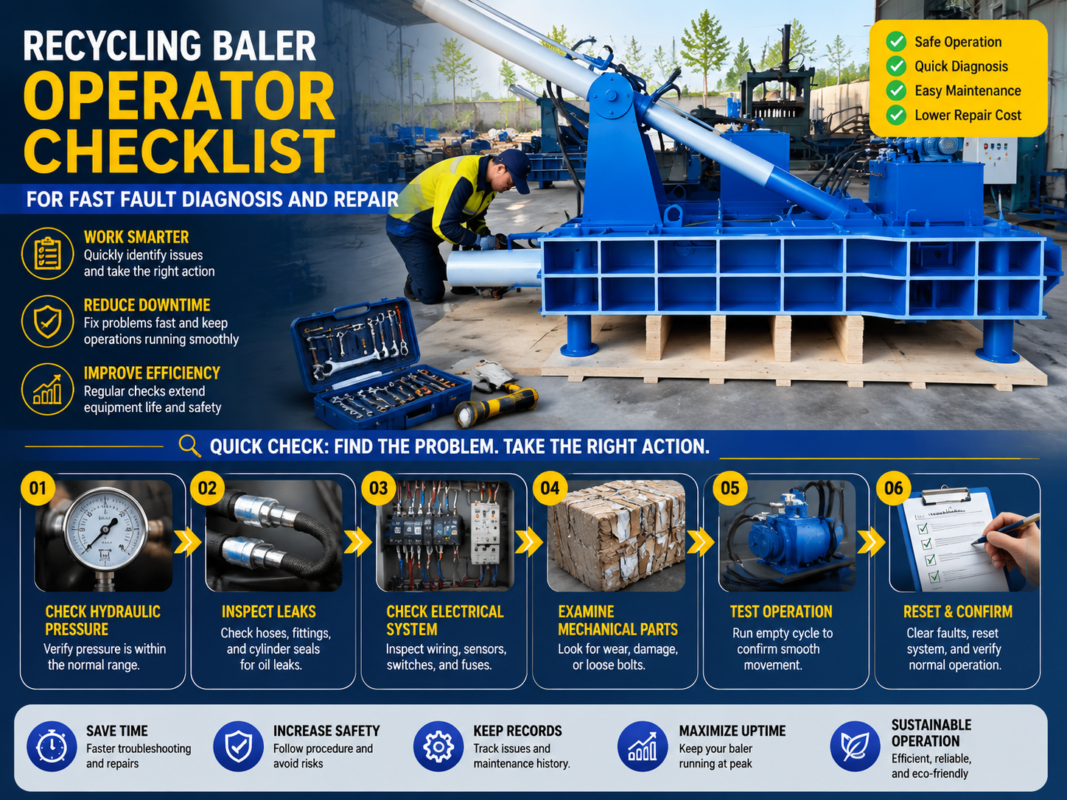
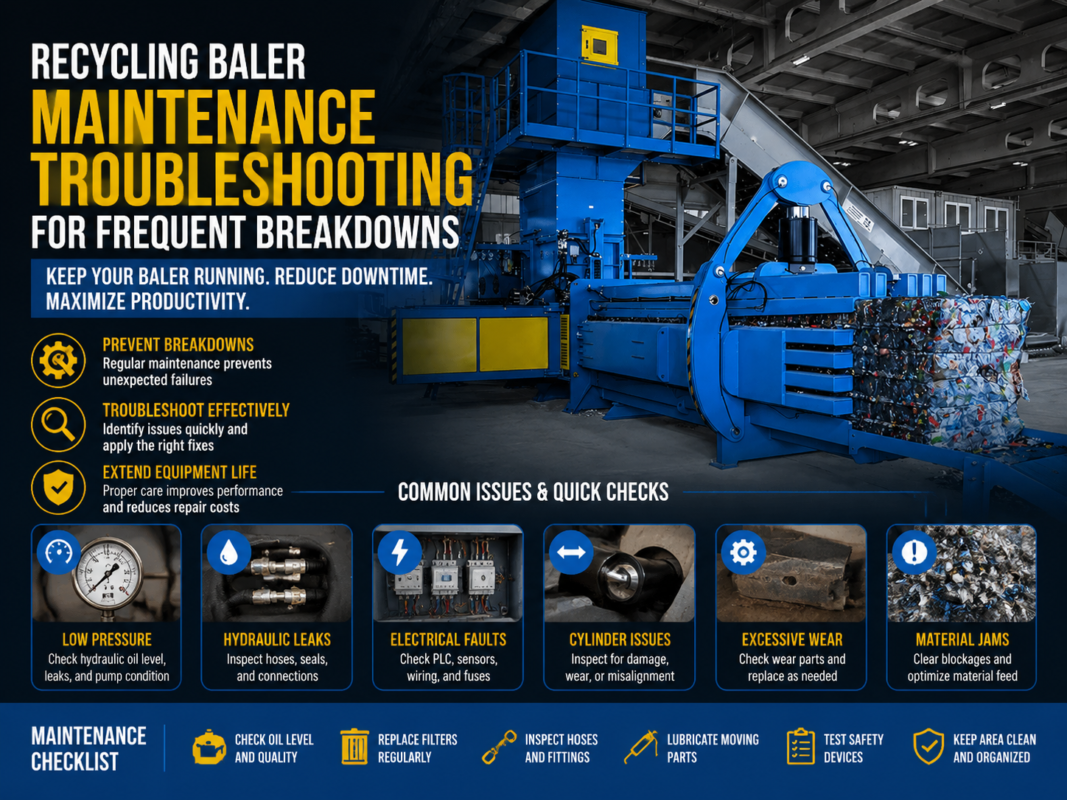
The most effective way to keep recycling baler compression force consistent through maintenance is to catch small issues before they escalate. A daily inspection routine should be mandatory for every operator. This starts with a visual sweep of the machine before the shift begins. Look for signs of hydraulic fluid weeping from hoses or cylinder seals. Even a small leak can lead to a significant drop in system pressure over several hours of operation.
Operators should also check the bale chamber for debris buildup. Material that gets trapped behind the ram or in the corners of the chamber can create artificial resistance. This means the machine might reach its target pressure on the gauge, but the actual force applied to the waste material is reduced because a portion of that energy is being used to overcome the friction of the debris. Keeping the chamber clean ensures that 100% of the hydraulic effort is directed toward compressing the bale.
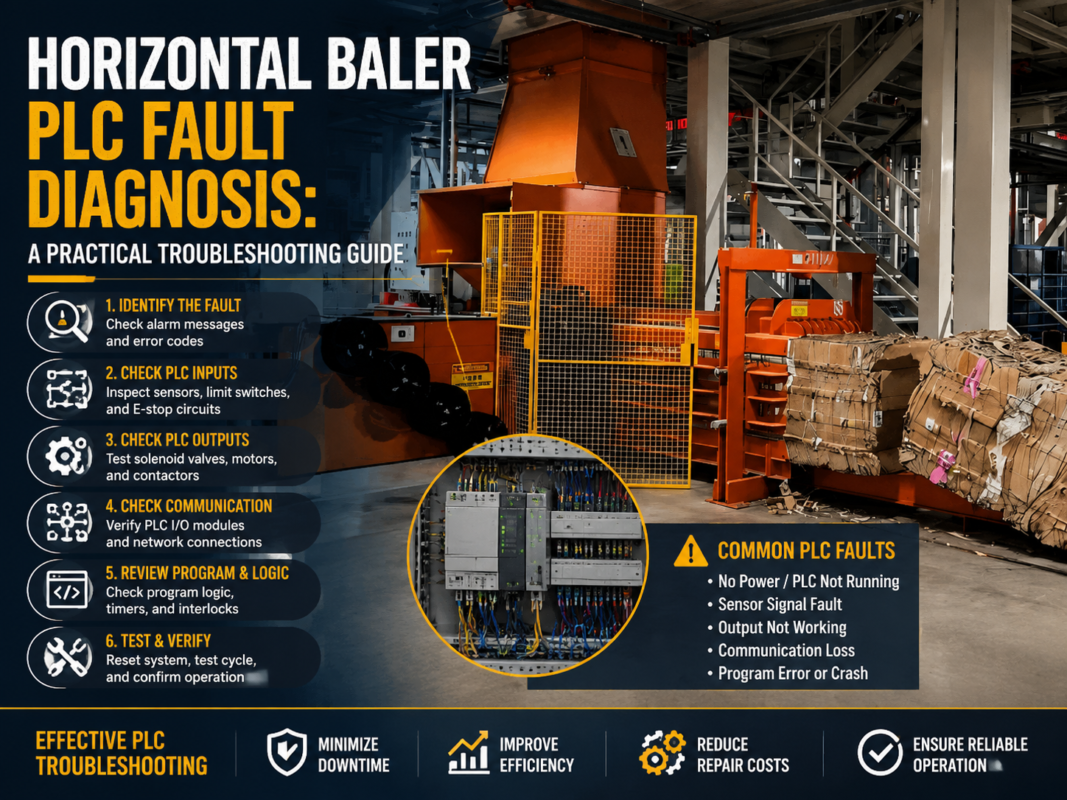
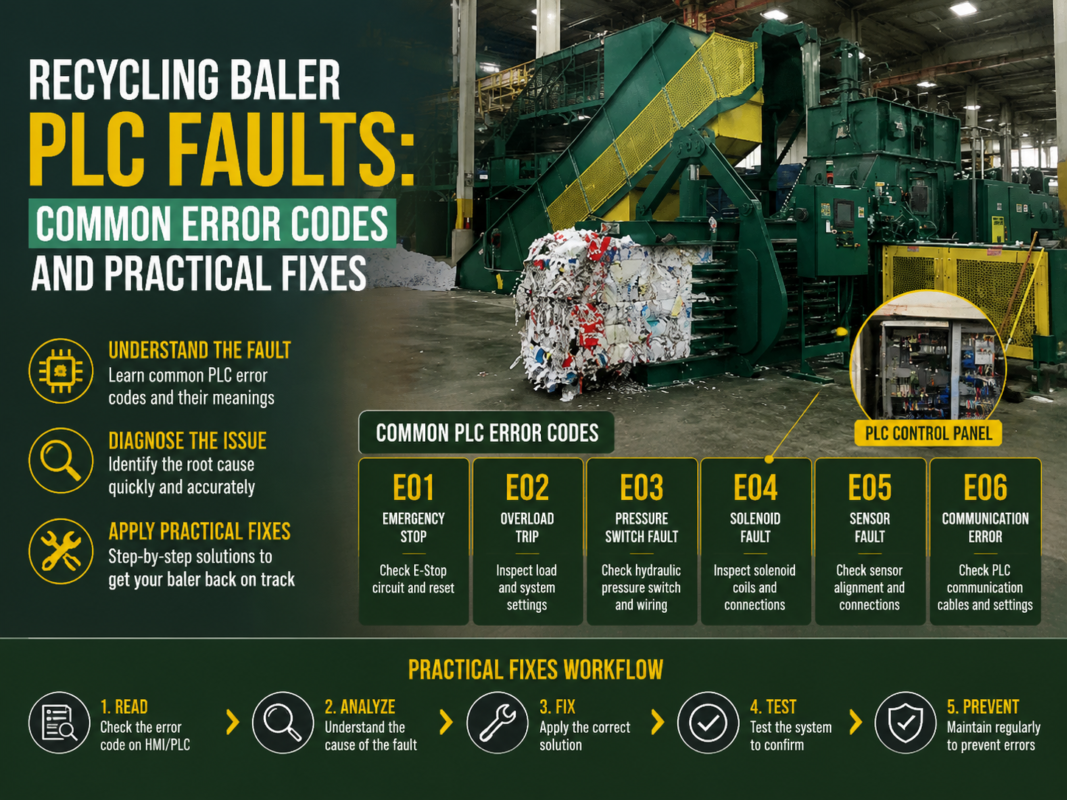
Another critical daily check involves the sensors and limit switches. Modern HARSLE balers use sophisticated sensors to determine the position of the ram and the density of the bale. If these sensors are coated in dust or misaligned, they may send incorrect signals to the PLC (Programmable Logic Controller), causing the machine to short-stroke or bypass the high-pressure stage of the cycle. A quick wipe-down of sensor lenses and a check of mounting brackets can prevent these issues.
Lastly, listen to the machine. An experienced operator can often hear the difference between a healthy hydraulic hum and the high-pitched whine of a pump struggling with cavitation or the clunking of a loose mechanical component. Daily auditory checks are an underrated but highly effective tool for maintaining force consistency. If the machine sounds different than it did the day before, it warrants an immediate investigation.
Hydraulic System Checks: The Heart of Compression
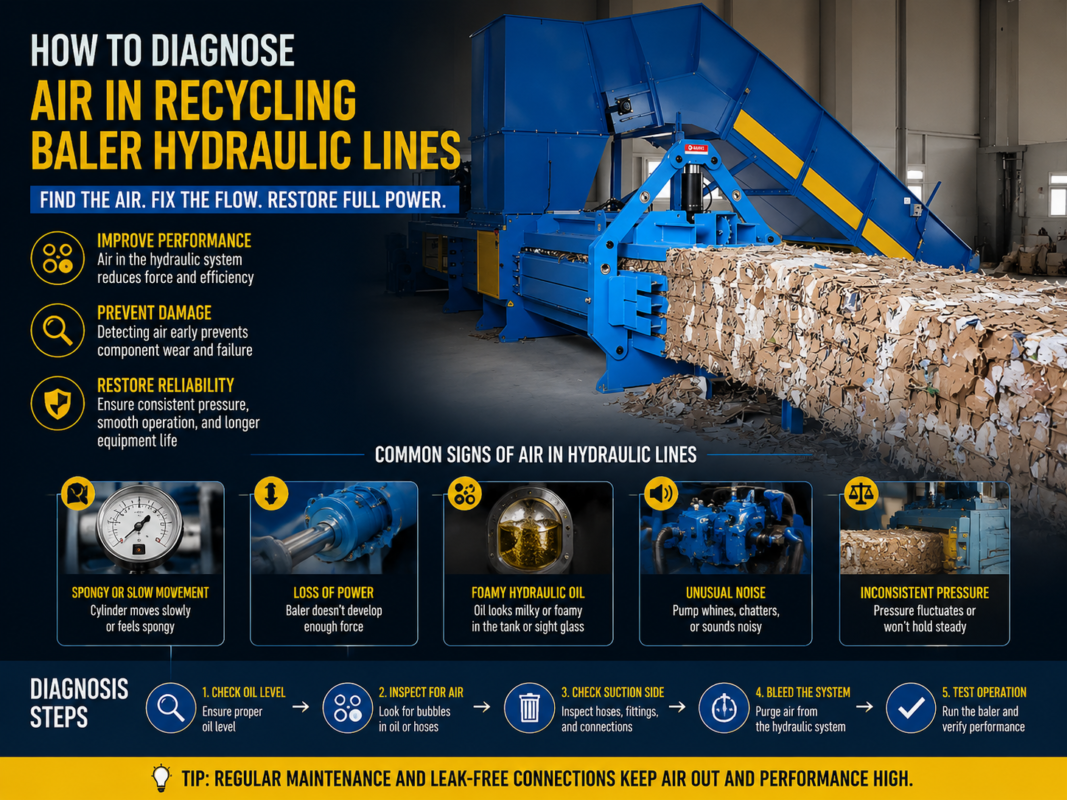
The hydraulic system is where the actual compression force is generated. To keep recycling baler compression force consistent through maintenance, the hydraulic oil must be kept in pristine condition. Oil is not just a lubricant; it is the medium through which power is transmitted. If the oil becomes contaminated with water, air, or particulates, its bulk modulus (compressibility) changes, leading to spongy operation and reduced force.
Regularly check the hydraulic oil level and color. Milky oil indicates water contamination, while dark, burnt-smelling oil suggests overheating. Both conditions will severely impact the baler’s ability to maintain pressure. Additionally, the hydraulic filters must be replaced according to the manufacturer’s schedule. Clogged filters cause pressure drops across the system and can lead to pump damage through starvation.
The pressure relief valves are another critical component. These valves are designed to protect the machine from over-pressurization, but if they become worn or stuck partially open, they will bleed off pressure before the ram reaches its full force. Periodically testing and calibrating these valves ensures that the system can reach and hold its maximum rated PSI. It is also important to inspect the hydraulic hoses for any signs of bulging or cracking, as a hose failure under high pressure is both a maintenance failure and a major safety risk.
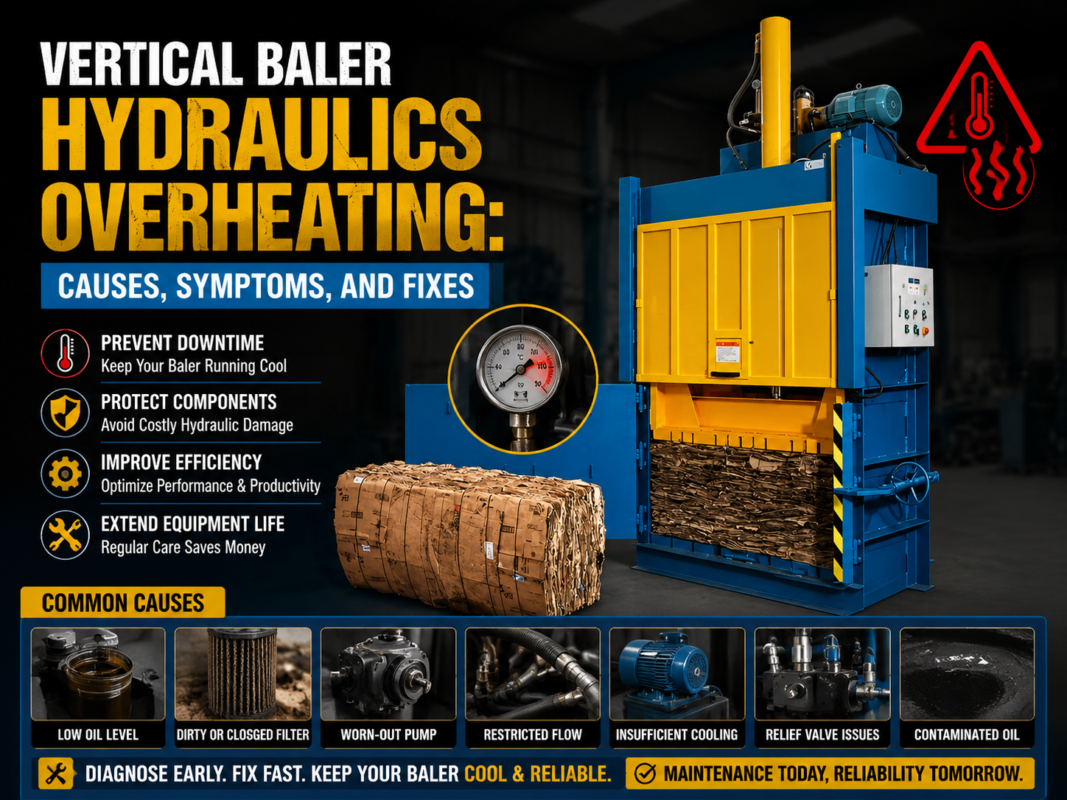
Temperature management is equally important. Hydraulic systems operate best within a specific temperature range (usually 40°C to 55°C). If the oil gets too hot, its viscosity drops, leading to internal leakage within the pump and valves. This “slippage” means the pump has to spin faster to maintain the same pressure, reducing overall efficiency. Ensure that the oil coolers are clean and the cooling fans are functioning correctly to maintain consistent force throughout long shifts.
Electrical and Mechanical Integrity
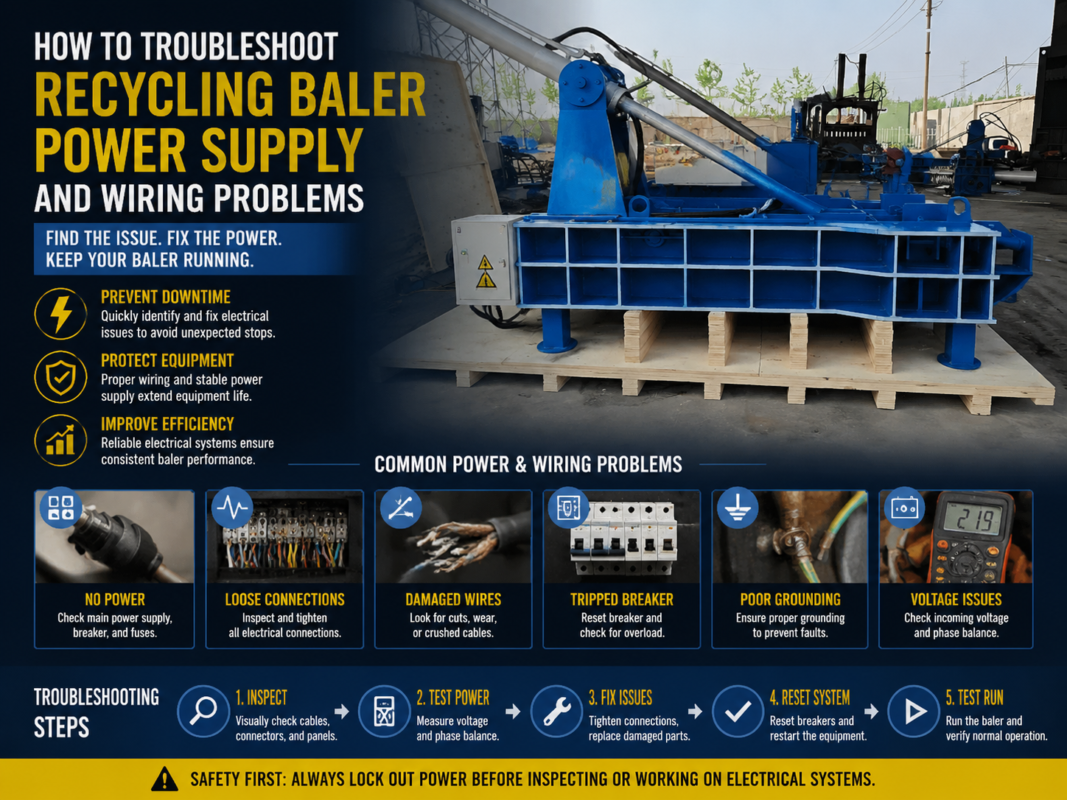
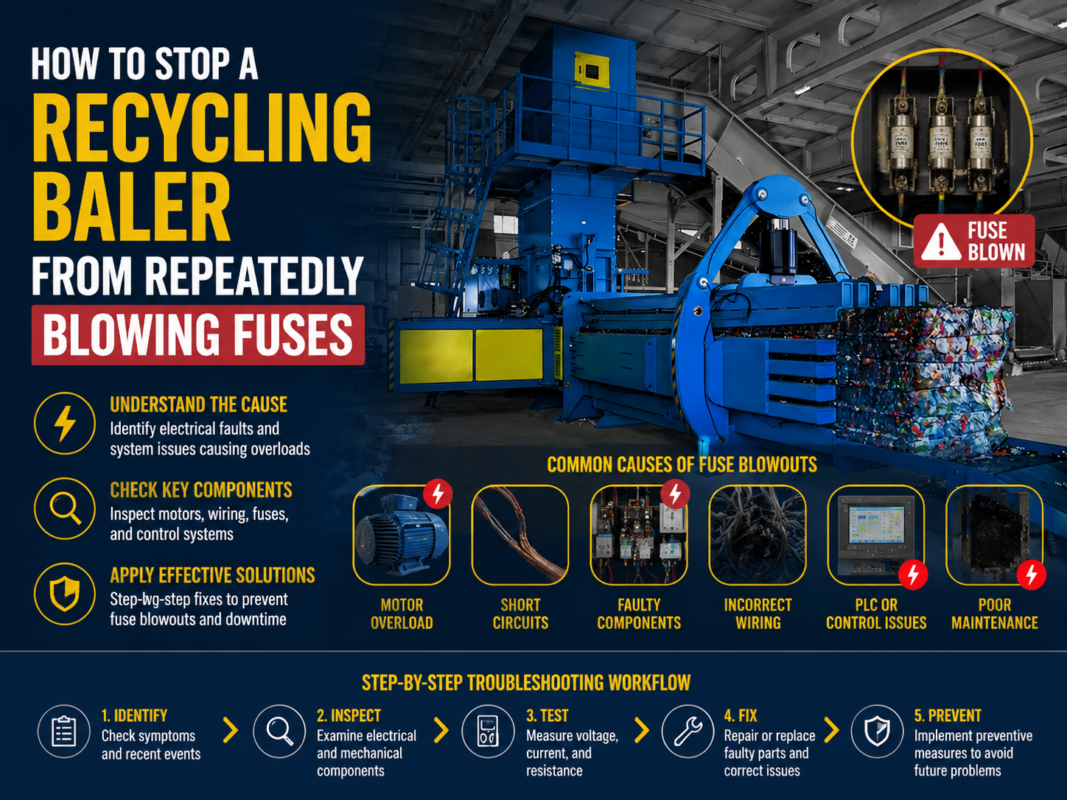
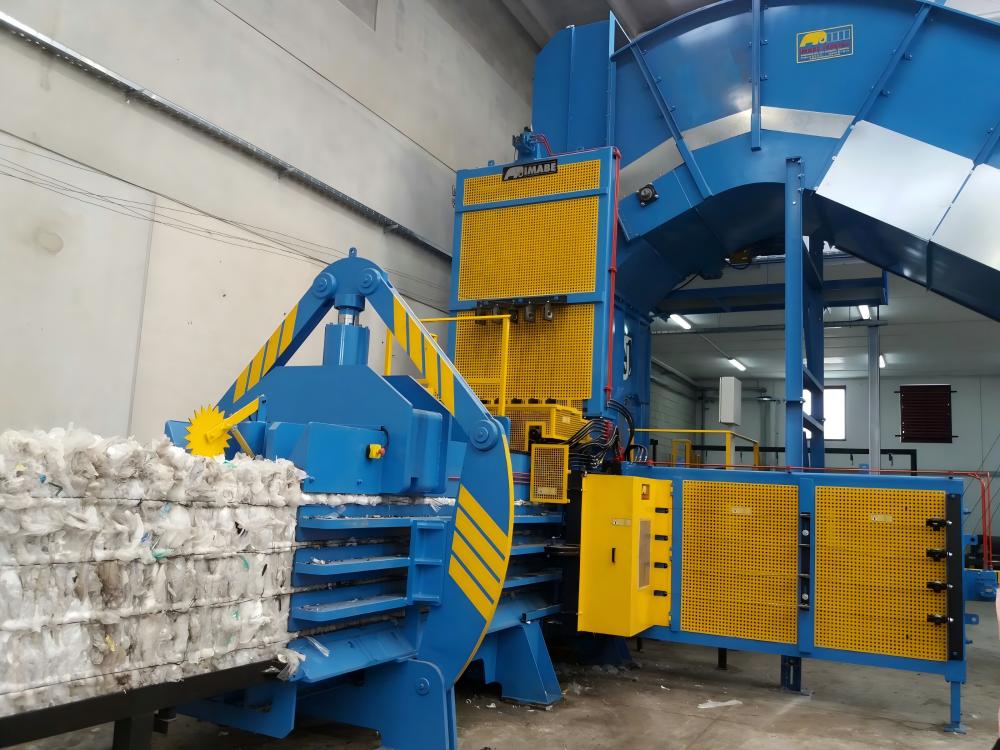
While the hydraulics provide the power, the electrical and mechanical systems provide the control and structure. To keep recycling baler compression force consistent through maintenance, one must ensure the electrical signals are accurate. The PLC is the brain of the HARSLE baler; it monitors pressure transducers and controls the solenoid valves. If the electrical connections are loose or corroded, the signal from the pressure transducer may fluctuate, causing the PLC to prematurely end the compression cycle.
Mechanical wear is the other side of the coin. The ram of the baler travels on wear plates or rollers. If these components become excessively worn, the ram may tilt or twist during the compression stroke. This misalignment creates immense friction and can cause the ram to bind against the chamber walls. When this happens, a significant portion of the hydraulic force is wasted overcoming mechanical resistance rather than compressing the material. Regularly measuring the gap between the ram and the liners is essential for maintaining force efficiency.
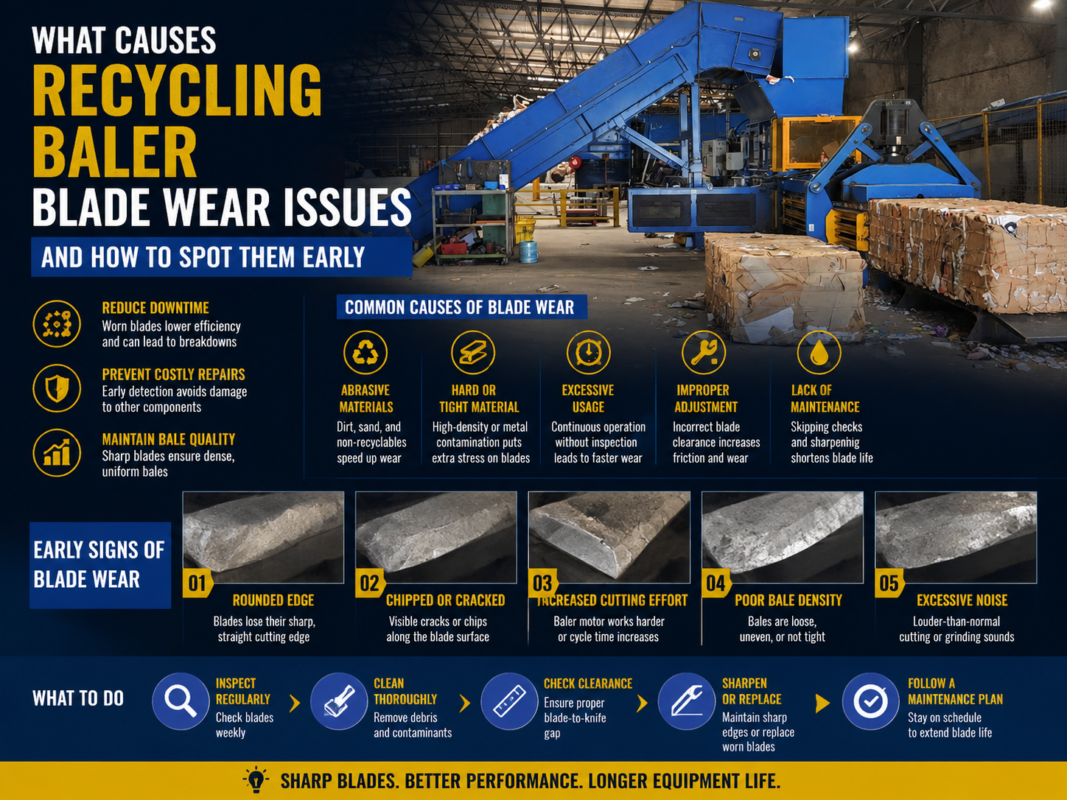
The shear blades, which cut the material as the ram moves forward, must also be kept sharp. Dull blades require more force to cut through cardboard or plastic, leaving less force available for the actual compaction. Keeping the blades sharp and properly gapped reduces the peak load on the hydraulic system and ensures a smoother, more consistent compression cycle. This is a prime example of how mechanical maintenance directly impacts hydraulic performance.
Finally, inspect the structural welds and frame of the baler. Over years of high-pressure operation, the frame can experience minor flexing. If the frame loses its rigidity, the compression force is partially absorbed by the machine’s structure rather than the bale. While HARSLE machines are built for durability, periodic structural audits are a hallmark of a professional maintenance program.
Comprehensive Lubrication Plan
Lubrication is often the most neglected aspect of industrial maintenance, yet it is vital for force consistency. A recycling baler has numerous moving parts that operate under extreme loads. Without proper lubrication, friction increases, heat rises, and components wear out prematurely. To keep recycling baler compression force consistent through maintenance, a strict lubrication schedule must be followed.
Focus on the ram guides, pivot pins, and cylinder clevises. These areas bear the brunt of the mechanical force. Using the correct type of grease—typically a high-pressure lithium-based grease—is crucial. Some modern balers feature automatic lubrication systems. While these are convenient, they still require maintenance; the reservoir must be kept full, and the delivery lines must be checked for blockages. A blocked lube line can lead to a seized bearing or a scored wear plate in a matter of days.
The frequency of lubrication depends on the volume of material processed. A high-volume facility running three shifts may need to lubricate certain points daily, while a smaller operation might only need weekly service. Regardless of the frequency, the goal is to maintain a thin, consistent film of lubricant that reduces the parasitic power loss caused by friction. By minimizing friction, you ensure that the maximum amount of hydraulic energy is converted into compression force.
Troubleshooting Signals: When Force Drops
Even with the best maintenance, issues can arise. Knowing how to interpret troubleshooting signals is key to restoring consistent force quickly. One of the most common signals is an increase in cycle time. If the ram takes longer to complete a stroke, it often indicates a pump efficiency issue or an internal leak in the main cylinder. If the ram reaches the material but cannot “finish” the bale to the correct density, the problem likely lies in the pressure relief settings or a bypassing valve.
Unusual noises are another red flag. A “chattering” sound during the high-pressure stage often suggests air is trapped in the hydraulic lines. This air is compressible, unlike hydraulic fluid, which leads to an inconsistent and “bouncy” compression force. Bleeding the system and checking the suction lines for leaks can resolve this. If you notice the motor is drawing more current than usual (which can be monitored on many HARSLE control panels), it may be fighting against mechanical binding or a failing pump.
Bale quality itself is the ultimate diagnostic tool. If bales are consistently heavier on one side or if the wires are snapping frequently, it suggests an uneven distribution of force. This could be due to uneven loading of the hopper or a misalignment of the ram. By tracking these signals and correlating them with your maintenance logs, you can pinpoint the root cause of force fluctuations and implement a permanent fix.
Maintenance Schedule Table
To help you keep recycling baler compression force consistent through maintenance, use the following standardized schedule as a baseline for your facility.
| Frequency | Component | Action Required |
|---|---|---|
| Daily | Hydraulic Hoses & Seals | Check for leaks, weeping, or abrasions. |
| Daily | Bale Chamber | Remove debris and clear material from behind the ram. |
| Daily | Oil Level & Temp | Verify oil is at the correct level and operating temperature. |
| Weekly | Ram Guides & Rollers | Lubricate and check for excessive play or wear. |
| Weekly | Sensors & Switches | Clean lenses and verify alignment/mounting. |
| Monthly | Hydraulic Filters | Inspect and replace if the indicator shows a bypass condition. |
| Monthly | Shear Blades | Check sharpness and adjust the gap between blades. |
| Quarterly | Oil Analysis | Send a sample for lab testing to check for contamination. |
| Quarterly | Electrical Cabinet | Tighten terminals and blow out dust with compressed air. |
| Yearly | Full System Calibration | Verify pressure transducer accuracy and relief valve settings. |
Frequently Asked Questions
1. Why does my baler lose pressure after running for several hours?
This is most commonly caused by hydraulic oil overheating. As the oil temperature rises, its viscosity decreases, leading to internal leakage in the pump and valves. Check your oil cooling system and ensure the heat exchanger is not clogged with dust or debris.
2. How often should I change the hydraulic oil to maintain force?
Generally, hydraulic oil should be changed every 2,000 to 4,000 operating hours. However, the best practice is to perform quarterly oil analysis. This will tell you exactly when the oil’s chemical properties have degraded, allowing you to change it only when necessary while ensuring maximum force consistency.
3. Can a dull shear blade really affect compression force?
Yes. A dull blade requires significantly more energy to cut through the material. This creates a “spike” in pressure during the cutting phase, which can cause the system to reach its relief pressure prematurely, leaving less energy for the actual compaction of the bale.
4. What is the most common cause of inconsistent bale density?
Aside from hydraulic issues, inconsistent loading is a major factor. If the hopper is loaded unevenly, the ram will encounter different levels of resistance across its face. This can cause the ram to twist slightly, increasing friction and resulting in a bale that is dense on one side and loose on the other.
5. How do I know if my pressure transducer is failing?
If the pressure gauge on the HARSLE interface shows erratic readings or if the machine fails to shift into high-pressure mode despite the chamber being full, the transducer may be faulty. You can verify this by using a manual “master” gauge to check the actual system pressure against the digital readout.
6. Does the type of material being baled affect maintenance needs?
Absolutely. Abrasive materials like scrap metal or dusty materials like recycled paper require more frequent cleaning and lubrication. If you are baling corrosive materials, you must also inspect the hydraulic seals and cylinder rods more frequently for signs of pitting or chemical damage.
Conclusion
Learning how to keep recycling baler compression force consistent through maintenance is a journey of continuous improvement. By focusing on the synergy between hydraulic power, mechanical precision, and electrical control, operators can ensure that their HARSLE equipment delivers maximum performance day after day. Consistent force leads to better bales, lower costs, and a safer workplace. Implement the strategies discussed in this guide, and you will see a tangible improvement in your recycling facility’s efficiency and profitability.