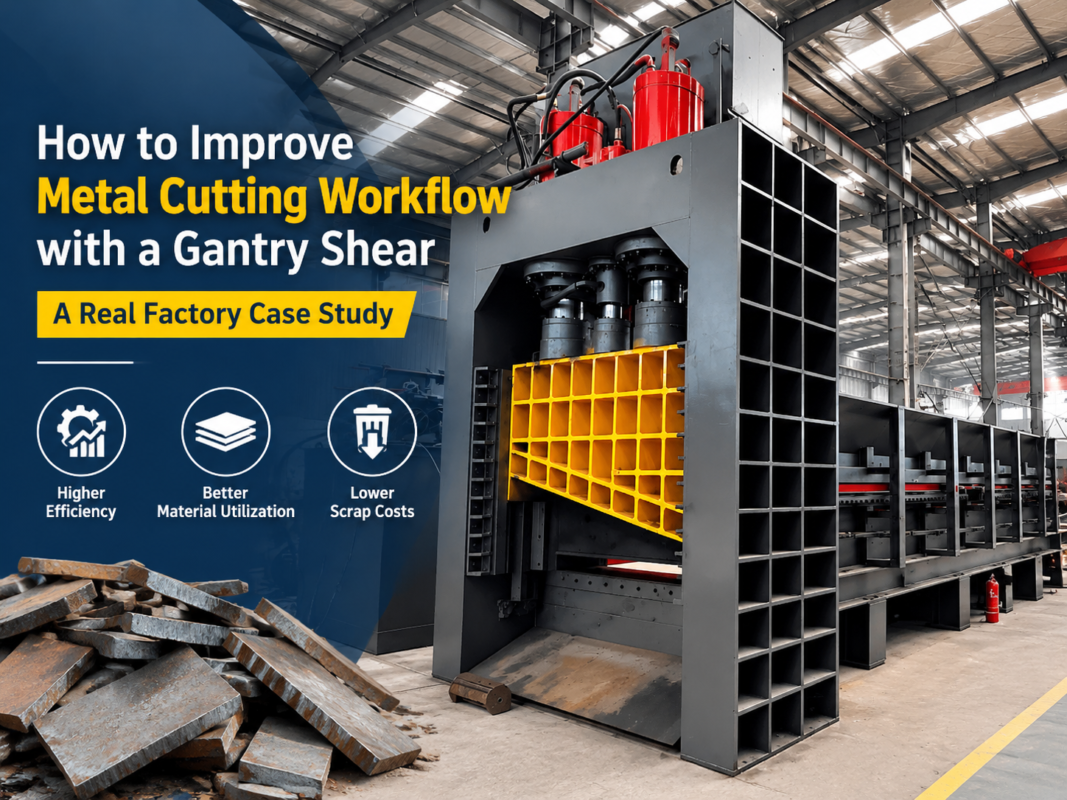
Common Recycling Baler Problems and How Preventive Maintenance Solves Them

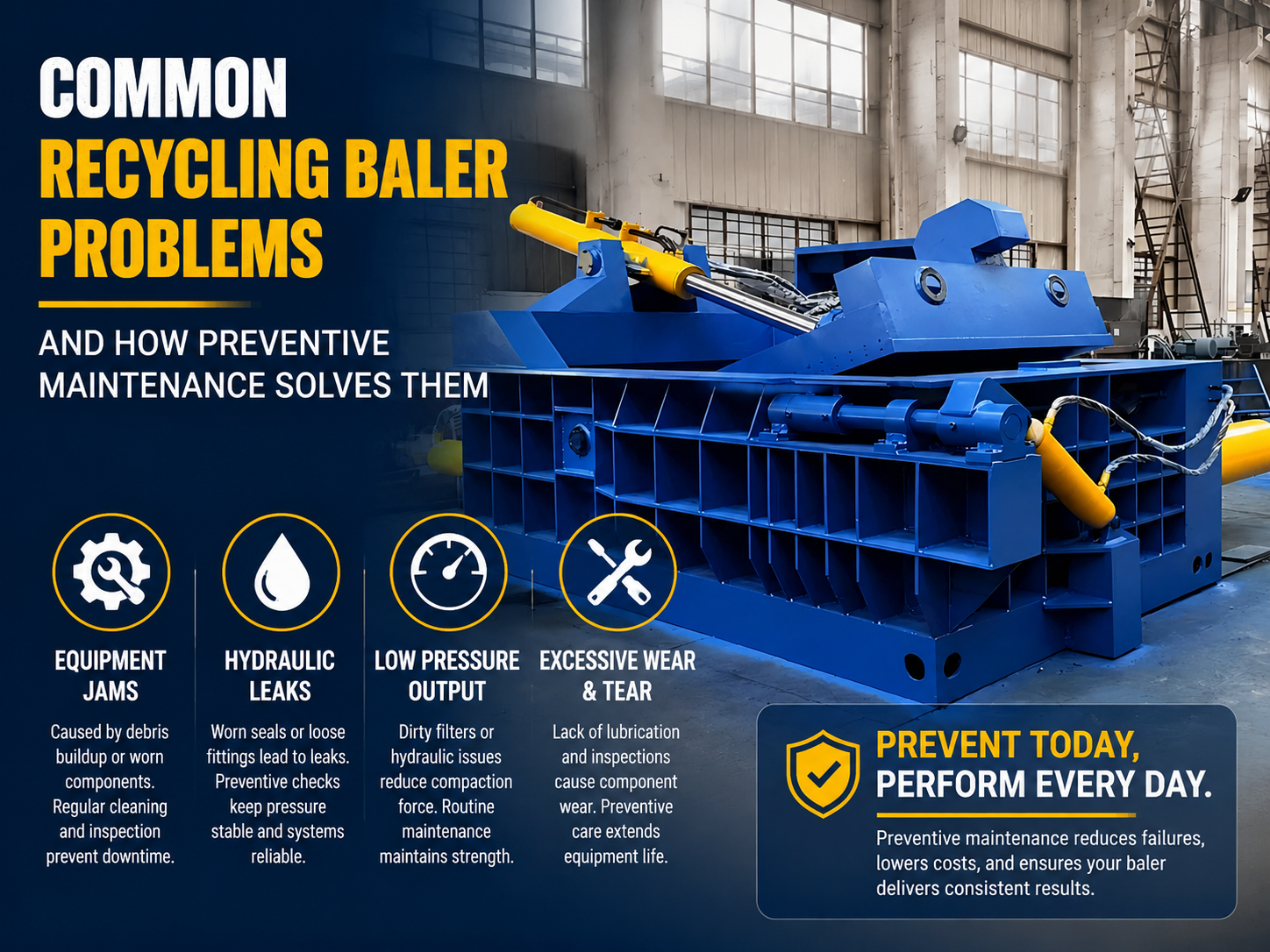
The Critical Role of Maintenance in Recycling Operations
In the high-demand world of waste management and metal fabrication, the recycling baler stands as a cornerstone of efficiency. Whether processing cardboard, plastics, or scrap metal, these machines are subjected to immense pressures and harsh operating environments. However, like any heavy-duty industrial equipment, they are prone to wear and tear. Understanding common recycling baler problems preventive maintenance solves them is essential for any facility manager looking to minimize downtime and maximize return on investment. A well-maintained baler doesn’t just last longer; it operates more safely and produces denser, more consistent bales that are easier to transport and sell.
Preventive maintenance (PM) is a proactive approach that involves scheduled inspections, cleaning, and part replacements to prevent unexpected failures. In the context of recycling balers, this means addressing minor issues before they escalate into catastrophic breakdowns. For instance, a small hydraulic leak might seem insignificant, but if left unchecked, it can lead to pump failure or environmental hazards. By implementing a rigorous PM program, facilities can shift from a reactive ‘firefighting’ mode to a controlled, predictable operational flow. This guide explores the intricacies of baler maintenance and how a systematic approach can eliminate the most frequent headaches faced by operators.
The economic impact of machine downtime cannot be overstated. When a baler goes offline, the entire recycling chain is disrupted. Material piles up, labor costs increase as workers wait for repairs, and potential revenue from processed materials is delayed. Furthermore, emergency repairs are almost always more expensive than scheduled maintenance due to expedited shipping for parts and premium rates for technicians. By focusing on how common recycling baler problems preventive maintenance solves them, businesses can protect their bottom line and ensure the longevity of their HARSLE equipment.
The Foundation: Daily Inspection Routines
The first line of defense against machine failure is the daily inspection. This routine should be performed at the start of every shift to ensure the machine is in a safe and functional state. Operators should begin with a visual sweep of the entire unit, looking for obvious signs of trouble such as loose bolts, frayed wires, or puddles of hydraulic fluid. Checking the area around the baler for debris is also crucial, as accumulated dust and scrap can interfere with moving parts or pose a fire risk.
Safety features must be tested daily without exception. This includes emergency stop buttons, safety interlocks on doors, and light curtains. If a safety sensor is bypassed or malfunctioning, the machine should be locked out immediately. Beyond safety, daily checks should include monitoring fluid levels. Low hydraulic oil can lead to air being sucked into the pump (cavitation), which causes rapid wear and loud, grinding noises. Ensuring the oil is at the correct level and temperature is a simple task that prevents thousands of dollars in potential damage.
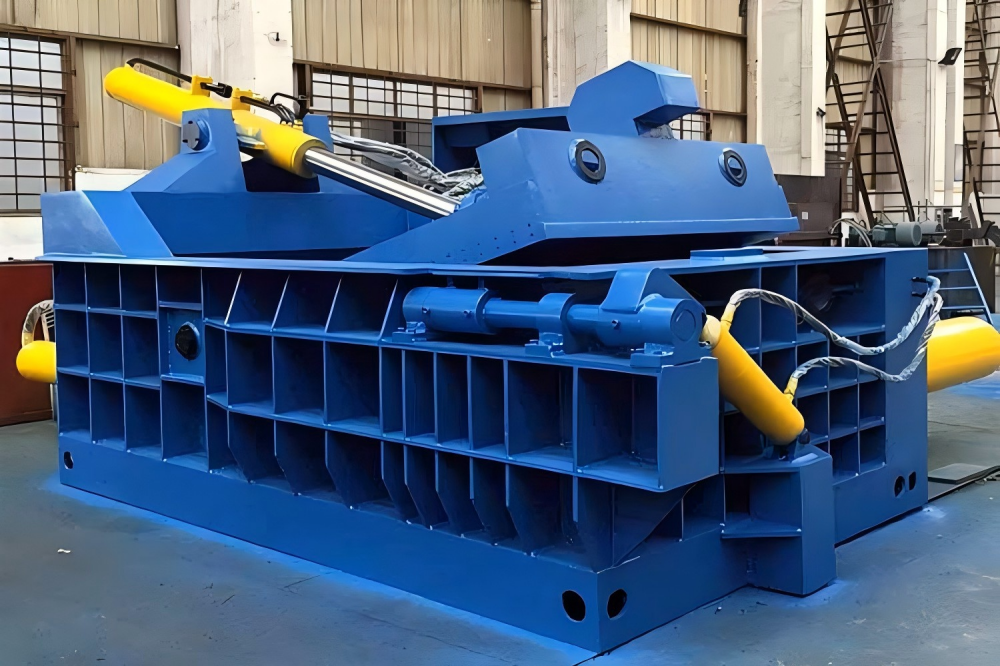
Another critical aspect of the daily routine is checking the ram and the bale chamber. Operators should look for any material buildup behind the ram, which can cause misalignment or strain the hydraulic cylinders. Cleaning out the ‘behind-the-ram’ area prevents the machine from working harder than necessary. By documenting these daily checks in a logbook, facilities create a historical record that can help technicians identify patterns or recurring issues during deeper monthly inspections.
Deep Dive: Hydraulic System Maintenance
The hydraulic system is the heart of the recycling baler, providing the force necessary to compress bulky materials into dense blocks. Consequently, hydraulic issues are among the most common recycling baler problems preventive maintenance solves them. The primary enemy of any hydraulic system is contamination. Microscopic particles of dust, metal, or moisture can score valve seats, damage pump vanes, and degrade seal integrity. Preventive maintenance focuses heavily on oil health, including regular filter changes and oil analysis.
Hydraulic filters should be replaced according to the manufacturer’s schedule, or sooner if the environment is particularly dusty. High-quality filters capture contaminants before they reach sensitive components. Additionally, checking the condition of hydraulic hoses is vital. Hoses are subject to constant pressure fluctuations and physical abrasion. During a PM check, technicians look for ‘weeping’ at the fittings, cracks in the outer jacket, or any signs of bulging. Replacing a worn hose during scheduled downtime is a minor task; dealing with a high-pressure hose burst during production is a dangerous and messy ordeal.
Temperature management is another key factor. Hydraulic oil that runs too hot loses its viscosity, leading to poor lubrication and increased wear. PM involves cleaning the oil cooler and ensuring that cooling fans are operational. If the oil is consistently overheating, it may indicate an internal leak in a valve or a pump that is reaching the end of its life. By monitoring these variables, maintenance teams can address the root cause before the system fails entirely.
Electrical and Control System Integrity
Modern recycling balers, like those manufactured by HARSLE, rely on sophisticated PLC (Programmable Logic Controller) systems and sensors to manage the baling cycle. Electrical problems can be elusive, often manifesting as intermittent faults or ‘ghost’ errors that stop the machine for no apparent reason. Preventive maintenance in this area involves tightening electrical connections that may have vibrated loose and cleaning control panels to prevent dust-induced short circuits.
Sensors, such as limit switches and proximity sensors, are critical for the machine’s timing and safety. Over time, these sensors can become misaligned or coated in grime, leading to inaccurate readings. A PM technician will verify the alignment of all sensors and clean their lenses or contact points. This ensures that the ram stops exactly where it should and that the bale ejector operates at the correct moment. Faulty sensor data is a leading cause of ‘short-stroking’ or ram over-travel, both of which can cause mechanical damage.
Furthermore, the electric motor requires attention. Technicians should check the motor’s amperage draw during a standard cycle. A significant increase in amperage can indicate that the motor is struggling against mechanical resistance or that its internal windings are beginning to fail. Checking the motor’s cooling vents for blockages and ensuring the mounting bolts are secure prevents vibration-related damage. By addressing these electrical nuances, common recycling baler problems preventive maintenance solves them before they lead to expensive PLC or motor replacements.
Mechanical Components and Structural Health
The mechanical structure of a baler endures massive stress. The ram, the floor liners, and the shear blades are all wear items that require regular monitoring. One of the most common mechanical issues is the dulling of shear blades. When blades are dull, they tear the material rather than cutting it, which increases the load on the hydraulic system and can cause material to jam between the ram and the frame. Preventive maintenance includes regular sharpening or rotation of these blades to maintain a clean cut.
Ram alignment is equally important. The ram moves on guides or wear pads that can diminish over time. If the wear pads are not adjusted or replaced, the ram may begin to tilt, causing uneven wear on the cylinder rods and seals. During a mechanical PM check, the technician measures the clearances between the ram and the chamber walls. Adjusting these tolerances ensures the force is applied evenly, preventing structural warping of the baler frame.
The bale chamber itself should be inspected for cracks in the welds or thinning of the floor plates. In heavy-duty scrap metal baling, the abrasive nature of the material can eventually wear through steel plates. Catching a thinning plate early allows for a ‘patch’ or reinforcement to be welded in place, whereas waiting for a total breakthrough might require a complete chamber rebuild. This structural vigilance is a perfect example of how common recycling baler problems preventive maintenance solves them through early detection.
The Essential Lubrication Plan
Lubrication is often described as the ‘lifeblood’ of mechanical machinery. Without proper lubrication, friction increases, temperatures rise, and metal-on-metal contact leads to rapid destruction of components. A comprehensive lubrication plan identifies every pivot point, bearing, and slide on the baler and specifies the type of lubricant and the frequency of application. Using the wrong type of grease can be just as damaging as using no grease at all, as some lubricants are not designed for high-pressure industrial environments.
Automatic lubrication systems are common on high-end HARSLE balers, but they are not ‘set and forget.’ These systems must be checked to ensure the reservoir is full and that the distribution lines are not blocked or broken. If a line is severed, one specific bearing might be starved of oil while the rest of the machine appears fine. Manual lubrication points, often found on door hinges or smaller linkage pins, must not be overlooked during the monthly PM cycle.
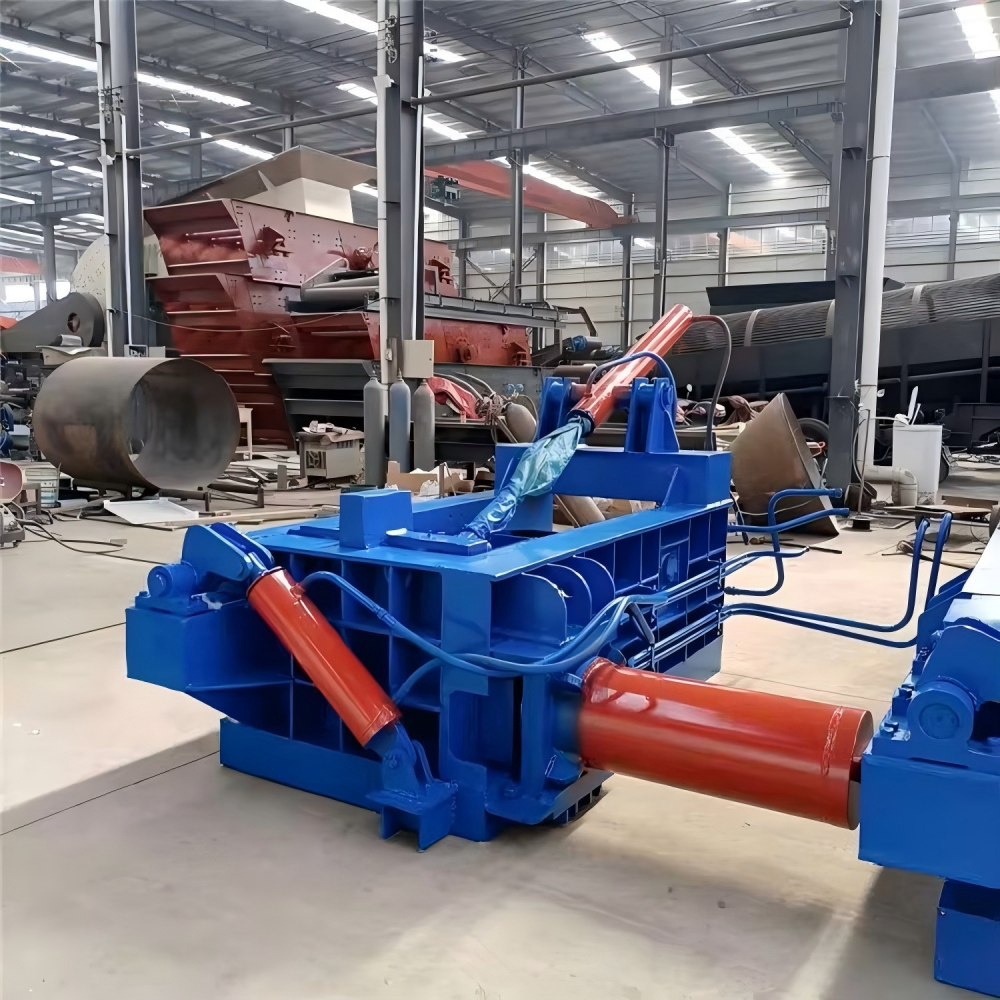
In addition to grease, the lubrication of the bale tying mechanism (if applicable) is critical. Whether the machine uses wire or plastic strapping, the twisting or knotting mechanism involves many small, fast-moving parts. These parts are highly susceptible to dust and debris. Cleaning and lightly oiling these components prevents ‘miss-ties,’ which are a major source of operator frustration and lost productivity. A consistent lubrication schedule is perhaps the simplest yet most effective way to ensure common recycling baler problems preventive maintenance solves them.
Recognizing Troubleshooting Signals
Even with a great PM program, machines can still develop issues. The key is for operators to recognize the ‘warning signs’ that a problem is brewing. These signals are the machine’s way of communicating distress. For example, a change in the sound of the hydraulic pump—such as a high-pitched whine or a rhythmic knocking—usually indicates air in the system or a failing bearing. Ignoring these sounds will inevitably lead to a total pump failure.
Slow cycle times are another common signal. If the ram is moving slower than usual, it could indicate a clogged filter, a failing pump, or an internal leak in the hydraulic cylinder. Similarly, if the bales are coming out ‘soft’ or less dense than usual, the system may not be reaching its full relief pressure. This could be due to a misadjusted relief valve or worn cylinder seals. By training operators to notice these subtle changes, facilities can trigger a maintenance check before the machine stops working entirely.
Visual cues are also important. Excessive smoke or ‘burnt’ smelling oil indicates overheating. Shuddering movements of the ram suggest that the guide rails need lubrication or that the wear pads are uneven. By correlating these symptoms with the common recycling baler problems preventive maintenance solves them, maintenance teams can quickly diagnose and fix the issue. Troubleshooting should always begin with the simplest possibilities (like a dirty sensor or low oil) before moving to complex component replacements.
Comprehensive Maintenance Schedule Table
To help facilities organize their efforts, the following table outlines a standard preventive maintenance schedule for an industrial recycling baler. Note that specific requirements may vary based on the HARSLE model and the intensity of use.
| Frequency | Component | Action Required |
|---|---|---|
| Daily | Safety Systems | Test E-stops, interlocks, and light curtains. |
| Daily | Hydraulic Oil | Check level and temperature; look for leaks. |
| Daily | Machine Area | Clear debris from around the ram and sensors. |
| Weekly | Filters | Inspect hydraulic and air filters; clean or replace if needed. |
| Weekly | Shear Blades | Check for sharpness and proper clearance. |
| Weekly | Lubrication | Grease all manual points and check auto-lube levels. |
| Monthly | Electrical | Inspect wiring for wear; tighten terminal connections. |
| Monthly | Ram Guides | Check wear pad thickness and adjust ram alignment. |
| Monthly | Structure | Inspect welds and floor plates for cracks or thinning. |
| Quarterly | Oil Analysis | Send oil sample to lab to check for contamination. |
| Annually | Hydraulic System | Drain and flush tank; replace all hydraulic oil. |
| Annually | Motor/Pump | Perform comprehensive performance and vibration test. |
Frequently Asked Questions (FAQ)
1. How often should I change the hydraulic oil in my recycling baler?
Generally, hydraulic oil should be changed every 2,000 to 4,000 hours of operation, or at least once a year. However, this can vary based on the environment. If the baler operates in a very hot or dusty facility, more frequent changes may be necessary. Regular oil analysis is the best way to determine the exact timing for your specific machine.
2. Why is my baler making a loud banging noise during the cycle?
Loud banging or ‘water hammer’ effects are often caused by air trapped in the hydraulic lines or a malfunctioning relief valve. It can also be a sign of mechanical interference, such as the ram hitting a piece of debris or a loose liner plate. You should stop the machine and inspect the hydraulic pressure and the ram path immediately.
3. Can I use any type of grease for the lubrication points?
No. You should always use the lubricant specified in your HARSLE manual. Most industrial balers require an EP2 (Extreme Pressure) lithium-based grease. Using a general-purpose grease may not provide enough protection for the high-load bearings and pivot pins found in recycling equipment.
4. What causes the bale to get stuck in the chamber?
Bales usually get stuck due to excessive friction or mechanical obstruction. This can happen if the chamber walls are rusted or pitted, if the bale is over-compressed, or if the ejector system is failing. Regular cleaning and ensuring the chamber walls are smooth can prevent this. In some cases, applying a light coating of oil to the chamber walls after a long shutdown can help.
5. How do I know if my shear blades need sharpening?
If you notice that the material is being folded or ‘tucked’ into the gap between the ram and the frame rather than being cut cleanly, the blades are likely dull. You may also see an increase in hydraulic pressure spikes during the cutting phase of the stroke. Sharpening or rotating the blades will restore efficiency and reduce stress on the machine.
Conclusion: The HARSLE Commitment to Longevity
In conclusion, understanding how common recycling baler problems preventive maintenance solves them is the key to a successful and profitable recycling operation. By committing to daily inspections, rigorous hydraulic care, and a consistent lubrication plan, you can ensure that your HARSLE baler remains a reliable asset for years to come. Maintenance is not a chore; it is a strategic advantage that reduces costs, improves safety, and ensures that your facility can meet its production goals without the constant threat of equipment failure. At HARSLE, we design our machines for durability, but it is the partnership between quality engineering and diligent maintenance that truly unlocks the full potential of industrial machinery.