Recycling Baler Hydraulic System Maintenance Tips for Better Performance: The Ultimate Guide

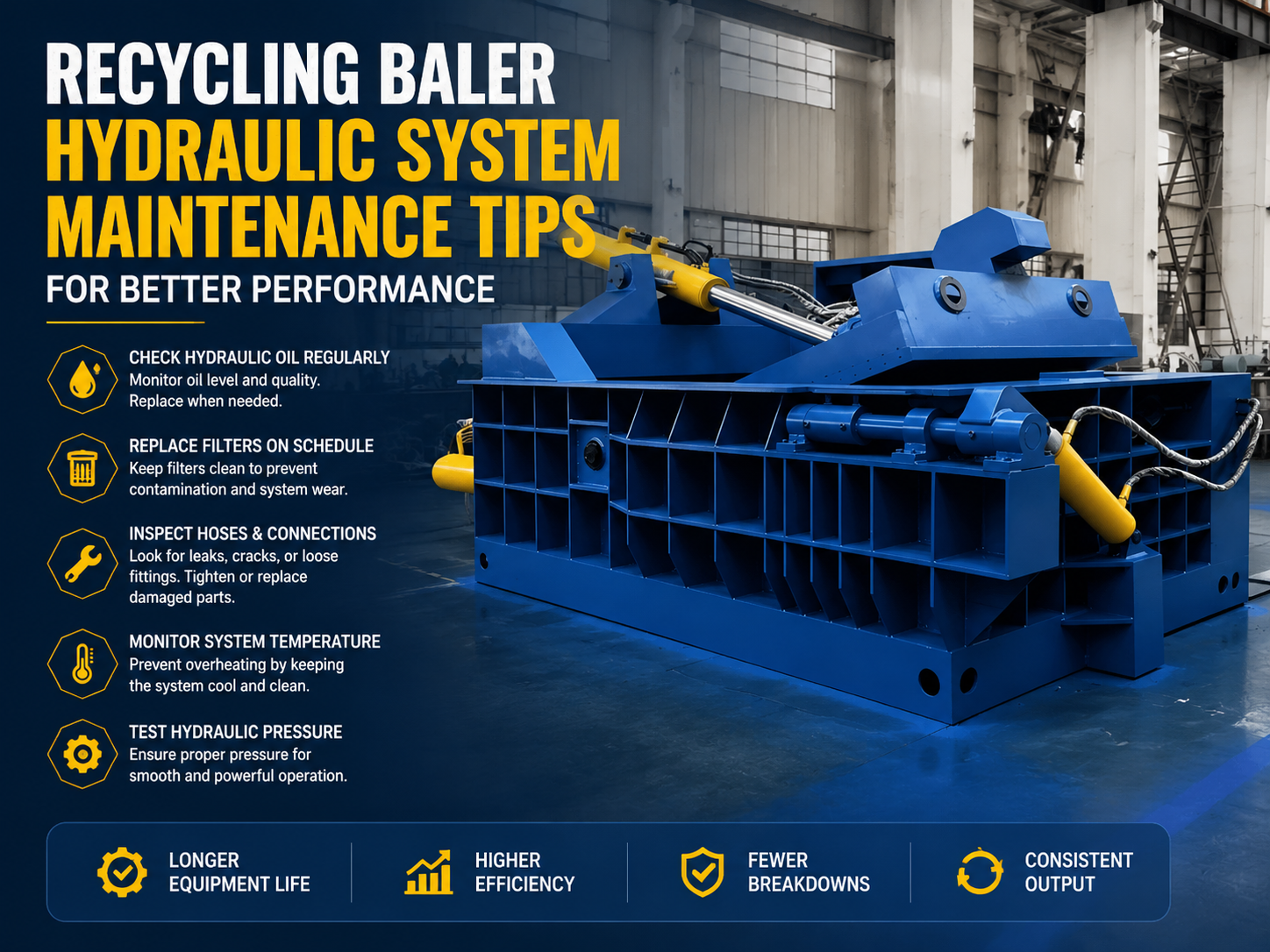
Introduction to Recycling Baler Hydraulic System Maintenance
In the world of waste management and metal fabrication, the recycling baler stands as a cornerstone of efficiency. Whether you are processing scrap metal, cardboard, or plastics, the heart of this machine is its hydraulic system. To ensure longevity and peak efficiency, implementing Recycling Baler Hydraulic System Maintenance Tips for Better Performance is not just a recommendation—it is a necessity. A well-maintained hydraulic system translates to faster cycle times, denser bales, and significantly reduced operational costs.
HARSLE, a leader in industrial machinery, understands that downtime is the enemy of productivity. When a hydraulic system fails, the entire recycling line grinds to a halt. This comprehensive guide is designed to provide operators and maintenance managers with the technical knowledge required to keep their balers running at maximum capacity. By following these structured maintenance protocols, you can extend the lifespan of your equipment and ensure a safer working environment for your staff.
The Critical Importance of Regular Maintenance
The hydraulic system of a recycling baler operates under extreme pressure, often exceeding 3000 PSI. This high-pressure environment generates heat and subjects components like pumps, valves, and cylinders to constant wear. Without a rigorous maintenance plan, small issues like a minor seal leak or slightly contaminated oil can quickly escalate into catastrophic failures. The primary goal of maintenance is to prevent these failures before they occur, ensuring that the machine remains a reliable asset rather than a liability.
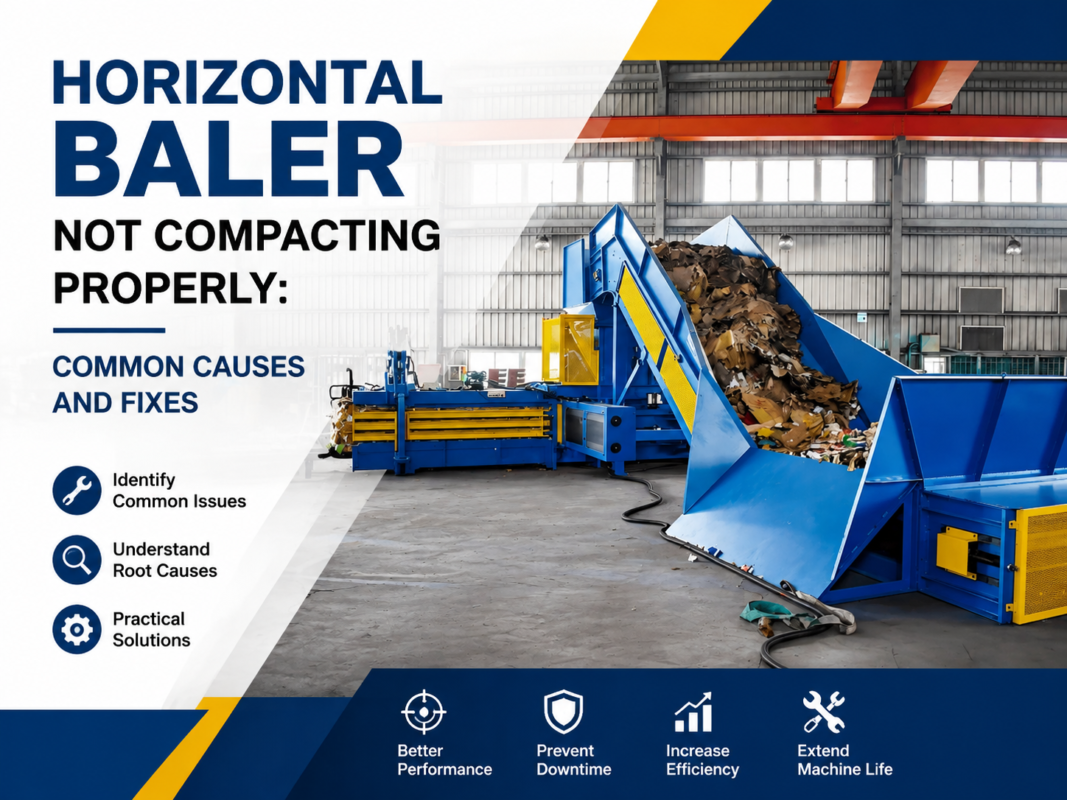
Beyond mechanical reliability, maintenance directly impacts the quality of the output. A hydraulic system that is not performing optimally will struggle to reach the necessary compaction force. This results in loose, unstable bales that are difficult to transport and may even be rejected by recycling facilities. Furthermore, consistent maintenance preserves the resale value of the machine. In the industrial market, a HARSLE baler with a documented service history commands a much higher price than one that has been neglected.
Safety is perhaps the most critical reason for prioritizing Recycling Baler Hydraulic System Maintenance Tips for Better Performance. Hydraulic fluid under high pressure can cause severe injuries if a hose bursts. Similarly, mechanical failures during the compression cycle can lead to structural damage or operator harm. A disciplined approach to maintenance ensures that all safety valves, emergency stops, and structural components are functioning as intended, providing peace of mind for the entire facility.
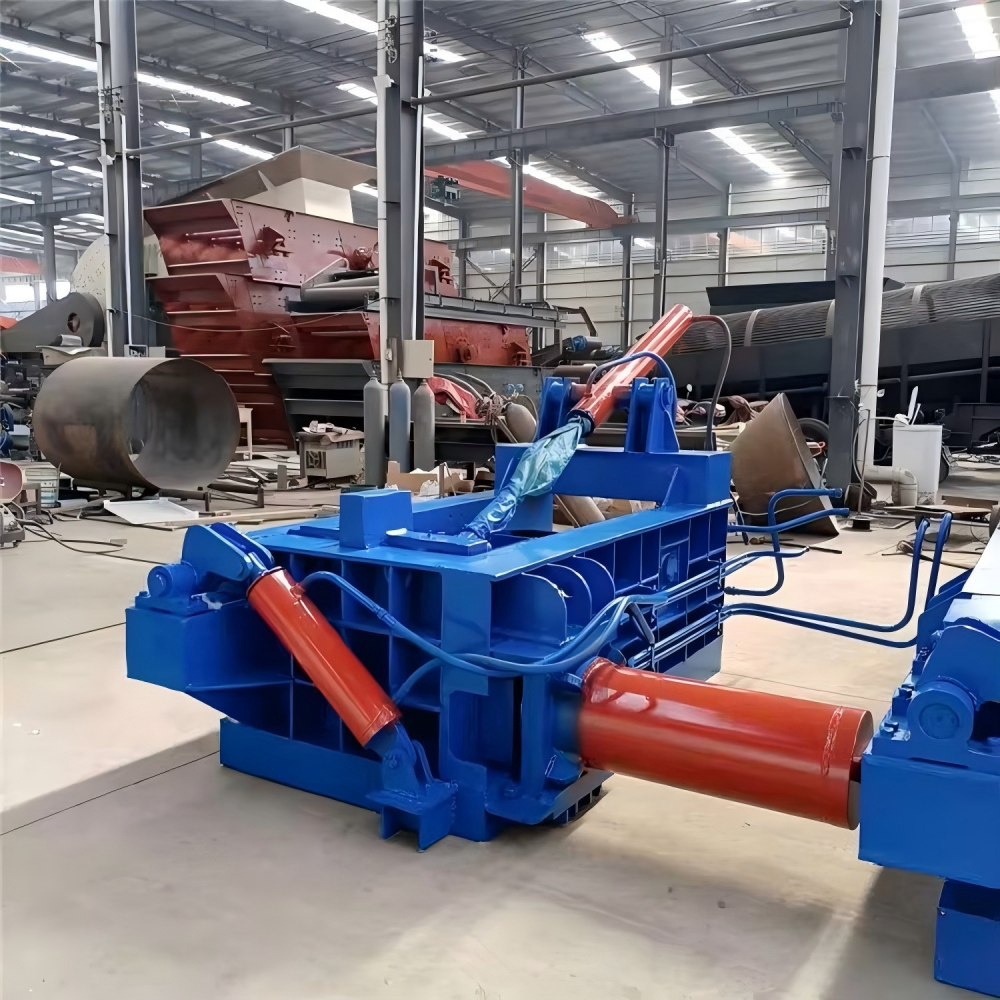
Daily Inspection: The First Line of Defense
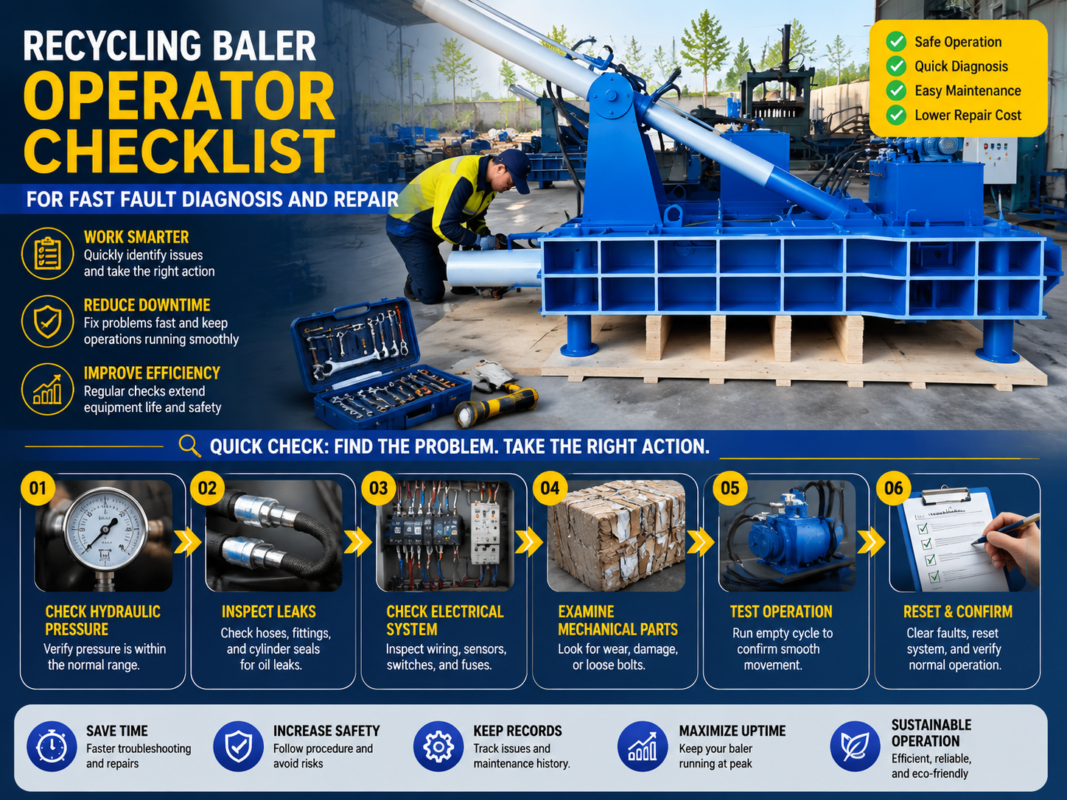
The most effective maintenance strategy begins with a daily walk-around inspection. This should be performed before the machine is started for the first shift. Operators should look for visible signs of hydraulic fluid leaks around the cylinder rods, hose connections, and the main pump assembly. Even a small puddle of oil on the floor is a signal that a seal or fitting requires attention. Early detection of leaks prevents the system from running low on fluid, which can cause pump cavitation and permanent damage.
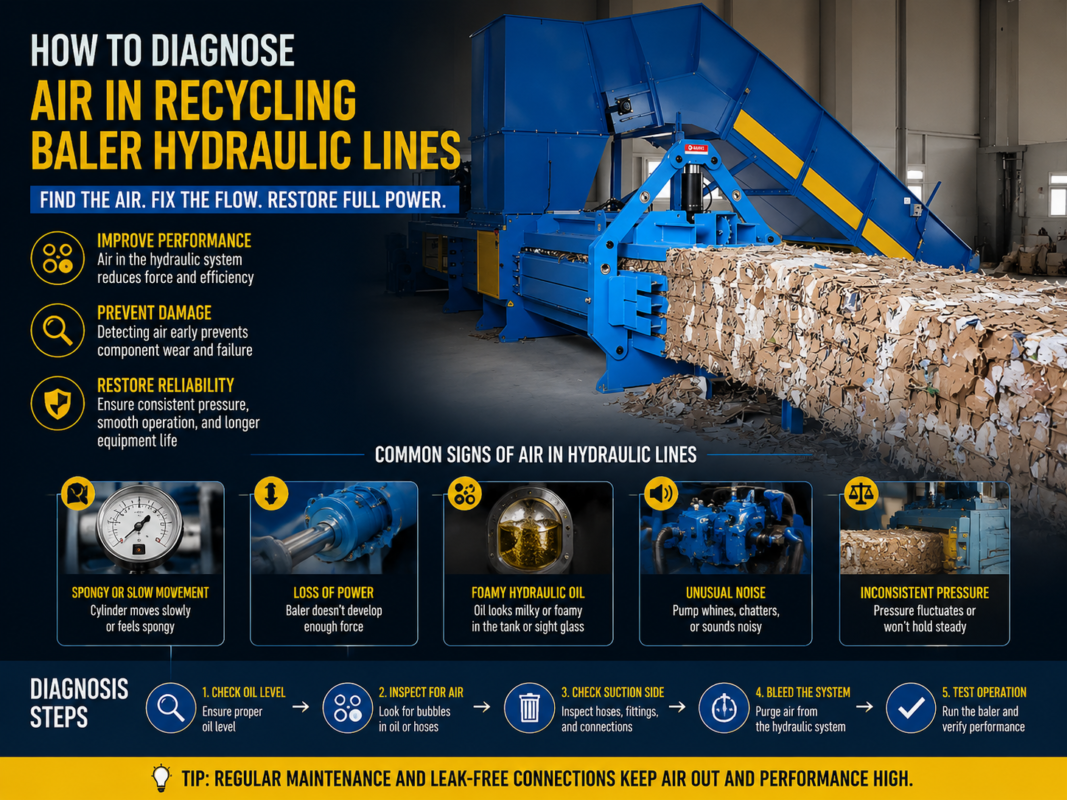
Checking the hydraulic oil level is the next critical step. Most HARSLE balers are equipped with a sight glass on the oil reservoir. The oil should be at the recommended level when the ram is fully retracted. If the oil appears cloudy or milky, it indicates water contamination; if it looks dark and smells burnt, it has likely overheated. In either case, the oil must be sampled and potentially replaced to prevent damage to the sensitive internal components of the hydraulic valves.
Listen to the machine during its initial warm-up. Unusual noises, such as whining, grinding, or banging, are early warning signs of hydraulic distress. A high-pitched whine often indicates that the pump is struggling to draw oil, possibly due to a clogged suction strainer or an air leak in the intake line. By identifying these sounds early, maintenance teams can intervene before a total component failure occurs, saving thousands of dollars in repair costs and lost production time.
In-Depth Hydraulic System Checks
Moving beyond daily visual checks, a deeper dive into the hydraulic system is required on a weekly and monthly basis. The focus here is on oil quality and filtration. Hydraulic oil is the lifeblood of the baler; it not only transmits power but also lubricates moving parts and carries heat away from the system. Over time, the oil breaks down due to thermal stress and accumulates microscopic metal particles and dust. Using high-quality ISO 46 or ISO 68 hydraulic oil, as specified by HARSLE, is fundamental to maintaining system integrity.
Filter maintenance is non-negotiable. Most modern balers feature return-line filters and sometimes pressure-line filters. These filters are designed to trap contaminants before they can reach the valves and cylinders. Many systems include a pressure gauge or a “clogged filter” indicator. If the gauge shows high back-pressure, the filter element must be replaced immediately. Operating with a bypassed or clogged filter allows abrasive particles to circulate, leading to “scoring” of the cylinder walls and premature wear of the pump vanes.
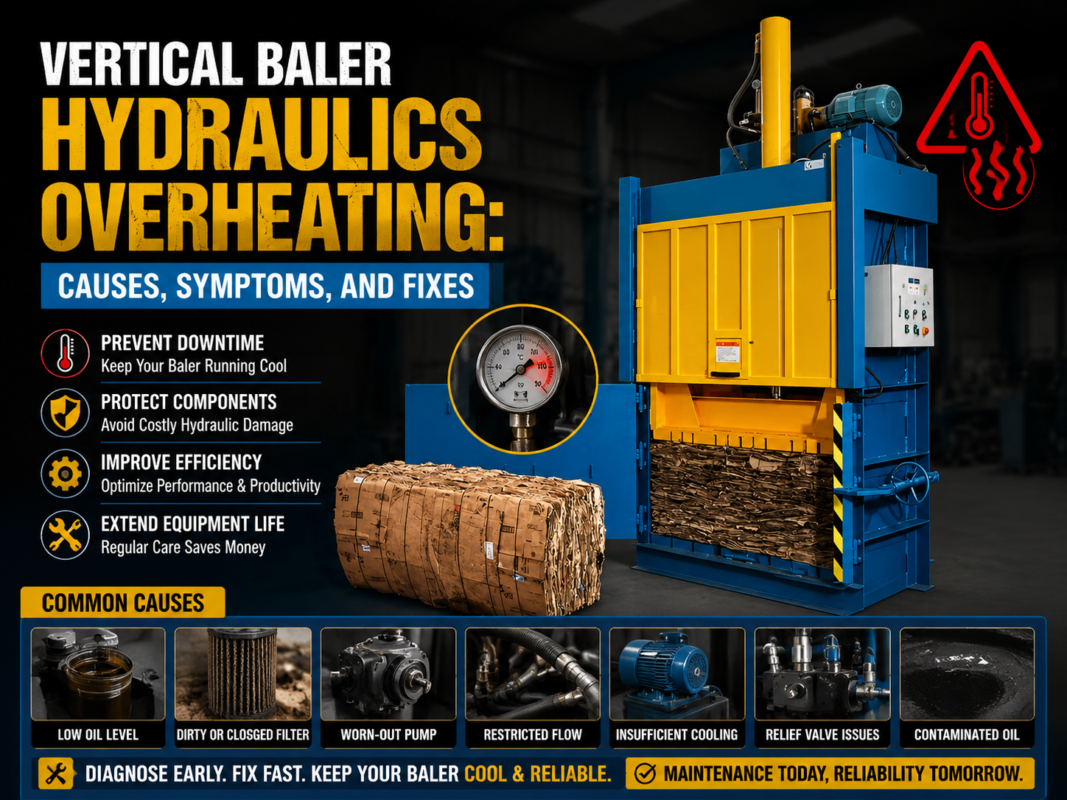
Temperature management is another key aspect of Recycling Baler Hydraulic System Maintenance Tips for Better Performance. Hydraulic systems typically operate best between 100°F and 140°F (38°C to 60°C). If the oil temperature exceeds 150°F, its viscosity drops, leading to increased internal leakage and reduced efficiency. Ensure that the oil cooler (whether air-cooled or water-cooled) is clean and that the cooling fans are operational. Dust and debris on the cooler fins act as insulation, causing the system to overheat rapidly during heavy use.
Electrical and Mechanical System Integration
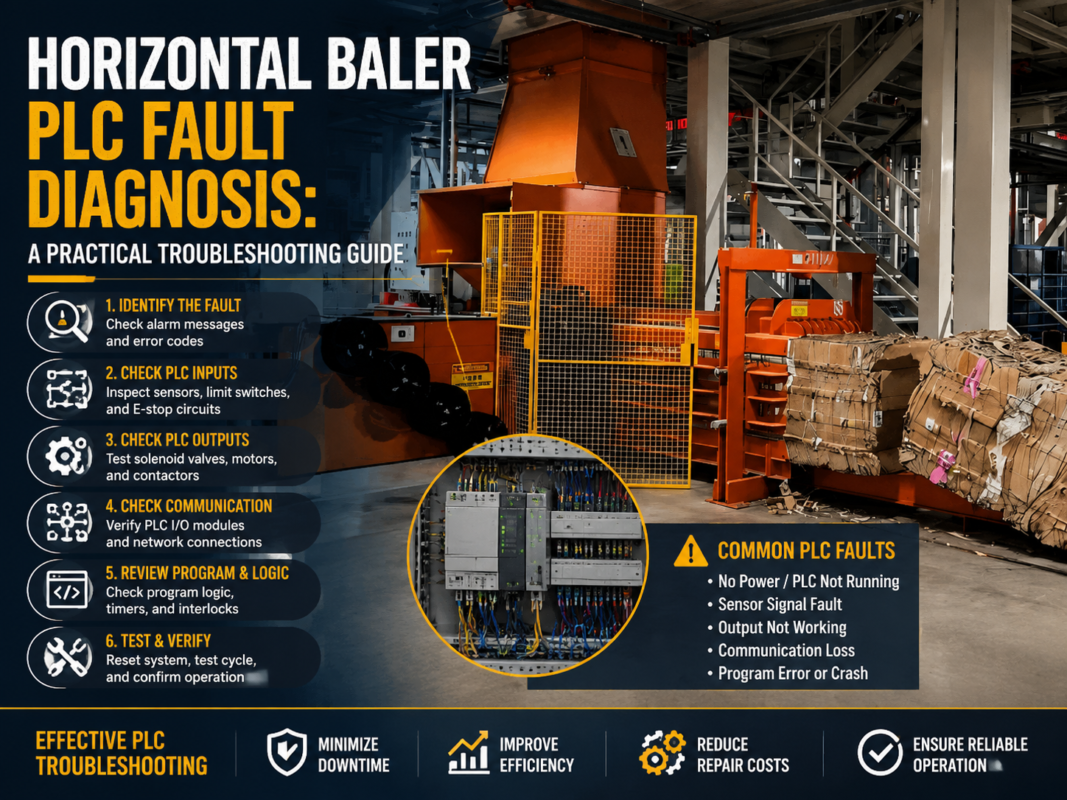
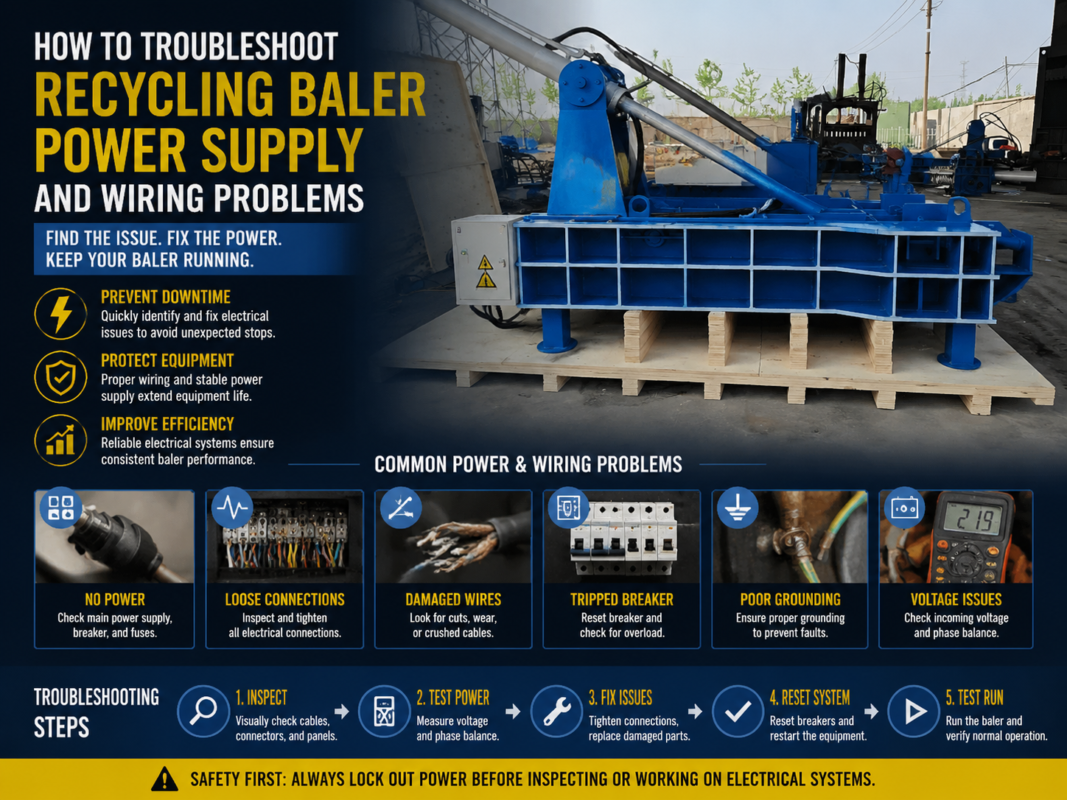
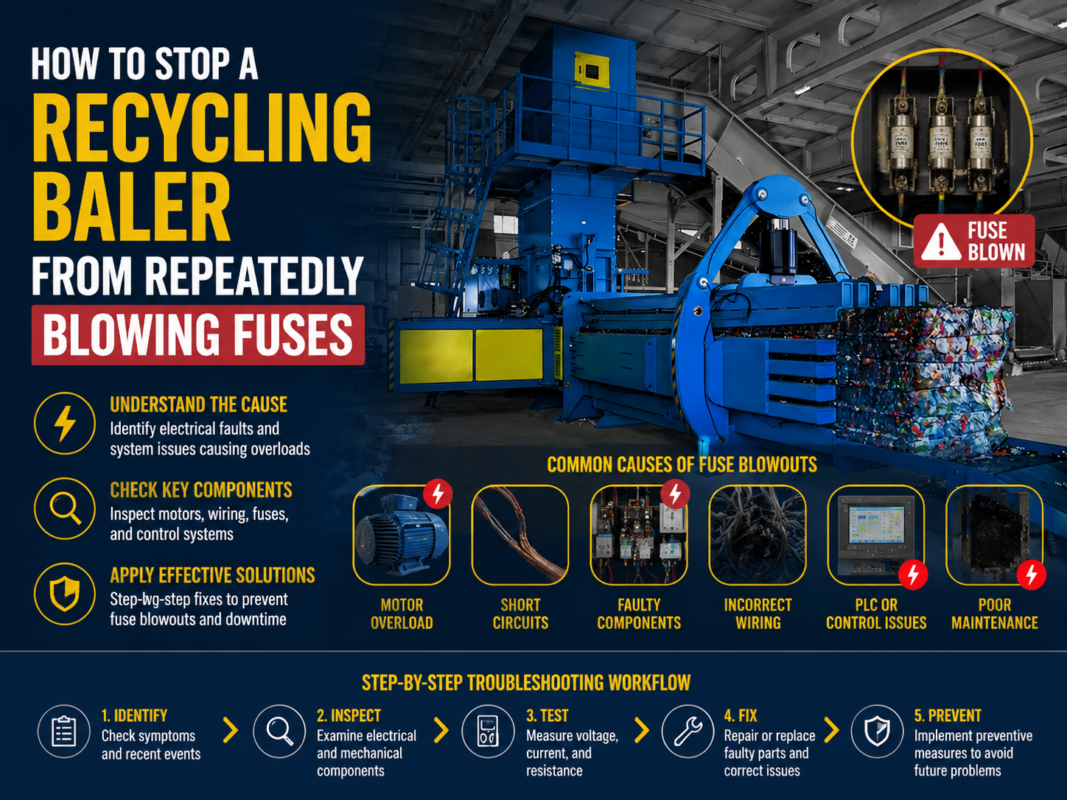
While the hydraulic system provides the power, the electrical system provides the control. Maintenance must include a thorough check of the electrical cabinet and wiring. Vibration from the baling process can loosen terminal screws over time, leading to intermittent faults or electrical fires. Ensure that all connections are tight and that the cabinet is free of dust. Use compressed air or a vacuum to clean the electrical components, as metallic dust in a recycling environment can cause short circuits.
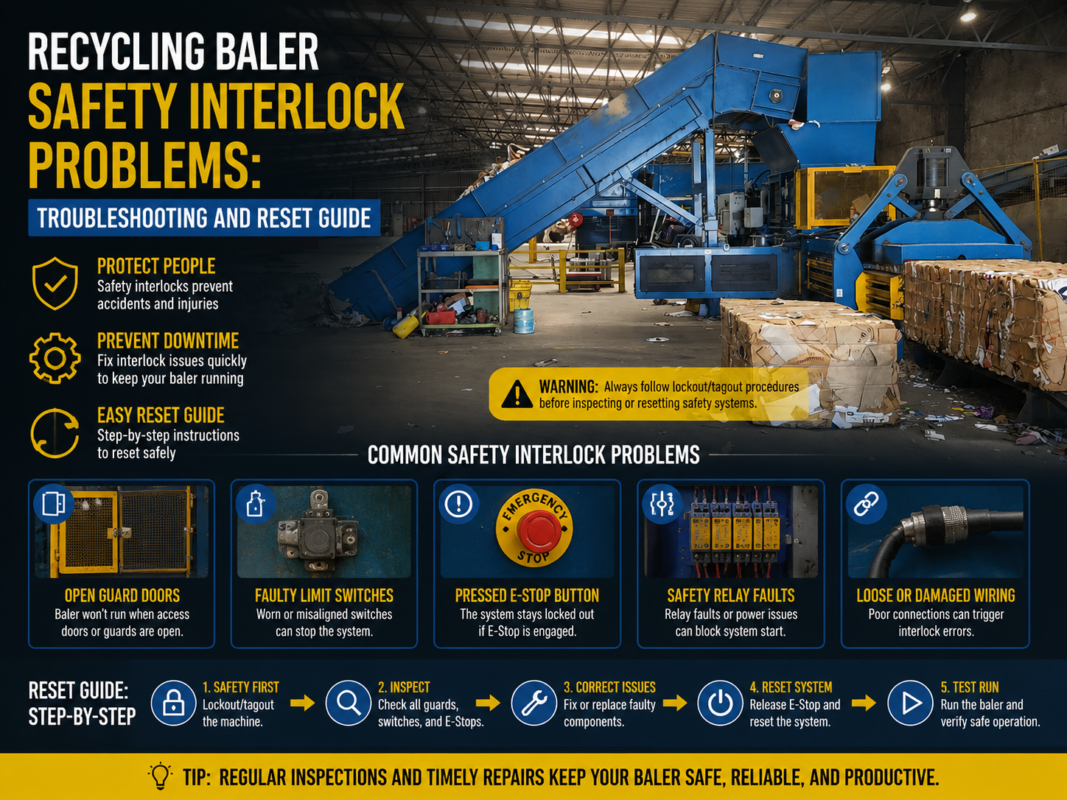
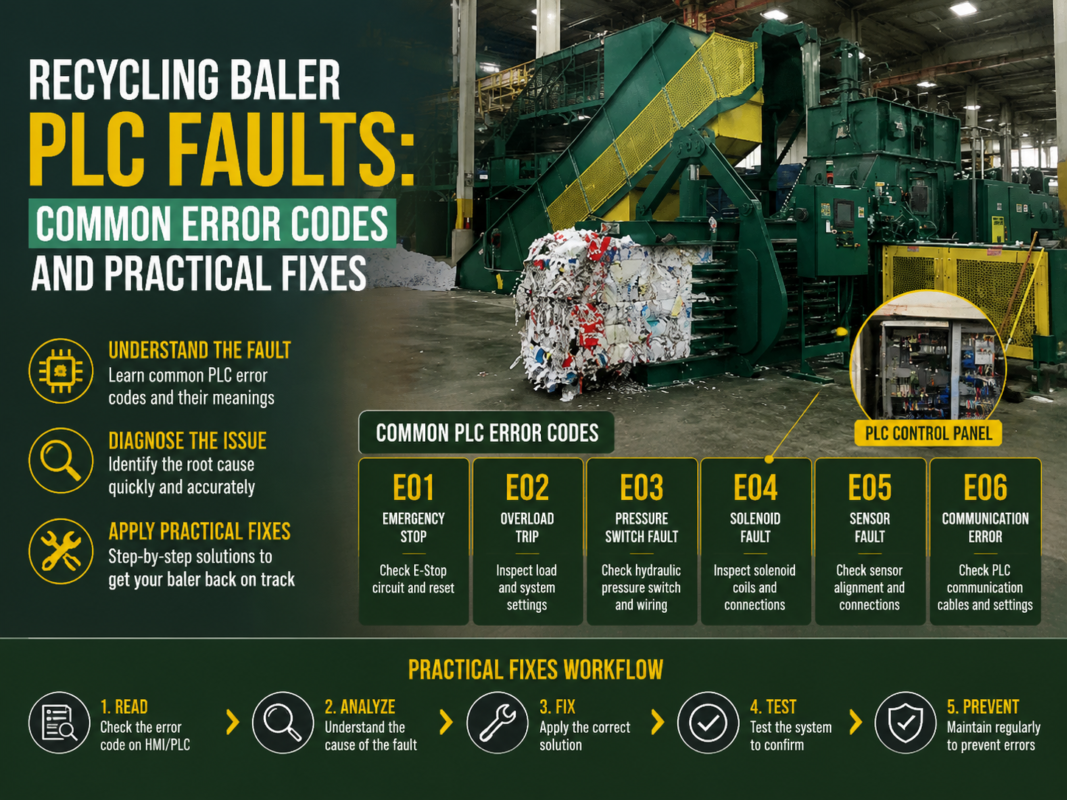
Sensors and limit switches play a vital role in the hydraulic cycle. These components tell the PLC (Programmable Logic Controller) when the ram has reached the end of its stroke or when the bale chamber door is safely closed. If a limit switch is misaligned or dirty, the hydraulic system may continue to build pressure against a mechanical stop, causing unnecessary stress on the relief valves and hoses. Regularly clean and test these sensors to ensure the machine operates within its designed parameters.
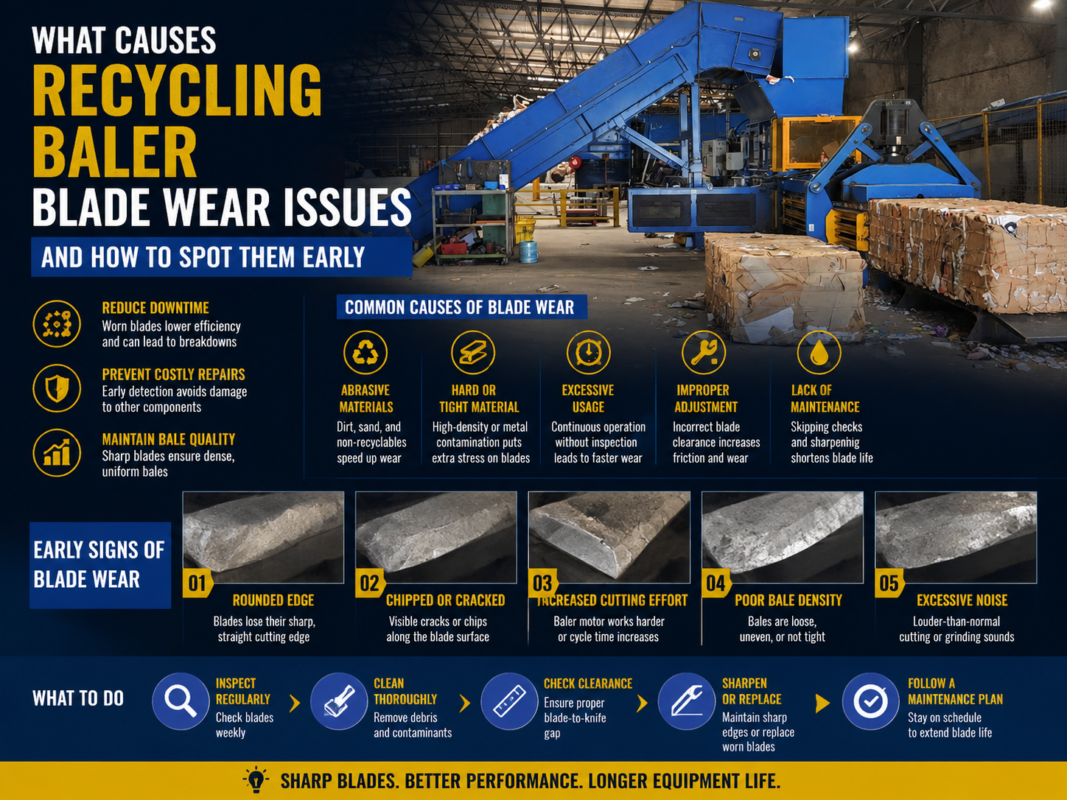
Mechanically, the baler structure must be inspected for cracks or deformation. The ram, which is driven by the hydraulic cylinders, must move smoothly along its guides. Check the wear plates (liners) inside the bale chamber. These plates are designed to be sacrificial; they protect the main structure from the abrasive forces of the material being baled. If the wear plates become too thin, the ram may tilt or bind, putting uneven side-loads on the hydraulic cylinder rods, which leads to seal failure and rod bending.
Comprehensive Lubrication Plan
Lubrication is the simplest yet most often overlooked aspect of baler maintenance. A proper lubrication plan reduces friction between moving mechanical parts, which in turn reduces the load on the hydraulic system. Key points requiring regular greasing include the ram guide pivots, door hinges, and the pins connecting the hydraulic cylinders to the frame. Using a high-quality Extreme Pressure (EP2) grease is generally recommended for these heavy-duty applications.
The frequency of lubrication depends on the machine’s usage. For high-volume operations running multiple shifts, daily greasing of the most active pivot points is necessary. For lower-volume facilities, a weekly schedule may suffice. It is important to clean the grease fittings (zerks) before applying the grease gun to avoid forcing dirt into the bearing surfaces. Over-greasing can also be an issue, as excess grease can attract dust and grit, creating an abrasive paste that accelerates wear.
Automatic lubrication systems are an excellent investment for HARSLE baler owners. These systems deliver precise amounts of grease to all critical points at set intervals while the machine is running. This ensures that the machine is always lubricated and eliminates the risk of human error or missed maintenance cycles. If your baler is equipped with an auto-lube system, your primary task is to ensure the reservoir is kept full and to check for any broken delivery lines.
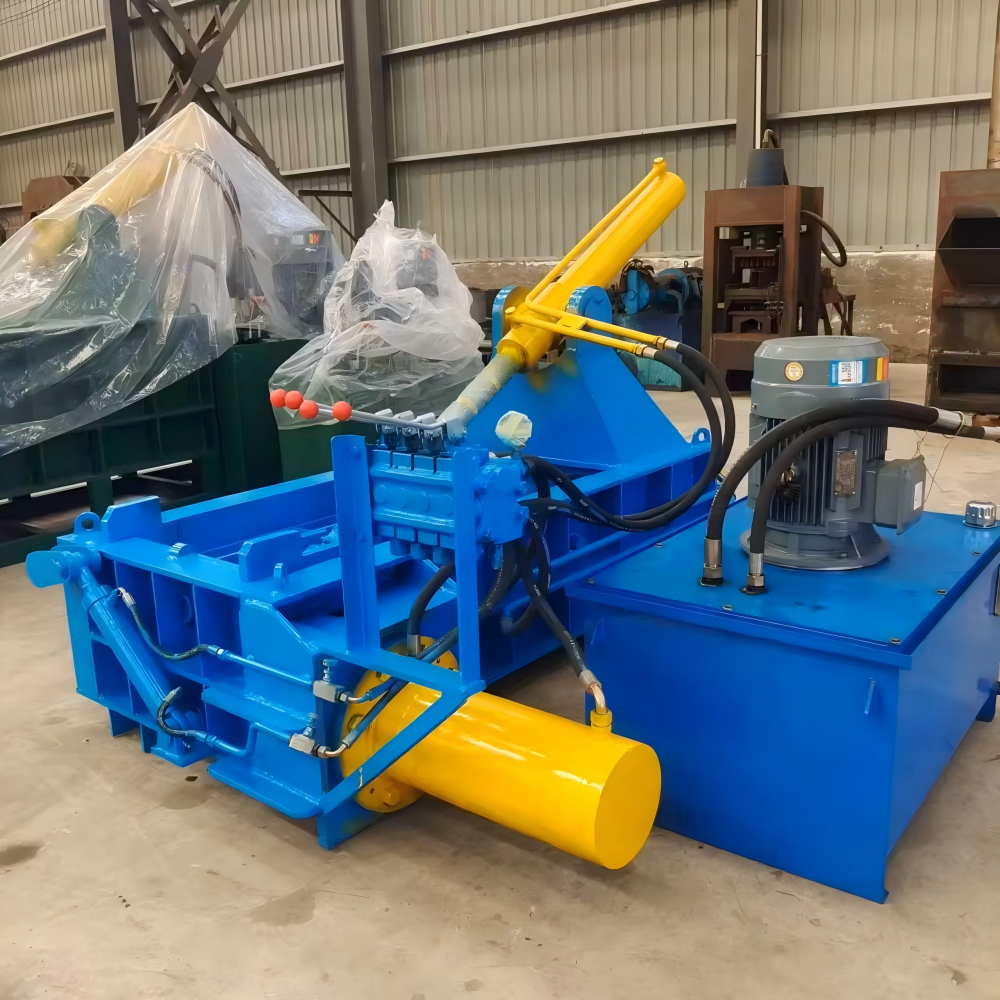
Recognizing Troubleshooting Signals
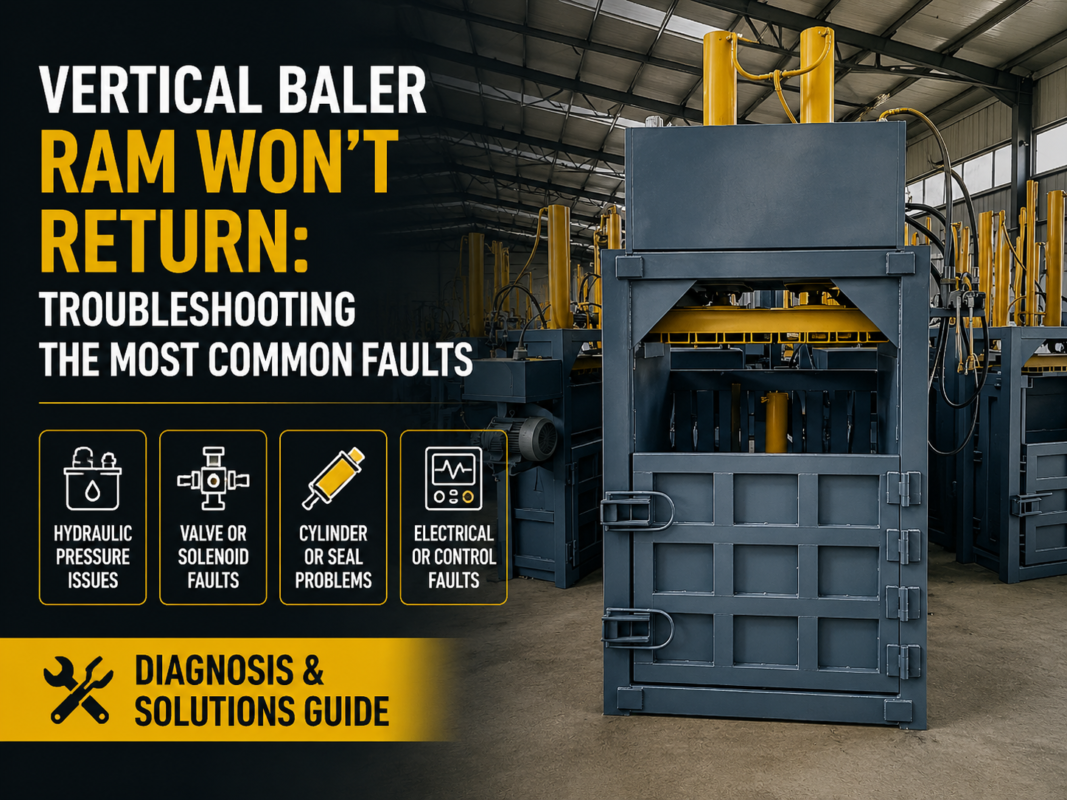
Even with the best maintenance, components will eventually wear out. The key to minimizing impact is recognizing the troubleshooting signals early. One of the most common signs of a hydraulic issue is a “spongy” or slow response from the ram. This often indicates air in the system or internal leakage in the cylinder. If the ram drifts forward or backward when the controls are in neutral, the internal seals of the cylinder or the directional control valve are likely worn and allowing fluid to bypass.
Another signal is excessive vibration in the hydraulic lines. This is often caused by “water hammer” or pressure spikes. It can lead to fatigue failure of the steel pipes and hoses. Checking the accumulator (if equipped) for proper nitrogen pre-charge can help dampen these shocks. Additionally, if the hydraulic pump becomes excessively hot to the touch compared to the rest of the system, it is a sign of internal wear and inefficiency, suggesting that the pump is nearing the end of its service life.
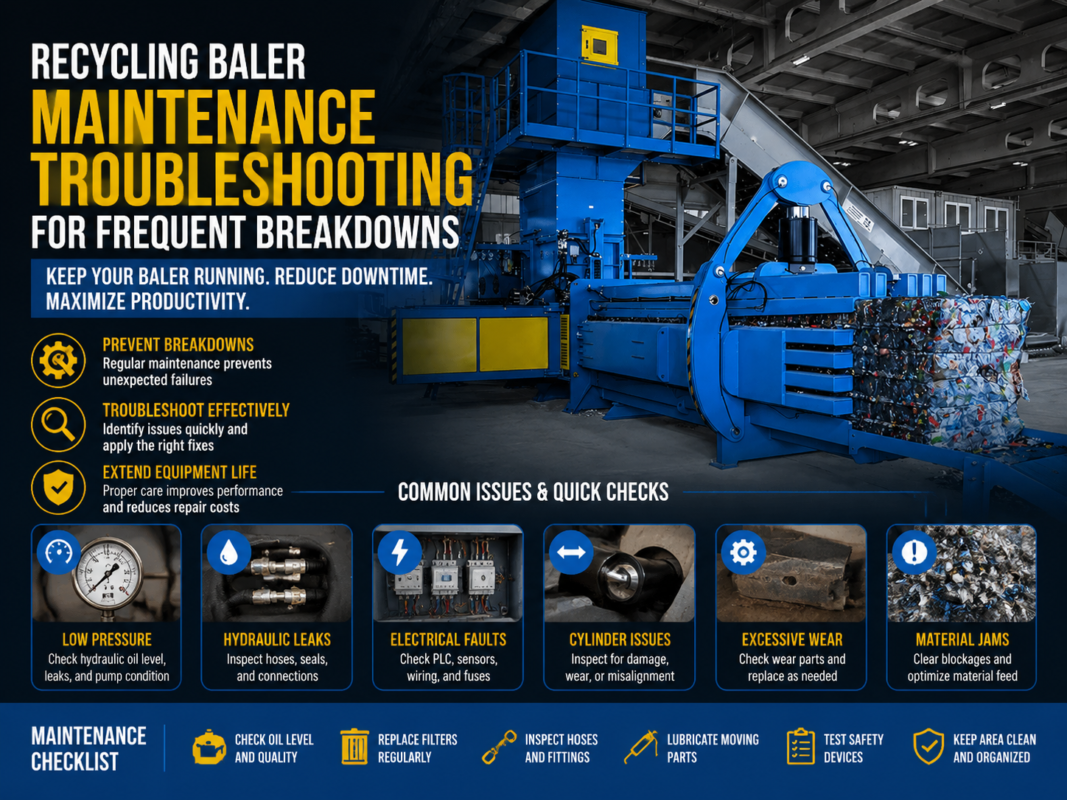
Pressure drops are a clear indicator of trouble. If the baler cannot reach its maximum rated pressure, the bales will be soft. This could be due to a malfunctioning main relief valve, a worn pump, or a leak in the high-pressure circuit. Using a calibrated pressure gauge to test different points in the circuit can help isolate the problem. Always refer to the HARSLE technical manual for the correct pressure settings; never attempt to “fix” a performance issue by cranking up the relief valve beyond the factory specifications, as this can lead to catastrophic structural failure.
Maintenance Schedule Table
To help organize your efforts, use the following maintenance schedule as a baseline for your HARSLE recycling baler. Adjust the frequency based on your specific environmental conditions and workload.
| Frequency | Component | Action Required |
|---|---|---|
| Daily | Hydraulic Oil | Check level and color via sight glass. |
| Daily | Hoses & Fittings | Inspect for leaks, cracks, or abrasions. |
| Daily | Safety Systems | Test emergency stops and interlocks. |
| Weekly | Oil Cooler | Clean fins of dust and debris. |
| Weekly | Mechanical Pivots | Apply EP2 grease to all manual grease points. |
| Monthly | Filters | Check indicators; replace if necessary. |
| Monthly | Electrical Cabinet | Inspect for loose wires and vacuum dust. |
| Quarterly | Hydraulic Oil | Perform oil analysis for contamination. |
| Bi-Annually | Wear Plates | Measure thickness and check for loose bolts. |
| Annually | Full System | Drain and replace hydraulic oil; flush tank. |
Frequently Asked Questions (FAQ)
1. How often should I change the hydraulic oil in my recycling baler?
Generally, hydraulic oil should be changed every 2,000 to 4,000 operating hours, or at least once a year. However, this can vary based on the environment. In dusty or high-heat conditions, more frequent changes may be required. The best practice is to perform quarterly oil analysis to determine the actual condition of the oil before deciding to change it.
2. What type of hydraulic oil is best for HARSLE balers?
Most HARSLE recycling balers utilize ISO 46 or ISO 68 anti-wear (AW) hydraulic oil. The specific grade depends on your local climate; ISO 46 is better for cooler environments, while ISO 68 provides better viscosity in hotter climates. Always consult your machine’s specific manual for the manufacturer’s recommendation.
3. Why is my baler making a loud banging noise during the cycle?
Loud banging or “knocking” is often caused by mechanical interference or hydraulic shock. Check for loose wear plates, a misaligned ram, or air trapped in the hydraulic cylinders. It could also indicate that the relief valve is opening and closing rapidly due to a blockage or incorrect setting.
4. Can I use any grease for the lubrication points?
It is highly recommended to use a high-quality Lithium-based Extreme Pressure (EP2) grease. This type of grease is designed to stay in place under heavy loads and provides excellent water resistance, which is vital in recycling environments where moisture may be present.
5. What should I do if I find a small leak in a hydraulic hose?
Never ignore a leak, no matter how small. A small leak can quickly become a high-pressure pinhole leak, which is extremely dangerous. Depressurize the system and replace the hose immediately. Do not attempt to patch a hydraulic hose, as patches cannot withstand the high operating pressures.
6. How do I know if my hydraulic pump is failing?
Signs of a failing pump include increased cycle times, excessive noise (aeration or cavitation), and the pump housing becoming significantly hotter than the oil reservoir. If the baler struggles to reach full pressure even when the relief valve is functioning, the pump is likely worn internally.
Conclusion: Maximizing ROI through Diligent Care
Implementing these Recycling Baler Hydraulic System Maintenance Tips for Better Performance is the most effective way to protect your investment. A recycling baler is a significant capital expenditure, and its performance directly affects your facility’s bottom line. By transitioning from a reactive “fix-it-when-it-breaks” mindset to a proactive preventive maintenance strategy, you ensure that your HARSLE equipment remains a high-performing asset for decades.
Consistency is the key. Whether it is the daily check of the oil level or the annual flushing of the hydraulic reservoir, every action contributes to the overall health of the machine. Remember that a clean, well-lubricated, and properly adjusted baler is not only more productive but also safer for everyone in the facility. For further technical support or genuine replacement parts, always reach out to authorized HARSLE service centers to ensure your machine continues to operate at the highest industrial standards.