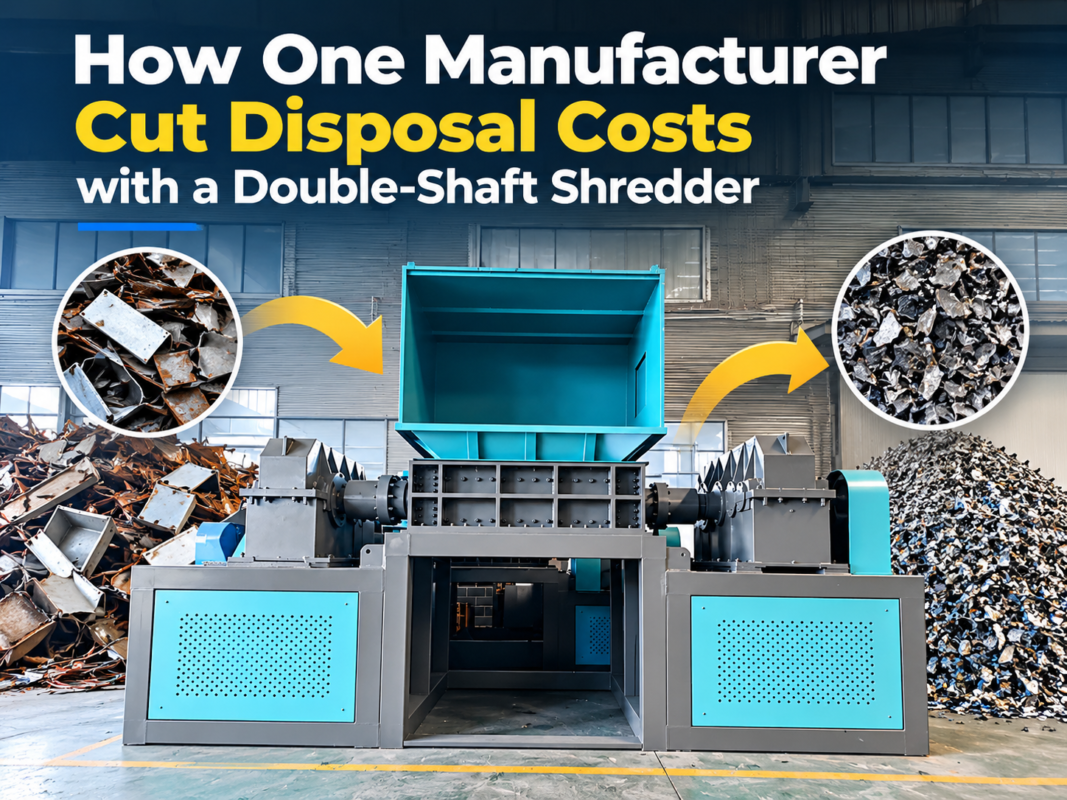
Comprehensive Guide to Hydraulic Briquetting Machines in CNC Chip Management Applications

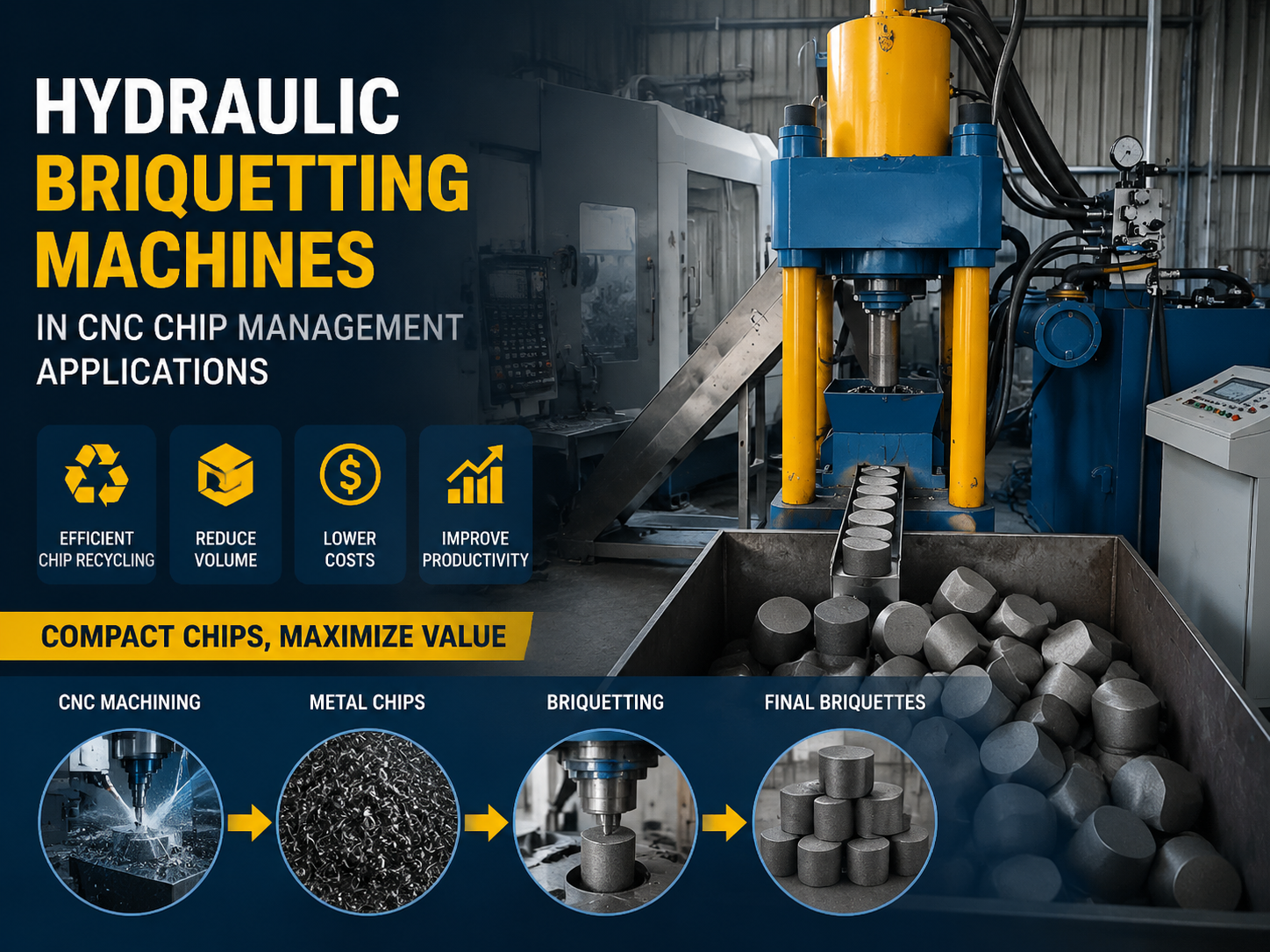
Introduction to Hydraulic Briquetting Machines in CNC Chip Management Applications
In the modern landscape of high-precision manufacturing, CNC (Computer Numerical Control) machining stands as the backbone of production. However, the efficiency of these machines often results in a significant byproduct: metal chips, also known as swarf. Managing these chips is not merely a housekeeping task; it is a critical operational challenge that impacts profitability, environmental compliance, and workshop safety. This is where Hydraulic Briquetting Machines In CNC Chip Management Applications become indispensable. These machines are designed to transform loose, voluminous metal shavings into dense, manageable blocks, fundamentally changing how machine shops handle waste.
The primary function of a hydraulic briquetting machine is to apply immense pressure to metal chips, compressing them into solid cylinders or bricks. This process does more than just save space. It addresses the inherent problems of loose swarf, such as the retention of expensive cutting fluids and the low density that makes transportation and smelting inefficient. For a high-volume CNC facility, the integration of a briquetting system represents a shift from viewing metal waste as a liability to treating it as a valuable secondary resource. HARSLE, a leader in metal fabrication machinery, provides advanced solutions that streamline this transition, ensuring that manufacturers can maximize their return on investment.
As global industries move toward ‘Green Manufacturing’ and ‘Circular Economy’ models, the role of hydraulic briquetting has expanded. It is no longer just about cleaning the floor; it is about sustainability. By recovering up to 98% of cutting oils and coolants trapped in the chips, companies can significantly reduce their procurement costs for new fluids. Furthermore, the environmental footprint is reduced as less hazardous waste is transported and disposed of. In the following sections, we will delve deep into the technicalities, benefits, and selection criteria for these essential industrial tools.
Key Considerations for Implementing Briquetting Systems
Economic Impact and ROI
The first consideration for any facility manager is the return on investment (ROI). Hydraulic Briquetting Machines In CNC Chip Management Applications offer a multi-faceted financial benefit. First, there is the direct increase in scrap value. Smelters and scrap dealers prefer briquettes over loose chips because briquettes have a higher density and lower surface area, which leads to less oxidation and higher yield during the melting process. Consequently, briquetted metal often fetches a premium price compared to loose swarf.
Second, the recovery of coolants and lubricants provides immediate savings. In many CNC operations, the cost of cutting fluids is a major overhead. When chips are compressed, the fluids are squeezed out and collected in a dedicated reservoir, where they can be filtered and returned to the CNC machines. This closed-loop system can reduce fluid consumption by 20% to 50%, depending on the material and the initial moisture content of the chips.
Space Optimization and Logistics
Loose metal chips are incredibly bulky. A single bin of loose aluminum chips might contain 90% air and only 10% metal. This inefficiency leads to cluttered workshop floors and frequent, expensive pickups by scrap haulers. By using a hydraulic briquetting machine, the volume of the waste can be reduced by a ratio of up to 20:1. This means that 20 bins of loose chips can be condensed into a single bin of briquettes.
This reduction in volume frees up valuable floor space that can be used for additional production machinery or inventory. Logistically, it reduces the frequency of scrap truck visits, lowering transportation costs and reducing the carbon footprint associated with waste hauling. For facilities located in urban areas or those with limited yard space, this volume reduction is often the primary driver for adopting briquetting technology.
Environmental and Safety Standards
Safety is paramount in any industrial setting. Loose metal chips are sharp, oily, and prone to causing slips, trips, and cuts. They also pose a fire risk, especially materials like magnesium or fine aluminum dust. Briquetting eliminates these hazards by containing the material in a solid form. Furthermore, the extraction of oils prevents them from leaking onto the shop floor or into the ground, helping the facility comply with ISO 14001 environmental standards and local EPA regulations.
Technical Details of Hydraulic Briquetting Machines
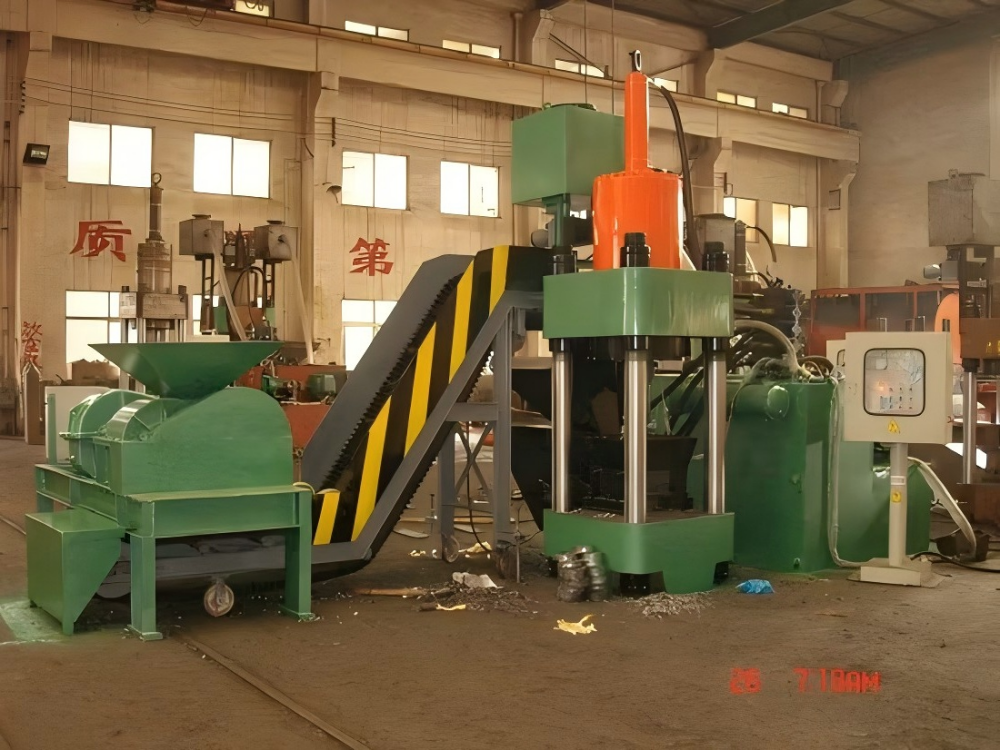
Understanding the internal mechanics of Hydraulic Briquetting Machines In CNC Chip Management Applications is crucial for making an informed purchase. These machines are marvels of hydraulic engineering, designed to withstand continuous operation in harsh environments. The core components include the hydraulic pump station, the compression chamber, the feeding system, and the PLC control unit.
The Hydraulic Power Unit (HPU)
The HPU is the heart of the machine. It consists of a high-pressure pump, an electric motor, and a series of valves that direct the flow of hydraulic oil. HARSLE machines typically utilize variable displacement pumps to optimize energy consumption. The pressure generated can range from 150 to 350 tons, depending on the material being processed. High-quality seals and chrome-plated pistons are essential to prevent leaks and ensure the longevity of the cylinders under high-cycle conditions.
The Compression Cycle
The process begins when the CNC chips are fed into the hopper. A screw conveyor or a vibrating feeder moves the material into the pre-compression chamber. Here, a secondary cylinder performs an initial squeeze to remove excess air. The main compression cylinder then moves forward, exerting the full force of the hydraulic system to form the briquette. Once the desired density is reached, the discharge gate opens, and the finished briquette is ejected. This entire cycle is managed by a PLC (Programmable Logic Controller), which monitors pressure sensors and limit switches to ensure consistency and safety.
Material Compatibility and Density
Different metals behave differently under pressure. Aluminum is highly ductile and forms dense briquettes easily. Steel and stainless steel require higher pressures due to their hardness. Cast iron, which often comes off the CNC as a fine powder or small grains, requires a specific chamber design to prevent the material from leaking through gaps. HARSLE designs its machines with interchangeable liners and adjustable pressure settings to accommodate a wide range of materials, including brass, copper, and even titanium.
| Material Type | Compression Ratio | Coolant Recovery Rate | Briquette Density (kg/m³) |
|---|---|---|---|
| Aluminum 6061 | 15:1 to 20:1 | 95% – 98% | 2,200 – 2,500 |
| Steel (Mild) | 8:1 to 12:1 | 90% – 95% | 5,000 – 6,000 |
| Cast Iron | 5:1 to 8:1 | 85% – 92% | 4,500 – 5,500 |
| Copper/Brass | 10:1 to 15:1 | 92% – 97% | 6,500 – 7,500 |
Selection Advice for Your Facility
Choosing the right Hydraulic Briquetting Machines In CNC Chip Management Applications requires a thorough analysis of your production output and material types. A machine that is too small will become a bottleneck, while one that is too large represents unnecessary capital expenditure. Here are the key factors to evaluate:
Assessing Throughput Requirements
Calculate the total weight of chips produced per hour across all your CNC machines. It is advisable to choose a briquetting machine with a capacity 20-30% higher than your peak production rate. This buffer allows for future growth and ensures the machine isn’t constantly running at 100% capacity, which can lead to premature wear. HARSLE offers models ranging from 50 kg/h for small job shops to over 2,000 kg/h for large-scale automotive or aerospace manufacturers.
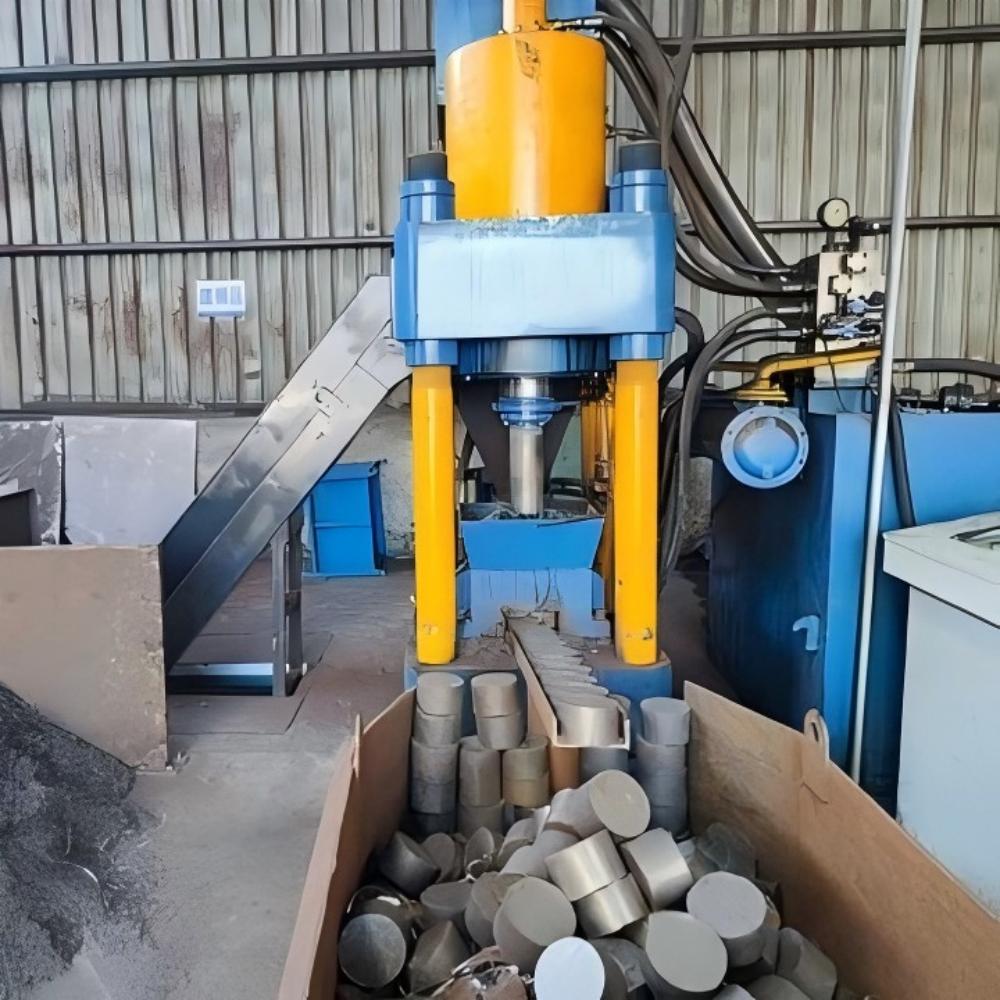
Integration with Existing Infrastructure
Consider how the chips will get from the CNC machines to the briquetter. In a manual setup, operators dump bins into the hopper. In a fully automated setup, a centralized conveyor system transports chips from every machine directly to the briquetting station. Ensure the machine you select has the necessary I/O ports to communicate with your factory’s central control system or conveyor sensors. HARSLE machines are equipped with modern Siemens or Schneider PLC systems that facilitate easy integration into Industry 4.0 environments.
Maintenance and Durability
Metal chips are abrasive. Over time, they will wear down the internal surfaces of the compression chamber. Look for machines that feature replaceable wear plates made of hardened steel (such as Hardox). Additionally, check the accessibility of the hydraulic filters and the ease of cleaning the coolant collection tray. A machine that is easy to maintain will have a much lower total cost of ownership over its 10-15 year lifespan.
Customization Options
Every shop has unique needs. You might require a specific hopper size to accommodate large bird-nest chips, or perhaps you need a moisture sensor to trigger the compression cycle only when the hopper is full. HARSLE provides customizable options including oil chillers for high-heat environments, magnetic separators to remove tramp metal, and various briquette diameters to suit your scrap dealer’s requirements.
Frequently Asked Questions (FAQ)
1. How much can I expect to save on coolant?
Most users see a reduction in coolant costs by 30% to 50%. The exact amount depends on the surface area of your chips and the viscosity of the fluid. Thicker oils tend to cling more to the chips, leading to higher recovery rates during briquetting.
2. Can one machine handle multiple types of metal?
Yes, but it requires cleaning the hopper and chamber between batches to avoid cross-contamination of the scrap. If you frequently switch between aluminum and steel, look for a HARSLE model with a ‘quick-clean’ design or consider two smaller dedicated units.
3. What is the typical ROI period?
For a mid-to-high volume shop, the ROI for Hydraulic Briquetting Machines In CNC Chip Management Applications is typically between 12 and 24 months. This takes into account scrap premiums, coolant recovery, and reduced labor/transportation costs.
4. Do the briquettes stay together without binders?
Yes. The hydraulic pressure is high enough to create mechanical interlocking and cold welding between the metal particles. No glues or binders are needed, which is important because binders would contaminate the metal during the smelting process.
5. How do I handle very long, stringy chips?
Long, stringy chips (often called ‘bird nests’) should be processed through a chip shredder or crusher before entering the briquetting machine. HARSLE offers integrated shredder-briquetter combos for this specific purpose.
Conclusion: The Future of CNC Chip Management
The implementation of Hydraulic Briquetting Machines In CNC Chip Management Applications is no longer a luxury reserved for the largest manufacturing plants. As material costs rise and environmental regulations tighten, efficient waste management has become a competitive necessity. By converting messy, oil-soaked swarf into clean, high-density briquettes, manufacturers can reclaim lost profits, improve shop safety, and contribute to a more sustainable industrial future.
HARSLE remains committed to providing robust, high-performance hydraulic solutions tailored to the needs of the metal fabrication industry. Whether you are a small workshop looking to optimize space or a large factory aiming for zero-waste certification, our range of briquetting presses offers the reliability and efficiency required to transform your chip management process. Investing in a hydraulic briquetting machine is not just an equipment purchase; it is a strategic move toward a more profitable and professional manufacturing operation.