Comprehensive Guide to Aluminium Extrusion Press Applications in Signage and Display Frameworks

Introduction to Aluminium Extrusion in the Signage Industry
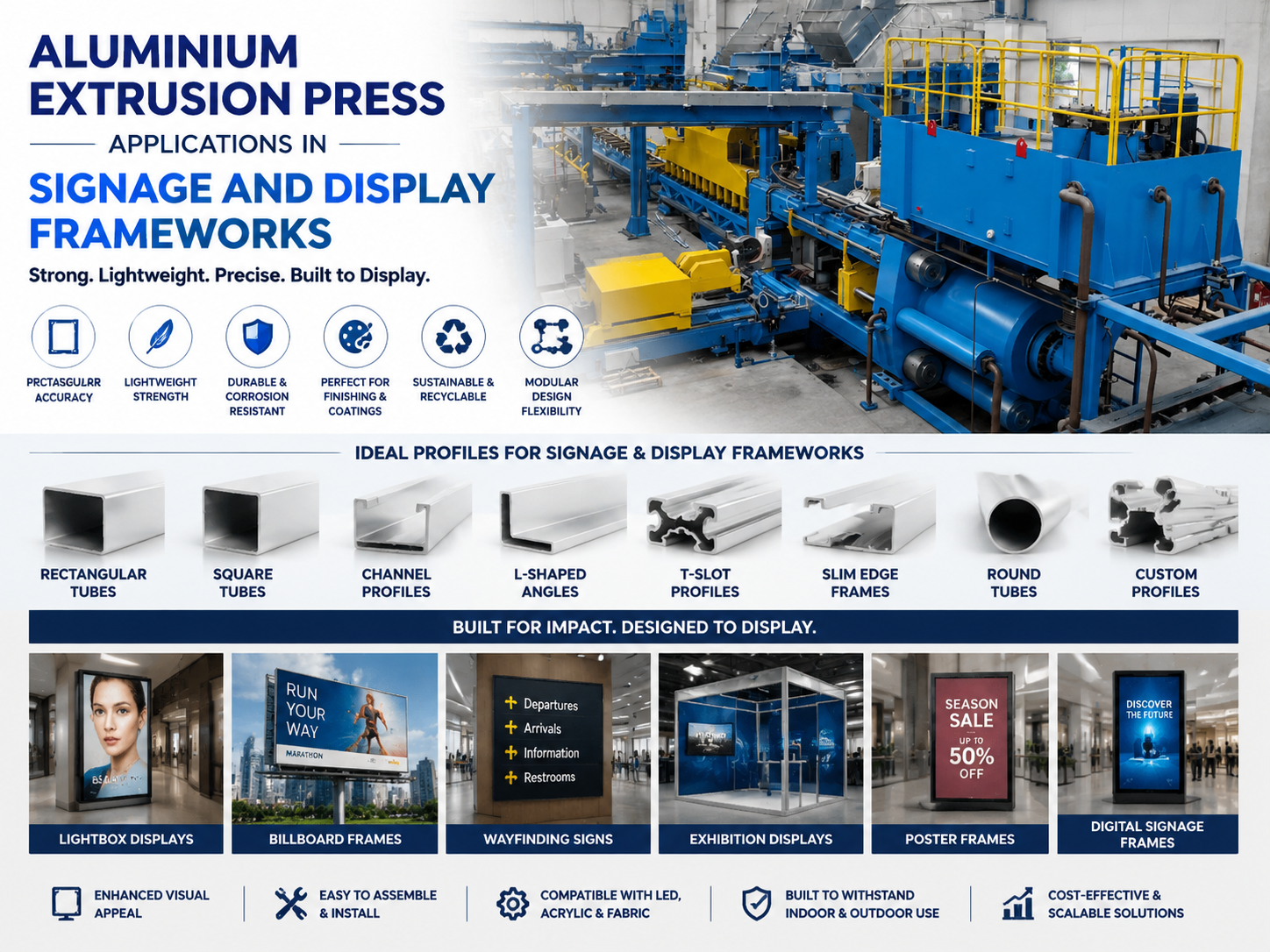
The signage and display industry has undergone a massive transformation over the last few decades, moving from heavy, cumbersome steel structures and fragile wooden frames to sleek, modular, and highly durable aluminium solutions. At the heart of this revolution is the aluminium extrusion press. The versatility of Aluminium Extrusion Press Applications In Signage Display Frameworks cannot be overstated, as it allows for the creation of complex, lightweight, and aesthetically pleasing profiles that are essential for modern advertising and wayfinding systems.
Aluminium is the material of choice for signage due to its exceptional strength-to-weight ratio, natural corrosion resistance, and ease of finishing. Whether it is a massive outdoor billboard, a sophisticated indoor digital display, or a modular exhibition stand, the precision offered by high-quality extrusion presses ensures that every component fits perfectly. HARSLE, a leader in metal fabrication machinery, provides the advanced technology required to meet the rigorous demands of this sector, ensuring that manufacturers can produce high-volume, high-precision profiles with minimal waste.
In this comprehensive guide, we will delve into the specific application scenarios, technical requirements, and the workflow involved in using an aluminium extrusion press for signage. We will also explore the productivity benefits and provide a detailed look at the machinery configurations that drive success in this competitive market.
Application Scenarios for Signage and Display Frameworks
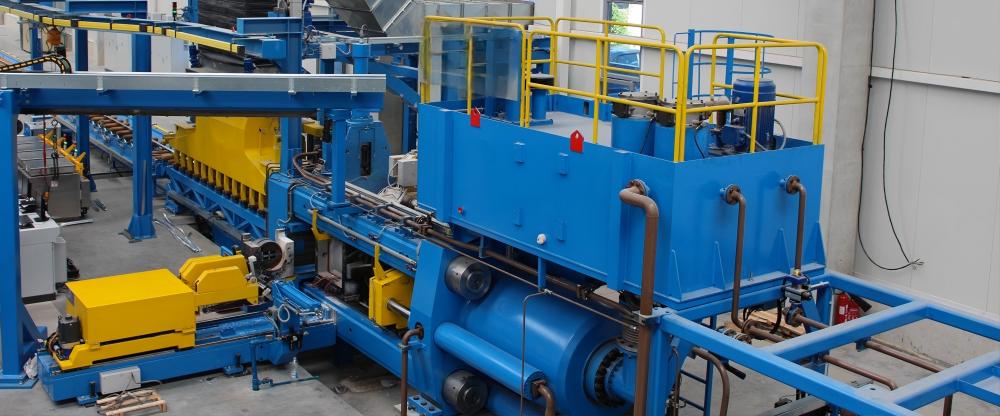
The scope of Aluminium Extrusion Press Applications In Signage Display Frameworks is incredibly broad, covering both functional and decorative uses. One of the most common scenarios is in the production of lightboxes. These frames require thin yet rigid profiles that can house LED arrays, diffusers, and fabric or acrylic graphics. The extrusion process allows for integrated channels where silicone gaskets or mounting brackets can be easily snapped into place, reducing assembly time significantly.
Another critical application is in modular exhibition systems. Trade shows and conventions rely on frameworks that can be assembled, disassembled, and reconfigured quickly. Extruded aluminium profiles with standardized T-slots or interlocking geometries are perfect for this. These profiles must be manufactured to extremely tight tolerances to ensure that components from different batches remain compatible over years of use. The extrusion press enables the creation of these intricate cross-sections that would be impossible or prohibitively expensive to produce via machining.
Wayfinding and architectural signage in transit hubs like airports and train stations also rely heavily on extruded aluminium. These environments demand durability and a premium finish. Extruded frames can be designed to hold heavy glass panels or digital screens while maintaining a slim profile. Furthermore, outdoor signage, such as pylon signs and large-format billboards, utilizes larger extruded sections that provide the structural integrity needed to withstand wind loads and environmental stressors without the rust issues associated with ferrous metals.
Finally, the retail sector uses custom extrusions for Point of Purchase (POP) displays. These often require unique shapes that align with a brand’s visual identity. The ability of an aluminium extrusion press to push metal through a custom-designed die means that designers are not limited to off-the-shelf shapes, allowing for creative freedom in retail environment design.
Material and Process Requirements
To achieve the high standards required for signage, specific material choices and process controls are mandatory. Most Aluminium Extrusion Press Applications In Signage Display Frameworks utilize the 6000 series aluminium alloys, specifically 6063 and 6061. 6063 is often referred to as the “architectural alloy” because it provides an excellent surface finish and is highly responsive to anodizing, which is a critical requirement for signage that needs to look professional and resist wear.
The process begins with the selection of high-quality aluminium billets. These billets must be free of impurities to prevent surface defects like streaking or “pick-up” during the extrusion process. For signage, where the visual quality of the frame is as important as its function, the temperature of the billet and the container must be precisely controlled. If the metal is too hot, it may suffer from surface tearing; if it is too cold, the pressure required to extrude it may exceed the machine’s capacity or cause uneven flow through the die.
Die design is another crucial factor. For signage frameworks, dies often feature complex hollow sections or thin-walled geometries. The die must be engineered to balance the flow of metal so that the profile emerges straight and without internal stresses. Advanced cooling systems, such as air or water quenching at the press exit, are used to manage the mechanical properties of the alloy, ensuring it reaches the desired hardness (typically T5 or T6 temper) after the aging process.
Surface treatment preparation is also a key process requirement. Profiles intended for signage are often powder-coated or anodized. This means the extrusion must be free of die lines and other mechanical marks. Achieving this requires meticulous maintenance of the extrusion tools and the use of high-grade lubricants that do not contaminate the metal surface. The precision of the HARSLE extrusion press ensures that the wall thickness remains consistent, which is vital for the uniform application of coatings later in the production chain.
Recommended Machine Configuration
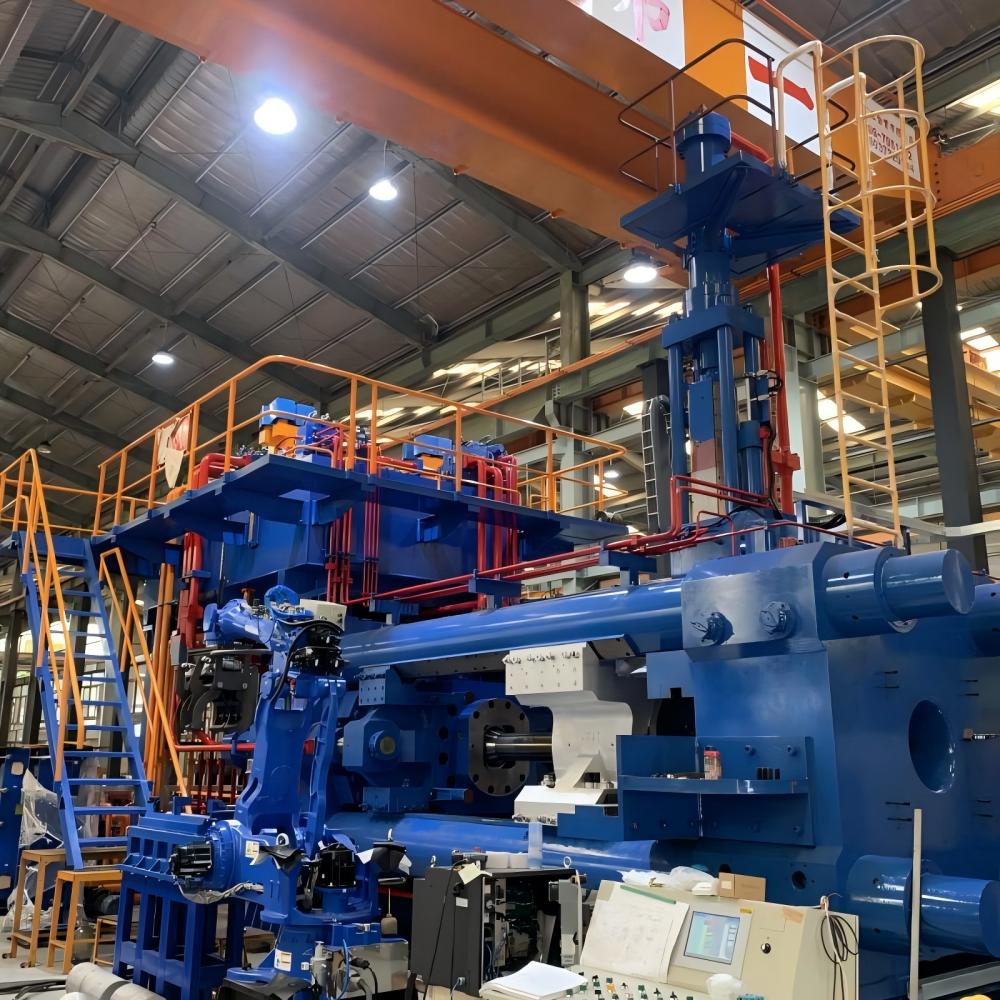
When selecting a machine for Aluminium Extrusion Press Applications In Signage Display Frameworks, the configuration must balance power with precision. For most signage profiles, a hydraulic extrusion press in the range of 600 to 1500 tons is ideal. Larger presses (up to 2500 tons) may be necessary for heavy-duty outdoor structural frames, but the majority of indoor display work falls within the medium-tonnage category.
Key components of a recommended configuration include:
- Advanced Hydraulic System: A system equipped with servo-driven pumps can significantly reduce energy consumption while providing smoother pressure transitions. This is essential for maintaining a constant extrusion speed, which directly impacts the surface quality of the signage profile.
- PLC Control System: Modern HARSLE presses feature intuitive PLC interfaces that allow operators to store “recipes” for different profiles. This ensures repeatability, so that a profile produced today matches exactly with one produced six months ago.
- Billet Heating Furnace: An induction or gas-fired rapid heating furnace is necessary to bring the aluminium billets to the optimal extrusion temperature (usually between 400°C and 500°C) quickly and uniformly.
- Automatic Puller System: To prevent twisting and to ensure the profiles remain straight as they exit the die, an automatic puller is vital. This system maintains a consistent tension on the profile, which is critical for long signage sections.
- Cooling Table and Stretcher: After extrusion, the profiles need to be cooled and then stretched to remove any residual longitudinal stresses and to straighten them perfectly. A high-precision stretcher is a must-have for signage applications where even a 1mm deviation over several meters can ruin the assembly of a large display.
Furthermore, the inclusion of a hot shear for the billets and a precision finish saw at the end of the cooling table allows for a streamlined, semi-automated workflow that reduces manual handling and the risk of surface damage to the finished profiles.
The Extrusion Workflow for Signage Profiles
The workflow for producing signage frameworks via an aluminium extrusion press is a highly orchestrated sequence of thermal and mechanical events. It begins with Billet Preparation, where raw aluminium logs are cut to size and loaded into the heating furnace. Achieving a uniform temperature throughout the billet is the first step in ensuring a high-quality extrusion.
Once heated, the billet is transferred to the Press Container. The hydraulic ram then pushes the softened aluminium through the Extrusion Die. This is the most critical phase, where the metal takes the shape of the signage profile. As the profile emerges, it is guided by the Puller onto the Run-out Table. During this transit, the profile is subjected to Quenching (cooling) via fans or water mists to “lock in” its metallurgical structure.
After the profile has cooled sufficiently, it is moved to the Cooling Bed and then to the Stretcher. Stretching is a vital step for signage; it physically pulls the profile to ensure it is perfectly straight and to increase its yield strength. Once straightened, the long extrusions are moved to the Saw Table, where they are cut into the specific lengths required for the signage project.
The final stage in the workflow is Artificial Aging. The cut profiles are placed in an aging oven for several hours at a controlled temperature. This process precipitates the alloying elements within the aluminium, significantly increasing the hardness and strength of the metal. After aging, the profiles are ready for secondary operations like CNC machining (for holes and slots), surface finishing (anodizing or painting), and final assembly into display frameworks.
Productivity Benefits of Using Extrusion Presses
The adoption of Aluminium Extrusion Press Applications In Signage Display Frameworks offers numerous productivity benefits that directly impact a manufacturer’s bottom line. The most significant benefit is Design Integration. Because the extrusion process can create complex shapes, multiple functional features—such as screw bosses, hinge points, and interlocking grooves—can be designed into a single profile. This eliminates the need for separate fasteners and reduces the time required for final assembly.
Material Efficiency is another major advantage. Extrusion is a near-net-shape manufacturing process, meaning very little material is wasted compared to subtractive methods like milling. Any scrap generated (such as the billet ends or “butts”) can be easily recycled and remelted, making the process highly sustainable and cost-effective. For high-volume signage runs, the savings in material costs can be substantial.
Furthermore, the Speed of Production is unmatched. Once the die is set and the press is dialed in, hundreds of meters of profile can be produced in a single shift. This allows signage companies to respond quickly to large orders or tight deadlines, such as those common in the retail and event industries. The consistency provided by automated HARSLE presses also means fewer rejects and less time spent on quality control.
Finally, the Durability and Low Maintenance of the finished product provide long-term value to the end-user. Aluminium signage frameworks do not rust, warp, or rot. This reduces the need for replacements and repairs, enhancing the reputation of the signage provider and ensuring that the displays remain attractive and functional for years, even in harsh outdoor environments.
Case Example: Large-Scale Airport Wayfinding Project
To illustrate the power of Aluminium Extrusion Press Applications In Signage Display Frameworks, consider a recent project involving the wayfinding system for a major international airport terminal. The project required over 2,000 individual signs, ranging from small overhead directional indicators to massive 5-meter-tall digital information pylons.
The manufacturer utilized a 1200-ton HARSLE aluminium extrusion press to produce a custom-designed 6063-T6 profile. This profile featured an internal “honeycomb” structure for rigidity and external tracks for easy mounting of glass panels and LED backlighting. By using a custom extrusion, the manufacturer was able to reduce the number of individual parts per sign by 40% compared to a traditional sheet-metal-and-bracket design.
The high-speed capabilities of the press allowed the entire production of profiles to be completed in just three weeks. Because the HARSLE press maintained such tight tolerances, the assembly team found that the glass panels and electronic components fit perfectly every time, with zero on-site adjustments required. The final result was a sleek, uniform look across the entire terminal that met all structural safety requirements while remaining lightweight enough for easy installation. This project highlighted how specialized extrusion technology can turn a complex logistical challenge into a streamlined, profitable operation.
Frequently Asked Questions (FAQ)
1. What is the best aluminium alloy for signage frameworks?
The 6063 alloy is generally considered the best for signage due to its excellent surface finish and suitability for anodizing. For structural signage that requires higher strength, 6061 is often used, though its surface finish may not be as smooth as 6063.
2. How long does an extrusion die last?
A well-maintained die can produce between 15,000 to 30,000 kilograms of aluminium profile before it requires significant refurbishment or replacement. Proper nitriding of the die surface and careful control of extrusion temperatures can extend this lifespan.
3. Can the extrusion press handle different profile sizes?
Yes, by simply changing the die, an aluminium extrusion press can produce a vast array of different shapes and sizes, provided they fit within the “circumscribing circle” of the press’s capacity. This makes the machine incredibly versatile for various signage needs.
4. What maintenance is required for an aluminium extrusion press?
Regular maintenance includes monitoring hydraulic oil quality, checking for leaks, lubricating moving parts like the ram and container, and ensuring the heating elements in the furnace are functioning correctly. HARSLE provides detailed maintenance schedules to ensure long-term reliability.
5. Is aluminium extrusion environmentally friendly?
Yes, aluminium is 100% recyclable without losing its properties. The extrusion process itself is efficient, and the ability to create lightweight structures reduces the carbon footprint associated with transportation and installation of signage.
6. How does the press ensure the profiles are straight?
Straightness is achieved through a combination of the puller system (which guides the metal out of the die) and the stretcher (which physically pulls the cooled profile to remove any bends or twists).
Conclusion and Call to Action
The role of Aluminium Extrusion Press Applications In Signage Display Frameworks is fundamental to the modern visual communications industry. By providing the means to create strong, lightweight, and beautiful structures, the extrusion press empowers designers and manufacturers to push the boundaries of what is possible in signage. From the initial billet heating to the final aging process, every step is a testament to the precision of modern engineering.
If you are looking to upgrade your production capabilities or enter the lucrative signage and display market, HARSLE offers the expertise and high-performance machinery you need. Our range of aluminium extrusion presses is designed for maximum efficiency, precision, and durability. Contact HARSLE today to discuss your specific requirements and discover how our industrial solutions can transform your manufacturing workflow and drive your business forward.